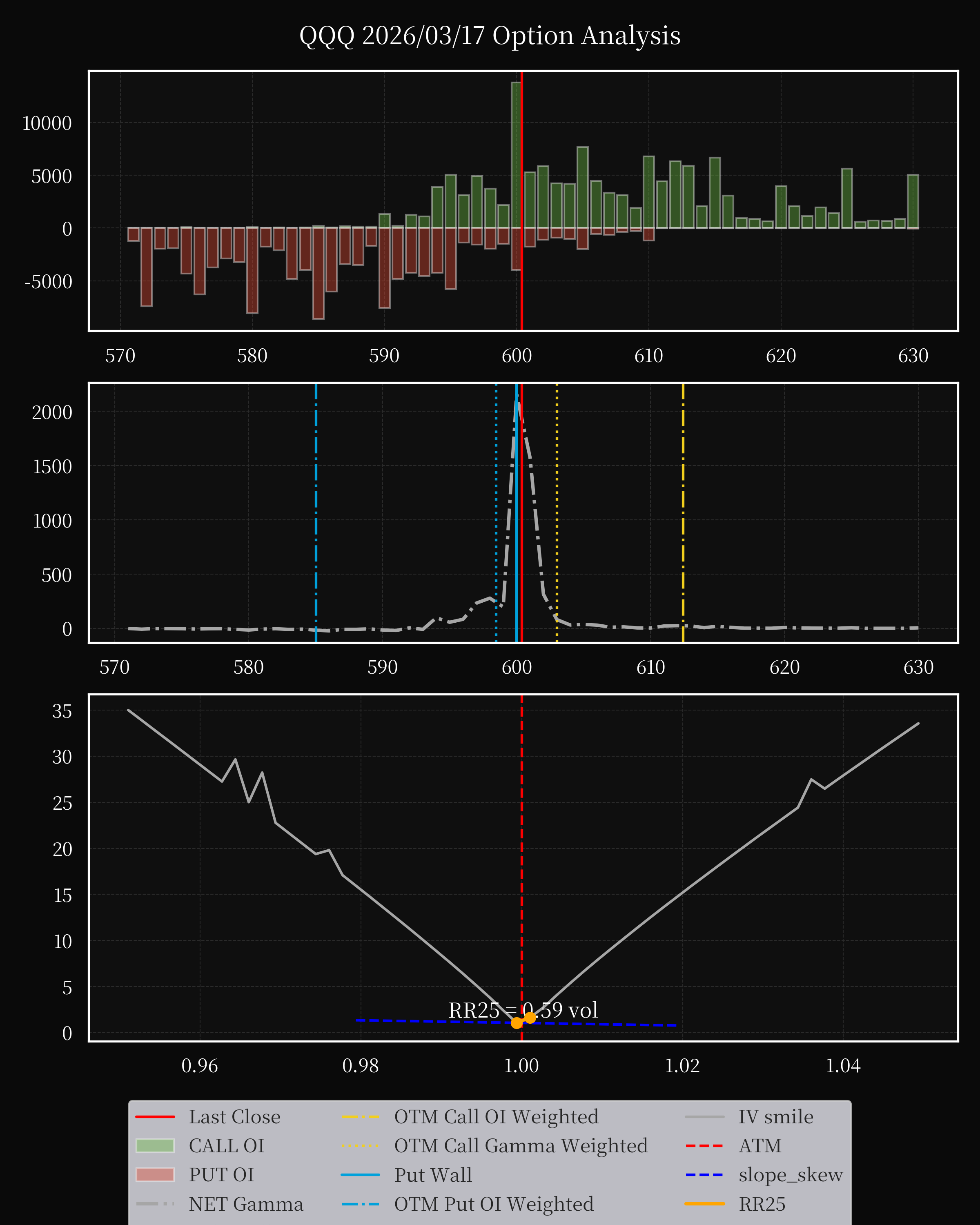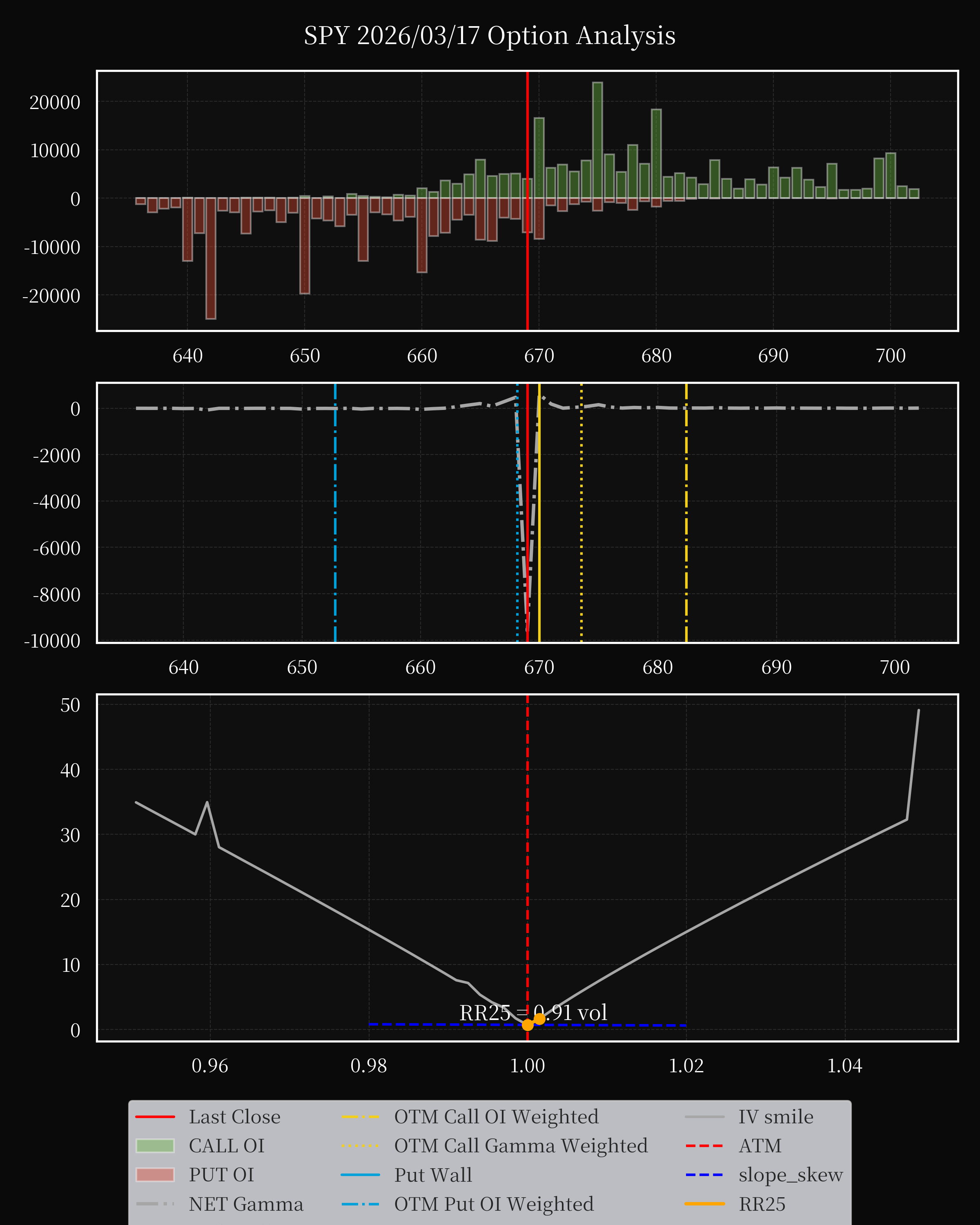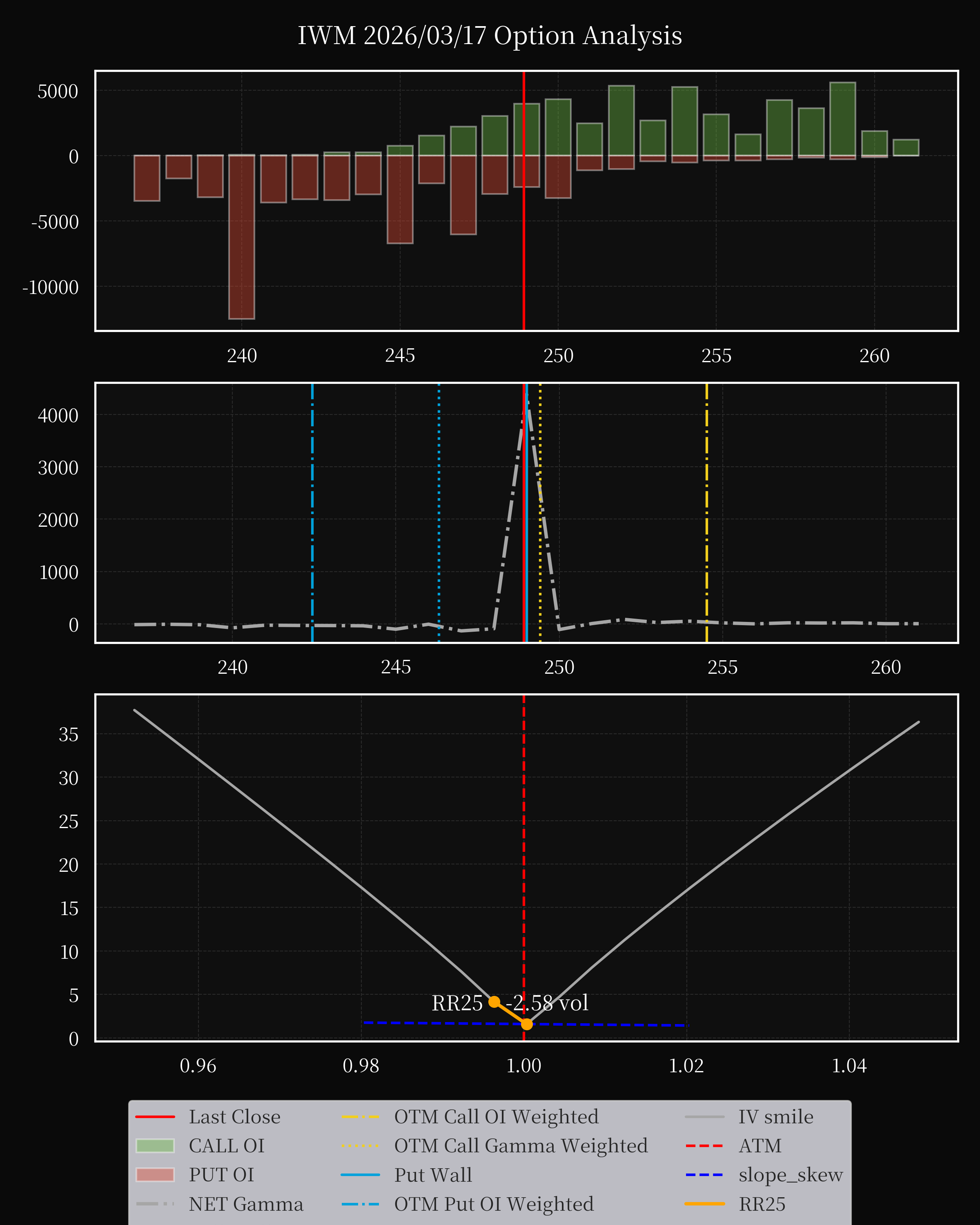
2026-03-16 Post-market Analysis Report
Overall
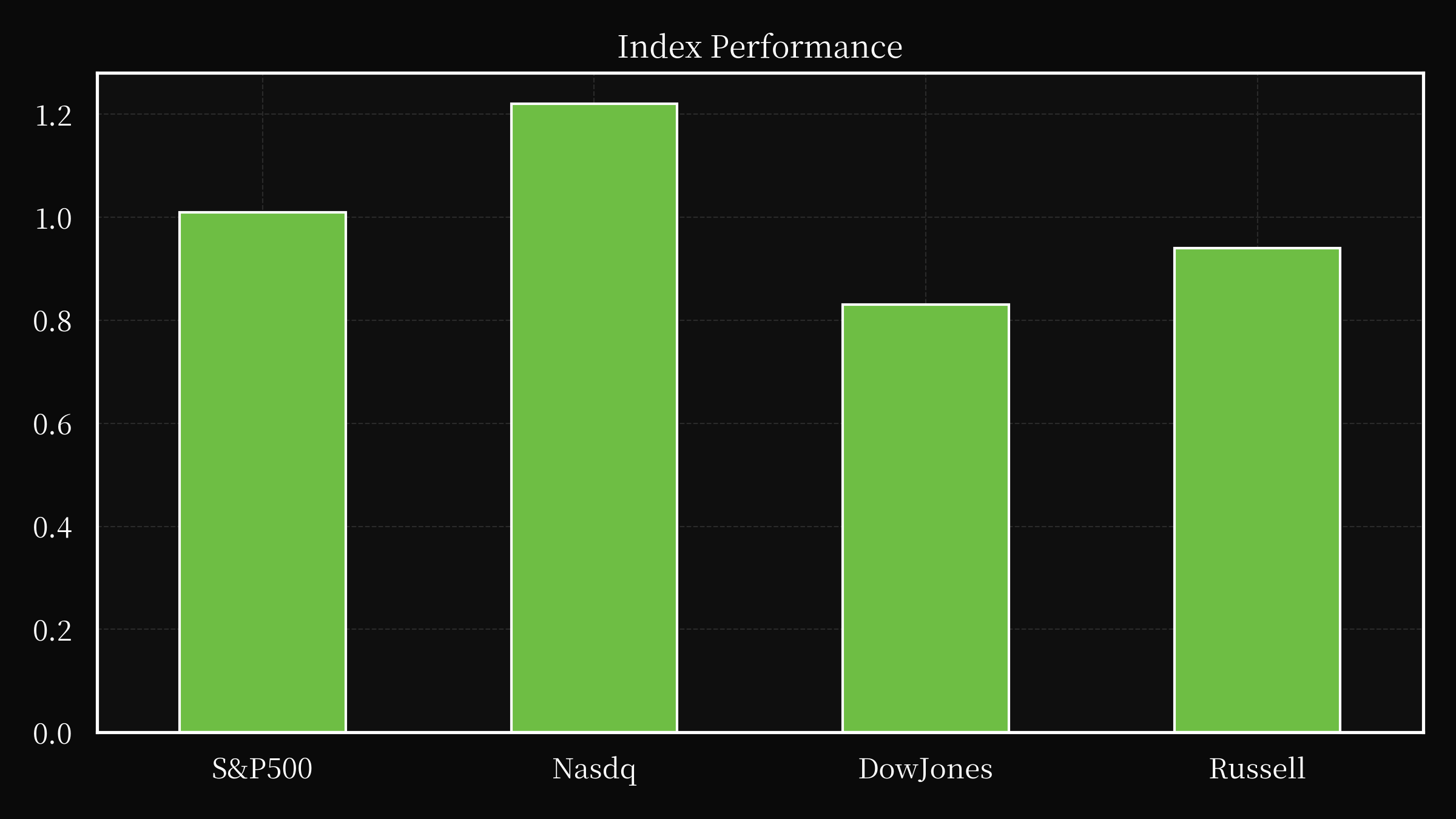
The U.S. equity market is navigating a complex landscape shaped by geopolitical tensions, energy supply disruptions, and evolving macroeconomic dynamics, all while maintaining a resilient outlook despite significant headwinds. The escalation of the conflict between Iran and the United States, particularly concerning the Strait of Hormuz, has emerged as a pivotal factor influencing investor sentiment and market performance. The closure of this critical maritime chokepoint, which facilitates approximately 20% of global oil trade, has immediately tightened energy markets, sending crude prices surging past the $100 per barrel threshold. This spike, while partially tempered by subsequent declines in oil prices, has underscored the fragility of supply chains reliant on Persian Gulf transit routes, with ripple effects felt across sectors ranging from manufacturing to transportation. The semiconductor industry, a cornerstone of U.S. economic competitiveness, has been thrust into focus due to its vulnerability to raw material shortages. Companies like TSMC, which dominate global chip production, currently possess sufficient inventory buffers to withstand short-term disruptions. However, prolonged instability in the region risks compressing sector valuations, as production delays and cost overruns mount. Analysts warn that even a temporary halt in chip supplies could trigger a cascading sell-off, particularly in technology stocks already under pressure from elevated interest rates and shifting earnings expectations. The interplay between energy prices and semiconductor demand further complicates the outlook, as higher oil costs elevate operational expenses for manufacturers while simultaneously fueling inflationary pressures that erode corporate margins. Gold, traditionally a hedge against geopolitical uncertainty, has underperformed relative to expectations despite the heightened risks emanating from the Middle East. This divergence reflects broader market confidence in U.S. Treasury yields, which have risen in response to inflationary concerns and the Federal Reserve’s tightening cycle. The 10-year Treasury yield’s proximity to 4.25% signals a recalibration of risk appetite, with investors prioritizing fixed-income assets over equities amid fears of stagflation. The S&P 500’s recent volatility, including a three-week losing streak as of March 2026, underscores the market’s sensitivity to refinancing risks tied to the $10 trillion in U.S. debt maturing this year. With Treasury yields climbing, the cost of capital for corporations—and particularly growth-oriented firms reliant on cheap financing—has risen sharply, dampening valuations for high-multiple stocks. The tech sector, a primary driver of recent market gains, faces dual challenges from both energy costs and the specter of an AI-driven bubble. While artificial intelligence has been hailed as a transformative force, with companies like Micron and Nvidia poised to benefit from surging demand for memory chips and GPUs, skeptics argue that valuations have become detached from fundamentals. The Nasdaq Composite’s 1.2% gain on Monday, despite mixed signals from the broader market, highlights the sector’s bifurcation: firms with credible AI roadmaps and pricing power may continue to outperform, while others face profit-taking amid concerns about overinvestment. Meanwhile, the broader market’s resilience—evidenced by a rebound in equity benchmarks despite oil price swings—suggests that investors remain optimistic about long-term growth prospects, even as near-term volatility persists. Geopolitical developments beyond the Iran conflict further complicate the macroeconomic picture. The U.S.-China trade relationship, though temporarily stabilized by a potential pause in tariff escalations, remains fraught with uncertainty. The Trump administration’s pivot toward Section 301 tariffs targeting countries accused of child labor reflects a broader strategy to reconfigure global supply chains, though the legal durability of such measures remains in question. Concurrently, the renegotiation of the USMCA trade agreement with Canada and Mexico introduces additional friction, as disputes over automotive components and agricultural tariffs threaten to disrupt cross-border commerce. These dynamics underscore the fragility of globalization’s gains, with investors increasingly pricing in higher costs and delays for goods traversing North America’s integrated supply networks. The Federal Reserve’s policy trajectory, meanwhile, has become a focal point for market participants. With inflationary pressures persisting despite recent moderation in core CPI, the Fed’s decision to hold interest rates steady at its March meeting signaled cautious optimism. However, the central bank’s dual mandate—balancing inflation control against employment goals—remains in tension as the labor market shows signs of cooling. The NAHB/Wells Fargo Housing Index’s modest recovery, juxtaposed with persistent affordability challenges, illustrates the uneven nature of the economic rebound. For equities, the critical test lies in determining whether the Fed will adopt a more dovish stance in response to slowing growth or double down on rate hikes to preempt inflation resurgence. Investor sentiment has also been shaped by the unpredictable outcomes of high-stakes diplomatic engagements, including the potential meeting between President Trump and Chinese President Xi Jinping. While the prospect of a U.S.-China détente could alleviate risks tied to trade tensions and tech restrictions, the broader strategic rivalry—particularly in areas like semiconductors and military affairs—remains unresolved. Similarly, the fate of the Strait of Hormuz continues to hinge on diplomatic negotiations between Iran and its adversaries, with the International Energy Agency’s proposed oil releases offering only temporary relief. These variables create a volatile backdrop for equity markets, where sentiment often oscillates between panic and complacency based on headlines rather than fundamentals. Looking ahead, the S&P 500’s trajectory will depend on several interrelated factors: the duration of oil price volatility, the Fed’s ability to navigate inflation without derailing growth, and the resolution of geopolitical flashpoints. Analysts remain divided on the likelihood of a near-term correction, with some citing technical indicators—such as the index’s failure to breach its 200-day moving average—as evidence of weakening momentum. Others, however, argue that the market’s recent strength reflects a re-rating of growth assets, particularly in sectors poised to benefit from AI adoption and energy transition policies. The rise of private credit as a market participant, exemplified by Deutsche Bank’s €26 billion exposure, further complicates the landscape, as non-traditional capital sources increasingly influence corporate lending and risk appetite. Ultimately, the U.S. equity market’s ability to sustain its recovery hinges on its capacity to absorb shocks while maintaining confidence in its long-term growth engine. The Iran conflict, though urgent, represents one of many variables in an era of heightened uncertainty. Investors must weigh the risks of energy-driven inflation against the potential for technological disruption, all while navigating a central bank’s cautious policy stance. For now, the market’s resilience suggests an implicit trust in corporate adaptability and fiscal stimulus, though the road ahead remains fraught with peril. As geopolitical tensions persist and macroeconomic imbalances linger, the coming months will test the durability of equity valuations—and the ingenuity of those who seek to profit from their evolution.
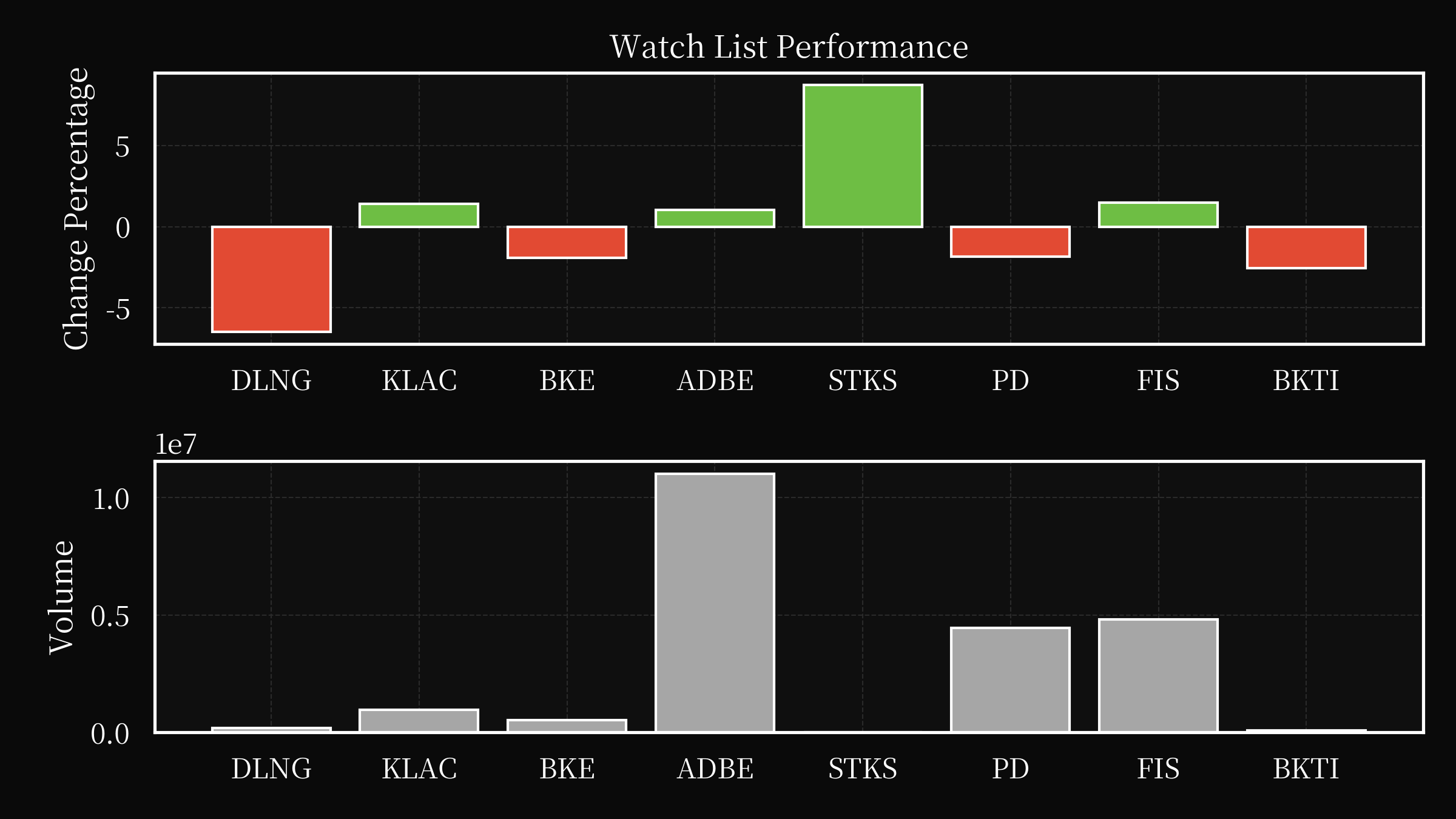
The market opened with dramatic swings, led by PagerDuty, Inc., which plunged 12% after reporting strong earnings but a cautious 2027 outlook, dragging its shares to $6.94 amid lingering volatility concerns. In contrast, The ONE Group Hospitality, Inc. (STKS) surged nearly 9% to $1.87, buoyed by robust pre-market sentiment and a rally in hospitality stocks. The Buckle, Inc. (BKE) followed suit, climbing 1.9% to $49.32 as investors responded positively to its latest earnings beat and improved financial position, while Adobe Inc. (ADBE) suffered a 2% dip to $251.86 following leadership uncertainty and analyst skepticism. Meanwhile, KLA Corporation (KLAC) advanced 1.4% to $1,438.24, reflecting optimism about its strategic moves in the semiconductor sector, and Fidelity National Information Services (FIS) rose 1.5% to $50.44, reinforcing confidence in fintech’s growth trajectory. Dynagas LNG Partners LP (DLNG) closed lower at $3.76, its Q4 earnings beat overshadowed by broader market jitters, and BK Technologies (BKTI) slipped 2.5% to $76, as its recent results failed to meet expectations despite a strong prior year. Overall, the session underscored divergent fortunes, with tech and retail stocks reacting sharply to both fundamentals and sentiment, while defensive plays like FIS and BKE maintained steady upward momentum.