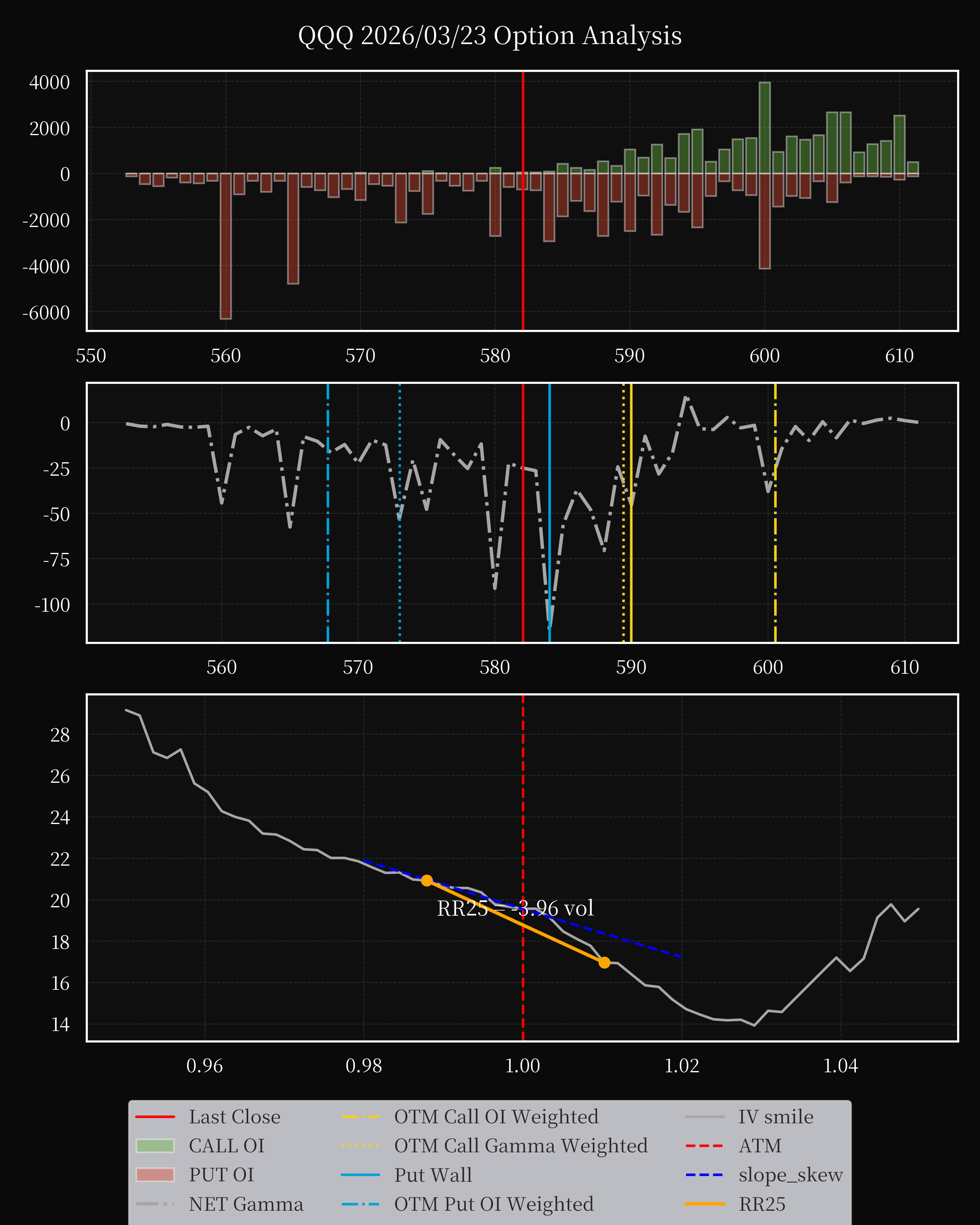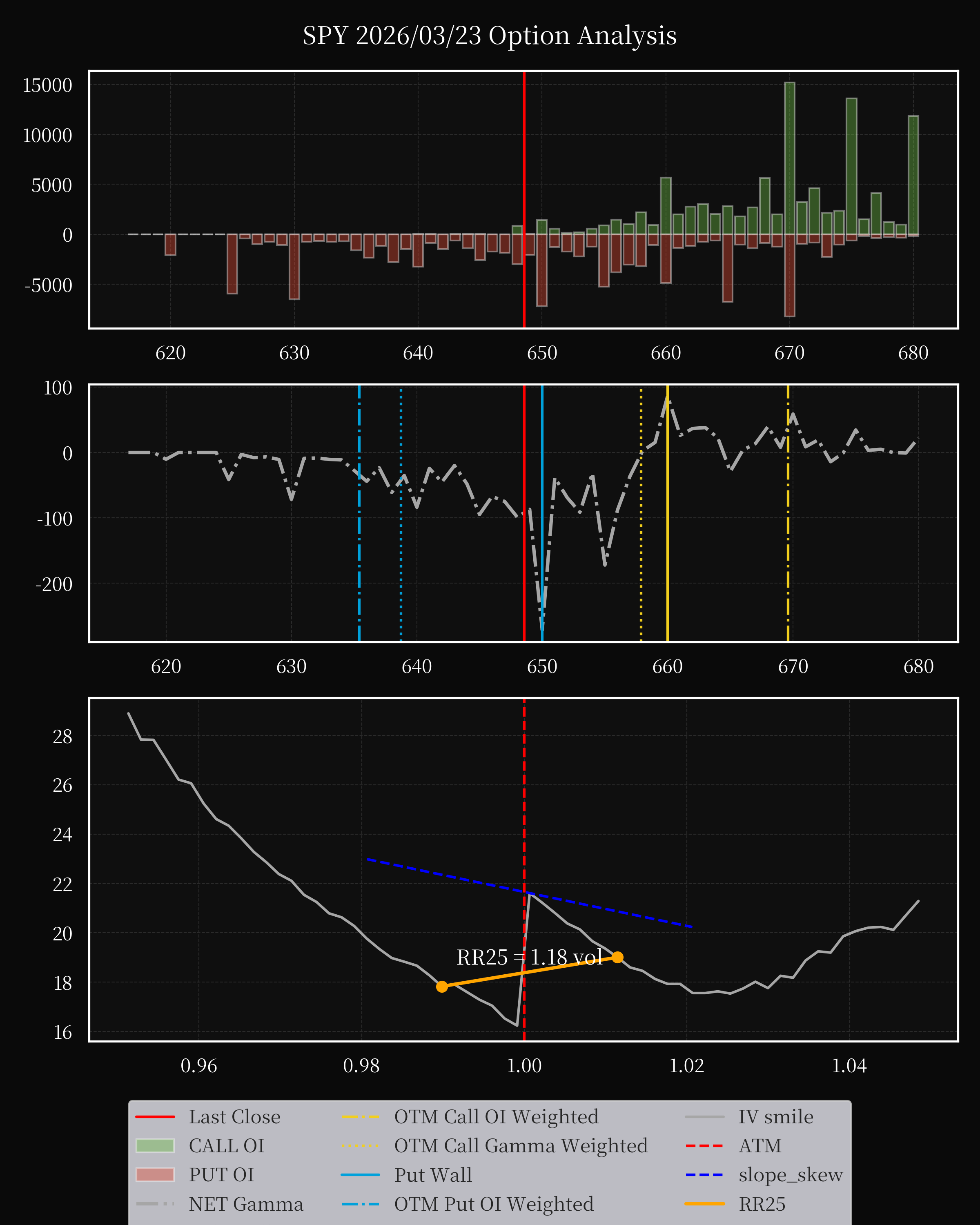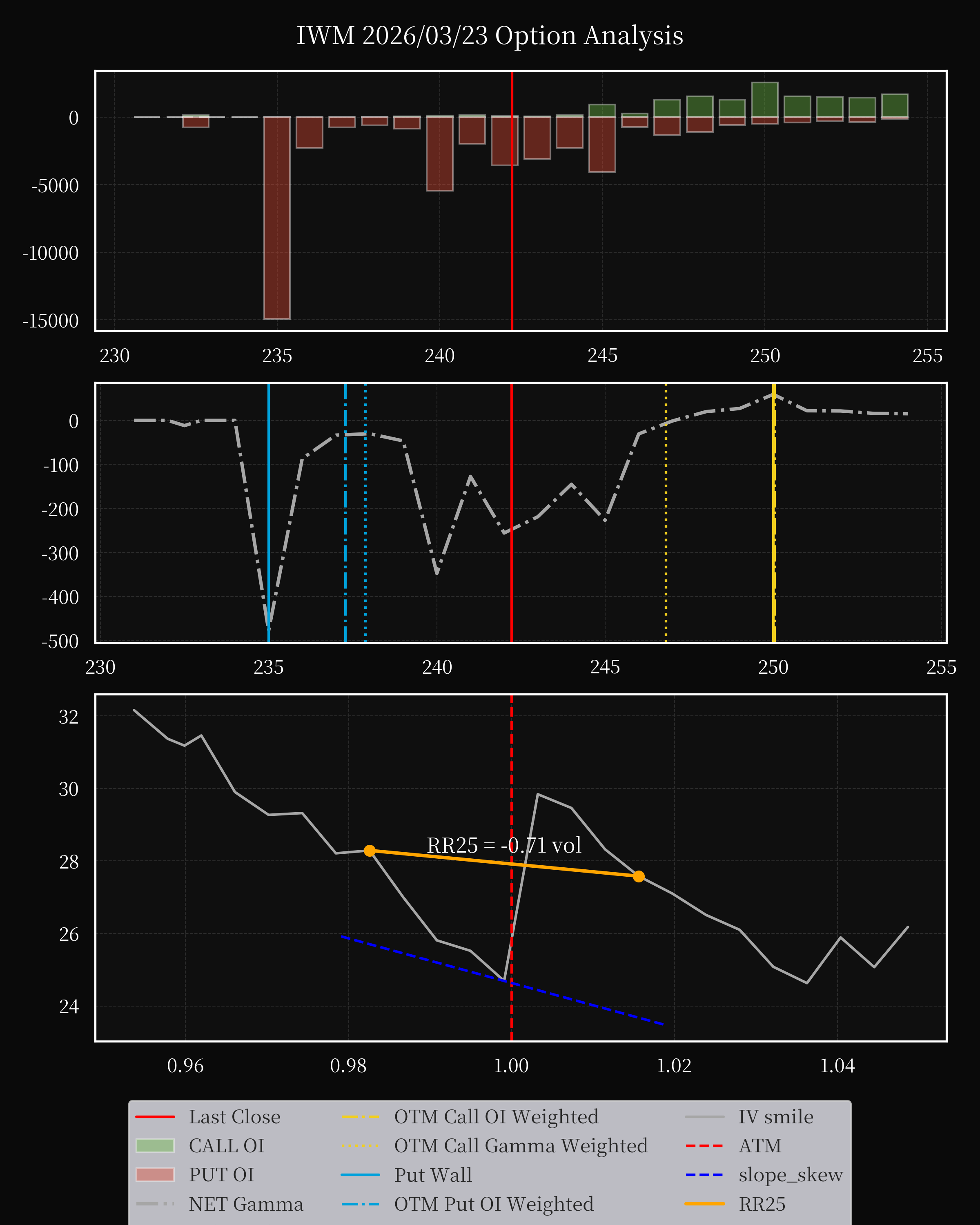
2026-03-20 Post-market Analysis Report
Overall
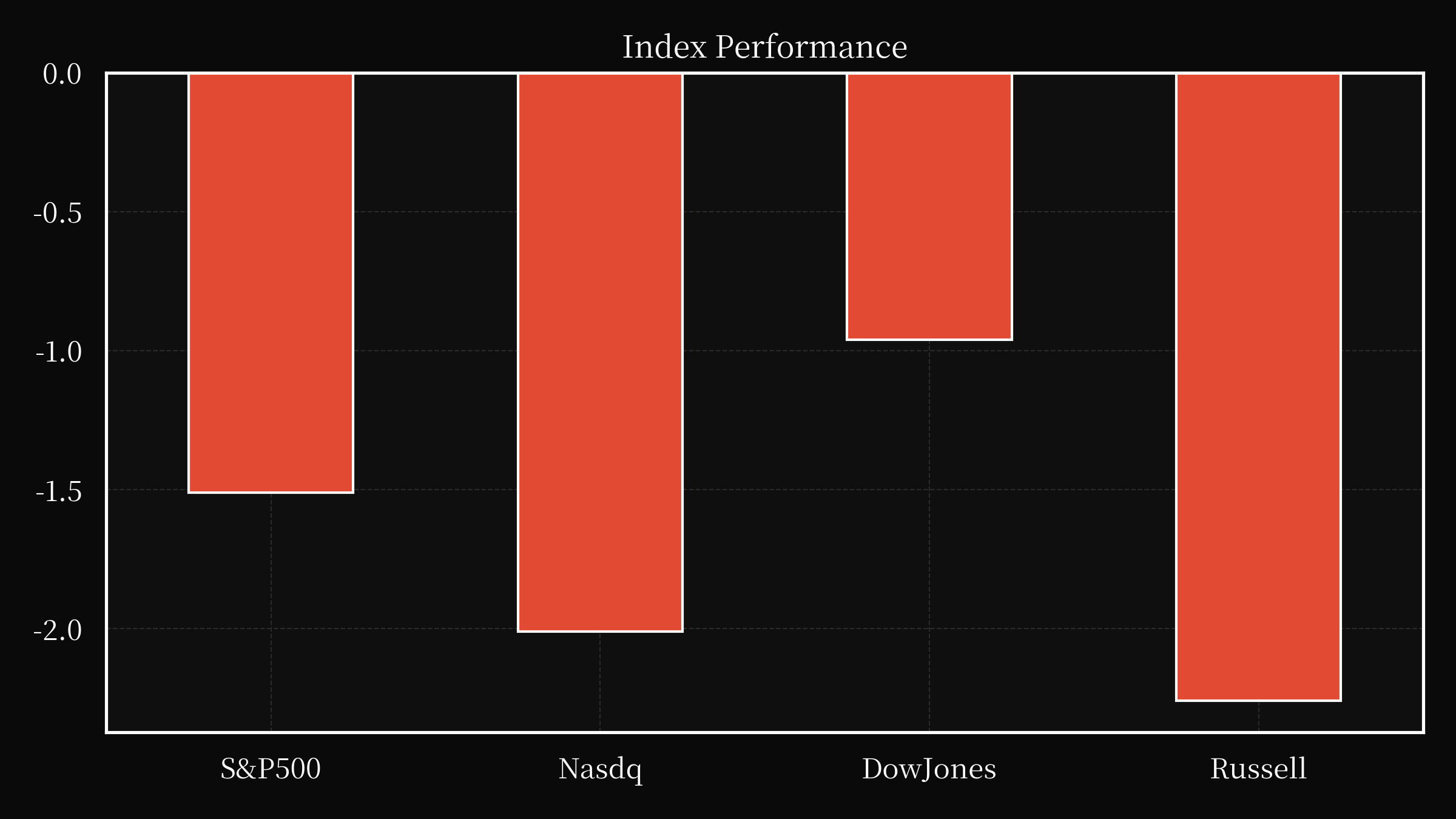
The U.S. stock market closed the week on a decidedly somber note, with major indices slipping to session lows amid a confluence of geopolitical tensions, inflationary pressures, and shifting monetary policy expectations. The Dow Jones Industrial Average, S&P 500, and Nasdaq all ended Friday in the red, reflecting a broad-based selloff driven by heightened uncertainty stemming from the escalating conflict in the Middle East, surging oil prices, and the Federal Reserve’s evolving stance on interest rates. Investors, who had hoped for a de-escalation of hostilities between the U.S. and Iran, instead found themselves grappling with the realization that the situation could persist for an extended period, further stoking fears of prolonged supply disruptions and inflationary spikes.
A primary catalyst behind the market’s weakness was the announcement by President Donald Trump that he had “no desire” for a cease-fire, which immediately cast a shadow over prospects for a swift resolution to the Iran crisis. This statement, coupled with the Pentagon’s deployment of additional military assets to the region, significantly increased the likelihood of a protracted conflict. Such developments not only threaten to disrupt global oil supplies through the Strait of Hormuz but also raise the specter of further volatility in already fragile energy markets. Analysts and market participants alike have expressed concern that the conflict could extend well beyond its current phase, potentially leading to a drawn-out regional insecurity scenario that would have lasting implications for global energy prices and economic stability.
Compounding these geopolitical concerns was the relentless acceleration of inflation, which has emerged as the dominant theme shaping market sentiment and investment decisions. The S&P 500 and Nasdaq both posted losses in excess of 1.5%, with the latter falling by 2% as investors reassessed the likelihood of imminent Federal Reserve rate cuts. The persistence of inflation—driven in part by higher energy costs and supply chain disruptions—has eroded confidence in the notion that monetary policy could pivot quickly toward easing. Instead, the market is now bracing for a more cautious, data-dependent approach from the Fed, as policymakers grapple with the dual challenge of curbing price pressures while supporting economic growth. The recent dot plot revisions, projecting inflation to reach 2.7% by 2026, underscore the extent to which inflation expectations have become embedded in market pricing, further complicating the Fed’s task of balancing growth and price stability.
The impact of these developments was acutely felt across multiple sectors, with energy, financials, and industrials among the most adversely affected. The sharp rise in crude oil prices—fueled by the Iran conflict and broader supply concerns—has weighed heavily on corporate earnings and consumer confidence alike. Energy stocks, while benefiting from higher prices, face heightened volatility and uncertainty regarding the duration and scope of supply disruptions. Meanwhile, financial institutions, particularly those with significant exposure to commercial real estate and high-yield debt, are under renewed scrutiny as the risk of a broader credit downturn rises. The JPMorgan BetaBuilders Canada ETF (BBCA) was down over 6.7% amid fears of a Canadian recession and mounting trade tensions, highlighting how global macro risks are reverberating through equity markets and prompting investors to reassess risk allocations.
Investor sentiment was further dampened by the realization that the Federal Reserve is likely to adopt a more conservative stance in the near term. Governor Christopher J. Waller’s comments, suggesting that rate cuts may still be on the table if the labor market weakens, were tempered by his insistence on maintaining vigilance given ongoing geopolitical and inflationary risks. This cautious tone from the Fed has contributed to a broader shift in market expectations, with bond yields rising and equities retreating from growth-oriented bets. The “Bloomberg Real Yield” indicator, which tracks the market’s perception of real interest rate trends, reflected a growing consensus that the Fed is unlikely to embark on a cycle of rate cuts until inflation shows sustained signs of moderation.
The broader implications of these market movements extend beyond immediate price reactions. The selloff has exposed vulnerabilities in portfolios overly concentrated in growth stocks, particularly those reliant on strong consumer spending and favorable financing conditions. Defensive sectors such as utilities, consumer staples, and healthcare have offered relative stability, while investors have increasingly turned to high-quality dividend payers and companies with resilient cash flows. The underperformance of the Nasdaq, which is heavily weighted toward technology stocks, underscores the extent to which growth-dependent valuations are being challenged by rising rates and economic uncertainty.
Moreover, the market’s reaction to the Iran conflict has reignited debates about the role of geopolitical risk in portfolio construction. While some investors have sought to hedge against potential energy shocks through commodities or inflation-linked bonds, others have adopted a wait-and-see approach, hoping for clarity on the conflict’s trajectory before committing capital. The uncertainty surrounding oil supply—particularly through the Strait of Hormuz—remains a key variable, with any significant disruption potentially triggering sharp spikes in energy prices and further inflationary pressures. Analysts have warned that prolonged instability could not only impact global growth but also exacerbate recession risks, particularly for economies with high energy import dependence.
The broader macroeconomic backdrop has also been shaped by renewed concerns over private credit markets. As banks tighten lending standards in response to higher interest rates and economic uncertainty, non-bank lenders have filled some of the void, albeit at elevated risk premiums. The potential for a credit crunch, particularly in sectors such as real estate and small business lending, has added another layer of complexity to the market’s outlook. The Federal Reserve’s recent proposal to lower bank capital requirements, aimed at supporting lending and housing activity, represents an attempt to mitigate these risks, but its effectiveness remains to be seen amid ongoing global tensions.
In addition to these fundamental shifts, the market’s behavior has been influenced by broader thematic trends, including the ongoing debate over artificial intelligence (AI) and technological innovation. While AI continues to be a source of optimism for long-term growth, near-term expectations have been tempered by the reality of higher borrowing costs and shifting investor priorities. The divergence between growth and value stocks has widened, with value-oriented sectors benefiting from a re-rating away from speculative tech bets. This rotation reflects a broader recalibration of risk appetite, as investors seek more tangible assets and cash flow stability in an environment of heightened uncertainty.
Looking ahead, the trajectory of the U.S. stock market will likely remain closely tied to developments in the Middle East, inflation trends, and the Federal Reserve’s policy path. The possibility of a prolonged Iran conflict, coupled with persistent inflationary pressures, suggests that market volatility may remain elevated for some time. Investors will need to navigate a complex landscape where traditional valuation metrics are increasingly overshadowed by geopolitical and macroeconomic contingencies. While opportunities may arise in defensive sectors and high-quality equities, the broader environment demands a disciplined approach to risk management and a willingness to adapt to rapidly evolving conditions.
Ultimately, the market’s recent performance serves as a reminder of the interconnected nature of global events and their capacity to reshape financial markets. As policymakers, corporations, and investors grapple with the fallout from the Iran crisis and the lingering effects of inflation, the coming months will test the resilience of portfolios and the adaptability of economic forecasts. The challenge lies not only in identifying immediate threats but also in anticipating the longer-term implications of a world where geopolitical risk and monetary policy uncertainty are likely to remain defining features of the investment landscape.
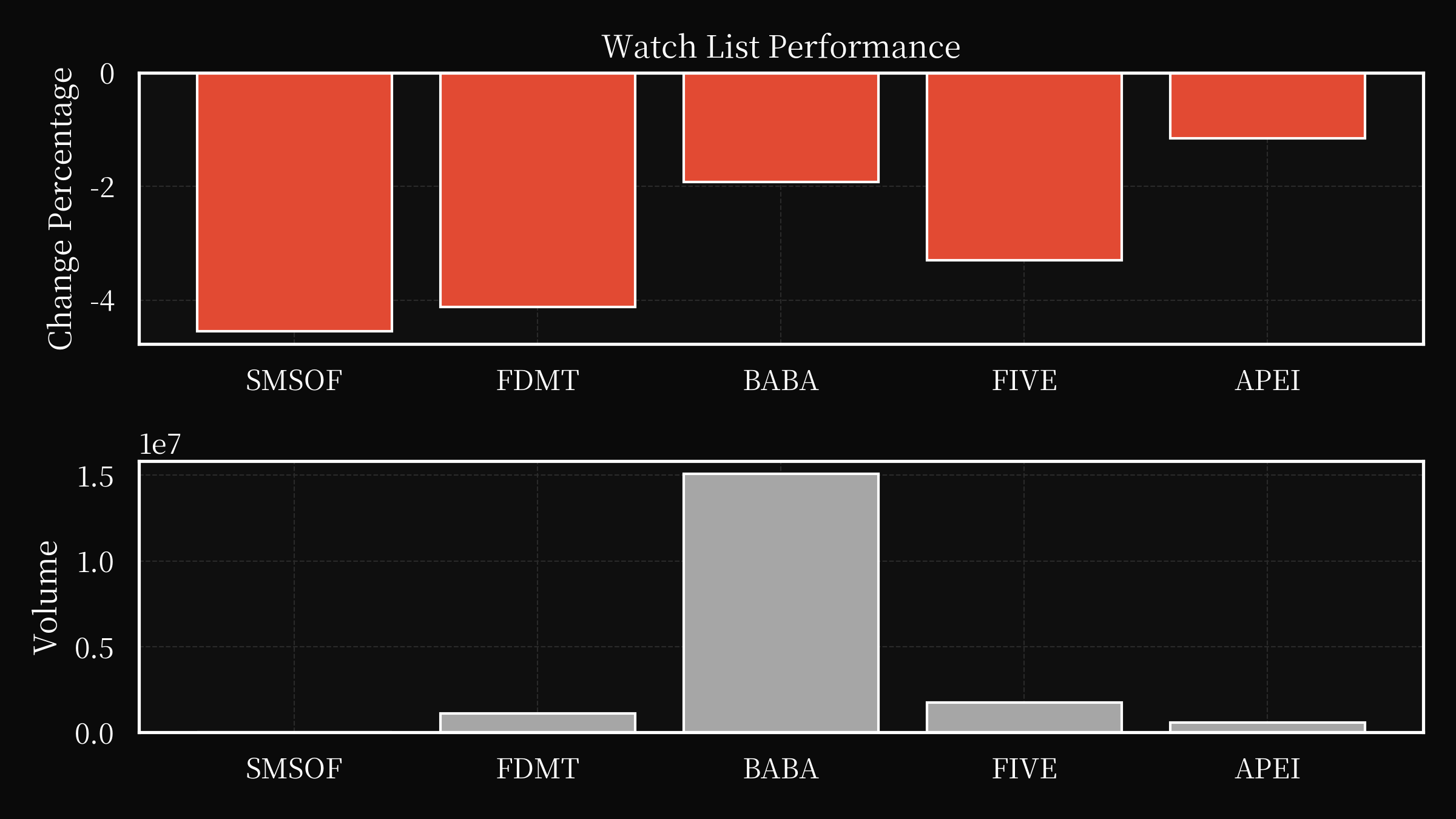
Samsonite International posted a robust rally, with shares climbing 2.1 percent to $4.55 as its fourth-quarter results exceeded expectations on the back of strong EPS, sales, and cash flow growth, reinforcing investor confidence in its brand resilience. Meanwhile, 4D Molecular Therapeutics surged 8.6 percent to $8.83 on NASDAQ, buoyed by a blockbuster Otsuka deal that delivered $85 million in revenue and underscored the biotech’s accelerating pipeline momentum. Alibaba Group, however, saw its shares slip 1.9 percent to $125.72 amid disappointing Q4 earnings, even as its cloud and AI segments continued to show promise despite intense market competition. FIVE BREAKED through resistance, rallying 6 percent to $227.42 as its quarterly results and upbeat guidance energized investors, while American Public Education rallied 1.2 percent to $54.62, reflecting renewed optimism in its educational services strategy. Overall, the market responded most decisively to Samsonite’s operational outperformance and FIVE’s breakout, with Alibaba’s dip and APEI’s modest uptick rounding out the session’s narrative.