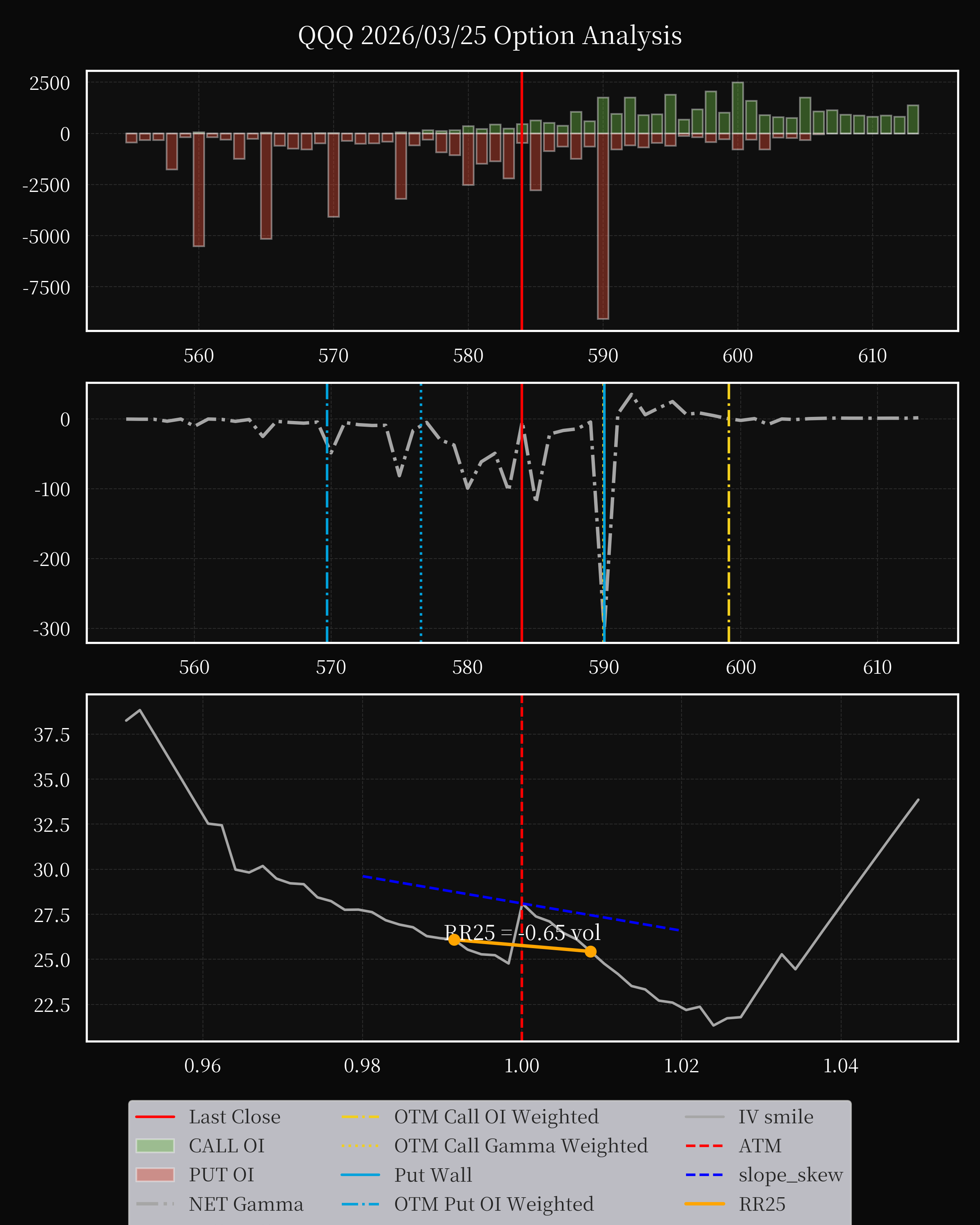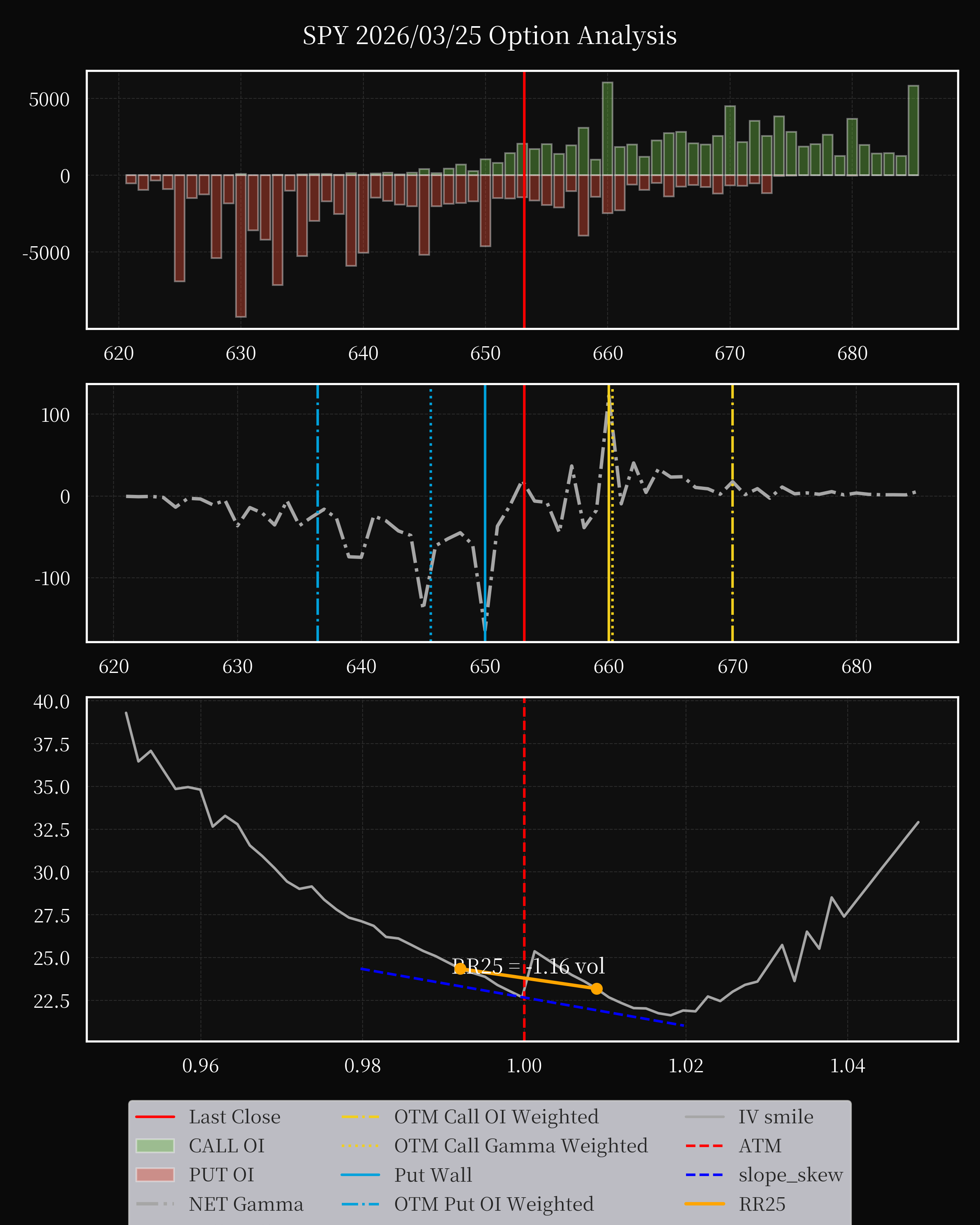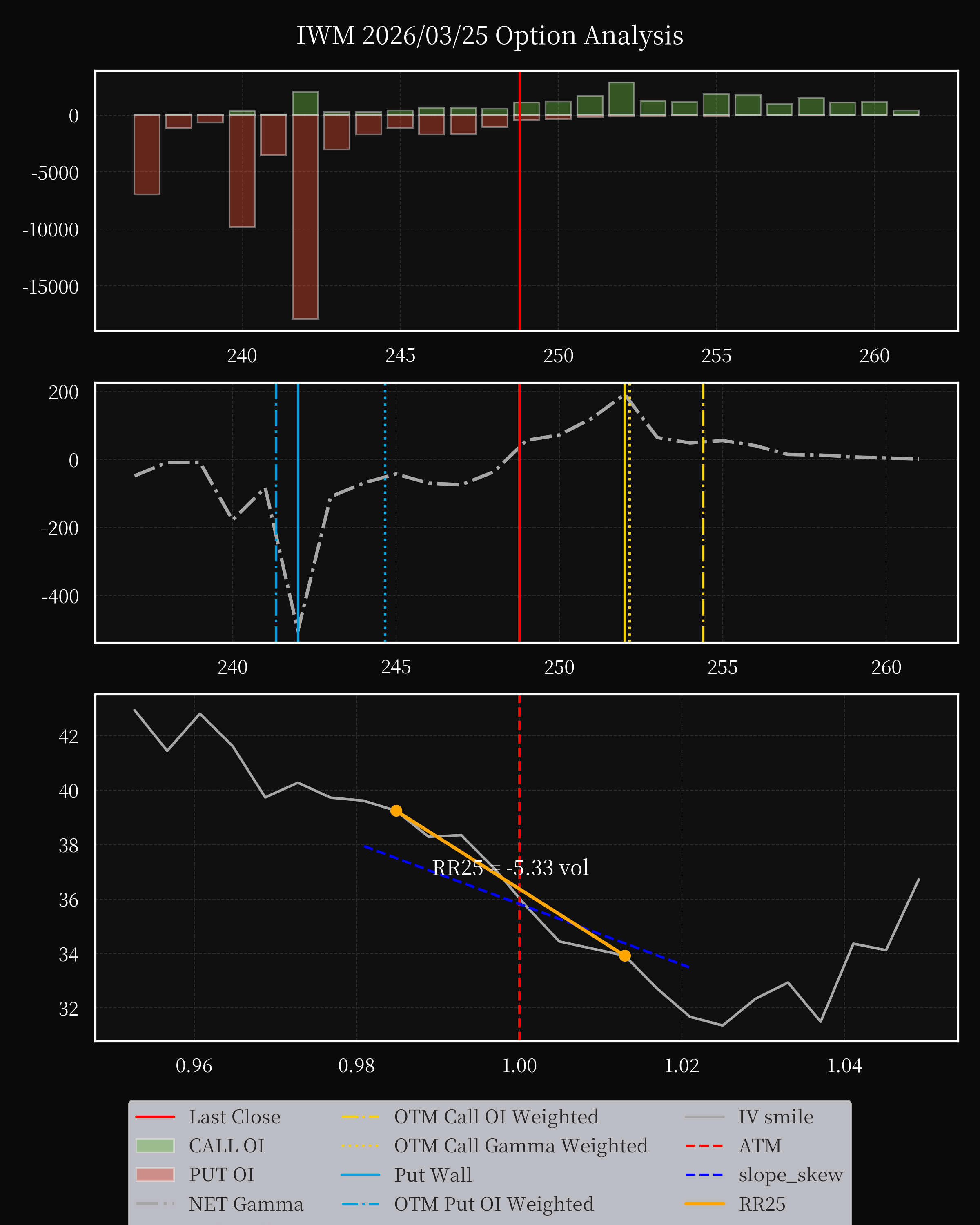
Overall
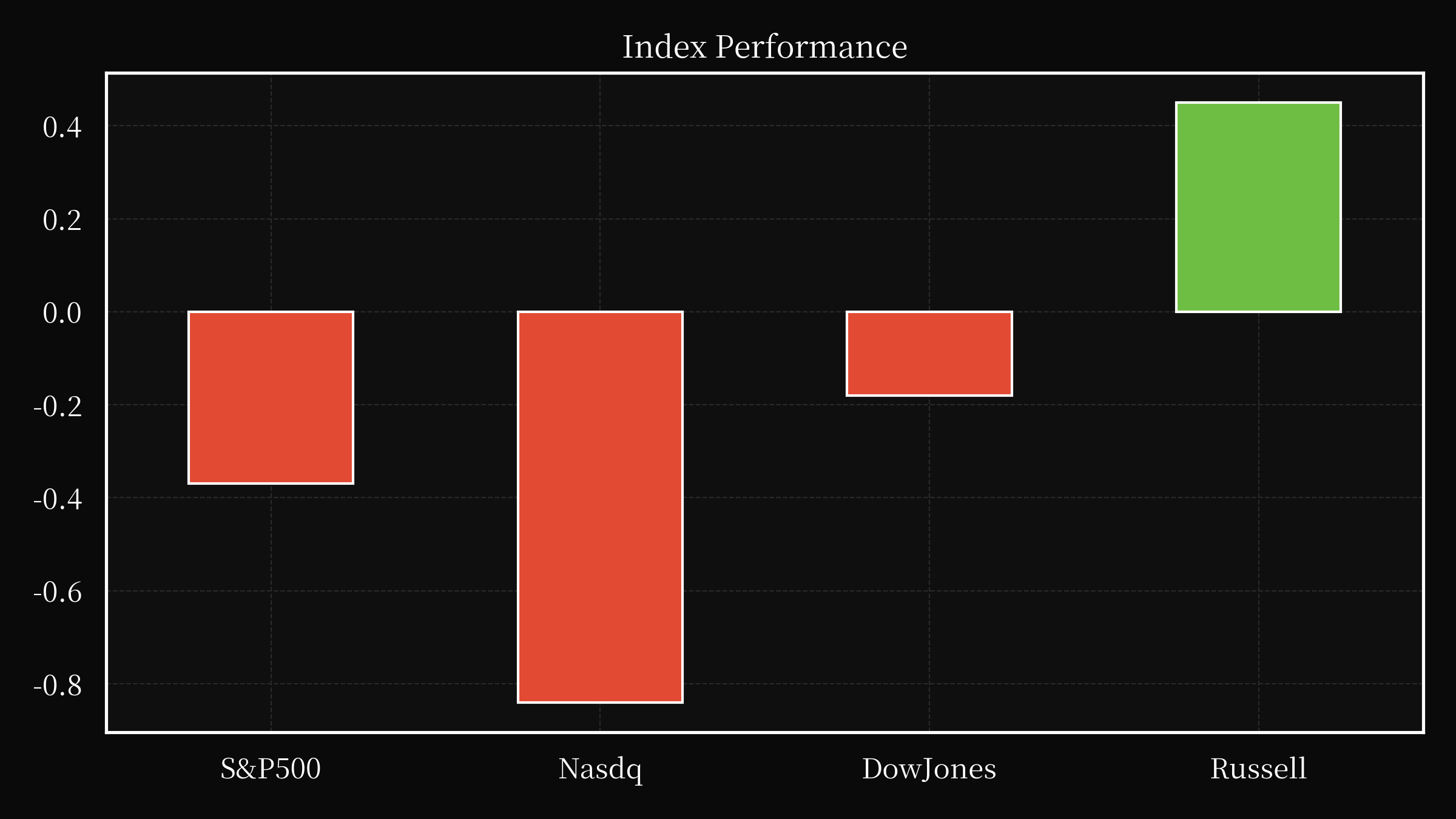
The U.S. stock market entered a phase of cautious optimism on Tuesday, as investors weighed a complex tapestry of geopolitical tensions, macroeconomic shifts, and sector-specific dynamics. For the first time in over a year, major blue-chip equities appeared undervalued, with the S&P 500 and Dow Jones indices showing signs of recovery after a tumultuous period marked by volatility and uncertainty. This shift in sentiment was underscored by the return of seasoned strategists like Michael Kantrowitz, Piper Sandler, and Marta Norton to prominent market commentary platforms, signaling a broader reassessment of risk and opportunity amid the backdrop of a rapidly evolving global landscape. The market’s recent bounce, however, was tempered by persistent bearishness in key segments such as cryptocurrencies, gold, and small-cap stocks, highlighting the uneven nature of the recovery and the nuanced outlook for investors.
The S&P 500’s rebound, while notable, was not uniform across the board. Analysts emphasized that the index’s strength was largely confined to large-cap technology and consumer discretionary sectors, which have benefited from resilient earnings and robust balance sheets. Conversely, small-cap stocks, which typically thrive in low-interest-rate environments and exhibit higher growth potential, remained entrenched in bearish territory due to their sensitivity to rising borrowing costs and economic headwinds. This divergence underscores a broader market narrative: investors are increasingly gravitating toward companies with established market dominance and predictable cash flows, as the specter of inflationary pressures and tighter monetary policy weighs on more speculative or cyclical sectors. The Federal Reserve’s ongoing struggle to expedite bank mergers and acquisitions further complicates the landscape, as regulatory delays introduce additional uncertainty into the financial sector—a key pillar of the U.S. economy. Meanwhile, the Bank of Japan’s escalating bond yields and the yen’s precarious position near the 160 level add another layer of complexity, reflecting global monetary policy divergence that continues to ripple through equity markets.
Geopolitical tensions, particularly the escalating conflict between the United States and Iran, emerged as a central theme in market analysis. The potential for further disruption in the Strait of Hormuz—a critical chokepoint for global oil supplies—has reignited fears of a supply shock reminiscent of the 1970s oil crises. Although President Donald Trump’s decision to postpone strikes against Iranian energy infrastructure provided temporary relief, the broader implications of the Iran war remain profound. Analysts warn that prolonged hostilities could destabilize energy markets, driving oil prices to levels not seen since the mid-2010s and exacerbating inflationary pressures already fueled by wage growth and supply chain bottlenecks. The ripple effects extend beyond commodities: rising Treasury yields, driven by heightened demand for safe-haven assets, have increased borrowing costs for corporations and consumers alike, further straining corporate margins and dampening consumer spending. This confluence of factors has led to a reevaluation of growth forecasts, with many strategists cautioning that the U.S. economy may face a protracted period of stagflation—a toxic mix of stagnant growth and persistent inflation that could erode purchasing power and investor confidence.
Despite these headwinds, certain sectors demonstrated resilience, offering a glimmer of hope for diversified portfolios. Technology stocks, led by mega-caps such as Microsoft and NVIDIA, have maintained their dominance, buoyed by the accelerating adoption of artificial intelligence (AI) and cloud computing. William Blair analyst Jason Ader highlighted AI as a transformative force, positioning companies at the forefront of generative AI development to benefit from a multi-year growth cycle. Similarly, healthcare stocks, particularly those involved in obesity treatments like Eli Lilly, outperformed broader market trends thanks to strong earnings and favorable regulatory tailwinds. These examples illustrate the importance of identifying niche opportunities within a volatile environment, as investors seek to balance exposure to high-growth innovation with defensive plays in sectors like utilities and consumer staples.
The bond market’s trajectory further complicates the equity outlook. Rising Treasury yields, now approaching critical thresholds, have intensified scrutiny over the Federal Reserve’s dual mandate of price stability and maximum employment. While higher yields traditionally signal economic strength, they also increase the cost of capital, disproportionately affecting growth-oriented companies reliant on debt financing. The 10-year yield’s proximity to 4.5% threatens to derail recent gains in long-duration assets, such as tech stocks and real estate investment trusts (REITs), which are particularly sensitive to interest rate fluctuations. This dynamic has prompted a shift toward short-duration bonds and cash equivalents, as investors prioritize liquidity and capital preservation over speculative bets on economic recovery.
Gold, often viewed as a hedge against geopolitical and inflationary risks, experienced a mixed performance amid the turmoil. While initial panic buying drove prices higher, subsequent profit-taking and the dollar’s relative strength led to a retracement. The metal’s volatility underscores its dual role as both a store of value and a speculative asset, with its appeal contingent on the severity and duration of systemic risks. Similarly, cryptocurrencies, which suffered a brutal 35% drawdown from their peak, face existential questions about their viability as long-term stores of value. The collapse in Bitcoin’s valuation—erasing over $2 trillion in market capitalization—reflects broader skepticism about regulatory clarity and technological adoption, though some analysts argue that the crisis could catalyze a consolidation phase ahead of a potential resurgence.
The housing market, another bellwether for economic health, also signaled caution. With home flipping activity declining by 3.9% year-over-year to its lowest level since 2020, rising mortgage rates and affordability constraints continue to weigh on demand. This trend aligns with broader demographic shifts, including delayed homeownership among younger generations and urban migration patterns reshaped by remote work. For investors, the weakness in residential real estate highlights the risks of overexposure to cyclical sectors and reinforces the case for defensive positioning in sectors with stable cash flows.
As market participants navigate this multifaceted environment, the emphasis on multi-asset strategies has gained renewed traction. The success of portfolios combining equities, bonds, commodities, and alternatives during previous cycles suggests that diversification remains a prudent approach amid heightened uncertainty. Paul Hickey of Bespoke Investment Group advocates for a “buy the dip” mentality, arguing that the current correction presents opportunities to accumulate undervalued assets ahead of a potential rebound. However, timing the market remains fraught with peril, particularly when sentiment is driven by exogenous shocks like geopolitical conflicts or central bank interventions.
In conclusion, Tuesday’s market dynamics encapsulate the paradox of cautious optimism in a world of persistent volatility. While the S&P 500’s resilience offers a foundation for strategic accumulation, the enduring challenges posed by inflation, geopolitical instability, and monetary policy normalization demand a disciplined, evidence-based approach to investing. The lessons of 2025—marked by supply chain fragility, ideological shifts in economic policy, and the reemergence of stagflationary risks—underscore the need for adaptability and a long-term perspective. Investors who balance sector rotation with risk management, leveraging both macroeconomic insights and micro-level opportunities, are best positioned to navigate the turbulence ahead. As markets continue to recalibrate, the interplay between innovation, policy, and global conflict will remain the defining force shaping the trajectory of U.S. equities in the months to come.
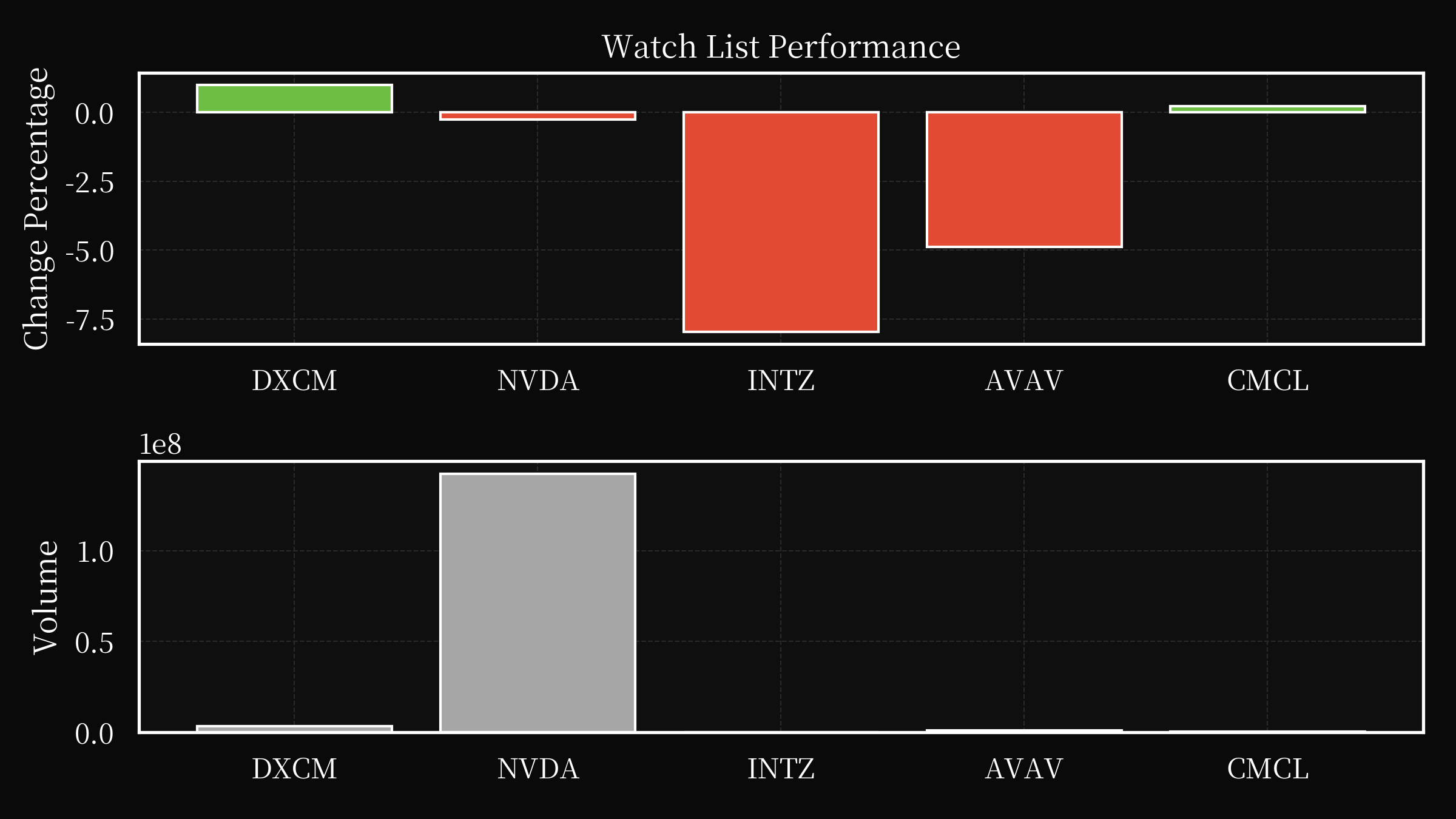
The market opened with significant momentum as DexCom surged, buoyed by Evercore ISI’s upgrade to an Outperform rating and a $90 price target, reflecting robust growth and expanding margins. Nvidia’s AI-driven security platform, unveiled in San Francisco, gained traction with 95% precision in filtering malicious prompts, reinforcing investor confidence in cloud safety amid the AI boom. INTZ delivered a dramatic 15% rally following a 75% earnings jump, propelled by strong financials and favorable market dynamics, while Raymond James stock, AVAV, flipped from underperformance to a strong buy as geopolitical factors and valuation shifts favored its position. Meanwhile, Caledonia Mining, CMCL, posted a record-breaking profit surge, driven by soaring gold prices and operational excellence, underscoring the mining sector’s resilience. Despite NVDA’s slight dip, the stock maintained a solid presence, reflecting broader sentiment around AI’s growth trajectory.