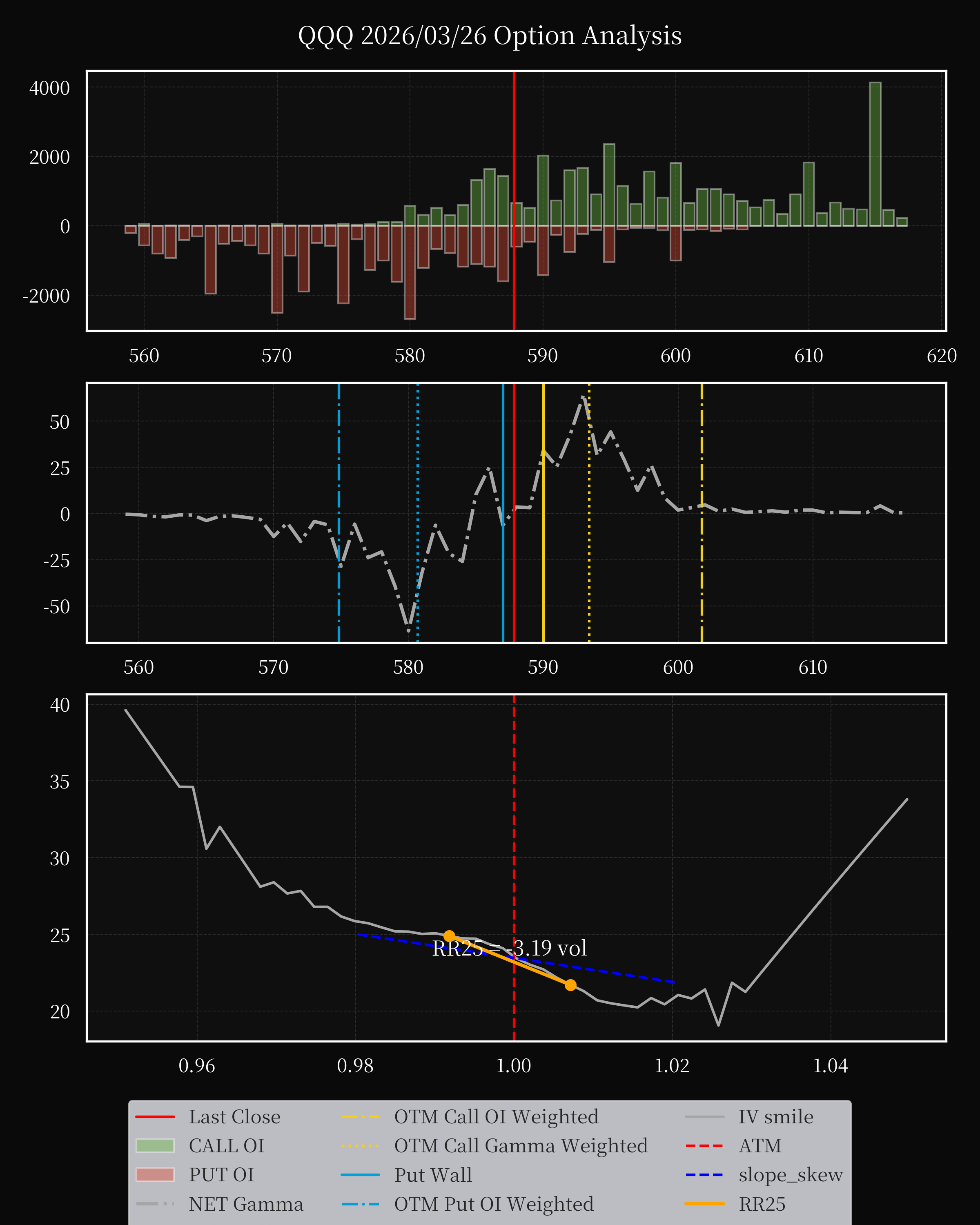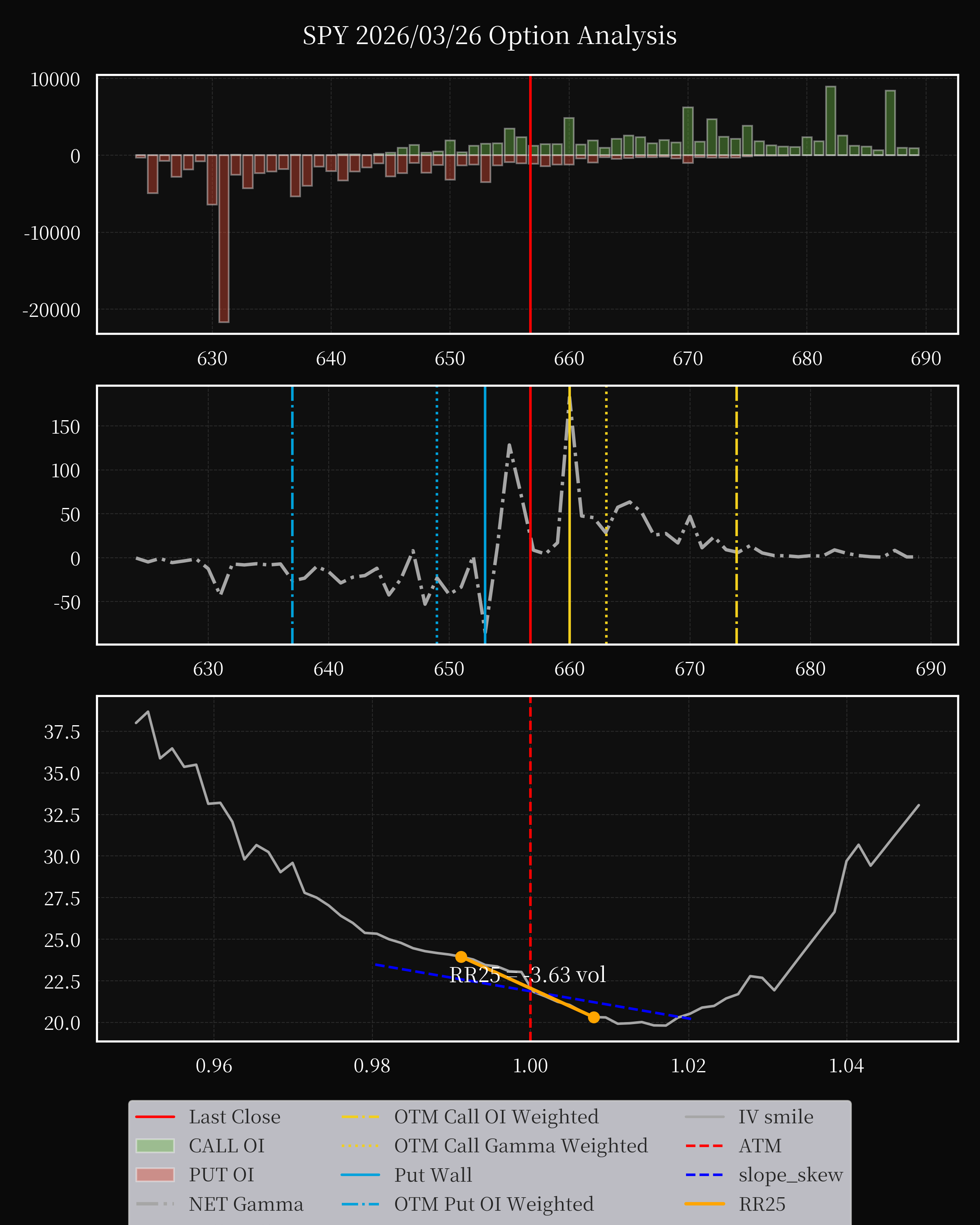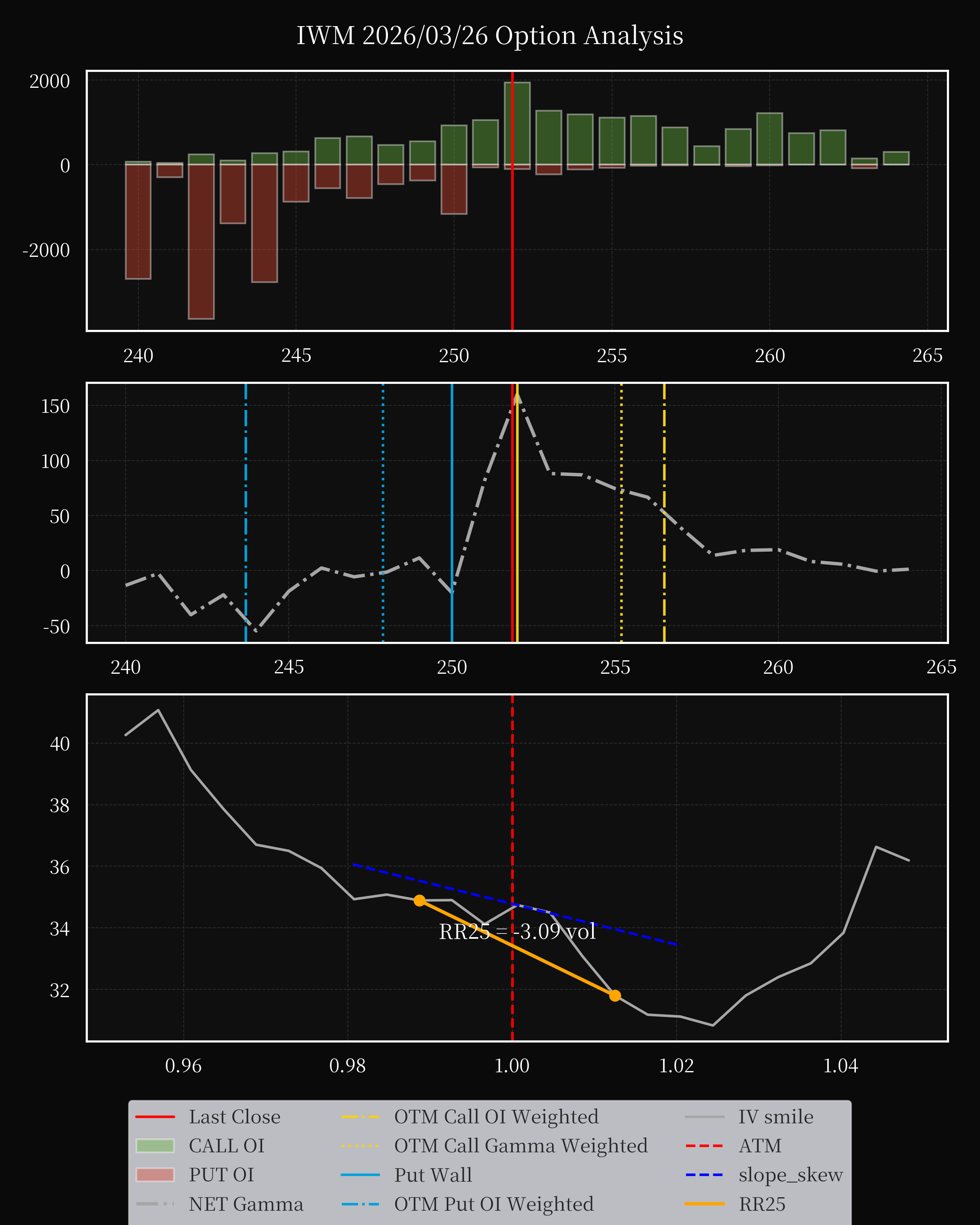
Overall
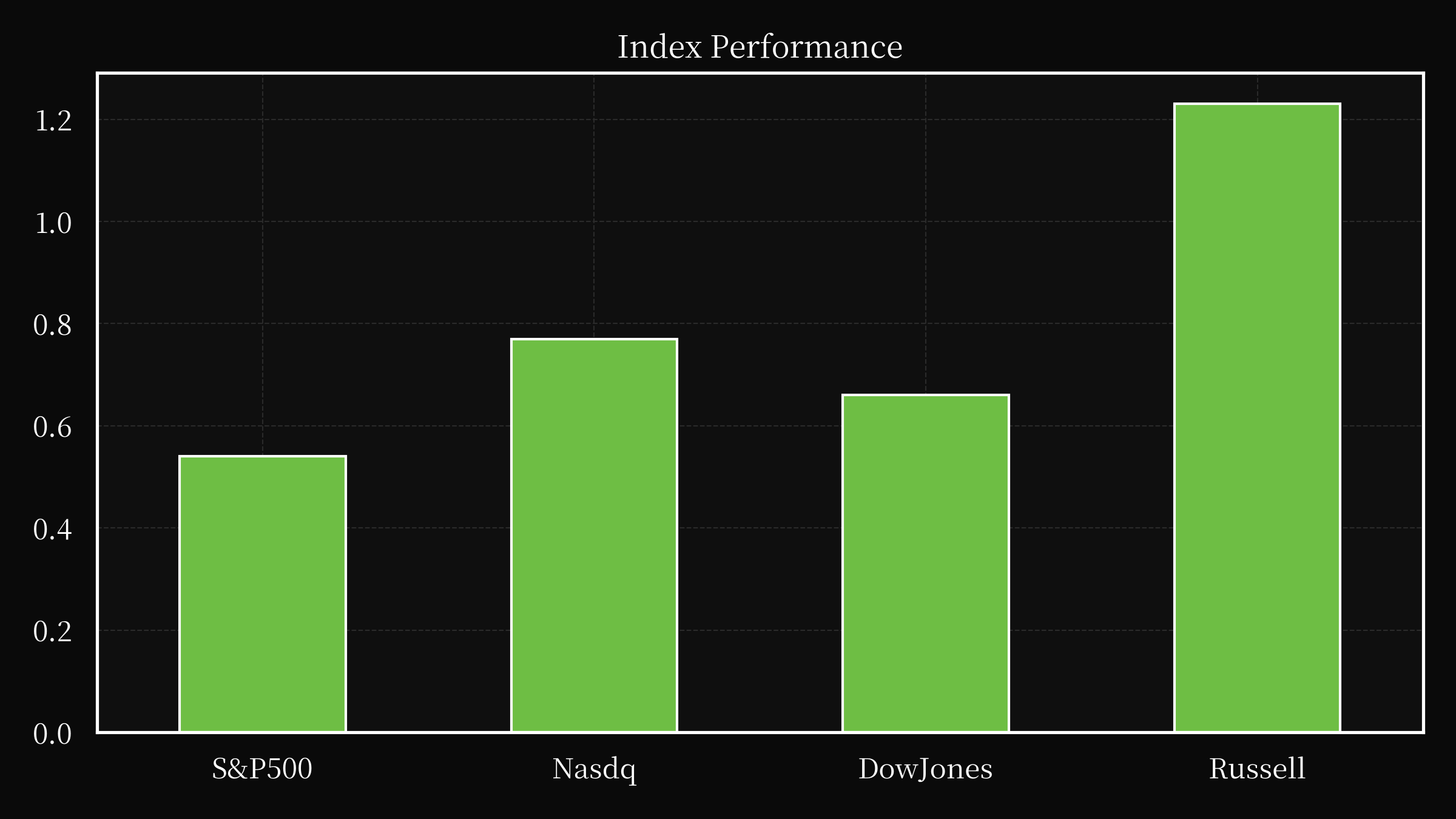
The U.S. equity and fixed-income markets exhibited a complex interplay of optimism, caution, and sector-specific dynamics on Wednesday, as traders and investors navigated a landscape shaped by geopolitical tensions, macroeconomic expectations, and evolving corporate valuations. The day’s trading action was marked by a broad-based rally in equities, tempered by persistent volatility stemming from uncertainty over the trajectory of U.S.-Iran relations, divergent inflationary pressures, and the lingering effects of monetary policy normalization. While the S&P 500 maintained a cautious Hold rating amid mixed signals from the Federal Reserve and a backdrop of elevated long-term yields, the broader market demonstrated resilience, buoyed by strong earnings, resilient inflation expectations, and strategic positioning in anticipation of potential policy shifts. The interplay between these factors underscores the nuanced challenges facing investors as they balance growth prospects against systemic risks and cyclical headwinds.
A defining theme of the session was the market’s reaction to the prospect of a U.S.-Iran ceasefire, which, despite initial optimism, failed to deliver a clear resolution to the conflict in the Middle East. This uncertainty triggered sharp swings in oil prices, which fell modestly despite the geopolitical backdrop, reflecting a cautious investor sentiment toward energy assets amid broader macroeconomic concerns. The S&P 500 and Nasdaq Composite indices closed higher, buoyed by gains in defensive sectors and momentum-driven equities, yet the volatility index (VIX) remained elevated, signaling lingering apprehension about the potential for escalation. Analysts emphasized that while the immediate risk of direct U.S. military engagement with Iran may have receded, the broader implications for global energy markets and supply chain stability remain significant. The interplay between oil prices and equity valuations highlighted the market’s sensitivity to geopolitical developments, particularly in regions critical to global energy flows.
The Federal Reserve’s role in shaping market expectations continued to dominate discussions, with former Pimco vice chairman Richard Clarida reiterating that a rate hike by the European Central Bank (ECB) was not a foregone conclusion but rather a “high bar” to clear. His remarks underscored the Fed’s cautious approach to monetary policy, which remains focused on anchoring inflation expectations despite recent data suggesting a moderation in price pressures. The market’s reaction to Clarida’s comments reflected a broader debate over the timing and magnitude of rate adjustments, with investors weighing the potential for a “soft landing” against the risk of over-tightening in the face of persistent core inflation. The Federal Reserve’s balance sheet, still reeling from pandemic-era liquidity injections and subsequent inflation-fighting measures, remains a critical variable, as its ability to influence market conditions through forward guidance and asset purchases continues to shape investor behavior.
Amid these macroeconomic considerations, sector-specific trends revealed stark divergences in performance. The technology sector, long a bellwether for growth expectations, faced headwinds from concerns over artificial intelligence (AI) valuations and the potential for regulatory scrutiny. However, some analysts, including Huntington Bank’s Ian Wyatt, noted that the sector’s long-term prospects remained intact, with AI investment poised to drive innovation and productivity gains. The market’s rotation toward value-oriented stocks and defensive positions, however, suggested a shift in sentiment, as investors sought to hedge against the risks associated with high-growth equities. This dynamic was further amplified by the proliferation of “gating” mechanisms in private credit markets, which have introduced new layers of complexity for investors navigating leveraged loan portfolios and high-yield debt.
The private credit sector emerged as a focal point for both opportunity and caution, with firms like Cheniere Energy (LNG) and Venture Global (VG) drawing attention for their potential to capitalize on energy infrastructure vulnerabilities in Qatar and other regions. The growing interdependence between global energy markets and geopolitical stability highlighted the sector’s strategic importance, as investors reassessed the risks and rewards of allocating capital to non-traditional fixed-income instruments. Meanwhile, the broader credit market’s sensitivity to interest rate expectations and default rates raised questions about the sustainability of recent performance, particularly in the wake of the Federal Reserve’s aggressive tightening cycle. The interplay between private credit and public markets also underscored the increasing interconnectedness of financial systems, as liquidity conditions in one arena reverberate across asset classes.
Retail investors, emboldened by the prospect of a bull market peak, exhibited a pronounced appetite for equities, particularly in sectors perceived as resilient to economic cycles. This trend, however, raised concerns about overvaluation, as the consensus remained bullish on inflationary expectations but acknowledged the risks of a sharp correction if growth slows or inflation persists. The market’s reliance on leveraged participants to maintain liquidity further complicated this dynamic, as margin calls and deleveraging pressures could amplify volatility during periods of stress. Analysts cautioned that the current environment, characterized by a mix of optimism and caution, required disciplined risk management, particularly for investors with concentrated positions in momentum-driven stocks.
The role of central banks and fiscal policy in shaping market outcomes remained a central theme, with the European Central Bank’s potential rate hike serving as a reminder of the global nature of monetary policy. While the ECB’s decision would not directly impact U.S. markets, its implications for cross-border capital flows and currency dynamics could indirectly influence equity and bond valuations. The Federal Reserve’s own policy trajectory, meanwhile, remained the primary driver of investor sentiment, with markets closely monitoring economic data such as employment figures, consumer spending, and inflation readings for clues about future rate decisions. The recent revision down in the probability of a “Quick Deal” in the market’s near-term outlook reflected a growing recognition of the challenges inherent in balancing growth, inflation, and financial stability.
Sector-specific opportunities also emerged, particularly in the communication services and energy sectors, where undervalued stocks presented potential entry points for long-term investors. The underperformance of the information technology sector, driven by concerns over AI valuation multiples and regulatory risks, contrasted with the resilience of energy and consumer discretionary stocks, which benefited from higher oil prices and strong retail demand. These divergences highlighted the importance of active portfolio management, as investors sought to navigate the shifting landscape of economic and technological disruption.
The market’s reaction to geopolitical developments, particularly the U.S.-Iran conflict, underscored the growing influence of non-economic factors on financial markets. While the immediate risk of direct military engagement had diminished, the potential for indirect consequences—such as disruptions to oil supply chains or heightened defense spending—remained a key consideration for investors. The interplay between energy prices and equity valuations further illustrated the market’s sensitivity to external shocks, as rising oil costs could erode corporate margins while simultaneously supporting energy sector performance.
In parallel, the broader economic environment continued to evolve, with the National Bureau of Economic Research (NBER) emphasizing the importance of distinguishing between cyclical and structural trends in economic activity. The current expansion, though marked by a K-shaped recovery, exhibited signs of strain, particularly in middle and lower-income segments, which faced persistent challenges from inflation and stagnant wage growth. This disparity raised questions about the sustainability of consumer-driven growth, as retailers and service providers grappled with shifting demand patterns and pricing pressures.
The role of retail investors in shaping market dynamics also came under scrutiny, as their increasing participation in equities and alternative assets reflected a broader democratization of capital markets. However, this trend also highlighted the risks of speculative behavior, particularly in sectors prone to overvaluation or regulatory uncertainty. The proliferation of retail trading platforms and the rise of meme stocks further complicated the landscape, as retail sentiment occasionally clashed with institutional analyses of long-term value.
Ultimately, the day’s market action encapsulated the complexities of navigating a financial environment defined by competing forces: optimism about economic resilience, caution over inflationary risks, and uncertainty about geopolitical outcomes. The interplay between these factors demanded a nuanced approach to investing, with a focus on diversification, risk mitigation, and strategic positioning. As investors weighed the potential for further rate hikes, sector rotations, and macroeconomic shifts, the emphasis on adaptability and informed decision-making became more critical than ever. The markets’ ability to absorb these challenges while maintaining upward momentum underscored their enduring role as a barometer of economic health and a platform for capital allocation. In this context, the lessons of the day—about the interplay of policy, perception, and performance—will continue to shape the strategies of market participants in the weeks and months ahead.
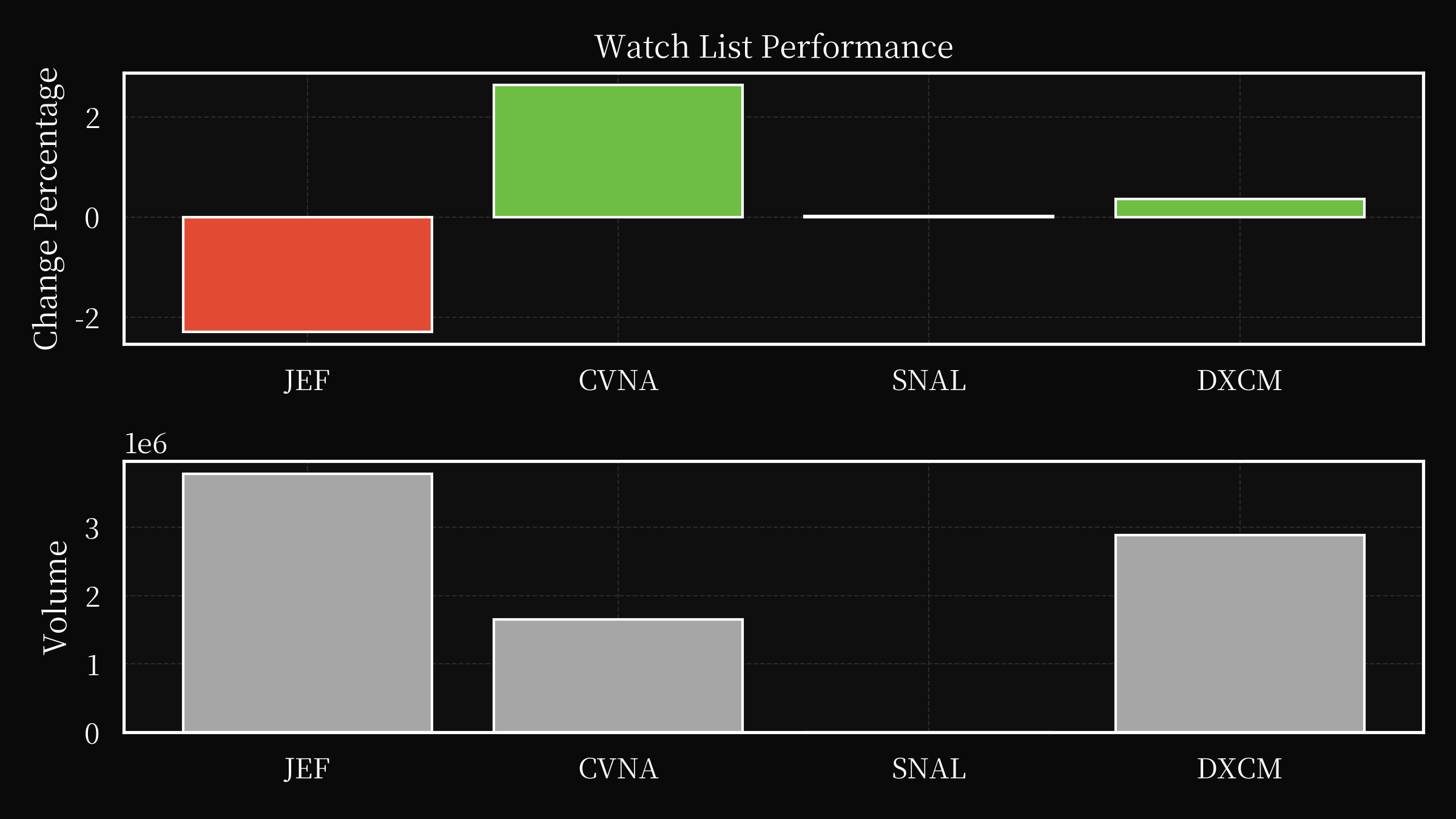
Jefferies Financial Group surged to $39.62, buoyed by fresh takeover speculation and expectations of strong earnings amid ongoing market volatility, while Bank of America elevated Carvana to $308.93, citing robust growth and market leadership that has driven its price up 2.6 percent. In contrast, Snail, Inc. saw a modest uptick to $0.56 as investors brace for its earnings release on March 25, anticipating continued financial strain despite the company’s modest trading volume. DexCom, Inc. advanced to $66.84, reflecting a 0.36 percent gain and a renewed optimism after Evercore ISI raised its outlook to Outperform with a $90 price target, underscoring robust growth and expanding margins. These divergent moves highlight the market’s nuanced reaction to both fundamental developments and speculative catalysts across sectors.