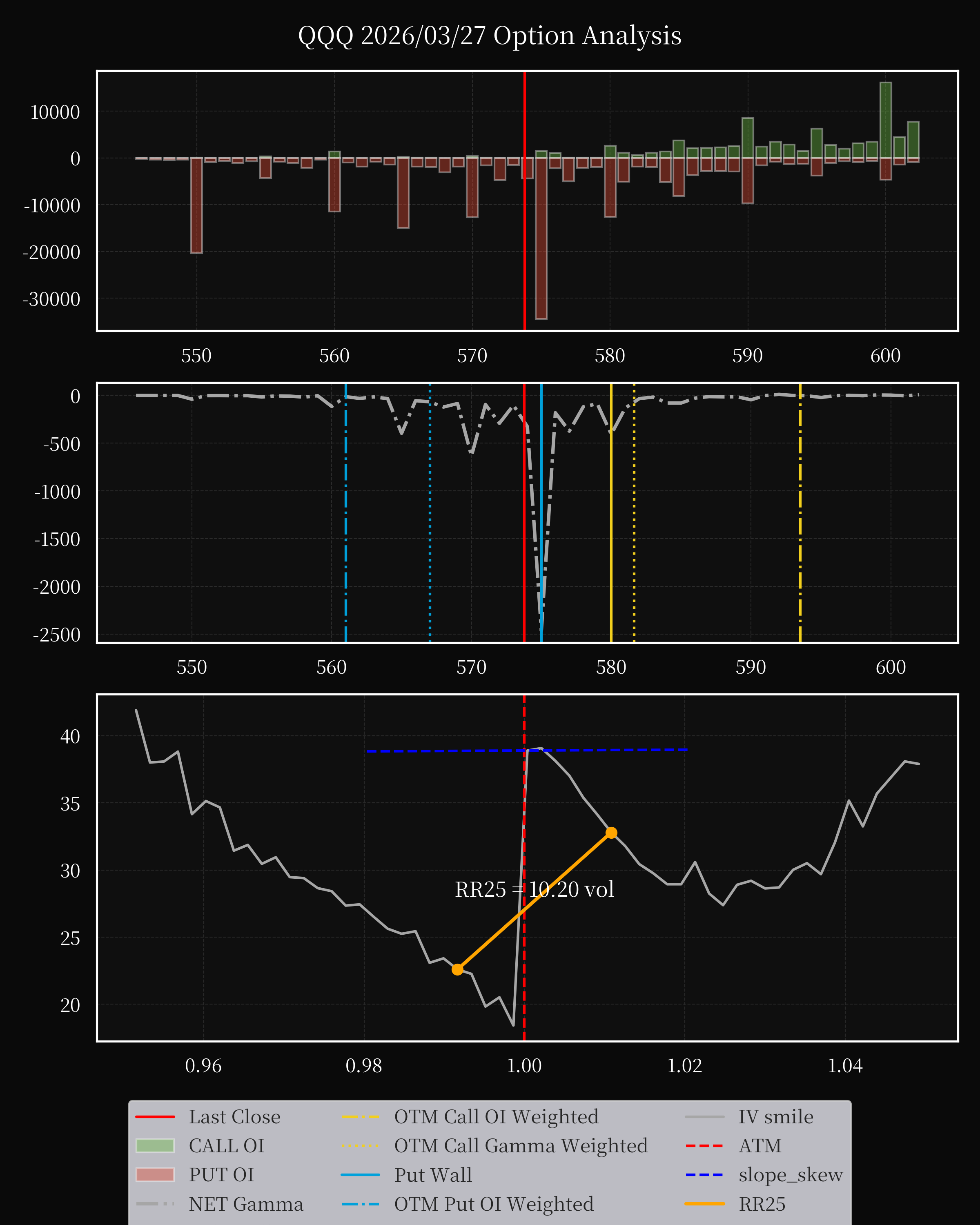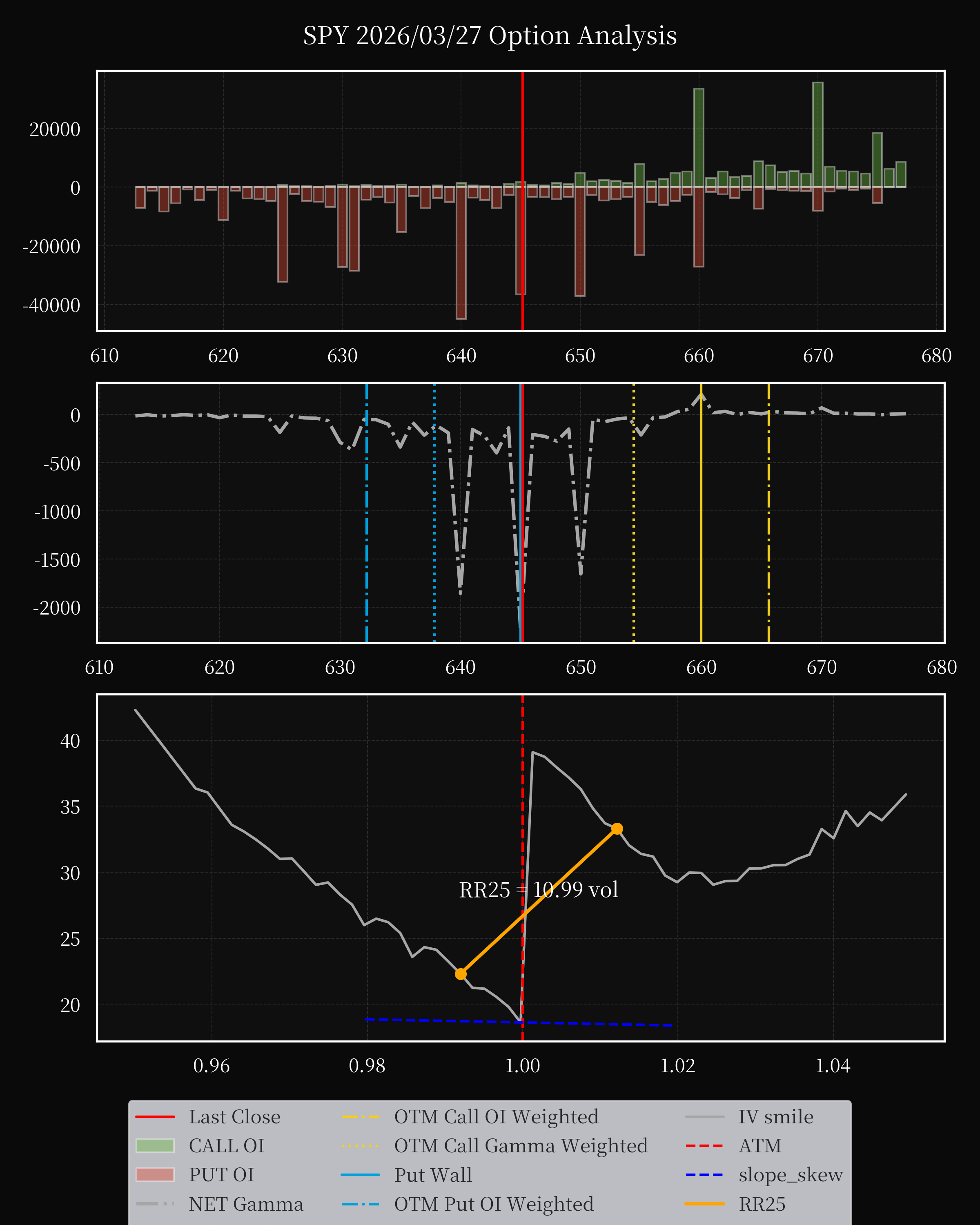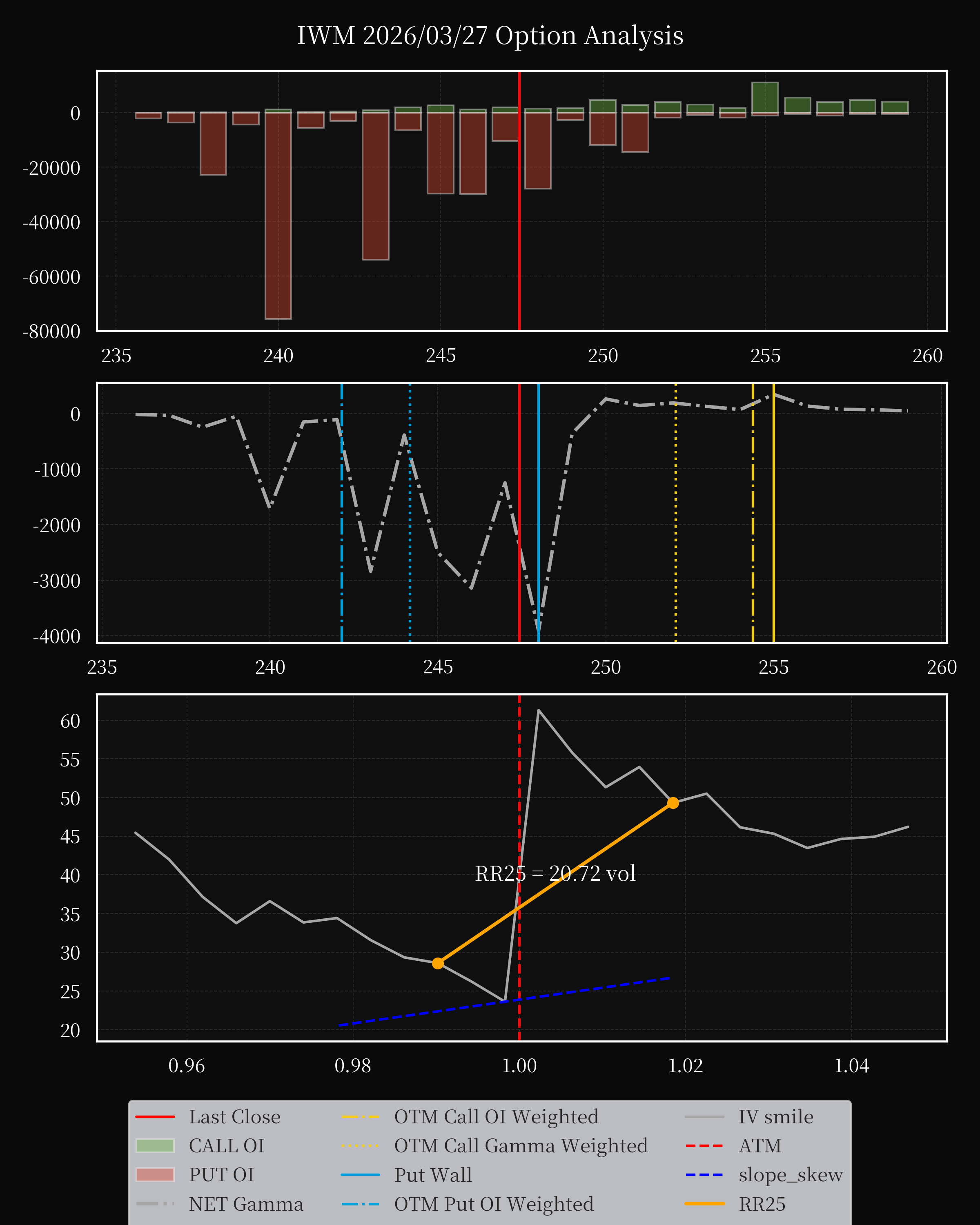
Overall
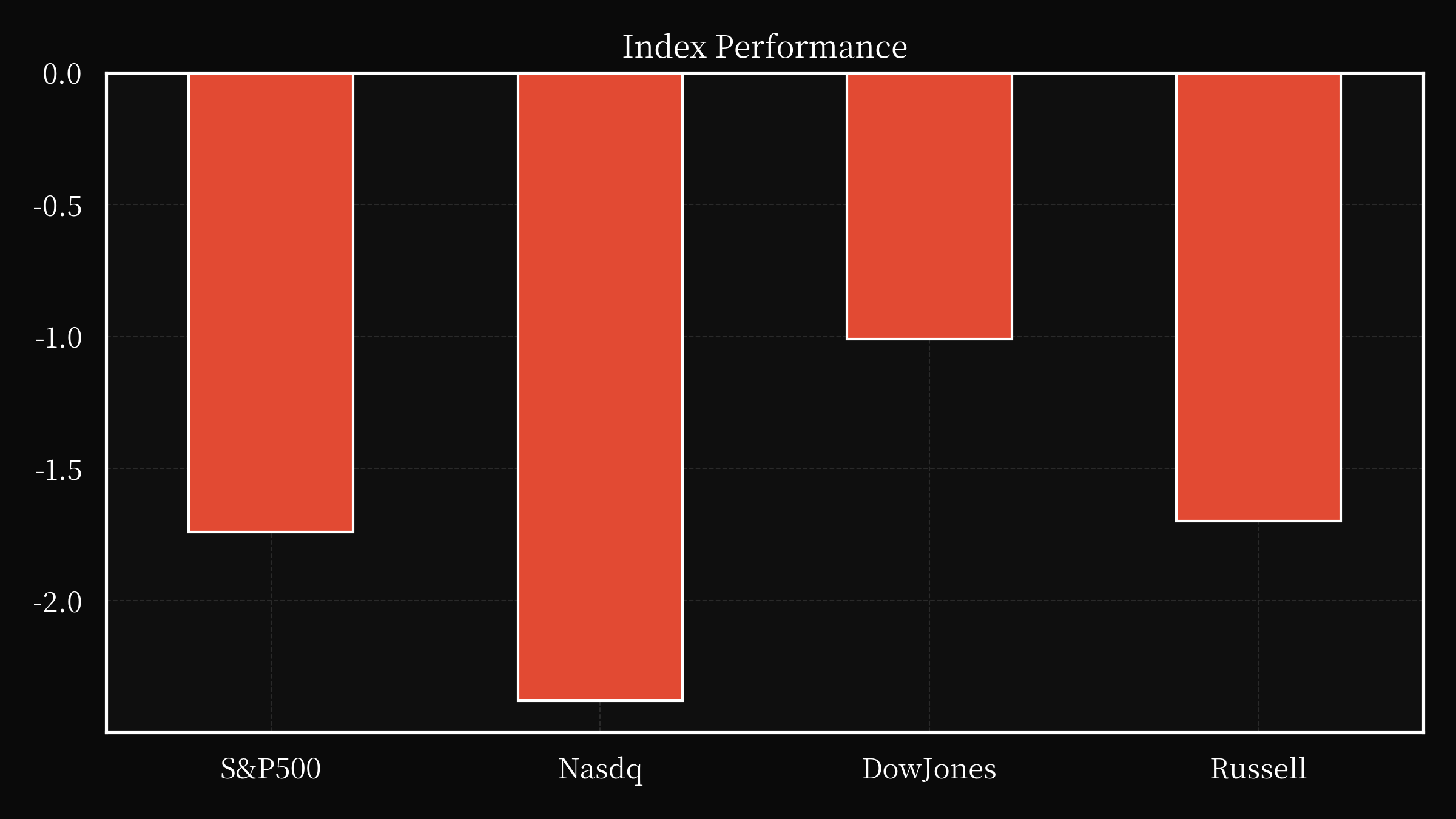
The U.S. stock market is currently navigating a complex landscape of geopolitical tensions, inflationary pressures, and shifting investor sentiment, with today’s headlines underscoring a growing skepticism toward optimistic narratives surrounding President Donald Trump’s policies and the ongoing Iran conflict. Markets have turned cautious, with equity indices experiencing volatility as traders recalibrate their positions in response to escalating oil prices, persistent inflation risks, and the broader economic fallout from the Middle East crisis. The prevailing strategy among institutional investors appears to be the “Trump skepticism trade,” wherein portfolios are being adjusted to reduce exposure to assets perceived as vulnerable to macroeconomic headwinds and policy missteps, while hedging against potential downside risks. This shift reflects a broader recognition that the initial euphoria over Trump’s assertive rhetoric and the expectation of rapid economic stimulus has given way to a more sober assessment of the interplay between geopolitical instability, monetary policy constraints, and structural economic challenges.
The Federal Reserve’s recent decision to cut the overnight interest rate by 25 basis points to 6.75% signals a continued commitment to monetary easing, even as inflationary pressures intensify. Goldman Sachs economists have revised their forecasts, projecting that inflation will exceed prior expectations this year, driven by the oil price shock stemming from the Iran war’s disruption of global supply chains. The conflict has not only driven crude oil prices to unprecedented levels—surpassing $100 per barrel in some regions—but has also exacerbated existing vulnerabilities in the U.S. economy, including supply chain bottlenecks and energy dependency. The resulting inflationary spiral threatens to erode purchasing power, complicate the Fed’s dual mandate of price stability and maximum employment, and create a policy dilemma for policymakers. While the central bank has historically prioritized inflation control, the current environment forces it to balance this objective against the risk of stifling economic growth, particularly as energy costs ripple through sectors ranging from manufacturing to consumer goods.
The Iran war’s economic ramifications extend beyond inflation, with the potential to trigger a stagflationary scenario if the conflict persists. Analysts like Ed Yardeni of Yardeni Research warn that prolonged geopolitical tensions could lead to a dual crisis of stagnant growth and rising prices, leaving the Federal Reserve in a precarious position. The Fed’s ability to combat inflation through rate hikes is further constrained by the need to support economic expansion, especially as manufacturing activity, though improving in March, faces headwinds from higher energy costs and weaker demand. This dynamic is evident in the mixed performance of major indices: the S&P 500, which has attempted to rally, remains hamstrung by uncertainty, while the Dow Jones and Nasdaq Composite have underperformed amid concerns over corporate earnings and consumer confidence. The market’s reluctance to embrace a broad-based recovery is compounded by the realization that traditional “buy-low, sell-high” strategies are increasingly ineffective in momentum-driven markets, where price trends often outpace fundamental valuations.
Energy markets have emerged as a critical focal point, with oil prices serving as a barometer for broader economic health. The surge in crude prices has not only inflated transportation costs but also amplified inflationary pressures across the supply chain, disproportionately affecting households and small businesses. The average U.S. gasoline price has climbed to nearly $4 per gallon, a level that could dampen consumer spending and slow economic growth. At the same time, the risk of deflation looms as a counterpoint to inflationary fears, with some analysts highlighting the paradox of a scenario where energy shocks drive up prices while overall demand weakens. This duality complicates monetary policy, as the Fed must navigate the tension between curbing inflation and avoiding a recession. The potential for a “soft landing” remains elusive, with the market’s reaction to recent developments suggesting a heightened probability of a prolonged period of economic stagnation.
Corporate earnings and sector-specific dynamics further illustrate the market’s fragility. Retailers like H&M have struggled to adapt to shifting consumer behavior, with the company’s 10% quarterly sales decline reflecting broader caution in discretionary spending. Meanwhile, the technology sector faces dual challenges: while some firms benefit from AI-driven innovation, others grapple with the fallout from the Iran conflict, which has disrupted global supply chains and increased input costs. The stock of Micron Technology, for instance, has been pressured by both inflationary pressures and the uncertainty surrounding the war’s trajectory. Conversely, certain sectors, such as defense and energy, may see increased demand, though their performance remains contingent on the duration and scale of the conflict. The divergence in corporate outcomes underscores the market’s growing emphasis on risk management, with investors favoring companies with resilient business models and diversified supply chains.
The role of geopolitical risk in shaping investor behavior cannot be overstated. The Iran war has exposed the limitations of traditional portfolio strategies, as the interplay between energy prices, inflation, and global trade has created a volatile environment where conventional indicators often fail to capture the full scope of systemic risks. The “Trump skepticism trade” reflects a broader recognition that political rhetoric and policy announcements, while impactful, are frequently overshadowed by the realities of market mechanics. For example, Trump’s recent comments about pausing attacks on Iran’s energy infrastructure were met with skepticism, as markets discounted the likelihood of immediate diplomatic progress. This skepticism is further reinforced by the lack of progress in U.S.-Iran negotiations, which has eroded confidence in the feasibility of a swift resolution. The resulting uncertainty has prompted a flight to quality, with investors favoring assets like Treasury bonds and gold, even as the Fed’s accommodative stance provides some support for risk-on assets.
The labor market, while still resilient, shows signs of cooling, with initial unemployment claims rising slightly and the unemployment rate remaining near a two-year low. This mixed picture highlights the complexity of assessing economic health, as strong job growth coexists with inflationary pressures and sectoral imbalances. The Federal Reserve’s decision to maintain a dovish stance, despite rising inflation, underscores its prioritization of employment over price stability in the current context. However, this approach risks entrenching inflationary expectations, particularly if the Iran war persists and energy prices remain elevated. The challenge for policymakers lies in calibrating monetary policy to address both inflation and growth without triggering a deeper downturn, a task made more difficult by the lack of clear data on the war’s economic impact and the evolving nature of global supply chains.
In the realm of financial services, the market’s focus has shifted toward niche opportunities and alternative strategies. The rise of income-focused investment products, such as those highlighted by Danielle Gilbert of Eldridge Capital Management, reflects a growing demand for stable returns in an uncertain environment. Meanwhile, the debate over the role of hedge funds like Pershing Square and Altimeter Capital in navigating the current landscape underscores the importance of active management and sector-specific expertise. These firms, along with others, are leveraging their analytical capabilities to identify mispriced assets and hedge against downside risks, a strategy that has gained traction as traditional long-only portfolios face headwinds. The increasing emphasis on diversification and risk mitigation is also evident in the growing interest in real assets, such as infrastructure and commodities, which are seen as hedges against both inflation and geopolitical shocks.
The broader implications of today’s market dynamics extend beyond immediate price movements, influencing long-term investment strategies and macroeconomic forecasts. The interplay between energy prices, inflation, and monetary policy is reshaping the contours of the global economy, with the U.S. serving as a bellwether for broader trends. For instance, the Fed’s reluctance to raise rates aggressively, despite inflationary pressures, may be driven by concerns over the impact on corporate borrowing costs and consumer debt. At the same time, the market’s reaction to the Iran war highlights the growing importance of geopolitical risk in asset allocation, as investors increasingly factor in the potential for regional conflicts to disrupt global markets. This shift has led to a reevaluation of traditional risk metrics, with greater emphasis placed on scenario analysis and stress testing to prepare for a range of possible outcomes.
Ultimately, the current state of the U.S. stock market is a testament to the complexity of navigating a world defined by interconnected crises. The convergence of geopolitical tensions, inflationary pressures, and monetary policy constraints has created an environment where optimism is tempered by caution, and where the traditional tools of economic analysis must be adapted to account for unprecedented uncertainties. As investors grapple with these challenges, the emphasis on flexibility, diversification, and proactive risk management will remain critical. The lessons of today’s headlines—ranging from the Fed’s policy choices to the enduring impact of the Iran conflict—serve as a reminder that in an era of heightened volatility, the ability to anticipate and respond to shifting conditions will define the success of both individual portfolios and the broader financial system. The path forward is fraught with challenges, but it also presents opportunities for those who can navigate the complexities of a rapidly evolving economic landscape.
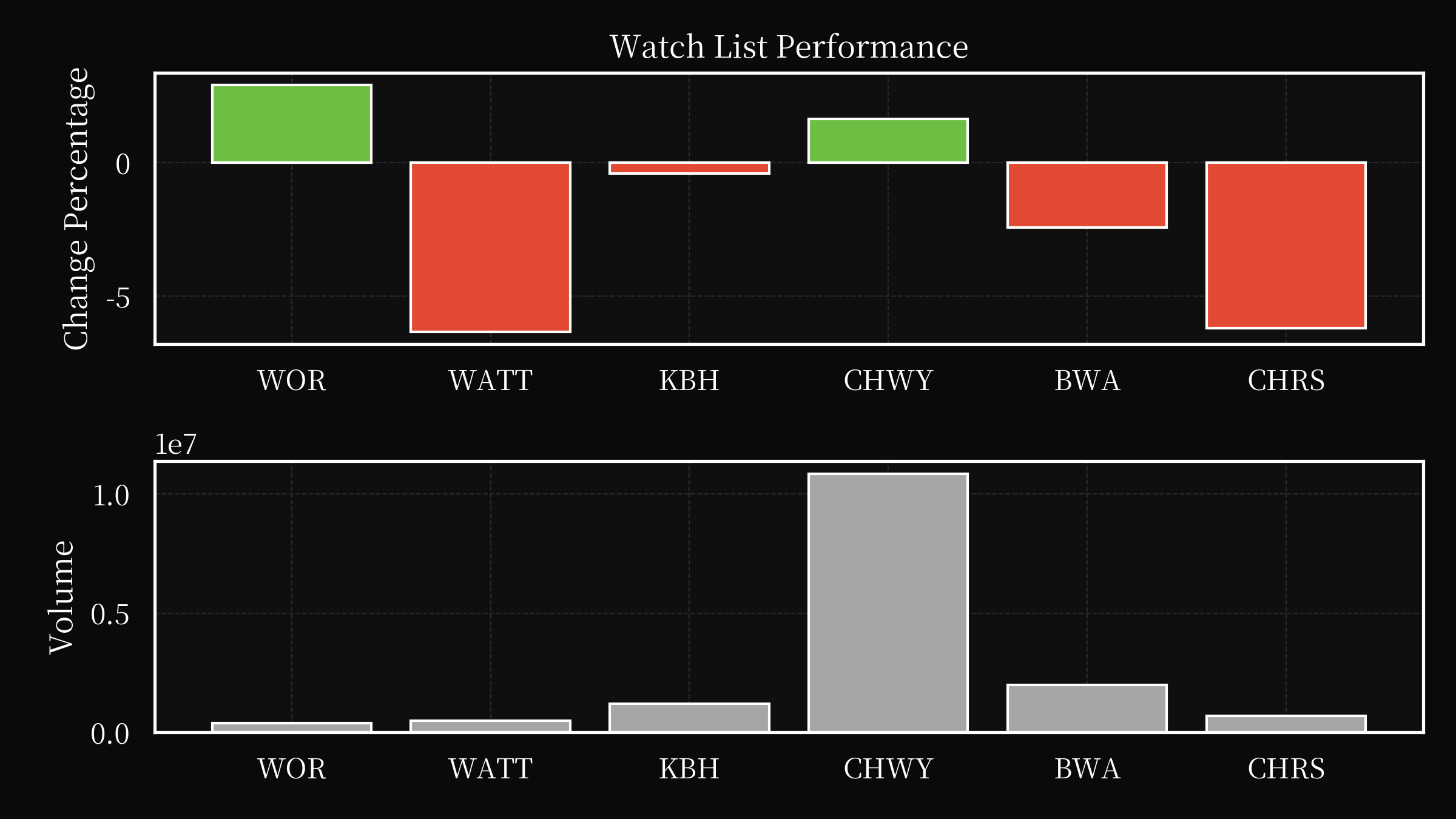
Worthington Enterprises surged 2.9% to $50.96, buoyed by a 35.8% quarterly growth in its product line and earnings that beat expectations, reinforcing its position as a market leader. Energous saw a 16.1% decline to $16.70, reflecting lingering investor caution despite its record revenue and progress in the wireless power sector. KB Home plunged 0.4% to $51.91 amid industry headwinds, dragging shares down as margins and revenue fell short of forecasts. Chewy rallied 13% to $27.01, propelled by strong Q4 results that shattered expectations and set new financial benchmarks for the pet care sector. BorgWarner climbed 5.5% to $54.76, as Wolfe Research highlighted its growth potential in power generation, with analysts raising the price target to $68 amid optimism for the company’s strategic direction. In contrast, Coherus Oncology slipped 6.2% to $1.74, burdened by negative ROIC and underperformance relative to peers focused on operational efficiency. The market’s breadth underscores both the resilience of high-performing names and the ongoing challenges facing those navigating cyclical and competitive pressures.