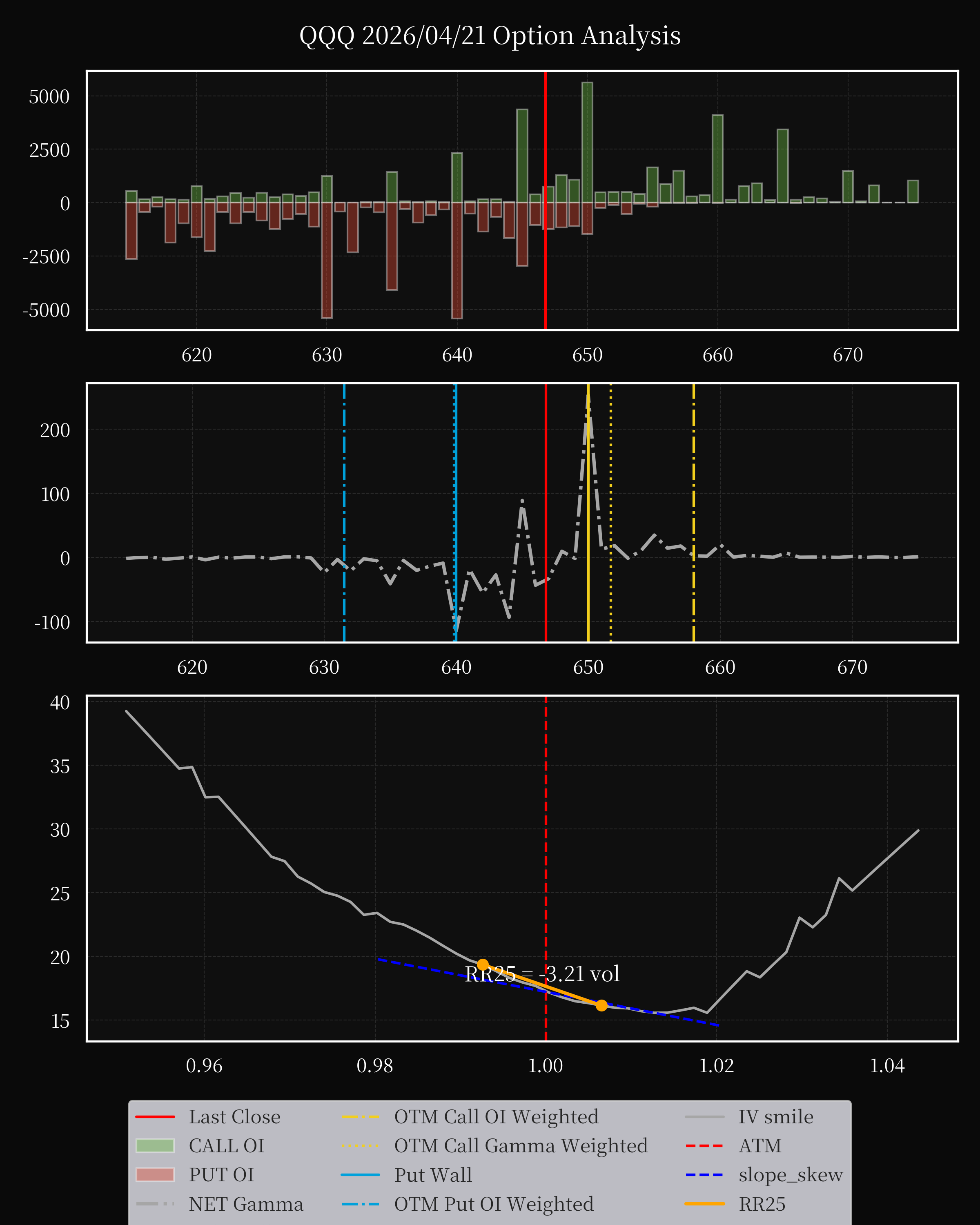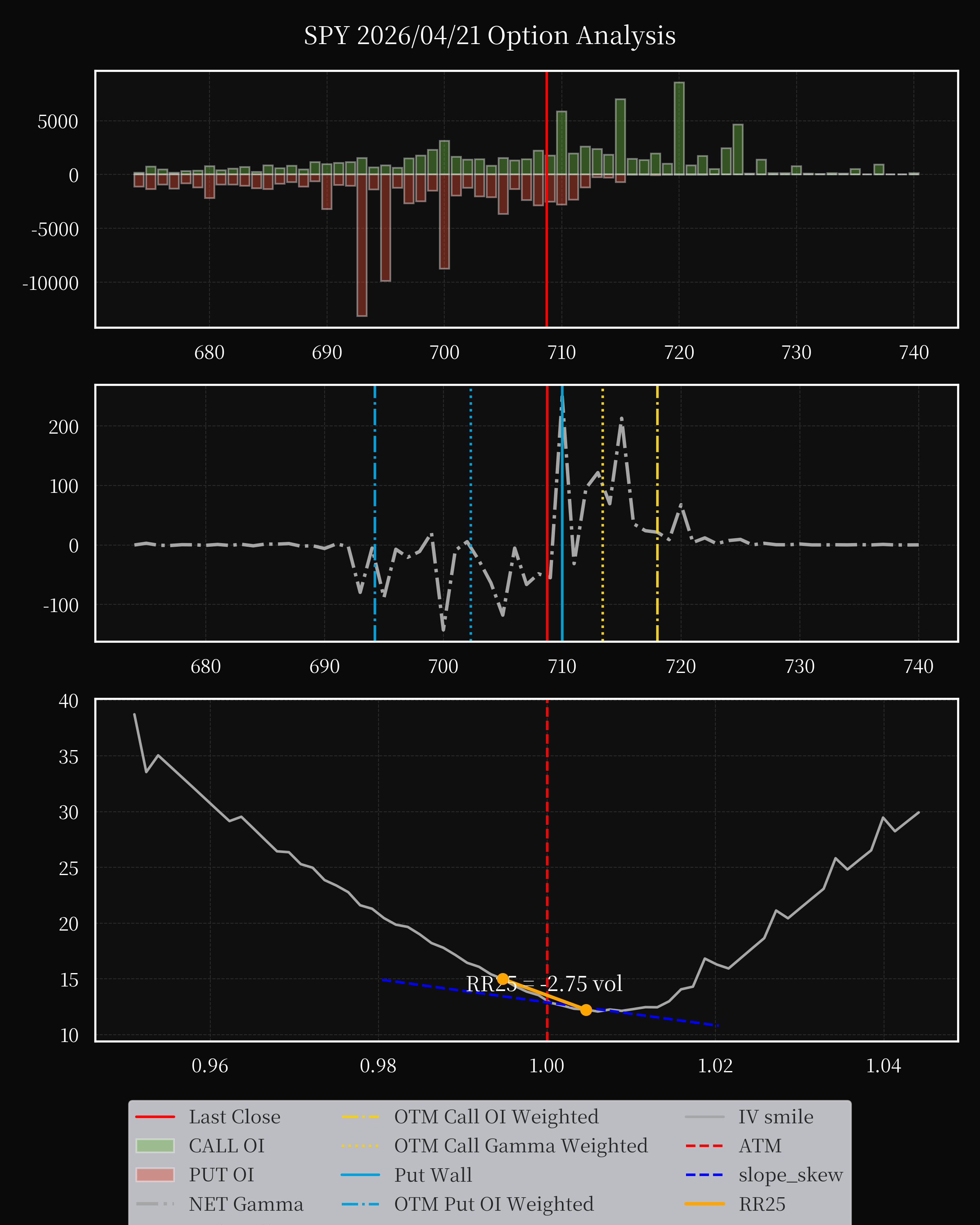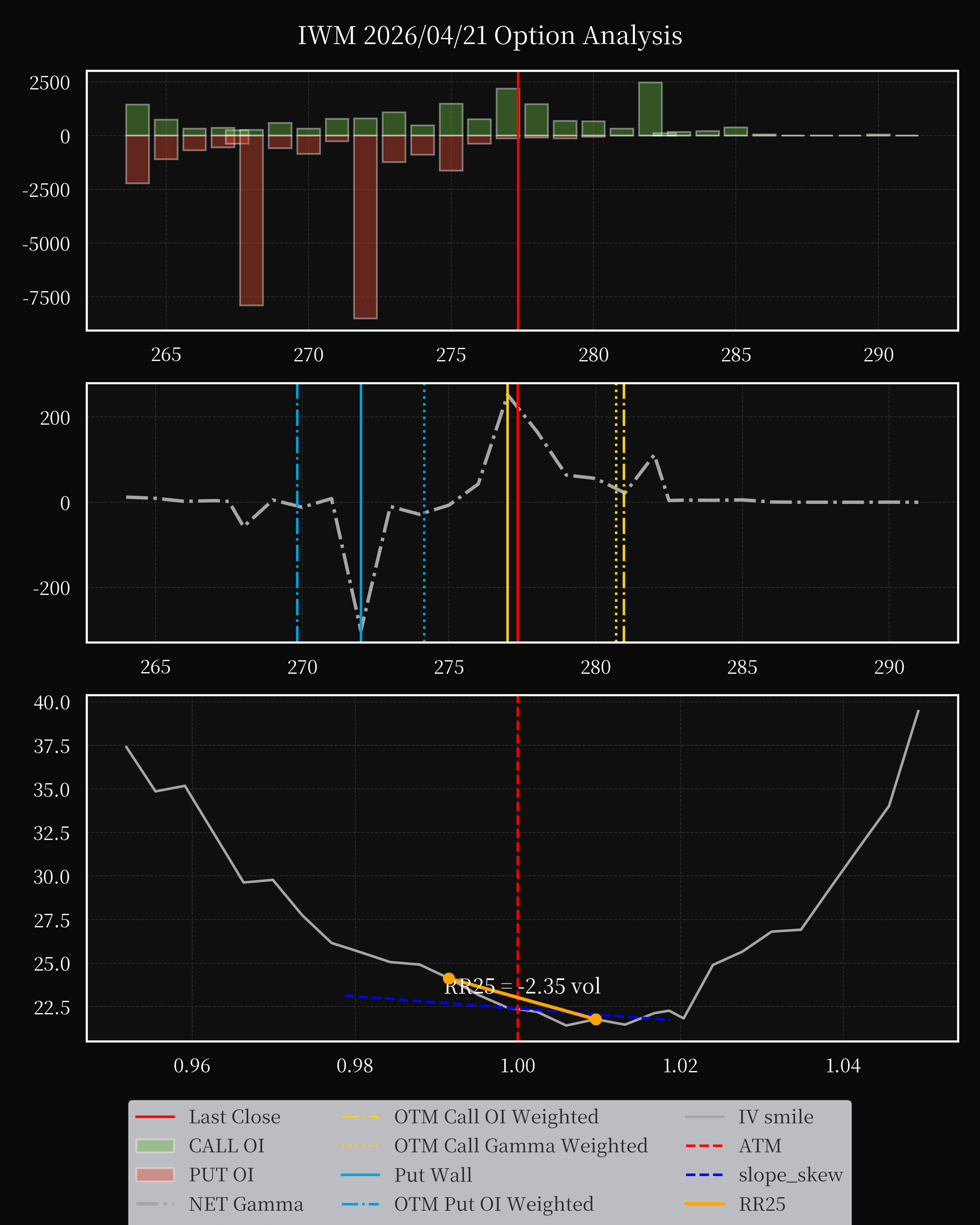
Overall
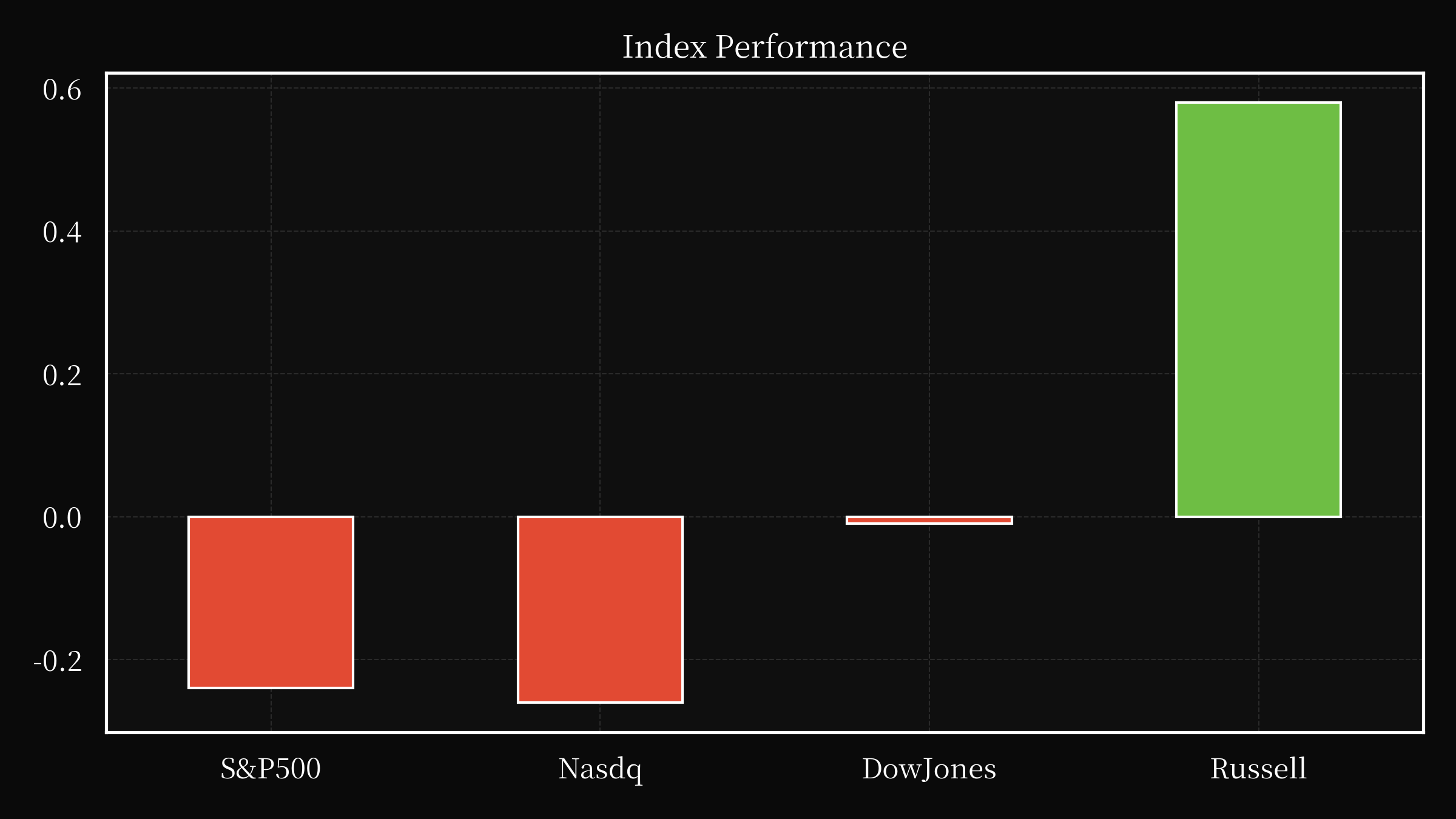
The U.S. stock market has continued its upward trajectory, defying recent geopolitical turbulence and economic uncertainties, as the Nasdaq extended its 13-day winning streak to 17 days amid a resurgence in oil prices triggered by escalating tensions in the Middle East. The interplay between energy markets, inflationary pressures, and investor sentiment has created a complex landscape for equity valuations, with technology stocks leading the charge while broader economic indicators signal both resilience and vulnerability. Central to this dynamic is the renewed threat to the Strait of Hormuz, a critical chokepoint for global oil supply, which has seen Iran reiterate its willingness to close the waterway amid ongoing U.S.-Iran hostilities. This development has reinvigorated oil prices, pushing physical crude above $112 per barrel—a level significantly detached from paper valuations—and underscoring the fragility of supply chains already strained by the conflict. Analysts emphasize that the market’s recent optimism appears disconnected from the reality of constrained physical flows, persistent inflationary risks, and the potential for further geopolitical shocks, raising questions about the sustainability of current price levels and equity market momentum.
The Nasdaq’s ability to recover from a 13-day losing streak and reach new highs reflects both investor confidence in the resilience of technology-driven growth and skepticism toward the market’s overreliance on artificial intelligence (AI) narratives and speculative earnings optimism. While AI adoption is indeed accelerating, with corporate spending on automation and machine learning reaching historic highs, the sector’s outsized gains mask underlying vulnerabilities, including elevated valuations, slowing revenue growth in key sub-industries, and the looming risk of a cyclical correction. The broader S&P 500, meanwhile, has benefited from a broad-based rally in “real economy” stocks, particularly in sectors such as industrials, energy, and financials, which have outperformed amid expectations of economic moderation and a potential de-escalation of the Iran crisis. However, this rally appears increasingly fragile, as earnings season has only just begun and the market remains exposed to surprises in inflation data, corporate guidance, and central bank policy.
A critical factor underpinning recent market strength is the unexpected surge in physical oil prices, which have rebounded above $95 per barrel despite earlier declines. This shift reflects not only the immediate impact of Iran’s threats to the Strait of Hormuz but also deeper concerns about the durability of global supply chains amid the broader U.S.-Iran standoff. The closure of the strait—even if only temporarily—would disrupt approximately 20% of global oil exports, triggering sharp price spikes and amplifying inflationary pressures already simmering in the economy. Analysts note that the current $17 premium in physical crude over futures contracts highlights a structural breakdown in market liquidity and risk appetite, with insurers refusing to cover shipments through the region. This has forced buyers to pay steep discounts to transport oil via alternative routes, further straining an already fragile energy infrastructure. For investors, the implications are twofold: near-term volatility is likely to persist, while long-term energy strategies must account for heightened geopolitical risk premiums and the potential for supply shocks to derail economic recovery.
The Federal Reserve’s upcoming confirmation hearing for its nominee, Kevin Warsh, has also emerged as a pivotal event shaping market sentiment. Warsh, a former Goldman Sachs executive and Trump administration appointee, has positioned himself as a staunch advocate for central bank independence, warning during his Senate testimony that the Fed risks overstepping its mandate by engaging in fiscal-like interventions or accommodating political pressures. His remarks align with broader debates over the Fed’s role in addressing inflation, which remains stubbornly above the 2% target despite recent moderation in core price indices. While inflation data has shown signs of easing, particularly in services sectors, concerns linger about wage-price spirals, housing affordability, and the lagged effects of aggressive rate hikes. Investors are closely monitoring whether Warsh’s tenure will prioritize price stability over employment goals, with implications for bond yields, equity valuations, and the Fed’s credibility as an inflation-fighting institution.
Despite the market’s recent record highs, analysts caution against complacency, citing a growing disconnect between equity performance and macroeconomic fundamentals. The S&P 500’s Rule of 20—a heuristic suggesting the index should trade near a multi-year high of ~34—has been repeatedly cited as overvalued when measured against earnings growth, debt levels, and risk-free rates. This overvaluation is further exacerbated by the dominance of mega-cap technology stocks, whose outsized weight in the index has amplified gains but also concentrated risk. Should earnings disappointments emerge, particularly in the tech sector, or if inflation rebounds, the market could experience a sharp retracement. Additionally, the recent rally’s reliance on AI-driven momentum strategies has raised concerns about herding behavior and the erosion of fundamental analysis, leaving markets vulnerable to sudden reversals when technical triggers align with adverse news.
Geopolitical risks remain the most immediate threat to market stability, with the Iran conflict serving as the primary catalyst for volatility. The Strait of Hormuz’s closure would not only disrupt oil flows but also reverberate across global trade, particularly for energy-dependent economies in Asia. Moreover, the broader Middle East remains a tinderbox, with Iran’s regional proxies and U.S. military assets locked in a cycle of proxy confrontations that could escalate unpredictably. Investors are also weighing the potential for a U.S.-China trade war to reignite, as tariffs and export controls on critical technologies like semiconductors and rare earth minerals continue to strain global supply chains. Meanwhile, domestic political divisions—exemplified by the contentious confirmation battles over Fed leadership—highlight the fragility of institutional norms in an era of polarization.
The market’s resilience thus hinges on its ability to navigate these overlapping risks while maintaining confidence in corporate earnings and monetary policy. While the S&P 500 and Nasdaq have demonstrated remarkable durability, their valuations appear stretched relative to historical norms, particularly when adjusted for earnings quality and macroeconomic headwinds. The technology sector’s dominance, though justified by AI adoption rates, faces scrutiny as growth slows and regulatory scrutiny intensifies. Furthermore, the Federal Reserve’s stance on inflation and interest rates will remain pivotal; a premature pivot toward easing could undermine bond market stability, while a hawkish approach risks stifling equity momentum. Investors are increasingly adopting a “barbell strategy,” balancing exposure to AI-driven growth stocks with defensive positions in utilities, consumer staples, and gold, reflecting a cautious outlook amid uncertainty.
In summary, the U.S. stock market’s recent performance underscores both its adaptability and its susceptibility to exogenous shocks. While technological innovation and corporate earnings optimism have propelled gains, persistent geopolitical tensions, inflationary pressures, and policy uncertainties threaten to unravel this rally if not managed prudently. The coming weeks will be decisive, as markets grapple with the dual challenges of energy insecurity and monetary policy normalization. Investors must remain vigilant, prioritizing diversification and risk management while avoiding the pitfalls of speculative euphoria. The interplay between AI-driven growth, geopolitical brinkmanship, and central bank credibility will define not only market outcomes but also the broader trajectory of the global economy in 2024. As always, the key lies in distinguishing between transient volatility and structural shifts—a task requiring both analytical rigor and an appreciation for the unpredictable nature of human behavior in financial markets.
Watch List
RBB
RBB Bancorp reported strong first-quarter earnings for 2026, with a net income of $11.3 million or $0.66 per diluted share, compared to $10.2 million or $0.59 per share in the same quarter of the previous year. The company declared a quarterly cash dividend of $0.16 per common share. CEO Johnny Lee highlighted that higher net interest income and expanding margins contributed significantly to these results, alongside lower credit costs. Despite fewer days in the current quarter, net interest income rose by $1 million due to decreased interest expenses and modest reductions in interest income. The net interest margin (NIM) improved by 8 basis points, driven by a yield increase on average total interest-earning assets and a decrease in funding costs. The company's credit quality also showed improvement with nonperforming assets dropping by 9% from the prior quarter. Retail deposit growth remained robust, supporting disciplined loan growth and asset resolution strategies. Noninterest income increased due to gains from OREO sales and recoveries on fully charged-off loans, while noninterest expenses rose slightly due to higher payroll-related costs. The effective tax rate for 2026 is projected at 28%, compared to 24.2% in the previous year, influenced by changes in state tax rates and federal tax credits. Total assets stood at $4.16 billion, with a slight decrease from December 31, 2025, but an increase from March 31, 202
USCB
In this recent SEC filing, the company has indicated that it does not qualify as an emerging growth company (EGC). This designation is significant because EGCs are afforded certain regulatory reliefs under the Jumpstart Our Business Startups (JOBS) Act. These benefits include reduced reporting requirements and extended deadlines for compliance with new or revised accounting standards, which can ease the financial and administrative burdens on smaller companies as they grow. By not qualifying as an EGC, the company is subject to full compliance with all SEC regulations applicable to public companies. This includes adhering to more stringent disclosure requirements, such as providing a comprehensive management discussion and analysis (MD&A) section in their annual reports, along with detailed financial statements audited by independent accountants. The decision not to qualify as an EGC could be due to several factors, including surpassing the revenue threshold of $1.07 billion over the past three years or having issued more than $1 billion in non-convertible debt during this period. Alternatively, it might have chosen to forgo EGC status voluntarily after five years from its initial public offering (IPO) date. This shift means that investors and stakeholders will receive a higher level of transparency regarding the company's financial health and operational strategies. While this may increase the regulatory burden on the company, it also enhances investor confidence by ensuring comprehensive and timely disclosures. As the company navigates these requirements, its commitment to maintaining robust governance practices remains crucial for sustaining trust and fostering long-term growth
FBLG
On April 20, 2026, FibroBiologics, Inc., formerly known under a different name or address as disclosed in its last report, announced through a press release that it has successfully met all the requirements necessary for continued listing on The Nasdaq Capital Market. This confirmation from The Nasdaq Stock Market LLC signifies that any previously noted concerns regarding the company's listing status have been resolved and officially closed. The announcement, which is part of their Form 8-K filing, serves to comply with Regulation FD Disclosure obligations by ensuring that all investors receive material information simultaneously. A copy of this press release is included as Exhibit 99.1 in the filing and is incorporated into the document for reference purposes. This development marks a significant milestone for FibroBiologics, Inc., reinforcing its compliance with Nasdaq's stringent listing standards and providing assurance to shareholders about the company's ongoing commitment to transparency and regulatory adherence. Additionally, this Form 8-K addresses other events under Item 8.01 and includes financial statements and exhibits as outlined in Item 9.01, ensuring comprehensive disclosure of relevant corporate developments and financial health.
SFBS
ServisFirst Bancshares, Inc., based in Birmingham, Alabama, reported robust first-quarter earnings for 2026, with diluted earnings per share reaching $1.52, marking a 31% increase from the same period in 2025. This growth includes a minor accounting reversal impact related to BOLI income from the previous quarter. Excluding this adjustment, earnings per share would have been $1.54, reflecting a 33% year-over-year rise. The bank's net interest margin improved by 15 basis points from the prior quarter and 61 basis points annually, reaching 3.53%. Operational efficiency was highlighted by an efficiency ratio below 30%, down from 35% in the first quarter of 2025. During this period, loans grew by $249 million (7% annualized), while deposits increased by $268 million (8% annualized). The bank's book value per share rose to $34.99, up 13.4% annually. Liquidity remained strong with $1.84 billion in cash and equivalents, representing 10% of total assets, without reliance on FHLB advances or brokered deposits. Consolidated common equity tier 1 capital increased from 11.48% to 11.86%. Net income for the quarter was $83 million, up significantly from both the previous quarter and year-ago period. The bank's return on average assets was 1.89%, with a return on average common stock
MNSB
MainStreet Bancshares, Inc., the parent company of MainStreet Bank, announced its first-quarter 2026 results with a net income of $4.1 million and earnings per common share of $0.48 as of March 31, 2026. The bank's disciplined funding strategy led to an expansion in its net interest margin by nine basis points, reaching 3.47%, driven by consistent loan pricing and reduced funding costs. During this period, the company repurchased 273,448 shares, boosting the book value per common share to $25.63, while maintaining strong capitalization. Jeff W. Dick, Chairman and CEO, highlighted the bank's strategic execution in leveraging its share buyback program for accretive opportunities, alongside a focus on sustainable earnings growth. CFO Alex Vari emphasized the successful replacement of higher-cost funds with lower-cost deposits, contributing to an eighth consecutive quarter of improved total deposit costs. This strategy has resulted in $1.4 billion in core funding and over $1.9 billion in total deposits. Tom Floyd, Chief Lending Officer, noted a 98% loan-to-deposit ratio with net loans increasing to $1.85 billion, including significant growth in the owner-occupied commercial real estate portfolio by $79 million year-over-year. Nonperforming assets constituted 2.47% of total assets, with improvements in loans 30-89 days past due and accruing. Chris Johnston, Chief Credit Officer, underscored the bank's
NTST
NETSTREIT Corp., a Dallas-based real estate investment trust (REIT), reported robust financial results for the first quarter of 2026, highlighting a net income of $0.06 per diluted share and an adjusted funds from operations (AFFO) of $0.34 per diluted share. The company successfully completed $239 million in gross investment activities at a blended cash yield of 7.5%. This strong performance has prompted the company to increase its 2026 AFFO per share guidance to a range of $1.36 to $1.39 and net investment activity guidance to $550 million to $650 million, up from previous estimates. The quarter saw significant forward equity sales amounting to $314.3 million through February's follow-on offering and at-the-market transactions. Mark Manheimer, NETSTREIT’s CEO, expressed satisfaction with the company's strategic investments and balance sheet strength, which facilitated these increases in guidance. The board also declared a quarterly cash dividend of $0.22 per share for Q2 2026, reflecting an annualized increase from the previous year. NETSTREIT's financial measures include non-GAAP metrics such as FFO, Core FFO, and AFFO, which are used to evaluate operating performance and funds available for distributions, though they do not replace GAAP net income or cash flow measures. The company plans a conference call on April 21, 2026, to discuss these results in detail. As an internally
ASTS
On April 19, 2026, AST SpaceMobile, Inc., an emerging growth company, issued a press release regarding the orbital launch of its Block 2 BlueBird 7 satellite aboard the New Glenn launch vehicle. This event was documented in their current Form 8-K filing with the SEC. However, during the mission, the satellite was placed into a lower-than-planned orbit due to issues with the upper stage of the launch vehicle. Despite successfully separating and powering on, the satellite's altitude is insufficient for its intended operations using onboard thruster technology, leading to plans for deorbiting. The financial impact of this setback is expected to be mitigated by insurance coverage. This incident marks a delay in the deployment of what would have been AST SpaceMobile’s eighth satellite into low Earth orbit, part of a broader initiative to establish a space-based cellular broadband network. Despite this hiccup, production continues for subsequent Block 2 BlueBird satellites, with units 8 through 10 slated for shipment within approximately 30 days. AST SpaceMobile maintains its goal of launching an orbital mission every one to two months in 2026 and aims to have around 45 satellites operational by year-end. These plans are supported by agreements with multiple launch providers. The company's forward-looking statements, which include projections about future launches and network capabilities, acknowledge significant risks and uncertainties that could affect these outcomes. Factors such as regulatory approvals, market demand, competitive dynamics, financial performance, and potential legal challenges may influence
DX
Dynex Capital, Inc., a Real Estate Investment Trust (REIT) known for its high-quality mortgage assets, reported mixed financial results for the first quarter of 2026. The company experienced a total economic return of $(0.34) per common share or a decline of 2.5% in book value, ending at $12.60 per share as of March 31, 2026. Despite declaring dividends of $0.51 per share, the quarter saw a comprehensive loss of $(0.42) and a net loss of $(0.41) per common share. The decrease in book value was primarily due to a net loss of $140 million on its investment portfolio, exacerbated by widening mortgage spreads towards the end of the quarter. However, Dynex raised $442 million through at-the-market equity issuances, which it used to make opportunistic investments totaling $6 billion, net of sales. The company's liquidity stood strong at $1.3 billion, representing 46% of total equity. Co-Chief Executive Officer Smriti Laxman Popenoe highlighted the firm's disciplined execution and risk management as key strengths that positioned Dynex well for future growth. Despite challenges, including increased share-based compensation expenses due to accelerated vesting conditions following a CFO departure, interest income rose from Agency Mortgage-Backed Securities (MBS) purchases. The company also benefited from reduced repurchase agreement financing costs, thanks to Federal Reserve rate cuts in 2025
FFAI
On April 17, 2026, Faraday Future Intelligent Electric Inc., an emerging growth company, entered into a significant financial agreement with an accredited investor, marking a pivotal development in its capital strategy. Under the terms of this note purchase agreement, the company issued two types of promissory notes: a Secured Promissory Note B and a Promissory Note A-1, collectively valued at $45 million. The B Note was set at $30 million with an interest rate of 3.5% per annum, maturing in 24 months from the purchase date, while the A-1 Note had a principal amount of $15.78 million, bearing a higher interest rate of 9% per annum and also maturing after 24 months. The agreement includes provisions for prepayment with penalties—110% of the prepaid balance for the A-1 Note and 105% for the B Note. Additionally, it outlines conditions under which the company must maintain certain financial metrics, such as a minimum shareholders' equity and market capitalization of $5 million each, to ensure compliance with Nasdaq listing standards. A unique feature of this agreement is the establishment of a Share Reserve mechanism, where the company will reserve shares of Class A common stock based on specific calculations tied to the outstanding balance of the B Note. This reserve can be adjusted upon request from the investor or in response to certain corporate actions like stock splits or dividends. The notes also contain redemption provisions allowing the investor
PASG
On April 20, 2026, Passage Bio, Inc., announced updated interim data from its Phase 1/2 upliFT-D clinical trial evaluating PBFT02 for treating frontotemporal dementia caused by progranulin deficiency. The company provided regulatory and corporate updates based on feedback received during a Type C meeting with the FDA, which indicated that a randomized controlled registrational study design is necessary for PBFT02 in this indication. Given the ethical, logistical, and financial challenges of such a trial, Passage Bio is assessing potential next steps in its clinical development strategy. In response to these developments, the company has initiated a strategic review process aimed at maximizing shareholder value through various alternatives, including mergers, acquisitions, reverse mergers, asset sales, strategic partnerships, or licensing opportunities. While this review is ongoing, Passage Bio does not intend to provide updates until specific actions are approved by its board of directors or deemed appropriate for disclosure. To assist in the strategic review, Passage Bio has engaged Wedbush PacGrow as a financial advisor. The company cautions that there can be no assurance these efforts will result in any transaction. Additionally, forward-looking statements within this report reflect expectations about clinical milestones, regulatory engagement, and other business developments, but are subject to risks and uncertainties such as the strategic review process, clinical trial outcomes, intellectual property protection, and reliance on third-party collaborators. Passage Bio does not commit to updating these statements publicly in response to new information or future events.