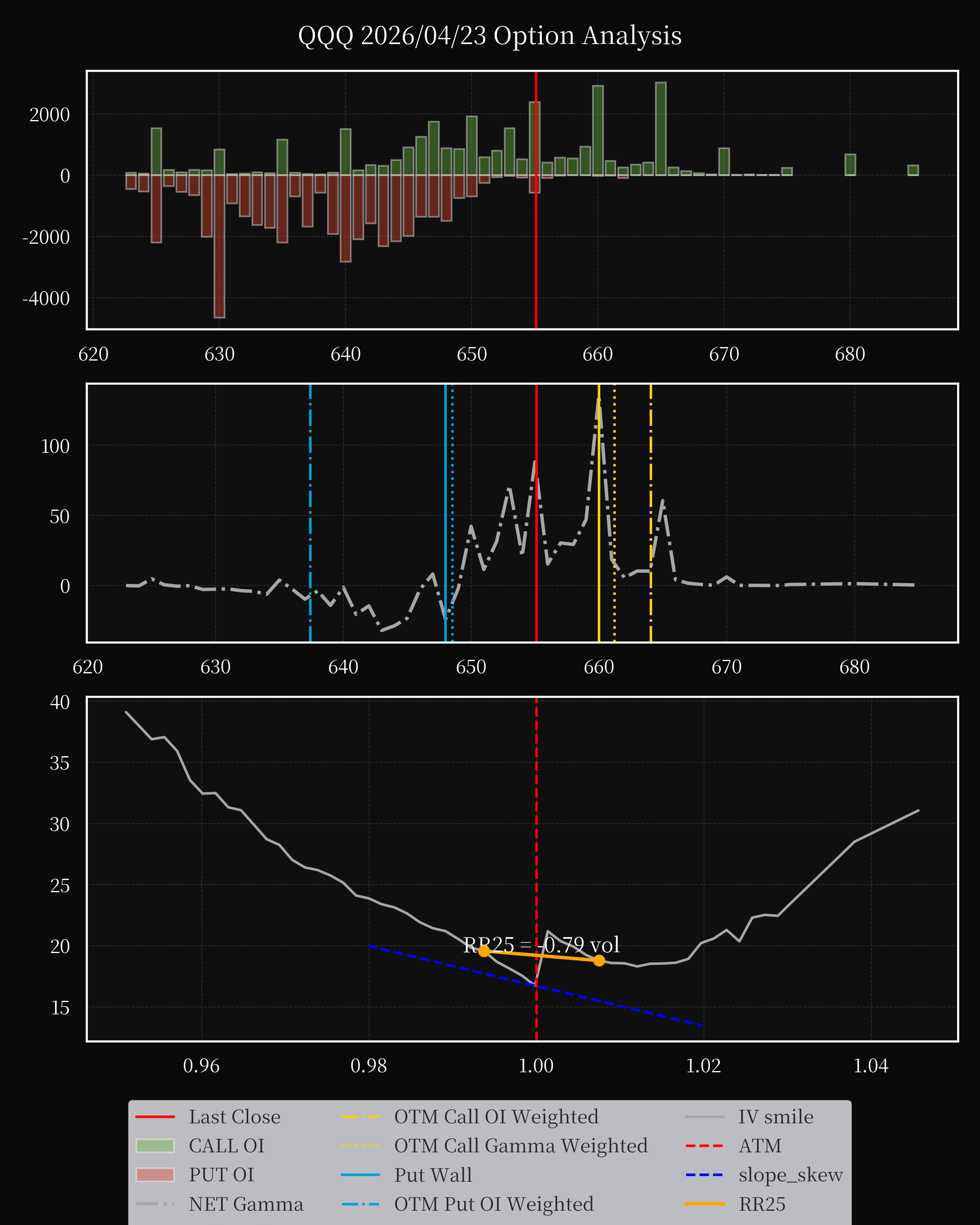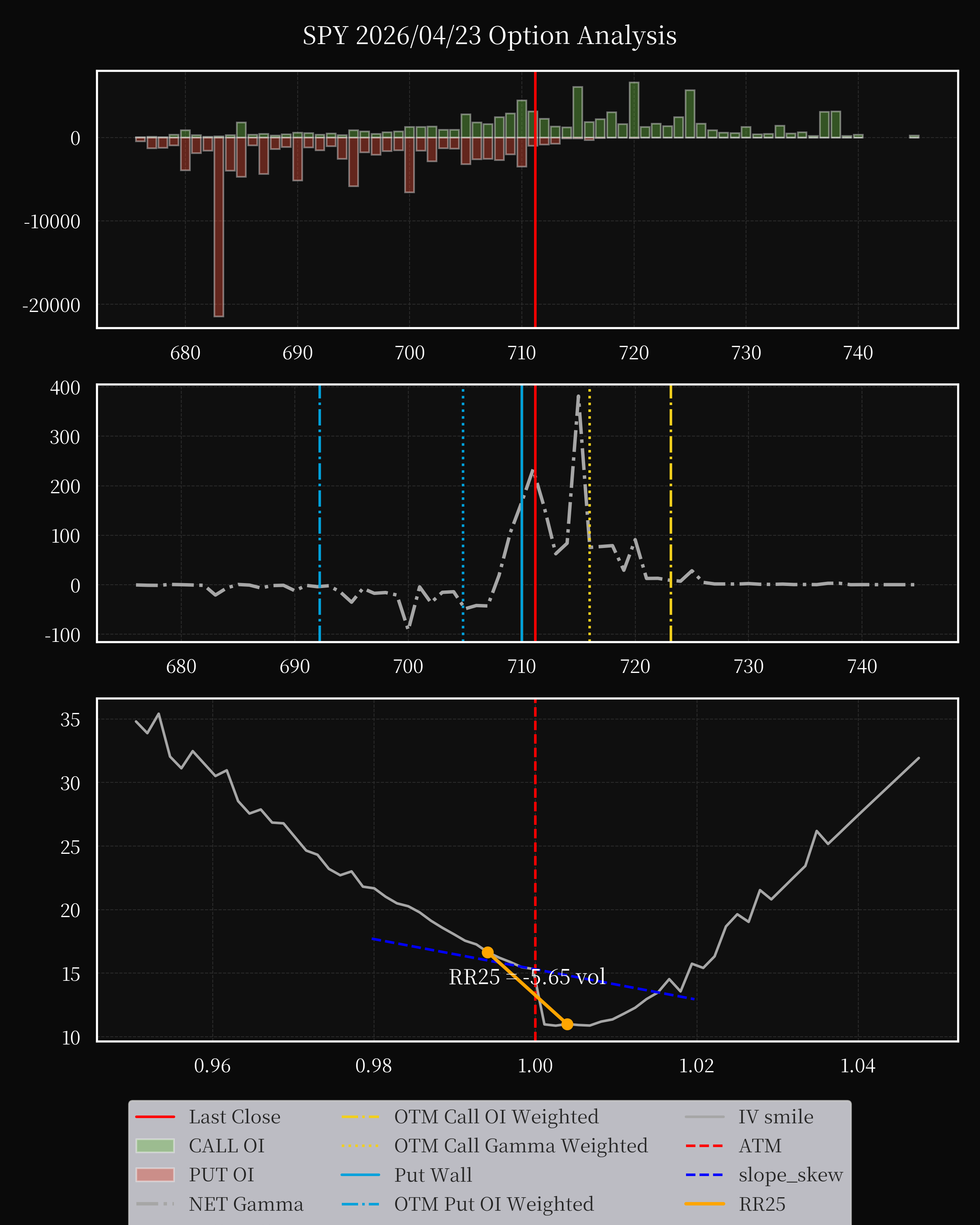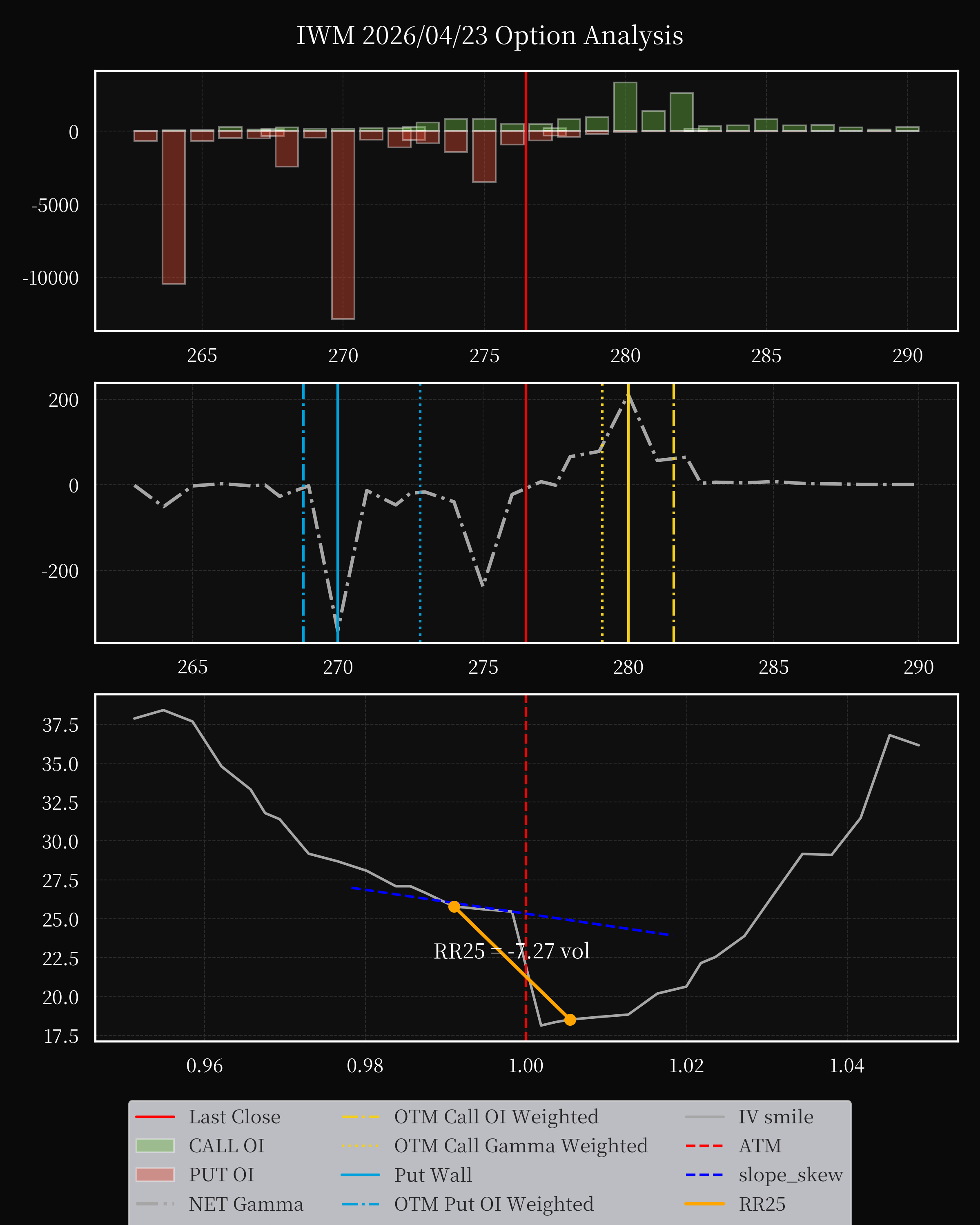
Overall
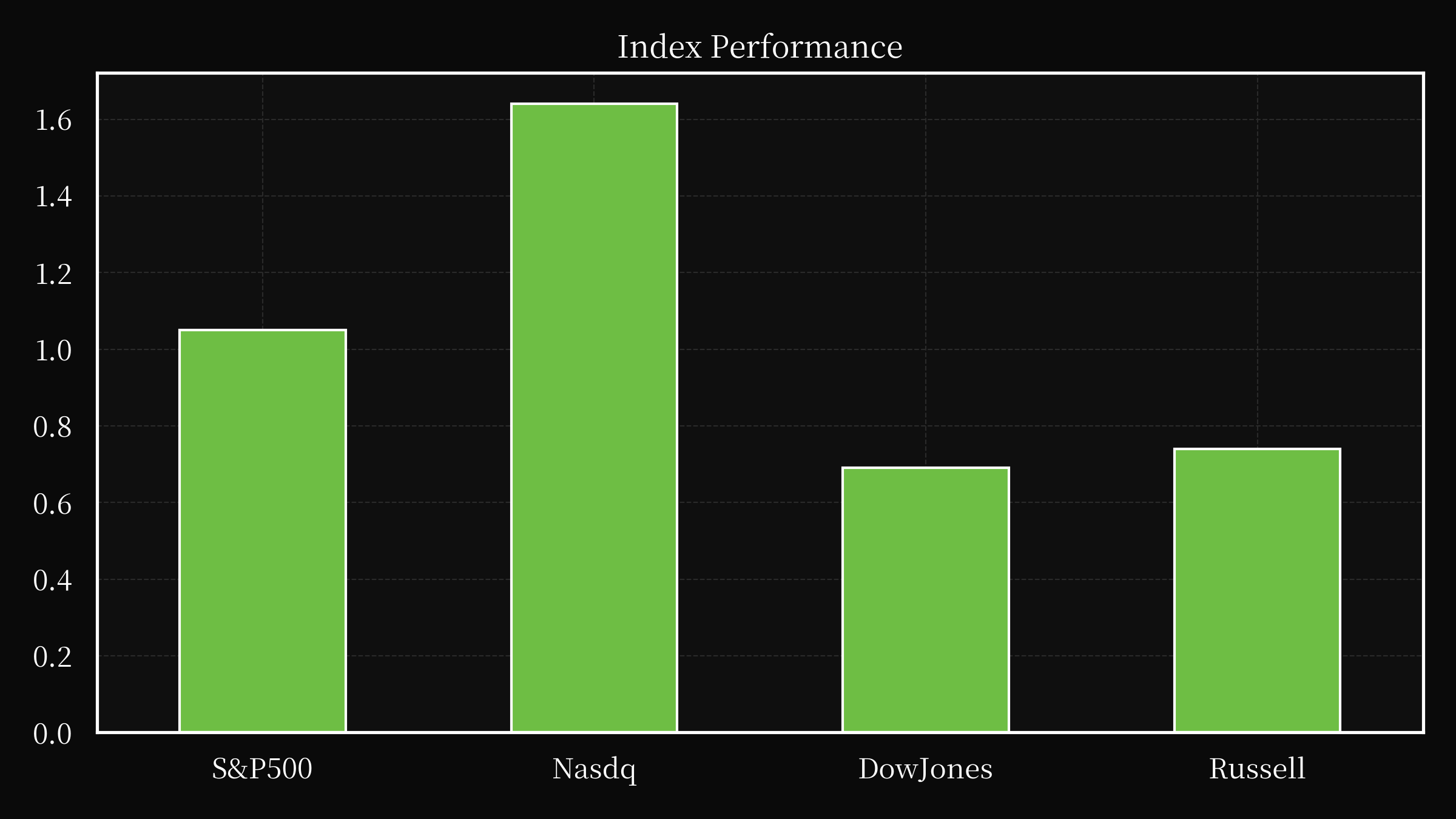
The market’s reaction to geopolitical developments and corporate earnings reveals a complex interplay of optimism and caution, with investors prioritizing immediate catalysts over broader economic headwinds. The extension of the Iran ceasefire, announced late Tuesday, provided a short-term boost to equities as traders sought to capitalize on the prospect of de-escalation. This sentiment was amplified by robust first-quarter earnings reports, which underscored the resilience of corporate profitability despite persistent inflationary pressures and declining consumer confidence. The S&P 500 and Nasdaq reached record highs, driven by a combination of technological innovation and strategic corporate moves, while energy markets remained volatile due to ongoing tensions in the Strait of Hormuz.
The interplay between geopolitical risks and market dynamics is evident in the divergent performance of sectors. While the energy sector grapples with the dual challenges of supply constraints and rising oil prices, the technology sector benefits from the resurgence of artificial intelligence (AI) and semiconductor demand. Companies like Tesla and Intel have outperformed expectations, reflecting investor confidence in their ability to navigate both cyclical and structural shifts. Meanwhile, the aviation industry faces headwinds as oil prices climb, exacerbating cost pressures for airlines already reeling from post-pandemic recovery challenges. These sectoral disparities highlight the market’s selective focus on growth-oriented assets, even as macroeconomic indicators suggest broader economic fragility.
Corporate earnings remain a critical driver of market sentiment, with over 80% of S&P 500 firms reporting first-quarter results that exceeded analyst forecasts. This outperformance underscores the strength of earnings momentum, which has offset concerns about affordability and labor market dynamics. For instance, GE Vernova’s surge to new highs was fueled by a 71% increase in orders for power infrastructure, signaling sustained demand for energy solutions amid geopolitical uncertainty. Similarly, the AI sector’s continued expansion, supported by venture capital and strategic acquisitions, illustrates how innovation can insulate certain segments from macroeconomic volatility. These trends suggest that investors are increasingly valuing operational execution and long-term growth potential over short-term macroeconomic noise.
The market’s resilience is further reinforced by the interplay between fiscal policy and corporate strategy. The Trump administration’s indefinite extension of the Iran ceasefire, coupled with potential state-backed interventions in private-sector entities like Spirit Airlines, reflects a broader shift toward strategic economic management. Such measures, while controversial, signal a willingness to mitigate risks that could disrupt market stability. At the same time, the persistence of strong earnings and AI-driven demand indicates that the market is not merely reacting to headlines but is instead recalibrating its focus toward fundamentals. This recalibration is evident in the tech sector’s leadership, where companies leveraging AI and cloud infrastructure continue to outperform, even as traditional industries face headwinds.
The disconnect between market performance and broader economic indicators raises questions about the sustainability of current valuations. While consumer confidence remains subdued, the combination of tax refunds, earnings growth, and sector-specific tailwinds has created a favorable environment for equities. However, this environment is not without risks. The energy sector’s vulnerability to supply shocks, the potential for further inflationary pressures, and the possibility of prolonged geopolitical conflicts could introduce volatility. Investors must therefore balance their optimism about earnings and AI-driven growth with caution regarding macroeconomic fundamentals, recognizing that the market’s current trajectory is shaped as much by strategic interventions as by organic demand.
In conclusion, the market’s recent performance reflects a nuanced equilibrium between optimism and pragmatism. The Iran ceasefire extension, earnings beats, and AI momentum have collectively buoyed equities, even as inflation and geopolitical tensions persist. This dynamic underscores the importance of sector-specific analysis and the need to distinguish between short-term catalysts and long-term structural shifts. As investors navigate this landscape, the ability to discern between temporary disruptions and enduring trends will be critical in determining the trajectory of markets in the coming weeks. The interplay of these factors suggests that while the market may continue to rise, its sustainability will depend on the continued alignment of corporate performance with broader economic realities.
Watch List
NOW
ServiceNow delivered a robust financial performance for its first quarter of 2026, surpassing expectations with strong growth in subscription revenues and profitability. The company reported $3,671 million in subscription revenues, marking a 22% year-over-year increase, which was driven by significant demand from customers spending over $1 million annually on contracts. Total revenues reached $3,770 million, reflecting similar growth rates. ServiceNow's current remaining performance obligations stood at $12.64 billion as of March 31, 2026, up 22.5% year-over-year, indicating strong future revenue potential. Bill McDermott, CEO, emphasized that the company’s AI-driven platform continues to be a pivotal tool for business transformation, integrating seamlessly with various models and systems. This adaptability has fueled exceptional growth in their AI capabilities, surpassing internal expectations. Gina Mastantuono, CFO, highlighted the quarter's achievements, including exceeding profitability guidance and enhancing free cash flow while returning capital to shareholders. The early integration of Armis into ServiceNow’s portfolio significantly expanded its total addressable market (TAM) and accelerated subscription revenue growth. This acquisition is expected to contribute positively to future financial metrics despite some anticipated short-term margin impacts due to integration costs. ServiceNow also launched several innovative solutions, including the Autonomous Workforce and Healthcare Operations, enhancing AI-driven processes across industries. Strategic partnerships with Google Cloud and NVIDIA further solidified its position in enterprise AI solutions. The company's leadership in AI innovation was recognized
SPWR
On April 21, 2026, SunPower Inc. announced a significant financial maneuver through a private offering of $41 million in aggregate principal amount of 10% Convertible Senior Secured Notes due 2029. The notes were distributed among qualified institutional buyers ($25 million), an entity affiliated with the CEO and Chairman T.J. Rodgers ($6 million), and in connection with the acquisition of Sunder Energy ($10 million). The proceeds from this offering are earmarked for various strategic financial obligations, including prepaying a convertible debenture to YA II PN, LTD, settling agreements with Siemens, fulfilling commitments under a Note Purchase Agreement with CPP, and covering related fees and expenses. After these payments, approximately $9.75 million in net proceeds will be allocated towards working capital and general corporate purposes. In tandem with the offering, SunPower Inc. entered into a Note Purchase Agreement with CPP for an additional issuance of notes and agreed to amend and restate a Seller Note, adjusting its principal amount and interest rate terms. The company also engaged in a letter agreement with YA to prepay part of an outstanding debenture balance. The new 10% Convertible Senior Secured Notes are senior obligations secured by the company's assets, maturing on May 1, 2029, unless converted or repurchased under specific conditions. These notes offer holders conversion options into common stock at a premium rate and include provisions for adjustments in case of corporate events. The issuance is backed by an Ind
GL
Globe Life Inc., based in McKinney, TX, reported robust financial performance for the first quarter of 2026, with net income reaching $3.39 per diluted common share, up from $3.01 a year ago. The company's net operating income also saw an increase to $3.43 per diluted share compared to $3.07 in the previous year. Reflecting confidence in its financial trajectory, Globe Life raised its full-year earnings guidance for 2026 to between $15.40 and $15.90 per share, marking a midpoint rise of $0.35. The company's management emphasizes net operating income as a key non-GAAP measure to assess operational performance, excluding non-operating items such as realized investment gains and losses. This focus helps in understanding the core profitability trends within Globe Life’s business operations. For the quarter ended March 31, 2026, life insurance contributed significantly to the company's underwriting margin at 79% and accounted for 67% of total premium revenue. Health insurance also showed strong growth with a 58% increase in net sales, contributing 33% to total premium revenue. The ratio of administrative expenses to premium slightly increased from 7.3% to 7.4%. Globe Life's distribution channels include several exclusive divisions and an independent agency, all showing positive trends in premium revenue and underwriting margins. Additionally, the company repurchased 1.4 million shares at a total cost of $203
GSHD
Goosehead Insurance, Inc., a rapidly expanding independent personal lines insurance agency, reported strong financial performance for the first quarter ended March 31, 2026. The company's total revenue surged by 23% year-over-year to $93.1 million, with core revenues—excluding contingent commissions and other non-core income—growing by 15% to $79.5 million. This growth was driven primarily by an increase in policies under renewal and new policy sales, supported by a robust client retention rate of 85%. Net income for the quarter reached $8.0 million, up from $2.6 million in the prior year, translating to earnings per share (EPS) of $0.20, a significant 122% increase over last year's figure. Adjusted EPS, which excludes non-recurring items like equity-based compensation and impairment charges, rose by 45% to $0.37 per share. The company also reported an adjusted EBITDA of $24.4 million, marking a 57% improvement from the previous year. Goosehead repurchased $49.8 million worth of shares during the quarter at an average price of $50.54, demonstrating confidence in its financial health and future prospects. The company's digital distribution platform, Digital Agent 2.0, expanded to include multiple homeowners products, enhancing its market position as a leader in end-to-end digital insurance solutions. Operational expenses increased by 14% year-over-year, primarily
BANC
In the first quarter of 2026, the company reported robust financial performance with diluted earnings per share (EPS) reaching $0.39, marking a significant 50% year-over-year increase. This growth is attributed to positive operating leverage and strong core earnings drivers. The production-to-production period (PTPP) saw a 28% increase from the previous year, driven by net interest margin expansion and disciplined expense management. The company's balance sheet remained stable with an allowance for credit losses (ACL) ratio of 1.12%. Liquidity was solid at $14.2 billion, supported by both primary and secondary sources. Shareholder value was enhanced through the repurchase of 1.7 million shares at an average price of $18.68 per share. Loan production in Q1 26 amounted to $2.1 billion, contributing to a 4% annualized increase in total loans. Deposits also grew by 4%, with net interest-bearing (NIB) deposits showing similar growth. The efficiency ratio improved to 57.49%, down from previous quarters, indicating better cost management. Capital strength was evident with tangible book value per share (TBVPS) at $17.77 and a CET1 capital ratio of 10.18%. Return on average assets (ROAA) stood at 0.86%, reflecting consistent performance metrics. The income statement highlighted total interest income of $407.4 million against an expense of $155.8 million, resulting
EFSC
Enterprise Financial Services Corp reported its first-quarter earnings for 2026, highlighting several key financial metrics and strategic priorities. The company's Tangible Common Equity to Tangible Assets ratio slightly decreased from 9.07% to 9.01%, while the Tangible Book Value per Common Share remained stable at $41.38. The CET1 Ratio improved marginally to 11.7%. Despite a modest increase in the quarterly common stock dividend to $0.33, net income fell by $5.4 million to $49.4 million, resulting in an EPS of $1.30. Net Interest Income also saw a decline of $2.0 million, with a Net Interest Margin at 4.28%. The Provision for Credit Losses (PPNR) decreased by $4.4 million, impacting the Return on Average Tangible Common Equity (ROATCE), which dropped to 12.53% from 14.02%. The company returned $27.3 million to shareholders through stock repurchases and maintained a stable asset quality with nonperforming loans at 0.56%. Loans decreased by $107.6 million, while deposits fell by $84.9 million. The firm prioritized improving asset quality by reducing criticized and classified loans and enhancing productivity through technology integration. Regionally, the Midwest saw a slight decrease in loans, whereas the Southwest experienced growth. Deposit verticals such as Community Associations, Property Management, and Legal Industry and Escrow Services contributed significantly
ARR
ARMOUR Residential REIT, Inc. reported its unaudited Q1 results and financial position as of March 31, 2026, revealing a GAAP net loss of $58 million or $0.49 per share for common stockholders. Despite this, the company achieved net interest income of $70.7 million and distributable earnings available to common stockholders amounting to $90.5 million, equating to $0.76 per share. The average interest income on earning assets was 4.88%, with an interest cost of 3.84% on liabilities, resulting in a net interest spread of 1.84%. Economic measures showed an economic net interest spread of 1.84%, derived from an economic interest income of 4.82% and expense of 2.98%. During the quarter, ARMOUR raised $215.3 million through issuing common stock and an additional $6.4 million via preferred stock offerings. The company also repurchased 125,000 shares of its common stock. Dividends were maintained at $0.24 per share monthly for Q1, with a total quarterly dividend of $0.72 per share. The book value per common share decreased by 6.5% to $17.42 from the previous year-end figure of $18.63. The company's total economic return for Q1 was -2.6%, influenced by market turbulence and mortgage-backed securities volatility due to geopolitical events. Despite
GIPR
On April 16, 2026, Generation Income Properties, L.P., operating under its parent company Generation Income Properties, Inc., executed the Seventh Amendment to its Amended and Restated Limited Partnership Agreement. This amendment, agreed upon by JCWC Funding, LLC, the holder of Series A Redeemable Preferred Units, revised the redemption terms, introduced extension period mechanics, and updated protective provisions for these units. Under the new terms effective June 27, 2026, both the Holder and the Operating Partnership gained the right to redeem the Series A Preferred Units at an escalating price. This price is calculated as $5.00 plus $0.075 multiplied by each full year since their original issuance on June 27, 2024. Redemption requires a notice from the Holder to the General Partner no later than 180 days before the end of the current term or extension period. Alternatively, the redemption can be satisfied through issuing common stock equivalent to 1.03 times the number of Series A Preferred Units being redeemed, plus any unpaid distributions. If the Operating Partnership fails to declare and pay distributions for three consecutive months, the Holder may redeem the units within 30 days at the applicable price without adhering to the 180-day notice requirement. Post-June 27, 2026, the designation extends automatically for up to three successive one-year periods until June 27, 2029, unless a redemption notice is timely delivered by the Holder. Additionally, the amendment restricts the
SOAR
On April 17, 2026, M2i Global, Inc., a Nevada corporation with its principal executive offices located at (), entered into a material definitive agreement involving Hill Family Limited Partnership, a Nevada limited partnership, and Douglas Cole. This agreement was made in collaboration with an unnamed Delaware LLC, collectively referred to as the "Investors." These investors are shareholders of M2i Global, whose common stock is publicly traded on the OTCQB Venture Market under the symbol “MTWO,” managed by OTC Markets Group, Inc. Under this agreement, M2i Global committed to issuing a total of 48,044,912 shares of its common stock, valued at an implied rate of $0.0304 per share for these "M2i Shares." Additionally, there was an arrangement concerning the issuance of Volato Shares, priced at $0.2701 each. The company has agreed to promptly issue these shares within 60 days following the issuance of the Volato Shares. The agreement includes customary representations, warranties, and obligations typical of such transactions. However, it is noted that this summary does not encompass all details of the agreements, which are fully detailed in Exhibit 10.1 attached to this Current Report on Form 8-K. This exhibit is incorporated by reference into the report for comprehensive understanding. This filing serves multiple purposes under SEC regulations and may simultaneously satisfy certain reporting obligations if applicable. For instance, it addresses requirements under specific provisions that
MEDP
Medpace Holdings, Inc., a global clinical contract research organization (CRO), reported robust financial performance for the first quarter ended March 31, 2026. The company's revenue surged by 26.5% to $706.6 million from $558.6 million in the same period of the previous year, reflecting a strong backlog conversion rate of 23.3%. This growth was supported by net new business awards totaling $618.4 million, marking a 23.7% increase compared to the prior-year quarter and resulting in a favorable net book-to-bill ratio of 0.88x. The company's financial health is further evidenced by its GAAP net income, which rose to $123.9 million or $4.28 per diluted share from $114.6 million or $3.67 per diluted share in the first quarter of 2025. Despite a slight decrease in net income margin from 20.5% to 17.5%, Medpace demonstrated improved operational efficiency, with EBITDA increasing by 25.9% to $149.4 million and maintaining an EBITDA margin of 21.1%. Medpace's balance sheet remains strong, with cash and equivalents totaling $652.7 million as of March 31, 2026, bolstered by $151.8 million in operating cash flow generated during the quarter. The company also announced a leadership change, with Jesse Geiger resigning as President effective May