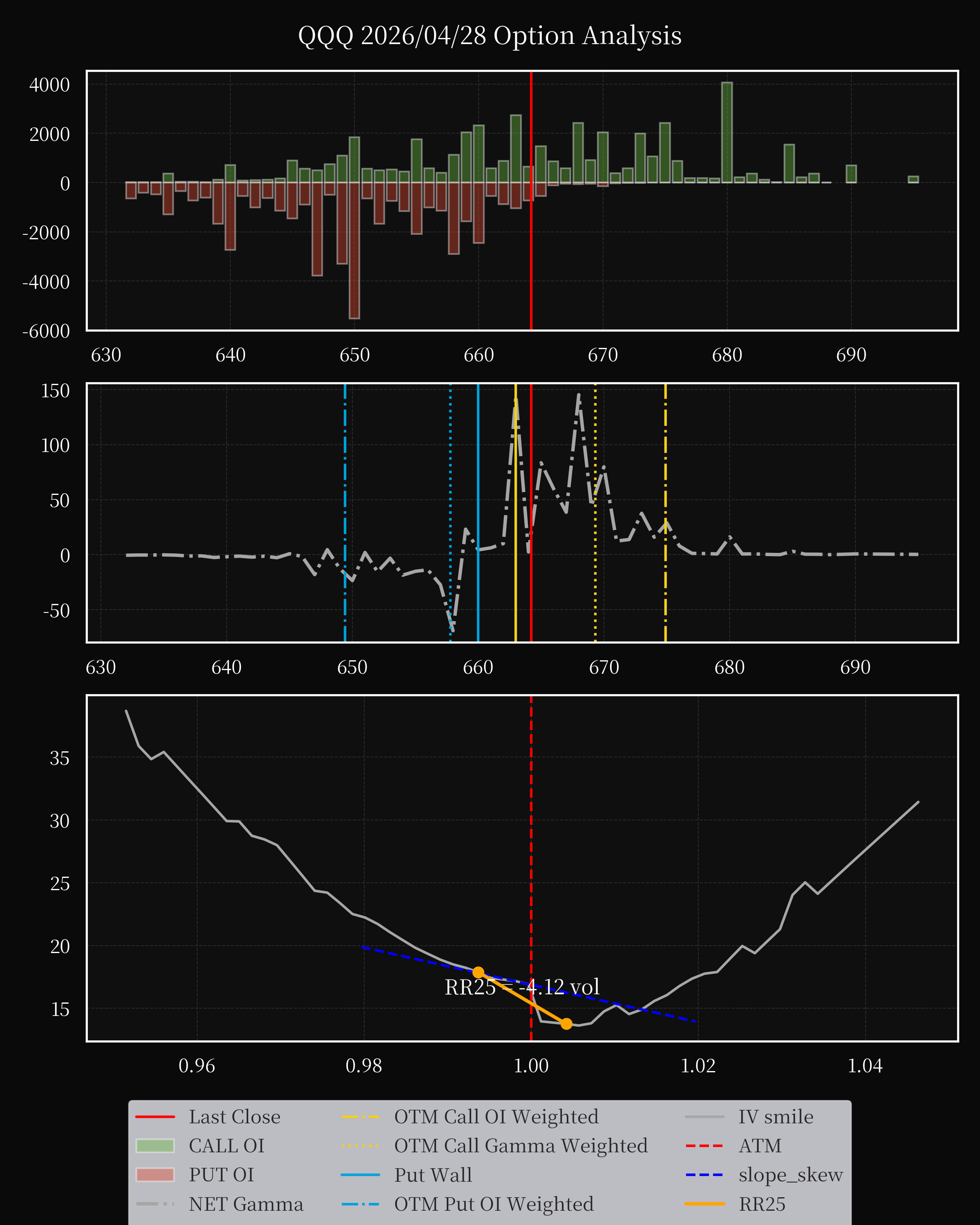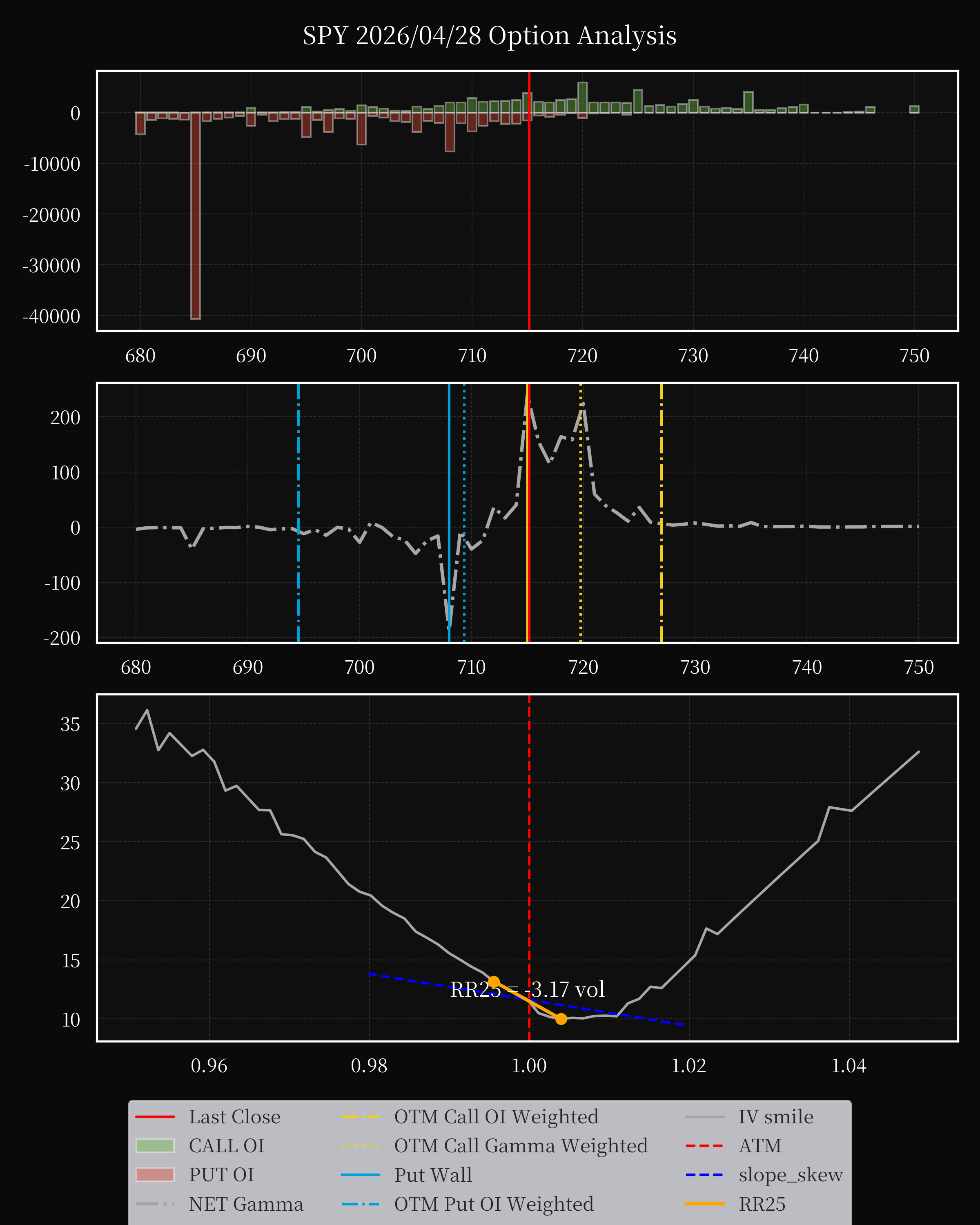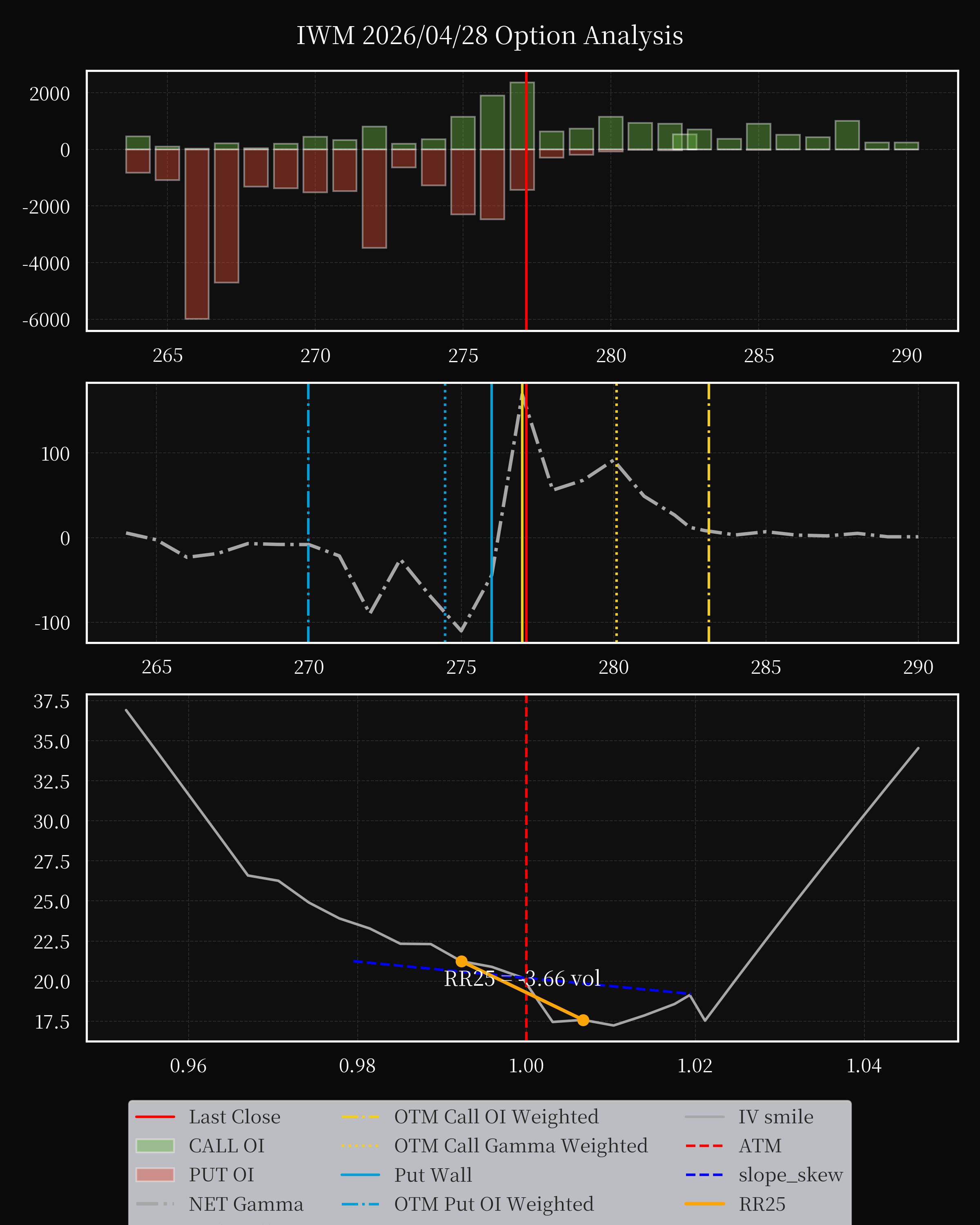
Overall
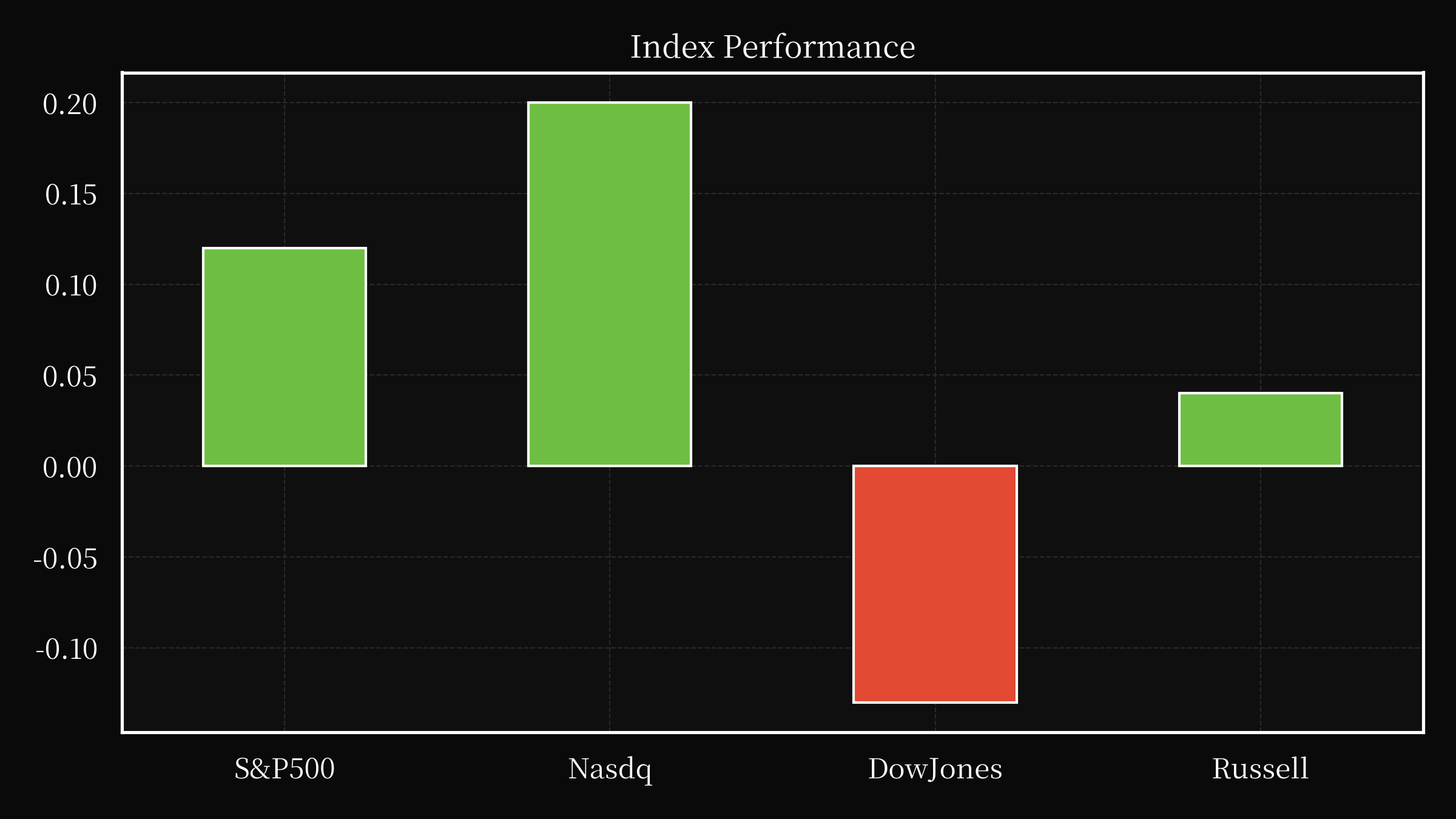
The market faces a pivotal week as the convergence of earnings season, Federal Reserve policy decisions, and geopolitical tensions creates a volatile backdrop for equities. The S&P 500 and Nasdaq, having reached fresh record highs on Friday, now confront a critical test with the upcoming earnings reports from the Magnificent Seven. These companies—Apple, Microsoft, Amazon, Alphabet, and Meta—account for roughly a quarter of the index’s market value, making their results central to the broader market narrative. The Federal Reserve’s policy meeting on Wednesday, where rates are expected to remain steady, adds another layer of uncertainty. Meanwhile, the Iran conflict continues to strain global trade, with oil prices climbing as the Strait of Hormuz remains a flashpoint. The interplay of these factors—tech earnings, monetary policy, and geopolitical risks—will likely dictate the direction of markets in the near term, forcing investors to balance optimism about AI-driven growth with caution over inflationary pressures and external shocks.
The Federal Reserve’s upcoming decision on Wednesday will be a key focal point, as policymakers weigh inflation trends against the lingering effects of the Iran war. The PCE inflation data, released Thursday, will provide critical insights into price pressures, particularly from energy markets. With the Fed’s preferred metric, the PCE index, expected to show a similar rise to March’s 3.5%, investors will scrutinize whether the central bank is prepared to adjust its stance. The potential for a “watch and see” approach, rather than immediate rate changes, underscores the delicate balance between curbing inflation and avoiding economic slowdown. This dynamic is further complicated by the Iran conflict, where disruptions in oil supply could exacerbate inflationary trends, testing the Fed’s resolve to prioritize price stability over growth.
The Magnificent Seven’s earnings reports, scheduled for the week, will serve as a litmus test for the tech sector’s resilience. Microsoft and Alphabet’s recent layoffs, alongside Amazon’s revised sales guidance, signal a broader recalibration as companies navigate AI investments and economic headwinds. Meta’s announcement of a 8,000-employee cut highlights the sector’s struggle to reconcile aggressive AI spending with profitability. These developments, coupled with the Nasdaq’s 1.5% weekly gain, suggest a mixed outlook: while AI-driven innovation remains a growth catalyst, macroeconomic risks and geopolitical tensions could temper optimism. The outcome of these earnings will not only shape individual stock trajectories but also influence investor sentiment across the broader market, particularly as the Fed’s policy signals and oil prices continue to evolve.
The Iran conflict’s impact on global markets remains a persistent concern, with oil prices surging above $108 per barrel as the war enters its second month. The Strait of Hormuz, a critical artery for 20% of global oil trade, remains a focal point of tension, with Iran’s threats to close it if the U.S. lifts its naval blockade. This volatility has driven a 2% increase in Brent crude prices, amplifying inflationary pressures and complicating the Fed’s inflation-fighting mandate. The recent diplomatic overtures from Iran, including offers to halt attacks on ships in exchange for lifting the U.S. blockade, reflect a fragile equilibrium. However, the lack of a clear resolution underscores the risks of prolonged conflict, which could further destabilize energy markets and erode consumer confidence.
The week’s earnings season will also test the tech sector’s ability to sustain its rally amid macroeconomic headwinds. Microsoft and OpenAI’s revised partnership, which allows the latter to collaborate with competitors, signals a strategic shift toward broader ecosystem integration. Meanwhile, Meta’s pivot to solar-powered AI data centers highlights the sector’s push for sustainability, even as layoffs and cost-cutting measures reveal internal pressures. The Nasdaq’s 0.2% gain on Friday, despite mixed signals from the S&P 500, suggests that investors remain cautiously optimistic about AI’s long-term potential. However, the recent 850 billion dollar market value loss by the Magnificent Seven in March underscores the sector’s vulnerability to shifting expectations and external shocks.
The Federal Reserve’s policy decisions and inflation data will be pivotal in shaping market expectations. The PCE index’s 3.5% year-over-year rise in March, slightly above the S&P 500’s 3.3%, indicates that inflation remains entrenched, particularly in services and housing. The Fed’s likely decision to hold rates steady, as indicated by market participants, reflects a cautious approach to avoiding a hard landing. However, the central bank’s willingness to act on persistent inflation—whether through rate hikes or quantitative tightening—will determine whether the current rally can endure. The interplay between inflation trends, energy prices, and geopolitical risks will test the resilience of the broader economy, with implications for both equities and fixed income markets.
The Iran conflict’s geopolitical ramifications extend beyond energy markets, influencing global trade and investor sentiment. The Strait of Hormuz, a chokepoint for 20% of global oil, remains a flashpoint as Iran’s threats to close it escalate. The recent diplomatic overtures, while promising, lack concrete commitments, leaving markets to grapple with uncertainty. This volatility is compounded by the U.S.’s naval presence in the region and the risk of unintended escalation. For investors, the conflict serves as a reminder of the interconnectedness of geopolitical events and financial markets, where even minor disruptions can trigger significant price swings.
The week’s earnings reports will also highlight the sector’s evolving strategies in the face of AI-driven competition. Microsoft’s $20 billion investment in OpenAI and Meta’s push for solar-powered data centers exemplify the race to dominate AI infrastructure. However, these initiatives come amid rising costs and regulatory scrutiny, as seen in the CFTC’s investigation into Polymarket’s insider trading activities. The tech sector’s ability to balance innovation with compliance will be critical, particularly as regulators intensify oversight of AI and data privacy. The outcomes of these earnings will not only shape individual companies but also influence broader market dynamics, including sector rotations and risk appetite.
The Federal Reserve’s policy trajectory and the Iran conflict will remain intertwined, with each influencing the other’s impact on markets. A hawkish Fed stance, driven by persistent inflation, could exacerbate the economic strain caused by the Iran war, while a more dovish approach might provide temporary relief. The interplay between these factors will test the resilience of the current rally, as investors weigh the potential for a soft landing against the risk of a prolonged slowdown. The outcome of the Fed’s meetings and the resolution of the Iran conflict will thus serve as defining narratives for the week ahead, shaping market sentiment and investment strategies.
The broader implications of this week’s events extend beyond immediate market movements, influencing long-term economic and geopolitical strategies. The Fed’s inflation-fighting mandate, the tech sector’s AI investments, and the Iran conflict’s impact on global trade all underscore the complexity of navigating today’s markets. Investors must remain vigilant, balancing the allure of AI-driven growth with the realities of inflation, geopolitical risks, and monetary policy constraints. As the week unfolds, the interplay of these forces will determine whether the current rally can sustain its momentum or succumb to the pressures of an increasingly uncertain global landscape.
Watch List
VTR
Ventas, Inc. reported robust first-quarter results for 2026, driven by significant growth in its senior housing operating portfolio (SHOP). The company achieved a 9% increase in Normalized Funds From Operations per share and a 14% rise in Total Company Net Operating Income year-over-year. SHOP's Same-Store Cash NOI surged over 15%, supported by nearly 9% growth in Same-Store Cash Operating Revenue, including a 310 basis point gain in average occupancy and a 5% increase in RevPOR. Debra A. Cafaro, Ventas' Chairman and CEO, highlighted the company's strategic focus on senior housing investments, anticipating increased demand as Baby Boomers turn 80. Ventas has raised its investment volume expectations for 2026 to $3 billion, reflecting strong market momentum and a robust pipeline of opportunities. The company closed $1.7 billion in senior housing investments year-to-date, with plans to further enhance growth through strategic acquisitions. Financially, Ventas demonstrated strength with a Net Debt-to-Adjusted EBITDA ratio of 5.0x at the end of Q1 2026, marking ten consecutive quarters of improvement. The company maintained $5.5 billion in liquidity, bolstered by equity forward sales agreements and unsecured credit facilities. Ventas is increasing its full-year guidance for 2026, driven by higher property performance and investment accretion, despite expectations of rising interest rates. The company will discuss these results further
POET
POET Technologies Inc., a leader in developing integrated optical engines and light sources for AI networks, has announced the cancellation of all purchase orders from Celestial AI. This decision follows Marvell Semiconductor Inc.'s acquisition of Celestial AI and their subsequent notice to POET on April 23, 2026, citing breaches of confidentiality obligations related to disclosures about these orders. The canceled orders included initial production units first disclosed by POET in a press release on April 25, 2023. Despite this setback, POET remains committed to its strategic goals and continues advancing product development within the AI and optical networking sectors. The company is also focused on fulfilling existing commitments with other clients, highlighted by a recent $5 million purchase order from another technology firm. This ongoing dedication underscores POET's resolve to meet growing market demand and maintain momentum in its core business areas.
WKHS
On April 25, 2026, Workhorse Group Inc., along with its guarantors and Motive GM Holdings II LLC, entered into an Omnibus Amendment No. 1 to amend two existing credit agreements dated December 15, 2025—the Cash Flow Credit Agreement and the Customer Order Credit Agreement. This amendment reflects a mutual agreement among the parties to adjust certain terms and conditions of these credit facilities. The key changes include amendments to the definitions and provisions related to "Commitment" in both credit agreements, which are now restated entirely. Notably, any obligation of the lender to make loans is clarified as discretionary post-PIPE Closing Date, emphasizing that it does not constitute a binding commitment. Additionally, interest payment terms for specific loan amounts have been adjusted, with new due dates set for after September 30, 2026. The amendment also introduces several new defined terms in their respective alphabetical order within the existing agreements and confirms that all other provisions remain effective unless specifically amended. It is stipulated that this amendment does not waive any rights or remedies of the lender under the credit agreements or related loan documents. Furthermore, each guarantor reaffirms its obligations under these agreements, acknowledging receipt of a copy of the amendment and consenting to its terms. The amendment is governed by New York law and is intended as a complete expression of the parties' agreement regarding the subject matter. The execution of this amendment requires satisfaction of certain conditions, including no existing or resulting events of default, accuracy of
FULC
Fulcrum Therapeutics, Inc., formerly known by a different name or address since its last report, recently filed a Form 8-K to announce several significant corporate developments. On April 23, 2026, Fulcrum terminated its License Agreement with CAMP4 Therapeutics Corp., which had granted Fulcrum an exclusive worldwide license for rights under the Diamond-Blackfan anemia program. This termination followed the terms outlined in their July 5, 2023 agreement and included a non-refundable upfront payment to CAMP4, along with potential milestone and royalty payments contingent on successful commercialization. In its financial update released on April 27, 2026, Fulcrum disclosed its quarterly results for March 31, 2026. The detailed press release is incorporated by reference in the filing as Exhibit 99.1. Additionally, the company announced a change in its board composition; Josh Lehrer was appointed as an independent Class III director effective immediately, with his term set to expire at the 2028 annual meeting of stockholders. Lehrer will serve on the Science & Technology Committee and has entered into Fulcrum’s standard indemnification agreement. Fulcrum also announced Alan Musso's retirement from his roles as chief financial officer, treasurer, and principal financial officer, effective upon a successor being named. Musso plans to assist with an orderly transition by continuing in a consulting capacity. The company is actively searching for a replacement for Mr. Mus
RLAY
On April 27, 2026, Relay Therapeutics, Inc. announced significant developments from its ReDiscover trial involving zovegalisib in combination with fulvestrant and atirmociclib for treating PI3Kα-mutated, HR+/HER2- metastatic breast cancer. The company revealed plans to advance this drug combination into Phase 3 development specifically targeting frontline patients. The data presented from the trial's dose-finding segment showed promising results: out of 69 enrolled patients, 62 received doses at or below the potential Phase 3 level, with 34 having measurable disease for response evaluation. These patients were heavily pre-treated, having undergone a median of two prior therapies in the metastatic setting. The safety and tolerability profile was encouraging, with only three percent discontinuing zovegalisib due to treatment-related adverse events and ten percent requiring dose reductions. Notably, there was no grade 3 hyperglycemia among the pre-diabetic patients, and no febrile neutropenia occurred despite a high rate of other grade 3+ adverse events. The objective response rate (ORR) stood at 44%, with nearly all patients experiencing tumor reduction, and 77% remaining on study after a median follow-up of 7.4 months. Pharmacokinetic analyses indicated that atirmociclib increased zovegalisib exposure by approximately two and a half times without affecting its own levels. The potential Phase 3 dose
SEER
On April 27, 2026, Seer, Inc., a company with its principal executive offices located at , issued a press release regarding an updated acquisition proposal that was deemed highly contingent, non-binding, and unsolicited. This proposal was received on April 24, 2026, from Bradley L. Radoff, Michael Torok, and their affiliates. The details of this revised offer were outlined in the press release, which Seer, Inc. has included as Exhibit 99.1 in its Form 8-K filing with the SEC. This document serves to fulfill any concurrent filing requirements under applicable provisions for such events. The company's official name, as specified in its charter, and other pertinent details like its telephone number and any changes from previous reports are also part of this comprehensive filing.
NVRI
Enviri Corporation has entered into definitive agreements for the sale of its "Clean Earth" business to Veolia Environnement S.A., as outlined in a Merger Agreement and a Separation Agreement dated November 20, 2025. This transaction involves CLEH, Inc., Enviri LLC, Liberty Merger Sub Inc., and New Enviri Corporation, with the latter being formed as part of this restructuring process. Following these developments, three lawsuits have been filed by stockholders against Enviri and its Board in the Supreme Court of New York, challenging aspects related to the transaction. Despite these legal challenges, the board continues to endorse a positive vote at the upcoming Special Meeting, emphasizing that these issues will not alter the consideration for shareholders or the meeting's schedule. The Definitive Proxy Statement has been updated with new information regarding the nomination of Nicholas C. Fanandakis as an independent director, which was conducted independently of any cooperation agreements. Additionally, discussions around potential CEOs for New Enviri have emphasized internal candidates familiar with its business operations. The board's decision to advance certain bidders in the sale process was made without influence from previous agreements. Financial advisor Jefferies has been engaged by Enviri to assist with the transaction, agreeing to a fee contingent on completion. The board evaluated various financial metrics and multiples for similar companies to inform their decisions. Forward-looking statements caution that actual outcomes may differ due to factors such as delays in completing the sale or spin-off, potential impacts on business performance
ATHE
Alterity Therapeutics has received encouraging feedback from the U.S. Food and Drug Administration (FDA) following their second Type C Meeting concerning the Phase 3 development program for ATH434, aimed at treating Multiple System Atrophy (MSA), a rare neurodegenerative disease with no approved treatments to modify its progression. This meeting focused on aligning the chemistry, manufacturing, and control (CMC) aspects of ATH434's development, marking significant progress toward initiating Phase 3 trials. The FDA's positive feedback supports Alterity's readiness for these trials, coinciding with ongoing efforts to scale up manufacturing in parallel. This regulatory milestone follows a previous Type C Meeting that addressed clinical pharmacology and non-clinical development elements, further demonstrating the company’s alignment with FDA expectations. David Stamler, CEO of Alterity, highlighted this as a critical step towards launching their Phase 3 program, noting the FDA's endorsement of their manufacturing plans for ATH434, which is pivotal for both the trial and potential future commercialization. Alterity Therapeutics, based in Melbourne, Australia, and San Francisco, USA, remains on track to finalize its development plans with an End-of-Phase 2 meeting scheduled for mid-2026. The company's lead asset, ATH434, has shown promising results in Phase 2 trials, including a randomized, double-blind, placebo-controlled study, and an open-label trial in advanced MSA cases. With a focus on developing disease-modifying therapies for neurodegener
BMRC
Bank of Marin Bancorp reported its first-quarter results for April 2026, showcasing a strong financial performance. The company, headquartered in Novato, CA, has a market capitalization of $414.9 million and total assets amounting to $3.9 billion. It maintains a dividend yield of 3.90% and operates with a robust franchise comprising 27 branch locations and eight commercial banking offices. The bank's strategic focus on relationship banking emphasizes building long-term customer relationships through trust, integrity, and exceptional service. This approach is supported by disciplined fundamentals, including sound banking practices and high-quality products, ensuring consistent results. The company also demonstrates a strong commitment to community involvement through employee volunteerism and financial contributions. Bank of Marin Bancorp's leadership team boasts over 221 years of combined experience across various economic cycles. Key executives include Tim Myers as President and CEO, David Bloom as EVP Head of Commercial Banking, Brandi Campbell as EVP Head of Retail Banking, Sathis Arasadi as EVP CIO, Dave Bonaccorso as EVP CFO, and Misako Stewart as EVP Chief Credit Officer. The bank's capital plan indicates that its capital ratios will remain above regulatory well-capitalized thresholds throughout a five-year forecast horizon, even under stress scenarios. The deposit franchise is robust, with 35.9% of deposits being non-interest bearing, reflecting the effectiveness of their relationship banking model. Loan fundings in Q1 reached $60.8 million, marking the highest first
BFST
b1BANK operates under five guiding principles that shape its culture and decision-making processes, emphasizing community impact through consistent awards for social contributions since 2021. From inception to March 2026, b1BANK has mentored over a thousand businesses, provided financial literacy education, and supported entrepreneurs with training classes. The bank's foundation, b1COMMUNITY, reflects its commitment to societal betterment. Financially, Business First Bancshares, Inc., headquartered in Baton Rouge, Louisiana, showcases robust growth and stability. As of March 2026, it reported $8.9 billion in total assets, $6.7 billion in gross loans, and $7.5 billion in deposits. The bank has a diversified presence across Louisiana, Texas, and Mississippi with over 46 banking centers. It maintains a strong market position, holding the top deposit market share among Louisiana-based banks and significant exposure in Texas. The balance sheet highlights include a consolidated total risk-based capital ratio of 13.08% and tangible book value per share of $23.18 as of March 2026. The bank's strategic growth is evidenced by its acquisition history, including Progressive Bank, and its focus on organic and acquired growth. Financially, the first quarter of 2026 saw a core net income of $24 million, with a core diluted EPS of $0.73, reflecting solid earnings power. b1BANK's loan portfolio is balanced between fixed and floating rates, ensuring stability in varying