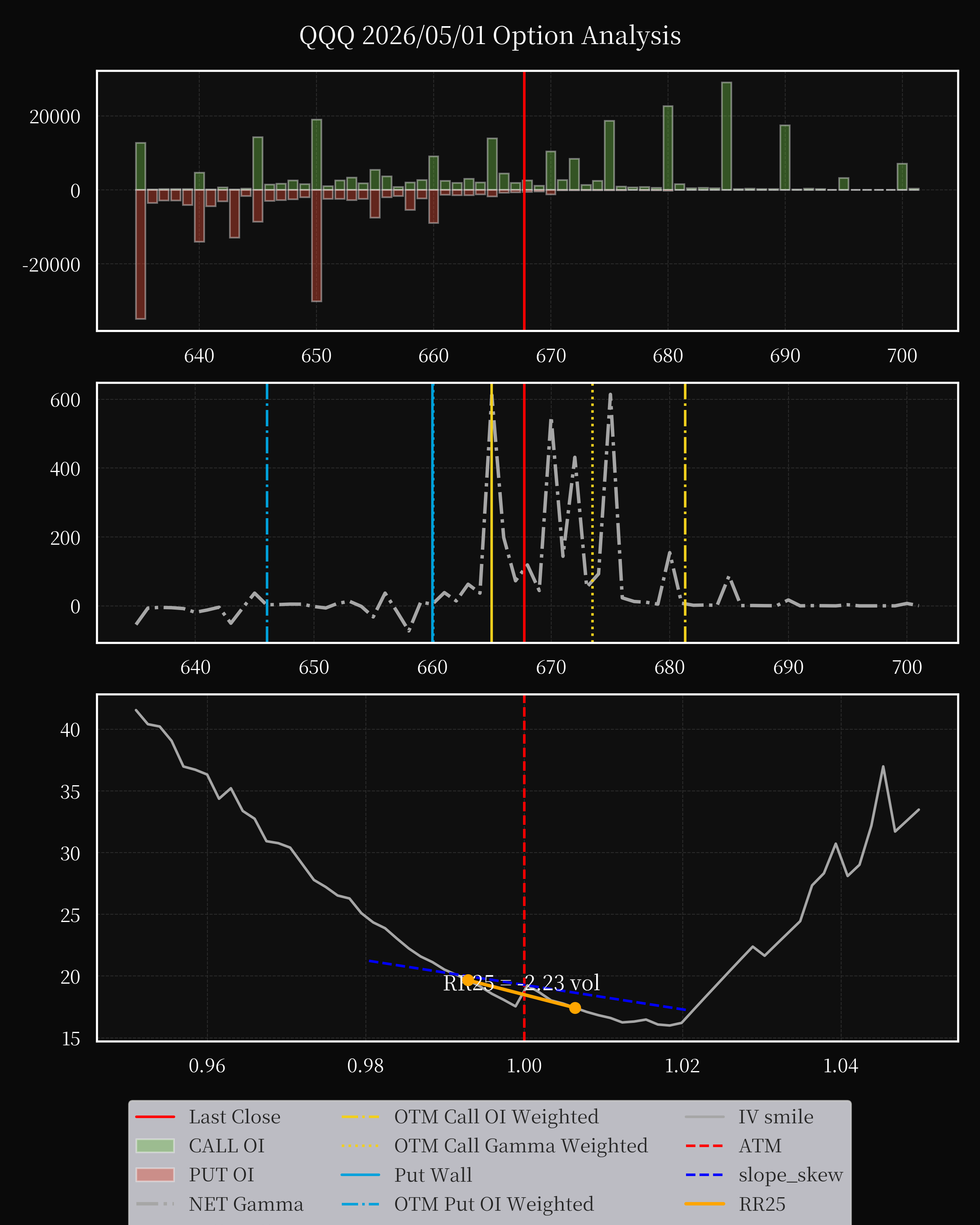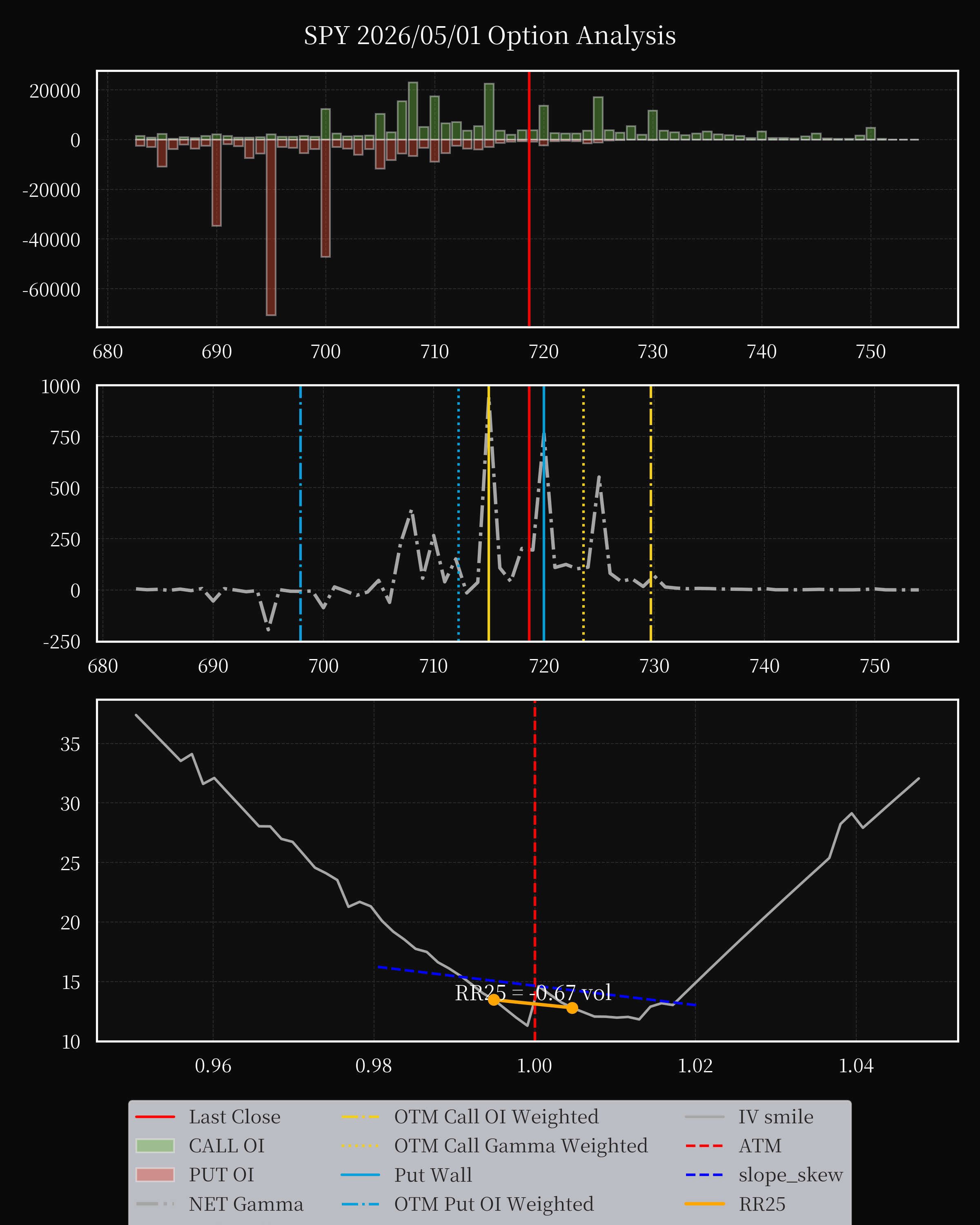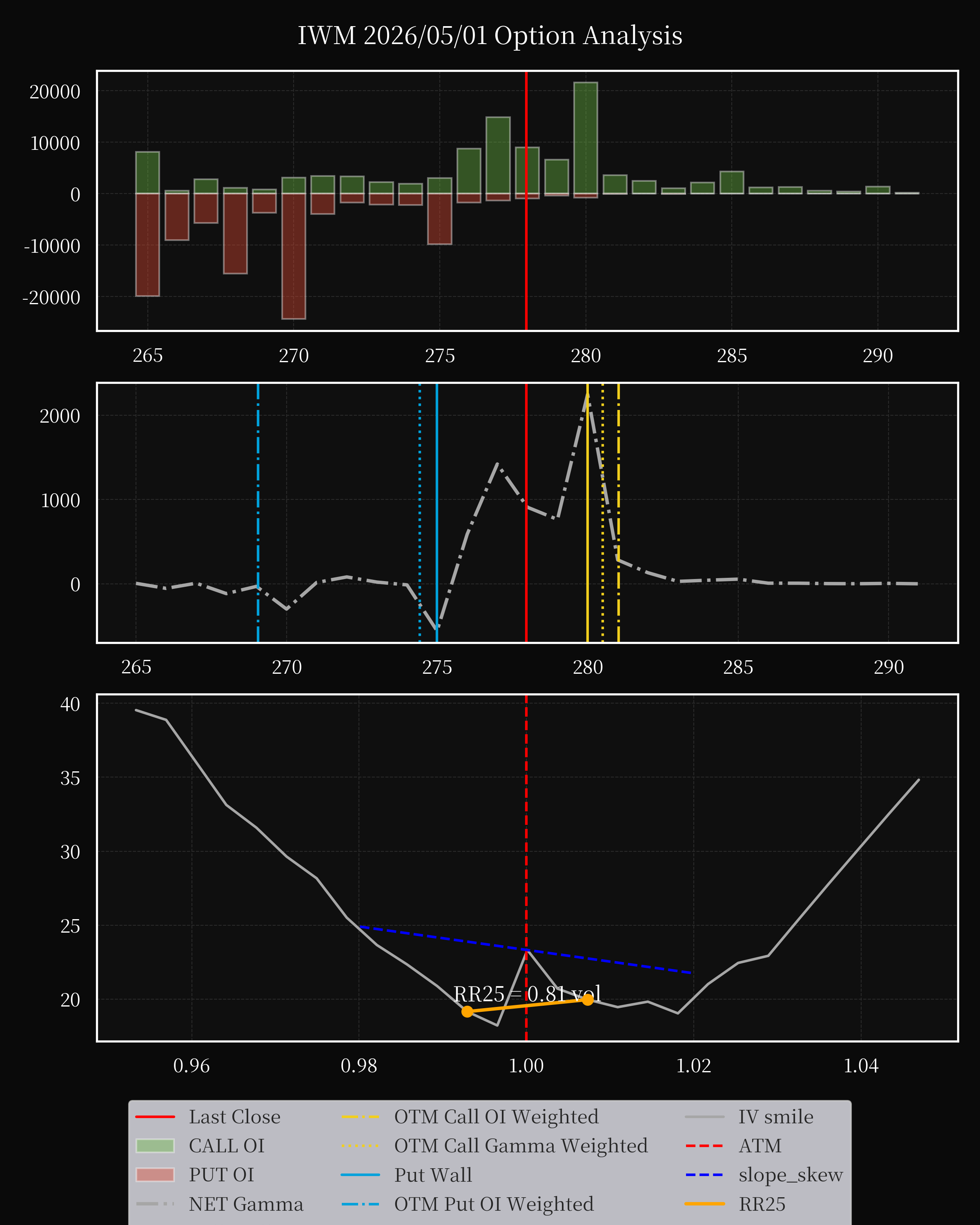
Overall
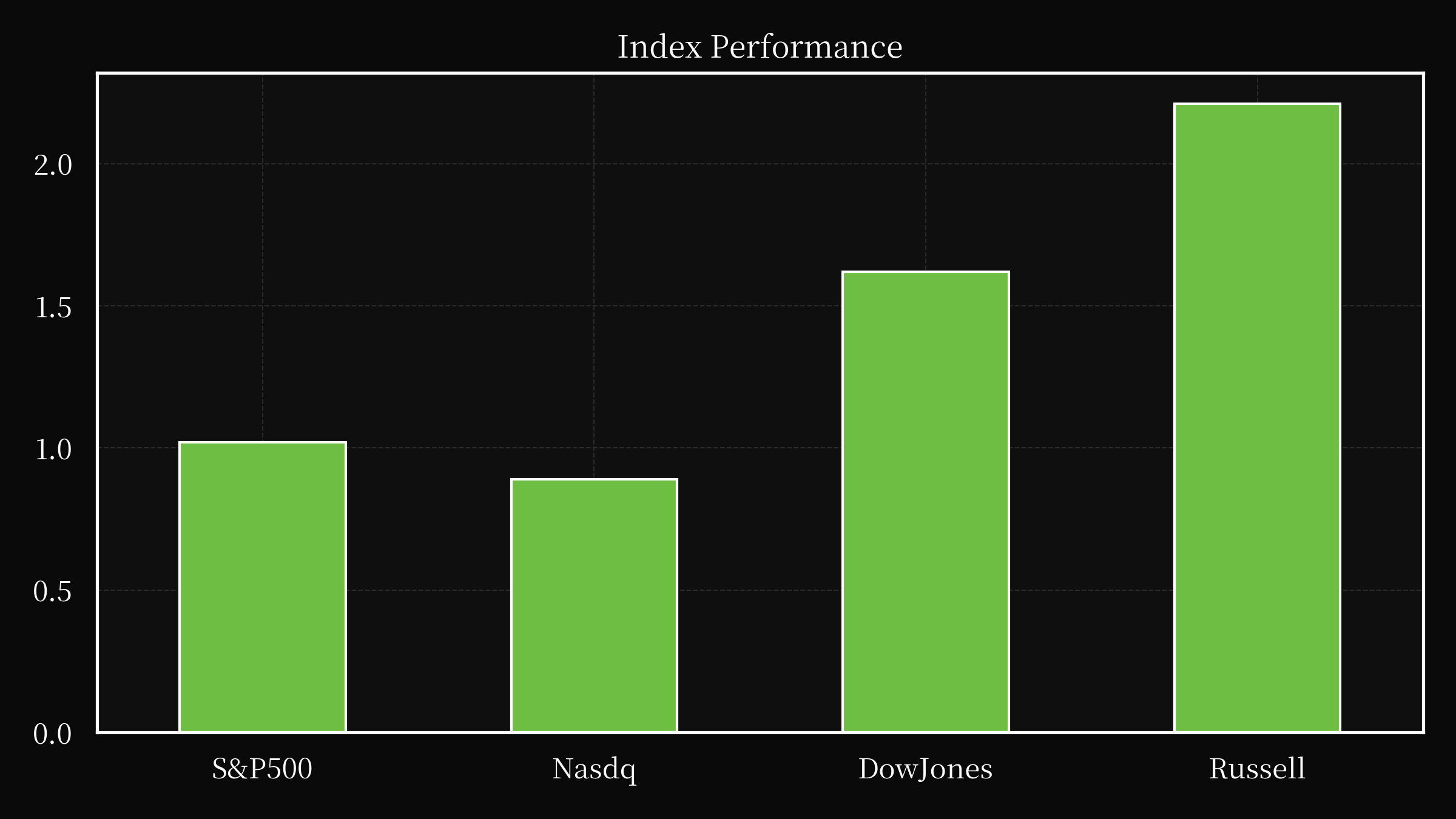
The U.S. equity market posted a robust performance on Thursday, driven primarily by the accelerating AI investment cycle and its multifaceted impact on corporate earnings, macroeconomic indicators, and sectoral dynamics. The Nasdaq Composite led gains with a 0.9% increase, marking its strongest monthly close since April 2020, while the S&P 500 and Dow Jones Industrial Average also posted notable advances, reflecting broad-based optimism amid the tech sector’s AI-driven spending spree. This rally was underpinned by a significant surge in first-quarter GDP, which rose at an annualized rate of 2%, signaling a rebound from the previous quarter’s modest growth and highlighting the role of business investment in sustaining momentum. However, the economic outlook remains contingent on geopolitical stability, particularly in the Middle East, where escalating tensions with Iran threaten to disrupt energy markets and erode consumer confidence.
The AI boom has emerged as the central engine of economic growth, with corporate spending on artificial intelligence infrastructure, cloud computing, and software solutions accounting for a substantial portion of the GDP expansion. Tech giants such as Alphabet, Amazon, and Meta have reported earnings that underscore the sector’s resilience, though not without volatility. Alphabet’s stock surged 10% following a 22% jump in first-quarter revenue and an 81% increase in net income, driven by robust performance in its cloud division. This growth has allowed the company to justify aggressive capital expenditures, including its recent $4.6 trillion market valuation, which now trails only Nvidia’s. Conversely, Meta faced a 8.6% decline as investors reassessed the long-term profitability of its AI initiatives and the broader implications of rising operational costs. The divergence in performance across tech firms illustrates the sector’s dual nature: while AI adoption fuels growth, it also introduces uncertainty regarding margin pressures and the timing of returns on investment.
The interplay between AI-driven corporate spending and macroeconomic fundamentals reveals a complex economic landscape. Business investment in AI-related assets contributed 1.5 percentage points to the 2% GDP growth in the first quarter, demonstrating how technological innovation can catalyze productivity gains. However, this growth is not evenly distributed. Consumer spending, while still resilient, has shown signs of moderation, with personal consumption expenditures rising 1.6% in Q1. Economists caution that sustained economic expansion hinges on the ability of households to maintain spending, which could be undermined by persistent inflationary pressures. The Bureau of Economic Analysis’s report on March’s personal consumption expenditures index highlighted this vulnerability, noting that rising energy prices—exacerbated by the Iran-Israel conflict—have begun to weigh on household budgets. The resulting risk of reduced discretionary spending poses a challenge to the economy’s ability to sustain its current trajectory, particularly if geopolitical tensions escalate further.
The Iran-Israel conflict has introduced a critical variable into the economic equation, with its impact on energy markets and inflationary expectations. The initial spike in oil prices following reports of potential U.S. military action against Iran led to a temporary decline in crude futures, though prices have since stabilized. However, the specter of prolonged conflict remains a significant headwind. The war’s effect on the Strait of Hormuz, a vital conduit for global oil supplies, introduces the risk of supply disruptions that could drive energy prices to even higher levels. Such an outcome would not only amplify inflation but also strain household budgets, as energy costs feed through to broader price levels. The Federal Reserve’s inflation target of 2% is already under pressure, with the March personal consumption expenditures index showing core inflation at 3.5%, the highest since August 2023. This dynamic complicates the Federal Reserve’s policy decisions, as officials grapple with the dual mandate of fostering growth while curbing inflation. The potential for a more aggressive rate hike scenario, as outlined by Fed Chair Kevin Warsh, underscores the delicate balance between addressing inflation and avoiding a slowdown in economic activity.
Sectoral performance further illustrates the divergent paths of different industries in the current environment. While technology and energy sectors exhibit mixed outcomes, other areas such as construction and manufacturing show signs of adaptation to the AI-driven economy. Caterpillar’s stock rose nearly 10% as its full-year outlook was upgraded, driven by strong demand for data center equipment and intellectual property products. This reflects the broader trend of capital-intensive industries leveraging AI to enhance efficiency and competitiveness. Meanwhile, the financial sector faces headwinds from rising interest rates and the potential for a more restrictive monetary policy, as evidenced by the underperformance of companies like Willis Towers Watson. The disparity in sectoral resilience highlights the importance of understanding how different segments of the economy respond to technological and geopolitical shocks.
The market’s reaction to the first-quarter GDP data and the Iran-Israel conflict also underscores the role of investor sentiment in shaping short-term outcomes. The Nasdaq’s record close was fueled by optimism around AI-related spending, yet the broader economy’s reliance on this sector introduces fragility. A slowdown in tech investment or a prolonged energy crisis could quickly reverse the gains, as seen in the recent volatility of energy stocks and the mixed performance of tech firms. Additionally, the market’s sensitivity to geopolitical developments is evident in the sharp movements of oil futures, which have become a key indicator of macroeconomic risk. The interplay between these factors suggests that while the U.S. economy has shown resilience, its future trajectory remains contingent on a range of unpredictable variables, including diplomatic resolutions, energy price stability, and the long-term viability of AI-driven growth.
In conclusion, the U.S. market’s recent performance reflects a delicate equilibrium between technological innovation, macroeconomic fundamentals, and geopolitical risks. The AI boom has provided a critical boost to corporate earnings and GDP growth, but its benefits are not evenly distributed, and the economy remains vulnerable to external shocks. The Iran-Israel conflict serves as a reminder of how external events can disrupt even the most robust economic expansions, particularly when energy markets are involved. As investors navigate this complex landscape, the ability to discern between short-term volatility and long-term trends will be paramount. The coming weeks will likely determine whether the current momentum can withstand the pressures of inflation, geopolitical uncertainty, and the evolving dynamics of AI adoption across industries. The market’s response to these challenges will shape not only the trajectory of individual sectors but also the broader economic narrative in the months ahead.
Watch List
ATR
AptarGroup, Inc., a leader in drug delivery and consumer product technologies, reported its first quarter results for 2026 on April 30. The company saw an 11% increase in reported sales, reaching $982.9 million compared to the previous year's $887.3 million, while core sales remained flat. Despite this growth in revenue, reported net income fell by 8% to $73 million, and earnings per share decreased by 4% to $1.12. Adjusted earnings per share were slightly higher at $1.19 but still reflected an 8% decrease from the prior year when adjusted for constant currency. The pharmaceutical sector experienced a 7% increase in sales, with currency contributions accounting for half of this growth. However, core sales declined by 1%, primarily due to reduced demand in emergency medicine dispensing systems. The injectables division saw robust growth at 20%, driven by increased demand for components used in GLP-1 therapies and biologics. Consumer healthcare also grew by 4%, supported by strong performance in nasal decongestants and eye care solutions. In the beauty segment, reported sales surged by 19%, bolstered by currency changes and acquisitions, while active material science solutions saw a slight decline due to lower demand for diabetes test strips and probiotics. The closures division experienced a modest 5% increase in reported sales, though core sales were flat, impacted by lower resin pricing. Adjusted EBITDA margin decreased
HCWB
On April 27, 2026, HCW Biologics Inc., an emerging growth company, convened a Special Meeting of its stockholders to address certain proposals. However, due to insufficient shares present or represented by proxy to constitute a quorum, the meeting was adjourned without any business being conducted. The two proposals initially presented at this Special Meeting are now scheduled for consideration at the Company's Annual Meeting of Stockholders, which is set to take place virtually on June 10, 2026, at 10:00 A.M. Eastern Time. The record date for determining eligible stockholders for this meeting is April 22, 2026. In total, five proposals will be submitted for approval at the Annual Meeting, including the two from the Special Meeting that have undergone revisions. HCW Biologics strongly encourages its shareholders to review the definitive proxy statement on Schedule 14A, which has been filed with the SEC and is accessible free of charge on their website. Following the adjournment, the Company continues to solicit votes from its stockholders regarding these proposals. On April 30, 2026, HCW Biologics issued a press release announcing the adjournment, which is included as Exhibit 99.1 in this Current Report. However, it's important to note that the information contained within this press release is not considered "filed" for purposes of Section 18 of the Securities Exchange Act of 1934. This filing serves multiple regulatory
LLY
Eli Lilly and Company reported robust financial results for the first quarter of 2026, with a significant 56% increase in revenue to $19.8 billion, primarily driven by volume growth despite lower realized prices from key products like Mounjaro and Zepbound. The company's earnings per share (EPS) saw an impressive rise, with reported EPS up 170% to $8.26 and non-GAAP EPS increasing by 156% to $8.55, both including charges related to acquired in-process research and development (IPR&D). Reflecting this strong performance, Lilly has raised its full-year revenue guidance for 2026 to between $82.0 billion and $85.0 billion and adjusted its non-GAAP EPS forecast to a range of $35.50 to $37.00. The quarter was marked by significant regulatory achievements, including the U.S. FDA approval of Foundayo (orforglipron) for adults with obesity or overweight who have weight-related medical issues. Additionally, Lilly reported positive Phase 3 results from Foundayo in treating type 2 diabetes and obesity at increased cardiovascular risk, alongside advancements in other pipeline projects such as Jaypirca, Taltz combined with Zepbound for psoriasis patients, and retatrutide for type 2 diabetes. Business development activities included strategic acquisitions of Orna Therapeutics, Centessa Pharmaceuticals plc., Kelonia Therapeutics, and Ajax Therapeutics. The company also announced a planned Investment
WEAV
Weave Communications, Inc., a leading provider of AI-powered patient engagement solutions for healthcare practices, announced its first quarter 2026 financial results on April 30, 2026. The company reported total revenue of $65.5 million, marking a 17.4% increase year-over-year from the same period in 2025. This growth was accompanied by an improvement in profitability metrics, with GAAP gross margin rising to 72.6% and Non-GAAP gross margin reaching 73.2%, both up by over 100 basis points compared to the previous year. CEO Brett White highlighted that this quarter's success is attributed to disciplined business operations, resulting in record customer location additions and significant enhancements in profitability. Over half of Weave’s customer locations are now utilizing AI tools embedded within their platform, with an upcoming release of an omnichannel AI receptionist poised to further strengthen their market position. Financially, the company saw a GAAP loss from operations decrease to $6.0 million, while Non-GAAP income from operations improved significantly to $2.5 million. The GAAP net loss was reported at $5.8 million or $0.07 per share, compared to $8.8 million or $0.12 per share in the previous year's first quarter. In contrast, Non-GAAP net income stood at $2.8 million or $0.04 per share. Weave also received recognition as a 2026 Best Software Awards winner
BAND
Bandwidth recently announced its first quarter 2026 financial results, showcasing a record quarterly revenue of $209 million, marking a 20% increase year-over-year. The company also reported an Adjusted EBITDA of $26 million, up by 17% from the previous year. This performance has led Bandwidth to raise its full-year outlook for 2026. A significant driver behind these results is the accelerated adoption of AI-driven platforms, which have enhanced usage and value capture across large enterprises. Notably, Salesforce selected Bandwidth as a critical infrastructure partner for its new Agentforce Contact Center platform, integrating Bandwidth's Communications Cloud and Maestro orchestration into AI-driven workflows. Bandwidth has also strengthened its balance sheet through disciplined capital allocation strategies, including debt retirement and share repurchases. The company highlighted several customer wins in the first quarter, such as a major consumer financial services firm with over 70 million active accounts migrating its contact center to Bandwidth's cloud solutions. Additionally, one of the world's largest mutual life insurers chose Bandwidth for a comprehensive customer experience transformation. Bandwidth continues to see strong momentum from an expanding ecosystem of third-party AI application developers across various industries. The company has provided guidance for the second quarter and full year 2026, assuming a weighted average diluted share count of approximately 34.7 million in Q2 and 35.3 million for the full year. Bandwidth's leadership will participate in several industry conferences, including the Needham Technology,
FATN
FatPipe, Inc., an emerging growth company, has filed a Form 8-K with the SEC to report significant events as of April 30, 2026. The filing includes preliminary guidance for the fourth quarter ending March 31, 2026, along with business updates and details about the upcoming earnings release. This press release is attached as Exhibit 99.1 and incorporated by reference into the filing. It's important to note that these preliminary financial results are based on currently available information and an initial review by management. They are subject to change upon completion of the company’s financial closing procedures and audit, meaning actual results may differ materially from those preliminarily reported. The Form 8-K serves a dual purpose, fulfilling the registrant's filing obligations under specific SEC provisions. FatPipe, Inc., has chosen not to use the extended transition period available for emerging growth companies. The report includes pertinent details such as the company’s name as specified in its charter and contact information, including telephone numbers with area codes. Additionally, the document outlines that the preliminary results are subject to adjustments following the financial closing procedures and audit processes. This highlights the potential for material differences between these initial figures and the final audited results. The filing is signed by an authorized officer of FatPipe, Inc., ensuring its validity and compliance with regulatory requirements.
BFLY
Butterfly Network, Inc., a leader in semiconductor-based ultrasound technology, reported strong first-quarter 2026 financial results, surpassing consensus expectations with revenue growth of 25% year-over-year to $26.5 million. The company also achieved a gross margin increase to 69%, up by 600 basis points from the previous year, and an adjusted EBITDA loss improvement to $6.1 million, marking a 32% year-over-year enhancement. Joseph DeVivo, President and CEO, highlighted the company's disciplined execution and strategic investments across three growth engines: point-of-care ultrasound, Home & Community Care, and Butterfly Embedded technologies. These initiatives are integrated into a unified platform poised for long-term expansion. Key operational highlights include receiving FDA clearance for a Gestational Age AI Tool and expanding partnerships to 30, with significant progress in commercial-ready applications. The company also closed its first enterprise deal of the year through Compass AI™, advancing market entry across high-growth regions like Brazil. In Home & Community Care, Butterfly is progressing toward its inaugural commercial agreement, expected by Q3 2026. Financially, international revenue grew by 23% due to increased probe sales and a favorable product mix shift towards higher-priced iQ3 probes. Operating expenses saw a slight increase, driven by headcount expansion and professional services costs. Despite these investments, the net loss narrowed from $14 million to $12.7 million, with adjusted EPS improving from $(0.04) to
INGM
Ingram Micro Holding Corporation reported robust first-quarter financial results for fiscal 2026, with net sales reaching $14.0 billion, marking a 13.7% increase over the previous year and surpassing guidance expectations. This growth was driven by strong performance across all geographic regions, particularly in Asia Pacific, which saw double-digit increases. Gross profit rose to $926 million, up 11.7%, while net income on a GAAP basis climbed 42.9% to $98.9 million, and non-GAAP net income increased by 21.7% to $175.5 million. Diluted earnings per share (EPS) reached $0.42 on a GAAP basis and $0.75 on a non-GAAP basis, both at the high end of guidance. The company also raised its quarterly dividend to $0.084 per share. Ingram Micro's success is attributed to disciplined execution, operating efficiency, and strategic investments in its Xvantage platform, which saw AI-led net sales grow by over 60%. The company completed a secondary offering for 10.3 million shares while repurchasing 3.5 million shares from its majority owner, with plans to expand the share repurchase program. Looking ahead to Q2 2026, Ingram Micro anticipates net sales between $13.6 billion and $14.0 billion, reflecting a year-over-year increase of 6.3% to 9.4%. Non-GAAP diluted
AIN
On April 30, 2026, Albany International Corp. reported its first-quarter financial results for the year, showcasing a net revenue increase to $311.3 million from $288.8 million in the same period of 2025. Despite this growth, net income slightly decreased to $15.3 million or diluted earnings per share (EPS) of $0.54, compared to $17.4 million and $0.56 EPS in Q1 2025. The company's Adjusted EBITDA fell by 13.6% to $48.2 million, with a margin decrease from 19.3% to 15.5%, primarily due to revenue shifts towards the CH-53K AFT program at zero margin and production challenges in Machine Clothing. Albany International emphasized its strategic focus on profitable growth, as articulated by President and CEO Gunnar Kleveland, who highlighted recovery efforts in Machine Clothing following equipment failure and strong performance in Engineered Composites driven by commercial and defense programs. The company's gross profit rose by 3.4% to $99.8 million, despite increased selling, general, and administrative expenses. Financially, Albany International maintained a balanced capital allocation strategy, investing $9.3 million in capital expenditures and paying $7.9 million in dividends. The company ended the quarter with cash and cash equivalents of $122.6 million against total debt of $476.5 million, resulting in a net debt position of
NWE
NorthWestern Energy held its First Quarter Earnings Webinar on April 30, 2026, where it presented financial results for the first quarter of 2026. The company reported both GAAP and non-GAAP earnings per share (EPS), with a GAAP EPS of $0.22, marking a decrease of 17.6% from the prior period, while non-GAAP EPS was $0.09, an increase of 7.4%. Net income also saw a decline under GAAP by 17.4%, but increased by 7.0% on a non-GAAP basis. The company attributed the decrease in GAAP diluted EPS primarily to lower retail volumes and higher operating expenses, including merger-related costs and incremental Colstrip operating costs. However, these were partly offset by an improvement in Utility Margin due to a Montana electric base rates increase. The Utility Margin, a key non-GAAP measure, increased by 4.6% year-over-year, driven by factors such as base rate increases and acquisition impacts. NorthWestern Energy reaffirmed its 2026 Non-GAAP EPS guidance of $3.68 to $3.83 per diluted share, with long-term growth expectations set at 4% to 6% for both EPS and rate base. The company highlighted a strong capital investment plan totaling approximately $3.2 billion over five years, which includes investments in generation development in South Dakota. The company also discussed regulatory updates, including the passage of South