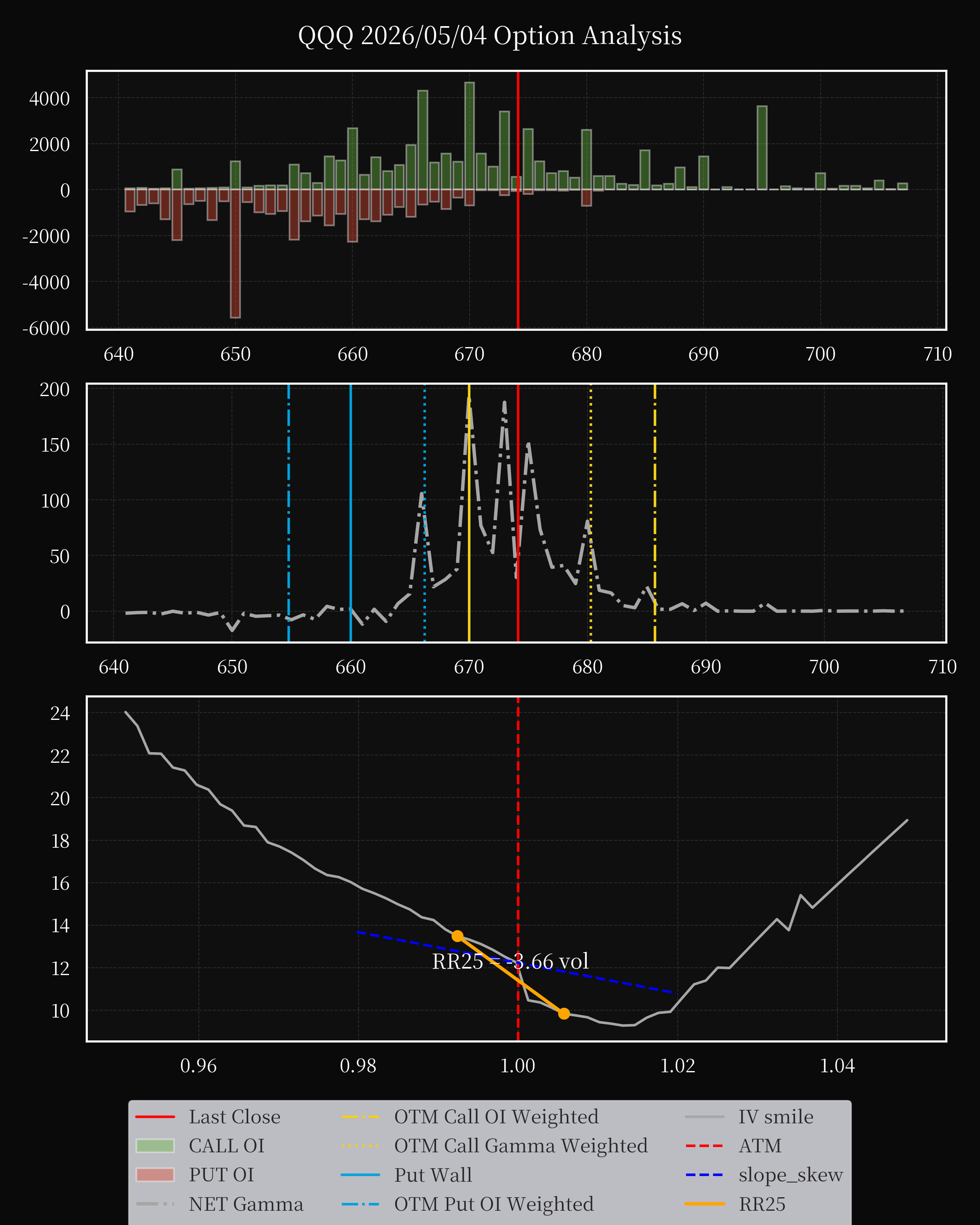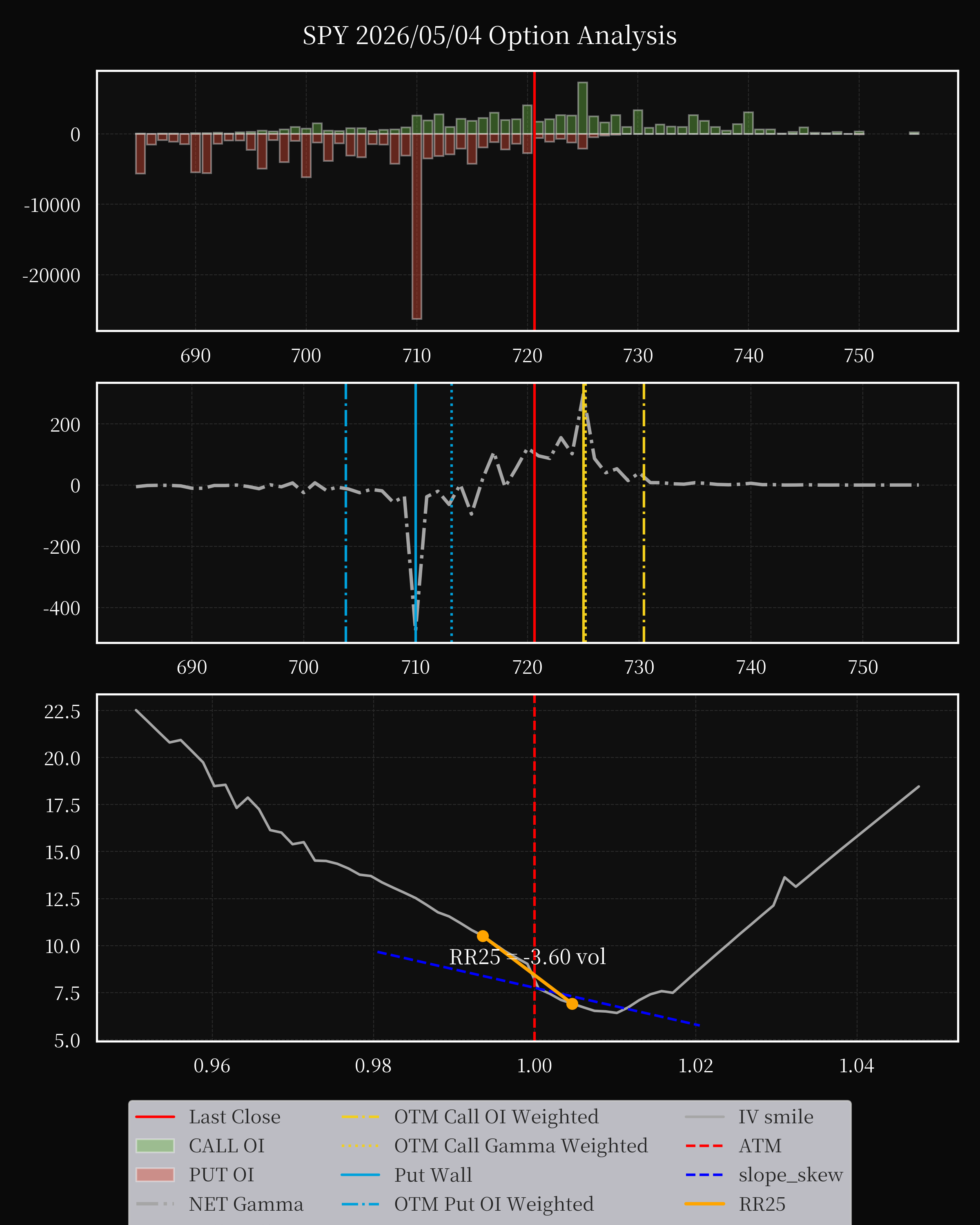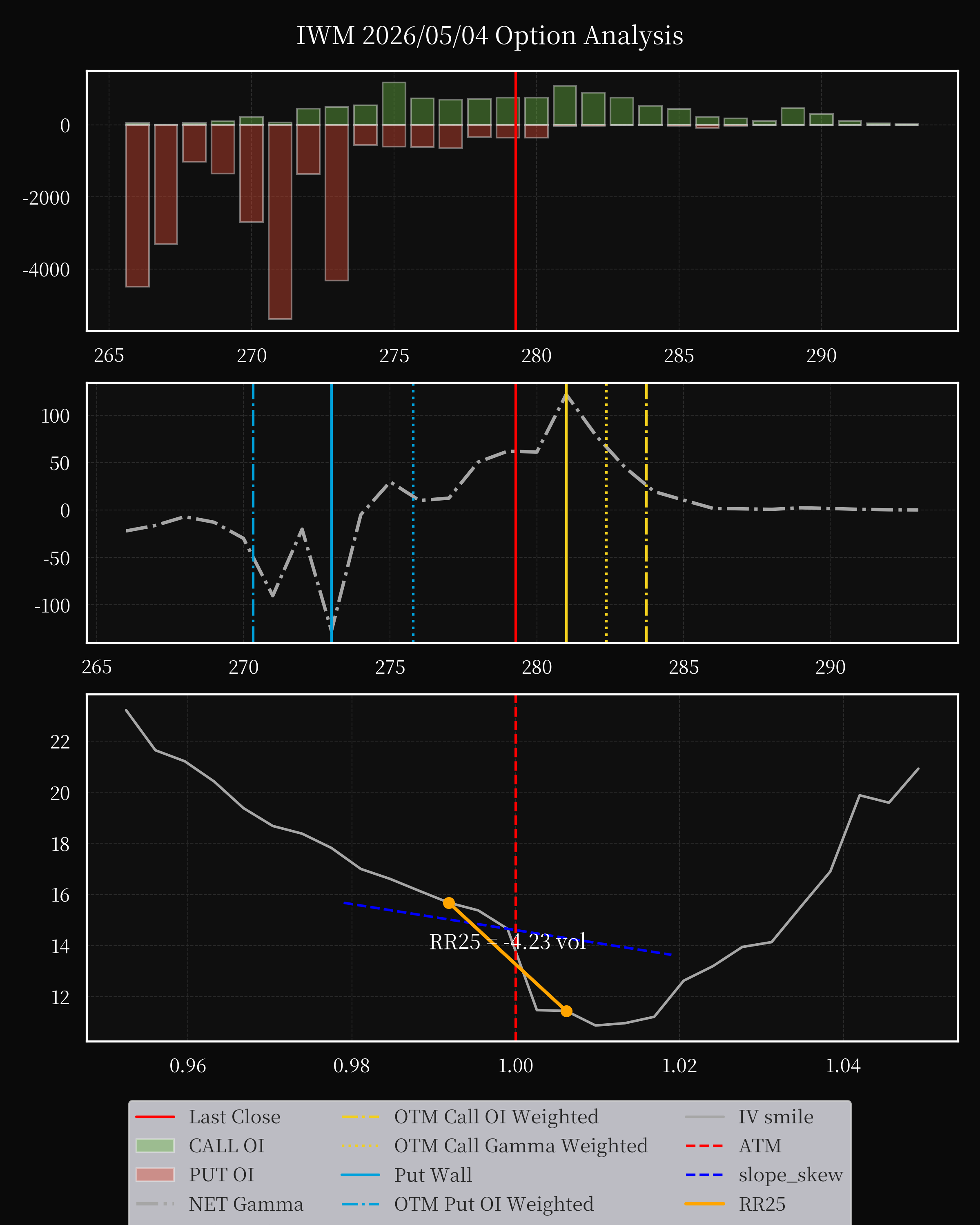
Overall
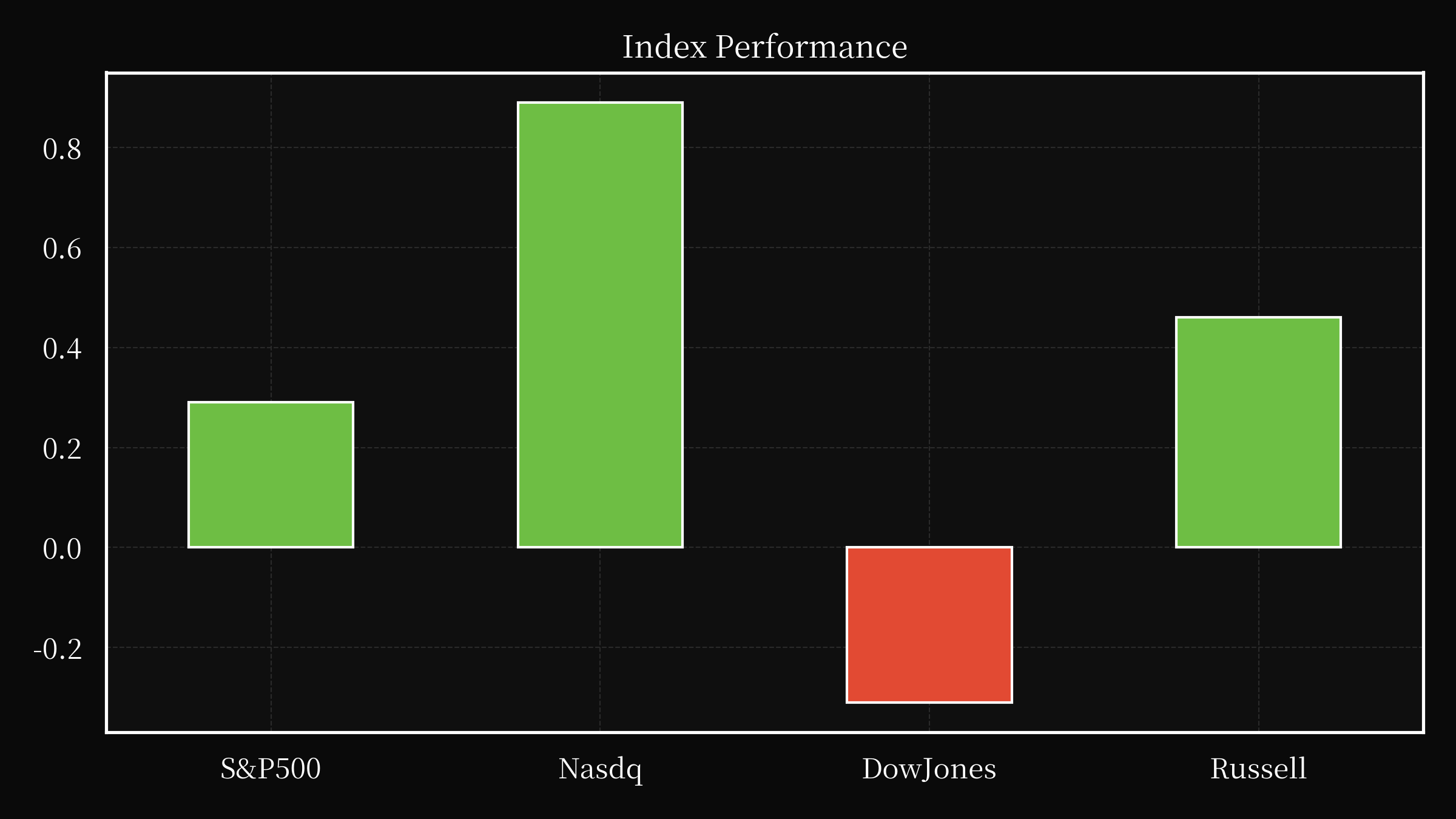
The financial markets concluded the week with a blend of resilience and underlying concerns, driven by divergent forces across sectors and geopolitical tensions. The S&P 500 and Nasdaq achieved record highs, buoyed by strong earnings from technology giants and optimism around artificial intelligence, while the Dow Jones Industrial Average lagged slightly, reflecting its lower exposure to tech. This dichotomy underscores the market’s reliance on large-cap growth stocks, particularly those in the technology sector, which have historically carried disproportionate weight in index performance. Despite recent volatility, the broad market’s upward trajectory suggests continued confidence in corporate earnings, though investors remain wary of potential headwinds from macroeconomic shifts and sector-specific risks.
The tech sector’s recent performance has been a focal point, with companies like Atlassian reporting robust revenue growth and defending against narratives of declining relevance. Atlassian’s 32% quarterly revenue increase, coupled with strong adoption of AI tools and cross-selling, signals a potential rebound in software demand, challenging earlier concerns about market saturation. Similarly, Salesforce and Oracle posted gains, reinforcing the sector’s role as a primary driver of equity returns. However, the broader tech landscape remains under scrutiny, as fears persist regarding AI’s long-term impact on traditional software businesses and the potential for market overconcentration. These dynamics highlight a critical juncture for investors, balancing short-term optimism with the need to assess structural risks.
Geopolitical tensions, particularly the escalating conflict between the U.S. and Iran, have introduced new layers of uncertainty. The closure of the Strait of Hormuz has strained global energy supplies, driving up oil prices and disrupting trade routes, which in turn affects manufacturing costs and inflationary pressures. While the U.S. has mitigated some impacts through strategic reserves, the prolonged nature of the crisis raises questions about sustained economic stability. Concurrently, the U.S. decision to withdraw 5,000 troops from Germany has strained alliances, complicating NATO’s cohesion and potentially altering defense spending priorities. These developments underscore the interconnectedness of global politics and financial markets, where geopolitical shocks can rapidly translate into market volatility.
Energy markets have also experienced significant turbulence, with Brent crude prices fluctuating in response to diplomatic developments and supply chain disruptions. The recent 2% decline in oil prices reflects a delicate balance between geopolitical risks and global demand trends, as nations navigate the dual challenges of energy security and economic growth. For consumers, the ripple effects are evident in rising gasoline prices, which have already exceeded $1.40 per gallon on average. Meanwhile, the U.S. agricultural sector faces challenges as the Institute for Supply Management reported continued expansion in manufacturing, yet three industries indicated contraction, highlighting the uneven pace of economic recovery.
The interplay between these factors—technological innovation, geopolitical instability, and macroeconomic pressures—creates a complex landscape for investors. While the market’s resilience offers opportunities, the underlying vulnerabilities necessitate a cautious approach. The upcoming earnings season, with key reports from companies like Apple, Disney, and Pfizer, will provide critical insights into corporate performance and sector health. Additionally, the April jobs report and Federal Reserve policy statements will shape expectations for inflation and monetary policy, further influencing market direction. As investors navigate this environment, the ability to discern between short-term noise and long-term trends will be paramount, requiring a nuanced understanding of both fundamental and external drivers.
Watch List
BBGI
On April 27, 2026, a significant financial update was reported from the company located at 3033 Riviera Drive, Suite 200, Naples, Florida. This report detailed several key developments regarding the company's debt instruments and agreements. Central to this update is the issuance of 2027 PIK Notes under an indenture that outlines specific redemption provisions. These notes can be redeemed by the issuer or a third party if at least 90% of the outstanding principal amount is purchased in connection with a tender offer, including scenarios involving a change of control. Additionally, holders have the right to compel repurchase upon such a change of control, receiving an offer price of 101% of their notes' aggregate principal plus any accrued interest. The 2027 PIK Notes are senior secured obligations, ranking junior in payment priority to existing first lien notes but senior to future indebtedness subordinated to these notes. They are guaranteed by the company and its material domestic subsidiaries, with certain covenants restricting various corporate actions unless specific conditions are met, such as maintaining investment-grade ratings from major credit agencies. In parallel developments, on May 1, 2026, amendments were made to existing indentures governing first and second lien notes through supplemental agreements. Additionally, an amended and restated transaction support agreement was entered into, granting certain rights regarding board appointments post-transaction closure. Furthermore, the company and its subsidiaries engaged in a $35 million asset-based revolving credit facility with Siena Lender
CL
Colgate-Palmolive reported its first-quarter results for 2026, showcasing an 8.4% increase in net sales, driven by a 2.9% rise in organic sales despite a slight setback from decreased private label pet food sales. The company's GAAP earnings per share (EPS) saw a 6% decline to $0.80, while its Base Business EPS grew by 7% to $0.97. Despite this, both the GAAP and Base Business gross profit margins experienced a minor decrease of 20 basis points. Operational efficiency was evident as net cash provided by operations reached $747 million during the quarter. Colgate maintained strong market leadership in toothpaste with a global share of 41.1% and manual toothbrushes at 32.6%. The company's strategic initiatives, including an expanded Strategic Growth and Productivity Program (SGPP), aim to align operations for future growth, projecting cumulative pretax charges between $350 million to $550 million by the end of 2028, with anticipated annual savings of $200 million to $300 million. Looking ahead, Colgate anticipates organic sales growth between 1% and 4%, factoring in its exit from private label pet food. The company revised its full-year guidance for 2026, expecting a decrease in gross profit margins on both GAAP and non-GAAP bases while maintaining an increase in advertising spending. Despite challenging macroeconomic conditions, Colgate remains committed to its
NPKI
NPK, a leading specialty rental and services company specializing in worksite access solutions for power and infrastructure markets, has demonstrated robust growth and strategic positioning as outlined in its May 2026 investor presentation. As of March 31, 2026, NPK reported total revenues of $287 million, with an adjusted EBITDA margin of 27.3%, reflecting a year-over-year increase of 23% in revenue and 26% in adjusted EBITDA margin. The company operates from its headquarters in The Woodlands, TX, employing approximately 510 people across 26 rental & service yards and three partners in seven territories. NPK's flagship product, DURA-BASE®, a recyclable composite matting solution introduced in 1998, continues to dominate the U.S. market as the preferred heavy-duty working platform for temporary work sites and access roads. The company's vertically integrated model supports specialty end-markets with its comprehensive suite of products and services, including planning, logistics, and site restoration. Financially, NPK has maintained a strong balance sheet with $4 million in net debt and significant liquidity, allowing flexibility to pursue growth strategies. The first quarter of 2026 saw revenues from rental and related services reach $52 million, driven by demand in power transmission projects and the Grassform acquisition. Capital allocation remains aligned with strategic goals, including fleet expansion and manufacturing capacity investments. Looking ahead, NPK anticipates continued strong performance with adjusted EBITDA growth of 28
MOVE
In the recent SEC filing, the company has disclosed significant developments that are crucial for investors and stakeholders to understand. The document outlines key financial metrics, strategic initiatives, and corporate governance updates that reflect the company's current position and future outlook. Financially, the report highlights a robust performance with notable revenue growth driven by increased demand in core markets and successful product launches. This growth has been supported by strategic cost management efforts, resulting in improved profitability margins compared to previous quarters. The filing also details several strategic initiatives aimed at expanding market presence and enhancing operational efficiency. These include investments in technology infrastructure to streamline operations and improve customer experience, as well as partnerships with key industry players to bolster the company's competitive edge. Additionally, there is a focus on sustainability, with plans to reduce carbon footprint through innovative practices and renewable energy adoption. On the corporate governance front, the filing announces changes in leadership, including new appointments to the board of directors, aimed at strengthening oversight and bringing fresh perspectives to guide future growth. The company remains committed to transparency and shareholder value, as evidenced by its proactive communication strategy and adherence to regulatory standards. Overall, the SEC filing paints a picture of a forward-looking organization poised for sustained success, with strategic investments and governance enhancements positioning it well to navigate market challenges and capitalize on emerging opportunities.
CCI
Crown Castle Inc. announced the successful sale of its Fiber Solutions business to Zayo Group Holdings for $8.5 billion and its Small Cell business to Arium Networks for the same amount, netting approximately $8.4 billion after adjustments. This strategic move allows Crown Castle to focus solely on being a U.S.-centric tower company, positioning itself as a leader in the robust wireless market. The proceeds from these sales will be utilized to repurchase $1 billion of shares and reduce outstanding debt by over $7 billion. Chris Hillabrant, President and CEO, highlighted that this transition enables Crown Castle to enhance customer alignment, expedite decision-making, and execute more effectively across its portfolio, thereby fostering long-term shareholder value. The company also revised its full-year 2026 outlook, reflecting a decrease in interest expense by $40 million and an increase in interest income by $10 million due to the earlier receipt of sale proceeds. Crown Castle continues to emphasize non-GAAP financial measures like Adjusted EBITDA, AFFO, and FFO as key indicators for evaluating performance, despite their limitations compared to GAAP metrics. These measures help assess operational productivity and financial health without accounting for depreciation or interest charges, providing a clearer picture of core business activities. The company remains cautious about forward-looking statements, acknowledging potential risks such as demand fluctuations, tenant instability, construction delays, technological changes, cybersecurity threats, climate events, regulatory shifts, and financing challenges. These factors could impact future performance
IRMD
IRADIMED CORPORATION has reported strong financial performance for the first quarter of 2026, with revenue reaching $22 million, marking a 13% increase from the same period in 2025. The company's GAAP diluted earnings per share (EPS) rose by 22% to $0.45, while non-GAAP diluted EPS increased by 17% to $0.49. This growth is attributed to disciplined expense management and continued revenue expansion, resulting in a net income of $5.8 million, up from the previous year. The company has declared a regular quarterly cash dividend of $0.20 per share for its common stockholders, payable on May 29, 2026. Looking ahead, IRADIMED expects second-quarter revenues between $20 million and $21 million, with GAAP diluted EPS projected at $0.40 to $0.44 and non-GAAP diluted EPS at $0.44 to $0.48. For the full year of 2026, revenue is anticipated to be in the range of $91 million to $96 million, with GAAP diluted EPS between $1.90 and $2.05, and non-GAAP diluted EPS from $2.06 to $2.21. IRADIMED remains committed to its full-year guidance despite potential risks such as regulatory challenges and market acceptance uncertainties. The company's innovative MRI-compatible medical devices continue to be a significant growth driver, with domestic sales accounting for
PAMT
On May 1, 2026, PAMT Corp (NASDAQ: PAMT) announced its financial results for the first quarter ending March 31, 2026. The company reported a consolidated net loss of $0.01 million, translating to a diluted and basic loss per share of $0.00. This outcome was significantly influenced by a one-time gain of approximately $12.7 million from selling real property in Laredo, Texas. After accounting for around $3.0 million in income tax expenses related to this transaction, the net after-tax benefit amounted to roughly $9.7 million during the quarter. In comparison, the first quarter of 2025 saw a consolidated net loss of $8.1 million, or $0.37 per diluted and basic share. The company's operating revenues for the first quarter of 2026 decreased by 8.7%, totaling $141.9 million compared to $155.3 million in the same period the previous year. PAMT Corp operates as a holding company with subsidiaries that provide truckload dry van carrier services across the continental United States, including Ontario and Quebec in Canada, and extends its operations into Mexico through Laredo and El Paso gateways under agreements with Mexican carriers. The financial results reflect both operational challenges and strategic asset management, highlighting the impact of significant one-time transactions on the company's quarterly performance.
CELC
Celcuity Inc., an emerging growth company, recently announced positive results from its Phase 3 VIKTORIA-1 clinical trial, which evaluated the efficacy of gedatolisib combined with fulvestrant and optionally palbociclib in treating hormone receptor-positive, HER2-negative, PIK3CA mutant locally advanced or metastatic breast cancer patients who had progressed after CDK4/6 inhibitor and aromatase inhibitor treatment. The primary analysis showed a statistically significant improvement in progression-free survival (PFS) compared to the control group treated with alpelisib plus fulvestrant. Additionally, secondary analyses also indicated a meaningful PFS benefit over the comparator. Both regimens were well tolerated with manageable safety profiles. The company plans to submit these findings as part of a supplemental New Drug Application (sNDA) to the U.S. Food and Drug Administration and intends to present the data at the 2026 American Society of Clinical Oncology Annual Meeting. Following FDA submission, they aim to approach other regulatory bodies with the VIKTORIA-1 trial data. This report includes forward-looking statements regarding the potential benefits of gedatolisib, clinical trial design and outcomes, regulatory review timelines, market opportunities, commercialization strategies, and financial expectations. These projections are subject to risks such as changes in clinical data upon further analysis, delays in trials or FDA reviews, challenges in obtaining regulatory approvals, competitive developments, and capital access conditions. The company disclaims any obligation to update
EAF
GrafTech International Ltd. reported its first quarter 2026 financial results, showcasing a robust 14% year-over-year increase in sales volume to 28.1 thousand metric tons (MT), alongside a 12% rise in net sales to $125 million. Despite these gains, the company faced challenges with a net loss of $43 million or $1.66 per share, attributed to an unsustainably weak pricing environment caused by overcapacity in China and India. The quarter saw negative adjusted EBITDA of $14 million and adjusted free cash flow of negative $27 million, although there was an improvement from the previous year due to changes in working capital. CEO Timothy Flanagan highlighted that while sales volume growth aligns with full-year expectations, the company is actively addressing market imbalances through strategic pricing actions and supporting trade cases. GrafTech's liquidity stands strong at $329 million, providing stability as it navigates industry challenges. The company anticipates modest demand improvement in 2026, driven by stable steel production trends outside China. GrafTech remains committed to restoring sustainable market dynamics and enhancing profitability by implementing price increases on uncommitted volumes and optimizing its order book. Despite geopolitical impacts on input costs, the company is focused on improving cost structures and maintaining disciplined capital management. With a projected 5–10% increase in sales volume for 2026, GrafTech leverages its vertical integration and competitive position to capitalize on long-term demand growth drivers like electric arc furnace steelmaking and
NSPR
On May 1, 2026, InspireMD, Inc., a company specializing in medical devices, issued press releases detailing significant developments as part of its Form 8-K filing with the SEC. The first announcement involved a voluntary recall initiated by the company for its CGuard® Prime 135 cm carotid stent delivery system in the United States. This decision followed observations during a controlled launch that the device did not meet performance expectations for technical success in carotid artery stenting procedures, specifically affecting only the delivery system and not the stent implant itself. Simultaneously, InspireMD announced approval from the U.S. Food and Drug Administration (FDA) for its Investigational Device Exemption (IDE) Application concerning the CGUARDIANS III study. This pivotal study involves the SwitchGuard neuroprotection system, which includes next-generation enhancements over previous iterations. The IDE approval allows the company to proceed with trials using its CGuard Prime 80 cm stent platform in transcarotid artery revascularization procedures. These announcements reflect InspireMD's ongoing efforts to refine and advance its medical technologies while adhering to regulatory standards.