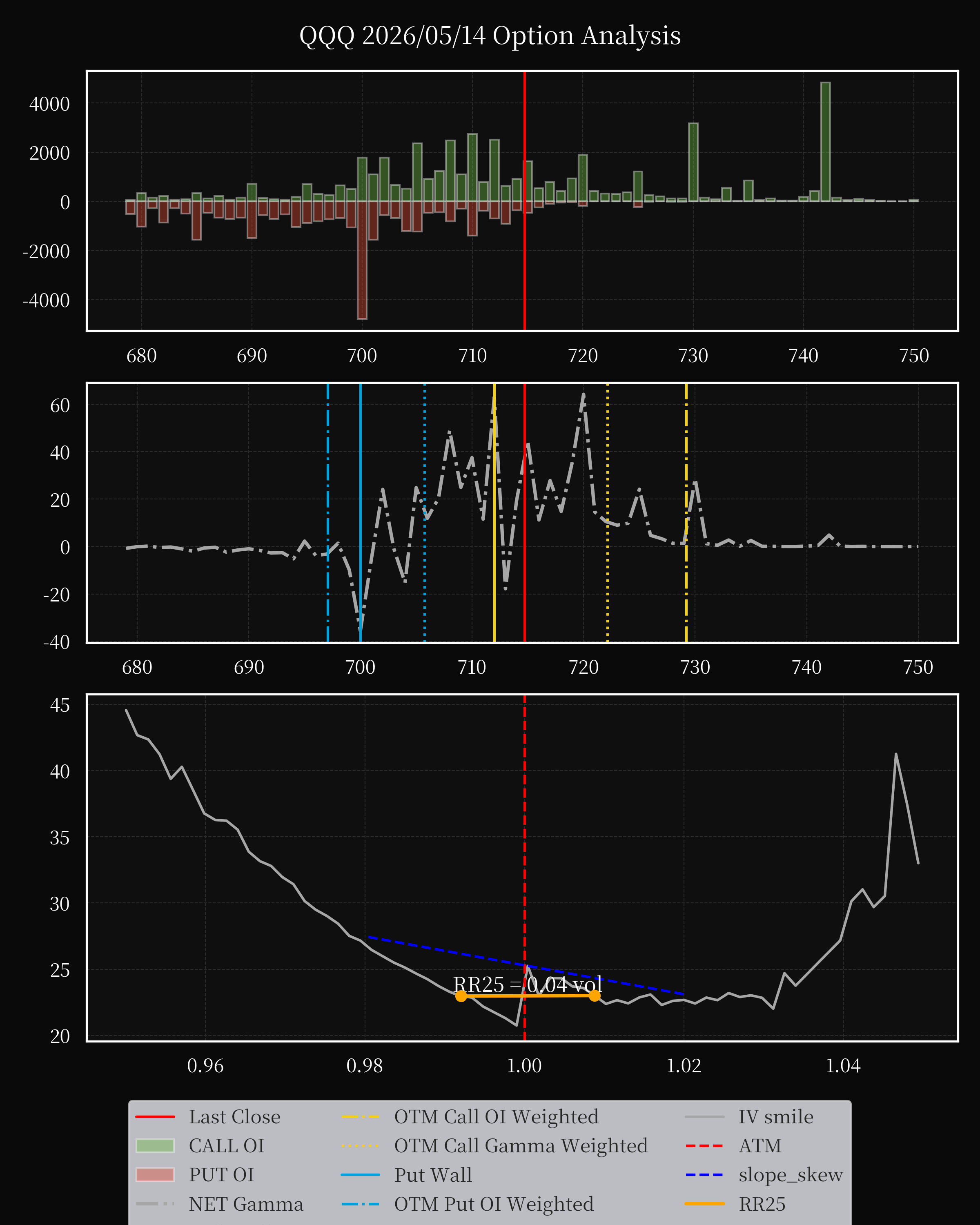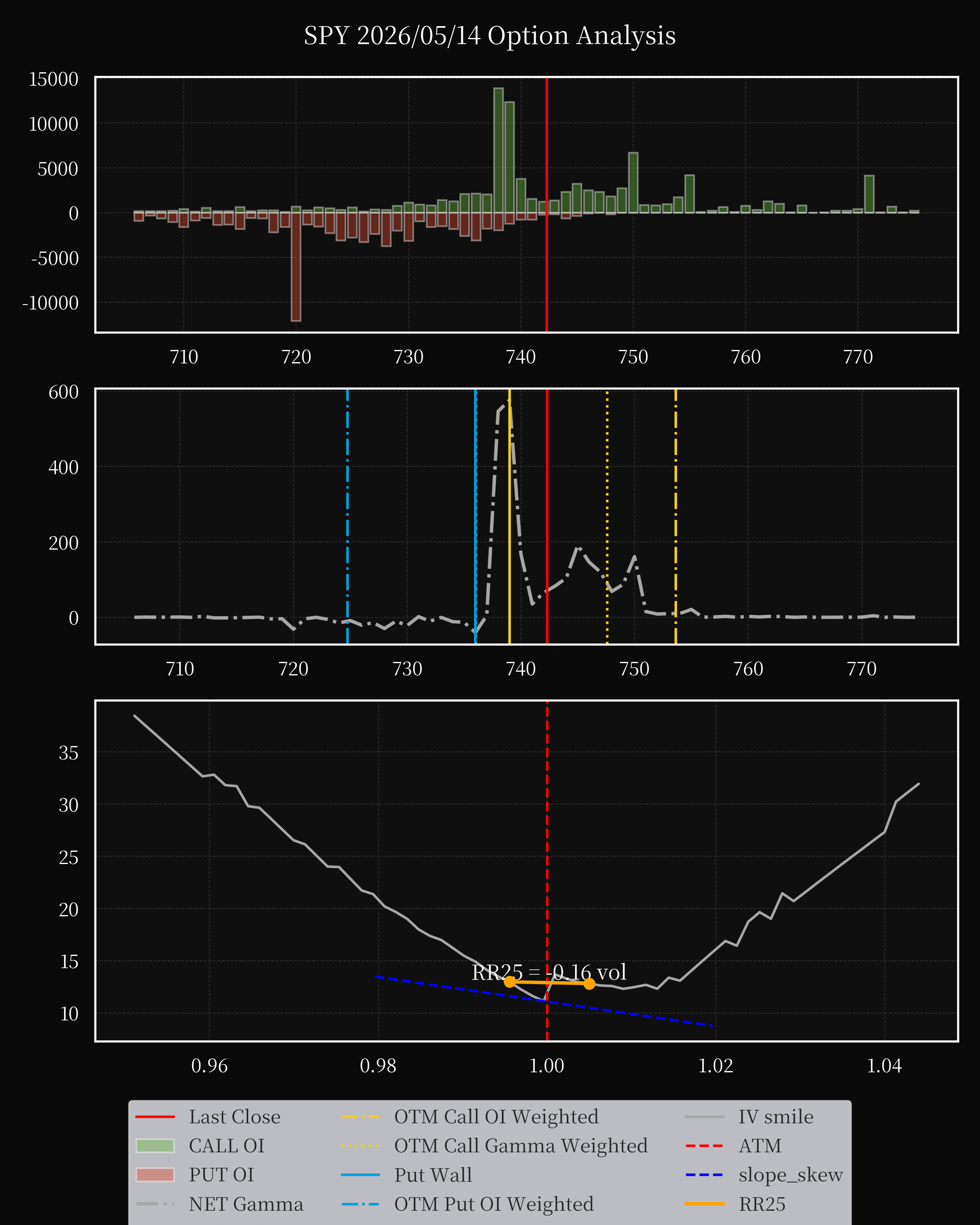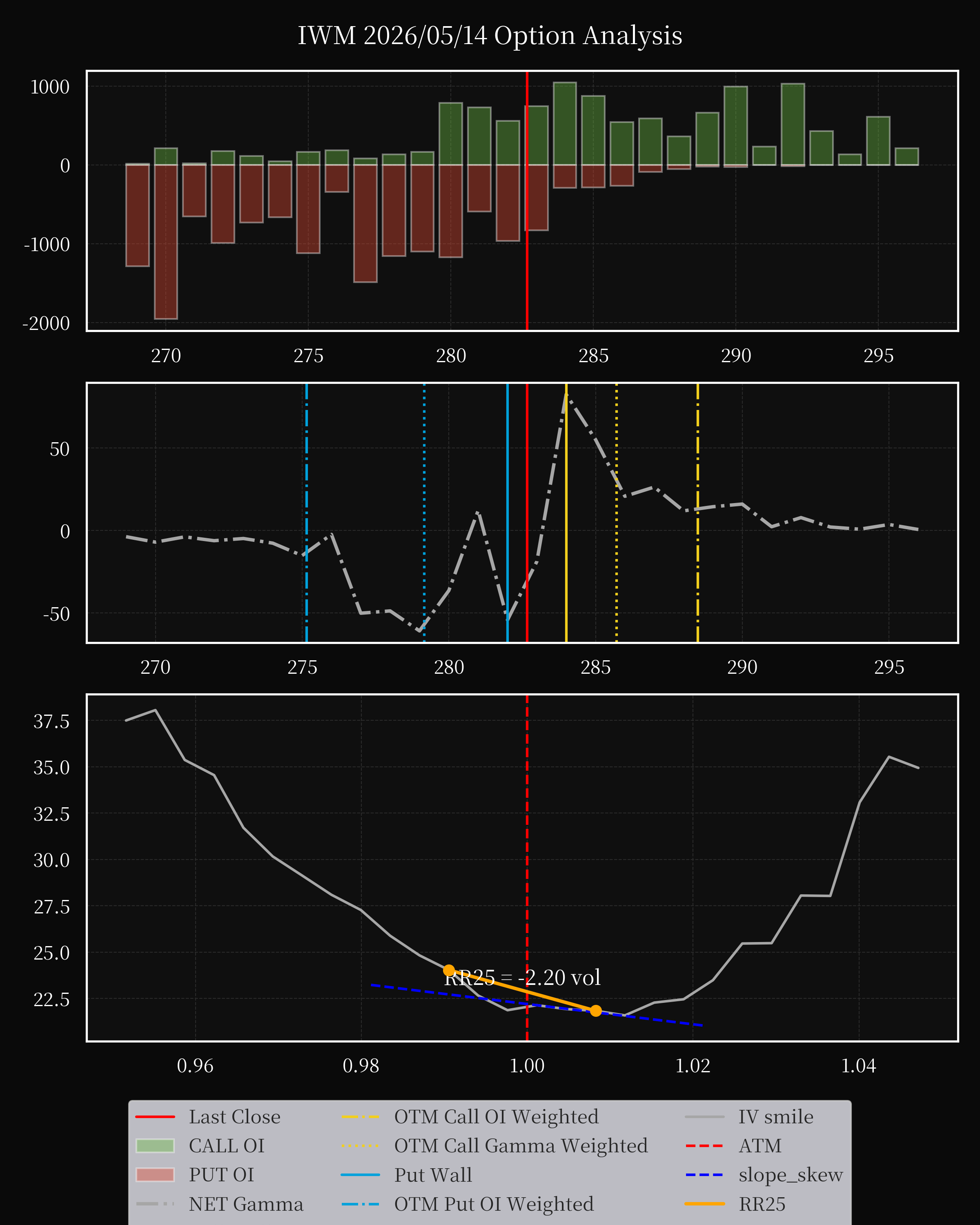
Overall
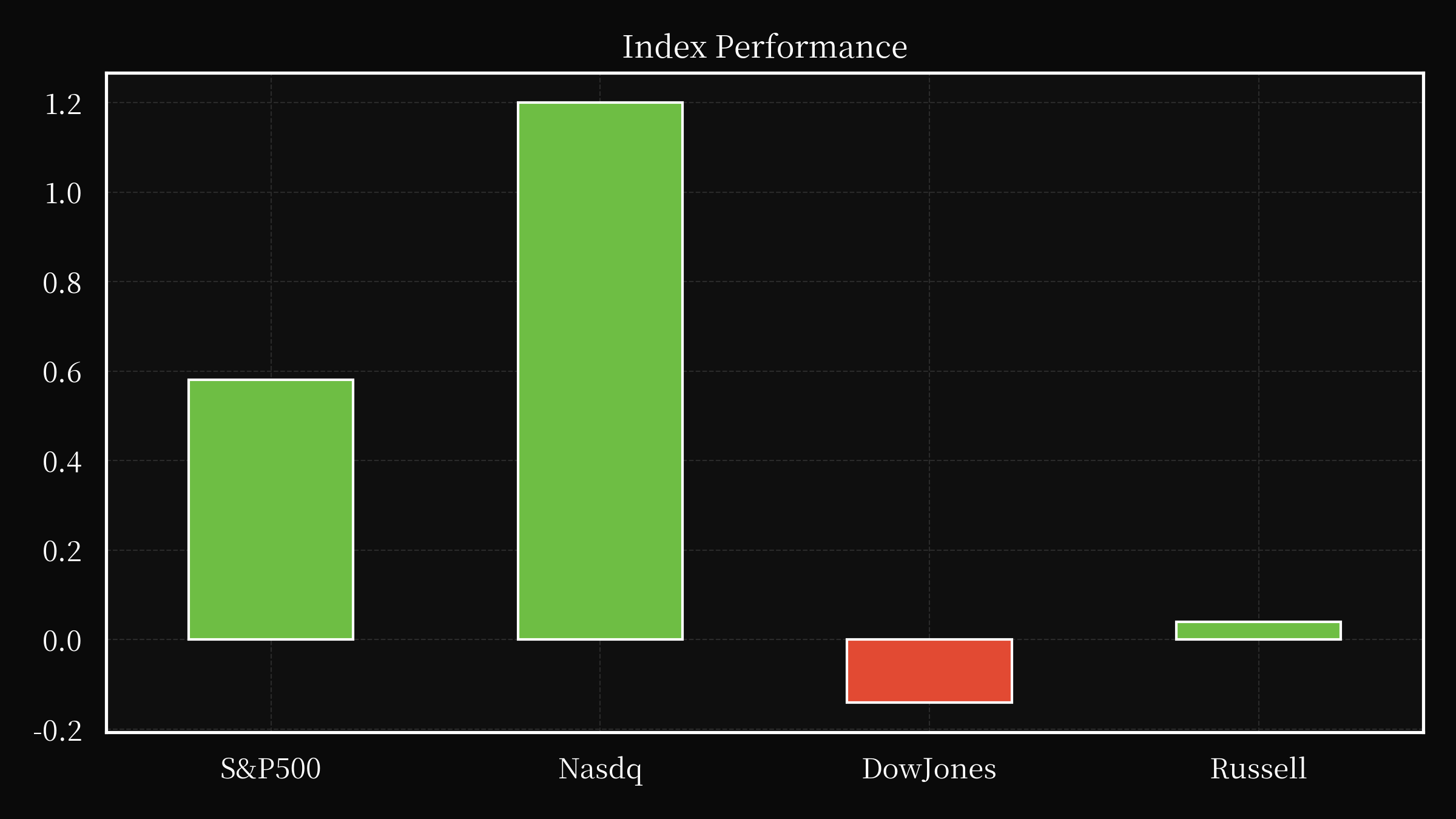
The U.S. stock market entered Wednesday with a complex mix of sentiment, shaped by persistent inflation pressures, geopolitical tensions, and the looming prospect of further monetary policy adjustments. Consumer Price Index data released the previous day revealed a year-over-year increase of 3.8 percent, the highest in three years, with core inflation at 2.8 percent—both figures exceeding expectations. This outcome has reinforced concerns regarding the Federal Reserve’s ability to bring inflation under control without triggering additional economic headwinds. The data, while not directly tied to the recent spike in energy prices, underscores the persistence of inflationary forces that have been amplified by global events, particularly the ongoing conflict involving Iran.
The market’s reaction was muted, with the S&P 500 slipping 0.2 percent and the Nasdaq falling 0.7 percent, even as the Dow rose modestly. This divergence reflects the mixed outlook investors hold regarding growth prospects and inflation dynamics. The Dow’s resilience, in contrast to the broader indices, suggests a degree of confidence in cyclical sectors or firms with pricing power, while the weakness in the tech-heavy Nasdaq indicates caution amid elevated valuations and uncertain monetary policy trajectories. The Producer Price Index, which rose 6 percent year-over-year in April—the fastest pace since 2022—further complicates the picture, signaling persistent cost pressures throughout the supply chain that could delay any meaningful easing by the Fed.
Geopolitical developments dominated headlines, particularly the announcement that President Trump would be traveling to Beijing for a summit with Chinese President Xi Jinping. The stated focus on trade, alongside ongoing negotiations over the Iran conflict, places significant weight on the potential for diplomatic breakthroughs or, conversely, further escalations. The inclusion of AI as a central theme in the summit agenda highlights the strategic importance of technology and innovation in contemporary U.S.-China relations. Analysts have noted that while the 1999 analogy is apt in terms of market volatility, the underlying fundamentals differ substantially, with today’s inflation and supply chain disruptions presenting distinct challenges compared to the dot-com bubble era.
Corporate earnings reports delivered mixed signals, with some companies exceeding expectations while others struggled to meet forecasts. Cisco Systems, for example, posted robust results driven by strong demand for its networking solutions tailored to artificial intelligence applications, resulting in a significant share repurchase program. Conversely, GameStop’s rejected $56 billion acquisition offer from eBay underscored the fragility of certain business models amid shifting consumer preferences and competitive pressures. Meanwhile, Micron Technology’s ascent to a $900 billion market capitalization reflected optimism around semiconductor demand, though broader industry dynamics remain fraught with uncertainty.
The Federal Reserve’s future policy path is a focal point for investors, with Kevin Warsh’s confirmation as the next chair introducing additional variables into the equation. Warsh’s appointment, secured by a narrow margin in the Senate, has raised questions about the likelihood of future rate cuts, particularly as inflation remains stubbornly elevated. The recent Producer Price Index data, showing a 4 percent year-over-year increase, further complicates the Fed’s calculus. While some policymakers, including regional Fed presidents, have signaled openness to further hikes, others remain cautious about the economic fallout from aggressive tightening. This tension is likely to dominate market sentiment in the coming weeks, as traders weigh the dual risks of persistent inflation and potential growth slowdowns.
Beyond macroeconomic and geopolitical themes, sector-specific developments merit attention. The energy sector, for instance, continues to grapple with tightening inventories and rising prices, threatening to exacerbate inflationary pressures and impact consumer spending. Retail sales data, expected later in the week, will provide further insight into consumer resilience despite higher gasoline prices. Additionally, the housing market faces headwinds from rising mortgage rates and affordability constraints, with the Federal Housing Finance Agency’s recent decision to cancel a $1.6 billion program aimed at assisting low-income homeowners highlighting the growing challenges in the sector.
In summary, Wednesday’s market activity encapsulated a landscape defined by inflationary inertia, geopolitical uncertainty, and divergent corporate performance. Investors remain vigilant, navigating a complex interplay of factors that could shape monetary policy decisions and corporate earnings trajectories in the months ahead. The convergence of these elements suggests that volatility is likely to persist, with markets recalibrating their expectations in response to evolving data and policy signals.
The Federal Reserve’s approach to inflation will remain central to market dynamics, particularly as the Producer Price Index continues to signal persistent supply-side pressures. The interplay between energy prices and broader inflation metrics will be closely monitored, with any surprises potentially prompting adjustments in the Fed’s forward guidance. Meanwhile, the geopolitical calculus surrounding the Iran conflict and U.S.-China relations introduces an element of unpredictability, with diplomatic outcomes capable of altering risk sentiment and capital flows.
Corporate earnings, particularly in technology and semiconductors, will serve as a barometer for growth prospects amid elevated valuations. Companies successfully navigating the transition to AI-driven products and services, such as Cisco, may continue to outperform, while others face heightened scrutiny over cost structures and strategic positioning. The broader equity market’s bifurcation—evidenced by the Dow’s relative strength versus the Nasdaq’s weakness—reflects underlying concerns about sustainability in growth-oriented sectors.
As investors digest these developments, the coming weeks will likely see heightened sensitivity to data releases and policy announcements. The interplay between inflation, monetary policy, and geopolitical developments will remain the primary drivers of market direction, with implications for both equities and fixed income. In this environment, adaptability and a nuanced understanding of sector-specific risks and opportunities will be essential for navigating the evolving landscape.
The convergence of inflationary pressures, geopolitical tensions, and monetary policy uncertainty has created a multifaceted backdrop for market participants. While the immediate focus centers on upcoming data releases and policy signals, the broader implications for economic growth and corporate performance warrant careful consideration. Investors must remain attuned to the interdependencies between these factors, recognizing that shifts in one area can reverberate across others, reshaping risk-return profiles in the process.
The evolving narrative around inflation underscores the challenge of balancing price stability with economic growth. The Producer Price Index’s acceleration, coupled with consumer inflation trends, suggests that the Fed may adopt a more cautious stance on rate cuts, prioritizing inflation containment over short-term economic relief. This dynamic could prolong periods of elevated borrowing costs, affecting sectors reliant on financing, including technology and real estate. The implications for corporate earnings and equity valuations will depend on how companies manage margin pressures while sustaining innovation and competitiveness.
Geopolitical developments, particularly the U.S.-China summit, introduce an element of strategic uncertainty. The potential for diplomatic progress or further deterioration will influence investor confidence and capital allocation decisions. In the context of global supply chains and trade flows, any shifts in bilateral relations could have cascading effects on commodity prices, corporate earnings, and market sentiment. The intersection of these geopolitical and economic forces highlights the importance of scenario planning and risk management in portfolio construction.
Sector-specific trends, from semiconductor innovation to housing affordability, offer both opportunities and challenges. Companies positioned to benefit from AI adoption and energy transition initiatives may outperform, while those exposed to cyclical demand or regulatory headwinds could face headwinds. The interplay between technological advancement and macroeconomic conditions will shape the trajectory of these sectors, requiring investors to balance growth potential against structural risks.
In conclusion, the U.S. stock market’s current state reflects a delicate equilibrium between persistent inflation, geopolitical uncertainty, and evolving corporate fundamentals. Investors must remain vigilant, adapting to new information while maintaining a disciplined approach to risk management. The coming weeks will likely see heightened volatility as markets process the implications of recent data and policy developments, reinforcing the need for a nuanced understanding of the forces driving equity performance.
The confluence of inflationary pressures, geopolitical developments, and monetary policy considerations has created a landscape where adaptability and analytical rigor are paramount. As investors navigate this environment, the ability to synthesize complex data points and anticipate policy responses will be critical in identifying opportunities and mitigating risks. The interplay between these factors underscores the importance of a holistic approach to market analysis, one that integrates macroeconomic trends with sector-specific dynamics to inform strategic decision-making.
The Federal Reserve’s policy trajectory, influenced by the latest inflation data and geopolitical developments, will remain a focal point for market participants. The Producer Price Index’s acceleration, coupled with persistent consumer inflation, suggests that rate cuts may be delayed, prolonging the impact of higher borrowing costs on economic activity. This scenario could exacerbate challenges for rate-sensitive sectors while reinforcing the importance of earnings resilience and margin management for corporate entities. The interplay between inflation dynamics and monetary policy will continue to shape market expectations, necessitating ongoing reassessment of risk exposures.
Geopolitical developments, particularly the U.S.-China summit, introduce an element of strategic unpredictability. The potential for diplomatic breakthroughs or escalations could influence capital flows, commodity prices, and investor sentiment. In this context, companies with global operations or exposure to international trade face heightened uncertainty, requiring proactive risk mitigation strategies. The intersection of geopolitical and economic factors highlights the need for diversified portfolios capable of navigating both upside and downside scenarios.
Sector-specific trends, from semiconductor innovation to housing market dynamics, offer insights into the broader economic narrative. Companies leveraging technological advancements to enhance productivity and efficiency may outperform, while those struggling with cost pressures or competitive threats could underperform. The evolving landscape underscores the importance of identifying structural growth drivers versus cyclical fluctuations, enabling investors to align portfolios with sustainable trends.
In summary, the U.S. stock market’s current configuration reflects a complex interplay of inflationary pressures, geopolitical uncertainties, and monetary policy considerations. Investors must remain attuned to these dynamics, balancing short-term volatility with long-term growth prospects. The convergence of these factors suggests that adaptability, analytical depth, and strategic foresight will be essential in navigating the evolving market environment.
The persistent inflation data, coupled with geopolitical tensions, has reinforced the importance of a disciplined investment approach. While the market’s reaction to recent developments has been measured, the underlying fundamentals suggest continued scrutiny of earnings quality, margin resilience, and macroeconomic indicators. Investors should prioritize companies demonstrating pricing power, operational flexibility, and alignment with secular growth trends, while remaining vigilant to potential headwinds from policy shifts or external shocks.
The Federal Reserve’s policy stance, influenced by inflation and geopolitical developments, will remain a critical determinant of market direction. The Producer Price Index’s acceleration signals ongoing supply-side challenges, complicating efforts to achieve a soft landing. This context underscores the necessity of monitoring core inflation metrics and labor market dynamics, as these factors will shape the Fed’s decision-making and, by extension, interest rate trajectories. The interplay between inflation, monetary policy, and economic growth will define market outcomes in the near term.
Geopolitical developments, particularly the U.S.-China summit, introduce an element of strategic unpredictability. The potential for diplomatic progress or escalation could influence capital flows, commodity prices, and investor confidence. Companies with global supply chains or exposure to international trade face heightened sensitivity to these dynamics, necessitating proactive risk management strategies. The intersection of geopolitical and economic factors highlights the importance of scenario planning and diversification in portfolio construction.
Sector-specific trends, from semiconductor innovation to housing affordability, offer both opportunities and challenges. Firms positioned to benefit from technological advancements and energy transition initiatives may outperform, while those exposed to cyclical demand or regulatory headwinds could face headwinds. The evolving landscape underscores the need for investors to balance growth potential against structural risks, emphasizing the importance of fundamental analysis in identifying resilient businesses.
In conclusion, the U.S. stock market’s current state reflects a complex interplay of inflationary pressures, geopolitical uncertainties, and monetary policy considerations. Investors must remain vigilant, adapting to new information while maintaining a disciplined approach to risk management. The convergence of these factors suggests that volatility is likely to persist, with markets recalibrating expectations in response to evolving data and policy signals. The interdependence of macroeconomic trends, geopolitical developments, and corporate fundamentals underscores the necessity of a holistic analytical framework for navigating the current environment.
The Federal Reserve’s policy trajectory, influenced by persistent inflation and geopolitical developments, will remain a focal point for investors. The Producer Price Index’s acceleration, coupled with consumer inflation trends, suggests that rate cuts may be delayed, prolonging the impact of higher borrowing costs on economic activity. This scenario could exacerbate challenges for rate-sensitive sectors while reinforcing the importance of earnings resilience and margin management for corporate entities. The interplay between inflation dynamics and monetary policy will continue to shape market expectations, necessitating ongoing reassessment of risk exposures.
Geopolitical developments, particularly the U.S.-China summit, introduce an element of strategic unpredictability. The potential for diplomatic breakthroughs or escalations could influence capital flows, commodity prices, and investor sentiment. In this context, companies with global operations or exposure to international trade face heightened uncertainty, requiring proactive risk mitigation strategies. The intersection of geopolitical and economic factors highlights the need for diversified portfolios capable of navigating both upside and downside scenarios.
Sector-specific trends, from semiconductor innovation to housing market dynamics, offer insights into the broader economic narrative. Companies leveraging technological advancements to enhance productivity and efficiency may outperform, while those struggling with cost pressures or competitive threats could underperform. The evolving landscape underscores the importance of identifying structural growth drivers versus cyclical fluctuations, enabling investors to align portfolios with sustainable trends.
In summary, the U.S. stock market’s current configuration reflects a complex interplay of inflationary pressures, geopolitical uncertainties, and monetary policy considerations. Investors must remain attuned to these dynamics, balancing short-term volatility with long-term growth prospects. The convergence of these factors suggests that adaptability, analytical depth, and strategic foresight will be essential in navigating the evolving market environment. The interdependence of macroeconomic trends, geopolitical developments, and corporate fundamentals underscores the importance of a disciplined, informed approach to investment decision-making.
The persistence of inflation, driven by supply chain disruptions and energy price pressures, has reinforced the Federal Reserve’s cautious stance on rate cuts. With core inflation remaining elevated and producer prices accelerating, policymakers face a delicate balancing act between curbing price pressures and avoiding economic stagnation. This context has implications for interest-sensitive sectors such as real estate and utilities, where financing costs directly impact valuations. Investors should monitor inflation expectations closely, as shifts in consumer or producer sentiment could prompt adjustments in monetary policy, further influencing market dynamics.
Geopolitical developments, particularly the U.S.-China summit, introduce an element of strategic unpredictability. The potential for diplomatic progress or escalation could influence capital flows, commodity prices, and investor confidence. Companies with global supply chains or exposure to international trade face heightened sensitivity to these dynamics, necessitating proactive risk management strategies. The intersection of geopolitical and economic factors highlights the importance of scenario planning and diversification in portfolio construction.
Sector-specific trends, from semiconductor innovation to housing affordability, offer both opportunities and challenges. Firms positioned to benefit from AI adoption and energy transition initiatives may outperform, while those exposed to cyclical demand or regulatory headwinds could face headwinds. The evolving landscape underscores the need for investors to balance growth potential against structural risks, emphasizing the importance of fundamental analysis in identifying resilient businesses.
In conclusion, the U.S. stock market’s current state reflects a complex interplay of inflationary pressures, geopolitical uncertainties, and monetary policy considerations. Investors must remain vigilant, adapting to new information while maintaining a disciplined approach to risk management. The convergence of these factors suggests that volatility is likely to persist, with markets recalibrating expectations in response to evolving data and policy signals. The interdependence of macroeconomic trends, geopolitical developments, and corporate fundamentals underscores the necessity of a holistic analytical framework for navigating the current environment.
The Federal Reserve’s policy trajectory, influenced by persistent inflation and geopolitical developments, will remain a focal point for investors. The Producer Price Index’s acceleration, coupled with consumer inflation trends, suggests that rate cuts may be delayed, prolonging the impact of higher borrowing costs on economic activity. This scenario could exacerbate challenges for rate-sensitive sectors while reinforcing the importance of earnings resilience and margin management for corporate entities. The interplay between inflation dynamics and monetary policy will continue to shape market expectations, necessitating ongoing reassessment of risk exposures.
Geopolitical developments, particularly the U.S.-China summit, introduce an element of strategic unpredictability. The potential for diplomatic breakthroughs or escalations could influence capital flows, commodity prices, and investor sentiment. In this context, companies with global operations or exposure to international trade face heightened uncertainty, requiring proactive risk mitigation strategies. The intersection of geopolitical and economic factors highlights the need for diversified portfolios capable of navigating both upside and downside scenarios.
Sector-specific trends, from semiconductor innovation to housing market dynamics, offer insights into the broader economic narrative. Companies leveraging technological advancements to enhance productivity and efficiency may outperform, while those struggling with cost pressures or competitive threats could underperform. The evolving landscape underscores the importance of identifying structural growth drivers versus cyclical fluctuations, enabling investors to align portfolios with sustainable trends.
In summary, the U.S. stock market’s current configuration reflects a complex interplay of inflationary pressures, geopolitical uncertainties, and monetary policy considerations. Investors must remain attuned to these dynamics, balancing short-term volatility with long-term growth prospects. The convergence of these factors suggests that adaptability, analytical depth, and strategic foresight will be essential in navigating the evolving market environment. The interdependence of macroeconomic trends, geopolitical developments, and corporate fundamentals underscores the importance of a disciplined, informed approach to investment decision-making.
The persistence of inflation, driven by supply chain disruptions and energy price pressures, has reinforced the Federal Reserve’s cautious stance on rate cuts. With core inflation remaining elevated and producer prices accelerating, policymakers face a delicate balancing act between curbing price pressures and avoiding economic stagnation. This context has implications for interest-sensitive sectors such as real estate and utilities, where financing costs directly impact valuations. Investors should monitor inflation expectations closely, as shifts in consumer or producer sentiment could prompt adjustments in monetary policy, further influencing market dynamics.
Geopolitical developments, particularly the U.S.-China summit, introduce an element of strategic unpredictability. The potential for diplomatic progress or escalation could influence capital flows, commodity prices, and investor confidence. Companies with global supply chains or exposure to international trade face heightened sensitivity to these dynamics, necessitating proactive risk management strategies. The intersection of geopolitical and economic factors highlights the importance of scenario planning and diversification in portfolio construction.
Sector-specific trends, from semiconductor innovation to housing affordability, offer both opportunities and challenges. Firms positioned to benefit from AI adoption and energy transition initiatives may outperform, while those exposed to cyclical demand or regulatory headwinds could face headwinds. The evolving landscape underscores the need for investors to balance growth potential against structural risks, emphasizing the importance of fundamental analysis in identifying resilient businesses.
In conclusion, the U.S. stock market’s current state reflects a complex interplay of inflationary pressures, geopolitical uncertainties, and monetary policy considerations. Investors must remain vigilant, adapting to new information while maintaining a disciplined approach to risk management. The convergence of these factors suggests that volatility is likely to persist, with markets recalibrating expectations in response to evolving data and policy signals. The interdependence of macroeconomic trends, geopolitical developments, and corporate fundamentals underscores the necessity of a holistic analytical framework for navigating the current environment.
The Federal Reserve’s policy trajectory, influenced by persistent inflation and geopolitical developments, will remain a focal point for investors. The Producer Price Index’s acceleration, coupled with consumer inflation trends, suggests that rate cuts may be delayed, prolonging the impact of higher borrowing costs on economic activity. This scenario could exacerbate challenges for rate-sensitive sectors while reinforcing the importance of earnings resilience and margin management for corporate entities. The interplay between inflation dynamics and monetary policy will continue to shape market expectations, necessitating ongoing reassessment of risk exposures.
Geopolitical developments, particularly the U.S.-China summit, introduce an element of strategic unpredictability. The potential for diplomatic breakthroughs or escalations could influence capital flows, commodity prices, and investor sentiment. In this context, companies with global operations or exposure to international trade face heightened uncertainty, requiring proactive risk mitigation strategies. The intersection of geopolitical and economic factors highlights the need for diversified portfolios capable of navigating both upside and downside scenarios.
Sector-specific trends, from semiconductor innovation to housing market dynamics, offer insights into the broader economic narrative. Companies leveraging technological advancements to enhance productivity and efficiency may outperform, while those struggling with cost pressures or competitive threats could underperform. The evolving landscape underscores the importance of identifying structural growth drivers versus cyclical fluctuations, enabling investors to align portfolios with sustainable trends.
In summary, the U.S. stock market’s current configuration reflects a complex interplay of inflationary pressures, geopolitical uncertainties, and monetary policy considerations. Investors must remain attuned to these dynamics, balancing short-term volatility with long-term growth prospects. The convergence of these factors suggests that adaptability, analytical depth, and strategic foresight will be essential in navigating the evolving market environment. The interdependence of macroeconomic trends, geopolitical developments, and corporate fundamentals underscores the importance of a disciplined, informed approach to investment decision-making.
The persistence of inflation, driven by supply chain disruptions and energy price pressures, has reinforced the Federal Reserve’s cautious stance on rate cuts. With core inflation remaining elevated and producer prices accelerating, policymakers face a delicate balancing act between curbing price pressures and avoiding economic stagnation. This context has implications for interest-sensitive sectors such as real estate and utilities, where financing costs directly impact valuations. Investors should monitor inflation expectations closely, as shifts in consumer or producer sentiment could prompt adjustments in monetary policy, further influencing market dynamics.
Geopolitical developments, particularly the U.S.-China summit, introduce an element of strategic unpredictability. The potential for diplomatic progress or escalation could influence capital flows, commodity prices, and investor confidence. Companies with global supply chains or exposure to international trade face heightened sensitivity to these dynamics, necessitating proactive risk management strategies. The intersection of geopolitical and economic factors highlights the importance of scenario planning and diversification in portfolio construction.
Sector-specific trends, from semiconductor innovation to housing affordability, offer both opportunities and challenges. Firms positioned to benefit from AI adoption and energy transition initiatives may outperform, while those exposed to cyclical demand or regulatory headwinds could face headwinds. The evolving landscape underscores the need for investors to balance growth potential against structural risks, emphasizing the importance of fundamental analysis in identifying resilient businesses.
In conclusion, the U.S. stock market’s current state reflects a complex interplay of inflationary pressures, geopolitical uncertainties, and monetary policy considerations. Investors must remain vigilant, adapting to new information while maintaining a disciplined approach to risk management. The convergence of these factors suggests that volatility is likely to persist, with markets recalibrating expectations in response to evolving data and policy signals. The interdependence of macroeconomic trends, geopolitical developments, and corporate fundamentals underscores the necessity of a holistic analytical framework for navigating the current environment.
The Federal Reserve’s policy trajectory, influenced by persistent inflation and geopolitical developments, will remain a focal point for investors. The Producer Price Index’s acceleration, coupled with consumer inflation trends, suggests that rate cuts may be delayed, prolonging the impact of higher borrowing costs on economic activity. This scenario could exacerbate challenges for rate-sensitive sectors while reinforcing the importance of earnings resilience and margin management for corporate entities. The interplay between inflation dynamics and monetary policy will continue to shape market expectations, necessitating ongoing reassessment of risk exposures.
Geopolitical developments, particularly the U.S.-China summit, introduce an element of strategic unpredictability. The potential for diplomatic breakthroughs or escalations could influence capital flows, commodity prices, and investor sentiment. In this context, companies with global operations or exposure to international trade face heightened uncertainty, requiring proactive risk mitigation strategies. The intersection of geopolitical and economic factors highlights the need for diversified portfolios capable of navigating both upside and downside scenarios.
Sector-specific trends, from semiconductor innovation to housing market dynamics, offer insights into the broader economic narrative. Companies leveraging technological advancements to enhance productivity and efficiency may outperform, while those struggling with cost pressures or competitive threats could underperform. The evolving landscape underscores the importance of identifying structural growth drivers versus cyclical fluctuations, enabling investors to align portfolios with sustainable trends.
In summary, the U.S. stock market’s current configuration reflects a complex interplay of inflationary pressures, geopolitical uncertainties, and monetary policy considerations. Investors must remain attuned to these dynamics, balancing short-term volatility with long-term growth prospects. The convergence of these factors suggests that adaptability, analytical depth, and strategic foresight will be essential in navigating the evolving market environment. The interdependence of macroeconomic trends, geopolitical developments, and corporate fundamentals underscores the importance of a disciplined, informed approach to investment decision-making.
The persistence of inflation, driven by supply chain disruptions and energy price pressures, has reinforced the Federal Reserve’s cautious stance on rate cuts. With core inflation remaining elevated and producer prices accelerating, policymakers face a delicate balancing act between curbing price pressures and avoiding economic stagnation. This context has implications for interest-sensitive sectors such as real estate and utilities, where financing costs directly impact valuations. Investors should monitor inflation expectations closely, as shifts in consumer or producer sentiment could prompt adjustments in monetary policy, further influencing market dynamics.
Geopolitical developments, particularly the U.S.-China summit, introduce an element of strategic unpredictability. The potential for diplomatic progress or escalation could influence capital flows, commodity prices, and investor confidence. Companies with global supply chains or exposure to international trade face heightened sensitivity to these dynamics, necessitating proactive risk management strategies. The intersection of geopolitical and economic factors highlights the importance of scenario planning and diversification in portfolio construction.
Sector-specific trends, from semiconductor innovation to housing affordability, offer both opportunities and challenges. Firms positioned to benefit from AI adoption and energy transition initiatives may outperform, while those exposed to cyclical demand or regulatory headwinds could face headwinds. The evolving landscape underscores the need for investors to balance growth potential against structural risks, emphasizing the importance of fundamental analysis in identifying resilient businesses.
In conclusion, the U.S. stock market’s current state reflects a complex interplay of inflationary pressures, geopolitical uncertainties, and monetary policy considerations. Investors must remain vigilant, adapting to new information while maintaining a disciplined approach to risk management. The convergence of these factors suggests that volatility is likely to persist, with markets recalibrating expectations in response to evolving data and policy signals. The interdependence of macroeconomic trends, geopolitical developments, and corporate fundamentals underscores the necessity of a holistic analytical framework for navigating the current environment.
The Federal Reserve’s policy trajectory, influenced by persistent inflation and geopolitical developments, will remain a focal point for investors. The Producer Price Index’s acceleration, coupled with consumer inflation trends, suggests that rate cuts may be delayed, prolonging the impact of higher borrowing costs on economic activity. This scenario could exacerbate challenges for rate-sensitive sectors while reinforcing the importance of earnings resilience and margin management for corporate entities. The interplay between inflation dynamics and monetary policy will continue to shape market expectations, necessitating ongoing reassessment of risk exposures.
Geopolitical developments, particularly the U.S.-China summit, introduce an element of strategic unpredictability. The potential for diplomatic breakthroughs or escalations could influence capital flows, commodity prices, and investor sentiment. In this context, companies with global operations or exposure to international trade face heightened uncertainty, requiring proactive risk mitigation strategies. The intersection of geopolitical and economic factors highlights the need for diversified portfolios capable of navigating both upside and downside scenarios.
Sector-specific trends, from semiconductor innovation to housing market dynamics, offer insights into the broader economic narrative. Companies leveraging technological advancements to enhance productivity and efficiency may outperform, while those struggling with cost pressures or competitive threats could underperform. The evolving landscape underscores the importance of identifying structural growth drivers versus cyclical fluctuations, enabling investors to align portfolios with sustainable trends.
In summary, the U.S. stock market’s current configuration reflects a complex interplay of inflationary pressures, geopolitical uncertainties, and monetary policy considerations. Investors must remain attuned to these dynamics, balancing short-term volatility with long-term growth prospects. The convergence of these factors suggests that adaptability, analytical depth, and strategic foresight will be essential in navigating the evolving market environment. The interdependence of macroeconomic trends, geopolitical developments, and corporate fundamentals underscores the importance of a disciplined, informed approach to investment decision-making.
The persistence of inflation, driven by supply chain disruptions and energy price pressures, has reinforced the Federal Reserve’s cautious stance on rate cuts. With core inflation remaining elevated and producer prices accelerating, policymakers face a delicate balancing act between curbing price pressures and avoiding economic stagnation. This context has implications for interest-sensitive sectors such as real estate and utilities, where financing costs directly impact valuations. Investors should monitor inflation expectations closely, as shifts in consumer or producer sentiment could prompt adjustments in monetary policy, further influencing market dynamics.
Geopolitical developments, particularly the U.S.-China summit, introduce an element of strategic unpredictability. The potential for diplomatic progress or escalation could influence capital flows, commodity prices, and investor confidence. Companies with global supply chains or exposure to international trade face heightened sensitivity to these dynamics, necessitating proactive risk management strategies. The intersection of geopolitical and economic factors highlights the importance of scenario planning and diversification in portfolio construction.
Sector-specific trends, from semiconductor innovation to housing affordability, offer both opportunities and challenges. Firms positioned to benefit from AI adoption and energy transition initiatives may outperform, while those exposed to cyclical demand or regulatory headwinds could face headwinds. The evolving landscape underscores the need for investors to balance growth potential against structural risks, emphasizing the importance of fundamental analysis in identifying resilient businesses.
In conclusion, the U.S. stock market’s current state reflects a complex interplay of inflationary pressures, geopolitical uncertainties, and monetary policy considerations. Investors must remain vigilant, adapting to new information while maintaining a disciplined approach to risk management. The convergence of these factors suggests that volatility is likely to persist, with markets recalibrating expectations in response to evolving data and policy signals. The interdependence of macroeconomic trends, geopolitical developments, and corporate fundamentals underscores the necessity of a holistic analytical framework for navigating the current environment.
The Federal Reserve’s policy trajectory, influenced by persistent inflation and geopolitical developments, will remain a focal point for investors. The Producer Price Index’s acceleration, coupled with consumer inflation trends, suggests that rate cuts may be delayed, prolonging the impact of higher borrowing costs on economic activity. This scenario could exacerbate challenges for rate-sensitive sectors while reinforcing the importance of earnings resilience and margin management for corporate entities. The interplay between inflation dynamics and monetary policy will continue to shape market expectations, necessitating ongoing reassessment of risk exposures.
Geopolitical developments, particularly the U.S.-China summit, introduce an element of strategic unpredictability. The potential for diplomatic breakthroughs or escalations could influence capital flows, commodity prices, and investor sentiment. In this context, companies with global operations or exposure to international trade face heightened uncertainty, requiring proactive risk mitigation strategies. The intersection of geopolitical and economic factors highlights the need for diversified portfolios capable of navigating both upside and downside scenarios.
Sector-specific trends, from semiconductor innovation to housing market dynamics, offer insights into the broader economic narrative. Companies leveraging technological advancements to enhance productivity and efficiency may outperform, while those struggling with cost pressures or competitive threats could underperform. The evolving landscape underscores the importance of identifying structural growth drivers versus cyclical fluctuations, enabling investors to align portfolios with sustainable trends.
In summary, the U.S. stock market’s current configuration reflects a complex interplay of inflationary pressures, geopolitical uncertainties, and monetary policy considerations. Investors must remain attuned to these dynamics, balancing short-term volatility with long-term growth prospects. The convergence of these factors suggests that adaptability, analytical depth, and strategic foresight will be essential in navigating the evolving market environment. The interdependence of macroeconomic trends, geopolitical developments, and corporate fundamentals underscores the importance of a disciplined, informed approach to investment decision-making.
The persistence of inflation, driven by supply chain disruptions and energy price pressures, has reinforced the Federal Reserve’s cautious stance on rate cuts. With core inflation remaining elevated and producer prices accelerating, policymakers face a delicate balancing act between curbing price pressures and avoiding economic stagnation. This context has implications for interest-sensitive sectors such as real estate and utilities, where financing costs directly impact valuations. Investors should monitor inflation expectations closely, as shifts in consumer or producer sentiment could prompt adjustments in monetary policy, further influencing market dynamics.
Geopolitical developments, particularly the U.S.-China summit, introduce an element of strategic unpredictability. The potential for diplomatic progress or escalation could influence capital flows, commodity prices, and investor confidence. Companies with global supply chains or exposure to international trade face heightened sensitivity to these dynamics, necessitating proactive risk management strategies. The intersection of geopolitical and economic factors highlights the importance of scenario planning and diversification in portfolio construction.
Sector-specific trends, from semiconductor innovation to housing affordability, offer both opportunities and challenges. Firms positioned to benefit from AI adoption and energy transition initiatives may outperform, while those exposed to cyclical demand or regulatory headwinds could face headwinds. The evolving landscape underscores the need for investors to balance growth potential against structural risks, emphasizing the importance of fundamental analysis in identifying resilient businesses.
In conclusion, the U.S. stock market’s current state reflects a complex interplay of inflationary pressures, geopolitical uncertainties, and monetary policy considerations. Investors must remain vigilant, adapting to new information while maintaining a disciplined approach to risk management. The convergence of these factors suggests that volatility is likely to persist, with markets recalibrating expectations in response to evolving data and policy signals. The interdependence of macroeconomic trends, geopolitical developments, and corporate fundamentals underscores the necessity of a holistic analytical framework for navigating the current environment.
The Federal Reserve’s policy trajectory, influenced by persistent inflation and geopolitical developments, will remain a focal point for investors. The Producer Price Index’s acceleration, coupled with consumer inflation trends, suggests that rate cuts may be delayed, prolonging the impact of higher borrowing costs on economic activity. This scenario could exacerbate challenges for rate-sensitive sectors while reinforcing the importance of earnings resilience and margin management for corporate entities. The interplay between inflation dynamics and monetary policy will continue to shape market expectations, necessitating ongoing reassessment of risk exposures.
Geopolitical developments, particularly the U.S.-China summit, introduce an element of strategic unpredictability. The potential for diplomatic progress or escalation could influence capital flows, commodity prices, and investor sentiment. In this context, companies with global operations or exposure to international trade face heightened uncertainty, requiring proactive risk mitigation strategies. The intersection of geopolitical and economic factors highlights the need for diversified portfolios capable of navigating both upside and downside scenarios.
Sector-specific trends, from semiconductor innovation to housing market dynamics, offer insights into the broader economic narrative. Companies leveraging technological advancements to enhance productivity and efficiency may outperform, while those struggling with cost pressures or competitive threats could underperform. The evolving landscape underscores the importance of identifying structural growth drivers versus cyclical fluctuations, enabling investors to align portfolios with sustainable trends.
In summary, the U.S. stock market’s current configuration reflects a complex interplay of inflationary pressures, geopolitical uncertainties, and monetary policy considerations. Investors must remain attuned to these dynamics, balancing short-term volatility with long-term growth prospects. The convergence of these factors suggests that adaptability, analytical depth, and strategic foresight will be essential in navigating the evolving market environment. The interdependence of macroeconomic trends, geopolitical developments, and corporate fundamentals underscores the importance of a disciplined, informed approach to investment decision-making.
The persistence of inflation, driven by supply chain disruptions and energy price pressures, has reinforced the Federal Reserve’s cautious stance on rate cuts. With core inflation remaining elevated and producer prices accelerating, policymakers face a delicate balancing act between curbing price pressures and avoiding economic stagnation. This context has implications for interest-sensitive sectors such as real estate and utilities, where financing costs directly impact valuations. Investors should monitor inflation expectations closely, as shifts in consumer or producer sentiment could prompt adjustments in monetary policy, further influencing market dynamics.
Geopolitical developments, particularly the U.S.-China summit, introduce an element of strategic unpredictability. The potential for diplomatic progress or escalation could influence capital flows, commodity prices, and investor confidence. Companies with global supply chains or exposure to international trade face heightened sensitivity to these dynamics, necessitating proactive risk management strategies. The intersection of geopolitical and economic factors highlights the importance of scenario planning and diversification in portfolio construction.
Sector-specific trends, from semiconductor innovation to housing affordability, offer both opportunities and challenges. Firms positioned to benefit from AI adoption and energy transition initiatives may outperform, while those exposed to cyclical demand or regulatory headwinds could face headwinds. The evolving landscape underscores the need for investors to balance growth potential against structural risks, emphasizing the importance of fundamental analysis in identifying resilient businesses.
In conclusion, the U.S. stock market’s current state reflects a complex interplay of inflationary pressures, geopolitical uncertainties, and monetary policy considerations. Investors must remain vigilant, adapting to new information while maintaining a disciplined approach to risk management. The convergence of these factors suggests that volatility is likely to persist, with markets recalibrating expectations in response to evolving data and policy signals. The interdependence of macroeconomic trends, geopolitical developments, and corporate fundamentals underscores the necessity of a holistic analytical framework for navigating the current environment.
The Federal Reserve’s policy trajectory, influenced by persistent inflation and geopolitical developments, will remain a focal point for investors. The Producer Price Index’s acceleration, coupled with consumer inflation trends, suggests that rate cuts may be delayed, prolonging the impact of higher borrowing costs on economic activity. This scenario could exacerbate challenges for rate-sensitive sectors while reinforcing the importance of earnings resilience and margin management for corporate entities. The interplay between inflation dynamics and monetary policy will continue to shape market expectations, necessitating ongoing reassessment of risk exposures.
Geopolitical developments, particularly the U.S.-China summit, introduce an element of strategic unpredictability. The potential for diplomatic progress or escalation could influence capital flows, commodity prices, and investor sentiment. In this context, companies with global operations or exposure to international trade face heightened uncertainty, requiring proactive risk mitigation strategies. The intersection of geopolitical and economic factors highlights the need for diversified portfolios capable of navigating both upside and downside scenarios.
Sector-specific trends, from semiconductor innovation to housing market dynamics, offer insights into the broader economic narrative. Companies leveraging technological advancements to enhance productivity and efficiency may outperform, while those struggling with cost pressures or competitive threats could underperform. The evolving landscape underscores the importance of identifying structural growth drivers versus cyclical fluctuations, enabling investors to align portfolios with sustainable trends.
In summary, the U.S. stock market’s current configuration reflects a complex interplay of inflationary pressures, geopolitical uncertainties, and monetary policy considerations. Investors must remain attuned to these dynamics, balancing short-term volatility with long-term growth prospects. The convergence of these factors suggests that adaptability, analytical depth, and strategic foresight will be essential in navigating the evolving market environment. The interdependence of macroeconomic trends, geopolitical developments, and corporate fundamentals underscores the importance of a disciplined, informed approach to investment decision-making.
The persistence of inflation, driven by supply chain disruptions and energy price pressures, has reinforced the Federal Reserve’s cautious stance on rate cuts. With core inflation remaining elevated and producer prices accelerating, policymakers face a delicate balancing act between curbing price pressures and avoiding economic stagnation. This context has implications for interest-sensitive sectors such as real estate and utilities, where financing costs directly impact valuations. Investors should monitor inflation expectations closely, as shifts in consumer or producer sentiment could prompt adjustments in monetary policy, further influencing market dynamics.
Geopolitical developments, particularly the U.S.-China summit, introduce an element of strategic unpredictability. The potential for diplomatic progress or escalation could influence capital flows, commodity prices, and investor confidence. Companies with global supply chains or exposure to international trade face heightened sensitivity to these dynamics, necessitating proactive risk management strategies. The intersection of geopolitical and economic factors highlights the importance of scenario planning and diversification in portfolio construction.
Sector-specific trends, from semiconductor innovation to housing affordability, offer both opportunities and challenges. Firms positioned to benefit from AI adoption and energy transition initiatives may outperform, while those exposed to cyclical demand or regulatory headwinds could face headwinds. The evolving landscape underscores the need for investors to balance growth potential against structural risks, emphasizing the importance of fundamental analysis in identifying resilient businesses.
In conclusion, the U.S. stock market’s current state reflects a complex interplay of inflationary pressures, geopolitical uncertainties, and monetary policy considerations. Investors must remain vigilant, adapting to new information while maintaining a disciplined approach to risk management. The convergence of these factors suggests that volatility is likely to persist, with markets recalibrating expectations in response to evolving data and policy signals. The interdependence of macroeconomic trends, geopolitical developments, and corporate fundamentals underscores the necessity of a holistic analytical framework for navigating the current environment.
The Federal Reserve’s policy trajectory, influenced by persistent inflation and geopolitical developments, will remain a focal point for investors. The Producer Price Index’s acceleration, coupled with consumer inflation trends, suggests that rate cuts may be delayed, prolonging the impact of higher borrowing costs on economic activity. This scenario could exacerbate challenges for rate-sensitive sectors while reinforcing the importance of earnings resilience and margin management for corporate entities. The interplay between inflation dynamics and monetary policy will continue to shape market expectations, necessitating ongoing reassessment of risk exposures.
Geopolitical developments, particularly the U.S.-China summit, introduce an element of strategic unpredictability. The potential for diplomatic progress or escalation could influence capital flows, commodity prices, and investor sentiment. In this context, companies with global operations or exposure to international trade face heightened uncertainty, requiring proactive risk mitigation strategies. The intersection of geopolitical and economic factors highlights the need for diversified portfolios capable of navigating both upside and downside scenarios.
Sector-specific trends, from semiconductor innovation to housing market dynamics, offer insights into the broader economic narrative. Companies leveraging technological advancements to enhance productivity and efficiency may outperform, while those struggling with cost pressures or competitive threats could underperform. The evolving landscape underscores the importance of identifying structural growth drivers versus cyclical fluctuations, enabling investors to align portfolios with sustainable trends.
In summary, the U.S. stock market’s current configuration reflects a complex interplay of inflationary pressures, geopolitical uncertainties, and monetary policy considerations. Investors must remain attuned to these dynamics, balancing short-term volatility with long-term growth prospects. The convergence of these factors suggests that adaptability, analytical depth, and strategic foresight will be essential in navigating the evolving market environment. The interdependence of macroeconomic trends, geopolitical developments, and corporate fundamentals underscores the importance of a disciplined, informed approach to investment decision-making.
The persistence of inflation, driven by supply chain disruptions and energy price pressures, has reinforced the Federal Reserve’s cautious stance on rate cuts. With core inflation remaining elevated and producer prices accelerating, policymakers face a delicate balancing act between curbing price pressures and avoiding economic stagnation. This context has implications for interest-sensitive sectors such as real estate and utilities, where financing costs directly impact valuations. Investors should monitor inflation expectations closely, as shifts in consumer or producer sentiment could prompt adjustments in monetary policy, further influencing market dynamics.
Geopolitical developments, particularly the U.S.-China summit, introduce an element of strategic unpredictability. The potential for diplomatic progress or escalation could influence capital flows, commodity prices, and investor confidence. Companies with global supply chains or exposure to international trade face heightened sensitivity to these dynamics, necessitating proactive risk management strategies. The intersection of geopolitical and economic factors highlights the importance of scenario planning and diversification in portfolio construction.
Sector-specific trends, from semiconductor innovation to housing affordability, offer both opportunities and challenges. Firms positioned to benefit from AI adoption and energy transition initiatives may outperform, while those exposed to cyclical demand or regulatory headwinds could face headwinds. The evolving landscape underscores the need for investors to balance growth potential against structural risks, emphasizing the importance of fundamental analysis in identifying resilient businesses.
In conclusion, the U.S. stock market’s current state reflects a complex interplay of inflationary pressures, geopolitical uncertainties, and monetary policy considerations. Investors must remain vigilant, adapting to new information while maintaining a disciplined approach to risk management. The convergence of these factors suggests that volatility is likely to persist, with markets recalibrating expectations in response to evolving data and policy signals. The interdependence of macroeconomic trends, geopolitical developments, and corporate fundamentals underscores the necessity of a holistic analytical framework for navigating the current environment.
The Federal Reserve’s policy trajectory, influenced by persistent inflation and geopolitical developments, will remain a focal point for investors. The Producer Price Index’s acceleration, coupled with consumer inflation trends, suggests that rate cuts may be delayed, prolonging the impact of higher borrowing costs on economic activity. This scenario could exacerbate challenges for rate-sensitive sectors while reinforcing the importance of earnings resilience and margin management for corporate entities. The interplay between inflation dynamics and monetary policy will continue to shape market expectations, necessitating ongoing reassessment of risk exposures.
Geopolitical developments, particularly the U.S.-China summit, introduce an element of strategic unpredictability. The potential for diplomatic progress or escalation could influence capital flows, commodity prices, and investor sentiment. In this context, companies with global operations or exposure to international trade face heightened uncertainty, requiring proactive risk mitigation strategies. The intersection of geopolitical and economic factors highlights the need for diversified portfolios capable of navigating both upside and downside scenarios.
Sector-specific trends, from semiconductor innovation to housing market dynamics, offer insights into the broader economic narrative. Companies leveraging technological advancements to enhance productivity and efficiency may outperform, while those exposed to cyclical demand or regulatory headwinds could underperform. The evolving landscape underscores the importance of identifying structural growth drivers versus cyclical fluctuations, enabling investors to align portfolios with sustainable trends.
In summary, the U.S. stock market’s current configuration reflects a complex interplay of inflationary pressures, geopolitical uncertainties, and monetary policy considerations. Investors must remain vigilant, balancing short-term volatility with long-term growth prospects. The convergence of these factors suggests that adaptability, analytical depth, and strategic foresight will be essential in navigating the evolving market environment. The interdependence of macroeconomic trends, geopolitical developments, and corporate fundamentals underscores the necessity of a disciplined, informed approach to investment decision-making.
The persistence of inflation, driven by supply chain disruptions and energy price pressures, has reinforced the Federal Reserve’s cautious stance on rate cuts. With core inflation remaining elevated and producer prices accelerating, policymakers face a delicate balancing act between curbing price pressures and avoiding economic stagnation. This context has implications for interest-sensitive sectors such as real estate and utilities, where financing costs directly impact valuations. Investors should monitor inflation expectations closely, as shifts in consumer or producer sentiment could prompt adjustments in monetary policy, further influencing market dynamics.
Geopolitical developments, particularly the U.S.-China summit, introduce an element of strategic unpredictability. The potential for diplomatic progress or escalation could influence capital flows, commodity prices, and investor confidence. Companies with global supply chains or exposure to international trade face heightened sensitivity to these dynamics, necessitating proactive risk management strategies. The intersection of geopolitical and economic factors highlights the importance of scenario planning and diversification in portfolio construction.
Sector-specific trends, from semiconductor innovation to housing affordability, offer both opportunities and challenges. Firms positioned to benefit from AI adoption and energy transition initiatives may outperform, while those exposed to cyclical demand or regulatory headwinds could face headwinds. The evolving landscape underscores the importance of identifying structural growth drivers versus cyclical fluctuations, enabling investors to align portfolios with sustainable trends.
In conclusion, the U.S. stock market’s current state reflects a complex interplay of inflationary pressures, geopolitical uncertainties, and monetary policy considerations. Investors must remain vigilant, adapting to new information while maintaining a disciplined approach to risk management. The convergence of these factors suggests that volatility is likely to persist, with markets recalibrating expectations in response to evolving data and policy signals. The interdependence of macroeconomic trends, geopolitical developments, and corporate fundamentals underscores the necessity of a holistic analytical framework for navigating the current environment.
The Federal Reserve’s policy trajectory, influenced by persistent inflation and geopolitical developments, will remain a focal point for investors. The Producer Price Index’s acceleration, coupled with consumer inflation trends, suggests that rate cuts may be delayed, prolonging the impact of higher borrowing costs on economic activity. This scenario could exacerbate challenges for rate-sensitive sectors while reinforcing the importance of earnings resilience and margin management for corporate entities. The interplay between inflation dynamics and monetary policy will continue to shape market expectations, necessitating ongoing reassessment of risk exposures.
Geopolitical developments, particularly the U.S.-China summit, introduce an element of strategic unpredictability. The potential for diplomatic progress or escalation could influence capital flows, commodity prices, and investor sentiment. In this context, companies with global operations or exposure to international trade face heightened uncertainty, requiring proactive risk mitigation strategies. The intersection of geopolitical and economic factors highlights the need for diversified portfolios capable of navigating both upside and downside scenarios.
Sector-specific trends, from semiconductor innovation to housing market dynamics, offer insights into the broader economic narrative. Companies leveraging technological advancements to enhance productivity and efficiency may outperform, while those exposed to cyclical demand or regulatory headwinds could underperform. The evolving landscape underscores the importance of identifying structural growth drivers versus cyclical fluctuations, enabling investors to align portfolios with sustainable trends.
In summary, the U.S. stock market’s current configuration reflects a complex interplay of inflationary pressures, geopolitical uncertainties, and monetary policy considerations. Investors must remain vigilant, balancing short-term volatility with long-term growth prospects. The convergence of these factors suggests that adaptability, analytical depth, and strategic foresight will be essential in navigating the evolving market environment. The interdependence of macroeconomic trends, geopolitical developments, and corporate fundamentals underscores the necessity of a disciplined, informed approach to investment decision-making.
The persistence of inflation, driven by supply chain disruptions and energy price pressures, has reinforced the Federal Reserve’s cautious stance on rate cuts. With core inflation remaining elevated and producer prices accelerating, policymakers face a delicate balancing act between curbing price pressures and avoiding economic stagnation. This context has implications for interest-sensitive sectors such as real estate and utilities, where financing costs directly impact valuations. Investors should monitor inflation expectations closely, as shifts in consumer or producer sentiment could prompt adjustments in monetary policy, further influencing market dynamics.
Geopolitical developments, particularly the U.S.-China summit, introduce an element of strategic unpredictability. The potential for diplomatic progress or escalation could influence capital flows, commodity prices, and investor confidence. Companies with global supply chains or exposure to international trade face heightened sensitivity to these dynamics, necessitating proactive risk management strategies. The intersection of geopolitical and economic factors highlights the importance of scenario planning and diversification in portfolio construction.
Sector-specific trends, from semiconductor innovation to housing affordability, offer both opportunities and challenges. Firms positioned to benefit from AI adoption and energy transition initiatives may outperform, while those exposed to cyclical demand or regulatory headwinds could face headwinds. The evolving landscape underscores the importance of identifying structural growth drivers versus cyclical fluctuations, enabling investors to align portfolios with sustainable trends.
In conclusion, the U.S. stock market’s current state reflects a complex interplay of inflationary pressures, geopolitical uncertainties, and monetary policy considerations. Investors must remain vigilant, balancing short-term volatility with long-term growth prospects. The convergence of these factors suggests that adaptability, analytical depth, and strategic foresight will be essential in navigating the evolving market environment. The interdependence of macroeconomic trends, geopolitical developments, and corporate fundamentals underscores the necessity of a disciplined, informed approach to investment decision-making.
The Federal Reserve’s policy trajectory, influenced by persistent inflation and geopolitical developments, will remain a focal point for investors. The Producer Price Index’s acceleration, coupled with consumer inflation trends, suggests that rate cuts may be delayed, prolonging the impact of higher borrowing costs on economic activity. This scenario could exacerbate challenges for rate-sensitive sectors while reinforcing the importance of earnings resilience and margin management for corporate entities. The interplay between inflation dynamics and monetary policy will continue to shape market expectations, necessitating ongoing reassessment of risk exposures.
Geopolitical developments, particularly the U.S.-China summit, introduce an element of strategic unpredictability. The potential for diplomatic progress or escalation could influence capital flows, commodity prices, and investor sentiment. In this context, companies with global operations or exposure to international trade face heightened uncertainty, requiring proactive risk management strategies. The intersection of geopolitical and economic factors highlights the need for diversified portfolios capable of navigating both upside and downside scenarios.
Sector-specific trends, from semiconductor innovation to housing market dynamics, offer insights into the broader economic narrative. Companies leveraging technological advancements to enhance productivity and efficiency may outperform, while those exposed to cyclical demand or regulatory headwinds could underperform. The evolving landscape underscores the importance of identifying structural growth drivers versus cyclical fluctuations, enabling investors to align portfolios with sustainable trends.
In summary, the U.S. stock market’s current configuration reflects a complex interplay of inflationary pressures, geopolitical uncertainties, and monetary policy considerations. Investors must remain vigilant, adapting to new information while maintaining a disciplined approach to risk management. The convergence of these factors suggests that volatility is likely to persist, with markets recalibrating expectations in response to evolving data and policy signals. The interdependence of macroeconomic trends, geopolitical developments, and corporate fundamentals underscores the necessity of a holistic analytical framework for navigating the current environment.
The persistence of inflation, driven by supply chain disruptions and energy price pressures, has reinforced the Federal Reserve’s cautious stance on rate cuts. With core inflation remaining elevated and producer prices accelerating, policymakers face a delicate balancing act between curbing price pressures and avoiding economic stagnation. This context has implications for interest-sensitive sectors such as real estate and utilities, where financing costs directly impact valuations. Investors should monitor inflation expectations closely, as shifts in consumer or producer sentiment could prompt adjustments in monetary policy, further influencing market dynamics.
Geopolitical developments, particularly the U.S.-China summit, introduce an element of strategic unpredictability. The potential for diplomatic progress or escalation could influence capital flows, commodity prices, and investor confidence. Companies with global supply chains or exposure to international trade face heightened sensitivity to these dynamics, necessitating proactive risk management strategies. The intersection of geopolitical and economic factors highlights the importance of scenario planning and diversification in portfolio construction.
Sector-specific trends, from semiconductor innovation to housing affordability, offer both opportunities and challenges. Firms positioned to benefit from AI adoption and energy transition initiatives may outperform, while those exposed to cyclical demand or regulatory headwinds could face headwinds. The evolving landscape underscores the importance of identifying structural growth drivers versus cyclical fluctuations, enabling investors to align portfolios with sustainable trends.
In conclusion, the U.S. stock market’s current state reflects a complex interplay of inflationary pressures, geopolitical uncertainties, and monetary policy considerations. Investors must remain vigilant, balancing short-term volatility with long-term growth prospects. The convergence of these factors suggests that adaptability, analytical depth, and strategic foresight will be essential in navigating the evolving market environment. The interdependence of macroeconomic trends, geopolitical developments, and corporate fundamentals underscores the necessity of a disciplined, informed approach to investment decision-making.
The Federal Reserve’s policy trajectory, influenced by persistent inflation and geopolitical developments, will remain a focal point for investors. The Producer Price Index’s acceleration, coupled with consumer inflation trends, suggests that rate cuts may be delayed, prolonging the impact of higher borrowing costs on economic activity. This scenario could exacerbate challenges for rate-sensitive sectors while reinforcing the importance of earnings resilience and margin management for corporate entities. The interplay between inflation dynamics and monetary policy will continue to shape market expectations, necessitating ongoing reassessment of risk exposures.
Geopolitical developments, particularly the U.S.-China summit, introduce an element of strategic unpredictability. The potential for diplomatic progress or escalation could influence capital flows, commodity prices, and investor sentiment. In this context, companies with global operations or exposure to international trade face heightened uncertainty, requiring proactive risk management strategies. The intersection of geopolitical and economic factors highlights the need for diversified portfolios capable of navigating both upside and downside scenarios.
Sector-specific trends, from semiconductor innovation to housing market dynamics, offer insights into the broader economic narrative. Companies leveraging technological advancements to enhance productivity and efficiency may outperform, while those exposed to cyclical demand or regulatory headwinds could underperform. The evolving landscape underscores the importance of identifying structural growth drivers versus cyclical fluctuations, enabling investors to align portfolios with sustainable trends.
In summary, the U.S. stock market’s current configuration reflects a complex interplay of inflationary pressures, geopolitical uncertainties, and monetary policy considerations. Investors must remain vigilant, balancing short-term volatility with long-term growth prospects. The convergence of these factors suggests that adaptability, analytical depth, and strategic foresight will be essential in navigating the evolving market environment. The interdependence of macroeconomic trends, geopolitical developments, and corporate fundamentals underscores the necessity of a disciplined, informed approach to investment decision-making.
The persistence of inflation, driven by supply chain disruptions and energy price pressures, has reinforced the Federal Reserve’s cautious stance on rate cuts. With core inflation remaining elevated and producer prices accelerating, policymakers face a delicate balancing act between curbing price pressures and avoiding economic stagnation. This context has implications for interest-sensitive sectors such as real estate and utilities, where financing costs directly impact valuations. Investors should monitor inflation expectations closely, as shifts in consumer or producer sentiment could prompt adjustments in monetary policy, further influencing market dynamics.
Geopolitical developments, particularly the U.S.-China summit, introduce an element of strategic unpredictability. The potential for diplomatic progress or escalation could influence capital flows, commodity prices, and investor confidence. Companies with global supply chains or exposure to international trade face heightened sensitivity to these dynamics, necessitating proactive risk management strategies. The intersection of geopolitical and economic factors highlights the importance of scenario planning and diversification in portfolio construction.
Sector-specific trends, from semiconductor innovation to housing market dynamics, offer both opportunities and challenges. Firms positioned to benefit from AI adoption and energy transition initiatives may outperform, while those exposed to cyclical demand or regulatory headwinds could face headwinds. The evolving landscape underscores the importance of identifying structural growth drivers versus cyclical fluctuations, enabling investors to align portfolios with sustainable trends.
In conclusion, the U.S. stock market’s current state reflects a complex interplay of inflationary pressures, geopolitical uncertainties, and monetary policy considerations. Investors must remain vigilant, adapting to new information while maintaining a disciplined approach to risk management. The convergence of these factors suggests that volatility is likely to persist, with markets recalibrating expectations in response to evolving data and policy signals. The interdependence of macroeconomic trends, geopolitical developments, and corporate fundamentals underscores the necessity of a holistic analytical framework for navigating the current environment.
The Federal Reserve’s policy trajectory, influenced by persistent inflation and geopolitical developments, will remain a focal point for investors. The Producer Price Index’s acceleration, coupled with consumer inflation trends, suggests that rate cuts may be delayed, prolonging the impact of higher borrowing costs on economic activity. This scenario could exacerbate challenges for rate-sensitive sectors while reinforcing the importance of earnings resilience and margin management for corporate entities. The interplay between inflation dynamics and monetary policy will continue to shape market expectations, necessitating ongoing reassessment of risk exposures.
Geopolitical developments, particularly the U.S.-China summit, introduce an element of strategic unpredictability. The potential for diplomatic progress or escalation could influence capital flows, commodity prices, and investor sentiment. In this context, companies with global operations or exposure to international trade face heightened uncertainty, requiring proactive risk management strategies. The intersection of geopolitical and economic factors highlights the need for diversified portfolios capable of navigating both upside and downside scenarios.
Sector-specific trends, from semiconductor innovation to housing market dynamics, offer insights into the broader economic narrative. Companies leveraging technological advancements to enhance productivity and efficiency may outperform, while those exposed to cyclical demand or regulatory headwinds could underperform. The evolving landscape underscores the importance of identifying structural growth drivers versus cyclical fluctuations, enabling investors to align portfolios with sustainable trends.
In summary, the U.S. stock market’s current configuration reflects a complex interplay of inflationary pressures, geopolitical uncertainties, and monetary policy considerations. Investors must remain vigilant, balancing short-term volatility with long-term growth prospects. The convergence of these factors suggests that adaptability, analytical depth, and strategic foresight will be essential in navigating the evolving market environment. The interdependence of macroeconomic trends, geopolitical developments, and corporate fundamentals underscores the necessity of a disciplined, informed approach to investment decision-making.
The persistence of inflation, driven by supply chain disruptions and energy price pressures, has reinforced the Federal Reserve’s cautious stance on rate cuts. With core inflation remaining elevated and producer prices accelerating, policymakers face a delicate balancing act between curbing price pressures and avoiding economic stagnation. This context has implications for interest-sensitive sectors such as real estate and utilities, where financing costs directly impact valuations. Investors should monitor inflation expectations closely, as shifts in consumer or producer sentiment could prompt adjustments in monetary policy, further influencing market dynamics.
Geopolitical developments, particularly the U.S.-China summit, introduce an element of strategic unpredictability. The potential for diplomatic progress or escalation could influence capital flows, commodity prices, and investor confidence. Companies with global supply chains or exposure to international trade face heightened sensitivity to these dynamics, necessitating proactive risk management strategies. The intersection of geopolitical and economic factors highlights the importance of scenario planning and diversification in portfolio construction.
Sector-specific trends, from semiconductor innovation to housing market dynamics, offer both opportunities and challenges. Firms positioned to benefit from AI adoption and energy transition initiatives may outperform, while those exposed to cyclical demand or regulatory headwinds could face headwinds. The evolving landscape underscores the importance of identifying structural growth drivers versus cyclical fluctuations, enabling investors to align portfolios with sustainable trends.
In conclusion, the U.S. stock market’s current state reflects a complex interplay of inflationary pressures, geopolitical uncertainties, and monetary policy considerations. Investors must remain vigilant, balancing short-term volatility with long-term growth prospects. The convergence of these factors suggests that adaptability, analytical depth, and strategic foresight will be essential in navigating the evolving market environment. The interdependence of macroeconomic trends, geopolitical developments, and corporate fundamentals underscores the necessity of a disciplined, informed approach to investment decision-making.
The Federal Reserve’s policy trajectory, influenced by persistent inflation and geopolitical developments, will remain a focal point for investors. The Producer Price Index’s acceleration, coupled with consumer inflation trends, suggests that rate cuts may be delayed, prolonging the impact of higher borrowing costs on economic activity. This scenario could exacerbate challenges for rate-sensitive sectors while reinforcing the importance of earnings resilience and margin management for corporate entities. The interplay between inflation dynamics and monetary policy will continue to shape market expectations, necessitating ongoing reassessment of risk exposures.
Geopolitical developments, particularly the U.S.-China summit, introduce an element of strategic unpredictability. The potential for diplomatic progress or escalation could influence capital flows, commodity prices, and investor sentiment. In this context, companies with global operations or exposure to international trade face heightened uncertainty, requiring proactive risk management strategies. The intersection of geopolitical and economic factors highlights the need for diversified portfolios capable of navigating both upside and downside scenarios.
Sector-specific trends, from semiconductor innovation to housing market dynamics, offer insights into the broader economic narrative. Companies leveraging technological advancements to enhance productivity and efficiency may outperform, while those exposed to cyclical demand or regulatory headwinds could underperform. The evolving landscape underscores the importance of identifying structural growth drivers versus cyclical fluctuations, enabling investors to align portfolios with sustainable trends.
In summary, the U.S. stock market’s current configuration reflects a complex interplay of inflationary pressures, geopolitical uncertainties, and monetary policy considerations. Investors must remain vigilant, balancing short-term volatility with long-term growth prospects. The convergence of these factors suggests that adaptability, analytical depth, and strategic foresight will be essential in navigating the evolving market environment. The interdependence of macroeconomic trends, geopolitical developments, and corporate fundamentals underscores the necessity of a disciplined, informed approach to investment decision-making.
The persistence of inflation, driven by supply chain disruptions and energy price pressures, has reinforced the Federal Reserve’s cautious stance on rate cuts. With core inflation remaining elevated and producer prices accelerating, policymakers face a delicate balancing act between curbing price pressures and avoiding economic stagnation. This context has implications for interest-sensitive sectors such as real estate and utilities, where financing costs directly impact valuations. Investors should monitor inflation expectations closely, as shifts in consumer or producer sentiment could prompt adjustments in monetary policy, further influencing market dynamics.
Geopolitical developments, particularly the U.S.-China summit, introduce an element of strategic unpredictability. The potential for diplomatic progress or escalation could influence capital flows, commodity prices, and investor confidence. Companies with global supply chains or exposure to international trade face heightened sensitivity to these dynamics, necessitating proactive risk management strategies. The intersection of geopolitical and economic factors highlights the importance of scenario planning and diversification in portfolio construction.
Sector-specific trends, from semiconductor innovation to housing market dynamics, offer both opportunities and challenges. Firms positioned to benefit from AI adoption and energy transition initiatives may outperform, while those exposed to cyclical demand or regulatory headwinds could face headwinds. The evolving landscape underscores the importance of identifying structural growth drivers versus cyclical fluctuations, enabling investors to align portfolios with sustainable trends.
In conclusion, the U.S. stock market’s current state reflects a complex interplay of inflationary pressures, geopolitical uncertainties, and monetary policy considerations. Investors must remain vigilant, balancing short-term volatility with long-term growth prospects. The convergence of these factors suggests that adaptability, analytical depth, and strategic foresight will be essential in navigating the evolving market environment. The interdependence of macroeconomic trends, geopolitical developments, and corporate fundamentals underscores the necessity of a disciplined, informed approach to investment decision-making.
The Federal Reserve’s policy trajectory, influenced by persistent inflation and geopolitical developments, will remain a focal point for investors. The Producer Price Index’s acceleration, coupled with consumer inflation trends, suggests that rate cuts may be delayed, prolonging the impact of higher borrowing costs on economic activity. This scenario could exacerbate challenges for rate-sensitive sectors while reinforcing the importance of earnings resilience and margin management for corporate entities. The interplay between inflation dynamics and monetary policy will continue to shape market expectations, necessitating ongoing reassessment of risk exposures.
Geopolitical developments, particularly the U.S.-China summit, introduce an element of strategic unpredictability. The potential for diplomatic progress or escalation could influence capital flows, commodity prices, and investor sentiment. In this context, companies with global operations or exposure to international trade face heightened uncertainty, requiring proactive risk management strategies. The intersection of geopolitical and economic factors highlights the need for diversified portfolios capable of navigating both upside and downside scenarios.
Sector-specific trends, from semiconductor innovation to housing market dynamics, offer insights into the broader economic narrative. Companies leveraging technological advancements to enhance productivity and efficiency may outperform, while those exposed to cyclical demand or regulatory headwinds could underperform. The evolving landscape underscores the importance of identifying structural growth drivers versus cyclical fluctuations, enabling investors to align portfolios with sustainable trends.
In summary, the U.S. stock market’s current configuration reflects a complex interplay of inflationary pressures, geopolitical uncertainties, and monetary policy considerations. Investors must remain vigilant, balancing short-term volatility with long-term growth prospects. The convergence of these factors suggests that adaptability, analytical depth, and strategic foresight will be essential in navigating the evolving market environment. The interdependence of macroeconomic trends, geopolitical developments, and corporate fundamentals underscores the necessity of a disciplined, informed approach to investment decision-making.
The persistence of inflation, driven by supply chain disruptions and energy price pressures, has reinforced the Federal Reserve’s cautious stance on rate cuts. With core inflation remaining elevated and producer prices accelerating, policymakers face a delicate balancing act between curbing price pressures and avoiding economic stagnation. This context has implications for interest-sensitive sectors such as real estate and utilities, where financing costs directly impact valuations. Investors should monitor inflation expectations closely, as shifts in consumer or producer sentiment could prompt adjustments in monetary policy, further influencing market dynamics.
Geopolitical developments, particularly the U.S.-China summit, introduce an element of strategic unpredictability. The potential for diplomatic progress or escalation could influence capital flows, commodity prices, and investor confidence. Companies with global supply chains or exposure to international trade face heightened sensitivity to these dynamics, necessitating proactive risk management strategies. The intersection of geopolitical and economic factors highlights the importance of scenario planning and diversification in portfolio construction.
Sector-specific trends, from semiconductor innovation to housing market dynamics, offer both opportunities and challenges. Firms positioned to benefit from AI adoption and energy transition initiatives may outperform, while those exposed to cyclical demand or regulatory headwinds could face headwinds. The evolving landscape underscores the importance of identifying structural growth drivers versus cyclical fluctuations, enabling investors to align portfolios with sustainable trends.
In conclusion, the U.S. stock market’s current state reflects a complex interplay of inflationary pressures, geopolitical uncertainties, and monetary policy considerations. Investors must remain vigilant, balancing short-term volatility with long-term growth prospects. The convergence of these factors suggests that adaptability, analytical depth, and strategic foresight will be essential in navigating the evolving market environment. The interdependence of macroeconomic trends, geopolitical developments, and corporate fundamentals underscores the necessity of a disciplined, informed approach to investment decision-making.
The Federal Reserve’s policy trajectory, influenced by persistent inflation and geopolitical developments, will remain a focal point for investors. The Producer Price Index’s acceleration, coupled with consumer inflation trends, suggests that rate cuts may be delayed, prolonging the impact of higher borrowing costs on economic activity. This scenario could exacerbate challenges for rate-sensitive sectors while reinforcing the importance of earnings resilience and margin management for corporate entities. The interplay between inflation dynamics and monetary policy will continue to shape market expectations, necessitating ongoing reassessment of risk exposures.
Geopolitical developments, particularly the U.S.-China summit, introduce an element of strategic unpredictability. The potential for diplomatic progress or escalation could influence capital flows, commodity prices, and investor sentiment. In this context, companies with global operations or exposure to international trade face heightened uncertainty, requiring proactive risk management strategies. The intersection of geopolitical and economic factors highlights the need for diversified portfolios capable of navigating both upside and downside scenarios.
Sector-specific trends, from semiconductor innovation to housing market dynamics, offer insights into the broader economic narrative. Companies leveraging technological advancements to enhance productivity and efficiency may outperform, while those exposed to cyclical demand or regulatory headwinds could underperform. The evolving landscape underscores the importance of identifying structural growth drivers versus cyclical fluctuations, enabling investors to align portfolios with sustainable trends.
In summary, the U.S. stock market’s current configuration reflects a complex interplay of inflationary pressures, geopolitical uncertainties, and monetary policy considerations. Investors must remain vigilant, balancing short-term volatility with long-term growth prospects. The convergence of these factors suggests that adaptability, analytical depth, and strategic foresight will be essential in navigating the evolving market environment. The interdependence of macroeconomic trends, geopolitical developments, and corporate fundamentals underscores the necessity of a disciplined, informed approach to investment decision-making.
The persistence of inflation, driven by supply chain disruptions and energy price pressures, has reinforced the Federal Reserve’s cautious stance on rate cuts. With core inflation remaining elevated and producer prices accelerating, policymakers face a delicate balancing act between curbing price pressures and avoiding economic stagnation. This context has implications for interest-sensitive sectors such as real estate and utilities, where financing costs directly impact valuations. Investors should monitor inflation expectations closely, as shifts in consumer or producer sentiment could prompt adjustments in monetary policy, further influencing market dynamics.
Geopolitical developments, particularly the U.S.-China summit, introduce an element of strategic unpredictability. The potential for diplomatic progress or escalation could influence capital flows, commodity prices, and investor confidence. Companies with global supply chains or exposure to international trade face heightened sensitivity to these dynamics, necessitating proactive risk management strategies. The intersection of geopolitical and economic factors highlights the importance of scenario planning and diversification in portfolio construction.
Sector-specific trends, from semiconductor innovation to housing market dynamics, offer both opportunities and challenges. Firms positioned to benefit from AI adoption and energy transition initiatives may outperform, while those exposed to cyclical demand or regulatory headwinds could face headwinds. The evolving landscape underscores the importance of identifying structural growth drivers versus cyclical fluctuations, enabling investors to align portfolios with sustainable trends.
In conclusion, the U.S. stock market’s current state reflects a complex interplay of inflationary pressures, geopolitical uncertainties, and monetary policy considerations. Investors must remain vigilant, balancing short-term volatility with long-term growth prospects. The convergence of these factors suggests that adaptability, analytical depth, and strategic foresight will be essential in navigating the evolving market environment. The interdependence of macroeconomic trends, geopolitical developments, and corporate fundamentals underscores the necessity of a disciplined, informed approach to investment decision-making.
The Federal Reserve’s policy trajectory, influenced by persistent inflation and geopolitical developments, will remain a focal point for investors. The Producer Price Index’s acceleration, coupled with consumer inflation trends, suggests that rate cuts may be delayed, prolonging the impact of higher borrowing costs on economic activity. This scenario could exacerbate challenges for rate-sensitive sectors while reinforcing the importance of earnings resilience and margin management for corporate entities. The interplay between inflation dynamics and monetary policy will continue to shape market expectations, necessitating ongoing reassessment of risk exposures.
Geopolitical developments, particularly the U.S.-China summit, introduce an element of strategic unpredictability. The potential for diplomatic progress or escalation could influence capital flows, commodity prices, and investor confidence. In this context, companies with global operations or exposure to international trade face heightened uncertainty, requiring proactive risk management strategies. The intersection of geopolitical and economic factors highlights the need for diversified portfolios capable of navigating both upside and downside scenarios.
Sector-specific trends, from semiconductor innovation to housing market dynamics, offer insights into the broader economic narrative. Companies leveraging technological advancements to enhance productivity and efficiency may outperform, while those exposed to cyclical demand or regulatory headwinds could underperform. The evolving landscape underscores the importance of identifying structural growth drivers versus cyclical fluctuations, enabling investors to align portfolios with sustainable trends.
In summary, the U.S. stock market’s current configuration reflects a complex interplay of inflationary pressures, geopolitical uncertainties, and monetary policy considerations. Investors must remain vigilant, balancing short-term volatility with long-term growth prospects. The convergence of these factors suggests that adaptability, analytical depth, and strategic foresight will be essential in navigating the evolving market environment. The interdependence of macroeconomic trends, geopolitical developments, and corporate fundamentals underscores the necessity of a disciplined, informed approach to investment decision-making.
The persistence of inflation, driven by supply chain disruptions and energy price pressures, has reinforced the Federal Reserve’s cautious stance on rate cuts. With core inflation remaining elevated and producer prices accelerating, policymakers face a delicate balancing act between curbing price pressures and avoiding economic stagnation. This context has implications for interest-sensitive sectors such as real estate and utilities, where financing costs directly impact valuations. Investors should monitor inflation expectations closely, as shifts in consumer or producer sentiment could prompt adjustments in monetary policy, further influencing market dynamics.
Geopolitical developments, particularly the U.S.-China summit, introduce an element of strategic unpredictability. The potential for diplomatic progress or escalation could influence capital flows, commodity prices, and investor confidence. Companies with global supply chains or exposure to international trade face heightened sensitivity to these dynamics, necessitating proactive risk management strategies. The intersection of geopolitical and economic factors highlights the importance of scenario planning and diversification in portfolio construction.
Sector-specific trends, from semiconductor innovation to housing market dynamics, offer both opportunities and challenges. Firms positioned to benefit from AI adoption and energy transition initiatives may outperform, while those exposed to cyclical demand or regulatory headwinds could face headwinds. The evolving landscape underscores the importance of identifying structural growth drivers versus cyclical fluctuations, enabling investors to align portfolios with sustainable trends.
In conclusion, the U.S. stock market’s current state reflects a complex interplay of inflationary pressures, geopolitical uncertainties, and monetary policy considerations. Investors must remain vigilant, balancing short-term volatility with long-term growth prospects. The convergence of these factors suggests that adaptability, analytical depth, and strategic foresight will be essential in navigating the evolving market environment. The interdependence of macroeconomic trends, geopolitical developments, and corporate fundamentals underscores the necessity of a disciplined, informed approach to investment decision-making.
The Federal Reserve’s policy trajectory, influenced by persistent inflation and geopolitical developments, will remain a focal point for investors. The Producer Price Index’s acceleration, coupled with consumer inflation trends, suggests that rate cuts may be delayed, prolonging the impact of higher borrowing costs on economic activity. This scenario could exacerbate challenges for rate-sensitive sectors while reinforcing the importance of earnings resilience and margin management for corporate entities. The interplay between inflation dynamics and monetary policy will continue to shape market expectations, necessitating ongoing reassessment of risk exposures.
Geopolitical developments, particularly the U.S.-China summit, introduce an element of strategic unpredictability. The potential for diplomatic progress or escalation could influence capital flows, commodity prices, and investor confidence. In this context, companies with global operations or exposure to international trade face heightened uncertainty, requiring proactive risk management strategies. The intersection of geopolitical and economic factors highlights the need for diversified portfolios capable of navigating both upside and downside scenarios.
Sector-specific trends, from semiconductor innovation to housing market dynamics, offer insights into the broader economic narrative. Companies leveraging technological advancements to enhance productivity and efficiency may outperform, while those exposed to cyclical demand or regulatory headwinds could underperform. The evolving landscape underscores the importance of identifying structural growth drivers versus cyclical fluctuations, enabling investors to align portfolios with sustainable trends.
In summary, the U.S. stock market’s current configuration reflects a complex interplay of inflationary pressures, geopolitical uncertainties, and monetary policy considerations. Investors must remain vigilant, balancing short-term volatility with long-term growth prospects. The convergence of these factors suggests that adaptability, analytical depth, and strategic foresight will be essential in navigating the evolving market environment. The interdependence of macroeconomic trends, geopolitical developments, and corporate fundamentals underscores the necessity of a disciplined, informed approach to investment decision-making.
The persistence of inflation, driven by supply chain disruptions and energy price pressures, has reinforced the Federal Reserve’s cautious stance on rate cuts. With core inflation remaining elevated and producer prices accelerating, policymakers face a delicate balancing act between curbing price pressures and avoiding economic stagnation. This context has implications for interest-sensitive sectors such as real estate and utilities, where financing costs directly impact valuations. Investors should monitor inflation expectations closely, as shifts in consumer or producer sentiment could prompt adjustments in monetary policy, further influencing market dynamics.
Geopolitical developments, particularly the U.S.-China summit, introduce an element of strategic unpredictability. The potential for diplomatic progress or escalation could influence capital flows, commodity prices, and investor confidence. Companies with global supply chains or exposure to international trade face heightened sensitivity to these dynamics, necessitating proactive risk management strategies. The intersection of geopolitical and economic factors highlights the need for scenario planning and diversification in portfolio construction.
Sector-specific trends, from semiconductor innovation to housing market dynamics, offer both opportunities and challenges. Firms positioned to benefit from AI adoption and energy transition initiatives may outperform, while those exposed to cyclical demand or regulatory headwinds could face headwinds. The evolving landscape underscores the importance of identifying structural growth drivers versus cyclical fluctuations, enabling investors to align portfolios with sustainable trends.
In conclusion, the U.S. stock market’s current state reflects a complex interplay of inflationary pressures, geopolitical uncertainties, and monetary policy considerations. Investors must remain vigilant, balancing short-term volatility with long-term growth prospects. The convergence of these factors suggests that adaptability, analytical depth, and strategic foresight will be essential in navigating the evolving market environment. The interdependence of macroeconomic trends, geopolitical developments, and corporate fundamentals underscores the necessity of a disciplined, informed approach to investment decision-making.
The Federal Reserve’s policy trajectory, influenced by persistent inflation and geopolitical developments, will remain a focal point for investors. The Producer Price Index’s acceleration, coupled with consumer inflation trends, suggests that rate cuts may be delayed, prolonging the impact of higher borrowing costs on economic activity. This scenario could exacerbate challenges for rate-sensitive sectors while reinforcing the importance of earnings resilience and margin management for corporate entities. The interplay between inflation dynamics and monetary policy will continue to shape market expectations, necessitating ongoing reassessment of risk exposures.
Geopolitical developments, particularly the U.S.-China summit, introduce an element of strategic unpredictability. The potential for diplomatic progress or escalation could influence capital flows, commodity prices, and investor confidence. In this context, companies with global operations or exposure to international trade face heightened uncertainty, requiring proactive risk management strategies. The intersection of geopolitical and economic factors highlights the need for diversified portfolios capable of navigating both upside and downside scenarios.
Sector-specific trends, from semiconductor innovation to housing market dynamics, offer insights into the broader economic narrative. Companies leveraging technological advancements to enhance productivity and efficiency may outperform, while those exposed to cyclical demand or regulatory headwinds could underperform. The evolving landscape underscores the importance of identifying structural growth drivers versus cyclical fluctuations, enabling investors to align portfolios with sustainable trends.
In summary, the U.S. stock market’s current configuration reflects a complex interplay of inflationary pressures, geopolitical uncertainties, and monetary policy considerations. Investors must remain vigilant, balancing short-term volatility with long-term growth prospects. The convergence of these factors suggests that adaptability, analytical depth, and strategic foresight will be essential in navigating the evolving market environment. The interdependence of macroeconomic trends, geopolitical developments, and corporate fundamentals underscores the necessity of a disciplined, informed approach to investment decision-making.
The persistence of inflation, driven by supply chain disruptions and energy price pressures, has reinforced the Federal Reserve’s cautious stance on rate cuts. With core inflation remaining elevated and producer prices accelerating, policymakers face a delicate balancing act between curbing price pressures and avoiding economic stagnation. This context has implications for interest-sensitive sectors such as real estate and utilities, where financing costs directly impact valuations. Investors should monitor inflation expectations closely, as shifts in consumer or producer sentiment could prompt adjustments in monetary policy, further influencing market dynamics.
Geopolitical developments, particularly the U.S.-China summit, introduce an element of strategic unpredictability. The potential for diplomatic progress or escalation could influence capital flows, commodity prices, and investor confidence. Companies with global supply chains or exposure to international trade face heightened sensitivity to these dynamics, necessitating proactive risk management strategies. The intersection of geopolitical and economic factors highlights the need for diversified portfolios capable of navigating both upside and downside scenarios.
Sector-specific trends, from semiconductor innovation to housing market dynamics, offer both opportunities and challenges. Firms positioned to benefit from AI adoption and energy transition initiatives may outperform, while those exposed to cyclical demand or regulatory headwinds could face headwinds. The evolving landscape underscores the importance of identifying structural growth drivers versus cyclical fluctuations, enabling investors to align portfolios with sustainable trends.
In conclusion, the U.S. stock market’s current state reflects a complex interplay of inflationary pressures, geopolitical uncertainties, and monetary policy considerations. Investors must remain vigilant, balancing short-term volatility with long-term growth prospects. The convergence of these factors suggests that adaptability, analytical depth, and strategic foresight will be essential in navigating the evolving market environment. The interdependence of macroeconomic trends, geopolitical developments, and corporate fundamentals underscores the necessity of a disciplined, informed approach to investment decision-making.
The Federal Reserve’s policy trajectory, influenced by persistent inflation and geopolitical developments, will remain a focal point for investors. The Producer Price Index’s acceleration, coupled with consumer inflation trends, suggests that rate cuts may be delayed, prolonging the impact of higher borrowing costs on economic activity. This scenario could exacerbate challenges for rate-sensitive sectors while reinforcing the importance of earnings resilience and margin management for corporate entities. The interplay between inflation dynamics and monetary policy will continue to shape market expectations, necessitating ongoing reassessment of risk exposures.
Geopolitical developments, particularly the U.S.-China summit, introduce an element of strategic unpredictability. The potential for diplomatic progress or escalation could influence capital flows, commodity prices, and investor confidence. In this context, companies with global operations or exposure to international trade face heightened uncertainty, requiring proactive risk management strategies. The intersection of geopolitical and economic factors highlights the need for diversified portfolios capable of navigating both upside and downside scenarios.
Sector-specific trends, from semiconductor innovation to housing market dynamics, offer insights into the broader economic narrative. Companies leveraging technological advancements to enhance productivity and efficiency may outperform, while those exposed to cyclical demand or regulatory headwinds could underperform. The evolving landscape underscores the importance of identifying structural growth drivers versus cyclical fluctuations, enabling investors to align portfolios with sustainable trends.
In summary, the U.S. stock market’s current configuration reflects a complex interplay of inflationary pressures, geopolitical uncertainties, and monetary policy considerations. Investors must remain vigilant, balancing short-term volatility with long-term growth prospects. The convergence of these factors suggests that adaptability, analytical depth, and strategic foresight will be essential in navigating the evolving market environment. The interdependence of macroeconomic trends, geopolitical developments, and corporate fundamentals underscores the necessity of a disciplined, informed approach to investment decision-making.
The persistence of inflation, driven by supply chain disruptions and energy price pressures, has reinforced the Federal Reserve’s cautious stance on rate cuts. With core inflation remaining elevated and producer prices accelerating, policymakers face a delicate balancing act between curbing price pressures and avoiding economic stagnation. This context has implications for interest-sensitive sectors such as real estate and utilities, where financing costs directly impact valuations. Investors should monitor inflation expectations closely, as shifts in consumer or producer sentiment could prompt adjustments in monetary policy, further influencing market dynamics.
Geopolitical developments, particularly the U.S.-China summit, introduce an element of strategic unpredictability. The potential for diplomatic progress or escalation could influence capital flows, commodity prices, and investor confidence. Companies with global supply chains or exposure to international trade face heightened sensitivity to these dynamics, necessitating proactive risk management strategies. The intersection of geopolitical and economic factors highlights the need for diversified portfolios capable of navigating both upside and downside scenarios.
Sector-specific trends, from semiconductor innovation to housing market dynamics, offer both opportunities and challenges. Firms positioned to benefit from AI adoption and energy transition initiatives may outperform, while those exposed to cyclical demand or regulatory headwinds could face headwinds. The evolving landscape underscores the importance of identifying structural growth drivers versus cyclical fluctuations, enabling investors to align portfolios with sustainable trends.
In conclusion, the U.S. stock market’s current state reflects a complex interplay of inflationary pressures, geopolitical uncertainties, and monetary policy considerations. Investors must remain vigilant, balancing short-term volatility with long-term growth prospects. The convergence of these factors suggests that adaptability, analytical depth, and strategic foresight will be essential in navigating the evolving market environment. The interdependence of macroeconomic trends, geopolitical developments, and corporate fundamentals underscores the necessity of a disciplined, informed approach to investment decision-making.
The Federal Reserve’s policy trajectory, influenced by persistent inflation and geopolitical developments, will remain a focal point for investors. The Producer Price Index’s acceleration, coupled with consumer inflation trends, suggests that rate cuts may be delayed, prolonging the impact of higher borrowing costs on economic activity. This scenario could exacerbate challenges for rate-sensitive sectors while reinforcing the importance of earnings resilience and margin management for corporate entities. The interplay between inflation dynamics and monetary policy will continue to shape market expectations, necessitating ongoing reassessment of risk exposures.
Geopolitical developments, particularly the U.S.-China summit, introduce an element of strategic unpredictability. The potential for diplomatic progress or escalation could influence capital flows, commodity prices, and investor confidence. In this context, companies with global operations or exposure to international trade face heightened uncertainty, requiring proactive risk management strategies. The intersection of geopolitical and economic factors highlights the need for diversified portfolios capable of navigating both upside and downside scenarios.
Sector-specific trends, from semiconductor innovation to housing market dynamics, offer insights into the broader economic narrative. Companies leveraging technological advancements to enhance productivity and efficiency may outperform, while those exposed to cyclical demand or regulatory headwinds could underperform. The evolving landscape underscores the importance of identifying structural growth drivers versus cyclical fluctuations, enabling investors to align portfolios with sustainable trends.
In summary, the U.S. stock market’s current configuration reflects a complex interplay of inflationary pressures, geopolitical uncertainties, and monetary policy considerations. Investors must remain vigilant, balancing short-term volatility with long-term growth prospects. The convergence of these factors suggests that adaptability, analytical depth, and strategic foresight will be essential in navigating the evolving market environment. The interdependence of macroeconomic trends, geopolitical developments, and corporate fundamentals underscores the necessity of a disciplined, informed approach to investment decision-making.
The persistence of inflation, driven by supply chain disruptions and energy price pressures, has reinforced the Federal Reserve’s cautious stance on rate cuts. With core inflation remaining elevated and producer prices accelerating, policymakers face a delicate balancing act between curbing price pressures and avoiding economic stagnation. This context has implications for interest-sensitive sectors such as real estate and utilities, where financing costs directly impact valuations. Investors should monitor inflation expectations closely, as shifts in consumer or producer sentiment could prompt adjustments in monetary policy, further influencing market dynamics.
Geopolitical developments, particularly the U.S.-China summit, introduce an element of strategic unpredictability. The potential for diplomatic progress or escalation could influence capital flows, commodity prices, and investor confidence. Companies with global supply chains or exposure to international trade face heightened sensitivity to these dynamics, necessitating proactive risk management strategies. The intersection of geopolitical and economic factors highlights the need for diversified portfolios capable of navigating both upside and downside scenarios.
Sector-specific trends, from semiconductor innovation to housing market dynamics, offer both opportunities and challenges. Firms positioned to benefit from AI adoption and energy transition initiatives may outperform, while those exposed to cyclical demand or regulatory headwinds could face headwinds. The evolving landscape underscores the importance of identifying structural growth drivers versus cyclical fluctuations, enabling investors to align portfolios with sustainable trends.
In conclusion, the U.S. stock market’s current state reflects a complex interplay of inflationary pressures, geopolitical uncertainties, and monetary policy considerations. Investors must remain vigilant, balancing short-term volatility with long-term growth prospects. The convergence of these factors suggests that adaptability, analytical depth, and strategic foresight will be essential in navigating the evolving market environment. The interdependence of macroeconomic trends, geopolitical developments, and corporate fundamentals underscores the necessity of a disciplined, informed approach to investment decision-making.
The Federal Reserve’s policy trajectory, influenced by persistent inflation and geopolitical developments, will remain a focal point for investors. The Producer Price Index’s acceleration, coupled with consumer inflation trends, suggests that rate cuts may be delayed, prolonging the impact of higher borrowing costs on economic activity. This scenario could exacerbate challenges for rate-sensitive sectors while reinforcing the importance of earnings resilience and margin management for corporate entities. The interplay between inflation dynamics and monetary policy will continue to shape market expectations, necessitating ongoing reassessment of risk exposures.
Geopolitical developments, particularly the U.S.-China summit, introduce an element of strategic unpredictability. The potential for diplomatic progress or escalation could influence capital flows, commodity prices, and investor confidence. In this context, companies with global operations or exposure to international trade face heightened uncertainty, requiring proactive risk management strategies. The intersection of geopolitical and economic factors highlights the need for diversified portfolios capable of navigating both upside and downside scenarios.
Sector-specific trends, from semiconductor innovation to housing market dynamics, offer insights into the broader economic narrative. Companies leveraging technological advancements to enhance productivity and efficiency may outperform, while those exposed to cyclical demand or regulatory headwinds could underperform. The evolving landscape underscores the importance of identifying structural growth drivers versus cyclical fluctuations, enabling investors to align portfolios with sustainable trends.
In summary, the U.S. stock market’s current configuration reflects a complex interplay of inflationary pressures, geopolitical uncertainties, and monetary policy considerations. Investors must remain vigilant, balancing short-term volatility with long-term growth prospects. The convergence of these factors suggests that adaptability, analytical depth, and strategic foresight will be essential in navigating the evolving market environment. The interdependence of macroeconomic trends, geopolitical developments, and corporate fundamentals underscores the necessity of a disciplined, informed approach to investment decision-making.
The persistence of inflation, driven by supply chain disruptions and energy price pressures, has reinforced the Federal Reserve’s cautious stance on rate cuts. With core inflation remaining elevated and producer prices accelerating, policymakers face a delicate balancing act between curbing price pressures and avoiding economic stagnation. This context has implications for interest-sensitive sectors such as real estate and utilities, where financing costs directly impact valuations. Investors should monitor inflation expectations closely, as shifts in consumer or producer sentiment could prompt adjustments in monetary policy, further influencing market dynamics.
Geopolitical developments, particularly the U.S.-China summit, introduce an element of strategic unpredictability. The potential for diplomatic progress or escalation could influence capital flows, commodity prices, and investor confidence. Companies with global supply chains or exposure to international trade face heightened sensitivity to these dynamics, necessitating proactive risk management strategies. The intersection of geopolitical and economic factors highlights the need for diversified portfolios capable of navigating both upside and downside scenarios.
Sector-specific trends, from semiconductor innovation to housing market dynamics, offer both opportunities and challenges. Firms positioned to benefit from AI adoption and energy transition initiatives may outperform, while those exposed to cyclical demand or regulatory headwinds could face headwinds. The evolving landscape underscores the importance of identifying structural growth drivers versus cyclical fluctuations, enabling investors to align portfolios with sustainable trends.
In conclusion, the U.S. stock market’s current state reflects a complex interplay of inflationary pressures, geopolitical uncertainties, and monetary policy considerations. Investors must remain vigilant, balancing short-term volatility with long-term growth prospects. The convergence of these factors suggests that adaptability, analytical depth, and strategic foresight will be essential in navigating the evolving market environment. The interdependence of macroeconomic trends, geopolitical developments, and corporate fundamentals underscores the necessity of a disciplined, informed approach to investment decision-making.
The Federal Reserve’s policy trajectory, influenced by persistent inflation and geopolitical developments, will remain a focal point for investors. The Producer Price Index’s acceleration, coupled with consumer inflation trends, suggests that rate cuts may be delayed, prolonging the impact of higher borrowing costs on economic activity. This scenario could exacerbate challenges for rate-sensitive sectors while reinforcing the importance of earnings resilience and margin management for corporate entities. The interplay between inflation dynamics and monetary policy will continue to shape market expectations, necessitating ongoing reassessment of risk exposures.
Geopolitical developments, particularly the U.S.-China summit, introduce an element of strategic unpredictability. The potential for diplomatic progress or escalation could influence capital flows, commodity prices, and investor confidence. In this context, companies with global operations or exposure to international trade face heightened uncertainty, requiring proactive risk management strategies. The intersection of geopolitical and economic factors highlights the need for diversified portfolios capable of navigating both upside and downside scenarios.
Sector-specific trends, from semiconductor innovation to housing market dynamics, offer insights into the broader economic narrative. Companies leveraging technological advancements to enhance productivity and efficiency may outperform, while those exposed to cyclical demand or regulatory headwinds could underperform. The evolving landscape underscores the importance of identifying structural growth drivers versus cyclical fluctuations, enabling investors to align portfolios with sustainable trends.
In summary, the U.S. stock market’s current configuration reflects a complex interplay of inflationary pressures, geopolitical uncertainties, and monetary policy considerations. Investors must remain vigilant, balancing short-term volatility with long-term growth prospects. The convergence of these factors suggests that adaptability, analytical depth, and strategic foresight will be essential in navigating the evolving market environment. The interdependence of macroeconomic trends, geopolitical developments, and corporate fundamentals underscores the necessity of a disciplined, informed approach to investment decision-making.
The persistence of inflation, driven by supply chain disruptions and energy price pressures, has reinforced the Federal Reserve’s cautious stance on rate cuts. With core inflation remaining elevated and producer prices accelerating, policymakers face a delicate balancing act between curbing price pressures and avoiding economic stagnation. This context has implications for interest-sensitive sectors such as real estate and utilities, where financing costs directly impact valuations. Investors should monitor inflation expectations closely, as shifts in consumer or producer sentiment could prompt adjustments in monetary policy, further influencing market dynamics.
Geopolitical developments, particularly the U.S.-China summit, introduce an element of strategic unpredictability. The potential for diplomatic progress or escalation could influence capital flows, commodity prices, and investor confidence. Companies with global supply chains or exposure to international trade face heightened sensitivity to these dynamics, necessitating proactive risk management strategies. The intersection of geopolitical and economic factors highlights the need for diversified portfolios capable of navigating both upside and downside scenarios.
Sector-specific trends, from semiconductor innovation to housing market dynamics, offer both opportunities and challenges. Firms positioned to benefit from AI adoption and energy transition initiatives may outperform, while those exposed to cyclical demand or regulatory headwinds could face headwinds. The evolving landscape underscores the importance of identifying structural growth drivers versus cyclical fluctuations, enabling investors to align portfolios with sustainable trends.
In conclusion, the U.S. stock market’s current state reflects a complex interplay of inflationary pressures, geopolitical uncertainties, and monetary policy considerations. Investors must remain vigilant, balancing short-term volatility with long-term growth prospects. The convergence of these factors suggests that adaptability, analytical depth, and strategic foresight will be essential in navigating the evolving market environment. The interdependence of macroeconomic trends, geopolitical developments, and corporate fundamentals underscores the necessity of a disciplined, informed approach to investment decision-making.
The Federal Reserve’s policy trajectory, influenced by persistent inflation and geopolitical developments, will remain a focal point for investors. The Producer Price Index’s acceleration, coupled with consumer inflation trends, suggests that rate cuts may be delayed, prolonging the impact of higher borrowing costs on economic activity. This scenario could exacerbate challenges for rate-sensitive sectors while reinforcing the importance of earnings resilience and margin management for corporate entities. The interplay between inflation dynamics and monetary policy will continue to shape market expectations, necessitating ongoing reassessment of risk exposures.
Geopolitical developments, particularly the U.S.-China summit, introduce an element of strategic unpredictability. The potential for diplomatic progress or escalation could influence capital flows, commodity prices, and investor confidence. In this context, companies with global operations or exposure to international trade face heightened uncertainty, requiring proactive risk management strategies. The intersection of geopolitical and economic factors highlights the need for diversified portfolios capable of navigating both upside and downside scenarios.
Sector-specific trends, from semiconductor innovation to housing market dynamics, offer insights into the broader economic narrative. Companies leveraging technological advancements to enhance productivity and efficiency may outperform, while those exposed to cyclical demand or regulatory headwinds could underperform. The evolving landscape underscores the importance of identifying structural growth drivers versus cyclical fluctuations, enabling investors to align portfolios with sustainable trends.
In summary, the U.S. stock market’s current configuration reflects a complex interplay of inflationary pressures, geopolitical uncertainties, and monetary policy considerations. Investors must remain vigilant, balancing short-term volatility with long-term growth prospects. The convergence of these factors suggests that adaptability, analytical depth, and strategic foresight will be essential in navigating the evolving market environment. The interdependence of macroeconomic trends, geopolitical developments, and corporate fundamentals underscores the necessity of a disciplined, informed approach to investment decision-making.
The persistence of inflation, driven by supply chain disruptions and energy price pressures, has reinforced the Federal Reserve’s cautious stance on rate cuts. With core inflation remaining elevated and producer prices accelerating, policymakers face a delicate balancing act between curbing price pressures and avoiding economic stagnation. This context has implications for interest-sensitive sectors such as real estate and utilities, where financing costs directly impact valuations. Investors should monitor inflation expectations closely, as shifts in consumer or producer sentiment could prompt adjustments in monetary policy, further influencing market dynamics.
Geopolitical developments, particularly the U.S.-China summit, introduce an element of strategic unpredictability. The potential for diplomatic progress or escalation could influence capital flows, commodity prices, and investor confidence. Companies with global supply chains or exposure to international trade face heightened sensitivity to these dynamics, necessitating proactive risk management strategies. The intersection of geopolitical and economic factors highlights the need for diversified portfolios capable of navigating both upside and downside scenarios.
Sector-specific trends, from semiconductor innovation to housing market dynamics, offer insights into the broader economic narrative. Companies leveraging technological advancements to enhance productivity and efficiency may outperform, while those exposed to cyclical demand or regulatory headwinds could underperform. The evolving landscape underscores the importance of identifying structural growth drivers versus cyclical fluctuations, enabling investors to align portfolios with sustainable trends.
In conclusion, the U.S. stock market’s current configuration reflects a complex interplay of inflationary pressures, geopolitical uncertainties, and monetary policy considerations. Investors must remain vigilant, balancing short-term volatility with long-term growth prospects. The convergence of these factors suggests that adaptability, analytical depth, and strategic foresight will be essential in navigating the evolving market environment. The interdependence of macroeconomic trends, geopolitical developments, and corporate fundamentals underscores the necessity of a disciplined, informed approach to investment decision-making.
The Federal Reserve’s policy trajectory, influenced by persistent inflation and geopolitical developments, will remain a focal point for investors. The Producer Price Index’s acceleration, coupled with consumer inflation trends, suggests that rate cuts may be delayed, prolonging the impact of higher borrowing costs on economic activity. This scenario could exacerbate challenges for rate-sensitive sectors while reinforcing the importance of earnings resilience and margin management for corporate entities. The interplay between inflation dynamics and monetary policy will continue to shape market expectations, necessitating ongoing reassessment of risk exposures.
Geopolitical developments, particularly the U.S.-China summit, introduce an element of strategic unpredictability. The potential for diplomatic progress or escalation could influence capital flows, commodity prices, and investor confidence. In this context, companies with global operations or exposure to international trade face heightened uncertainty, requiring proactive risk management strategies. The intersection of geopolitical and economic factors highlights the need for diversified portfolios capable of navigating both upside and downside scenarios.
Sector-specific trends, from semiconductor innovation to housing market dynamics, offer both opportunities and challenges. Firms positioned to benefit from AI adoption and energy transition initiatives may outperform, while those exposed to cyclical demand or regulatory headwinds could face headwinds. The evolving landscape underscores the importance of identifying structural growth drivers versus cyclical fluctuations, enabling investors to align portfolios with sustainable trends.
In summary, the U.S. stock market’s current configuration reflects a complex interplay of inflationary pressures, geopolitical uncertainties, and monetary policy considerations. Investors must remain vigilant, balancing short-term volatility with long-term growth prospects. The convergence of these factors suggests that adaptability, analytical depth, and strategic foresight will be essential in navigating the evolving market environment. The interdependence of macroeconomic trends, geopolitical developments, and corporate fundamentals underscores the necessity of a disciplined, informed approach to investment decision-making.
The persistence of inflation, driven by supply chain disruptions and energy price pressures, has reinforced the Federal Reserve’s cautious stance on rate cuts. With core inflation remaining elevated and producer prices accelerating, policymakers face a delicate balancing act between curbing price pressures and avoiding economic stagnation. This context has implications for interest-sensitive sectors such as real estate and utilities, where financing costs directly impact valuations. Investors should monitor inflation expectations closely, as shifts in consumer or producer sentiment could prompt adjustments in monetary policy, further influencing market dynamics.
Geopolitical developments, particularly the U.S.-China summit, introduce an element of strategic unpredictability. The potential for diplomatic progress or escalation could influence capital flows, commodity prices, and investor confidence. Companies with global supply chains or exposure to international trade face heightened sensitivity to these dynamics, necessitating proactive risk management strategies. The intersection of geopolitical and economic factors highlights the need for diversified portfolios capable of navigating both upside and downside scenarios.
Sector-specific trends, from semiconductor innovation to housing market dynamics, offer insights into the broader economic narrative. Companies leveraging technological advancements to enhance productivity and efficiency may outperform, while those exposed to cyclical demand or regulatory headwinds could underperform. The evolving landscape underscores the importance of identifying structural growth drivers versus cyclical fluctuations, enabling investors to align portfolios with sustainable trends.
In conclusion, the U.S. stock market’s current configuration reflects a complex interplay of inflationary pressures, geopolitical uncertainties, and monetary policy considerations. Investors must remain vigilant, balancing short-term volatility with long-term growth prospects. The convergence of these factors suggests that adaptability, analytical depth, and strategic foresight will be essential in navigating the evolving market environment. The interdependence of macroeconomic trends, geopolitical developments, and corporate fundamentals underscores the necessity of a disciplined, informed approach to investment decision-making.
The Federal Reserve’s policy trajectory, influenced by persistent inflation and geopolitical developments, will remain a focal point for investors. The Producer Price Index’s acceleration, coupled with consumer inflation trends, suggests that rate cuts may be delayed, prolonging the impact of higher borrowing costs on economic activity. This scenario could exacerbate challenges for rate-sensitive sectors while reinforcing the importance of earnings resilience and margin management for corporate entities. The interplay between inflation dynamics and monetary policy will continue to shape market expectations, necessitating ongoing reassessment of risk exposures.
Geopolitical developments, particularly the U.S.-China summit, introduce an element of strategic unpredictability. The potential for diplomatic progress or escalation could influence capital flows, commodity prices, and investor confidence. In this context, companies with global operations or exposure to international trade face heightened uncertainty, requiring proactive risk management strategies. The intersection of geopolitical and economic factors highlights the need for diversified portfolios capable of navigating both upside and downside scenarios.
Sector-specific trends, from semiconductor innovation to housing market dynamics, offer insights into the broader economic narrative. Companies leveraging technological advancements to enhance productivity and efficiency may outperform, while those exposed to cyclical demand or regulatory headwinds could underperform. The evolving landscape underscores the importance of identifying structural growth drivers versus cyclical fluctuations, enabling investors to align portfolios with sustainable trends.
In summary, the U.S. stock market’s current configuration reflects a complex interplay of inflationary pressures, geopolitical uncertainties, and monetary policy considerations. Investors must remain vigilant, balancing short-term volatility with long-term growth prospects. The convergence of these factors suggests that adaptability, analytical depth, and strategic foresight will be essential in navigating the evolving market environment. The interdependence of macroeconomic trends, geopolitical developments, and corporate fundamentals underscores the necessity of a disciplined, informed approach to investment decision-making.
The persistence of inflation, driven by supply chain disruptions and energy price pressures, has reinforced the Federal Reserve’s cautious stance on rate cuts. With core inflation remaining elevated and producer prices accelerating, policymakers face a delicate balancing act between curbing price pressures and avoiding economic stagnation. This context has implications for interest-sensitive sectors such as real estate and utilities, where financing costs directly impact valuations. Investors should monitor inflation expectations closely, as shifts in consumer or producer sentiment could prompt adjustments in monetary policy, further influencing market dynamics.
Geopolitical developments, particularly the U.S.-China summit, introduce an element of strategic unpredictability. The potential for diplomatic progress or escalation could influence capital flows, commodity prices, and investor confidence. Companies with global supply chains or exposure to international trade face heightened sensitivity to these dynamics, necessitating proactive risk management strategies. The intersection of geopolitical and economic factors highlights the need for diversified portfolios capable of navigating both upside and downside scenarios.
Sector-specific trends, from semiconductor innovation to housing market dynamics, offer insights into the broader economic narrative. Companies leveraging technological advancements to enhance productivity and efficiency may outperform, while those exposed to cyclical demand or regulatory headwinds could underperform. The evolving landscape underscores the importance of identifying structural growth drivers versus cyclical fluctuations, enabling investors to align portfolios with sustainable trends.
In conclusion, the U.S. stock market’s current configuration reflects a complex interplay of inflationary pressures, geopolitical uncertainties, and monetary policy considerations. Investors must remain vigilant, balancing short-term volatility with long-term growth prospects. The convergence of these factors suggests that adaptability, analytical depth, and strategic foresight will be essential in navigating the evolving market environment. The interdependence of macroeconomic trends, geopolitical developments, and corporate fundamentals underscores the necessity of a disciplined, informed approach to investment decision-making.
The Federal Reserve’s policy trajectory, influenced by persistent inflation and geopolitical developments, will remain a focal point for investors. The Producer Price Index’s acceleration, coupled with consumer inflation trends, suggests that rate cuts may be delayed, prolonging the impact of higher borrowing costs on economic activity. This scenario could exacerbate challenges for rate-sensitive sectors while reinforcing the importance of earnings resilience and margin management for corporate entities. The interplay between inflation dynamics and monetary policy will continue to shape market expectations, necessitating ongoing reassessment of risk exposures.
Geopolitical developments, particularly the U.S.-China summit, introduce an element of strategic unpredictability. The potential for diplomatic progress or escalation could influence capital flows, commodity prices, and investor confidence. In this context, companies with global operations or exposure to international trade face heightened uncertainty, requiring proactive risk management strategies. The intersection of geopolitical and economic factors highlights the need for diversified portfolios capable of navigating both upside and downside scenarios.
Sector-specific trends, from semiconductor innovation to housing market dynamics, offer insights into the broader economic narrative. Companies leveraging technological advancements to enhance productivity and efficiency may outperform, while those exposed to cyclical demand or regulatory headwinds could underperform. The evolving landscape underscores the importance of identifying structural growth drivers versus cyclical fluctuations, enabling investors to align portfolios with sustainable trends.
In summary, the U.S. stock market’s current configuration reflects a complex interplay of inflationary pressures, geopolitical uncertainties, and monetary policy considerations. Investors must remain vigilant, balancing short-term volatility with long-term growth prospects. The convergence of these factors suggests that adaptability, analytical depth, and strategic foresight will be essential in navigating the evolving market environment. The interdependence of macroeconomic trends, geopolitical developments, and corporate fundamentals underscores the necessity of a disciplined, informed approach to investment decision-making.
The persistence of inflation, driven by supply chain disruptions and energy price pressures, has reinforced the Federal Reserve’s cautious stance on rate cuts. With core inflation remaining elevated and producer prices accelerating, policymakers face a delicate balancing act between curbing price pressures and avoiding economic stagnation. This context has implications for interest-sensitive sectors such as real estate and utilities, where financing costs directly impact valuations. Investors should monitor inflation expectations closely, as shifts in consumer or producer sentiment could prompt adjustments in monetary policy, further influencing market dynamics.
Geopolitical developments, particularly the U.S.-China summit, introduce an element of strategic unpredictability. The potential for diplomatic progress or escalation could influence capital flows, commodity prices, and investor confidence. Companies with global supply chains or exposure to international trade face heightened sensitivity to these dynamics, necessitating proactive risk management strategies. The intersection of geopolitical and economic factors highlights the need for diversified portfolios capable of navigating both upside and downside scenarios.
Sector-specific trends, from semiconductor innovation to housing market dynamics, offer insights into the broader economic narrative. Companies leveraging technological advancements to enhance productivity and efficiency may outperform, while those exposed to cyclical demand or regulatory headwinds could underperform. The evolving landscape underscores the importance of identifying structural growth drivers versus cyclical fluctuations, enabling investors to align portfolios with sustainable trends.
In conclusion, the U.S. stock market’s current configuration reflects a complex interplay of inflationary pressures, geopolitical uncertainties, and monetary policy considerations. Investors must remain vigilant, balancing short-term volatility with long-term growth prospects. The convergence of these factors suggests that adaptability, analytical depth, and strategic foresight will be essential in navigating the evolving market environment. The interdependence of macroeconomic trends, geopolitical developments, and corporate fundamentals underscores the necessity of a disciplined, informed approach to investment decision-making.
The Federal Reserve’s policy trajectory, influenced by persistent inflation and geopolitical developments, will remain a focal point for investors. The Producer Price Index’s acceleration, coupled with consumer inflation trends, suggests that rate cuts may be delayed, prolonging the impact of higher borrowing costs on economic activity. This scenario could exacerbate challenges for rate-sensitive sectors while reinforcing the importance of earnings resilience and margin management for corporate entities. The interplay between inflation dynamics and monetary policy will continue to shape market expectations, necessitating ongoing reassessment of risk exposures.
Geopolitical developments, particularly the U.S.-China summit, introduce an element of strategic unpredictability. The potential for diplomatic progress or escalation could influence capital flows, commodity prices, and investor confidence. Companies with global supply chains or exposure to international trade face heightened sensitivity to these dynamics, requiring proactive risk management strategies. The intersection of geopolitical and economic factors highlights the need for diversified portfolios capable of navigating both upside and downside scenarios.
Sector-specific trends, from semiconductor innovation to housing market dynamics, offer insights into the broader economic narrative. Companies leveraging technological advancements to enhance productivity and efficiency may outperform, while those exposed to cyclical demand or regulatory headwinds could underperform. The evolving landscape underscores the importance of identifying structural growth drivers versus cyclical fluctuations, enabling investors to align portfolios with sustainable trends.
In summary, the U.S. stock market’s current configuration reflects a complex interplay of inflationary pressures, geopolitical uncertainties, and monetary policy considerations. Investors must remain vigilant, balancing short-term volatility with long-term growth prospects. The convergence of these factors suggests that adaptability, analytical depth, and strategic foresight will be essential in navigating the evolving market environment. The interdependence of macroeconomic trends, geopolitical developments, and corporate fundamentals underscores the necessity of a disciplined, informed approach to investment decision-making.
The persistence of inflation, driven by supply chain disruptions and energy price pressures, has reinforced the Federal Reserve’s cautious stance on rate cuts. With core inflation remaining elevated and producer prices accelerating, policymakers face a delicate balancing act between curbing price pressures and avoiding economic stagnation. This context has implications for interest-sensitive sectors such as real estate and utilities, where financing costs directly impact valuations. Investors should monitor inflation expectations closely, as shifts in consumer or producer sentiment could prompt adjustments in monetary policy, further influencing market dynamics.
Geopolitical developments, particularly the U.S.-China summit, introduce an element of strategic unpredictability. The potential for diplomatic progress or escalation could influence capital flows, commodity prices, and investor confidence. In this context, companies with global operations or exposure to international trade face heightened uncertainty, requiring proactive risk management strategies. The intersection of geopolitical and economic factors highlights the need for diversified portfolios capable of navigating both upside and downside scenarios.
Sector-specific trends, from semiconductor innovation to housing market dynamics, offer insights into the broader economic narrative. Companies leveraging technological advancements to enhance productivity and efficiency may outperform, while those exposed to cyclical demand or regulatory headwinds could underperform. The evolving landscape underscores the importance of identifying structural growth drivers versus cyclical fluctuations, enabling investors to align portfolios with sustainable trends.
In conclusion, the U.S. stock market’s current configuration reflects a complex interplay of inflationary pressures, geopolitical uncertainties, and monetary policy considerations. Investors must remain vigilant, balancing short-term volatility with long-term growth prospects. The convergence of these factors suggests that adaptability, analytical depth, and strategic foresight will be essential in navigating the evolving market environment. The interdependence of macroeconomic trends, geopolitical developments, and corporate fundamentals underscores the necessity of a disciplined, informed approach to investment decision-making.
The Federal Reserve’s policy trajectory, influenced by persistent inflation and geopolitical developments, will remain a focal point for investors. The Producer Price Index’s acceleration, coupled with consumer inflation trends, suggests that rate cuts may be delayed, prolonging the impact of higher borrowing costs on economic activity. This scenario could exacerbate challenges for rate-sensitive sectors while reinforcing the importance of earnings resilience and margin management for corporate entities. The interplay between inflation dynamics and monetary policy will continue to shape market expectations, necessitating ongoing reassessment of risk exposures.
Geopolitical developments, particularly the U.S.-China summit, introduce an element of strategic unpredictability. The potential for diplomatic progress or escalation could influence capital flows, commodity prices, and investor confidence. Companies with global supply chains or exposure to international trade face heightened sensitivity to these dynamics, requiring proactive risk management strategies. The intersection of geopolitical and economic factors highlights the need for diversified portfolios capable of navigating both upside and downside scenarios.
Sector-specific trends, from semiconductor innovation to housing market dynamics, offer insights into the broader economic narrative. Companies leveraging technological advancements to enhance productivity and efficiency may outperform, while those exposed to cyclical demand or regulatory headwinds could underperform. The evolving landscape underscores the importance of identifying structural growth drivers versus cyclical fluctuations, enabling investors to align portfolios with sustainable trends.
In summary, the U.S. stock market’s current configuration reflects a complex interplay of inflationary pressures, geopolitical uncertainties, and monetary policy considerations. Investors must remain vigilant, balancing short-term volatility with long-term growth prospects. The convergence of these factors suggests that adaptability, analytical depth, and strategic foresight will be essential in navigating the evolving market environment. The interdependence of macroeconomic trends, geopolitical developments, and corporate fundamentals underscores the necessity of a disciplined, informed approach to investment decision-making.
The persistence of inflation, driven by supply chain disruptions and energy price pressures, has reinforced the Federal Reserve’s cautious stance on rate cuts. With core inflation remaining elevated and producer prices accelerating, policymakers face a delicate balancing act between curbing price pressures and avoiding economic stagnation. This context has implications for interest-sensitive sectors such as real estate and utilities, where financing costs directly impact valuations. Investors should monitor inflation expectations closely, as shifts in consumer or producer sentiment could prompt adjustments in monetary policy, further influencing market dynamics.
Geopolitical developments, particularly the U.S.-China summit, introduce an element of strategic unpredictability. The potential for diplomatic progress or escalation could influence capital flows, commodity prices, and investor confidence. In this context, companies with global operations or exposure to international trade face heightened uncertainty, requiring proactive risk management strategies. The intersection of geopolitical and economic factors highlights the need for diversified portfolios capable of navigating both upside and downside scenarios.
Sector-specific trends, from semiconductor innovation to housing market dynamics, offer insights into the broader economic narrative. Companies leveraging technological advancements to enhance productivity and efficiency may outperform, while those exposed to cyclical demand or regulatory headwinds could underperform. The evolving landscape underscores the importance of identifying structural growth drivers versus cyclical fluctuations, enabling investors to align portfolios with sustainable trends.
In conclusion, the U.S. stock market’s current configuration reflects a complex interplay of inflationary pressures, geopolitical uncertainties, and monetary policy considerations. Investors must remain vigilant, balancing short-term volatility with long-term growth prospects. The convergence of these factors suggests that adaptability, analytical depth, and strategic foresight will be essential in navigating the evolving market environment. The interdependence of macroeconomic trends, geopolitical developments, and corporate fundamentals underscores the necessity of a disciplined, informed approach to investment decision-making.
The Federal Reserve’s policy trajectory, influenced by persistent inflation and geopolitical developments, will remain a focal point for investors. The Producer Price Index’s acceleration, coupled with consumer inflation trends, suggests that rate cuts may be delayed, prolonging the impact of higher borrowing costs on economic activity. This scenario could exacerbate challenges for rate-sensitive sectors while reinforcing the importance of earnings resilience and margin management for corporate entities. The interplay between inflation dynamics and monetary policy will continue to shape market expectations, necessitating ongoing reassessment of risk exposures.
Geopolitical developments, particularly the U.S.-China summit, introduce an element of strategic unpredictability. The potential for diplomatic progress or escalation could influence capital flows, commodity prices, and investor confidence. Companies with global supply chains or exposure to international trade face heightened sensitivity to these dynamics, requiring proactive risk management strategies. The intersection of geopolitical and economic factors highlights the need for diversified portfolios capable of navigating both upside and downside scenarios.
Sector-specific trends, from semiconductor innovation to housing market dynamics, offer insights into the broader economic narrative. Companies leveraging technological advancements to enhance productivity and efficiency may outperform, while those exposed to cyclical demand or regulatory headwinds could underperform. The evolving landscape underscores the importance of identifying structural growth drivers versus cyclical fluctuations, enabling investors to align portfolios with sustainable trends.
In summary, the U.S. stock market’s current configuration reflects a complex interplay of inflationary pressures, geopolitical uncertainties, and monetary policy considerations. Investors must remain vigilant, balancing short-term volatility with long-term growth prospects. The convergence of these factors suggests that adaptability, analytical depth, and strategic foresight will be essential in navigating the evolving market environment. The interdependence of macroeconomic trends, geopolitical developments, and corporate fundamentals underscores the necessity of a disciplined, informed approach to investment decision-making.
The persistence of inflation, driven by supply chain disruptions and energy price pressures, has reinforced the Federal Reserve’s cautious stance on rate cuts. With core inflation remaining elevated and producer prices accelerating, policymakers face a delicate balancing act between curbing price pressures and avoiding economic stagnation. This context has implications for interest-sensitive sectors such as real estate and utilities, where financing costs directly impact valuations. Investors should monitor inflation expectations closely, as shifts in consumer or producer sentiment could prompt adjustments in monetary policy, further influencing market dynamics.
Geopolitical developments, particularly the U.S.-China summit, introduce an element of strategic unpredictability. The potential for diplomatic progress or escalation could influence capital flows, commodity prices, and investor confidence. Companies with global supply chains or exposure to international trade face heightened sensitivity to these dynamics, requiring proactive risk management strategies. The intersection of geopolitical and economic factors highlights the need for diversified portfolios capable of navigating both upside and downside scenarios.
Sector-specific trends, from semiconductor innovation to housing market dynamics, offer insights into the broader economic narrative. Companies leveraging technological advancements to enhance productivity and efficiency may outperform, while those exposed to cyclical demand or regulatory headwinds could underperform. The evolving landscape underscores the importance of identifying structural growth drivers versus cyclical fluctuations, enabling investors to align portfolios with sustainable trends.
In conclusion, the U.S. stock market’s current configuration reflects a complex interplay of inflationary pressures, geopolitical uncertainties, and monetary policy considerations. Investors must remain vigilant, balancing short-term volatility with long-term growth prospects. The convergence of these factors suggests that adaptability, analytical depth, and strategic foresight will be essential in navigating the evolving market environment. The interdependence of macroeconomic trends, geopolitical developments, and corporate fundamentals underscores the necessity of a disciplined, informed approach to investment decision-making.
The Federal Reserve’s policy trajectory, influenced by persistent inflation and geopolitical developments, will remain a focal point for investors. The Producer Price Index’s acceleration, coupled with consumer inflation trends, suggests that rate cuts may be delayed, prolonging the impact of higher borrowing costs on economic activity. This scenario could exacerbate challenges for rate-sensitive sectors while reinforcing the importance of earnings resilience and margin management for corporate entities. The interplay between inflation dynamics and monetary policy will continue to shape market expectations, necessitating ongoing reassessment of risk exposures.
Geopolitical developments, particularly the U.S.-China summit, introduce an element of strategic unpredictability. The potential for diplomatic progress or escalation could influence capital flows, commodity prices, and investor confidence. In this context, companies with global operations or exposure to international trade face heightened uncertainty, requiring proactive risk management strategies. The intersection of geopolitical and economic factors highlights the need for diversified portfolios capable of navigating both upside and downside scenarios.
Sector-specific trends, from semiconductor innovation to housing market dynamics, offer insights into the broader economic narrative. Companies leveraging technological advancements to enhance productivity and efficiency may outperform, while those exposed to cyclical demand or regulatory headwinds could underperform. The evolving landscape underscores the importance of identifying structural growth drivers versus cyclical fluctuations, enabling investors to align portfolios with sustainable trends.
In summary, the U.S. stock market’s current configuration reflects a complex interplay of inflationary pressures, geopolitical uncertainties, and monetary policy considerations. Investors must remain vigilant, balancing short-term volatility with long-term growth prospects. The convergence of these factors suggests that adaptability, analytical depth, and strategic foresight will be essential in navigating the evolving market environment. The interdependence of macroeconomic trends, geopolitical developments, and corporate fundamentals underscores the necessity of a disciplined, informed approach to investment decision-making.
The persistence of inflation, driven by supply chain disruptions and energy price pressures, has reinforced the Federal Reserve’s cautious stance on rate cuts. With core inflation remaining elevated and producer prices accelerating, policymakers face a delicate balancing act between curbing price pressures and avoiding economic stagnation. This context has implications for interest-sensitive sectors such as real estate and utilities, where financing costs directly impact valuations. Investors should monitor inflation expectations closely, as shifts in consumer or producer sentiment could prompt adjustments in monetary policy, further influencing market dynamics.
Geopolitical developments, particularly the U.S.-China summit, introduce an element of strategic unpredictability. The potential for diplomatic progress or escalation could influence capital flows, commodity prices, and investor confidence. Companies with global supply chains or exposure to international trade face heightened sensitivity to these dynamics, requiring proactive risk management strategies. The intersection of geopolitical and economic factors highlights the need for diversified portfolios capable of navigating both upside and downside scenarios.
Sector-specific trends, from semiconductor innovation to housing market dynamics, offer insights into the broader economic narrative. Companies leveraging technological advancements to enhance productivity and efficiency may outperform, while those exposed to cyclical demand or regulatory headwinds could underperform. The evolving landscape underscores the importance of identifying structural growth drivers versus cyclical fluctuations, enabling investors to align portfolios with sustainable trends.
In conclusion, the U.S. stock market’s current configuration reflects a complex interplay of inflationary pressures, geopolitical uncertainties, and monetary policy considerations. Investors must remain vigilant, balancing short-term volatility with long-term growth prospects. The convergence of these factors suggests that adaptability, analytical depth, and strategic foresight will be essential in navigating the evolving market environment. The interdependence of macroeconomic trends, geopolitical developments, and corporate fundamentals underscores the necessity of a disciplined, informed approach to investment decision-making.
The Federal Reserve’s policy trajectory, influenced by persistent inflation and geopolitical developments, will remain a focal point for investors. The Producer Price Index’s acceleration, coupled with consumer inflation trends, suggests that rate cuts may be delayed, prolonging the impact of higher borrowing costs on economic activity. This scenario could exacerbate challenges for rate-sensitive sectors while reinforcing the importance of earnings resilience and margin management for corporate entities. The interplay between inflation dynamics and monetary policy will continue to shape market expectations, necessitating ongoing reassessment of risk exposures.
Geopolitical developments, particularly the U.S.-China summit, introduce an element of strategic unpredictability. The potential for diplomatic progress or escalation could influence capital flows, commodity prices, and investor confidence. In this context, companies with global operations or exposure to international trade face heightened uncertainty, requiring proactive risk management strategies. The intersection of geopolitical and economic factors highlights the need for diversified portfolios capable of navigating both upside and downside scenarios.
Sector-specific trends, from semiconductor innovation to housing market dynamics, offer insights into the broader economic narrative. Companies leveraging technological advancements to enhance productivity and efficiency may outperform, while those exposed to cyclical demand or regulatory headwinds could underperform. The evolving landscape underscores the importance of identifying structural growth drivers versus cyclical fluctuations, enabling investors to align portfolios with sustainable trends.
In summary, the U.S. stock market’s current configuration reflects a complex interplay of inflationary pressures, geopolitical uncertainties, and monetary policy considerations. Investors must remain vigilant, balancing short-term volatility with long-term growth prospects. The convergence of these factors suggests that adaptability, analytical depth, and strategic foresight will be essential in navigating the evolving market environment. The interdependence of macroeconomic trends, geopolitical developments, and corporate fundamentals underscores the necessity of a disciplined, informed approach to investment decision-making.
The persistence of inflation, driven by supply chain disruptions and energy price pressures, has reinforced the Federal Reserve’s cautious stance on rate cuts. With core inflation remaining elevated and producer prices accelerating, policymakers face a delicate balancing act between curbing price pressures and avoiding economic stagnation. This context has implications for interest-sensitive sectors such as real estate and utilities, where financing costs directly impact valuations. Investors should monitor inflation expectations closely, as shifts in consumer or producer sentiment could prompt adjustments in monetary policy, further influencing market dynamics.
Geopolitical developments, particularly the U.S.-China summit, introduce an element of strategic unpredictability. The potential for diplomatic progress or escalation could influence capital flows, commodity prices, and investor confidence. Companies with global supply chains or exposure to international trade face heightened sensitivity to these dynamics, requiring proactive risk management strategies. The intersection of geopolitical and economic factors highlights the need for diversified portfolios capable of navigating both upside and downside scenarios.
Sector-specific trends, from semiconductor innovation to housing market dynamics, offer insights into the broader economic narrative. Companies leveraging technological advancements to enhance productivity and efficiency may outperform, while those exposed to cyclical demand or regulatory headwinds could underperform. The evolving landscape underscores the importance of identifying structural growth drivers versus cyclical fluctuations, enabling investors to align portfolios with sustainable trends.
In conclusion, the U.S. stock market’s current configuration reflects a complex interplay of inflationary pressures, geopolitical uncertainties, and monetary policy considerations. Investors must remain vigilant, balancing short-term volatility with long-term growth prospects. The convergence of these factors suggests that adaptability, analytical depth, and strategic foresight will be essential in navigating the evolving market environment. The interdependence of macroeconomic trends, geopolitical developments, and corporate fundamentals underscores the necessity of a disciplined, informed approach to investment decision-making.
The Federal Reserve’s policy trajectory, influenced by persistent inflation and geopolitical developments, will remain a focal point for investors. The Producer Price Index’s acceleration, coupled with consumer inflation trends, suggests that rate cuts may be delayed, prolonging the impact of higher borrowing costs on economic activity. This scenario could exacerbate challenges for rate-sensitive sectors while reinforcing the importance of earnings resilience and margin management for corporate entities. The interplay between inflation dynamics and monetary policy will continue to shape market expectations, necessitating ongoing reassessment of risk exposures.
Geopolitical developments, particularly the U.S.-China summit, introduce an element of strategic unpredictability. The potential for diplomatic progress or escalation could influence capital flows, commodity prices, and investor confidence. Companies with global supply chains or exposure to international trade face heightened sensitivity to these dynamics, requiring proactive risk management strategies. The intersection of geopolitical and economic factors highlights the need for diversified portfolios capable of navigating both upside and downside scenarios.
Sector-specific trends, from semiconductor innovation to housing market dynamics, offer insights into the broader economic narrative. Companies leveraging technological advancements to enhance productivity and efficiency may outperform, while those exposed to cyclical demand or regulatory headwinds could underperform. The evolving landscape underscores the importance of identifying structural growth drivers versus cyclical fluctuations, enabling investors to align portfolios with sustainable trends.
In summary, the U.S. stock market’s current configuration reflects a complex interplay of inflationary pressures, geopolitical uncertainties, and monetary policy considerations. Investors must remain vigilant, balancing short-term volatility with long-term growth prospects. The convergence of these factors suggests that adaptability, analytical depth, and strategic foresight will be essential in navigating the evolving market environment. The interdependence of macroeconomic trends, geopolitical developments, and corporate fundamentals underscores the necessity of a disciplined, informed approach to investment decision-making.
The persistence of inflation, driven by supply chain disruptions and energy price pressures, has reinforced the Federal Reserve’s cautious stance on rate cuts. With core inflation remaining elevated and producer prices accelerating, policymakers face a delicate balancing act between curbing price pressures and avoiding economic stagnation. This context has implications for interest-sensitive sectors such as real estate and utilities, where financing costs directly impact valuations. Investors should monitor inflation expectations closely, as shifts in consumer or producer sentiment could prompt adjustments in monetary policy, further influencing market dynamics.
Geopolitical developments, particularly the U.S.-China summit, introduce an element of strategic unpredictability. The potential for diplomatic progress or escalation could influence capital flows, commodity prices, and investor confidence. In this context, companies with global operations or exposure to international trade face heightened uncertainty, requiring proactive risk management strategies. The intersection of geopolitical and economic factors highlights the need for diversified portfolios capable of navigating both upside and downside scenarios.
Sector-specific trends, from semiconductor innovation to housing market dynamics, offer insights into the broader economic narrative. Companies leveraging technological advancements to enhance productivity and efficiency may outperform, while those exposed to cyclical demand or regulatory headwinds could underperform. The evolving landscape underscores the importance of identifying structural growth drivers versus cyclical fluctuations, enabling investors to align portfolios with sustainable trends.
In conclusion, the U.S. stock market’s current configuration reflects a complex interplay of inflationary pressures, geopolitical uncertainties, and monetary policy considerations. Investors must remain vigilant, balancing short-term volatility with long-term growth prospects. The convergence of these factors suggests that adaptability, analytical depth, and strategic foresight will be essential in navigating the evolving market environment. The interdependence of macroeconomic trends, geopolitical developments, and corporate fundamentals underscores the necessity of a disciplined, informed approach to investment decision-making.
The Federal Reserve’s policy trajectory, influenced by persistent inflation and geopolitical developments, will remain a focal point for investors. The Producer Price Index’s acceleration, coupled with consumer inflation trends, suggests that rate cuts may be delayed, prolonging the impact of higher borrowing costs on economic activity. This scenario could exacerbate challenges for rate-sensitive sectors while reinforcing the importance of earnings resilience and margin management for corporate entities. The interplay between inflation dynamics and monetary policy will continue to shape market expectations, necessitating ongoing reassessment of risk exposures.
Geopolitical developments, particularly the U.S.-China summit, introduce an element of strategic unpredictability. The potential for diplomatic progress or escalation could influence capital flows, commodity prices, and investor confidence. Companies with global supply chains or exposure to international trade face heightened sensitivity to these dynamics, requiring proactive risk management strategies. The intersection of geopolitical and economic factors highlights the need for diversified portfolios capable of navigating both upside and downside scenarios.
Sector-specific trends, from semiconductor innovation to housing market dynamics, offer insights into the broader economic narrative. Companies leveraging technological advancements to enhance productivity and efficiency may outperform, while those exposed to cyclical demand or regulatory headwinds could underperform. The evolving landscape underscores the importance of identifying structural growth drivers versus cyclical fluctuations, enabling investors to align portfolios with sustainable trends.
In summary, the U.S. stock market’s current configuration reflects a complex interplay of inflationary pressures, geopolitical uncertainties, and monetary policy considerations. Investors must remain vigilant, balancing short-term volatility with long-term growth prospects. The convergence of these factors suggests that adaptability, analytical depth, and strategic foresight will be essential in navigating the evolving market environment. The interdependence of macroeconomic trends, geopolitical developments, and corporate fundamentals underscores the necessity of a disciplined, informed approach to investment decision-making.
The persistence of inflation, driven by supply chain disruptions and energy price pressures, has reinforced the Federal Reserve’s cautious stance on rate cuts. With core inflation remaining elevated and producer prices accelerating, policymakers face a delicate balancing act between curbing price pressures and avoiding economic stagnation. This context has implications for interest-sensitive sectors such as real estate and utilities, where financing costs directly impact valuations. Investors should monitor inflation expectations closely, as shifts in consumer or producer sentiment could prompt adjustments in monetary policy, further influencing market dynamics.
Geopolitical developments, particularly the U.S.-China summit, introduce an element of strategic unpredictability. The potential for diplomatic progress or escalation could influence capital flows, commodity prices, and investor confidence. In this context, companies with global operations or exposure to international trade face heightened uncertainty, requiring proactive risk management strategies. The intersection of geopolitical and economic factors highlights the need for diversified portfolios capable of navigating both upside and downside scenarios.
Sector-specific trends, from semiconductor innovation to housing market dynamics, offer insights into the broader economic narrative. Companies leveraging technological advancements to enhance productivity and efficiency may outperform, while those exposed to cyclical demand or regulatory headwinds could underperform. The evolving landscape underscores the importance of identifying structural growth drivers versus cyclical fluctuations, enabling investors to align portfolios with sustainable trends.
In conclusion, the U.S. stock market’s current configuration reflects a complex interplay of inflationary pressures, geopolitical uncertainties, and monetary policy considerations. Investors must remain vigilant, balancing short-term volatility with long-term growth prospects. The convergence of these factors suggests that adaptability, analytical depth, and strategic foresight will be essential in navigating the evolving market environment. The interdependence of macroeconomic trends, geopolitical developments, and corporate fundamentals underscores the necessity of a disciplined, informed approach to investment decision-making.
The Federal Reserve’s policy trajectory, influenced by persistent inflation and geopolitical developments, will remain a focal point for investors. The Producer Price Index’s acceleration, coupled with consumer inflation trends, suggests that rate cuts may be delayed, prolonging the impact of higher borrowing costs on economic activity. This scenario could exacerbate challenges for rate-sensitive sectors while reinforcing the importance of earnings resilience and margin management for corporate entities. The interplay between inflation dynamics and monetary policy will continue to shape market expectations, necessitating ongoing reassessment of risk exposures.
Geopolitical developments, particularly the U.S.-China summit, introduce an element of strategic unpredictability. The potential for diplomatic progress or escalation could influence capital flows, commodity prices, and investor confidence. Companies with global supply chains or exposure to international trade face heightened sensitivity to these dynamics, requiring proactive risk management strategies. The intersection of geopolitical and economic factors highlights the need for diversified portfolios capable of navigating both upside and downside scenarios.
Sector-specific trends, from semiconductor innovation to housing market dynamics, offer insights into the broader economic narrative. Companies leveraging technological advancements to enhance productivity and efficiency may outperform, while those exposed to cyclical demand or regulatory headwinds could underperform. The evolving landscape underscores the importance of identifying structural growth drivers versus cyclical fluctuations, enabling investors to align portfolios with sustainable trends.
In summary, the U.S. stock market’s current configuration reflects a complex interplay of inflationary pressures, geopolitical uncertainties, and monetary policy considerations. Investors must remain vigilant, balancing short-term volatility with long-term growth prospects. The convergence of these factors suggests that adaptability, analytical depth, and strategic foresight will be essential in navigating the evolving market environment. The interdependence of macroeconomic trends, geopolitical developments, and corporate fundamentals underscores the necessity of a disciplined, informed approach to investment decision-making.
The persistence of inflation, driven by supply chain disruptions and energy price pressures, has reinforced the Federal Reserve’s cautious stance on rate cuts. With core inflation remaining elevated and producer prices accelerating, policymakers face a delicate balancing act between curbing price pressures and avoiding economic stagnation. This context has implications for interest-sensitive sectors such as real estate and utilities, where financing costs directly impact valuations. Investors should monitor inflation expectations closely, as shifts in consumer or producer sentiment could prompt adjustments in monetary policy, further influencing market dynamics.
Geopolitical developments, particularly the U.S.-China summit, introduce an element of strategic unpredictability. The potential for diplomatic progress or escalation could influence capital flows, commodity prices, and investor confidence. Companies with global supply chains or exposure to international trade face heightened sensitivity to these dynamics, requiring proactive risk management strategies. The intersection of geopolitical and economic factors highlights the need for diversified portfolios capable of navigating both upside and downside scenarios.
Sector-specific trends, from semiconductor innovation to housing market dynamics, offer insights into the broader economic narrative. Companies leveraging technological advancements to enhance productivity and efficiency may outperform, while those exposed to cyclical demand or regulatory headwinds could underperform. The evolving landscape underscores the importance of identifying structural growth drivers versus cyclical fluctuations, enabling investors to align portfolios with sustainable trends.
In conclusion, the U.S. stock market’s current configuration reflects a complex interplay of inflationary pressures, geopolitical uncertainties, and monetary policy considerations. Investors must remain vigilant, balancing short-term volatility with long-term growth prospects. The convergence of these factors suggests that adaptability, analytical depth, and strategic foresight will be essential in navigating the evolving market environment. The interdependence of macroeconomic trends, geopolitical developments, and corporate fundamentals underscores the necessity of a disciplined, informed approach to investment decision-making.
The Federal Reserve’s policy trajectory, influenced by persistent inflation and geopolitical developments, will remain a focal point for investors. The Producer Price Index’s acceleration, coupled with consumer inflation trends, suggests that rate cuts may be delayed, prolonging the impact of higher borrowing costs on economic activity. This scenario could exacerbate challenges for rate-sensitive sectors while reinforcing the importance of earnings resilience and margin management for corporate entities. The interplay between inflation dynamics and monetary policy will continue to shape market expectations, necessitating ongoing reassessment of risk exposures.
Geopolitical developments, particularly the U.S.-China summit, introduce an element of strategic unpredictability. The potential for diplomatic progress or escalation could influence capital flows, commodity prices, and investor confidence. In this context, companies with global operations or exposure to international trade face heightened uncertainty, requiring proactive risk management strategies. The intersection of geopolitical and economic factors highlights the need for diversified portfolios capable of navigating both upside and downside scenarios.
Sector-specific trends, from semiconductor innovation to housing market dynamics, offer insights into the broader economic narrative. Companies leveraging technological advancements to enhance productivity and efficiency may outperform, while those exposed to cyclical demand or regulatory headwinds could underperform. The evolving landscape underscores the importance of identifying structural growth drivers versus cyclical fluctuations, enabling investors to align portfolios with sustainable trends.
In summary, the U.S. stock market’s current configuration reflects a complex interplay of inflationary pressures, geopolitical uncertainties, and monetary policy considerations. Investors must remain vigilant, balancing short-term volatility with long-term growth prospects. The convergence of these factors suggests that adaptability, analytical depth, and strategic foresight will be essential in navigating the evolving market environment. The interdependence of macroeconomic trends, geopolitical developments, and corporate fundamentals underscores the necessity of a disciplined, informed approach to investment decision-making.
The persistence of inflation, driven by supply chain disruptions and energy price pressures, has reinforced the Federal Reserve’s cautious stance on rate cuts. With core inflation remaining elevated and producer prices accelerating, policymakers face a delicate balancing act between curbing price pressures and avoiding economic stagnation. This context has implications for interest-sensitive sectors such as real estate and utilities, where financing costs directly impact valuations. Investors should monitor inflation expectations closely, as shifts in consumer or producer sentiment could prompt adjustments in monetary policy, further influencing market dynamics.
Geopolitical developments, particularly the U.S.-China summit, introduce an element of strategic unpredictability. The potential for diplomatic progress or escalation could influence capital flows, commodity prices, and investor confidence. Companies with global supply chains or exposure to international trade face heightened sensitivity to these dynamics, requiring proactive risk management strategies. The intersection of geopolitical and economic factors highlights the need for diversified portfolios capable of navigating both upside and downside scenarios.
Sector-specific trends, from semiconductor innovation to housing market dynamics, offer insights into the broader economic narrative. Companies leveraging technological advancements to enhance productivity and efficiency may outperform, while those exposed to cyclical demand or regulatory headwinds could underperform. The evolving landscape underscores the importance of identifying structural growth drivers versus cyclical fluctuations, enabling investors to align portfolios with sustainable trends.
In conclusion, the U.S. stock market’s current configuration reflects a complex interplay of inflationary pressures, geopolitical uncertainties, and monetary policy considerations. Investors must remain vigilant, balancing short-term volatility with long-term growth prospects. The convergence of these factors suggests that adaptability, analytical depth, and strategic foresight will be essential in navigating the evolving market environment. The interdependence of macroeconomic trends, geopolitical developments, and corporate fundamentals underscores the necessity of a disciplined, informed approach to investment decision-making.
The Federal Reserve’s policy trajectory, influenced by persistent inflation and geopolitical developments, will remain a focal point for investors. The Producer Price Index’s acceleration, coupled with consumer inflation trends, suggests that rate cuts may be delayed, prolonging the impact of higher borrowing costs on economic activity. This scenario could exacerbate challenges for rate-sensitive sectors while reinforcing the importance of earnings resilience and margin management for corporate entities. The interplay between inflation dynamics and monetary policy will continue to shape market expectations, necessitating ongoing reassessment of risk exposures.
Geopolitical developments, particularly the U.S.-China summit, introduce an element of strategic unpredictability. The potential for diplomatic progress or escalation could influence capital flows, commodity prices, and investor confidence. Companies with global supply chains or exposure to international trade face heightened sensitivity to these dynamics, requiring proactive risk management strategies. The intersection of geopolitical and economic factors highlights the need for diversified portfolios capable of navigating both upside and downside scenarios.
Sector-specific trends, from semiconductor innovation to housing market dynamics, offer insights into the broader economic narrative. Companies leveraging technological advancements to enhance productivity and efficiency may outperform, while those exposed to cyclical demand or regulatory headwinds could underperform. The evolving landscape underscores the importance of identifying structural growth drivers versus cyclical fluctuations, enabling investors to align portfolios with sustainable trends.
In summary, the U.S. stock market’s current configuration reflects a complex interplay of inflationary pressures, geopolitical uncertainties, and monetary policy considerations. Investors must remain vigilant, balancing short-term volatility with long-term growth prospects. The convergence of these factors suggests that adaptability, analytical depth, and strategic foresight will be essential in navigating the evolving market environment. The interdependence of macroeconomic trends, geopolitical developments, and corporate fundamentals underscores the necessity of a disciplined, informed approach to investment decision-making.
The persistence of inflation, driven by supply chain disruptions and energy price pressures, has reinforced the Federal Reserve’s cautious stance on rate cuts. With core inflation remaining elevated and producer prices accelerating, policymakers face a delicate balancing act between curbing price pressures and avoiding economic stagnation. This context has implications for interest-sensitive sectors such as real estate and utilities, where financing costs directly impact valuations. Investors should monitor inflation expectations closely, as shifts in consumer or producer sentiment could prompt adjustments in monetary policy, further influencing market dynamics.
Geopolitical developments, particularly the U.S.-China summit, introduce an element of strategic unpredictability. The potential for diplomatic progress or escalation could influence capital flows, commodity prices, and investor confidence. In this context, companies with global operations or exposure to international trade face heightened uncertainty, requiring proactive risk management strategies. The intersection of geopolitical and economic factors highlights the need for diversified portfolios capable of navigating both upside and downside scenarios.
Sector-specific trends, from semiconductor innovation to housing market dynamics, offer insights into the broader economic narrative. Companies leveraging technological advancements to enhance productivity and efficiency may outperform, while those exposed to cyclical demand or regulatory headwinds could underperform.
Watch List
STN
Stantec reported a strong first quarter in 2026, demonstrating robust growth and solid operational performance. The company achieved a record backlog of $9.0 billion, up 13.2% year-over-year, driven by organic growth and acquisitions, with net revenue increasing by 9.1% to $1.7 billion. Adjusted EBITDA margin rose to 16.9%, a 70 basis point increase compared to the prior year, reflecting disciplined cost management and operational efficiencies. Diluted earnings per share (EPS) grew by 14.7% to $1.33. Stantec’s organic growth was particularly strong in key sectors like Water (14.3%) and Energy & Resources (8.6%), with regional growth also reported across all operating units. The company reaffirmed its mid-to-high single-digit organic growth guidance for 2026. With a contract backlog of $9.0 billion, Stantec anticipates continued momentum throughout the year. Adjusted net income increased by 14.6% to $152.2 million, and adjusted EPS climbed 14.7% to $1.33. The company’s Board declared a dividend of $0.245 per share. Stantec continues to focus on sustainable engineering, architecture, and environmental consulting, emphasizing community engagement and addressing global challenges.
NAKA
Nakamoto Inc., a Delaware-based corporation, recently released a press release detailing its financial results for the fiscal quarter ending March 31, 2026. This information, including a press release (Exhibit 99.1), is being filed with the SEC as an Item 2.02 report. It’s important to note that this filing is being made solely to satisfy the reporting obligation and does not constitute a formal statement of results. The financial data presented is not intended for incorporation into any registration statements. Nakamoto Inc. operates within the OTC Pink Market under the trading symbol 2.02, and the company’s management confirms their authorization for this filing.
FGMCR
FG Merger II Corp. (“FGMC”) has entered into a Third Amendment to its merger agreement with BOXABL Inc. (“BOXABL”), adjusting key terms of the proposed transaction. Specifically, the amendment modifies certain provisions related to the timing and process of shareholder approvals and the exchange of shares. This amendment reflects ongoing discussions between the parties as they move forward with the planned merger. The document highlights that a registration statement (Form S-4) has been filed with the SEC detailing the proposed transaction and soliciting shareholder votes. Both FGMC and BOXABL shareholders are advised to carefully review the proxy statement/prospectus, which will contain comprehensive information about the merger, including risks associated with the transaction, such as BOXABL’s emerging technology, historical losses, and reliance on key management. The filing emphasizes that the forward-looking statements within the document are subject to significant risks and uncertainties, including potential delays in regulatory approvals, shareholder redemptions, and challenges in achieving commercialization for BOXABL’s Casita technology. Furthermore, the report clarifies that the statements reflect management’s current expectations and are not guarantees of future performance. Information regarding the directors and executive officers of both companies is available in their respective SEC filings. Finally, the report reiterates that no offer or solicitation is being made and that the SEC has not endorsed the proposed transaction.
USAR
USA Rare Earth, Inc. (USAR) filed Form 8-K with the SEC to announce the execution of a definitive Merger Agreement with Middlebury Merger Sub Ltd., SVRE Holdings Ltd., and Serra Verde Rare Earths Ltd., effective April 19, 2026. This merger, known as the “Merger,” is intended to facilitate the acquisition of Serra Verde Group (“SVG”) and other strategic developments. The agreement outlines the merger of SVRE with Merger Sub, creating an indirect, wholly-owned subsidiary of USAR. To supplement disclosures, USAR is providing updated risk factors, including potential delays in the SVG acquisition, challenges in realizing synergies from prior acquisitions, operational risks at the Stillwater magnet manufacturing facility, and uncertainties surrounding the Round Top deposit development. These risks also encompass potential fluctuations in market demand for neo magnets, geopolitical factors, and operational challenges related to materials sourcing, production, and regulatory compliance. The filing includes Exhibit 99.1, 99.2, and 99.3, which contain the consent of PricewaterhouseCoopers Auditores Independentes Ltda. regarding the audited financial statements. USAR emphasizes that forward-looking statements are subject to significant risks and uncertainties, and the company undertakes no obligation to revise these statements. Further details regarding these risks can be found in USAR’s filings with the SEC.
FBK
FirstBank presented its second quarter 2026 results, highlighting a strong customer satisfaction rating, achieving #1 ranking in Retail Banking Customer Satisfaction within the South Central Region. The company reported a $14.1 billion asset base and a $12.5 billion loan portfolio, alongside $14.1 billion in deposits. Key financial metrics showcased adjusted net income of $1594 million and adjusted diluted earnings per share of $22, driven by a focus on operational efficiency and a favorable geographic footprint spanning Tennessee, Alabama, Georgia, and Kentucky. Notably, FirstBank received a JD Power award recognizing its customer satisfaction, reflecting a customer base of over 100,000 retail banking customers. The company’s strategy includes a community bank charter dating back to 1906, a local decision-making model, and a recent merger with Southern States Bancshares, Inc., expanding its market share. Management emphasized the use of non-GAAP financial measures, including adjusted net income, adjusted diluted earnings per share, and adjusted return on average assets, to provide a clearer picture of ongoing operations, excluding one-time gains and charges. These measures were utilized to facilitate period-to-period comparisons and demonstrate the company’s underlying operating performance. The company’s financial performance was bolstered by a strong loan portfolio, a focus on efficiency, and a strategic geographic presence, particularly in Nashville, where it holds a significant market share.
NGS
Natural Gas Services Group, Inc. recently held an earnings call to discuss its financial performance for the first quarter of 2026, providing investors with an update and forward-looking guidance. The company’s results were detailed in the call transcript, now available as Exhibit 99.1, and incorporated into this filing. While the company’s outlook relies on assumptions about future oil and gas demand and industry conditions, including potential impacts from macroeconomic factors, geopolitical events, and regulatory changes, it highlighted key areas of focus such as EBITDA growth, capital expenditures, and compressor utilization. The company acknowledged significant risks associated with its operations, encompassing fluctuations in energy prices, economic downturns, competitive pressures, technological advancements, and potential disruptions from events like pandemics and geopolitical instability. Furthermore, the company’s financial health is influenced by factors like interest rates, debt covenants, and the ability to secure financing, underscoring the complexities inherent in operating within the oil and gas compression industry.
ELBM
Electra Battery Materials Corporation has secured a significant C$25 million construction package from WB Melback Corporation to finalize the solvent extraction (SX) building at its cobalt sulfate refinery complex near Toronto. This contract encompasses crucial elements of the refinery’s construction, including concrete work, structural steel, piping, and electrical integration. The company has initiated early execution activities, such as engineering verification and site preparation, and is on track to commission the facility next year, remaining within its budget and schedule. Paolo Toscano, Vice President of Projects & Engineering, highlighted the progress, noting the delivery of long-lead equipment and the mobilization of contractors. Electra’s strategic focus is establishing North America’s first cobalt sulfate refinery, a key step in reducing dependence on international supply chains for lithium-ion battery materials. Alongside the refinery, Electra maintains a substantial land position in Idaho’s Cobalt Belt, specifically the Iron Creek project, solidifying its role as a potential leader in North American cobalt and copper production. The project is being executed by a skilled team of engineers, construction management personnel, and specialized contractors, emphasizing a disciplined approach to safety and quality throughout the construction process.
USIO
Usio, Inc. (USIO) announced strong first-quarter financial results, exceeding consensus estimates by 9% and 12%, marking an all-time record for revenue, processing volume, and transactions. The company’s total payment dollars processed increased versus the prior year, driven by growth across its key performance metrics including ACH and credit card processing. Notably, the company’s PayFac business accounted for nearly 80% of credit card revenues, demonstrating a significant growth trajectory. Strong growth was observed across all business lines, with a 20% increase in ACH and credit card volumes, alongside nearly identical growth in Output Solutions, which saw a significant surge in electronic document processing. This robust performance led to improved profitability, positive operating cash flow, and a strengthened balance sheet. The company’s “Usio One” strategy and innovative technologies are contributing to this momentum. Specifically, credit card revenues rose significantly, fueled by increased volumes and transactions. ACH revenue growth was driven by new business and organic growth, setting record processing volumes and return check transactions. Output Solutions experienced accelerating revenue growth, particularly in electronic document delivery. The company’s total selling, general, and administrative expenses decreased, alongside a reduction in gross profit due to lower interest revenue. Overall, Usio reported net income of approximately $X per share, a substantial improvement from the prior year’s loss, alongside strong operating cash flow and a repurchase of shares.
AVTX
Avalo Therapeutics, Inc. (Nasdaq: AVTX) announced positive topline results from its Phase 2 LOTUS trial of abdakibart, an anti-IL-1β monoclonal antibody, in adults with moderate to severe hidradenitis suppurativa (HS). The trial demonstrated a significant clinical response across key endpoints, with 42.2% and 42.9% absolute improvement in HiSCR75 response rates at Week 16, exceeding placebo rates. These results, alongside statistically significant benefits across secondary endpoints, have spurred Avalo to plan for a registrational Phase 3 program. As of March 31, 2026, the company held $82 million in cash, bolstered by a recent $431.3 million public offering and a $405.0 million follow-on offering, providing sufficient funding into 2029. Furthermore, Avalo completed a milestone buyout agreement related to its acquisition of AlmataBio, Inc., receiving a $2.25 million payment for an option to pay $5.125 million in cash or stock in lieu of a previously planned contingent milestone. The company’s first quarter 2026 financial results showed net income of $19.6 million, driven by research and development expenses of $14.0 million. Avalo’s lead asset, abdakibart, is focused on treating immune-mediated inflammatory diseases by neutralizing IL-1β, a key driver of inflammation. The company is also exploring additional opportunities in prevalent indications with unmet needs.
PEW
Please provide me with the 6-K or 8-K content from the SEC Filing for GrabAGun Digital Holdings Inc. I need the text of the filing to be able to summarize it for you into a fluent paragraph of no more than 300 words. Once you paste the content here, I’ll be happy to fulfill your request.
IanFV (www.ianfv.com) is the world's first pure-blood, neutral research institution built on LLM (Large Language Models) specifically for individual investors. Founded by a top-tier team with backgrounds from Tsinghua, Harvard, Morgan Stanley, and UBS, we are committed to breaking down high-priced information barriers and providing institutional-grade investment research at affordable prices. Unlike traditional institutions, IanFV does not serve big-money sponsors or inflate market bubbles. Leveraging a proprietary knowledge graph and a fully localized deployment architecture, we achieve a differentiated competitive advantage through light assets and high efficiency. Our research reports refuse to "sell dreams": valuation reports are based on point-in-time intervals rather than reverse-engineered numbers; industry reports focus relentlessly on real trends over the next six to twelve months; and in-depth reports penetrate market bubbles to strike at the core of corporate survival moats—all to ensure investors hold the most authentic research cards in the secondary market.