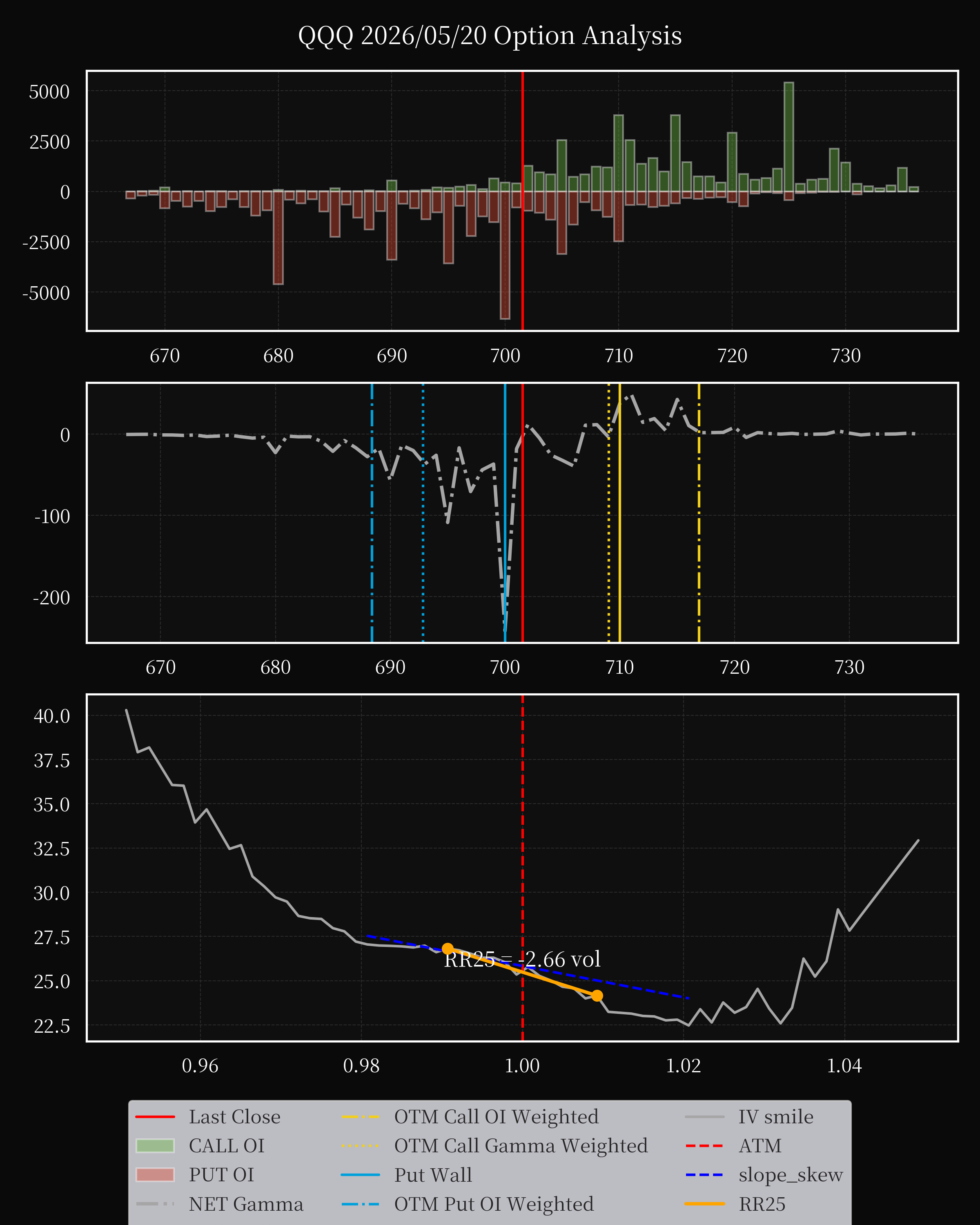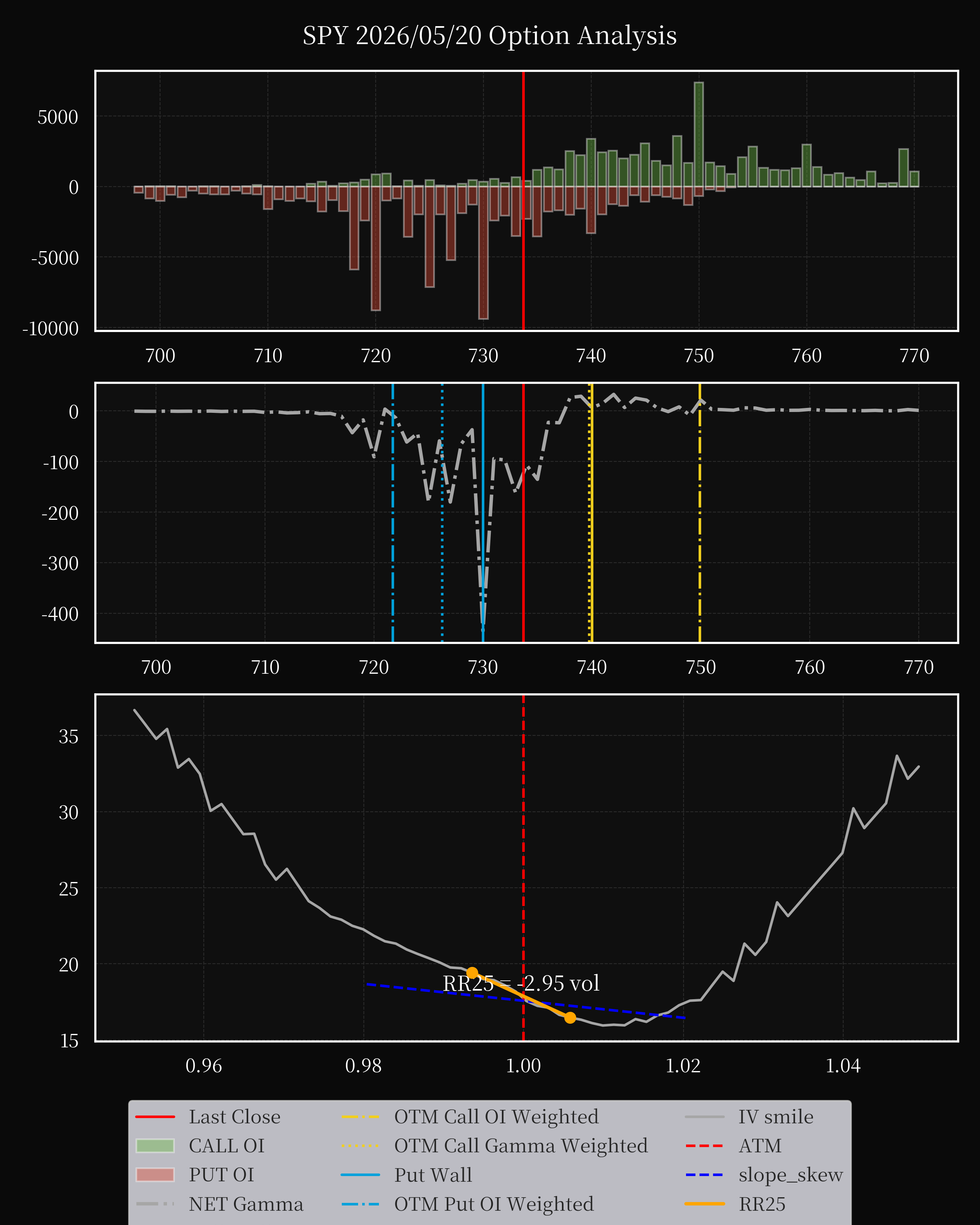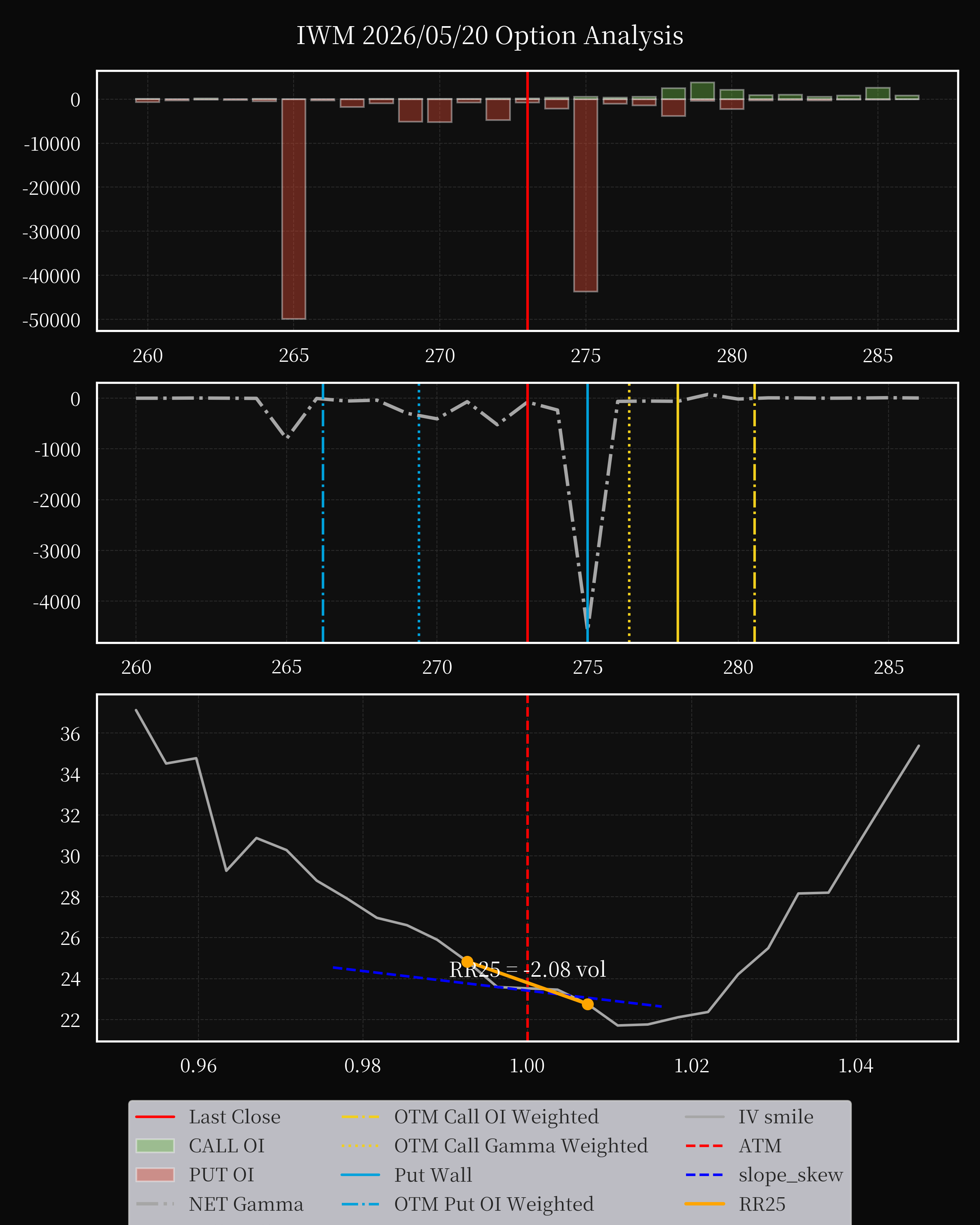
Overall
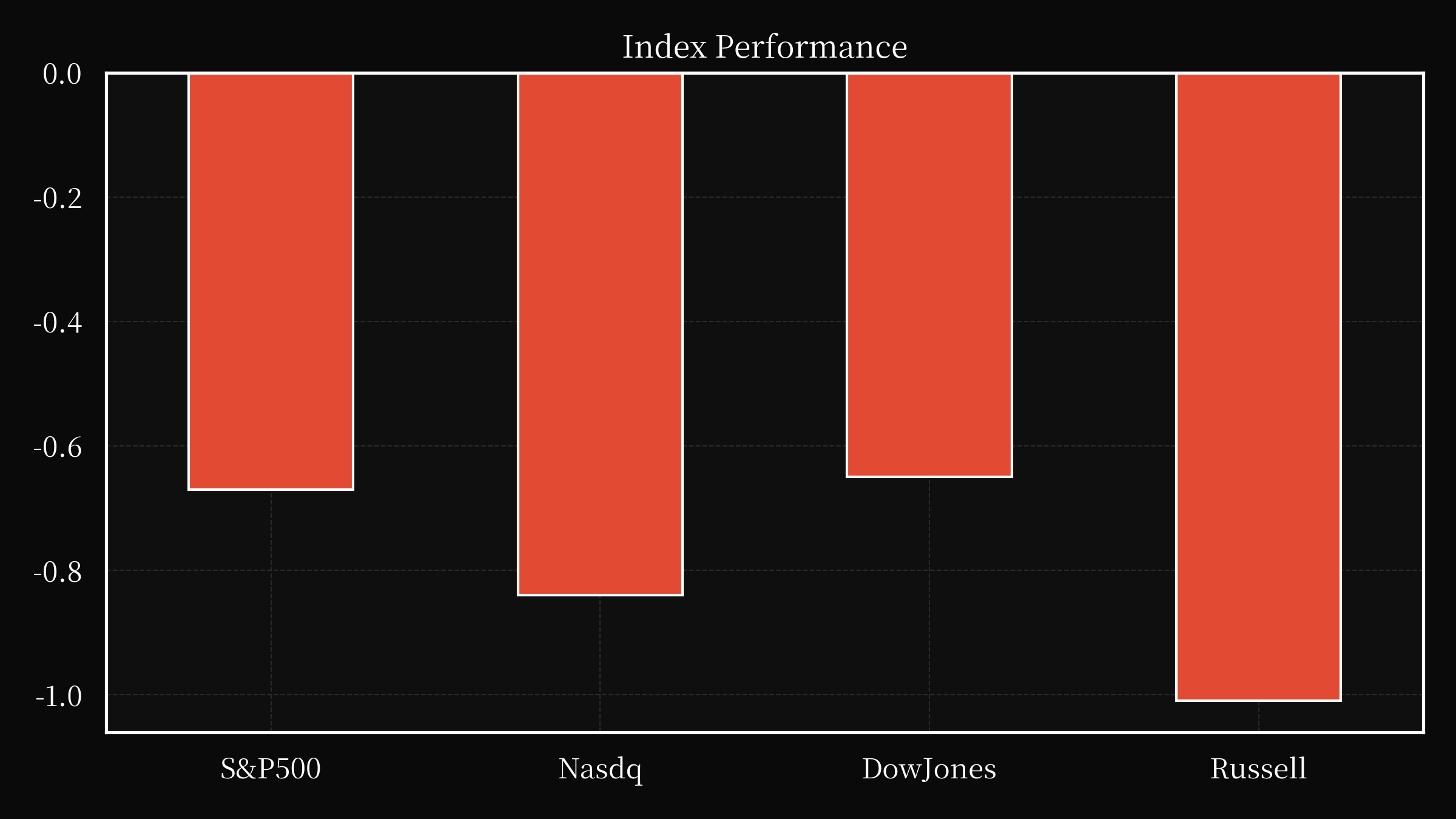
The U.S. stock market entered the trading day with a cautious tone, weighed down by persistent inflation concerns and the specter of a renewed oil supply crisis linked to the ongoing conflict in the Middle East. The S&P 500 slipped 0.7%, the Nasdaq fell 0.8%, and the Dow declined 0.7%, reflecting a broader retreat as investors reassess the economic fallout from elevated energy prices and geopolitical uncertainty. The 10-year Treasury yield surged to 5.18%, its highest level since 2007, as markets priced in the risk of prolonged supply disruptions in the Strait of Hormuz and the potential for further escalation between the U.S. and Iran. Analysts noted that the recent spike in oil prices, while partially offset by strategic reserves and sanctioned Russian supplies, had already pushed inflation above the Federal Reserve’s 2% target, with further increases likely if hostilities intensified. The bond market’s reaction underscored the fragility of the current environment, with investors demanding higher yields to compensate for inflation and interest rate risks. Meanwhile, the Federal Reserve’s upcoming meeting, with Fed Chair Jerome Powell’s nomination by Trump adding a layer of political tension, loomed as a critical catalyst for monetary policy shifts. The interplay between energy markets, inflation dynamics, and central bank decisions remained the focal point for equity investors navigating a volatile landscape.
The $67 billion acquisition of Dominion Energy by NextEra Energy, the largest utility merger in U.S. history, signaled a strategic pivot toward consolidating energy infrastructure amid surging demand and regulatory pressures. The deal, which would create a behemoth spanning from Florida to data center hubs in Virginia, aimed to leverage NextEra’s renewable energy expertise and Dominion’s grid assets to address the dual challenges of decarbonization and grid reliability. However, the transaction also raised questions about the role of utilities in an era of rapid technological change and climate policy shifts. Critics argued that such consolidations could stifle competition and delay the adoption of innovative solutions, while proponents highlighted the necessity of scale to fund massive investments in transmission and storage. The merger’s success hinged on regulatory approvals and the ability to integrate legacy operations with NextEra’s clean energy initiatives, a task complicated by divergent regional priorities and the political sensitivities surrounding energy policy. For investors, the deal represented both a bet on the long-term viability of traditional utilities and a test of their capacity to adapt to a decarbonized future. The broader market’s reaction to the announcement, though muted, reflected lingering skepticism about the sustainability of utility valuations in a high-rate environment.
The legal and political fallout from Elon Musk’s defeat in the OpenAI lawsuit underscored the risks of corporate overreach and the complexities of governing AI-driven enterprises. A California jury ruled unanimously in favor of OpenAI, rejecting Musk’s claims that the company had deviated from its mission to benefit humanity by transitioning to a for-profit structure. The verdict, which barred Musk from dismantling the organization’s nonprofit status and imposed a $134 billion liability on him personally, highlighted the tension between entrepreneurial ambition and institutional governance in the AI sector. The case also exposed the legal vulnerabilities of tech giants navigating the intersection of innovation, regulation, and public accountability. For investors, the outcome reinforced the importance of board oversight and the potential for regulatory intervention in high-stakes AI ventures. Meanwhile, the broader implications for the industry remained uncertain, as companies grappled with the dual imperatives of advancing AI capabilities and managing the reputational and legal risks associated with their rapid growth. The ruling served as a cautionary tale for founders and shareholders alike, emphasizing the need for transparent governance and alignment with societal expectations in an era of unprecedented technological disruption.
The Federal Reserve’s approach to regulating crypto assets and the evolving role of blockchain technology in financial markets reflected a growing recognition of digital assets as a critical component of modern finance. While the SEC’s recent actions, including the approval of a Bitcoin ETF and the tightening of rules around crypto custodians, signaled a shift toward formalizing oversight, the agency’s stance remained cautious, emphasizing investor protection and market integrity. The potential for crypto to reshape traditional financial systems—through decentralized finance (DeFi), tokenized assets, and cross-border payment solutions—posed both opportunities and challenges for regulators. For investors, the regulatory landscape remained a key variable, with the prospect of increased scrutiny potentially dampening speculative fervor while legitimizing long-term adoption. The integration of blockchain into mainstream finance also raised questions about the future of central bank digital currencies (CBDCs) and their implications for monetary policy. As the Fed and other institutions explored these frontiers, the balance between innovation and stability would remain a defining issue for markets, with far-reaching consequences for asset allocation, risk management, and the global financial order.
The resurgence of the SpaceX IPO, with a valuation potentially exceeding $2 trillion, highlighted the growing intersection of private enterprise and space exploration, driven by advancements in reusable rocket technology and the commercialization of low-Earth orbit. The company’s planned listing, expected to be one of the most significant in recent years, underscored the sector’s potential to attract capital amid the broader tech rally, even as macroeconomic headwinds pressured traditional growth stocks. However, the IPO’s success hinged on navigating regulatory hurdles, including SEC filings and the complexities of valuing a company with a diverse portfolio spanning satellite internet, Mars colonization, and aerospace manufacturing. For investors, the event represented both a bet on the long-term vision of spacefaring enterprises and a test of their ability to deliver returns in an environment where short-term volatility and geopolitical risks remained pronounced. The broader implications for the market extended beyond SpaceX, as the success of private space ventures could redefine industry dynamics and spur new investment flows into emerging sectors. As the IPO process unfolded, it would serve as a bellwether for the feasibility of scaling space-based enterprises in an era of heightened economic uncertainty.
The U.S. housing market’s modest rebound, marked by a 1.4% rise in pending home sales and a 1% increase in the home improvement index, revealed the resilience of the sector despite inflationary pressures and rising mortgage rates. The data suggested that buyers remained cautious but not deterred by higher borrowing costs, with demand for new construction outpacing existing inventory. For real estate investors, the trend indicated potential opportunities in markets where supply constraints and demographic shifts continued to drive price appreciation. However, the broader economic context—marked by persistent inflation, a tight labor market, and the Federal Reserve’s aggressive rate hikes—meant that the sector’s recovery remained fragile. The interplay between housing affordability, consumer confidence, and macroeconomic stability would be critical in determining whether the market could sustain its upward trajectory. For investors, the data underscored the importance of regional analysis, as local factors such as zoning laws, population growth, and regulatory environments would shape the performance of real estate assets in the coming months.
The ongoing U.S.-China trade tensions and the broader geopolitical rivalry continued to cast a long shadow over global markets, with implications for supply chains, corporate earnings, and investor sentiment. The recent escalation in rhetoric between Washington and Beijing, coupled with the ongoing dispute over technology exports and intellectual property, heightened concerns about the stability of cross-border trade and the potential for further economic decoupling. For multinational corporations, the uncertainty necessitated a recalibration of risk management strategies, with many diversifying supply chains and hedging against currency fluctuations. The impact on sectors such as semiconductors, renewable energy, and telecommunications was particularly pronounced, as companies grappled with the dual pressures of regulatory compliance and competitive pressures. Investors, meanwhile, remained vigilant, with the market’s sensitivity to geopolitical developments reinforcing the need for a nuanced approach to portfolio construction. The interplay between policy, trade, and market dynamics would remain a defining factor in shaping the trajectory of global economic growth and financial markets.
The Federal Reserve’s upcoming meeting, with its focus on inflation, interest rates, and the broader economic outlook, represented a pivotal moment for monetary policy and market expectations. The central bank’s decision to pause rate hikes, following a series of aggressive increases, signaled a cautious approach to balancing inflation control with economic growth. However, the lingering effects of the pandemic, the war in Ukraine, and the evolving dynamics of the global economy introduced significant uncertainty into the equation. Investors closely monitored the Fed’s guidance on future policy, with the potential for a rate cut in 2026 remaining a key variable in asset valuation models. The meeting’s outcomes would not only influence bond yields and equity valuations but also shape the broader narrative around the Fed’s role in navigating a complex and interconnected global economy. For market participants, the event underscored the importance of staying attuned to macroeconomic signals and the need for adaptive strategies in an environment where policy decisions could have far-reaching consequences.
The broader market’s reaction to the interplay of inflation, geopolitical risks, and monetary policy highlighted the growing complexity of investing in a world where traditional paradigms were being challenged by technological disruption and systemic uncertainties. The convergence of factors—ranging from the energy transition and AI innovation to the reconfiguration of global trade—demanded a more sophisticated approach to portfolio management, with an emphasis on diversification, risk mitigation, and long-term strategic positioning. As investors navigated this landscape, the lessons of the past year—marked by volatility, resilience, and the enduring influence of macroeconomic forces—served as a reminder of the need for vigilance, adaptability, and a deep understanding of the forces shaping the financial markets. The coming months would test the mettle of portfolios and the acumen of their stewards, as the market sought to reconcile the demands of growth, stability, and innovation in an increasingly interconnected and unpredictable world.
Watch List
ING
ING announced the repurchase of 1,725,000 shares totaling €43.99 million as part of its €1.0 billion share buyback program, executed during the week of May 11-15, 2026, at an average price of €25.50. To date, the bank has repurchased 4,375,000 shares, representing approximately 10.99% of the total program value, with an average price of €25.13 and a total consideration of €109.94 million. These actions are aimed at reducing ING’s share capital. The company, a global financial institution with a strong European presence, highlighted its commitment to sustainability, evidenced by an MSCI ESG rating upgrade to ‘AAA’ and a Sustainalytics ESG risk rating of 18.0. ING’s shares are also included in prominent sustainability indices. Financial reporting adheres to IFRS-EU standards, and all figures presented are unaudited, acknowledging potential minor rounding differences. The document emphasizes that information regarding ESG material and websites are based on third-party sources and ING does not guarantee their accuracy or continued availability. Furthermore, forward-looking statements are subject to change based on evolving circumstances.
PW
Power REIT, operating as the Trust, recently announced a reverse stock split of its common stock, effective June 2, 2026, at 5:00 p.m. Eastern Time. The one-for-ten split aims to reduce the number of outstanding shares, with every ten shares converting into one. This action was approved by the Trust’s Board of Trustees and is intended to improve the stock’s trading profile on the NYSE American under the symbol “PW.” Stockholders holding fractional shares will receive equivalent cash payments instead of the fractional shares themselves. Importantly, the reverse stock split will not alter individual stockholder ownership percentages, although minor adjustments may occur due to the cash payments. The Trust utilized Broadridge Financial Solutions, LLC, as its transfer agent to notify shareholders of the changes, and investors holding shares through brokerage accounts are not required to take any action. Management cautioned that forward-looking statements regarding the reverse stock split and its potential impact on the company’s trading price are subject to various risks and uncertainties, emphasizing that these statements are not guarantees and could differ materially from actual results.
AIM
AIM ImmunoTech Inc. has further extended its existing promissory note with Streeterville Capital, LLC, originally issued in February 2024 for $3.3 million. Following an initial extension to June 30, 2026, a subsequent amendment, finalized on May 18, 2026, pushed the maturity date to June 30, 2027. As part of this extended agreement, AIM ImmunoTech agreed to pay Streeterville Capital an extension fee of $10,000, which was added to the outstanding principal balance, now totaling $1,682,676.16. This amendment includes standard representations and warranties from AIM ImmunoTech, solidifying the terms of the loan. The details of this transaction, including the amendment itself, are filed as Exhibit 10.1 to this Form 8-K and are incorporated herein by reference. A press release announcing the amendment was also issued by the company on May 19, 2026, and is attached as Exhibit 99.1.
AAMI
Here’s a summary of the Acadian Asset Management’s investor forum content, designed for a financial reporter: Acadian Asset Management is highlighting significant momentum across its systematic, discretionary, and equity strategies, driven by increased demand and key drivers such as lower volatility active exposure, data-driven approaches, and scalable processes. The company’s AUM growth, particularly within Systematic Equity and Enhanced Equity, has been strong since the beginning of 2022, fueled by a shift towards systematic strategies and a focus on customization and operational efficiency. Acadian emphasizes a long-term track record with 96% of its 3-year, 5-year, and 10-year since inception performance exceeding benchmarks, alongside a 4.1% 5-year annualized return in excess of the benchmark. The firm’s culture centers on transparency and ‘relationship alpha,’ fostering collaboration and open communication with clients and employees. Acadian’s evolution since 2023 has been marked by focused initiatives, including product innovations and a significant increase in AUM driven by the Accelerated Assets Management Income (AAMI) program, which has seen 53% growth in net client cash flows since 2023. The company is targeting a substantial addressable market, estimated at $58 trillion, with a strong emphasis on systematic capabilities within credit markets. Key takeaways include Acadian’s core strength in scalable systematic investing, a diversified client base, and a disciplined approach to capital allocation, aiming for an ENI operating margin of 35.5% by 2025. The firm is leveraging technology, including AI-powered tools, to enhance productivity and decision-making, while maintaining a strong focus on risk management and a robust balance sheet.
BAYA
Bayview Acquisition Corp. recently finalized several amendments to its merger agreement with Oabay Holding Company and affiliated entities, ultimately leading to the planned combination. Initially announced on June 7, 2024, the agreement has undergone adjustments to key terms throughout 2024 and 2025. Notably, Amendment No. 1 revised earnout milestones to incorporate updated consolidated revenue metrics, while Amendment No. 2 altered the sequence of transactions. Further extending the closing timeline, Amendment No. 3 pushed the Outside Closing Date to June 15, 2026, and subsequently, Amendment No. 4 extended it again to December 19, 2026. These amendments demonstrate a collaborative approach between the parties as they navigated the complexities of the merger process. The company’s management acknowledges that forward-looking statements are subject to inherent risks and uncertainties, and therefore, there’s no guarantee that projected outcomes will materialize. This filing includes the full text of Amendment No. 4 as Exhibit 2.1, which is incorporated into this report.
DRVN
Driven Brands Holdings Inc. announced strong fourth-quarter and full-year 2025 results, demonstrating resilience and strategic progress. Revenue increased by 6.3% to $1.9 billion, driven by Take 5’s continued same-store sales growth, marking the 22nd consecutive quarter of positive performance at 3.7%. The company successfully deleveraged its balance sheet, resulting in a pro forma net leverage ratio of 3.3x Adjusted EBITDA following the divestiture of its IMO international car wash business in January. Key highlights included a net income from continuing operations of $132.1 million for the fiscal year, a significant increase from $80.5 million in the prior year, largely due to the divestiture of IMO. Take 5’s first-quarter 2026 same-store sales growth is projected to be between 4.3% and 4.5%, showcasing continued momentum. The company’s strategic focus on core services in North America, combined with disciplined portfolio optimization, has positioned it well for future growth. Driven Brands completed the restatement of its prior-period financial statements, correcting accounting errors and enhancing internal controls. Looking ahead to 2026, the company aims to scale the Take 5 platform, generate stable cash flow, achieve a 3.0x net leverage ratio, and maintain a disciplined approach to portfolio management. The company anticipates a net leverage ratio of 3.3x Adjusted EBITDA by year-end 2026. Finally, Driven Brands expects to file its 2025 Form 10-K today, and anticipates filing its first quarter 2026 Form 10-Q on or before July 3, 2026.
ANTA
Antalpha Platform Holding Company (NASDAQ: ANTA) reported a strong first quarter of 2026, demonstrating continued growth and profitability despite a challenging market environment. Total revenue increased by 52% year-over-year to $20.7 million, driven by the combined performance of Antalpha and its acquired entity, Aurelion. The company’s platform successfully captured the upward movement in gold prices through its tokenized gold upside strategy, while its conservatively collateralized lending portfolio maintained its integrity with no principal losses. Key highlights included a 36% increase in total value of loans (“TVL”) per client and a net fee margin expansion of 21 basis points. Looking ahead, Antalpha is focused on expanding its digital asset infrastructure, exemplified by the launch of its Web3 AI agent in beta, which offers on-chain execution and data analytics tools. The company is also actively deploying assets into yield-generating protocols within its tokenized gold strategy, aiming to enhance utility and yield. Despite operating expenses increasing due to funding costs and restructuring charges, Antalpha achieved a significant non-GAAP operating margin of 54%. The company anticipates Q2 2026 revenue between $11 million and $13 million, reflecting continued demand for crypto-collateralized financing. Antalpha’s management will host a conference call to discuss these results further.
TWO
Two Harbors Investment Corp. (“TWO”) has adjourned its previously announced virtual special meeting of stockholders regarding the proposed transaction between TWO and CrossCountry Intermediate Holdco, LLC, an affiliate of CrossCountry Mortgage, LLC (“CCM”). This adjournment follows a press release issued on May 19, 2026, announcing the delay. The meeting was intended to secure stockholder approval for the proposed CCM transaction. While TWO and CCM have outlined plans and expectations for the transaction, including anticipated completion timing and potential closing conditions, significant risks remain. These include potential delays in obtaining required approvals, the possibility of the transaction’s termination, and potential adverse impacts on TWO’s stock price, key personnel, and overall business operations. The company acknowledges the inherent uncertainties surrounding the transaction, including those related to economic conditions, market dynamics, and regulatory changes. TWO has filed a definitive proxy statement (the “Proxy Statement”) with the SEC, which contains detailed information about the proposed transaction and is available for review by stockholders. Investors and securityholders are advised to carefully read the Proxy Statement and all related SEC filings for a comprehensive understanding of the transaction’s implications.
CRDF
Cardiff Oncology, Inc. has initiated legal action against Nerviano Medical Sciences S.r.L (NMS) in the United States District Court for the Southern District of California, disputing NMS’s claims of a material breach of their license agreement for onvansertib. The lawsuit, filed on May 19, 2026, seeks an injunction compelling NMS to continue fulfilling its obligations under the agreement and a declaratory judgment confirming Cardiff’s adherence to the terms. This action follows a notice received by Cardiff from NMS in February 2026, alleging a breach due to the company’s failure to name an NMS employee as a joint inventor on two patents and a reluctance to file a joint patent continuation application. Cardiff maintains that the agreement doesn’t necessitate naming NMS personnel on inventions solely developed by their team or making misleading statements to the U.S. Patent and Trademark Office. The company believes judicial intervention is necessary to resolve the dispute, highlighting their position that no breach occurred.
NG
At its recent annual shareholder meeting, successfully concluded several key decisions aimed at strengthening its governance and aligning shareholder interests. Shareholders elected a new slate of directors to serve until the next annual meeting, while also approving the appointment of PricewaterhouseCoopers LLP as the company’s auditors through 2026. Crucially, shareholders overwhelmingly approved amendments to the Company’s Stock Award Plan, Performance Share Unit Plan, and Deferred Share Unit Plan, alongside all associated unallocated entitlements. Furthermore, they ratified a non-binding resolution regarding the compensation of “Named Executive Officers” and established a framework for an annual shareholder advisory vote on executive compensation. The company released a press release detailing these results, which has been filed as an exhibit. These actions demonstrate shareholder confidence and reinforce 's commitment to transparency and responsible corporate governance.
IanFV (www.ianfv.com) is the world's first pure-blood, neutral research institution built on LLM (Large Language Models) specifically for individual investors. Founded by a top-tier team with backgrounds from Tsinghua, Harvard, Morgan Stanley, and UBS, we are committed to breaking down high-priced information barriers and providing institutional-grade investment research at affordable prices. Unlike traditional institutions, IanFV does not serve big-money sponsors or inflate market bubbles. Leveraging a proprietary knowledge graph and a fully localized deployment architecture, we achieve a differentiated competitive advantage through light assets and high efficiency. Our research reports refuse to "sell dreams": valuation reports are based on point-in-time intervals rather than reverse-engineered numbers; industry reports focus relentlessly on real trends over the next six to twelve months; and in-depth reports penetrate market bubbles to strike at the core of corporate survival moats—all to ensure investors hold the most authentic research cards in the secondary market.