Overall
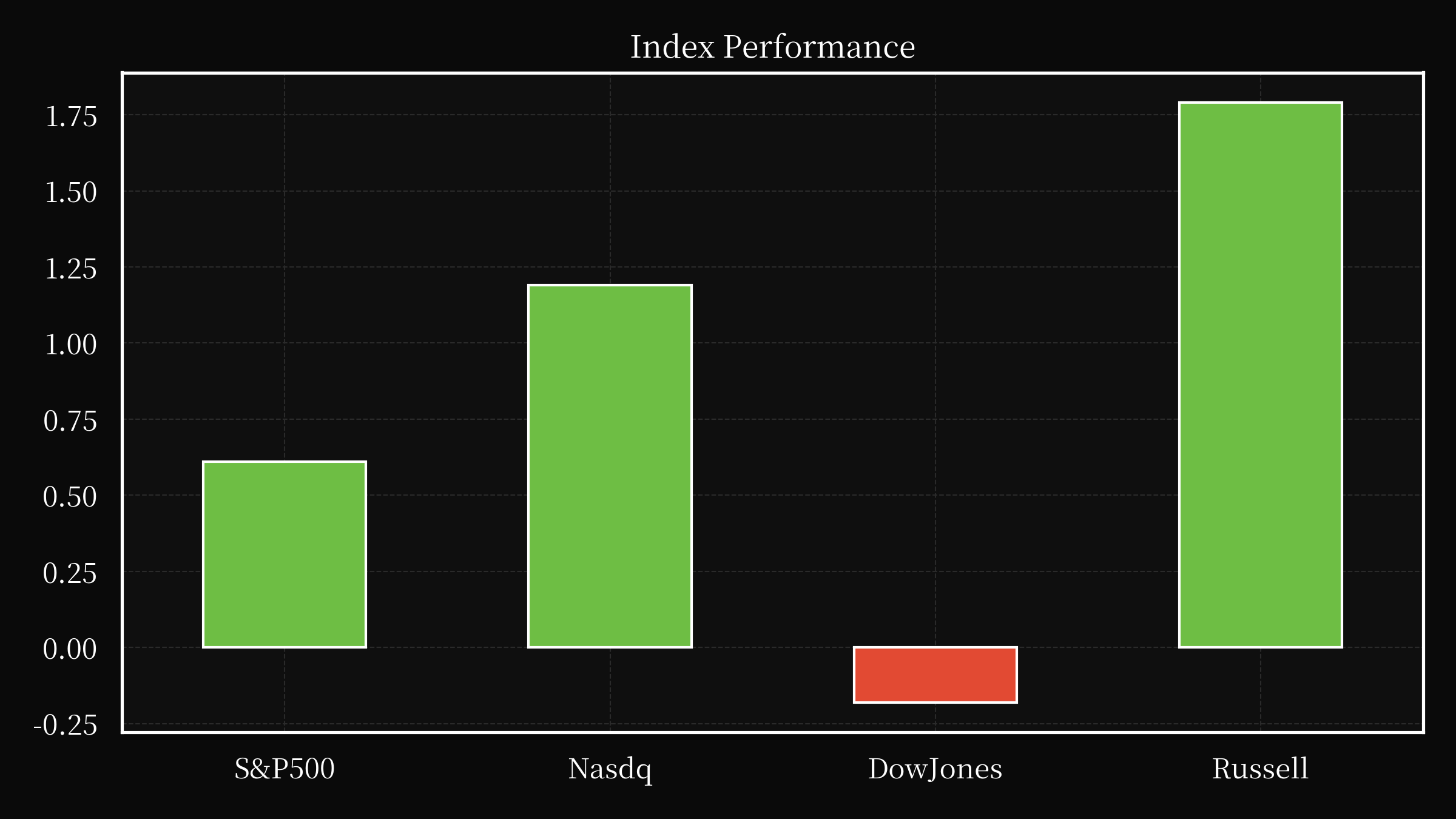
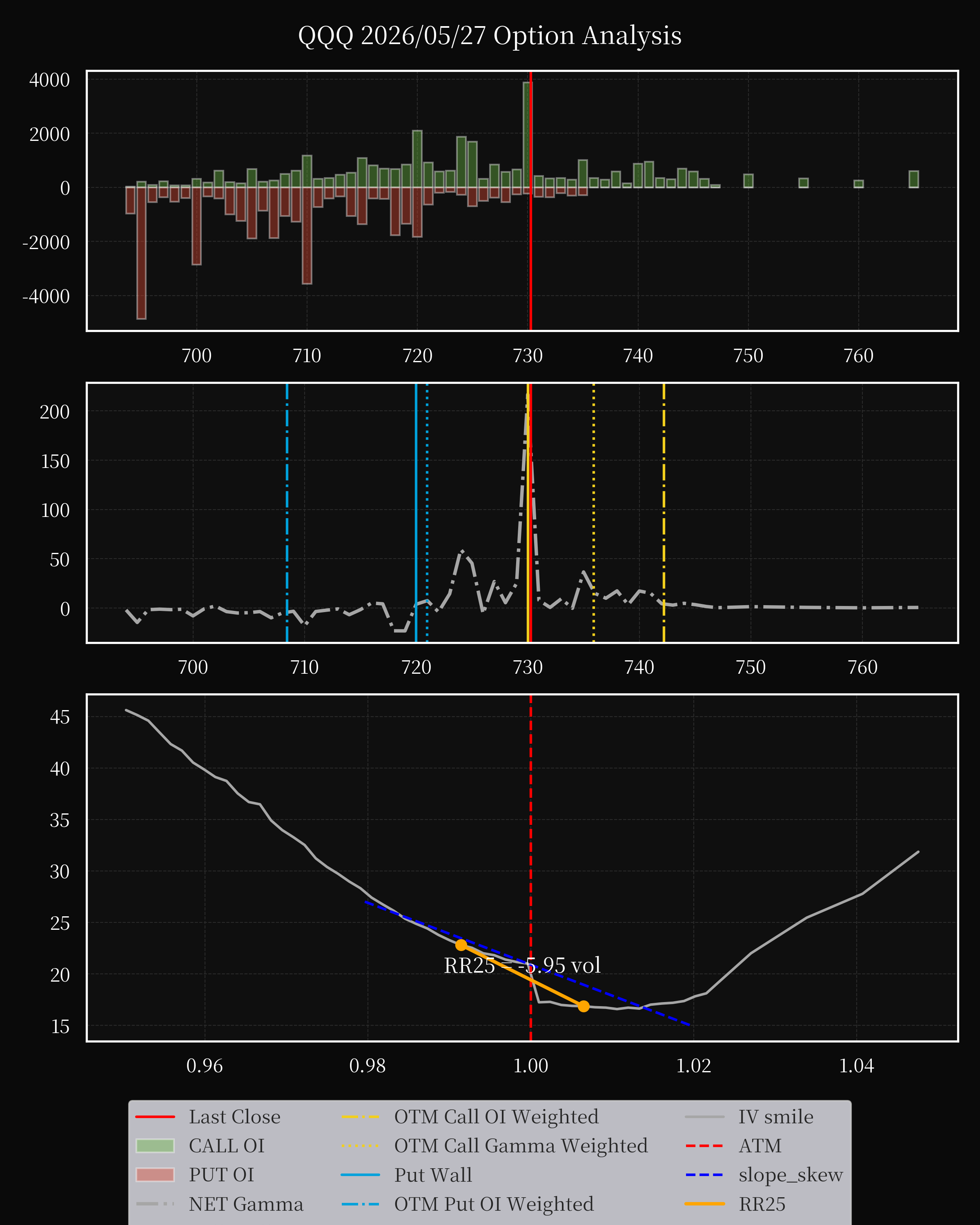
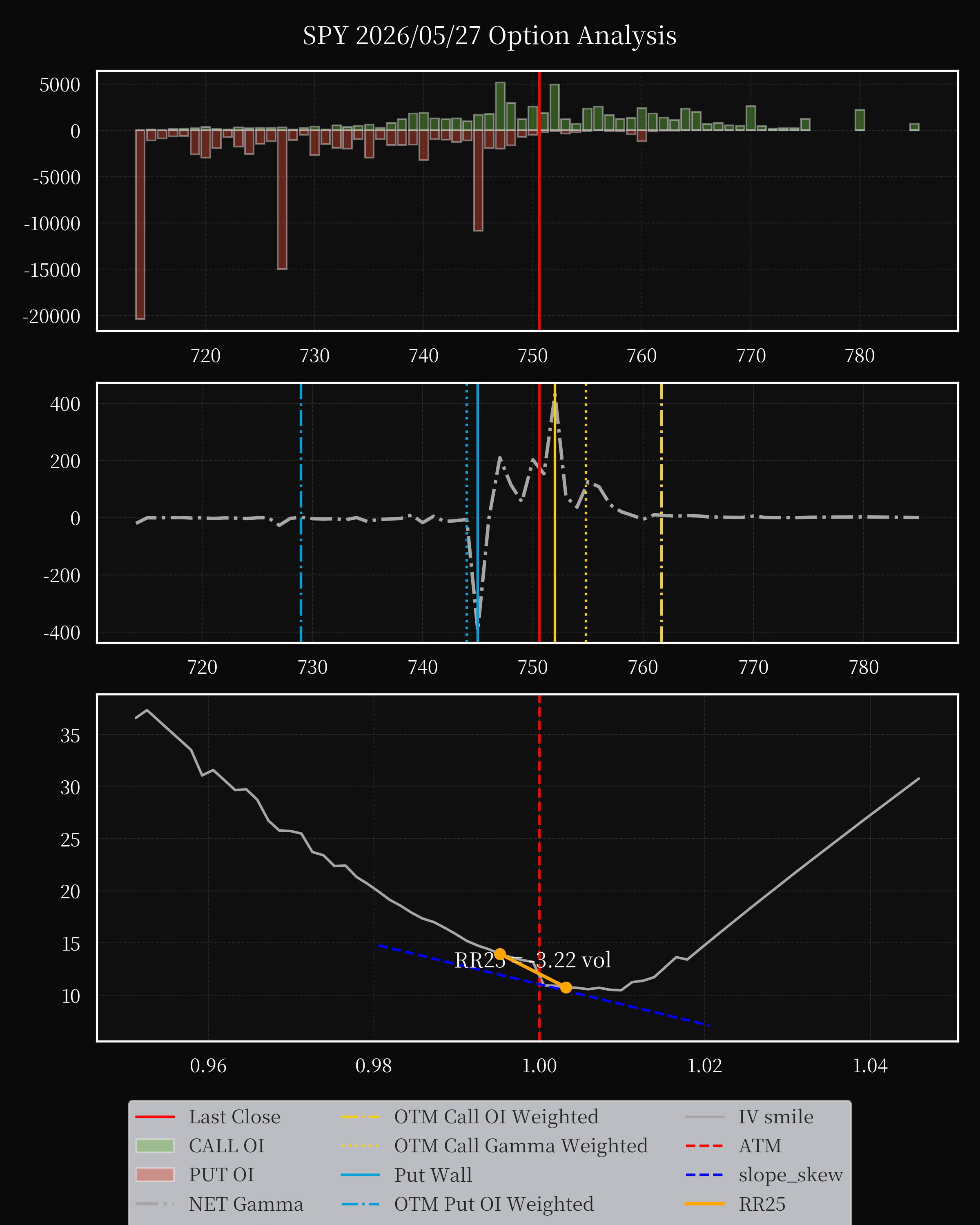
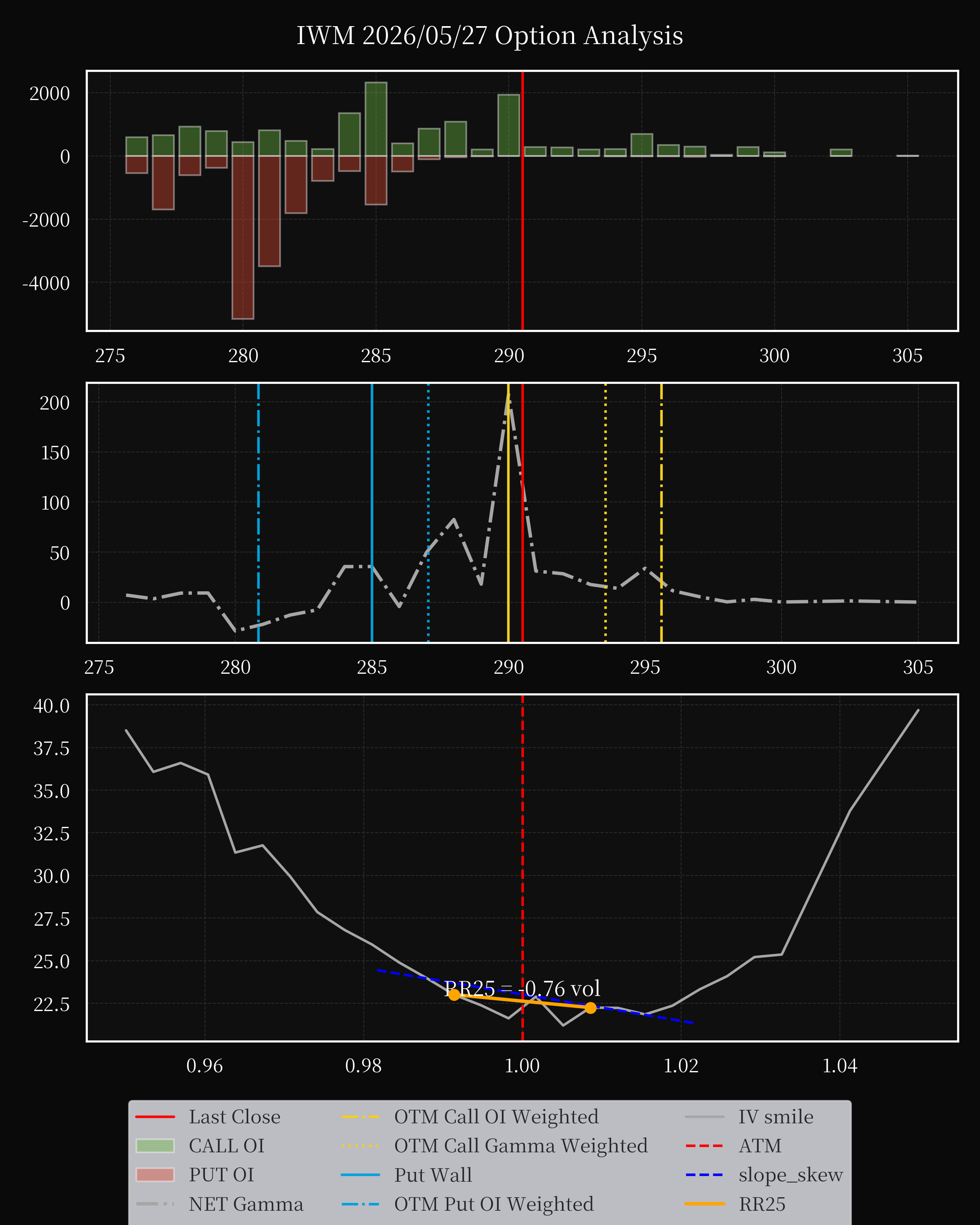
The equity markets exhibited resilience today, with broad-based gains anchored by technology stocks, while fixed income and energy sectors displayed nuanced dynamics amid geopolitical uncertainty. The S&P 500’s 0.6% advance and the Nasdaq’s 1.2% surge underscored the continued strength of growth-oriented equities, particularly within the semiconductor subsector, where Micron Technology and ON Semiconductor delivered outsized returns of 19.3% and 9.3%, respectively. These performances reflect persistent investor appetite for companies positioned to benefit from the ongoing digital transformation, including advancements in artificial intelligence, cloud infrastructure, and next-generation chip design. The broader technology rally aligns with historical patterns where innovation cycles drive revaluations, though current multiples remain compressed relative to prior peaks, suggesting a potential inflection point in risk sentiment.
Bond markets reacted to shifting expectations around the Federal Reserve’s policy trajectory, with the 10-year Treasury yield retreating 0.08 percentage points to 4.49%, indicating reduced urgency for rate hikes amid mixed economic signals. This decline in yields typically supports equity valuations by lowering discount rates applied to future earnings, though the magnitude remains modest given persistent inflationary pressures and the Fed’s ambiguous forward guidance. Concurrently, crude oil prices exhibited divergent trends, with Brent crude futures gaining 3.58% to $99.58 per barrel while WTI crude slipped 2.81% to $93.89, reflecting regional supply-demand imbalances and speculative positioning. The volatility in energy markets underscores the fragility of geopolitical risk premiums, particularly concerning the Middle East, where escalating tensions between Israel and Iran introduced uncertainty into global oil flows.
Corporate governance controversies emerged as a key market narrative, exemplified by BP’s abrupt removal of Chairman Albert Manifold following allegations of abusive conduct and mismanagement of sensitive information. The board’s decision to replace Manifold with Meg O’Neill—Big Oil’s first female CEO and external appointment—signals a strategic pivot toward stabilizing the company’s reputation and operational focus. This leadership change arrives amid BP’s protracted struggles to reverse years of underperformance, necessitating capital discipline and a renewed emphasis on core hydrocarbon assets. The incident highlights the growing scrutiny of executive behavior and transparency in publicly traded firms, particularly those operating in politically sensitive jurisdictions.
The automotive sector faced significant headwinds as Ferrari’s highly anticipated electric vehicle (EV) concept, designed by Jony Ive, drew widespread criticism for perceived misalignment with the brand’s heritage. The $640,000 model, unveiled amid heightened public scrutiny of luxury automakers’ sustainability strategies, triggered backlash from stakeholders concerned about diluting Ferrari’s identity. The stock’s 8.4% decline reflects broader market skepticism toward EV initiatives perceived as compromising performance or exclusivity, contrasting with competitors like Tesla and traditional OEMs aggressively expanding their electric lineups. This episode underscores the delicate balance automakers must strike between innovation and brand equity preservation in an era of rapid technological disruption.
Investor behavior remains influenced by macroeconomic anxieties, with the equity risk premium—measured as the spread between S&P 500 earnings yields and 10-year Treasury rates—nearing generational lows. This compression suggests equities are priced for sustained growth at historically low valuations, raising concerns about potential overvaluation if earnings momentum falters. The phenomenon mirrors conditions preceding the dot-com bust, where excessive optimism about technological disruption led to unsustainable multiples. However, current fundamentals differ, with earnings growth supported by resilient corporate margins and robust consumer spending, albeit tempered by inflationary constraints and rising interest rate expectations.
Looking ahead, the market will closely monitor upcoming earnings reports from sector leaders such as Marvell Technology, Salesforce, Synopsys, and Snowflake, which could validate or challenge prevailing growth narratives. Additionally, Federal Reserve officials Lorie Logan, Lisa Cook, and Philip Jefferson are scheduled to deliver policy remarks influencing monetary policy trajectories. Meanwhile, geopolitical developments in the Middle East and corporate governance reforms will remain pivotal drivers of volatility, reinforcing the need for investors to balance thematic exposure with risk mitigation strategies. The interplay between technological innovation, macroeconomic stability, and regulatory scrutiny will define market direction in the coming weeks, demanding a nuanced approach to portfolio construction.
Watch List
AUGO
Aura Minerals is presenting a robust and promising investment opportunity, driven by a strong operational foundation and significant growth potential. The company’s portfolio currently encompasses 6 operating mines, including the recently acquired Almas project, and boasts a substantial reserve base of 1.751 million tonnes of gold equivalent (GEO) with a mine life of 7 years, alongside ongoing expansion initiatives. Over the past five years, the company has experienced a threefold increase in its resource and reserves inventory, fueled by strategic acquisitions and exploration efforts. Aura is recognized for its commitment to shareholder returns, having generated $379 million in dividends and buybacks since 2021, with dividend yields ranging from 13% in 2021 to 4.5% (3) in Q1 2026. The company’s operational efficiency is highlighted by Adjusted EBITDA of $244 million in Q1 2025 and $710 million LTM (as of Q1 2026), supported by strong cash generation and a focus on cost control, resulting in competitive All-in Sustaining Cost (AISC) figures. The Borborema project, with an IRR of 73% and a payback period of 3.2 years, is a key driver of this performance. Looking ahead, Aura is actively pursuing expansion projects, including the Matupá project with a projected increase in production to over 600,000 GEO, and the exploration of the Minosa and Ernesto Connection assets, aiming to unlock further value. The company’s “Aura 360” culture emphasizes decentralized decision-making and a focus on long-term value creation. Furthermore, Aura is strategically investing in exploration programs across its portfolio, including drilling at Pé Quente and the Carajás project, with the goal of expanding reserves and extending the mine life. The company’s commitment to sustainable mining practices, demonstrated by the closed-water circuit at Minosa and geothermal energy utilization at Era Dorada, further strengthens its ESG profile.
SLXN
Silexion Therapeutics Corp., a Cayman Islands-based company, has announced a 1-for-10 reverse stock split, effective May 28, 2026, following shareholder approval on May 5, 2026. This move, intended to increase the company’s trading liquidity and potentially attract institutional investors, will see the company’s existing shares consolidated into ten shares. The reverse split will take effect after market close on May 28th, with trading resuming on the Nasdaq Capital Market under the same ticker symbol, SLXN. The par value of the ordinary shares will increase from $0.0135 to $0.135 per share. Importantly, the company has stated that no fractional shares will be issued, and any resulting fractions will be rounded up to the nearest whole share for DTC participants. A press release detailing the reverse split is attached as Exhibit 99.1 and incorporated into this filing.
PTEN
Patterson-UTI Z reported a strong outlook for the second quarter of 2026, anticipating adjusted EBITDA of approximately $220 million. The company is strategically focused on increasing its active rig count, aiming for over 100 rigs in the United States by year-end, driven by contract renewals and new customer acquisitions. Pricing tailwinds and operational efficiencies, including the utilization of its Emerald 100% natural gas completions equipment and decommissioning Tier II diesel assets, are expected to further bolster results. Capital expenditures are projected at roughly $600 million, with investments strategically directed towards rig upgrades, equipment expansion, and digital initiatives, largely funded through existing cash reserves. Looking ahead, Patterson-UTI is committed to returning at least 50% of its adjusted free cash flow to shareholders through dividends and share repurchases, a program that has already delivered over 70% of its FCF since 2024. The company’s financial strength is underscored by a low leverage ratio of 1x, an investment-grade credit rating, and a plan to redeem all of its 3.95% Senior Notes due 2028. Key operational highlights include a diversified market presence, a high-quality asset base, and a focus on leveraging technologies and efficiencies to drive improved returns.
UGI
This document outlines the Senior Notes Indenture dated May 20, 2026, issued by Amerigas Partners, L.P. to secure debt obligations. The notes, totaling 6.875% and due in 2031, feature a “Decline Period” tied to credit rating changes, meaning the notes are subject to a downgrade triggering a default. Key financial terms are defined, including the Consolidated Borrowing Base Amount, Consolidated Cash Flow Available for Fixed Charges, and Consolidated Fixed Charge Coverage Ratio, all calculated according to Generally Accepted Accounting Principles (GAAP). The indenture establishes specific conditions for a “Change of Control” triggering event, requiring actual consummation. Important definitions cover terms like “Indebtedness,” “Investment Limit,” “Payment Default,” and various categories of permitted investments. The indenture also includes provisions related to bankruptcy, default events, and assignment, with a 25% holding requirement for certain noteholders. Notably, the agreement incorporates a $50 million investment limit and a $75 million payment default threshold, alongside stipulations regarding ERISA compliance and the use of a global notes legend.
DXLG
Destination XL Group, Inc. recently issued a press release, now filed as Exhibit 99.1, announcing a recommendation from its Board of Directors regarding an unsolicited tender offer from Zodiac Partners II. The company’s board has determined that the offer is not in the best interest of shareholders. This disclosure, made on May 26, 2026, signifies a formal response to the unsolicited bid and indicates the company’s intention to resist the offer. The press release, which is attached as an exhibit, likely details the board’s rationale and outlines the company’s planned strategy moving forward in relation to Zodiac Partners II’s attempt to acquire Destination XL Group. This filing fulfills the requirements of Regulation FD, providing investors with timely information regarding this significant corporate development.
MBOT
Microbot Medical Inc. announced on May 26, 2026, that it has secured regulatory approval from the Israeli Ministry of Health’s AMAR Division for its LIBERTY Endovascular Robotic System. This approval permits the company to market and commercialize the system directly within Israel, a significant milestone for the company’s expansion. Crucially, the approval also allows Microbot to obtain a Free Sale Certificate, a vital document supporting regulatory submissions and commercial activities intended for use in pursuing approvals for marketing the system in other international jurisdictions. The company released a press release detailing this achievement, which is attached as Exhibit 99.1 to this Form 8-K filing. It’s important to note that the announcement includes forward-looking statements regarding regulatory milestones and potential future results, acknowledging that these projections are subject to various risks and uncertainties. The company’s leadership maintains a cautious outlook, emphasizing that while their current assessments are reasonable, there’s no guarantee these projections will materialize. Investors are advised to review the full details of the filing, including the risk factors outlined within, for a comprehensive understanding of the company’s situation.
XHLD
TEN Holdings, Inc. recently completed a private placement, issuing 500,000 shares of its common stock to an investor for approximately $500,000. This transaction involved the issuance of shares with a par value of $0.0001 per share and included customary representations, warranties, and covenants outlined in the Stock Purchase Agreement, which is filed as Exhibit 10.1 to this Form 8-K. Simultaneously, the company executed a registration rights agreement with the investor, requiring them to register the shares for resale, as detailed in Exhibit 10.2. However, the company also received a deficiency letter from Nasdaq Stock Market LLC, indicating non-compliance with minimum equity requirements. This letter doesn’t trigger immediate delisting but grants TEN Holdings an 180-day extension, until November 22, 2026, to rectify the situation. The company intends to explore options to regain compliance, though success is not guaranteed. This filing incorporates by reference the details of the Stock Purchase Agreement and Registration Rights Agreement, providing investors with the key terms of these recent transactions.
TAK
Okay, here’s a breakdown of the provided text, categorized and summarized for clarity, focusing on the key information relevant to a financial report: I. Executive Summary & Key Figures * Company: Takeda Pharmaceutical Company Limited * Fiscal Year: Ended March 31, 2026 * Total Assets: ¥15,453,113 million * Total Liabilities: ¥7,678,314 million * Total Equity: ¥7,774,800 million * Consolidated Revenue: ¥4,505,720 million II. Consolidated Financial Statements Highlights * Balance Sheet (Key Items): * Non-Current Assets: Primarily property, plant, and equipment and goodwill. * Current Assets: Includes inventory, trade receivables, and cash. * Liabilities: Dominated by bonds and loans. * Income Statement (Key Items): * Revenue: Broken down by product type (Pharmaceuticals, Out-licensing, etc.). * Expenses: Includes R&D costs (¥142,942 million) and extraordinary losses (related to asset write-downs). * Changes in Net Assets: Details the acquisition of treasury shares. III. Accounting Policies & Significant Notes * Accounting Standards: IFRS (International Financial Reporting Standards) * Revenue Recognition: Detailed explanation of how Takeda recognizes revenue, including: * Contract balances (receivables and liabilities) – segmented by duration. * Specific considerations for rebates and milestone payments. * Impairment of Assets: Significant impairment loss recognized due to the discontinuation of the gamma delta T-cell therapy platform. * Tax Rate: Effective tax rate (5.5%) reflects adjustments to the statutory rate (30.6%). A change in the corporate tax rate is also noted. * Other Significant Accounting Policies: Details on inventory valuation, depreciation, and other key accounting treatments. IV. Additional Information * Share Data: Number of shares outstanding (Common Stock) and treasury shares. * Subsequent Events: None reported. V. Important
SMTC
Semtech Corporation announced record first quarter fiscal year 2027 results, reporting net sales of $291.0 million, a 6% sequential increase and a significant 16% year-over-year growth. The company’s financial performance was bolstered by strong demand in its data center and LoRa businesses, driven by increasing revenues from FiberEdge and CopperEdge 1.6T products. GAAP gross margins reached 52.0%, while adjusted non-GAAP gross margins climbed to 53.0%, reflecting operational efficiency. Operating margins also improved, with GAAP at 8.9% and non-GAAP adjusted at 20.4%. Diluted earnings per share increased substantially, rising 23% year-over-year to $0.27 and jumping 34% to $0.51 on a non-GAAP basis. Management highlighted strong booking and backlog levels, alongside targeted R&D investments, as key drivers of this success. The company’s executive team expressed confidence in continued growth, anticipating accelerated data center expansion throughout the year. Semtech’s financial results demonstrate a solid operational foundation, with a focus on shareholder returns. The company’s financial statements included a presentation of non-GAAP financial measures, including adjusted EBITDA and free cash flow, to provide investors with a clearer picture of its core business performance. These adjustments excluded items such as transaction-related costs, restructuring expenses, and certain accounting charges, reflecting management’s commitment to providing a transparent view of the company’s underlying financial health.
PBA
Pembina Pipeline Corporation has announced the sanctioning of the Heartland Extraction Plant (HEP), a strategically important project designed to strengthen its NGL franchise and achieve its growth targets. The $570 million HEP, a 750 million cubic feet per day straddle plant, represents an evolution of the previously disclosed Yellowhead Extraction Plant, incorporating capacity for future expansion and enhancing Pembina’s Alberta Industrial Heartland footprint. Key to the project is a long-term agreement with Dow to supply ethane, initially at 22,500 barrels per day by 2030, sourced from Pembina’s integrated value chain. This expands Pembina’s ethane supply to Dow by a total of 57,500 bpd, a 15% increase from its original agreement. Following extraction, ethane-plus products will be processed at Dow’s Fort Saskatchewan facility and Pembina’s Redwater Complex, with Pembina retaining the propane-plus production and benefiting from downstream fractionation and marketing. The sanctioning of HEP aligns with Pembina’s target of 5-7% fee-based adjusted EBITDA per share growth by 2030. Management anticipates an EBITDA build multiple of 5-7 times for the project, based on long-term average historical pricing, reflecting a capital-efficient approach. This move further solidifies Pembina’s relationship with Dow and demonstrates its ability to create mutually beneficial solutions, leveraging its assets and contributing to hydrocarbon demand in Western Canada.
IanFV (www.ianfv.com) is the world's first pure-blood, neutral research institution built on LLM (Large Language Models) specifically for individual investors. Founded by a top-tier team with backgrounds from Tsinghua, Harvard, Morgan Stanley, and UBS, we are committed to breaking down high-priced information barriers and providing institutional-grade investment research at affordable prices. Unlike traditional institutions, IanFV does not serve big-money sponsors or inflate market bubbles. Leveraging a proprietary knowledge graph and a fully localized deployment architecture, we achieve a differentiated competitive advantage through light assets and high efficiency. Our research reports refuse to "sell dreams": valuation reports are based on point-in-time intervals rather than reverse-engineered numbers; industry reports focus relentlessly on real trends over the next six to twelve months; and in-depth reports penetrate market bubbles to strike at the core of corporate survival moats—all to ensure investors hold the most authentic research cards in the secondary market.