Overall
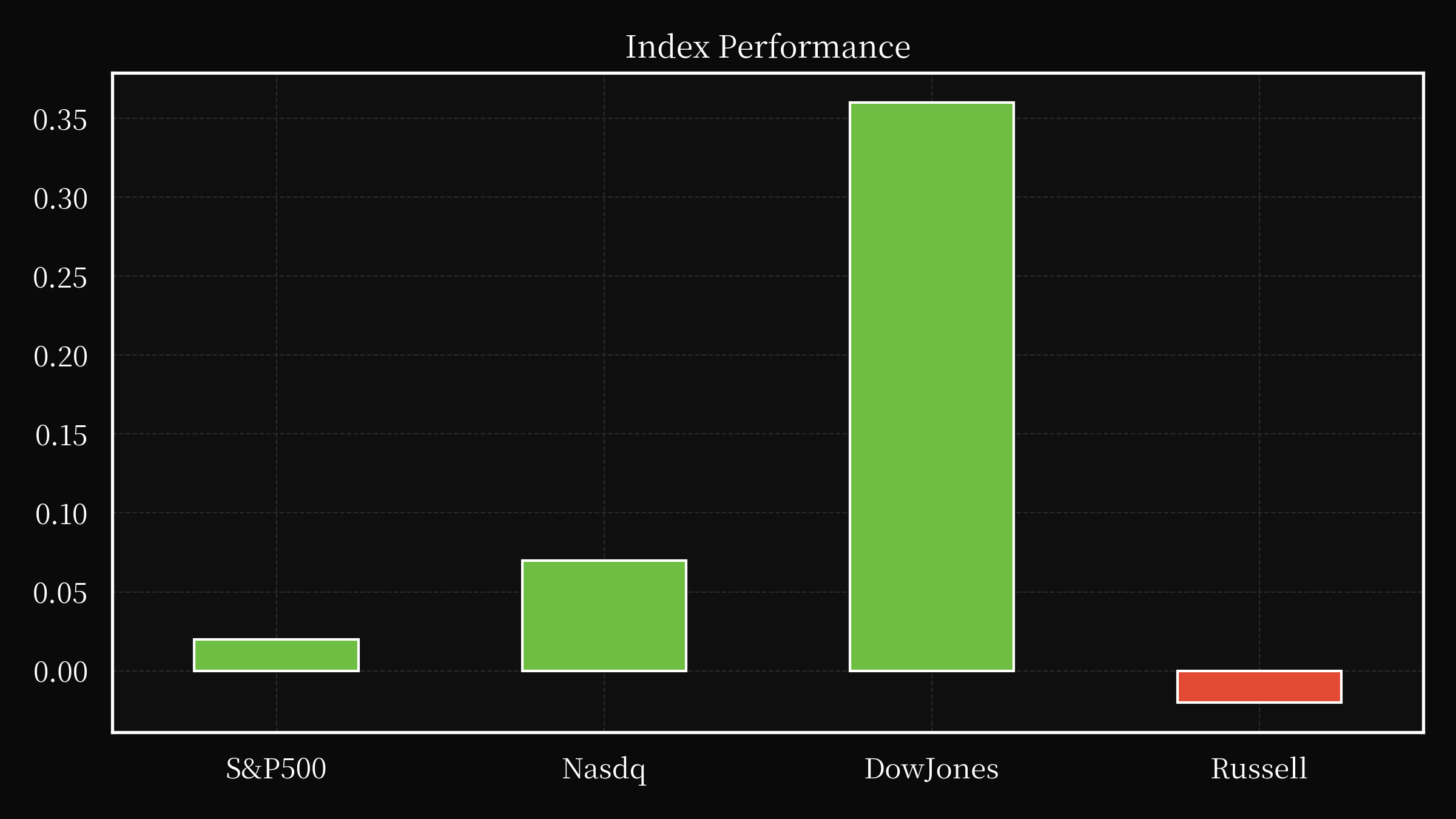
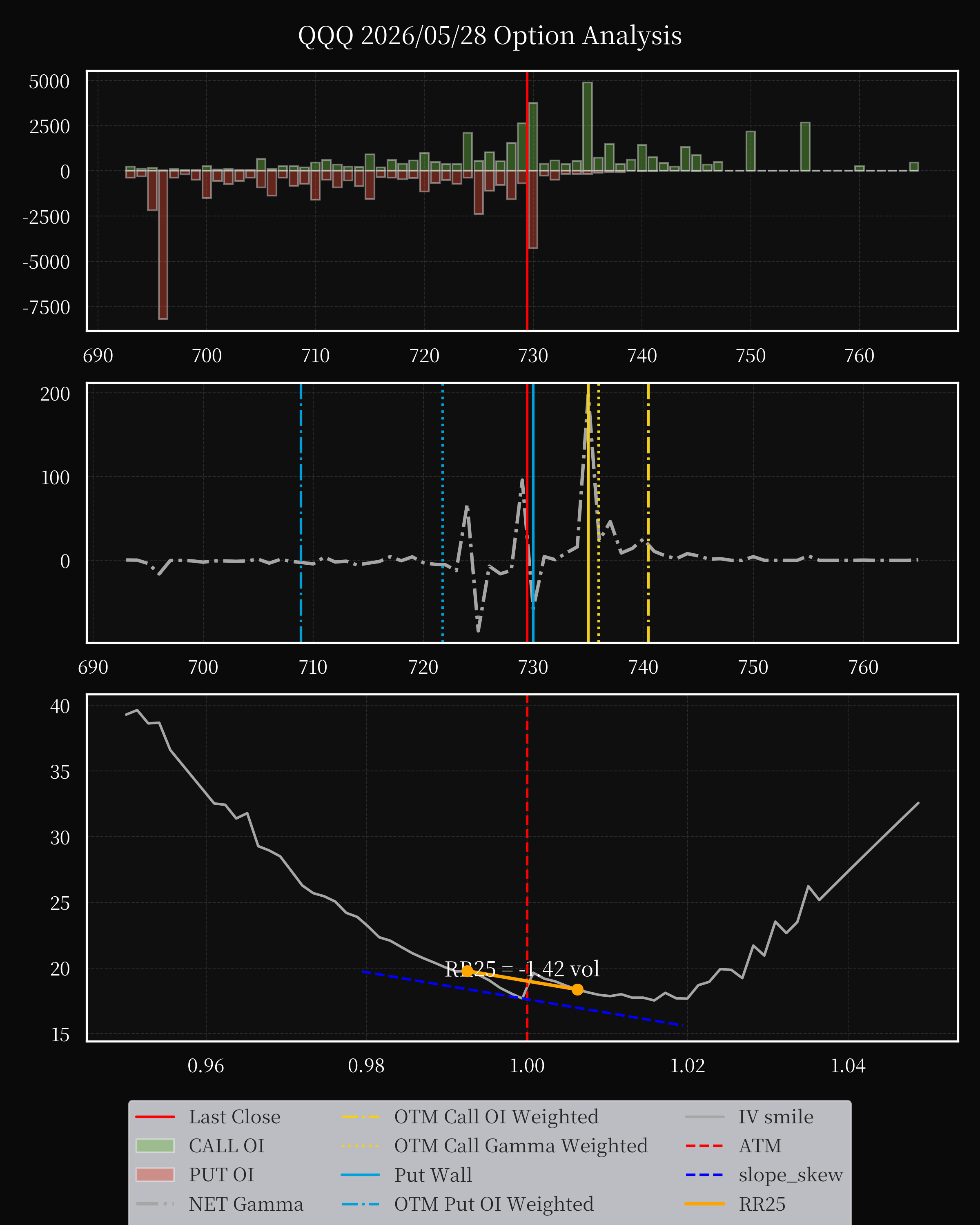
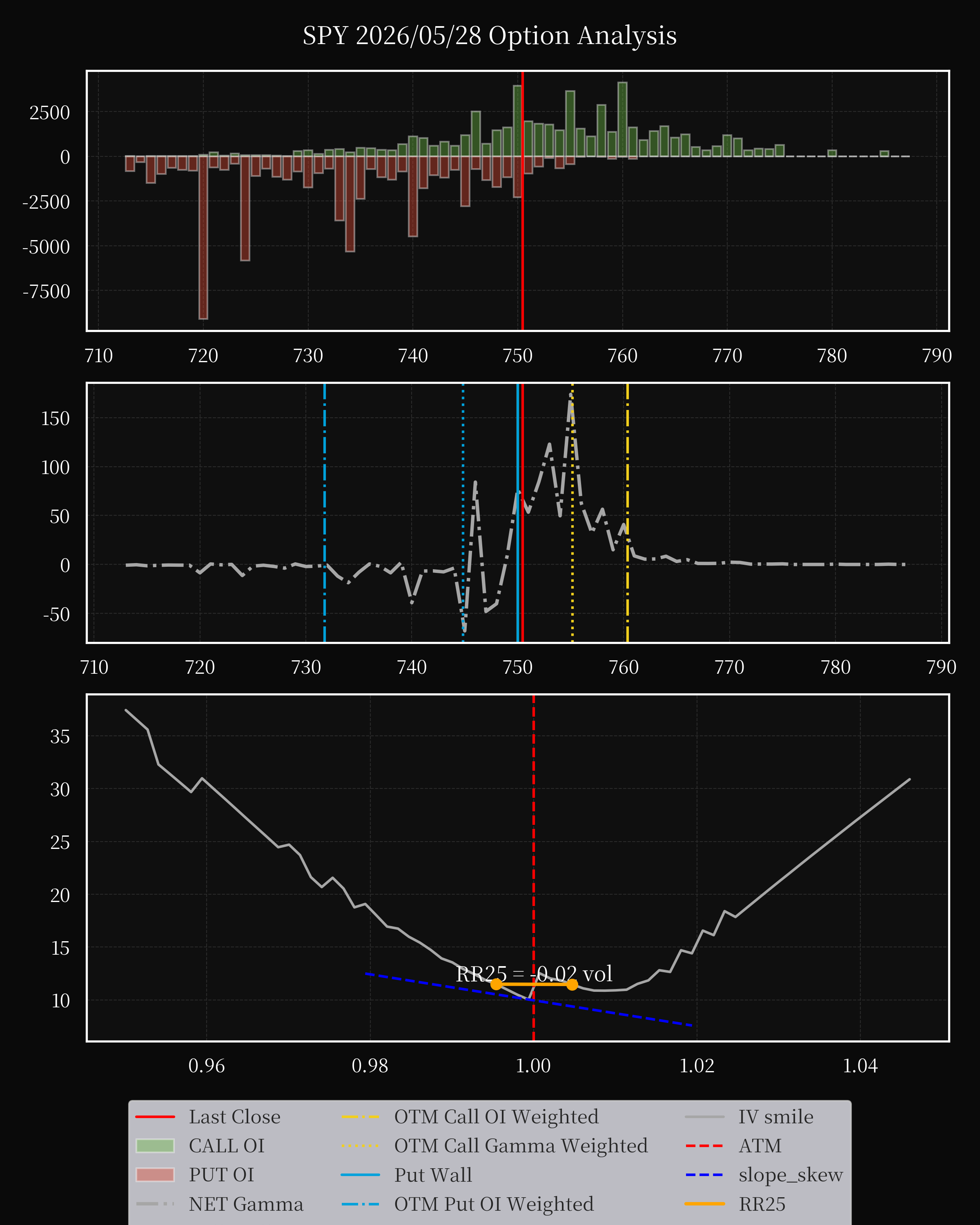
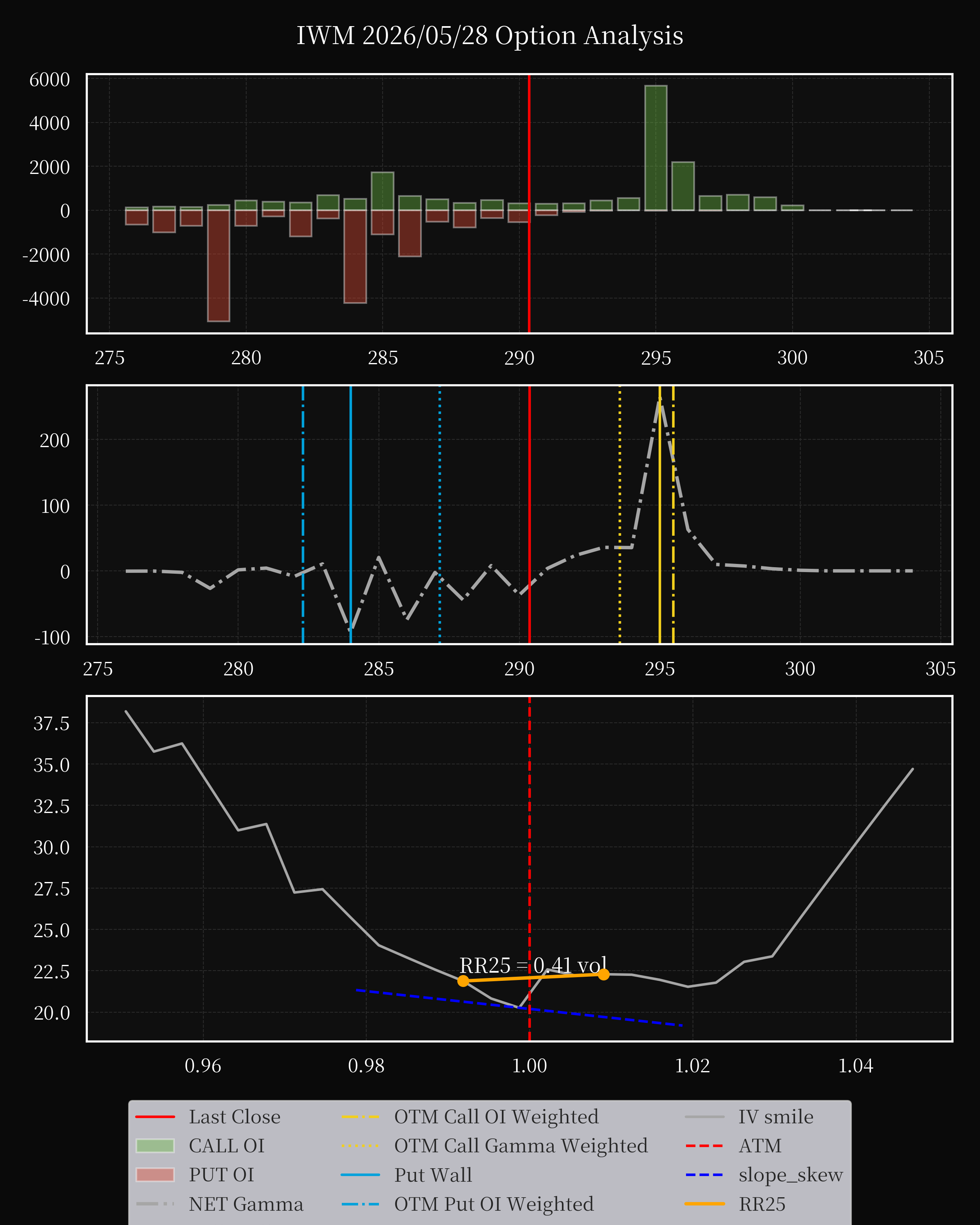
Markets experienced a nuanced session on Wednesday, shaped by geopolitical tensions, sector-specific anxieties, and broader macroeconomic considerations. The U.S. equity market closed mixed, with the Dow Jones Industrial Average edging higher by 0.4%, while the S&P 500 and Nasdaq remained largely unchanged. This divergence reflected divergent sectoral performances, particularly within technology, where semiconductor stocks faced pressure amid concerns over overvaluation and shifting demand dynamics. The Dow’s modest gain was buoyed by defensive positioning in sectors such as utilities and consumer staples, yet the broader market’s hesitancy underscored lingering uncertainty around the trajectory of U.S.-Iran relations and potential disruptions to global energy flows.
The most significant catalyst for market sentiment was the unfolding narrative around Iran’s nuclear negotiations. Reports of progress in drafting a framework to restore commercial shipping to prewar levels triggered a selloff in crude oil, with Brent crude futures declining 5.31% to $94.29 per barrel. This decline highlighted the market’s sensitivity to geopolitical developments, as energy prices directly influence inflation expectations and corporate margins. The U.S. government’s stance, as articulated by President Trump, further complicated the outlook. While signaling openness to continued negotiations, his administration’s willingness to escalate military action introduced an element of unpredictability, amplifying risk aversion among investors. The interplay between energy markets and equity valuations underscored the interconnectedness of global macroeconomic variables and their impact on asset pricing.
Equity markets also grappled with sector-specific headwinds, particularly in the technology space. Chipmakers, which had previously benefited from robust demand driven by AI adoption and digital transformation, now faced scrutiny over valuation multiples and potential demand moderation. The Nvidia and AMD declines, alongside a 1.4% drop in the PHLX Semiconductor index, signaled a broader reassessment of growth trajectories. This shift was exacerbated by concerns over the sustainability of leveraged buyout (LBO) activity in the software sector, where private equity firms had aggressively deployed debt to fund acquisitions. The subsequent scrutiny from regulators and investors, including the Federal Aviation Administration’s investigation into SpaceX’s recent test flight anomaly, reflected a growing emphasis on governance and operational transparency. Such developments underscored the evolving risk profile of high-growth sectors reliant on continuous innovation and capital efficiency.
The private credit market, a key driver of corporate financing in recent years, also came under renewed focus. Reports of redemption pressures in Vista Credit Strategic Lending, triggered by a single institutional investor’s withdrawal, highlighted vulnerabilities in non-traditional debt structures. This event, coupled with broader concerns over software exposure in CLO (collateralized loan obligation) deals, illustrated the fragility of markets that had previously enjoyed favorable terms. The 13.2% share of software borrowers in U.S. CLO portfolios, while declining slightly from prior levels, remained a point of contention for analysts. The tension between sectoral optimism and risk mitigation strategies revealed the market’s struggle to reconcile long-term growth narratives with short-term volatility.
Beyond equities and credit, macroeconomic indicators and central bank policies continued to shape investor expectations. The U.S. 10-year Treasury yield, which fell 0.18% to 4.49%, reflected a flight to safety amid geopolitical uncertainty. Meanwhile, the divergence between bond and equity performance highlighted the challenges of navigating a multi-faceted economic landscape. The Federal Reserve’s inflation data, particularly the upcoming PCE (Personal Consumption Expenditures) index reading, loomed large as a potential inflection point for monetary policy. Markets were acutely aware that any deviation from projected inflation trends could reignite rate hikes, further complicating the path to rate cuts.
Corporate actions and strategic moves also influenced market dynamics. JPMorgan Chase’s exploration of $20 billion in potential acquisitions, facilitated by regulatory flexibility, signaled a shift toward consolidation in the financial services sector. The bank’s focus on wealth management and payments innovation aligned with broader trends toward diversification and technological integration. Similarly, SpaceX’s regulatory challenges, including the FAA’s mandate for an investigation into its Starship rocket anomaly, underscored the regulatory risks inherent in high-stakes technological ventures. The company’s pursuit of a potential merger with Tesla, driven by Elon Musk’s vision for integrated energy and space infrastructure, illustrated the ambition and complexity of modern corporate strategies.
The broader implications of these developments extended beyond individual sectors, influencing investor behavior and portfolio allocations. The interplay between geopolitical risks, sectoral fundamentals, and macroeconomic signals created a volatile environment where traditional valuation models required recalibration. Investors increasingly prioritized resilience over growth, favoring companies with strong balance sheets and diversified revenue streams. The emphasis on governance, operational efficiency, and risk management became paramount, reflecting a market recalibrating to a new normal of heightened scrutiny and uncertainty.
In summary, Wednesday’s market activity was defined by a confluence of factors: geopolitical tensions, sector-specific corrections, regulatory interventions, and macroeconomic uncertainties. The interplay of these elements necessitated a nuanced approach to investing, with a focus on adaptability and long-term strategic positioning. As markets navigated these challenges, the emphasis on data-driven decision-making and proactive risk management became critical for navigating the evolving landscape. The lessons from this session underscored the importance of vigilance in an environment where traditional assumptions could be upended by unforeseen developments.
Watch List
NHC
Okay, here's a breakdown of the provided text, highlighting key aspects and potential implications: Core Document: Credit Agreement This is a complex legal document governing a loan arrangement, likely between a borrower (the Borrower) and a group of lenders (including the Administrative Agent, Lenders, and potentially a Letter of Credit Issuer and Swingline Lender). Key Provisions & Clauses: * Governing Law & Jurisdiction: The agreement is governed by New York law, and disputes will be resolved under that jurisdiction. * Administrative Agent Role: The Administrative Agent is central, managing the loan, coordinating with lenders, and handling various administrative tasks. * Waiver of Jury Trial: A standard clause limiting the ability to pursue legal action in a jury trial – favoring arbitration or court proceedings in New York. * No Fiduciary Duty: Crucially, the lenders are explicitly *not* obligated to act as fiduciaries to the borrower. This means they don't have a duty to protect the borrower's interests beyond the terms of the agreement. * Assignment Clause: Allows lenders to transfer their rights and obligations under the loan to another party, subject to certain conditions (including notification and consent requirements). * Setoff Rights: Lenders have the right to offset any amounts owed to them against the borrower's obligations under the loan. * Defaulting Lender Provisions: Addresses what happens if a lender defaults, including the ability to enforce the loan and potentially require the borrower to pay the defaulting lender. * USA Patriot Act Notice: A standard clause requiring the borrower to provide information to the lenders for anti-money laundering compliance. * “Bail-In” Clause (Significant): This is a critical and increasingly common provision in international loans. It grants the lenders (or an EEA Resolution Authority – European Union equivalent) the power to restructure or even “bail-in” the borrower’s obligations if the borrower is in financial distress. This means the lenders could essentially seize assets and convert them into cash or equity to cover their losses. This clause is designed to protect the lenders from catastrophic losses in a financial crisis. Important Considerations & Implications: * Risk Allocation: The agreement heavily favors the lenders, allocating significant risk to the borrower. * Complexity: The document is lengthy and complex, requiring careful review and understanding by all parties. * Potential
HCWB
HCW Biologics Inc. announced on May 21, 2026, that it has exercised its option to terminate its exclusive worldwide license agreement with Wugen Inc. This decision stems from a suspension letter agreement initially established on May 30, 2025. The suspension was triggered by the Company’s agreement with a third party to license its HCW9201 and HCW9206 technologies. Essentially, the Company opted to conclude the license agreement ahead of schedule. A press release detailing this action is attached as Exhibit 99.1 to this Form 8-K filing. It’s important to note that the information contained within this report, including the attached exhibit, does not constitute “filed” information for regulatory purposes. The filing was executed by authorized representatives of HCW Biologics Inc.
UTL
Unitil Corporation has finalized amendments to its previously announced purchase agreement to acquire Aquarion Water Authority’s subsidiaries, Aquarion Water Company of Massachusetts, Aquarion Water Company of New Hampshire, and Abenaki Water Co., Inc. These amendments, including Amendment No. 3 dated May 25, 2026, were implemented to clarify specific terms and conditions related to the acquisition. While Unitil and its affiliates have no direct relationship with Aquarion Water Authority beyond the agreement, the amendments provide investors with a detailed overview of the updated contractual arrangements. It’s crucial to note that these amendments are primarily for internal risk allocation between the parties and do not represent factual statements about Unitil’s condition or performance. Investors should not rely on the representations, warranties, or covenants within the amendment as definitive information and should always consult Unitil’s official disclosures for accurate financial and operational details. The full text of Amendment No. 3 is attached as Exhibit 2.1 for reference.
AMSC
AMSC announced strong financial results for its fourth quarter and fiscal year ended March 31, 2026, demonstrating significant growth and bolstering its position in the power control solutions market. Full-year revenue surged by 34% to a record $299.2 million, driven by robust organic growth within its Grid and Wind businesses, alongside the impact of the Comtrafo acquisition. The company’s 12-month backlog expanded nearly 40% to approximately $280 million, fueled by demand from the traditional energy sector and a notable increase in data center requirements within the utility market. Net income for the year reached $133.8 million, or $3.12 per share, significantly up from $6.0 million in the prior year, largely due to a non-cash tax benefit. Looking ahead, AMSC projects revenues exceeding $85.0 million for the first quarter ending June 30, 2026, with net income expected to surpass $3.0 million, or $0.07 per share. The company’s strong performance reflects strategic execution and a growing addressable market. AMSC’s Chairman and CEO highlighted the company’s focus on continued growth and customer success, emphasizing its commitment to powering progress and driving long-term value. However, the company cautioned that actual results could differ materially from these forecasts due to factors such as changes in contingent consideration and other adjustments outlined in their financial reporting.
CIGI
Colliers International has finalized the acquisition of Ayesa Engineering S.A.U., a prominent global engineering and project management firm headquartered in Seville, Spain, significantly bolstering its Engineering segment. This strategic move expands Colliers’ global footprint to encompass operations in 23 countries with over 11,000 professionals, solidifying its position as a leading consultancy specializing in engineering, design, project management, and technical consulting services across Property & Buildings, Infrastructure & Transportation, Water, and Environmental sectors. The acquisition brings together Ayesa’s over 3,300 professionals and leverages Colliers’ established partnership model, where key operators retain equity and drive business growth. Colliers’ Global Chairman and CEO, Jay Hennick, highlighted the acquisition’s impact on global scale and earnings resilience, emphasizing the company’s ability to partner with exceptional operators. Ayesa’s expertise, demonstrated through projects like the Santiago Bernabéu Stadium transformation and desalination facilities in Saudi Arabia, complements Colliers’ existing capabilities, particularly in high-growth markets across Europe, Latin America, and Asia. Rosalío Alonso, CEO of Ayesa Engineering, expressed excitement about the opportunity for her team to become significant stakeholders within the business, benefiting from Colliers’ global scale and established track record. The transaction was supported by financial advisors Alantra and Baird, and legal counsel Uría Menéndez and Pérez-Llorca.
ANF
Abedcrombie & Fitch Co. reported a strong first-quarter fiscal 2026 with record net sales of $1.1 billion, a 2% increase year-over-year, driven by growth in the Americas and APAC regions. While EMEA sales declined by 10% due to the Middle East conflict, the company’s operating margin remained healthy at 8.0%, and earnings per diluted share exceeded expectations at $1.47. The company continued its focus on shareholder returns, repurchasing $105 million in shares. Looking ahead, Abercrombie & Fitch maintains its full-year outlook of 3% to 5% net sales growth and a net income per diluted share of $10.20 to $11.00, alongside approximately $450 million in share repurchases. The company anticipates a 2% to 4% net sales growth for the second quarter, with earnings per diluted share projected at $1.80 to $2.00, and at least $150 million in share repurchases. The company is also navigating challenges related to tariffs, estimated to impact operating margins, and is actively pursuing IEEPA tariff refunds. The company’s liquidity remains strong at $1.0 billion, and it is focused on strengthening its brands and customer experiences through store investments and marketing initiatives. A key area of focus is managing risks associated with global operations, supply chain disruptions, and geopolitical events, while continuing to optimize its new ERP systems.
BRZE
Braze announced strong financial results for its fiscal first quarter of 2027, demonstrating continued organic revenue growth and impressive customer engagement. The company reported a 30.2% year-over-year revenue increase to $211.0 million, driven by new customer acquisitions, upsells, and renewals, alongside a robust 27% organic growth rate. Notably, Braze’s dollar-based net retention rate reached 110%, indicating strong customer loyalty and value. The company’s AI-powered customer engagement platform, including BrazeAI Operator™, Agent Console™, and Decisioning Studio™, is fueling this growth, with leading brands increasingly adopting the platform to deepen direct-to-consumer relationships. Braze’s key financial highlights include a significant increase in subscription revenue to $195.2 million and a substantial rise in total customers to 2,713. Remaining performance obligations stand at $1.08 billion, demonstrating continued investment in customer success. While gross margins saw a slight decrease year-over-year, non-GAAP operating income increased to $10.5 million, reflecting improved operational efficiency. The company also announced several key strategic initiatives, including the launch of Braze Creative Studio with Figma and Canva integrations, and the general availability of BrazeAI Operator™ and Agent Console™ ahead of schedule. Nick Rockwell will join as Chief Information Officer, and Pankaj Malik has been appointed Interim Chief Financial Officer. Braze also highlighted a successful City x City London event and a Forrester Total Economic Impact™ study demonstrating a 457% return on investment for customers utilizing the Braze platform.
MRVL
Marvell Technology Inc. announced record first-quarter fiscal year 2027 revenue of $2.418 billion, a 28% year-over-year increase, marking a new company record. The company’s GAAP net income for the period was $34.5 million, or $0.04 per diluted share, while non-GAAP net income reached $718.0 million, or $0.80 per diluted share, driven by a strong cash flow of $638.8 million. Following the acquisitions of Celestial AI and XConn Technologies in February 2026, the financial results now include those of these companies. CEO Matt Murphy highlighted significant AI-related bookings and a revised revenue outlook, anticipating continued growth fueled by data center strength. Looking ahead, Marvell projects second-quarter fiscal 2027 revenue of $2.7 billion, with GAAP gross margins expected between 52.1% and 53.1% and non-GAAP margins between 58.25% and 59.25%. Operating expenses are projected at approximately $960 million (GAAP) and $600 million (non-GAAP), with weighted-average shares outstanding estimated at 899 million (basic) and 915 million (diluted). The company’s financial performance reflects a focus on key areas including 800G and 1.6T optics, Ethernet switches, and XPU solutions. Marvell continues to emphasize its collaborative approach with customers and its role in shaping the future of data infrastructure.
SNBR
At Sleep Number Corporation’s 2026 Annual Meeting, shareholders voted on several key proposals, but none received the required two-thirds majority vote needed for approval. Despite representing 77.96% of outstanding shares, shareholders rejected amendments to declassify the Board of Directors and eliminate supermajority voting requirements outlined in Articles XIV and XV of the company’s Articles. A proposal to ratify Deloitte & Touche LLP as the independent registered public accounting firm was approved by a majority vote, and an advisory vote on executive compensation also passed. Finally, an amendment to the Sleep Number Corporation 2020 Equity Incentive Plan was approved by the majority of shareholders. While the Board expressed its belief that these proposed changes were beneficial, they remain committed to pursuing them, acknowledging the disappointment of the unsuccessful votes and the inherent risks associated with forward-looking statements.
FLD
Fold Holdings, Inc. recently issued a press release announcing a credit facility agreement with a third party to bolster its credit card program. However, the company has since retracted that press release and is now clarifying that, as of today’s date, no such credit facility has been established. Despite ongoing efforts to support its credit card program, Fold Holdings emphasizes that entering into a credit facility with a third party is not guaranteed, and the company doesn’t anticipate securing such an agreement at this time. The retraction highlights a shift in the company’s strategy and underscores a cautious approach to financing its credit card operations.
IanFV (www.ianfv.com) is the world's first pure-blood, neutral research institution built on LLM (Large Language Models) specifically for individual investors. Founded by a top-tier team with backgrounds from Tsinghua, Harvard, Morgan Stanley, and UBS, we are committed to breaking down high-priced information barriers and providing institutional-grade investment research at affordable prices. Unlike traditional institutions, IanFV does not serve big-money sponsors or inflate market bubbles. Leveraging a proprietary knowledge graph and a fully localized deployment architecture, we achieve a differentiated competitive advantage through light assets and high efficiency. Our research reports refuse to "sell dreams": valuation reports are based on point-in-time intervals rather than reverse-engineered numbers; industry reports focus relentlessly on real trends over the next six to twelve months; and in-depth reports penetrate market bubbles to strike at the core of corporate survival moats—all to ensure investors hold the most authentic research cards in the secondary market.