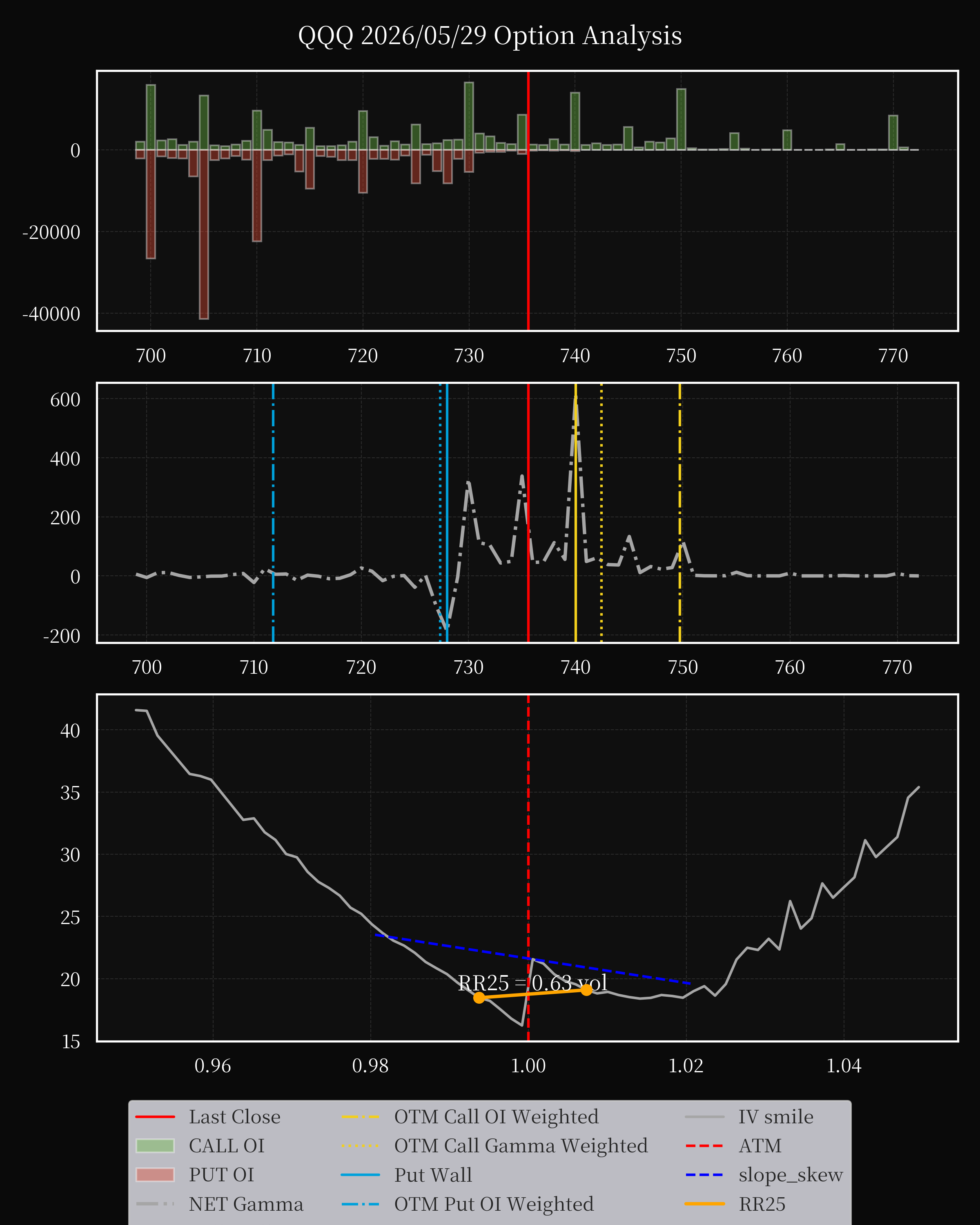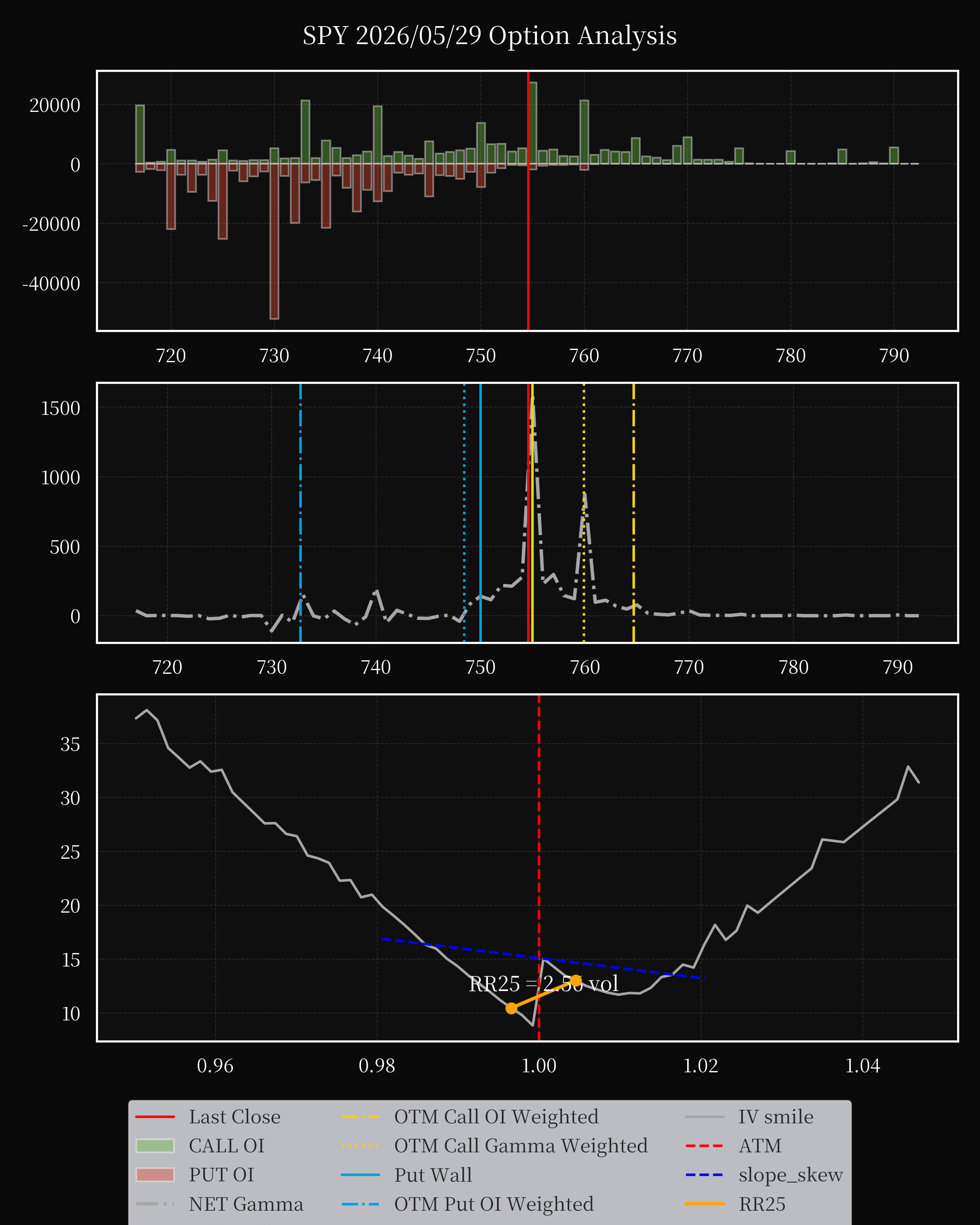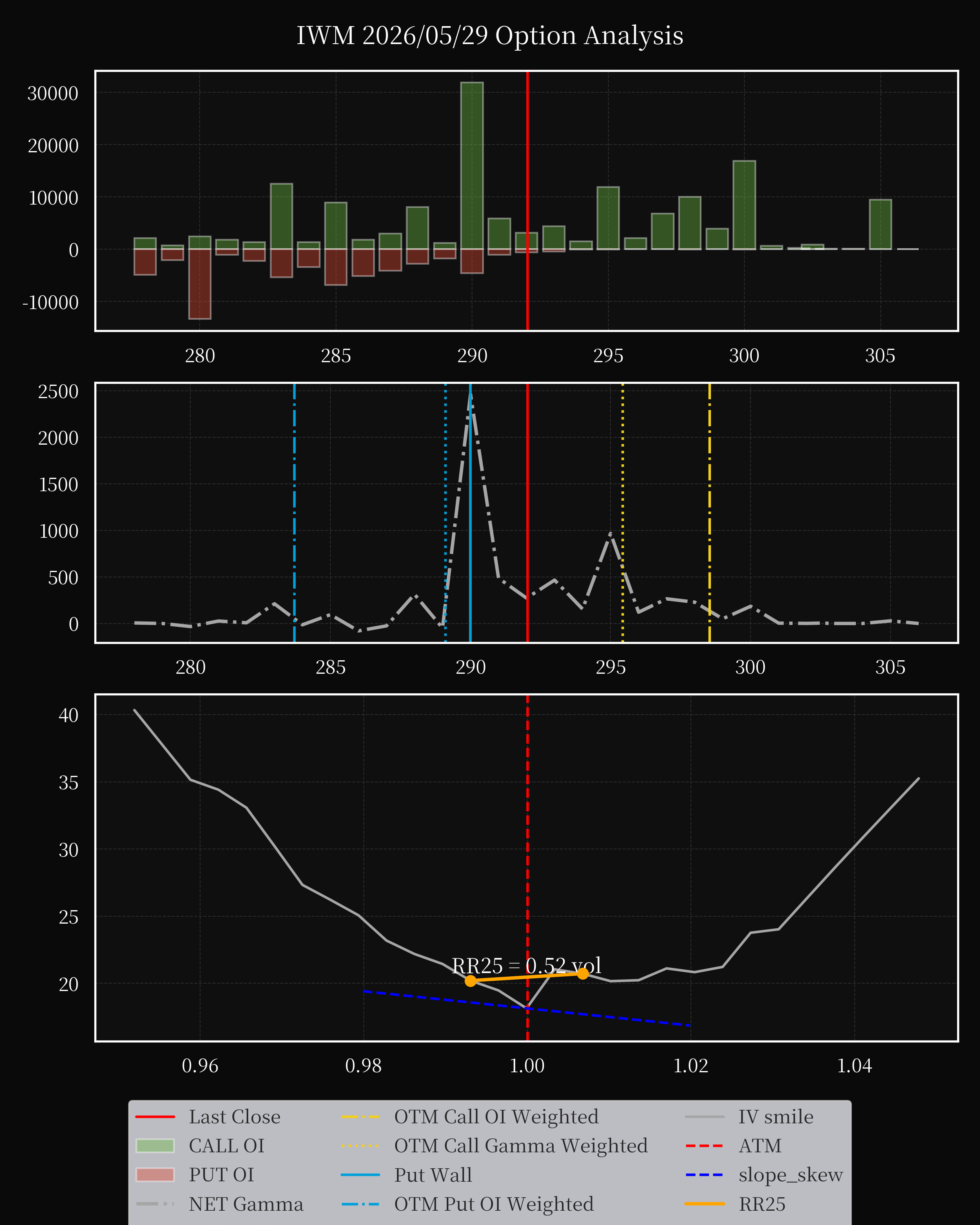
Overall
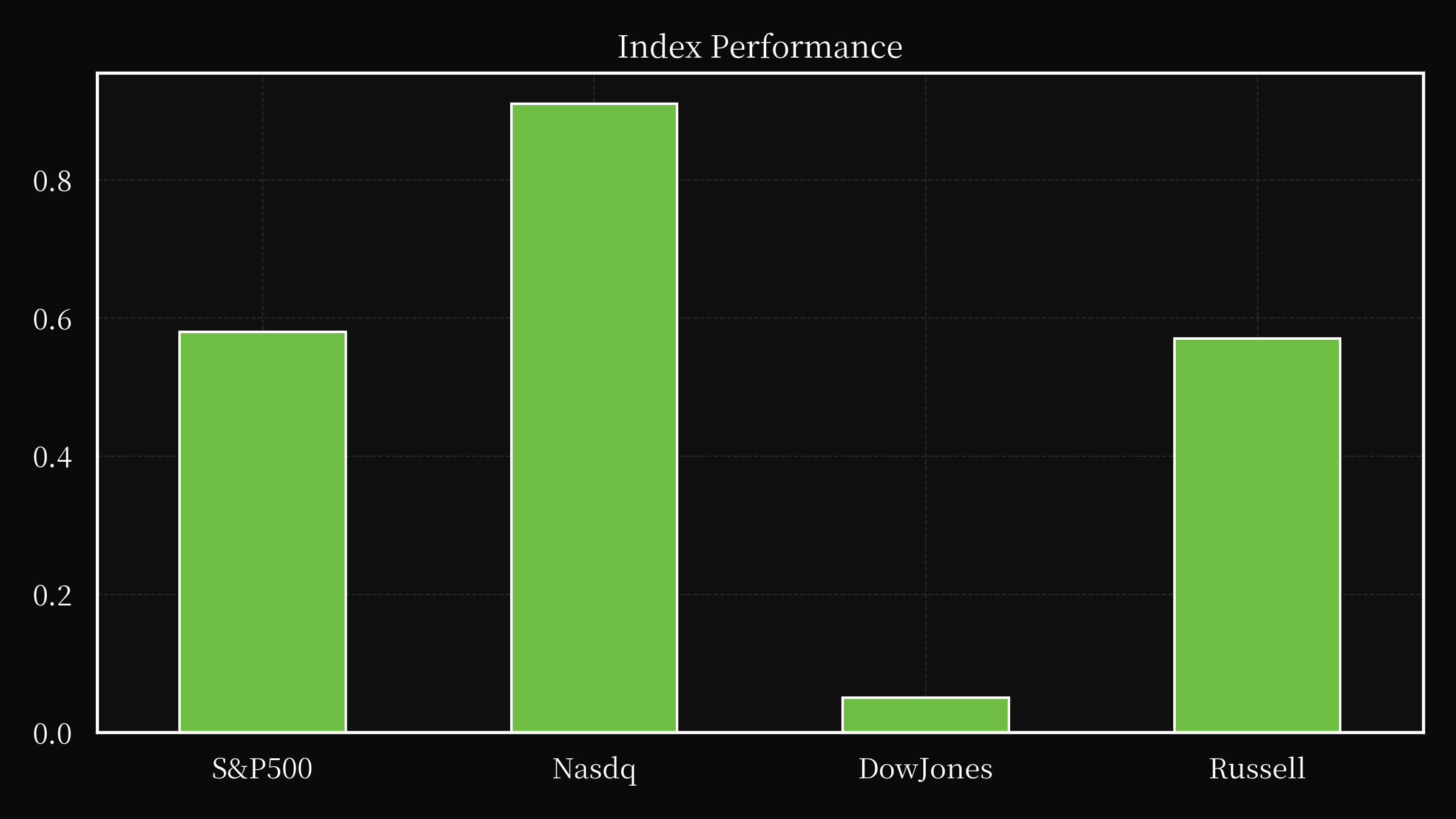
Markets experienced a nuanced day marked by geopolitical developments, macroeconomic data, and sector-specific dynamics that collectively shaped investor sentiment and positioning. The interplay between these factors underscores the complexity of current market conditions, requiring a granular examination of their implications.
The U.S. stock market’s resilience amid mixed economic signals reflects a delicate balance between optimism and caution. The S&P 500’s 0.6% gain, despite a slower-than-expected Q1 GDP growth of 1.6% annualized, highlights the market’s focus on near-term stability over longer-term growth concerns. This divergence between headline economic metrics and equity performance suggests that investors are prioritizing factors such as corporate earnings resilience, sector rotation, and the potential for policy adjustments. The 1.4% annualized rise in consumer spending, though below initial forecasts, remains robust relative to broader economic headwinds, indicating underlying strength in discretionary sectors. However, the 9-month high in 30-year fixed mortgage rates to 6.53% introduces a critical variable: elevated borrowing costs may dampen housing demand and, by extension, consumer confidence, creating a feedback loop that could constrain growth.
The geopolitical landscape, particularly the tentative Iran ceasefire agreement, introduces a layer of uncertainty that reverberates across commodity markets and risk appetite. While the potential extension of the ceasefire reduces immediate conflict risks in the Strait of Hormuz, the lack of formal confirmation from either side leaves room for volatility. For energy markets, the stabilization of crude prices—down from the peak surges following the U.S.-Iran escalation but still elevated—reflects a market recalibrating to reduced conflict premiums. This dynamic benefits equities in energy-adjacent sectors while tempering inflationary pressures that have historically weighed on consumer spending. The interplay between geopolitical risk and monetary policy remains pivotal, as central banks navigate the dual mandate of sustaining growth while anchoring inflation expectations.
Sectoral performance reveals divergent trends that warrant close scrutiny. The technology sector, particularly AI-driven enterprises, continues to attract capital despite broader market caution. Anthropic’s $965 billion valuation following a $65 billion funding round exemplifies the premium placed on innovation in generative AI and cybersecurity. However, the stock’s trajectory is contingent on execution risks, regulatory scrutiny, and the ability to monetize advanced models. Conversely, companies like SentinelOne and Synopsys faced sell-offs despite positive earnings, underscoring the market’s sensitivity to execution challenges and competitive dynamics. The contrast between these outcomes highlights the importance of differentiation in a crowded tech landscape, where first-mover advantages and scalability determine long-term viability.
The automotive industry’s struggles reflect structural shifts in consumer behavior and supply chain constraints. The exodus of one million prospective buyers since the start of the decade, driven by inflation, fuel costs, and elevated vehicle prices, signals a fundamental recalibration of demand. This trend pressures manufacturers to optimize cost structures and explore alternative mobility solutions, such as electric vehicles (EVs) and shared transportation models. The sector’s performance also intersects with broader economic indicators, as rising interest rates amplify the cost of financing, further deterring price-sensitive buyers. Investors must weigh these challenges against potential catalysts, including government incentives for EV adoption and advancements in battery technology that could alter the competitive calculus.
Macro-level indicators, such as the U.S. unemployment rate and inflation data, provide mixed signals. While the labor market remains resilient, with employment figures suggesting adaptability despite sectoral layoffs in tech and finance, the uptick in unemployment claims hints at cyclical vulnerabilities. Inflation, though moderating, remains above the Federal Reserve’s 2% target, complicating the path to rate cuts. The divergence between core inflation metrics and headline figures necessitates a nuanced approach to monetary policy, with implications for bond yields, equity valuations, and currency movements. The Fed’s upcoming speeches and policy decisions will likely serve as key catalysts, influencing risk appetite and sector rotation strategies.
The financial sector’s performance, particularly in banking, reflects both opportunities and risks. Banks are increasingly allocating capital toward political spending and strategic initiatives, mirroring tactics employed by crypto firms to align with regulatory and public sentiment. This trend underscores the sector’s evolving role in a fragmented policy environment, where alignment with legislative priorities can enhance operational flexibility. However, the sector’s sensitivity to interest rate fluctuations and credit risk remains a critical consideration, particularly as the Fed’s stance on monetary policy crystallizes.
In summary, the market’s current configuration is shaped by a confluence of geopolitical, macroeconomic, and sector-specific forces. Investors must navigate these dynamics with an emphasis on forward-looking indicators, competitive positioning, and policy developments. The interplay between growth prospects, inflationary pressures, and technological disruption will likely define market trajectories in the near term, demanding a disciplined approach to portfolio construction and risk management. The coming weeks will test the market’s ability to reconcile these competing forces, with implications for both equity valuations and broader economic stability.
Watch List
AZZ
AZZ is a differentiated, high-value-add metal coatings provider with a strong foundation and significant growth potential in the North American steel and aluminum markets. The company’s unique technology, combined with secular growth drivers like infrastructure investment and plastics-to-aluminum conversion, positions it for above-market sales and margin growth, generating substantial free cash flow. AZZ’s strategic focus includes disciplined capital allocation, supporting high return on investment (ROI) projects and strategic mergers and acquisitions, alongside a commitment to returning capital to shareholders through share repurchases and dividends. The company’s coil coating and hot-dip galvanizing solutions offer environmentally friendly options, and it’s dedicated to EPS growth through operational improvements. AZZ operates with a market-leading position in both coil coating and hot-dip galvanizing, employing 3,767 people across 46 coil coating and 42 galvanizing locations. Key strategic initiatives include investing in the new Washington, Missouri coil coating facility, leveraging digital technologies like the Digital Galvanizing System (DGS) and CoilZone, and pursuing bolt-on acquisitions. The company maintains a target net leverage range of 1.0x to 2.0x, aiming for a strong free cash flow generation and a track record of successful M&A integration. AZZ’s future growth is underpinned by a diverse end-market exposure, including agriculture, food processing, and oil & gas, and a commitment to sustainability and innovation.
UVE
Universal Insurance Holdings, Inc. has successfully finalized its combined 2026-2027 reinsurance program, effective June 1, 2026, securing significant coverage for its subsidiaries, Universal Property & Casualty Insurance Company (UPCIC) and American Platinum Property and Casualty Insurance Company (APPCIC). This program, valued at $2.623 billion, provides critical protection against catastrophic losses exceeding the Insurance Entities’ initial retention of $45 million. Notably, the arrangement includes a layered approach with multiple excess of loss towers, offering flexibility and protection up to $1.209 billion in a second event. Crucially, the Company has secured reinstatement premium protection to cover potential premium costs following a covered event, alongside a $66 million captive insurance arrangement and a private market excess of loss coverage of $86 million. Furthermore, UPCIC and APPCIC have maintained their 90% FHCF (Florida Hurricane Catastrophe Fund) reimbursement contracts, providing approximately $1.390 billion and $25 million in coverage respectively, bolstering their ability to manage potential claims. To mitigate future risks, the companies have also obtained $352 million in catastrophe capacity extending coverage through 2027-2028, demonstrating a proactive strategy to safeguard its financial stability. This news was announced via a press release, attached as Exhibit 99.1.
S
SentinelOne, Inc. recently announced its first-quarter fiscal year 2027 financial results, concluding April 30, 2026, alongside a webcast discussion and the release of an earnings presentation (Exhibits 99.1 and 99.2). The company’s results included a restructuring plan, dubbed “The Plan,” designed to optimize operations and prioritize investments in key growth areas like AI, data, cloud, and endpoint security. This initiative involves a reduction of approximately 8% of the company’s full-time workforce, anticipated to incur a one-time charge of roughly $25 million, primarily comprised of severance payments and stock-based compensation estimates ranging from $12-$14 million and $10-$12 million respectively. The majority of these expenses are projected to be realized in the second quarter of fiscal 2027, although local legal requirements could extend the completion timeline in certain international locations. It’s important to note that these estimates are subject to various assumptions and potential unforeseen events, and SentinelOne intends to exclude these restructuring costs from its non-GAAP financial metrics. Investors and interested parties are encouraged to review the full press release and earnings presentation for comprehensive details and updates, which can be found on the company’s investor relations page.
ADSK
Autodesk announced its first-quarter fiscal 2027 results, reporting a 18% year-over-year revenue increase to $1.93 billion, with a 16% rise on a constant currency basis. The company’s strategy centers around integrating AI, specifically leveraging its 3D technology and parametric models to validate AI outputs against real-world constraints, as stated by CEO Andrew Anagnost. Autodesk is also pursuing a unified platform through the acquisition of MaintainX, a move aimed at bolstering its operations offerings. CFO Janesh Moorjani highlighted the successful execution of the company’s sales reorganization and raised guidance for fiscal 2027, anticipating continued momentum driven by the restructuring. The acquisition of MaintainX is expected to contribute to Autodesk’s long-term growth and shareholder value. Autodesk’s product portfolio remains focused on AECO, MFG, and M&E, reflecting its core design and make platform. The company’s financial performance demonstrates solid execution and a commitment to innovation, particularly in the application of AI within its core technologies. Autodesk continues to monitor and adapt to market dynamics, with a focus on delivering value to its customers and stakeholders.
SUI
Okay, here's a breakdown of the provided text, categorized for clarity and highlighting key aspects: I. Core Agreement & Structure * This is a complex legal document. It’s a Schedule to a larger agreement (likely a transaction agreement related to the sale of a business). * Multiple Parties: The agreement involves the Buyer, the Seller (Sun Communities, Inc. and its related entities), and potentially other Target Companies. * Key Transaction: The core of the schedule revolves around the transfer of shares and associated liabilities related to employee benefits and taxes. II. Schedule 12 – Tax Warranties & Leakage Provisions This is the most detailed and critical section. It’s designed to protect the Buyer from unexpected tax liabilities arising from the Target Companies’ operations. * Tax Warranties (Paragraph 2): The Seller guarantees that the Target Companies will comply with all relevant tax laws and regulations. This is a broad warranty with significant implications. * Leakage Provisions (Paragraph 4): This is the heart of the schedule. It defines what constitutes a “Leakage Claim” – a situation where the Target Companies incur tax liabilities that weren’t previously accounted for. * Definition of Leakage: Leakage is broadly defined as any amount that would have been accounted for but wasn't, including: * Employee Tax (PAYE) * Tax Savings (through reliefs like capital allowances) * Any other tax liability that arises due to the transaction. * Triggering the Claim: A Leakage Claim is triggered if the Target Company incurs a tax liability that wasn’t previously accounted for. * Seller’s Liability: The Seller is liable for the *entire* Leakage Claim (up to a capped amount of £1,000,000) if it’s proven to be a breach of the Tax Warranties. * Buyer’s Recourse: The Buyer can claim against the Seller for the Leakage Claim. * Specific Leakage Categories: The schedule breaks down Leakage into specific categories to clarify the circumstances under which the Seller is liable: * Employee Tax: Tax owed on employee compensation. * Capital Allowances: Tax deductions for capital expenditure. * CT Deduction: Tax deductions for corporation tax.
PBF
PBF Energy Corp. recently completed an offering of 7.250% senior notes, a move guaranteed by a consortium of affiliated entities including PBF Services Company LLC and several of its refining subsidiaries. These notes, slated to mature in June 2034, represent a significant debt instrument with a semi-annual interest payment schedule and a potential redemption option for PBF Energy up to 40% of the principal before June 1, 2029, utilizing proceeds from equity offerings. The structure of the notes incorporates several layers of subordination, prioritizing repayment over existing and future debt, though secured debt retains precedence. Notably, a change of control or covenant termination event could trigger a mandatory purchase offer at 101% of the principal, alongside accrued interest, or a “make-whole” redemption price respectively. The issuance of these notes, detailed in Exhibit 4.1 and 4.2, adds to PBF Energy’s existing debt obligations, including its revolving credit facility and outstanding senior unsecured notes, and reflects the company’s strategy to manage its capital structure.
TWO
Two Harbors Investment Corp. (TWO) has adjourned its previously announced virtual special meeting of stockholders, which was intended to approve the proposed transaction between TWO and CrossCountry Intermediate Holdco, LLC (an affiliate of CrossCountry Mortgage, LLC – CCM). The adjournment was announced in a press release filed as Exhibit 99.1 to the Form 8-K. This action reflects ongoing considerations regarding the proposed CCM transaction, including potential closing conditions and uncertainties. The filing highlights the forward-looking nature of information contained within the report, acknowledging risks associated with the transaction’s completion, such as potential delays in approvals, adverse impacts on stock price, and disruptions to operations. Key risks include the possibility of the transaction failing to close, potential negative impacts on TWO’s business and financial results, and regulatory or legal challenges. TWO recently filed a definitive proxy statement (the “Proxy Statement”) with the SEC on April 20, 2026, and mailed it to stockholders, which contains detailed information about the proposed CCM transaction. Stockholders are urged to carefully review the Proxy Statement and other related filings for comprehensive details. TWO’s Investor Relations team can be contacted for access to relevant documents, including its Form 10-K/A filed on April 27, 2026, which provides further details on executive compensation and ownership.
PKE
Park Aerospace Corp. (NYSE:PKE) announced strong financial results for the 2026 fiscal year, demonstrating significant growth compared to the previous year. Fourth-quarter net sales surged to $24.19 million, a notable increase from $16.94 million in 2025, alongside a full-year revenue jump to $73.30 million versus $62.03 million in 2025. Net earnings also rose substantially, reaching $11.27 million for the year and $3.84 million in the fourth quarter, driven by increased sales and improved operational efficiency. Notably, the company experienced a one-time impact in 2025 due to storm damage at its Newton, Kansas facility, which was subsequently addressed. While special items were absent in 2026, the company highlighted its focus on providing comprehensive composite solutions for the aerospace industry, including film adhesives, lightning strike protection, and materials for rocket motors and radomes. Park Aerospace continues to target niche markets like prototype aircraft and legacy aircraft spares, reflecting its commitment to tackling complex aerospace challenges. The company’s management plans to hold a conference call to discuss these results and provide further insights into its strategic direction.
BLNE
Please provide me with the 6-K or 8-K content from the SEC Filing you want me to summarize. I need the text of the filing to be able to fulfill your request and create a fluent paragraph summarizing it within the specified word limit. Once you paste the content here, I’ll be happy to generate the summary for you.
IONS
Ionis Pharmaceuticals announced today that positive pivotal data from its partner, GSK, regarding bepirovirsen, an investigational antisense oligonucleotide for chronic hepatitis B (CHB), has yielded promising results. The data, published in the *New England Journal of Medicine* and presented at the European Association for the Study of the Liver, demonstrated a statistically significant 19% functional cure rate at six months with bepirovirsen in patients with ≤3000 IU/ml hepatitis B surface antigen (HBsAg) levels, significantly surpassing the typical <1% functional cure rate of existing treatments. Notably, a 26% functional cure rate was observed in patients with ≤1000 IU/ml HBsAg, representing approximately 45% of global CHB cases. Furthermore, exploratory analyses revealed that 49% of recipients achieved undetectable HBsAg levels one year after treatment cessation, alongside a sustained DNA lower limit of quantification (<LLOQ) at week 72 for a substantial portion of participants. The trials showcased an acceptable safety profile, with injection site reactions being the most common adverse events. Bepirovirsen is currently under priority review by the FDA with Breakthrough and Fast Track designations, and is also under review by regulatory bodies in Europe, Japan, and China. GSK licensed bepirovirsen from Ionis in 2019 under a collaborative agreement, with Ionis receiving upfront payments, license fees, and milestone payments, alongside tiered royalties on net sales.
IanFV (www.ianfv.com) is the world's first pure-blood, neutral research institution built on LLM (Large Language Models) specifically for individual investors. Founded by a top-tier team with backgrounds from Tsinghua, Harvard, Morgan Stanley, and UBS, we are committed to breaking down high-priced information barriers and providing institutional-grade investment research at affordable prices. Unlike traditional institutions, IanFV does not serve big-money sponsors or inflate market bubbles. Leveraging a proprietary knowledge graph and a fully localized deployment architecture, we achieve a differentiated competitive advantage through light assets and high efficiency. Our research reports refuse to "sell dreams": valuation reports are based on point-in-time intervals rather than reverse-engineered numbers; industry reports focus relentlessly on real trends over the next six to twelve months; and in-depth reports penetrate market bubbles to strike at the core of corporate survival moats—all to ensure investors hold the most authentic research cards in the secondary market.