Overall
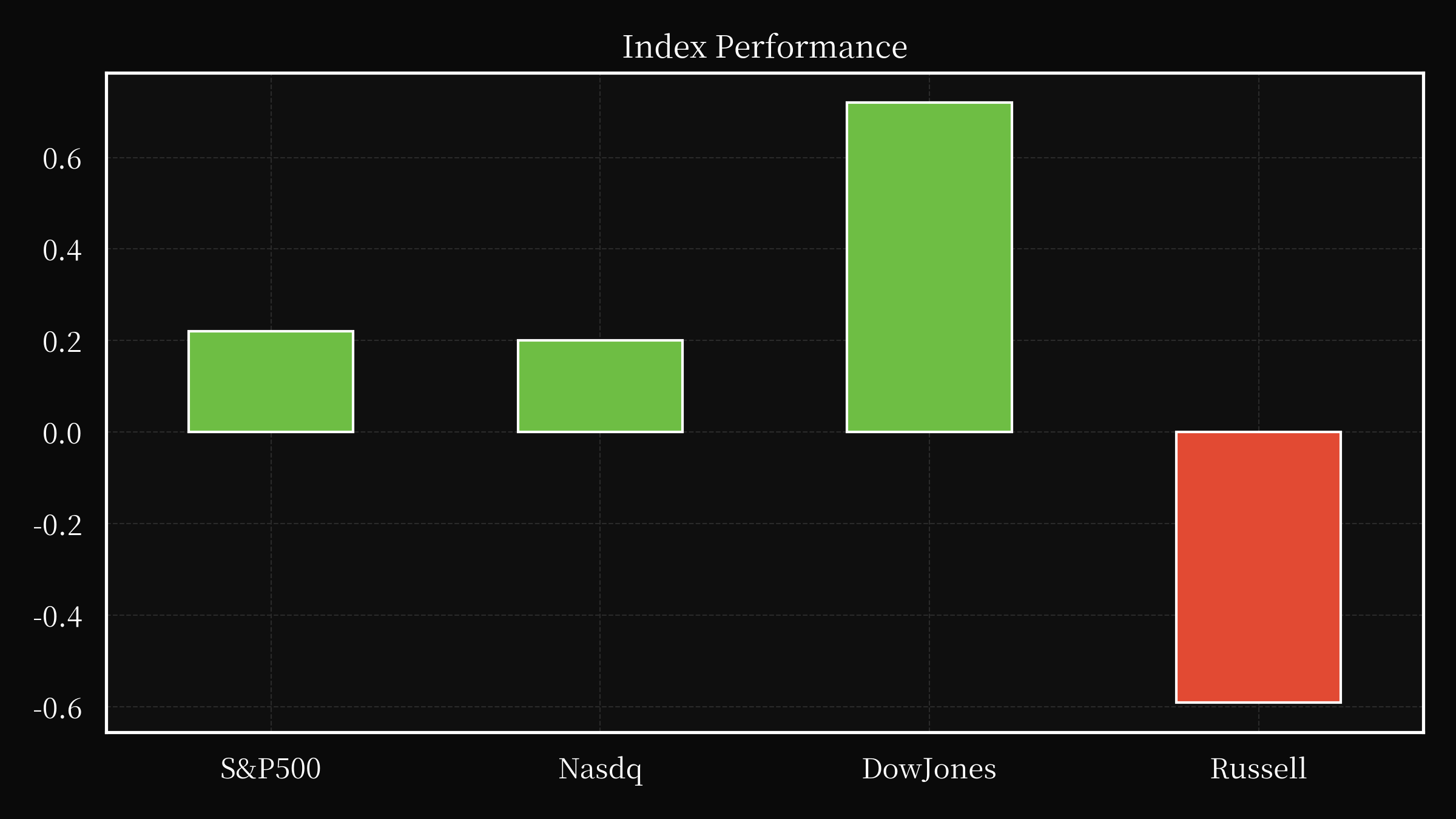
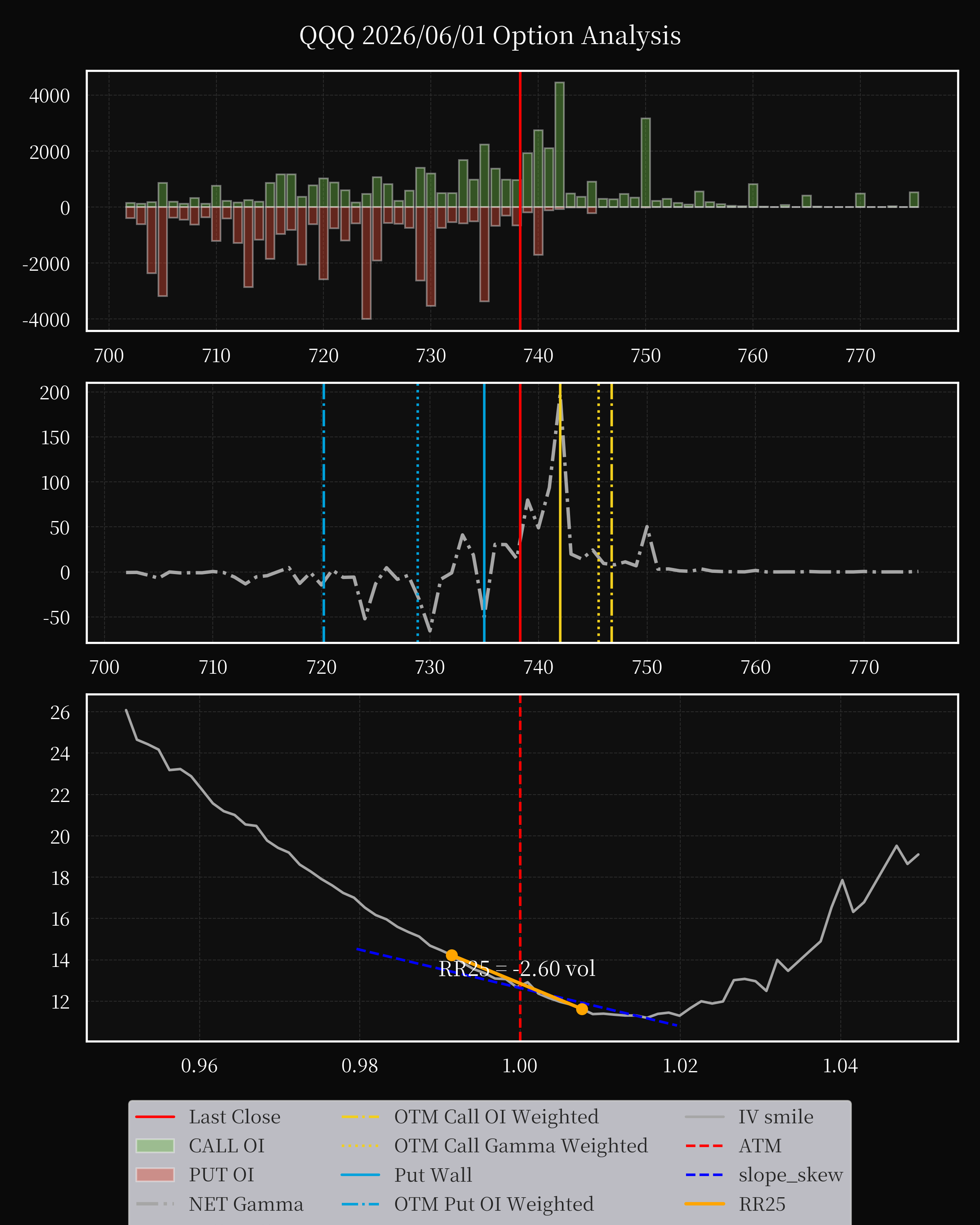
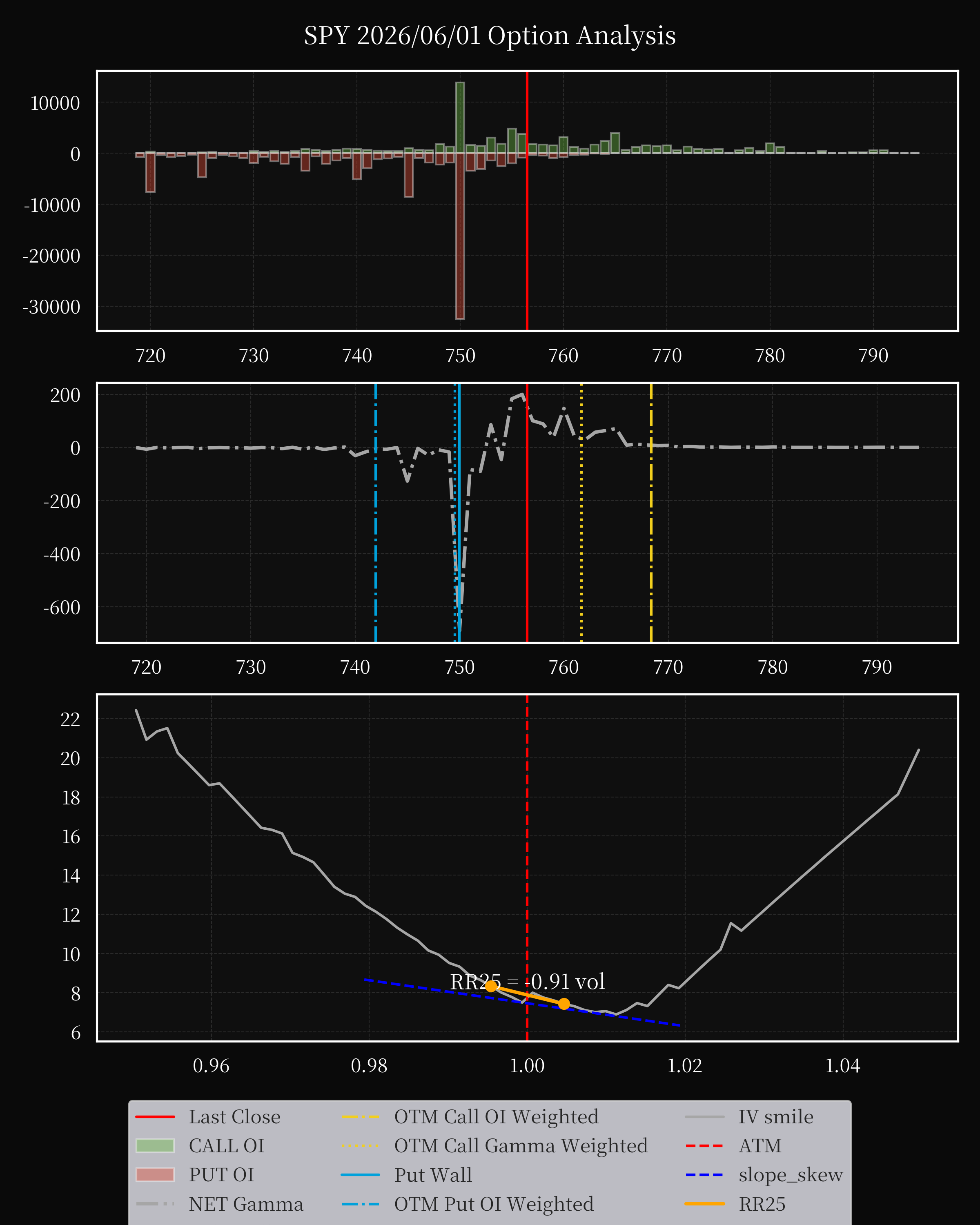
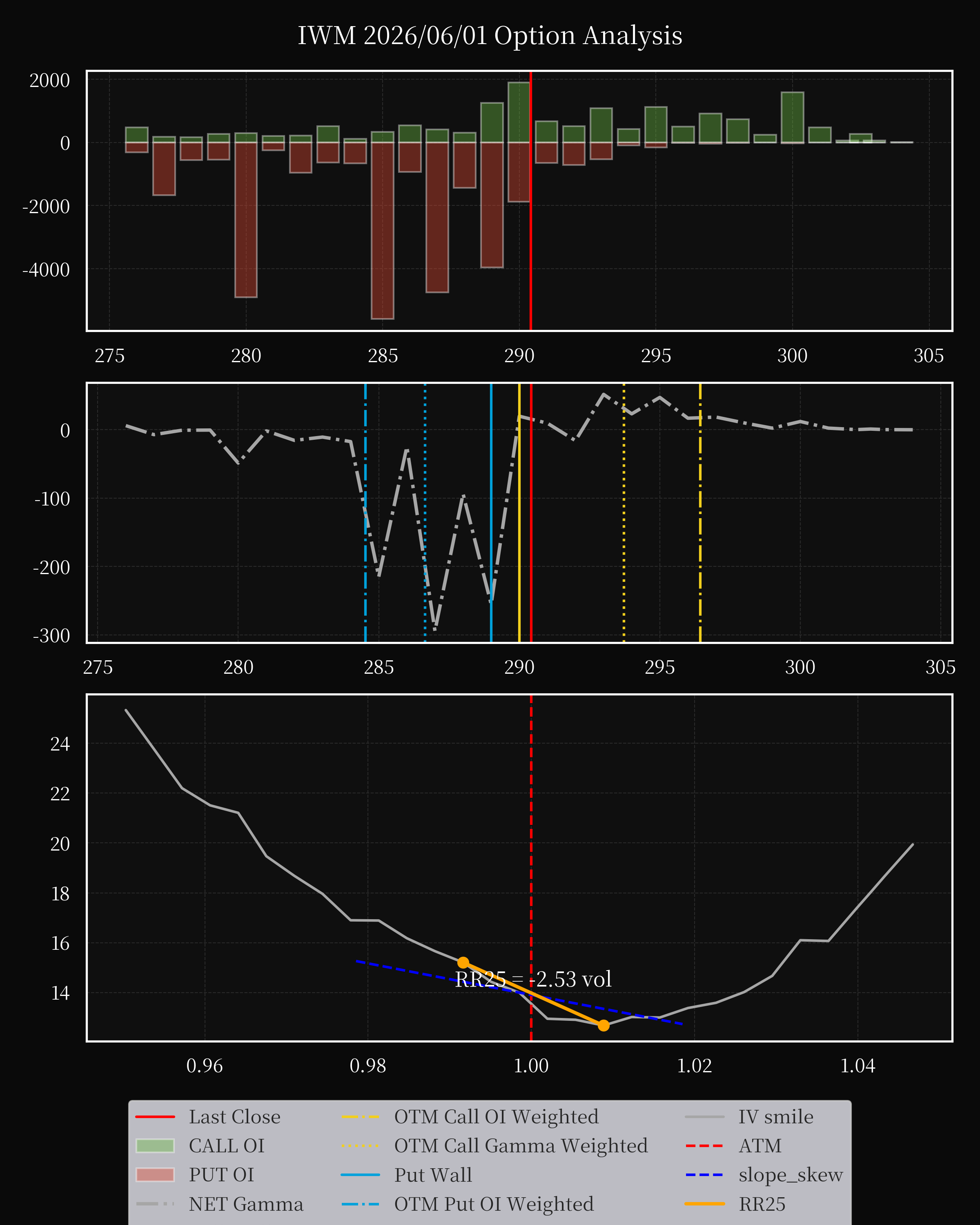
The U.S. equity markets closed Friday with a modest gain, extending a recovery that has persisted through the week amid a complex backdrop of corporate earnings, macroeconomic indicators, and geopolitical developments. The S&P 500 and Nasdaq closed near record highs, reflecting resilience in growth-oriented sectors despite mixed signals from labor markets and consumer spending. The Dow Jones Industrial Average, while slightly higher, lagged behind its broader counterparts, underscoring the uneven pace of recovery across indices. This performance aligns with a broader narrative of optimism in equities, yet it coexists with structural concerns about income distribution and external shocks that could temper future momentum.
Corporate earnings reports from the week provided a mixed picture, with technology and energy sectors driving much of the upside while traditional industries faced headwinds. Dell Technologies emerged as a standout, with shares surging over 33% following robust fiscal first-quarter results. The company’s performance was buoyed by surging demand for AI-optimized hardware, though its gains also reflected broader strength in data center infrastructure and PC demand. Conversely, sectors such as aerospace and automotive faced challenges, with Blue Origin’s rocket explosion highlighting risks in emerging space ventures. These divergent outcomes illustrate the market’s selective confidence, prioritizing firms positioned to benefit from digital transformation while remaining cautious about operational and regulatory uncertainties.
Labor market dynamics added nuance to the economic outlook, as the latest GDP data revealed a decoupling between corporate profits and worker compensation. First-quarter growth in domestic corporate profits reached 2.7%, the highest since 1950, while labor’s share of income fell to 51%, its lowest level since 1947. This disparity suggests that equity market gains may not yet be translating into broad-based economic prosperity, raising questions about the sustainability of current valuations. Investors appear to be pricing in expectations of continued profit growth, particularly in technology and healthcare, while remaining wary of inflationary pressures and potential policy shifts that could alter the risk-reward calculus.
Geopolitical tensions further complicated the landscape, with developments in the Middle East and North America influencing market sentiment. The explosion of Blue Origin’s rocket underscored the volatility inherent in private space ventures, while Canada’s technical recession—marked by a 0.1% annualized contraction in Q1—highlighted the spillover effects of global trade disputes. Additionally, escalating rhetoric between Iran and regional actors, coupled with U.S. tariffs, introduced uncertainty into energy and commodity markets. These factors, though not immediately dominant in pricing, contribute to a risk-on environment where investors balance growth opportunities against potential disruptions.
The market’s recent trajectory also reflects a shift in trading behavior, with increased activity in derivatives and risk assets as investors seek to hedge against evolving conditions. The rally in junk bonds and the decline in volatility premiums indicate a growing appetite for leverage, while the surge in trading revenue at firms like Citadel Securities signals heightened market participation. However, this activity is underpinned by short-term catalysts, such as earnings season and macroeconomic releases, rather than fundamental shifts in economic policy or corporate fundamentals. As a result, the market remains vulnerable to abrupt reversals if key indicators—such as inflation trends or geopolitical escalations—take a turn for the worse.
Looking ahead, the interplay between earnings momentum, labor market trends, and external shocks will likely define market direction. While the current rally appears supported by earnings strength and sector-specific tailwinds, the underlying economic data suggests a fragile equilibrium. Investors must weigh the potential for continued gains against the risk of a correction if inflation persists, consumer demand weakens, or geopolitical tensions intensify. The challenge lies in distinguishing between transient volatility and structural shifts, a task that requires rigorous analysis of both quantitative metrics and qualitative developments.
In summary, the U.S. stock market’s recent performance reflects a delicate balance between optimism and caution. The persistence of record highs, despite mixed labor and corporate data, indicates that equity investors remain confident in the long-term trajectory of growth sectors. However, the absence of broad-based income gains and the presence of external risks necessitate a disciplined approach to portfolio management. As the market navigates these complexities, the focus should remain on identifying firms with durable competitive advantages while remaining vigilant to macroeconomic and geopolitical developments that could reshape the landscape. The coming weeks will test whether current momentum can withstand the pressures of an increasingly fragmented global economy.
Watch List
LSTA
Lisata Therapeutics, Inc. has amended its merger agreement with Kuva Labs Inc. and Kuva Acquisition Corp. to adjust the offer price for its common stock from $5.00 per share, plus one contingent value right (CVR), to $4.00 per share, plus one CVR. This change involves a reduction in the cash payout per share and a modification to the CVR structure, increasing the potential payout through two contingent cash payments of up to $3.00 per CVR, subject to achieving milestones related to a Phase 2a clinical trial evaluating LSTA1 for Glioblastoma Multiforme and the filing or acceptance for review of a New Drug Application for its “certepetide” product candidate. The CVR agreement outlines specific milestones for payment, including completion of the clinical trial, FDA approval, and accrual of interest if payments are delayed. The tender offer to shareholders has been extended by 30 days, from May 29, 2026, to June 1, 2026. These changes reflect a more conservative approach to the potential value of the CVRs, aiming to incentivize further clinical development and regulatory approval. Investors are advised to carefully review the updated terms and related documents, including the tender offer statement and solicitation/recommendation statement, which will be available upon commencement of the tender offer.
SHIP
Seanergy Maritime Holdings Corp. recently announced its first quarter 2026 financial results, alongside a significant strategic move to bolster its fleet. The company declared a $0.20 per share cash dividend, marking the 18th consecutive quarterly distribution. Furthermore, Seanergy has added a new capesize newbuilding to its order book, slated for delivery in 2027, representing a key component of its ongoing fleet renewal program. This ambitious program is projected to total $460 million and encompass the construction of six modern, eco-design capesizes and Newcastlemax vessels. These additions align with the company’s strategy to modernize its vessel portfolio and enhance operational efficiency. The information contained within this Form 6-K, including the attached press release, is incorporated by reference into the company’s existing filings with the SEC, specifically Form F-3 (File Nos. 333-280792, 333-253332, 333-238136, 333-166697 and 333-169813).
KEY
KeyCorp has established a strong foundation characterized by a sticky client deposit base, leading capital positions, and a diversified, fee-based business model. The company’s risk management, demonstrated by a 10-year average NCO ratio of 30 bps, and a highly engaged team contribute to its operational excellence. KeyCorp’s distinctive relationship-based model, including a proven underwrite-to-distribute model that has raised over $160 billion for clients, is driving growth through targeted scale across its scaled investment banking, payments, wealth, and CRE businesses. Expense management discipline supports ongoing investments, and the company is positioned to capitalize on market developments, including clear NII tailwinds and organic momentum in fee-based businesses. KeyCorp anticipates accelerated investments in people and technology to fuel future growth, with a planned $1.3 billion share repurchase program. As of March 31, 2026, KeyCorp’s assets totaled $189 billion, deposits $148 billion, and assets under management reached approximately $70 billion. The company maintains a 10.0% marked CET1 ratio and a robust commercial and institutional banking presence, particularly within top-ranked MSAs. KeyCorp’s diversified portfolio includes a significant consumer base (52%) and commercial segment (48%), with a 65% NII commercial and 35% consumer mix. The company is focused on penetrating existing mass affluent customers and leveraging its expertise in sectors like healthcare, technology, and energy. KeyCorp’s CRE servicing and origination platforms, including a substantial special servicing portfolio, provide a counter-cyclical revenue stream. Looking ahead, KeyCorp is well-positioned to achieve its next leg of growth, benefiting from a favorable macroeconomic environment, including a de-regulatory landscape and consolidation opportunities. The company aims to achieve 15%+ ROTCE by 4Q27 and 16-19% ROTCE over the long term, driven by disciplined capital management, strategic investments, and a continued focus on delivering value to clients and shareholders.
FGMCR
FG Merger II Corp. (“FGMC”) has entered into a forward purchase agreement with Atsion Opportunity Fund LLC – Series 2 for an OTC Equity Prepaid Forward Transaction. This agreement establishes a prepayment of up to $3,000,000 in shares of FGMC common stock by the Seller, which is primarily affiliated with key FGMC executives, to be paid out in cash. The prepayment amount is tied to the redemption price of FGMC shares in the anticipated business combination with BOXABL Inc. The agreement allows for periodic termination of the forward purchase agreement with adjustments to the share count, and includes a reference price that can be adjusted downwards. The Seller agreed to waive certain redemption rights under FGMC’s certificate of incorporation. The purpose of this transaction is to provide access to potential additional growth capital in place of redeemed trust assets. The agreement has been structured to comply with tender offer regulations, and includes numerous disclaimers regarding forward-looking statements and the inherent risks associated with the transaction and BOXABL’s business. The valuation date for the forward purchase agreement will be 90 days after the closing of the business combination, and the Seller will remit a settlement payment based on the average daily VWAP price over the valuation period, less a settlement amount adjustment. The agreement includes cautionary language regarding the uncertainties surrounding BOXABL’s business and the potential impact of various risks on the combined company’s performance.
CRDF
Cardiff Oncology, Inc. has initiated legal action against Nerviano Medical Sciences S.r.l. (NMS) in the United States District Court for the Southern District of California, contesting a claim made by NMS alleging a material breach of their 2017 License Agreement. The lawsuit centers around Cardiff Oncology’s refusal to recognize NMS employee Dr. Barbara Valsasina as a joint inventor on two of the Company’s U.S. patents – 12,144,813 and 12,263,173, commonly known as the Cardiff Patents. Cardiff Oncology is seeking injunctive relief to compel NMS to continue fulfilling the terms of the agreement, a declaration that the Company did not breach the agreement, and further legal remedies. This action represents a significant development in the ongoing relationship between the two companies, stemming from disagreements regarding intellectual property rights related to their collaborative research.
ATHE
Alterity Therapeutics Limited recently held its 2026 Extraordinary General Meeting, where shareholders approved key resolutions supporting the company’s strategic direction. Alterity is a clinical-stage biotechnology firm focused on developing disease-modifying therapies, primarily targeting Multiple System Atrophy (MSA) and related Parkinsonian disorders. The company’s lead asset, ATH434, has demonstrated promising results, including clinically meaningful efficacy in Phase 2 trials and positive data from an open-label Phase 2 study in advanced MSA patients. Crucially, Alterity is preparing to initiate a pivotal Phase 3 clinical trial for ATH434, a significant step towards potential regulatory approval for this rare and rapidly progressing disease. Beyond ATH434, Alterity maintains a robust drug discovery platform generating novel compounds aimed at addressing the underlying pathology of neurological conditions. Based in Melbourne, Australia, and San Francisco, California, the company acknowledges the inherent risks associated with drug development, including financing challenges, clinical trial outcomes, and intellectual property protection, emphasizing the need for ongoing vigilance and strategic planning.
AHL-PD
Aspen Insurance Holdings Limited recently announced dividend payments for its preference shares, as detailed in a press release disseminated on May 29, 2026. The dividend, amounting to , will be distributed to holders of record as of June 15, 2026, with payments scheduled to be made on July 1, 2026. This announcement, formally filed as Exhibit 99.1 to the Form 6-K, serves as a key update for investors regarding the company’s ongoing shareholder distributions. The filing highlights Aspen Insurance’s commitment to returning value to its preference shareholders and provides a clear timeline for the dividend payment process. This news was widely circulated through a press release, solidifying the company’s communication strategy regarding this significant financial action.
PLMR
Palomar Holdings, Inc. recently updated its corporate presentation, attached as Exhibit 99.1, and announced a significant enhancement to its reinsurance program effective June 1, 2026. This update includes the successful completion of reinsurance agreements totaling approximately $421 million in incremental limit, bolstering the company’s Earthquake franchise and significantly increasing its overall risk capacity. Specifically, Palomar now has $3.92 billion in coverage for earthquake events and $135 million for continental United States hurricane events, surpassing its 1:250-year PML. The reinsurance program features a panel of over 100 reinsurers and ILS investors, all possessing strong financial ratings, and incorporates a seventh Torrey Pines Re catastrophe bond valued at $410 million. Importantly, Palomar maintains a per-occurrence retention of $11 million for hurricane events and $20 million for earthquake events, aligning with management’s previously established financial guidelines. The strengthened reinsurance provides ample support for the company’s anticipated growth and further mitigates potential losses from catastrophic events.
EXPI
E\*Trade World Holdings, Inc. is facing ongoing legal challenges, primarily through a nationwide class action lawsuit, Batton et al., filed in the Northern District of Illinois. Simultaneously, the company has entered into an Opt-In Settlement Agreement, formalized in the Tuccori v. At World Properties case, to participate in the Tuccori Settlement, a related buy-side class action also originating in the Northern District of Illinois. On May 26, 2026, the U.S. District Court granted preliminary approval of the Tuccori Settlement, including E\*Trade’s participation under the Opt-In Settlement Agreement. This settlement, still awaiting final court approval, is designed to resolve claims potentially overlapping those in the Batton Action. E\*Trade anticipates that the terms of the Tuccori Settlement will encompass claims stemming from similar factual bases as those presented in the Batton lawsuit. The company’s involvement in the settlement underscores its commitment to resolving these legal matters and managing potential liabilities.
TOPS
TOP Ships Inc. announced on May 29, 2026, amendments to two related-party transactions impacting significant financial obligations. Primarily, the Company extended the payment deadline for a $16.1 million debt owed to Central Mare, a company affiliated with the Company’s President and CEO, Evangelos J. Pistiolis, from April 15th to July 31st, 2026. This debt stemmed from the acquisition of nine chemical/product oil tankers constructed by Guangzhou Shipyard International Company Limited and China Shipbuilding Trading Co., Ltd. Simultaneously, the Company also amended the Exclusive Right and Option Agreement concerning a Dubai residential real estate portfolio valued at over $200 million. The deadline for exercising this option, initially set to expire 90 days after the first advance payment, has been extended to July 31st, 2026, due to evolving geopolitical conditions in the Middle East. The Company cited heightened regional tensions and trade disruptions as reasons for further evaluating the investment’s potential, particularly given the extended timeframe. The Company made prior cash payments of $9.0 million, $2.5 million, and $12.0 million towards the real estate portfolio, which will be applied against the acquisition price if the option is ultimately exercised. This information is incorporated by reference into the Company’s filings with the SEC.
IanFV (www.ianfv.com) is the world's first pure-blood, neutral research institution built on LLM (Large Language Models) specifically for individual investors. Founded by a top-tier team with backgrounds from Tsinghua, Harvard, Morgan Stanley, and UBS, we are committed to breaking down high-priced information barriers and providing institutional-grade investment research at affordable prices. Unlike traditional institutions, IanFV does not serve big-money sponsors or inflate market bubbles. Leveraging a proprietary knowledge graph and a fully localized deployment architecture, we achieve a differentiated competitive advantage through light assets and high efficiency. Our research reports refuse to "sell dreams": valuation reports are based on point-in-time intervals rather than reverse-engineered numbers; industry reports focus relentlessly on real trends over the next six to twelve months; and in-depth reports penetrate market bubbles to strike at the core of corporate survival moats—all to ensure investors hold the most authentic research cards in the secondary market.