Overall
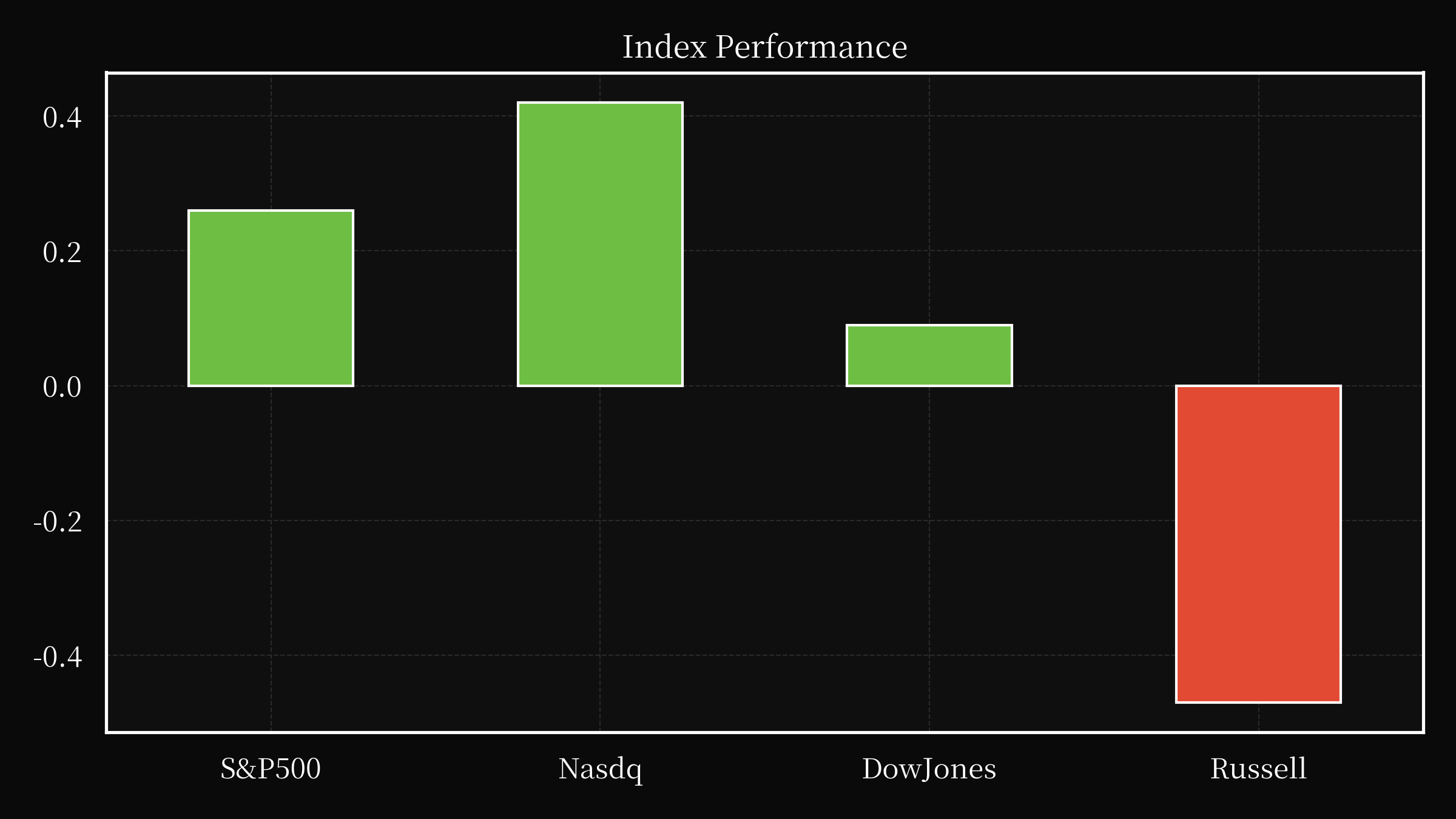
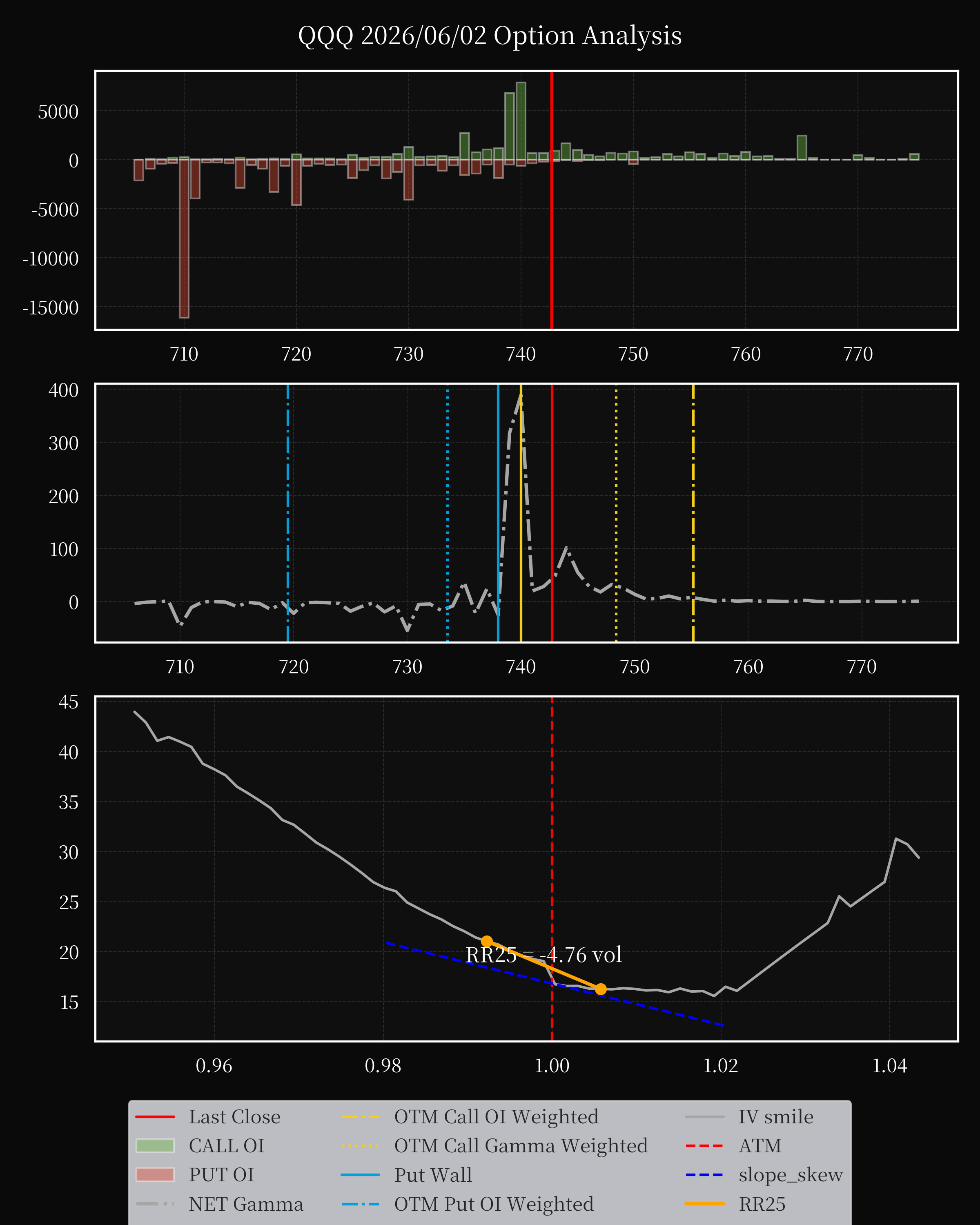
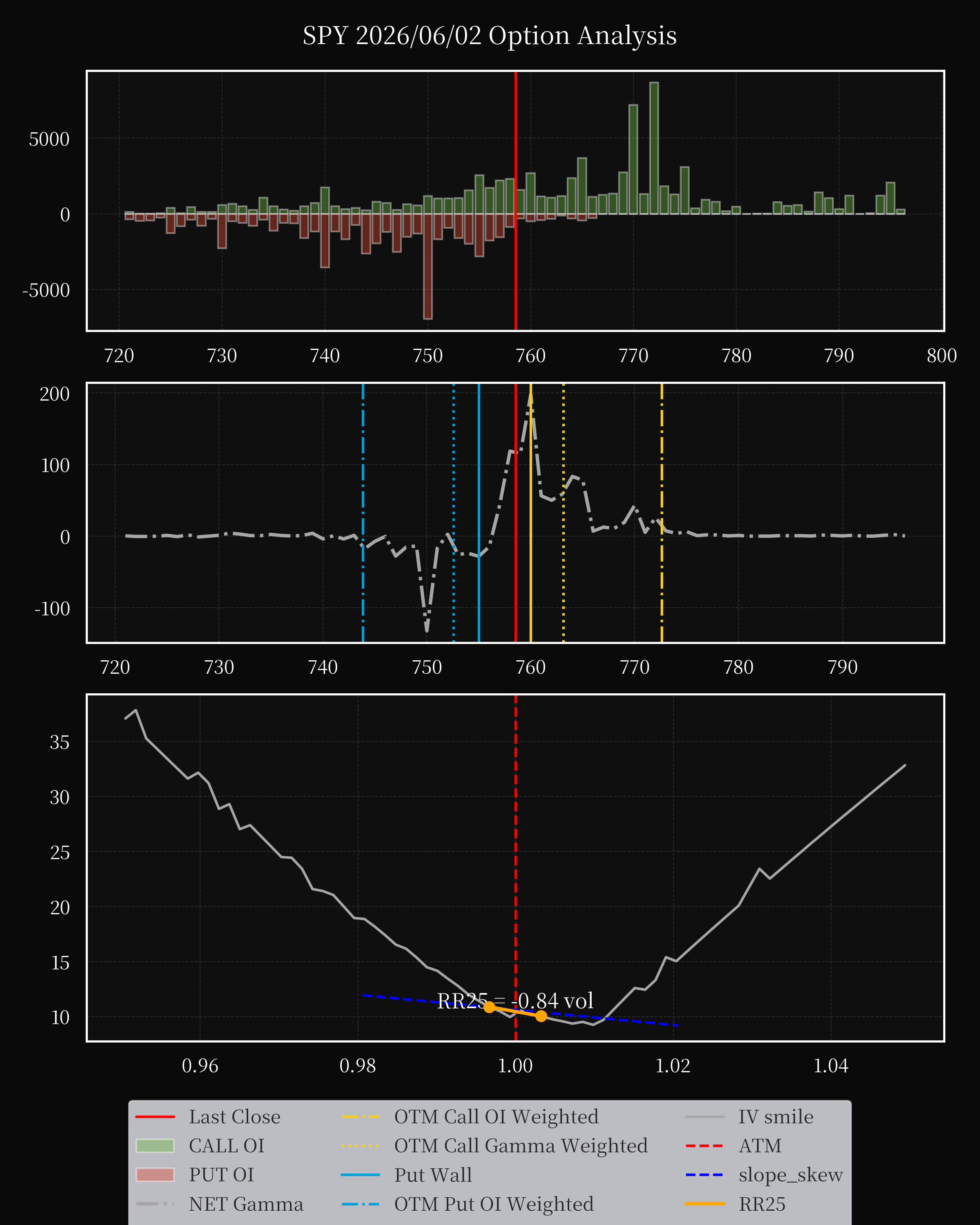
The U.S. equity market opened the day with a measured upward trajectory, reflecting a blend of sector-specific momentum and broader macroeconomic sentiment. The Dow Jones Industrial Average advanced by 46 points to 51,079, while the S&P 500 and Nasdaq Composite posted gains of 0.3% and 0.4%, respectively, underscoring the resilience of large-cap equities amid mixed signals from global markets. The Dow’s modest rise, though constrained by sectoral underperformance, aligned with a cautious optimism driven by stable earnings reports and the absence of significant downside risk in key indices. The Nasdaq’s stronger performance, however, highlighted the tech sector’s continued outperformance, buoyed by expectations of sustained investment in artificial intelligence and related technologies.
The most notable single-stock movement stemmed from Barry Diller’s announcement of a $12.4 billion bid to acquire the remaining stake in MGM Resorts, a move that propelled the company’s shares 16% to lead the S&P 500’s gains. This transaction underscored the enduring appeal of diversified entertainment and hospitality conglomerates, particularly those with exposure to high-margin gaming operations and luxury real estate. Diller’s confidence in MGM’s strategic positioning—bolstered by its portfolio of iconic properties such as the Bellagio and Mandalay Bay—reflected a broader trend of private equity and corporate acquirers targeting undervalued assets in the post-pandemic recovery phase. The deal’s structure, combining cash and equity, also illustrated the evolving dynamics of M&A activity, where liquidity constraints and regulatory considerations often shape the terms of large-scale transactions.
In the technology sector, the ripple effects of Anthropic’s confidential IPO filing reverberated across the broader AI ecosystem, amplifying investor enthusiasm for companies positioned to capitalize on the next wave of generative AI innovation. Anthropic’s decision to file for public listing, alongside Alphabet’s $80 billion equity raise and Berkshire Hathaway’s planned $10 billion investment, signaled a surge in capital allocation toward AI infrastructure and applications. These developments were further reinforced by Nvidia’s expanding footprint in the AI hardware market, as its GPUs continued to dominate the training and deployment of large language models. The interplay between software developers and hardware providers highlighted the sector’s increasing reliance on vertical integration, where advancements in one domain directly influence the scalability and efficiency of others.
Geopolitical tensions, particularly the escalation of hostilities between Israel and Iran, introduced a layer of uncertainty that tempered broader market enthusiasm. The renewed hostilities, coupled with the suspension of U.S.-Iran talks, introduced risks to global energy markets and supply chains, with crude oil prices surging amid concerns over disruptions in the Strait of Hormuz. While the immediate impact on equities was muted, the potential for prolonged conflict underscored the sensitivity of markets to exogenous shocks, particularly in regions critical to global trade. The Federal Reserve’s stance on inflation and monetary policy, though not directly addressed in the day’s headlines, remained a backdrop for investor sentiment, as central bank actions continue to shape the risk appetite for growth-oriented assets.
The energy sector experienced a pronounced shift, with crude oil prices climbing 5.73% to $92.37 per barrel, driven by fears of supply constraints and the broader implications of Middle East instability. This surge, while beneficial for energy producers, introduced inflationary pressures that could complicate the Federal Reserve’s efforts to balance price stability with economic growth. Concurrently, the performance of industrial and logistics firms, including Hewlett Packard Enterprise and FedEx Freight, reflected divergent trends, with the former benefiting from heightened demand for data center infrastructure and the latter navigating challenges related to freight capacity and pricing power.
In the technology space, the rise of AI-driven startups and established players alike continued to attract significant capital, with companies such as Palo Alto Networks, GitLab, and Microsoft drawing attention for their strategic positioning in cybersecurity, software development, and cloud computing. The sector’s resilience was further evidenced by the strong performance of enterprise software firms, which saw gains amid ongoing digital transformation initiatives. However, the market’s focus on AI-related innovations also highlighted the risks of overvaluation, as investors grappled with the challenge of distinguishing between sustainable growth and speculative hype.
The day’s trading also saw notable movements in niche sectors, including the gaming and real estate industries, where MGM’s acquisition bid and the performance of companies like Costco and Amazon reflected broader shifts in consumer behavior and operational efficiency. Costco’s stock decline, for instance, raised questions about the sustainability of its membership model and pricing strategy in an environment of rising inflation and shifting retail dynamics. Conversely, Microsoft’s continued outperformance, driven by its dominance in cloud computing and AI partnerships, reinforced its status as a bellwether for the tech sector’s long-term trajectory.
As the market navigated these multifaceted influences, the interplay between macroeconomic forces, sector-specific developments, and geopolitical risks underscored the complexity of modern equity investing. The ability to discern between short-term volatility and long-term structural trends became paramount, with investors increasingly prioritizing companies that demonstrated adaptability, financial discipline, and a clear strategic vision. The convergence of AI innovation, energy market dynamics, and corporate M&A activity suggested that the coming months would be defined by the pace of technological adoption and the resilience of global economic systems in the face of persistent uncertainties.
Watch List
SUI
Sun Communities, Inc. (SUI) is a leading owner and operator of manufactured housing (MH) and recreational vehicle (RV) communities, boasting a portfolio of 295 communities with approximately 101,000 sites, and a strong 97%+ occupancy rate. The company’s strategy centers around generating consistent, long-term net operating income (NOI) growth, driven by high-quality, well-located, and affordable residential and destination communities. A key element of this strategy is the planned sale of its UK platform, expected to close in the second half of 2026, creating a “pure play” MH and RV owner with a focus on its core North American portfolio, accounting for roughly 95% of its NOI. This move will improve the company’s growth and margin profiles by reducing reliance on ancillary income streams. Sun Communities aims for a resilient earnings profile, leveraging its durable income stream and low leverage balance sheet. The company anticipates a 4.7% North America same-property NOI growth in 2026, with MH experiencing approximately 6.2% growth. With virtually no new supply in the MH market and a significant cost advantage over multi-family and single-family rentals, Sun Communities maintains high occupancy rates (97.7% as of March 31, 2026). The company’s financial flexibility will be further enhanced through a renewed $1 billion stock repurchase program. Sun Communities has a proven track record of growth, with a 5.2% average annual same-property NOI growth since 2000, exceeding the multifamily REIT industry average.
CYH
On June 1, 2026, announced the finalized completion of a significant transaction, a disposition of assets detailed in the attached Purchase Agreement. This action, categorized as a significant disposition under Item 2.01 of Form 8-K, resulted in the company presenting pro forma financial information to reflect the combined entity. The pro forma statements, including unaudited condensed consolidated statements of loss and income for the periods ending March 31, 2026, and December 31, 2025, alongside a condensed consolidated balance sheet as of March 31, 2026, are included as exhibits to this report and are incorporated by reference. It’s important to note that these financial statements are preliminary and unaudited, subject to qualification by the terms of the Purchase Agreement, and may be influenced by contractual risk allocation mechanisms. The company released a press release alongside this announcement, further detailing the completion of the transaction. Investors should carefully review the full Purchase Agreement and accompanying disclosures for a complete understanding of the implications of this strategic move.
WST
This document outlines the U.S. Employee Intellectual Property and Confidentiality Agreement between West Pharmaceutical Services, Inc. and Michel Lagarde, formerly its SVP and Chief Human Resources Officer. The agreement establishes that Mr. Lagarde is permitted to utilize generally acquired skills but is strictly prohibited from engaging in activities that directly compete with West Pharmaceutical Services. Crucially, the definition of “Confidential Information” is broad, encompassing a wide range of proprietary data including trade secrets, financial information, marketing strategies, customer details, intellectual property rights – encompassing patents, trademarks, software, and other creative works – and operational specifics. The agreement clarifies that “Directly or Indirectly” includes various roles such as consultant or agent, and emphasizes the protection of intellectual property rights for the full duration of their existence and any extensions worldwide. Both parties have formally executed the agreement, solidifying the terms and conditions for Mr. Lagarde’s departure and safeguarding West Pharmaceutical Services’ sensitive information.
OBE
Please provide me with the 6-K or 8-K content from the SEC Filing you want me to summarize. I need the text of the filing to be able to fulfill your request and create a fluent paragraph summarizing it within the 300-word limit. Once you paste the content here, I’ll be happy to generate the summary for you.
SVC
SVC, a defensively positioned service-focused retail net lease REIT, operates a portfolio of 816 properties across 46 states, Washington, D.C., Puerto Rico, and Canada, encompassing 149 brands and 189 tenants. As of March 31, 2026, the portfolio generated $1.7 billion in total revenues and is anchored by a strong tenant base, particularly TravelCenters of America, supported by investment-grade credit tenants with long-term leases. The company’s strategy focuses on capturing market share and unlocking value through renovations and a shift towards a majority net lease REIT. Key highlights include a 6.8% year-over-year increase in RevPAR through April, a $1.6 billion capital markets activity in 2026 to date, and a focus on exiting non-core hotels to improve free cash flow. The company is transitioning from a capital investment phase to an earnings recovery phase, bolstered by recent renovations and a new hotel leadership team. SVC’s portfolio boasts a naturally defensive real estate profile with essential-use properties and contractual rent escalators, alongside minimal ongoing capital expenditures. Recent developments include a $745 million net lease mortgage note issuance for TravelCenters of America, a $542 million equity offering, and the redemption of significant debt maturities, generating $59 million in annualized interest savings. Looking ahead, SVC anticipates 3.5% RevPAR growth in 2026, driven by factors like the World Cup and a strong event calendar, while maintaining a focus on reducing operating expenses and leveraging its strong tenant base. The company’s valuation is considered attractive, aligning with hotel REIT multiples, and is poised for continued growth and margin expansion.
BMRC
At its Annual Meeting of Shareholders held on May 27, 2026, Bank of Marin Bancorp addressed key governance and operational matters. Shareholders overwhelmingly approved the election of ten members to its Board of Directors, ensuring continuity of leadership until the next meeting. An advisory vote was also held regarding executive compensation, reflecting shareholder confidence in the company’s leadership team. Furthermore, the ratification of Baker Tilly US as the independent auditor for the fiscal year 2026 was approved without dissent. Notably, the Board of Directors took action to restructure its committees, appointing Joel Sklar, MD, as Chair of the Nominating and Governance Committee, demonstrating a proactive approach to board composition and oversight. These decisions collectively reinforce Bank of Marin Bancorp’s commitment to responsible governance and strategic direction.
WEC
As of June 2026, WEC Energy Group, a leading American energy company with a $36.9 billion market capitalization and serving 4.8 million retail customers, demonstrated a strong track record of consistent earnings and dividend growth, achieving EPS guidance for multiple decades and boasting a 6.7% and 6.9% annual growth rate for adjusted earnings per share. The company’s robust long-term outlook, coupled with a 6.5-7% projected dividend growth rate, is supported by investments totaling $12.6 billion through 2030, primarily focused on regulated renewables, transmission infrastructure, and key regional growth opportunities like the Microsoft data center in Port Washington, Wisconsin, and Vantage Data Centers’ expansion in Port Washington. WEC Energy Group maintains a diversified portfolio, including investments in solar, battery storage, and wind projects, alongside a significant focus on upgrading its transmission network through the Pipe Retirement Program. The company’s regulatory environment is shaped by the Wisconsin Public Service Commission and the Illinois Commerce Commission, with ongoing tariff approvals and rate reviews, including a recently approved $2.3 billion settlement for Illinois gas utilities. Looking ahead, WEC Energy Group is targeting a 7.0% to 8.0% long-term EPS growth rate and continues to prioritize investments in its thermal generation fleet and LNG capacity, while strategically navigating evolving energy demands and maintaining a commitment to responsible governance and sustainability.
EPRT
As of March 31, 2026, this company presented a snapshot of its portfolio and operating performance, highlighting key metrics and trends. The company continues to execute its business plan, maintaining a low annualized default rate of approximately 50 bps, comparable to investment-grade corporate bonds, and demonstrating a favorable comparison to historical portfolio rent loss experience. Their portfolio remains characterized by limited vacant properties and consistent same-store rent growth of 1.6% since IPO, excluding the pandemic period. The company is actively pursuing potential investments and dispositions, with numerous agreements in place, although completion is not assured. Operating metrics, including Adjusted Funds From Operations (AFFO) growth and unit-level rent coverage, remain strong. Notably, the portfolio is heavily weighted towards service-oriented and experience-based tenants, contributing to a more resilient sector and efficient asset management. The company’s debt structure is conservative, with a low leverage ratio and a weighted average interest rate of 4.22%. Key financial data reveals a strong focus on cash flow, with a significant portion of cash ABR derived from service-oriented tenants and a weighted average lease escalation of 1.9%. The company’s strategy emphasizes long-term leases with a 14.6-year weighted average remaining lease term and a high percentage of leases (99.7%) with unit-level reporting. Furthermore, the company’s investment program, initiated in 2016, is focused on targeted industries and a diversified tenant base, reducing reliance on any single tenant. The company’s financial performance is supported by a robust cash cap rate of 8.0% and a net debt to EBITDAre ratio of 3.5x, indicating a solid financial position.
UP
Okay, here's a breakdown of the provided text, categorized for clarity and highlighting key aspects: I. Core Agreement & Structure: * Comprehensive Loan Agreement: This document is a complex loan agreement between the Borrower (Wheels Up Experience Inc.) and a group of Lenders (including Delta, Bank Trust Company, and potentially others). * Multiple Parties: The agreement involves the Borrower, the Administrative Agent (likely a loan agency), the Collateral Agent, the Local Collateral Agents, and a diverse group of Lenders. * Parallel Debt: A crucial element is the concept of “Parallel Debt,” which refers to a debt obligation that is linked to the loan facility. This is a complex arrangement designed to manage risk. * Integration & Effectiveness: The agreement becomes effective upon execution and receipt of the required counterparties. II. Key Provisions & Clauses: * Governing Law & Jurisdiction: New York law governs the agreement. The Southern District of New York court has jurisdiction over any disputes. * Consent Requirements: Significant actions (like modifications, amendments, or waivers) require consent from the “Required Lenders” (a defined group of Lenders). * Waiver of Rights: The Borrower waives certain rights, including the right to a jury trial and the right to hold the Administrative Agent liable for fiduciary duties. * Indemnity: The Borrower agrees to indemnify the Administrative Agent and Lenders against certain losses, liabilities, and damages. * Write-Down & Conversion Powers (Bail-In): This is a critical and potentially unsettling clause. The agreement acknowledges that the Lenders may be subject to “Write-Down and Conversion Powers” under applicable resolution authority (e.g., a US regulator). This means that in a financial crisis, the Lenders could have their debt reduced in value or converted into equity in the Borrower. This is a significant risk allocation. * International Registry Registration: The agreement includes provisions for registering the loan with the International Registry, which is essential for aircraft financing. * Original Issue Discount Legend: This clause clarifies that the loan was issued with Original Issue Discount for U.S. Federal Income Tax purposes. III. Detailed Clauses & Mechanics: * Parallel Debt Mechanics: The agreement outlines how the Parallel Debt is structured, managed, and how payments are made. It’s designed to align the
MANH
Manhattan Associates, Inc. has initiated a plan to reduce its global workforce by approximately 6%, aiming to improve operational efficiencies and prioritize strategic investments. The company anticipates incurring roughly $7 million to $9 million in cash expenses during the second quarter of 2026, primarily through severance and termination benefits, with the goal of completing the reduction by the end of the quarter. Importantly, these costs will be excluded from future presentations of the company’s non-GAAP financial measures. While reaffirming its 2026 financial guidance, Manhattan cautions that these projections are subject to significant risks and uncertainties. These include potential disruptions stemming from global instability, particularly the ongoing conflicts in Ukraine and the Middle East, shifts in the retail sector, technological challenges, competitive pressures, and the evolving risks associated with artificial intelligence. Investors are advised to consider these forward-looking statements as historical information and to carefully review the company’s risk factors outlined in its annual report and quarterly filings for a comprehensive understanding of potential future outcomes.
IanFV (www.ianfv.com) is the world's first pure-blood, neutral research institution built on LLM (Large Language Models) specifically for individual investors. Founded by a top-tier team with backgrounds from Tsinghua, Harvard, Morgan Stanley, and UBS, we are committed to breaking down high-priced information barriers and providing institutional-grade investment research at affordable prices. Unlike traditional institutions, IanFV does not serve big-money sponsors or inflate market bubbles. Leveraging a proprietary knowledge graph and a fully localized deployment architecture, we achieve a differentiated competitive advantage through light assets and high efficiency. Our research reports refuse to "sell dreams": valuation reports are based on point-in-time intervals rather than reverse-engineered numbers; industry reports focus relentlessly on real trends over the next six to twelve months; and in-depth reports penetrate market bubbles to strike at the core of corporate survival moats—all to ensure investors hold the most authentic research cards in the secondary market.