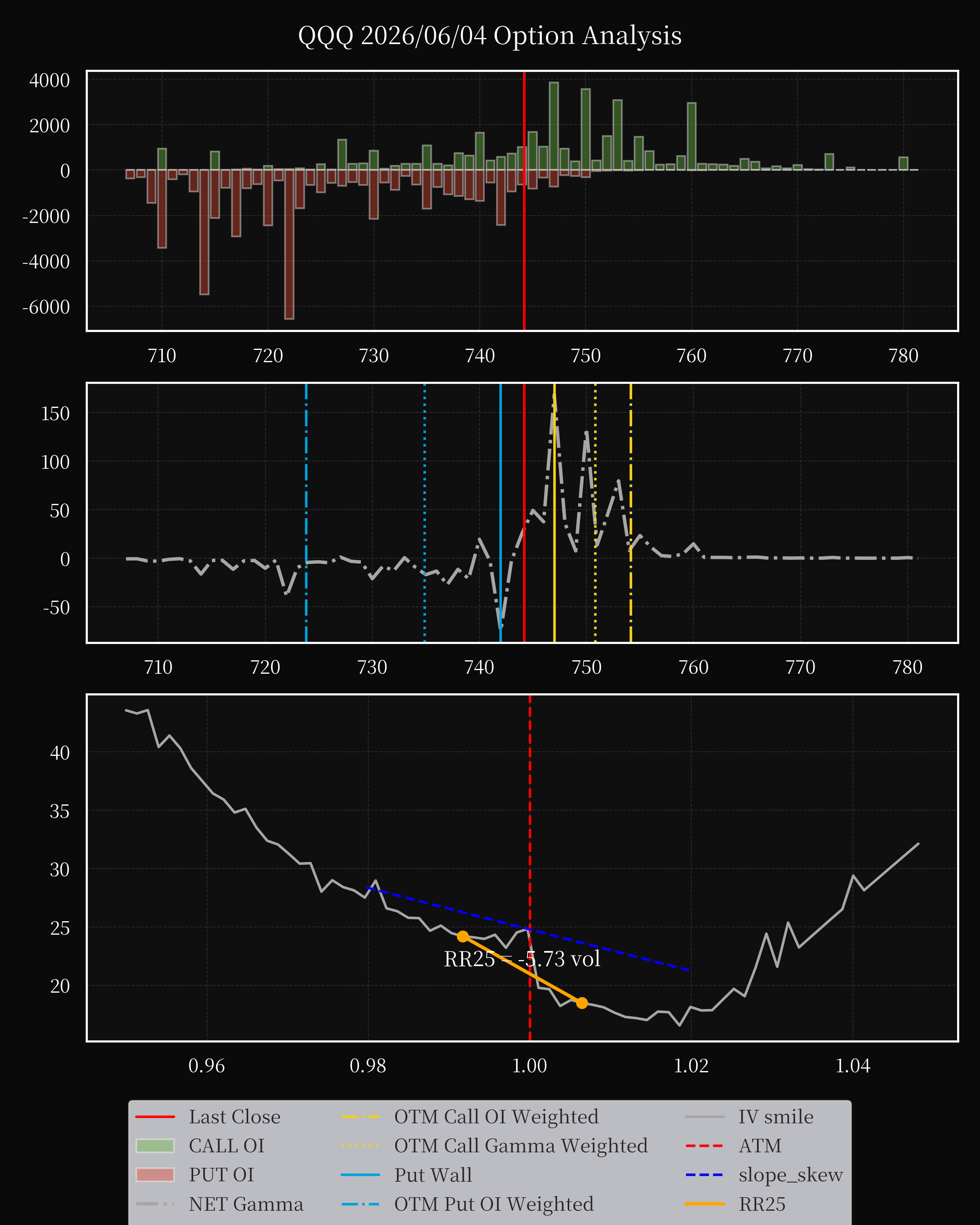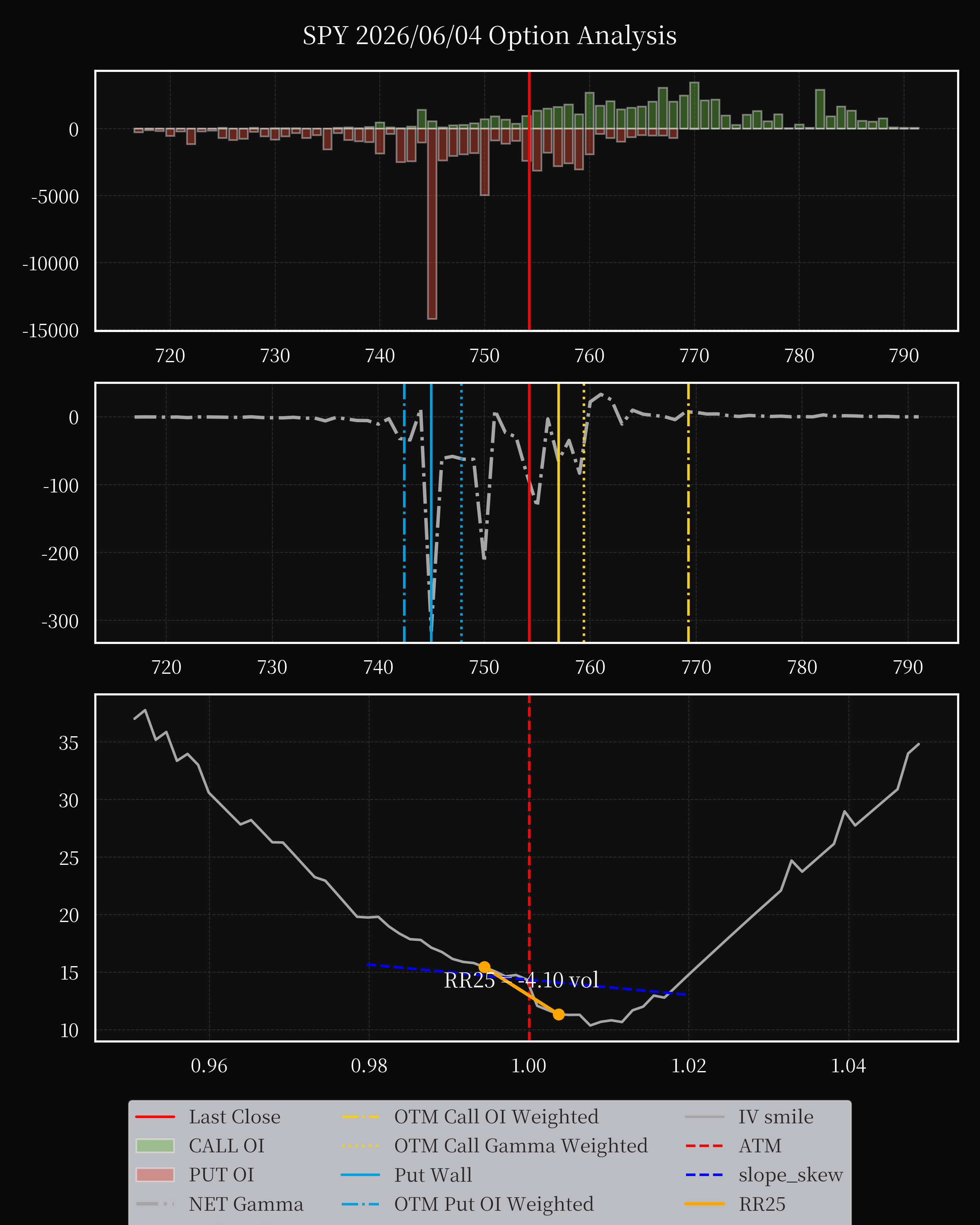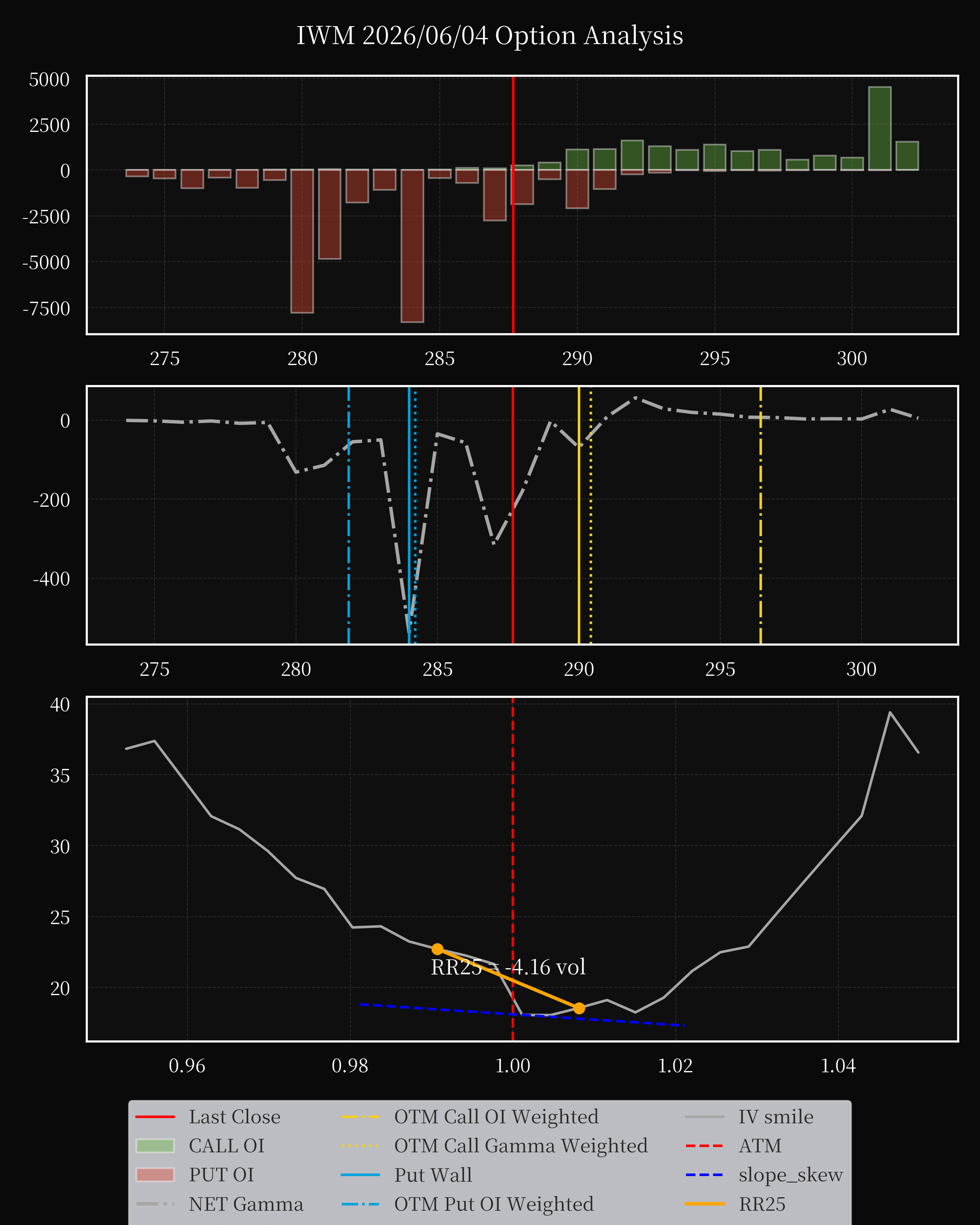
Overall
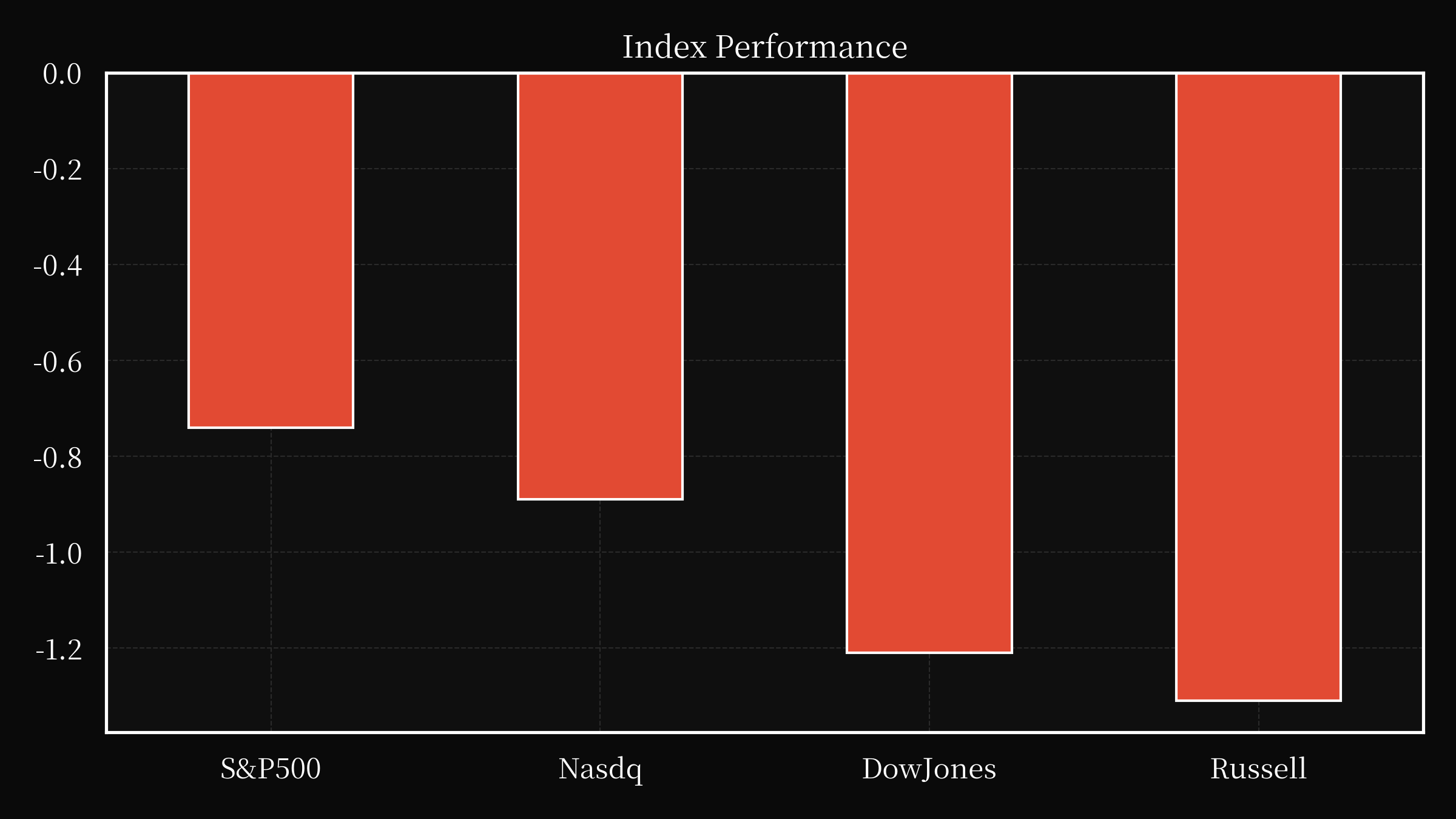
The latest market briefing underscores a period of buoyant equity performance punctuated by growing concerns over valuation extremes and sector-specific risks. The S&P 500, Dow Jones, and Nasdaq all posted gains, with the latter two posting their best records amid heightened investor appetite for technology and AI-driven stocks. Notably, Nvidia’s continued dominance in AI chip manufacturing has propelled its share price to surge, reinforcing the broader narrative that companies at the forefront of AI infrastructure stand to benefit disproportionately from the ongoing digital transformation. Meanwhile, Marvell Technology’s stock rallied sharply after Jensen Huang, its CEO, positioned it as a potential trillion-dollar entity, reflecting both the opportunities and speculative fervor characterizing the sector. The breadth of the rally, however, masks underlying anxieties about sustainability, as evidenced by volatility in traditionally defensive sectors and the emergence of warning signs from regulatory and geopolitical developments.
A key theme is the intensifying focus on artificial intelligence as both a growth catalyst and a source of market froth. Broadcom’s near-term record high, driven by anticipation of its earnings and strategic positioning in semiconductor and software ecosystems, exemplifies how investors are pricing in long-term AI tailwinds. Conversely, companies like Intel and AMD face pressure to deliver on ambitious growth forecasts despite macroeconomic headwinds and supply chain constraints. The narrative extends to data center demand, where firms such as Core Scientific and Marathon Digital are benefiting from AI-related infrastructure investments, though concerns about overcapacity and regulatory scrutiny loom large. This duality—of robust upside potential alongside heightened scrutiny—defines the current investment landscape, compelling investors to balance conviction in technological progress with caution regarding valuation multiples and execution risks.
Geopolitical tensions and regulatory shifts further complicate the outlook. The renewed threat of a US-Iran conflict and associated oil price volatility introduce an element of uncertainty, with energy markets reacting sharply to flare-ups in the Middle East. Simultaneously, the SEC’s tightening stance on private credit funds, illustrated by Partners Group’s restrictions on redemptions, signals a broader recalibration of risk within alternative asset classes. This environment has amplified market sensitivity to policy decisions, as seen in the Senate’s move to curb presidential authority over Iran-related sanctions—a development that underscores the interplay between geopolitics and financial markets. Additionally, the European Union’s evolving stance on tech regulation and antitrust actions against major platforms adds another layer of complexity for global investors.
The briefing also highlights sector rotation dynamics and the persistent underperformance of traditional value stocks relative to growth-oriented counterparts. Technology, healthcare, and communication services continue to outperform, while sectors such as utilities and consumer discretionary lag, reflecting a preference for high-beta exposure amid low-interest-rate legacies. However, the resurgence of interest rates as a policy priority, as indicated by Federal Reserve communications, threatens to erode the discount rates that have propped up high-growth equities. This transition phase demands vigilance from investors attuned to cyclical shifts, as the risk of a sharper correction rises if monetary policy tightens more rapidly than anticipated. In sum, the current market environment is defined by its contradictions: optimism around AI-driven growth coexists with apprehension over valuation sustainability, geopolitical instability, and regulatory overhang, creating a landscape where alpha generation will favor those best positioned to navigate both opportunities and systemic risks.
Watch List
CXAI
CXApp. Inc. has significantly bolstered its growth intelligence capabilities with the simultaneous acquisition of EngineRoom Applications Pty Ltd, an Australian-based AI-enabled platform specializing in customer acquisition intelligence, attribution analytics, and workflow automation, for approximately $4.6 million. Completed through its wholly-owned subsidiary, CXAI Australia, the deal secures 100% ownership of EngineRoom, a company generating roughly $8.1 million in annual revenue with a substantial 94% recurring revenue stream and $1.6 million in adjusted EBITDA. This acquisition is strategically designed to expand CXApp’s addressable market, accelerate the commercialization of its Agentic AI product, and establish a scalable framework for global AI expansion targeting both enterprise and mid-market clients. Following the transaction, EngineRoom will operate as “CXAI EngineRoom,” continuing under the leadership of its founder, Adam Laurie, who will remain with the company for at least three years. Analysts anticipate the acquisition will elevate CXApp’s annualized revenue run-rate to over $12 million, adding approximately $1.6 million in adjusted EBITDA and strengthening its recurring revenue base, aligning with the company’s broader global growth strategy. The company released a press release announcing the acquisition and its strategic importance, which is filed as Exhibit 99.1.
BAYA
Bayview Acquisition Corp held an extraordinary general meeting on May 28, 2026, to address key decisions regarding its business combination process. Shareholders overwhelmingly approved a proposal to extend the deadline for completing its initial business combination from June 19, 2026, to December 19, 2026, allowing for up to six one-month extensions. Simultaneously, they approved an amendment to the company’s investment management trust agreement with Equiniti Trust Company, LLC, permitting the extension of the termination date up to six times, subject to a $50,000 payment to the trustee for each extension. Approximately 83.67% of outstanding shares were represented at the meeting. Following the vote, ten shareholders redeemed approximately $1.49 million in shares at a price of $12.03 per share. The company subsequently released a press release announcing the meeting’s results, including the approved extensions and redemptions, which is attached as an exhibit.
CHPT
ChargePoint Holdings, Inc. reported a strong first quarter for fiscal year 2027, exceeding guidance with revenue up 4% to $101.8 million, driven largely by a 7% increase in subscription revenue to $40.8 million. The company highlighted innovation with the launch of its Express Solo EV charger, a world-first capable of delivering 600 kW charging speeds, alongside strategic leadership additions including Jyothi Swaroop as Chief Marketing and Growth Officer. Operational efficiencies resulted in reduced GAAP and non-GAAP operating expenses, contributing to a decrease in both GAAP and non-GAAP net losses. Despite a non-GAAP adjusted EBITDA loss, ChargePoint’s cash position remains strong at $95.8 million. Key developments included strategic partnerships like with OBE Power and the Santa Monica transit agency, alongside a significant transit fleet order for DC fast charging solutions. Looking ahead, ChargePoint anticipates revenue between $100 million and $110 million for the second quarter. The company continues to solidify its position as a leader in EV charging solutions, connecting drivers to over 1.4 million charging ports globally and facilitating over 21 billion electric miles driven. ChargePoint’s financial results reflect its ongoing commitment to accelerating growth and driving the transition to electric mobility.
AGYS
Please provide me with the 6-K or 8-K content from the SEC Filing. I need the text of the document to be able to summarize it into a fluent paragraph of no more than 300 words. Once you paste the content here, I’ll be happy to fulfill your request.
VTOL
At its annual meeting held on June 3, 2026, stockholders overwhelmingly approved several key proposals. Stockholders voted to approve the compensation packages for the Company’s named executive officers, demonstrating support for the second proposal. Furthermore, a significant majority approved an amendment to the Company’s 2021 Equity Incentive Plan, reflecting the third proposal. Finally, KPMG LLP was ratified as the Company’s independent auditors for the upcoming fiscal year, securing approval through the fourth proposal. These positive votes underscore shareholder confidence and reinforce the company’s governance structure as outlined in its proxy statement. The full details of each proposal’s outcome are detailed in the attached amendment (Exhibit 10.1), which is incorporated herein by reference.
NOTV
Inotiv, Inc. has entered into a Restructuring Support Agreement with key creditors to implement a comprehensive restructuring of its debt obligations and capital structure, known as the “Restructuring.” This plan, facilitated through a prepackaged plan of reorganization, aims to reduce the Company’s funded debt by approximately $326 million and lower its annual cash interest expense. The restructuring will be funded through a debtor-in-possession financing facility. The agreement, supported by substantial majorities of the Company’s lenders, anticipates a consensual, joint plan of reorganization approved by the U.S. Bankruptcy Court for the Southern District of Texas. The Company filed voluntary Chapter 11 Cases on June 3, 2026, and has commenced the solicitation of votes on the plan, with an expected emergence as a private company within 50 days. Key milestones include the filing of the Chapter 11 Cases, entry of a preliminary order by the Bankruptcy Court, and confirmation of the plan by the Court. While the Company intends to continue operations during the restructuring process, the outcome is subject to risks including potential losses for equity investors and the uncertainties inherent in bankruptcy proceedings. The company’s financial statements and exhibits are filed as part of this report.
AUB
Atlantic Union Bankshares Corporation (Atlantic Union) announced the planned retirement of Doug Woolley, the company’s executive vice president and chief credit officer, effective April 1, 2027. Woolley has been a key figure in the bank’s credit operations and will continue to oversee those functions until a successor is appointed or his retirement date is reached. To ensure a smooth transition, Atlantic Union is undertaking a comprehensive nationwide search for a replacement, utilizing the services of an executive search firm to explore both internal and external candidates. The company’s announcement, detailed in a press release furnished as Exhibit 99.1 to this Form 8-K, reflects a strategic move as Atlantic Union prepares for the future leadership of its credit division. This change underscores the bank’s commitment to maintaining strong leadership and operational stability.
ADCT
The LOTIS-5 trial, a Phase 3 study, presented promising results for loncastuximab tesirine (ZYNLONTA) in combination with rituximab for relapsed or refractory diffuse large B-cell lymphoma (DLBCL). The trial, involving 420 patients, demonstrated a statistically significant improvement in progression-free survival (PFS) with the combination therapy, achieving a hazard ratio of 0.73 compared to the rituximab alone arm (p=0.008). Notably, the combination also showed a higher complete response rate (~40%) and longer durations of complete response compared to the rituximab monotherapy. The study focused on patients with 2L+ DLBCL, primarily exploring the combination in a North American population. Key safety findings indicated a manageable safety profile with TEAEs observed, particularly in the rituximab arm. The trial also investigated the potential of ZYNLONTA in combination with glofitamab and rituximab (Phase 1b) and rituximab (Phase 2) for 2L+ DLBCL, focusing on achieving rapid and durable responses. Researchers identified two distinct patient subgroups within relapsed DLBCL – those with refractory disease (approximately 10%) and those with broader treatment options (approximately 90%) – where ZYNLONTA could play a significant role. Market research indicated a projected U.S. market size of approximately $3 billion by 2030 for the 2L+ DLBCL segment. The trial’s data cut-off was February 16, 2026, with follow-up planned for up to 4 years to assess long-term outcomes.
TLYS
Tilly’s, Inc. reported a strong start to fiscal 2026, demonstrating continued momentum from its turnaround efforts. First-quarter results revealed a 15.9% increase in total net sales, driven by a significant 22.9% jump in comparable net sales, encompassing both physical stores and e-commerce. Gross profit improved substantially, up 910 basis points, largely due to better inventory management and increased full-price sales. Despite a 7.6% reduction in the store count to 220, physical store sales rose by 20.8% compared to the previous year’s 13-week period. Looking ahead, Tilly’s projects a 6% to 10% increase in comparable net sales for the second quarter of fiscal 2026, alongside flat to slightly improved product margins and anticipated SG&A expenses of approximately $48-$49 million. The company anticipates a net income per diluted share of $0.13 to $0.20. With a store count expected to reach 221 by the end of the second quarter, Tilly’s is confident in its path to profitability, fueled by sustained sales growth and operational efficiencies. The company’s financial performance reflects a positive trajectory, supported by a strong brand and a focused strategy.
THO
THOR Industries, Inc. (NYSE: THO) announced its fiscal 2026 third-quarter results, reporting net sales of $2.78 billion, net income attributable to THOR of $97.2 million, and EBITDA of $209.1 million. Despite challenging macroeconomic conditions impacting consumer sentiment and material costs, particularly in the North American Towable RV segment, the company’s North American Motorized and European segments demonstrated resilience with increases in net sales on a constant currency basis. THOR opportunistically repurchased $50.5 million of shares during the quarter and benefited from gains related to investment value adjustments and real estate sales. However, the company has revised its full-year diluted EPS guidance downward due to prolonged headwinds, now projecting a range of $3.30 to $3.80 (previously $3.75 to $4.25). Consolidated net sales are still anticipated to be in the range of $9.0 billion to $9.5 billion. The company is actively executing its strategic realignment of North American RV operations, streamlining operations and investing in owned supplier businesses. Despite these challenges, THOR remains confident in the enduring appeal of the RV lifestyle and is focused on disciplined capital allocation, ongoing product innovation, and managing working capital. The company acknowledged significant pressures within the North American Towable segment and highlighted the importance of the realignment strategy in driving future performance. With a strong liquidity position, THOR is prepared to navigate the current market conditions and capitalize on potential growth opportunities, reaffirming its commitment to long-term shareholder value.
IanFV (www.ianfv.com) is the world's first pure-blood, neutral research institution built on LLM (Large Language Models) specifically for individual investors. Founded by a top-tier team with backgrounds from Tsinghua, Harvard, Morgan Stanley, and UBS, we are committed to breaking down high-priced information barriers and providing institutional-grade investment research at affordable prices. Unlike traditional institutions, IanFV does not serve big-money sponsors or inflate market bubbles. Leveraging a proprietary knowledge graph and a fully localized deployment architecture, we achieve a differentiated competitive advantage through light assets and high efficiency. Our research reports refuse to "sell dreams": valuation reports are based on point-in-time intervals rather than reverse-engineered numbers; industry reports focus relentlessly on real trends over the next six to twelve months; and in-depth reports penetrate market bubbles to strike at the core of corporate survival moats—all to ensure investors hold the most authentic research cards in the secondary market.