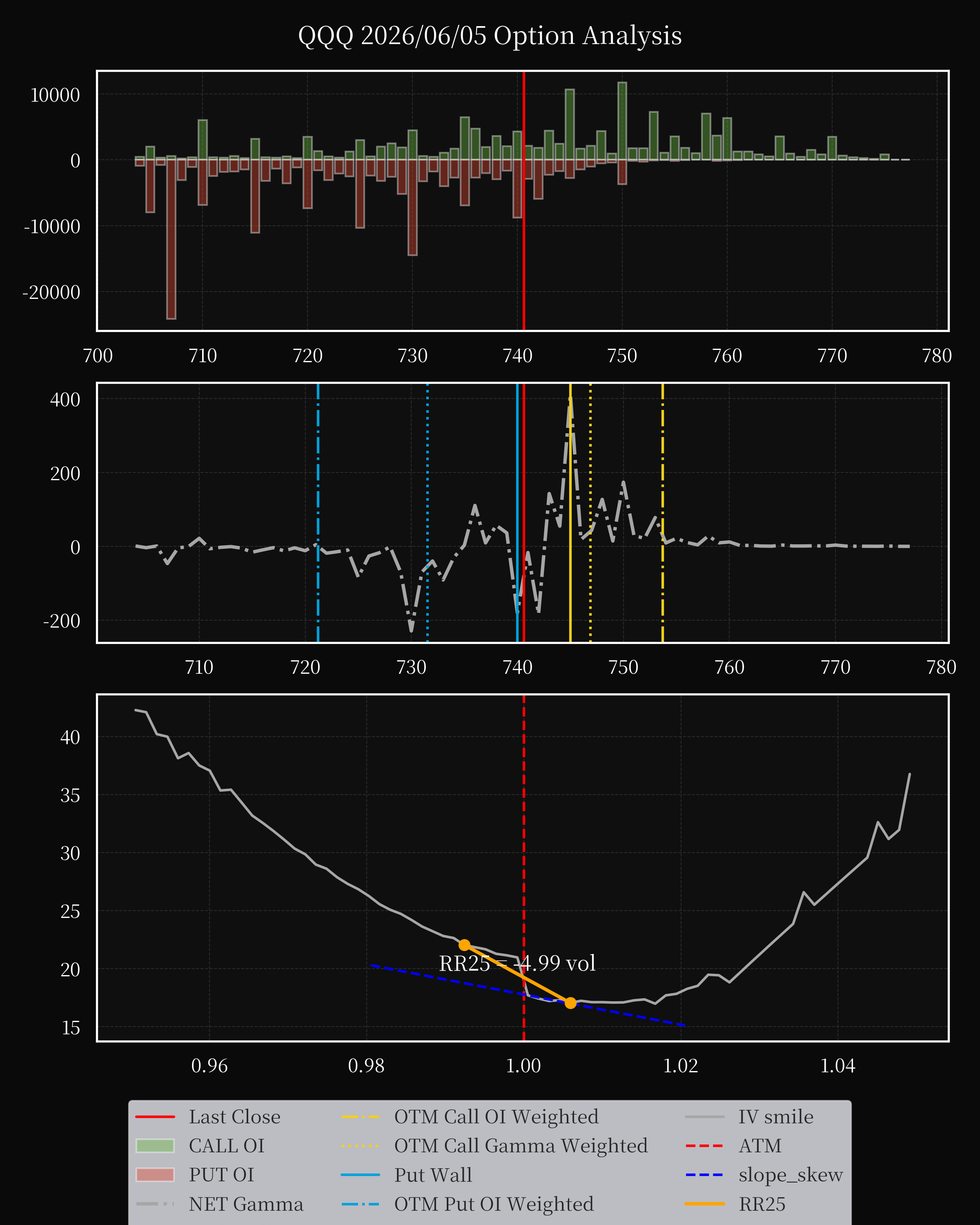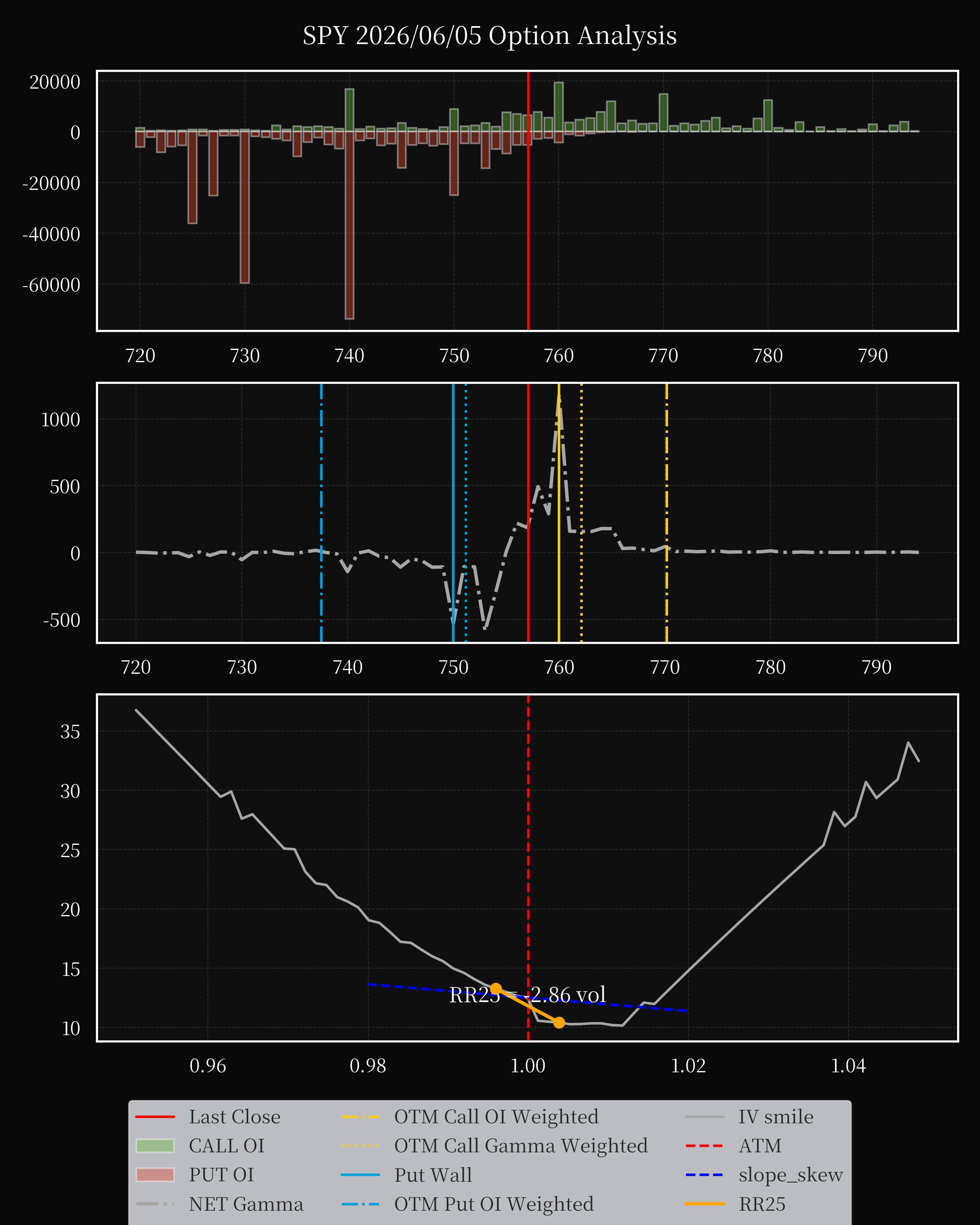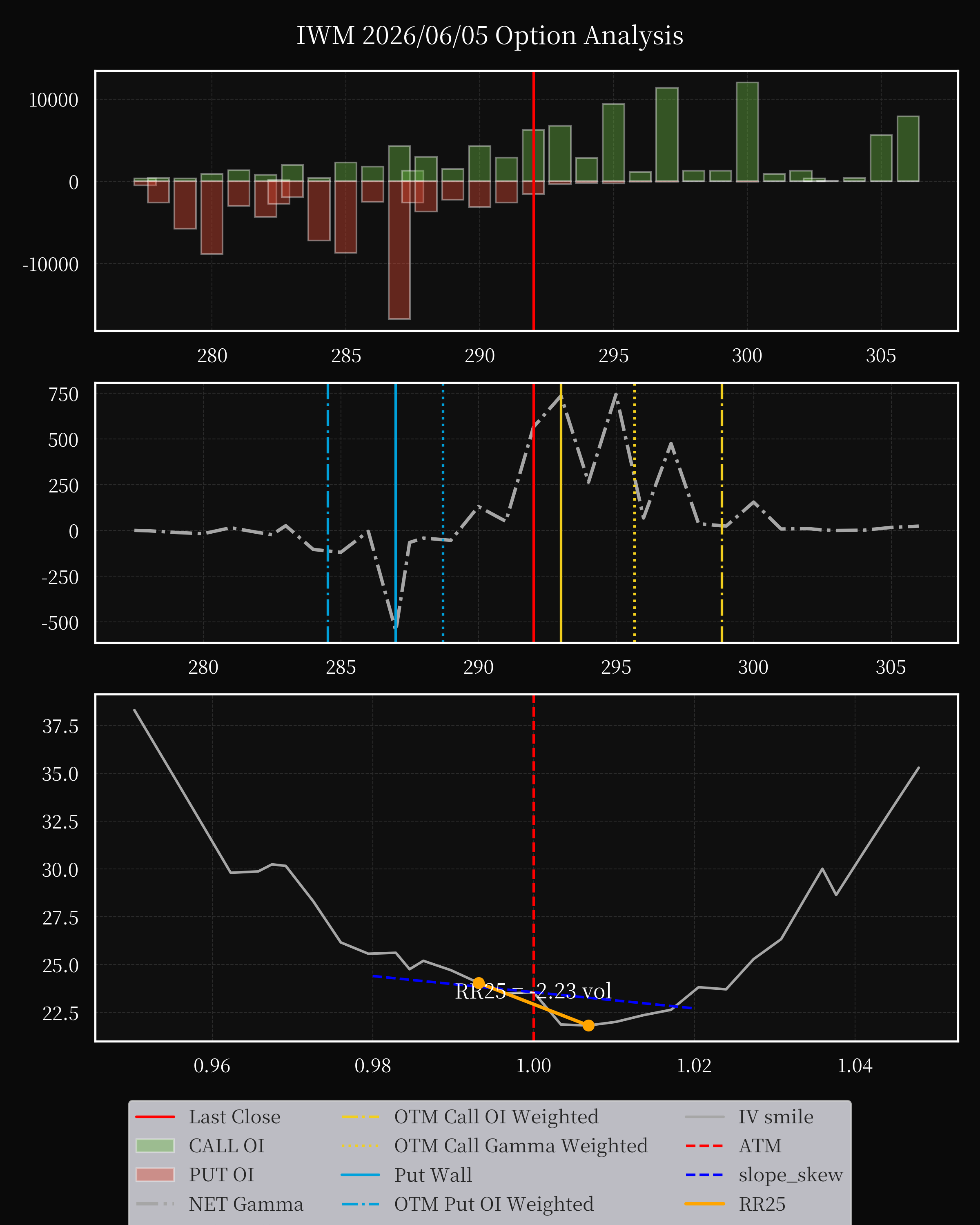
Overall
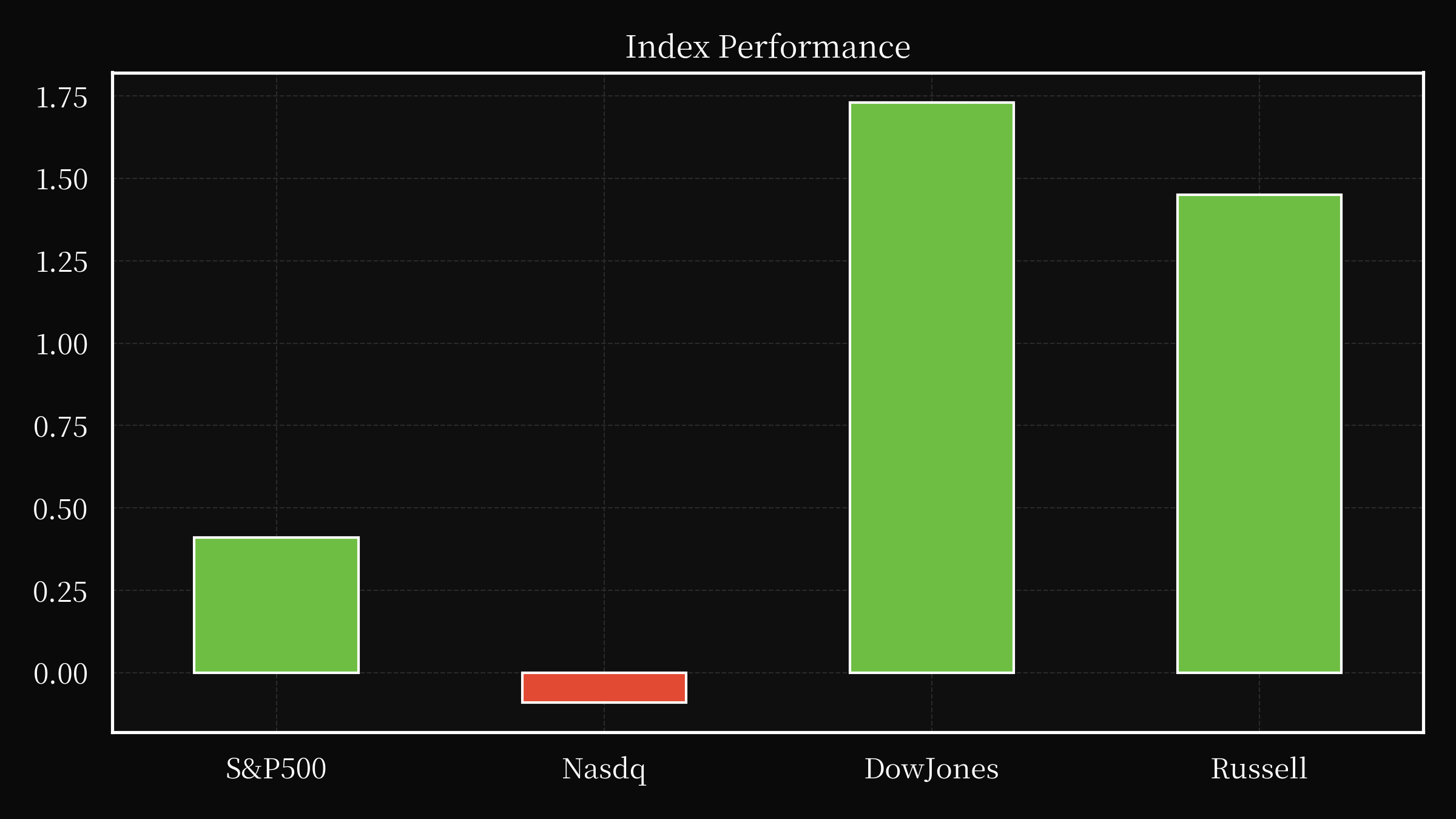
The Dow Jones Industrial Average posted a robust gain of 875 points to 51,562, marking a significant shift in market sentiment driven by renewed optimism around a potential ceasefire in Lebanon. This development, coupled with broader geopolitical stability perceptions, catalyzed a broad-based rally across equities, with the S&P 500 rising 0.4% despite sector-specific volatility. The index’s performance underscores the sensitivity of equity markets to macroeconomic and geopolitical risk factors, particularly in regions with heightened conflict exposure. The Dow’s strength was further amplified by the performance of key constituents, notably UnitedHealth Group, which emerged as a primary driver of the index’s upward trajectory. The healthcare sector’s resilience, bolstered by a strategic upgrade from Bank of America to a buy rating, reflects underlying confidence in the industry’s ability to navigate cost pressures and regulatory environments. This upgrade not only elevated UnitedHealth’s valuation but also signaled broader optimism about the sector’s long-term growth prospects, particularly as healthcare spending remains a critical component of the U.S. economy.
Conversely, the technology sector experienced mixed outcomes, with Broadcom’s stock declining sharply following its fiscal second-quarter results. The company’s decision to maintain its $100 billion AI chip sales target, despite strong quarterly performance, triggered a sell-off as investors reassessed the sustainability of its growth trajectory. Broadcom’s results, while robust, highlighted the challenges of scaling AI infrastructure in a market where demand remains uneven and capital-intensive. The stock’s 13% drop illustrates the market’s tendency to penalize companies that fail to align expectations with execution, particularly in high-growth sectors where margins and scalability are under intense scrutiny. Similarly, Ciena, a fiber-optic networking equipment provider, saw its shares fall 14% despite exceeding earnings and revenue forecasts. The discrepancy between fundamental performance and market reaction underscores the role of speculative positioning in tech stocks, where investor sentiment can diverge sharply from operational metrics.
Beyond individual stock movements, broader sectoral trends reveal critical shifts in capital allocation and risk appetite. The AI spending frenzy, which has led to over 123,000 job cuts in the tech sector this year, reflects a recalibration of corporate strategies amid evolving cost structures and productivity demands. While the layoffs signal a move toward efficiency, they also highlight the tension between short-term profitability and long-term innovation investments. This dynamic is particularly pronounced in AI-driven industries, where the pressure to deliver immediate returns often clashes with the capital-intensive nature of research and development. Meanwhile, the energy sector experienced a notable uptick, driven by the surging demand for electricity to support AI and data center infrastructure. Companies like LS Power, Constellation Energy, and Talen Energy benefited from this trend, as utilities and power producers positioned themselves to capitalize on the increased load from tech-driven consumption. This shift underscores the interdependence of technological advancement and energy markets, with AI infrastructure acting as a catalyst for traditional energy sectors.
The financial services sector also saw significant activity, with Jane Street’s announcement of plans to build a data center signaling a strategic pivot toward infrastructure investment. This move, while not directly tied to traditional banking, reflects the growing importance of low-latency computing and data processing in modern financial operations. The data center’s potential use in training AI models further illustrates the convergence of technology and finance, as firms seek to leverage computational power for predictive analytics and algorithmic trading. Additionally, the SEC’s recent reinforcement of its disgorgement powers, as affirmed by the Supreme Court, has implications for corporate governance and compliance. This ruling, which eliminates the requirement to demonstrate direct investor harm, empowers regulators to pursue enforcement actions more aggressively, potentially increasing the cost of non-compliance for firms operating in high-risk areas such as private equity and securities trading.
Geopolitical developments, particularly in the Middle East, continue to influence market dynamics. The absence of a ceasefire in Lebanon has introduced uncertainty, with investors closely monitoring developments that could impact regional stability and, by extension, global trade routes and energy prices. The interplay between political risk and market sentiment is evident in the mixed performance of sectors reliant on global supply chains, where even minor shifts in geopolitical stability can trigger volatility. Meanwhile, the broader implications of AI adoption across industries remain a focal point, with companies like Accenture facing scrutiny over their ability to balance technological innovation with ethical considerations. The recent emphasis on AI’s role in operational efficiency highlights the sector’s dual mandate: driving productivity while addressing concerns around job displacement and regulatory oversight.
In summary, today’s market activity reflects a complex interplay of macroeconomic forces, sector-specific challenges, and technological disruption. The Dow’s surge, driven by geopolitical optimism and healthcare sector strength, contrasts with the tech sector’s mixed performance, shaped by AI investment cycles and regulatory pressures. The energy sector’s resilience, fueled by infrastructure demands, underscores the evolving relationship between innovation and traditional industries. As investors navigate these dynamics, the emphasis on long-term strategic positioning—whether through data center investments, AI partnerships, or regulatory compliance—will remain critical in shaping market outcomes. The interdependencies between sectors, coupled with the persistent influence of geopolitical risks, ensure that equity markets will continue to respond to both immediate catalysts and broader structural shifts.
Watch List
IOT
Samsara Inc. announced strong first-quarter fiscal year 2027 financial results, reporting revenue of $478.8 million, a 31% year-over-year increase, and generating $100.7 million in net new annual recurring revenue (ARR), representing a 30% year-over-year growth. The company achieved GAAP profitability for the third consecutive quarter, with earnings per share of $0.08. Samsara’s total ARR now stands at $1.991 billion, also up 30% year-over-year. CEO Sanjit Biswas highlighted the company’s focus on transforming physical industries through Operational AI and AI Agents, driven by growing customer demand and operational constraints. With a customer base of over 75,000 across North America and Europe, Samsara is focused on increasing safety, efficiency, and sustainability within sectors including construction, transportation, and logistics. The company expects continued growth, projecting ARR to reach $2 billion and maintaining GAAP profitability. Notably, the company anticipates achieving profitability even excluding a $30 million arbitration award related to a Motive Technologies legal matter. Samsara will host an Investor Day on June 24th, alongside its customer conference, Samsara Beyond, in Las Vegas. The company utilizes non-GAAP financial measures, including ARR, gross profit, and operating income, to provide a clearer picture of its operational performance, acknowledging the limitations of these metrics compared to traditional GAAP reporting.
RBRK
Rubrik, Inc. (NYSE: RBRK), a Security and AI Operations company, announced strong first-quarter fiscal year 2027 results, significantly exceeding its previously guided metrics. The company reported subscription annual recurring revenue (ARR) of $1.57 billion, a 32% year-over-year increase, and total revenue of $387.1 million, up 39% compared to the prior year. Operating cash flow margin reached 21%, with a free cash flow margin of 19%, demonstrating robust financial performance. Chief Executive Officer Bipul Sinha highlighted Rubrik’s strategic position as a leading platform for cyber resilience, integrating data, identity, and AI. CFO Kiran Choudary emphasized the company’s strong start to the fiscal year and its ability to drive durable growth and operating leverage. Key highlights included a 41% increase in subscription revenue to $374.2 million, a 43% increase in revenue excluding material rights, and a significant improvement in the Subscription ARR contribution margin to 13.2%. Looking ahead, Rubrik raised its full-year 2027 guidance, projecting ARR between $1.854 billion and $1.862 billion, revenue of $1.638 billion to $1.648 billion, and free cash flow of $293 million to $303 million. The company continues to innovate with advancements like Anthropic’s Mythos Research Preview and the launch of data protection for Google Workspace, alongside the rollout of its Agent Cloud platform and SAGE AI governance engine. Rubrik also secured an American Hospital Association (AHA) Preferred Cybersecurity Provider designation, further solidifying its market position.
CURV
Torrid Holdings Inc. (NYSE: CURV) announced its first-quarter financial results for the period ending May 2, 2026, reporting a net sales increase of $245.8 million, slightly exceeding initial guidance. The company achieved an Adjusted EBITDA of $17.6 million at the high end of its forecast, reflecting disciplined execution and progress in its strategic initiatives. However, net income decreased to $0.4 million compared to $5.9 million in the prior year. Gross profit margin also declined to 35.3% from 38.1%. Torrid’s focus for the year 2026 centers on customer file growth through acquisition, reactivation, and retention, leveraging its five sub-brands and Opening Price Point strategy. The company is investing in AI-powered personalization, improved paid media ROAS, and relaunching its Casting Call platform for enhanced customer engagement. Despite a 7.6% decrease in net sales, the company closed 20 stores as part of its Store Footprint Optimization Project, ending with a total of 463 stores. Looking ahead, Torrid anticipates net sales between $940 million and $960 million with Adjusted EBITDA between $65 million and $75 million, subject to various macroeconomic and operational risks including tariffs, inflation, and supply chain disruptions. The company’s financial position remains strong with $22.8 million in cash and cash equivalents and $100.0 million in total liquidity. Torrid’s management emphasized the importance of maintaining a differentiated brand and a reliable omni-channel experience while navigating a complex and dynamic retail environment.
NTRP
NextTrip, Inc. recently secured a $200,000 short-term loan, known as the “May 29 Loan,” from The Donald P. Monaco Insurance Trust. This loan, part of a series of unsecured Monaco Loans totaling $500,000, carries a 7.5% simple interest rate and matures on June 30, 2026. Director Donald P. Monaco serves as the trustee for the Trust, and the loan was approved by both NextTrip’s Board of Directors and its Audit Committee. These Monaco Loans represent a direct financial obligation for the company. This filing serves as notification of this short-term financing arrangement, aligning with SEC regulations regarding material debt obligations.
BF-A
Brown-Forman Corporation reported a mixed fourth-quarter and full-year financial performance for fiscal 2026, concluding with a 2% increase in net sales to $912 million, driven by organic growth. While the company achieved this through strong innovation, distributor transformation, and cost-restructuring, operating income decreased by 53% to $96 million and diluted earnings per share fell by 62%. For the full year, net sales decreased by 1% to $3.9 billion, with operating income down 10% and diluted earnings per share declining 17%. Despite challenging market conditions and rising costs, Brown-Forman highlighted positive developments, including a 402 million dollar increase in cash flows from operations and a $462 million increase in free cash flow. The company returned $827 million to shareholders through dividends and share repurchases. However, certain brands faced headwinds, notably a 4% decrease in tequila sales due to the end of the Korbel Champagne Cellars relationship and the absence of Sonoma-Cutrer TSA. The Ready-to-Drink portfolio saw a 11% increase, largely fueled by the success of Jack Daniel’s Tennessee Blackberry. Looking ahead to fiscal 2027, Brown-Forman anticipates continued market volatility and expects organic net sales to remain flat, with an operating income decline in the 3-5% range. The company remains focused on its restructuring initiative, U.S. distributor changes, and new product innovation, particularly the expansion of Jack Daniel’s Tennessee Blackberry, despite macroeconomic pressures and geopolitical instability. Brown-Forman’s commitment to its founding promise and consistent dividend payments, along with a strong cash flow position, were also emphasized.
DOCU
Docusign, Inc. announced strong first-quarter fiscal 2027 results, demonstrating continued growth and innovation within its AI-native Intelligent Agreement Management (IAM) platform. The company reported a 9% year-over-year increase in total revenue to $830.2 million, driven by expanding customer adoption, reaching 40,000 customers utilizing its rapidly growing roadmap. Notably, IAM now represents 79.4% of their total Annual Recurring Revenue (ARR), up from 10.8% in the prior quarter. Docusign also executed a significant $317.5 million share repurchase program, further solidifying its financial strength. Key advancements included the unveiling of new Iris AI capabilities, such as Iris Assistant and Agents, designed to streamline agreement workflows through natural language processing. The platform continues to deepen integrations with leading business systems like Coupa, Microsoft Copilot, and Salesforce, alongside strategic partnerships with legal AI providers like Harvey and Legora. Docusign also introduced instant form creation powered by AI, enhancing customer experience. Finally, Allan Thygesen, CEO, highlighted the appointment of Graham Sheldon as Chief Product Officer, bringing extensive experience from UiPath and Microsoft. The company anticipates continued financial momentum, though cautioned regarding the volatility of stock-based compensation expenses.
SOAR
Volato Group, Inc. has received a notification from the NYSE American LLC regarding its continued listing standards. The NYSE American determined that Volato was not in compliance and requested a plan to regain compliance by December 17, 2026. Volato submitted a plan, which the NYSE American subsequently accepted. While the company has until December 17, 2026, to achieve compliance, there’s no immediate impact on its stock trading under the ticker “SOAR.” Volato is committed to regaining compliance, but acknowledges the inherent risks and uncertainties involved, including potential delays or unforeseen events that could hinder progress. Failure to meet the compliance deadline could trigger delisting proceedings. The company issued a press release to inform the public of these developments, which is included as an exhibit. It’s important to note that forward-looking statements within this filing are subject to various risks and uncertainties that could affect Volato’s future performance.
SONM
DNA X, Inc. recently finalized an agreement with Chardan Capital Markets LLC, securing a commitment to purchase up to $500 million in the company’s common stock. This transaction was formalized through a ChEF Purchase Agreement and a corresponding Registration Rights Agreement, granting Chardan specific rights to register the shares for public sale. However, the agreement was ultimately terminated effective May 28, 2026, at 5:00 p.m. New York City time. The termination followed a letter agreement between DNA X and Chardan, signifying the end of the initial purchase commitment. It’s important to note that the summaries provided here are based on the exhibits attached to the filing and do not constitute a comprehensive description of the agreements’ terms. Full details can be found in Exhibits 10.1 and 10.2 of the SEC filing.
COO
CooperCompanies (COO) announced a strong second quarter of 2026, reporting revenue of $1.082 billion, up 8% organically, and non-GAAP diluted EPS of $1.21, a 26% increase year-over-year. The company achieved this performance driven by solid execution, new product launches, and favorable demand, alongside a key step in resolving outstanding claims related to CooperSurgical’s fertility media recall. Operating margins remained stable at 68%, aided by positive FX offsetting increased costs. The company’s free cash flow reached $96.4 million. Looking ahead, CooperCompanies is targeting organic revenue growth of 3.5% to 4.5% for fiscal 2026, with guidance for CVI revenue of $2.883 - $2.908 billion and CSI revenue of $1.402 - $1.414 billion. The company reaffirmed its long-term free cash flow objective exceeding $2.2 billion through 2028. Management acknowledged the inherent challenges in forecasting acquisition-related expenses and provided guidance accordingly. The company’s financial results were bolstered by a $13.1 million share repurchase program. However, investors should note potential risks including global economic conditions, geopolitical instability, and international operational challenges, as highlighted by the company’s cautionary language.
BBCP
Concrete Pumping Holdings, Inc. (BCP), a leading provider of concrete pumping and waste management services, announced strong second-quarter fiscal year 2026 results, reporting a 14% increase in revenue to $106.8 million and a significant 17% rise in Adjusted EBITDA to $26.4 million. The company’s performance was driven by robust activity levels in commercial and infrastructure construction, particularly within data center and infrastructure projects, alongside disciplined pricing and operational efficiencies. BCP’s Concrete Pumping and Eco-Pan segments delivered particularly strong results with margin expansion. Following this positive performance, BCP raised its full-year outlook, anticipating revenue between $410.0 million and $425.0 million, and Adjusted EBITDA between $98.0 million and $105.0 million, along with free cash flow of at least $45.0 million. A key strategic move involved accelerating approximately $22.0 million in planned capital equipment investments from 2027 into 2026 to mitigate potential disruptions from new emissions regulations. The company’s revenue increased across its segments, including a 12.7% rise in Concrete Waste Management Services to $20.3 million. Net income increased to $2.5 million compared to a loss of $4,000 in the prior year. Adjusted EBITDA margin improved to 24.7%. BCP’s balance sheet remains strong with $425.6 million in debt outstanding and $346.3 million in available liquidity. The company’s CEO, Bruce Young, emphasized a continued focus on disciplined execution, free cash flow generation, and long-term growth.
IanFV (www.ianfv.com) is the world's first pure-blood, neutral research institution built on LLM (Large Language Models) specifically for individual investors. Founded by a top-tier team with backgrounds from Tsinghua, Harvard, Morgan Stanley, and UBS, we are committed to breaking down high-priced information barriers and providing institutional-grade investment research at affordable prices. Unlike traditional institutions, IanFV does not serve big-money sponsors or inflate market bubbles. Leveraging a proprietary knowledge graph and a fully localized deployment architecture, we achieve a differentiated competitive advantage through light assets and high efficiency. Our research reports refuse to "sell dreams": valuation reports are based on point-in-time intervals rather than reverse-engineered numbers; industry reports focus relentlessly on real trends over the next six to twelve months; and in-depth reports penetrate market bubbles to strike at the core of corporate survival moats—all to ensure investors hold the most authentic research cards in the secondary market.