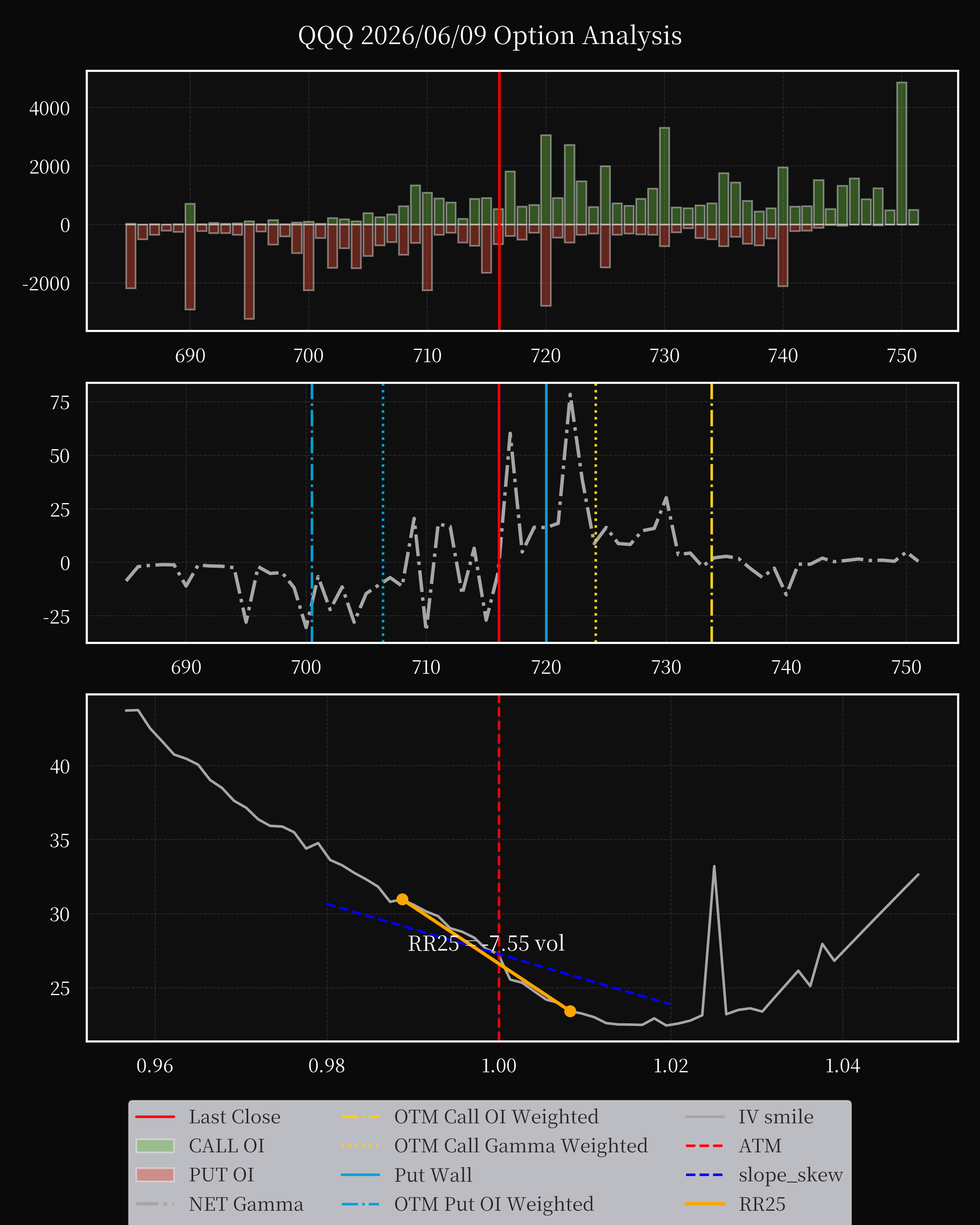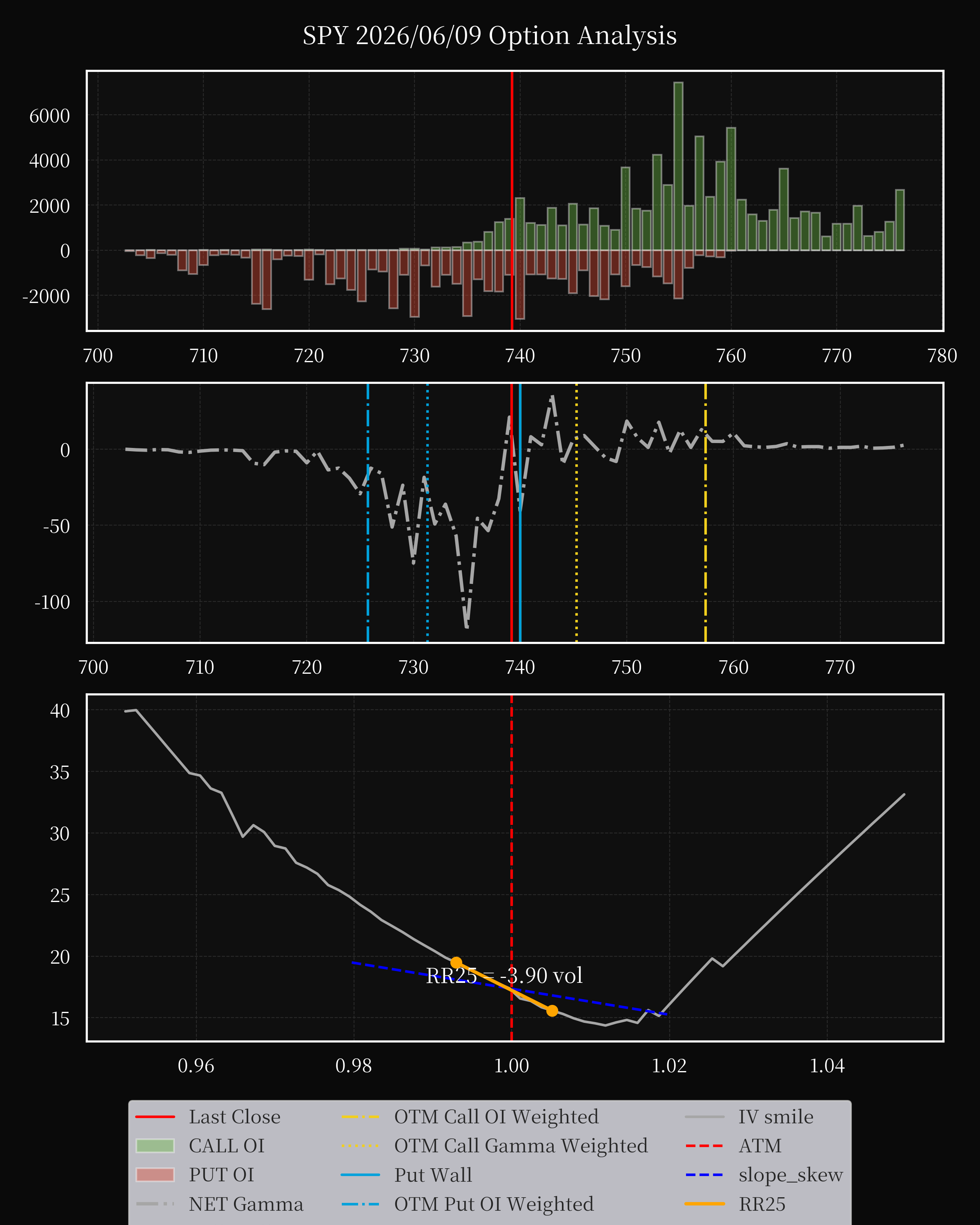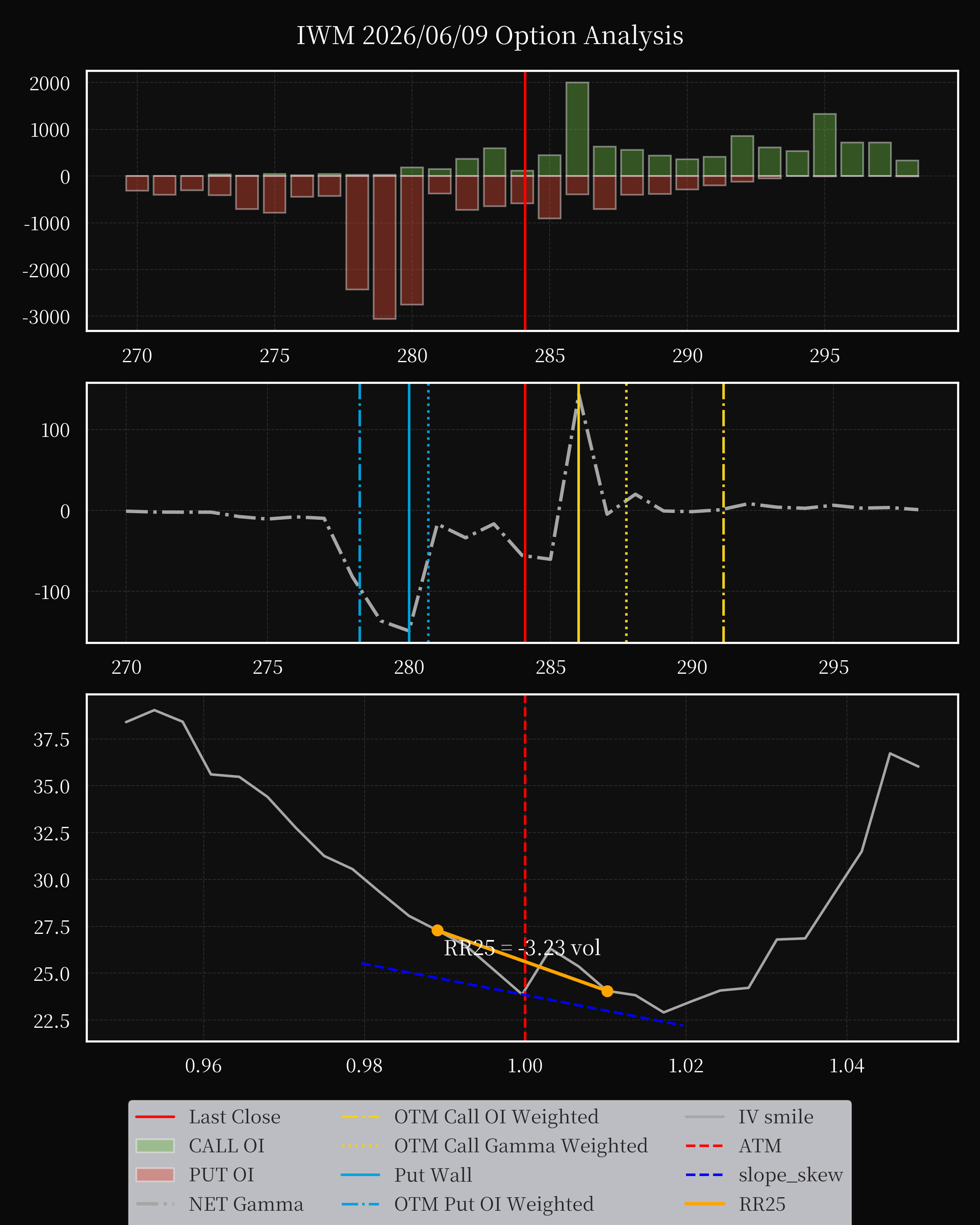
Overall
The U.S. equity markets exhibited a pronounced rebound on Friday, driven primarily by a sector-specific rally in semiconductor stocks that offset broader market weakness. The PHLX Semiconductor Sector Index surged over 5%, signaling renewed investor confidence in a segment that had faced significant pressure during earlier sessions. This performance was amplified by Intel’s shares climbing nearly 11%, catalyzed by reports that Alphabet’s Google was evaluating the company as a contingency chip manufacturer amid intensifying competition in the AI hardware space. The ripple effect extended to Marvell Technology, which gained over 9% after S&P Dow Jones Indices announced its inclusion in the S&P 500, a move that underscores the index’s evolving composition and its implications for market dynamics.
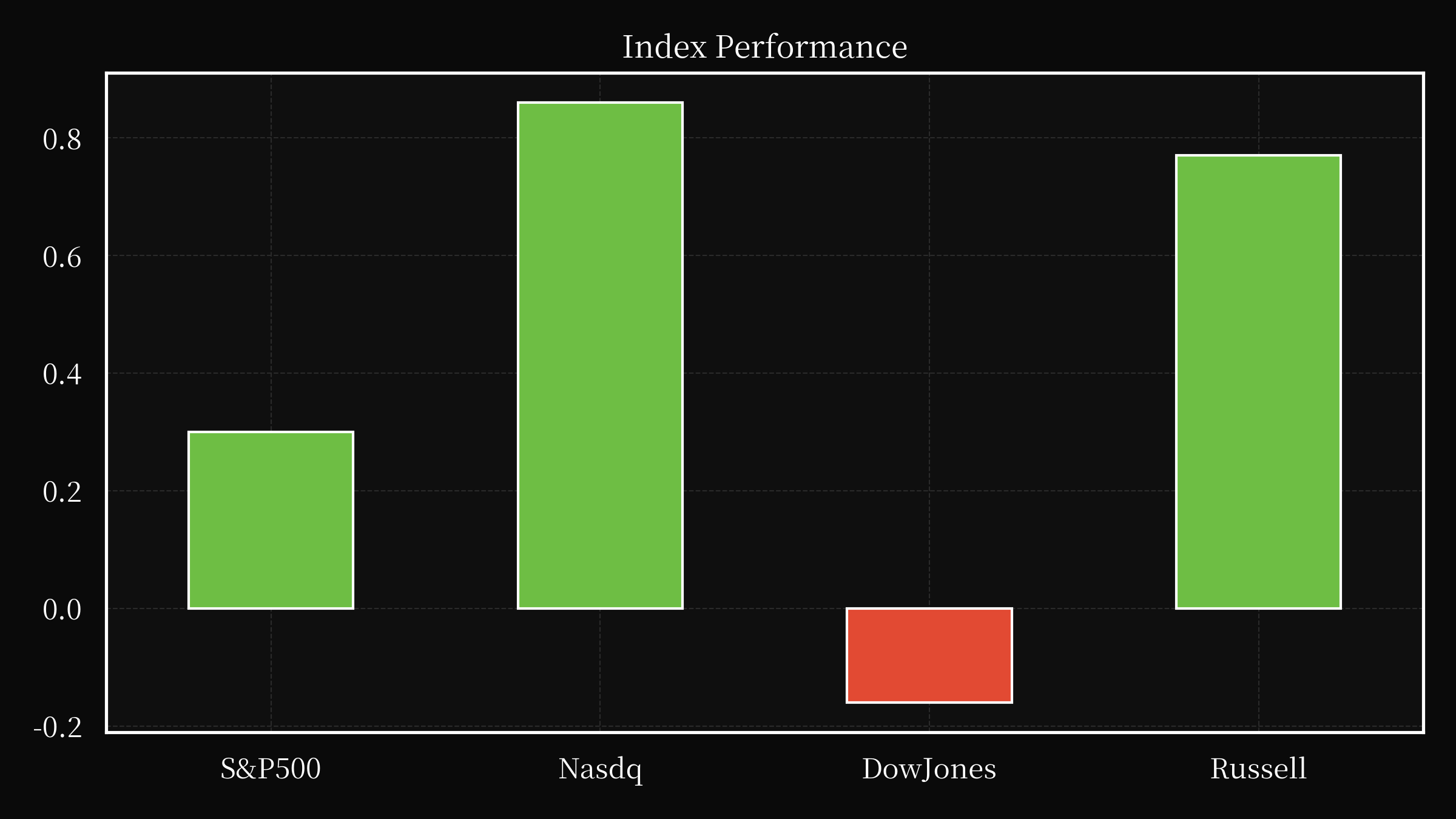
The broader market saw mixed results, with the S&P 500 edging up 0.3% and the Nasdaq outperforming at +0.9%, while the Dow Jones Industrial Average slipped slightly by 0.2% to 50,786. These divergent outcomes reflect sectoral rotations, with technology and industrial components showing resilience despite lingering macroeconomic uncertainties. The Nasdaq’s strength aligns with the tech sector’s ongoing dominance, driven by AI-related demand and strategic partnerships. Meanwhile, the Dow’s marginal decline highlights the challenges faced by traditional industrial and consumer discretionary stocks, which remain sensitive to global demand fluctuations and supply chain disruptions.
Apple’s recent announcement of an AI-enhanced Siri update, developed in collaboration with Google, initially buoyed investor sentiment but ultimately failed to sustain momentum, closing 1.9% lower. This outcome underscores the market’s skepticism toward incremental product improvements in the face of broader economic headwinds. Investors appear to prioritize tangible growth catalysts over incremental feature enhancements, particularly as macroeconomic indicators such as inflation and interest rates remain volatile. The stock’s underperformance also reflects heightened scrutiny of tech giants’ ability to translate AI advancements into profitable revenue streams, a critical factor in maintaining valuation multiples.
Geopolitical tensions in the Middle East continued to influence commodity markets, with oil prices rising as Israel and Iran suspended missile exchanges but maintained threats of renewed hostilities. The uptick in crude futures, alongside elevated natural gas and gasoline prices, highlights the persistent link between energy markets and global security dynamics. These developments have direct implications for inflationary pressures, which remain a key concern for central banks and investors alike. The interplay between geopolitical risk and commodity pricing reinforces the need for portfolio managers to monitor regional conflicts as potential catalysts for broader market volatility.
The IPO landscape saw renewed activity, with SpaceX’s highly anticipated offering positioned as a potential outlier due to its association with Elon Musk’s ventures. While the company allocated up to 30% of shares to retail investors, the offering’s success hinges on navigating regulatory scrutiny and investor demand amid broader concerns about overvaluation in the tech sector. The IPO’s potential to surpass $100 billion in valuation, if executed, would mark a significant milestone in private equity’s shift toward public markets, though its long-term viability depends on sustained demand for SpaceX’s technological innovations and commercial applications.
Analysts caution that the market’s recent resilience may be temporary, with Bear-Market signals multiplying as key metrics indicate overvaluation in the S&P 500. Strategies emphasizing profit-taking and selective risk reduction are gaining traction, particularly as macroeconomic data—including inflation trends and employment figures—remains mixed. The interplay between sector-specific strength and systemic risks necessitates a nuanced approach to portfolio construction, balancing growth-oriented investments with defensive positioning against potential downside scenarios.
The broader implications of these developments extend beyond equity markets, influencing fixed-income valuations and currency dynamics. Rising bond yields, driven by expectations of prolonged Federal Reserve tightening, have introduced headwinds for growth stocks, while the U.S. dollar’s relative strength reflects both safe-haven demand and divergent monetary policies across major economies. These cross-asset interactions highlight the interconnected nature of modern financial markets, where shifts in one segment can reverberate across equities, commodities, and credit markets.
In summary, the U.S. market’s recent trajectory reflects a complex interplay of sectoral rotations, geopolitical risks, and macroeconomic uncertainties. While semiconductor and tech stocks have shown resilience, the broader market remains vulnerable to external shocks and valuation corrections. Investors must remain vigilant in assessing both fundamental drivers and technical signals, recognizing that short-term rallies may not necessarily translate into sustained growth. The coming weeks will likely test the durability of current trends, with key economic data and corporate earnings shaping the path forward for equity markets.
Watch List
MSTR
Strategy recently announced several key developments impacting its financial operations. Primarily, the company initiated a $21.0 billion increase to its existing MSTR stock offering, the “MSTR Increase,” with sales expected to commence once the initial offering’s capacity is significantly reduced. Furthermore, Strategy utilized proceeds from its ATM sales to acquire Bitcoin, with aggregate purchase prices including associated fees and expenses. To bolster its financial stability and dividend payments, the company established a $1.0 billion US dollar reserve (USD Reserve) on December 1, 2025, which currently holds expected ATM proceeds. These actions reflect Strategy’s ongoing efforts to manage its liquidity, support shareholder distributions, and capitalize on market opportunities, as detailed in a Regulation FD disclosure.
VOR
Vor Biopharma Inc. recently achieved significant milestones in its international expansion, announcing that its partner, RemeGen Co., Ltd., has secured regulatory approvals for telitacicept within the Chinese market. Specifically, the company received conditional approval from the National Medicinal Products Administration (NMPA) for telitacicept’s use in treating adult patients with IgA nephropathy and a separate approval for its application in managing adult patients with Sjögren’s disease. These approvals represent a key step in Vor Biopharma’s strategy to commercialize telitacicept globally, initially focusing on the substantial Chinese market. The company provided supporting press releases detailing these achievements as Exhibits 99.1 and 99.2 to accompany the filing. This development highlights the potential for Vor Biopharma’s innovative therapies to reach a broad patient population and contribute to the company’s growth trajectory.
MTN
Vail Resorts, Inc. (MTN) reported a third-quarter net income of $314.4 million, down from $389.7 million in the prior year, reflecting challenging weather conditions across the western U.S. that impacted visitation and revenue. Resort Reported EBITDA decreased to $586.4 million compared to $647.7 million, leading the company to reduce its fiscal 2026 guidance. The company now anticipates net income between $128 million and $162 million, and Resort Reported EBITDA between $735 million and $755 million. Notably, early season pass sales decreased approximately 10% in units and 8% in days sold, with sales down 5%. Despite these headwinds, Vail Resorts maintained strong cost discipline and achieved savings targets through its resource efficiency transformation plan. The company highlighted positive trends in new pass product sales, particularly among young adults and unlimited pass holders, and noted outperformance of its spring pass results compared to industry benchmarks. Looking ahead, Vail Resorts remains focused on enhancing the guest experience through continued investments in infrastructure and technology, while leveraging its integrated network. The company’s liquidity remains strong at approximately $1.1 billion, and it reaffirmed its $215-$220 million capital plan for 2026. While pass sales declined due to the severe weather, management expressed optimism about capturing future visitation, particularly with the anticipated recovery in conditions following this season.
MTVA
MetaVia Inc. announced positive late-breaking data presented at the American Diabetes Association’s 2026 Scientific Sessions, showcasing its obesity and metabolic disease portfolio. Notably, interim results from a Phase 1 study of DA-1726, a dual GLP1R/GCGR agonist, demonstrated significant weight reduction – 6.1% and 9.1% at Day 26 and Day 54, respectively – alongside favorable tolerability. Furthermore, preclinical studies revealed promising synergistic effects when DA-1726 was combined with resmetirom for MASH and with metformin for T2D, exhibiting reductions in fat mass, improved liver health, and enhanced metabolic markers. These findings bolster the potential of MetaVia’s drug candidates in addressing complex metabolic disorders. The company’s presentation highlighted the potential of targeting GPR119 and THRβ for MASH, alongside the impact of gut hormone modulation through combination therapies.
SOPA
Society Pass Incorporated recently announced that AOGB CPA Limited, its previously engaged independent registered public accounting firm, has resigned, effective immediately. This decision was communicated to the Company’s Audit Committee and was not triggered by any identified violations of law or fraud discovered during AOGB’s audit procedures. Despite not having issued an audit opinion for the year ended December 31, 2025, the Company reports that there have been no disagreements with AOGB regarding accounting principles, financial statement disclosures, or auditing scope. Furthermore, there have been no “reportable events” as defined by SEC regulations. The Company has provided AOGB with a copy of this Form 8-K report prior to filing and has requested a copy of AOGB’s resignation letter, which is attached as Exhibit 16.1 to this filing. This change in auditors reflects a standard transition process and does not indicate any underlying issues with the Company’s financial reporting.
GRMN
At its annual general meeting held on June 5, 2026, Garmin’s shareholders overwhelmingly approved key resolutions, demonstrating confidence in the company’s direction. Shareholders ratified the 2025 Annual Report, including the consolidated and statutory financial statements for the year ended December 27, 2025, and approved the appropriation of available earnings and the payment of a cash dividend of $4.20 per share, payable in four installments. Furthermore, the board of directors and executive management were discharged for their work during the fiscal year, and six directors, including Min H. Kao as Executive Chairman, were re-elected for terms extending until the 2027 annual meeting. Independent auditors, Ernst & Young LLP, were re-appointed, and advisory resolutions passed on executive compensation and Swiss reports were also approved. The Board finalized the maximum aggregate compensation for Executive Management and the Board of Directors for the period leading up to the next annual meeting. The first dividend payment of $1.05 was scheduled for June 26, 2026, to shareholders of record on June 15, 2026.
CETY
Clean Energy Technologies, Inc. recently secured a $260,000 short-term, secured cash advance loan from Agile Capital Funding. This financing was facilitated through a Subordinated Secured Promissory Note and a Subordinated Business Loan and Security Agreement, both established on May 27, 2026. The loan is structured with an amortization schedule and is expected to be repaid over approximately 32 weeks. This transaction represents the creation of a direct financial obligation for Clean Energy Technologies, Inc. as detailed in Item 1.01 of this Form 8-K. All relevant documentation, including the Loan Agreement and Promissory Note, are filed as exhibits with this report, providing a comprehensive overview of the terms and conditions of the agreement.
CRMD
CorMedix, Inc. announced a significant legal victory today as the United States Court of Appeals for the Federal Circuit affirmed a previous district court ruling against Nexus Pharmaceuticals Inc. Specifically, the court upheld CorMedix’s patents regarding generic minocycline, finding that Nexus Pharmaceuticals’ product infringed upon two of CorMedix’s patents and rejected a challenge to those patents. This decision represents a crucial step in protecting CorMedix’s intellectual property rights. The ruling stemmed from a lawsuit filed by CorMedix against Melinta Therapeutics, LLC, and others. It’s important to note that this announcement includes forward-looking statements, which are subject to potential variations due to numerous factors. CorMedix emphasizes that actual results may differ from these projections and advises investors to review the company’s filings with the SEC for a comprehensive understanding of its risks and prospects. The company’s press release detailing this outcome is attached as Exhibit 99.1.
ABAT
American Battery Technology Company (ABC) has secured a significant reversal following a prior termination of a key agreement with the U.S. Department of Energy (DOE). Initially, the DOE terminated ABC’s Assistance Agreement, awarding the project to September 30, 2025, but ABC promptly appealed. After extensive dispute resolution, the DOE has rescinded the termination and reinstated the agreement through a newly executed Modification Agreement, effective retroactively from September 1, 2025. This Modification Agreement extends the project timeline to December 31, 2029, with revised budget periods spanning from September 1, 2023, through December 31, 2029. The DOE’s contribution will be $57.7 million, while ABC’s cost share remains at $57.7 million. The agreement incorporates updated terms and conditions aligning with DOE regulations. ABC released a press release announcing this successful resolution, which is included as Exhibit 99.1 to this Form 8-K filing. This reinstatement represents a crucial step for ABC’s commercial-scale battery cathode manufacturing facility project.
ASST
Strive, Inc. announced on June 8, 2026, that it purchased 32 bitcoins between June 2nd and June 7th, 2026, at an average price of approximately $63,911 per bitcoin, including associated fees and expenses. Simultaneously, the company revealed adjustments to its investment portfolio, encompassing cash holdings, bitcoin, and its holdings of Strategy Inc.’s Variable Rate Series A Perpetual Stretch Preferred Stock (the “STRC Stock”) and Variable Rate Series A Perpetual Preferred Stock (the “SATA Stock”). The company’s statement included a standard cautionary statement, highlighting potential risks that could impact its future performance and the trading of its Class A common stock and SATA Stock. These risks encompass legal proceedings, management distraction, potential dilution from share issuances, adverse client reactions, and unforeseen circumstances. Strive emphasized that these forward-looking statements are based on current assumptions and that actual results may differ materially. Investors are advised to consult Strive’s Form 10-K filing for a more comprehensive understanding of these risks and the company’s overall financial situation.
IanFV (www.ianfv.com) is the world's first pure-blood, neutral research institution built on LLM (Large Language Models) specifically for individual investors. Founded by a top-tier team with backgrounds from Tsinghua, Harvard, Morgan Stanley, and UBS, we are committed to breaking down high-priced information barriers and providing institutional-grade investment research at affordable prices. Unlike traditional institutions, IanFV does not serve big-money sponsors or inflate market bubbles. Leveraging a proprietary knowledge graph and a fully localized deployment architecture, we achieve a differentiated competitive advantage through light assets and high efficiency. Our research reports refuse to "sell dreams": valuation reports are based on point-in-time intervals rather than reverse-engineered numbers; industry reports focus relentlessly on real trends over the next six to twelve months; and in-depth reports penetrate market bubbles to strike at the core of corporate survival moats—all to ensure investors hold the most authentic research cards in the secondary market.