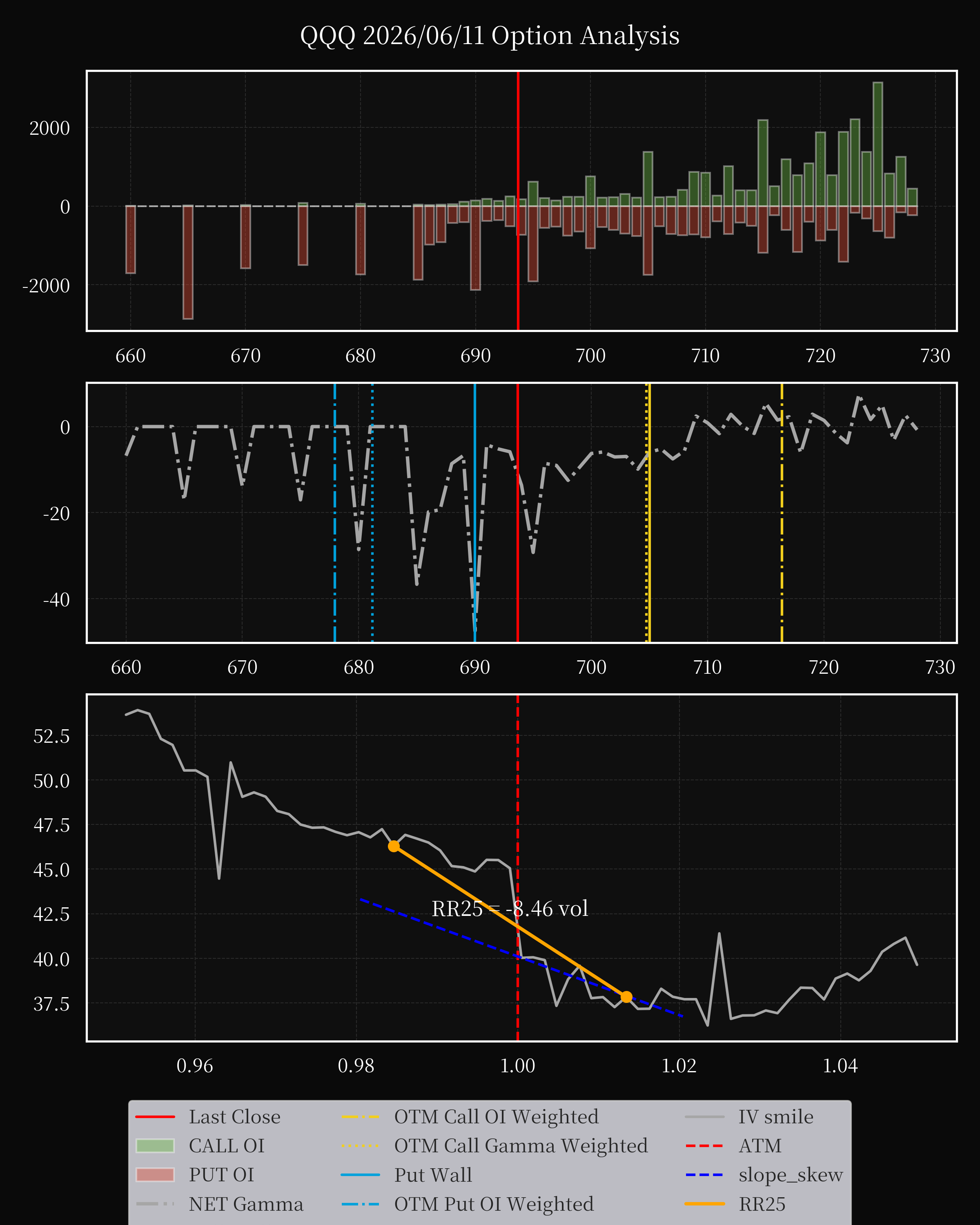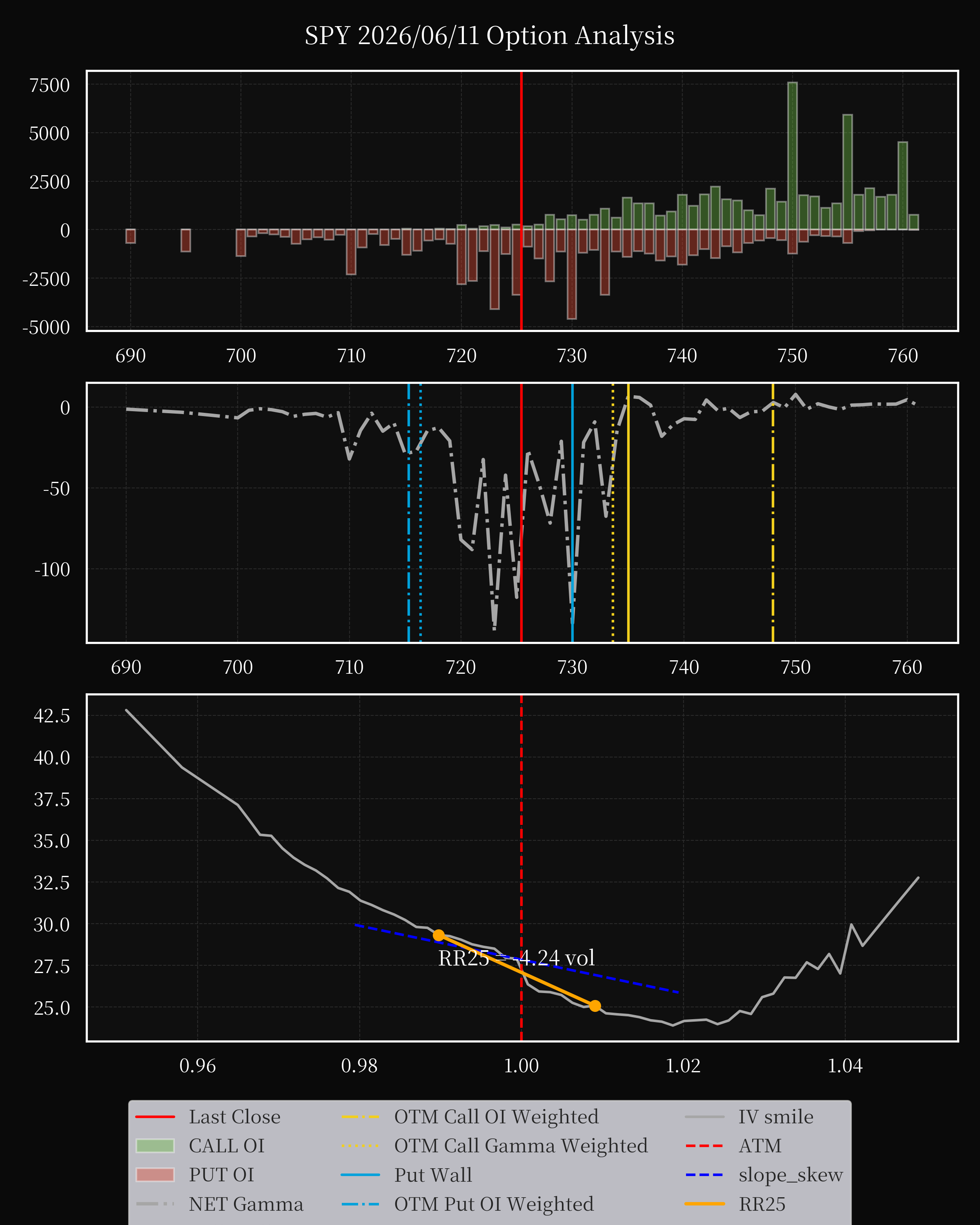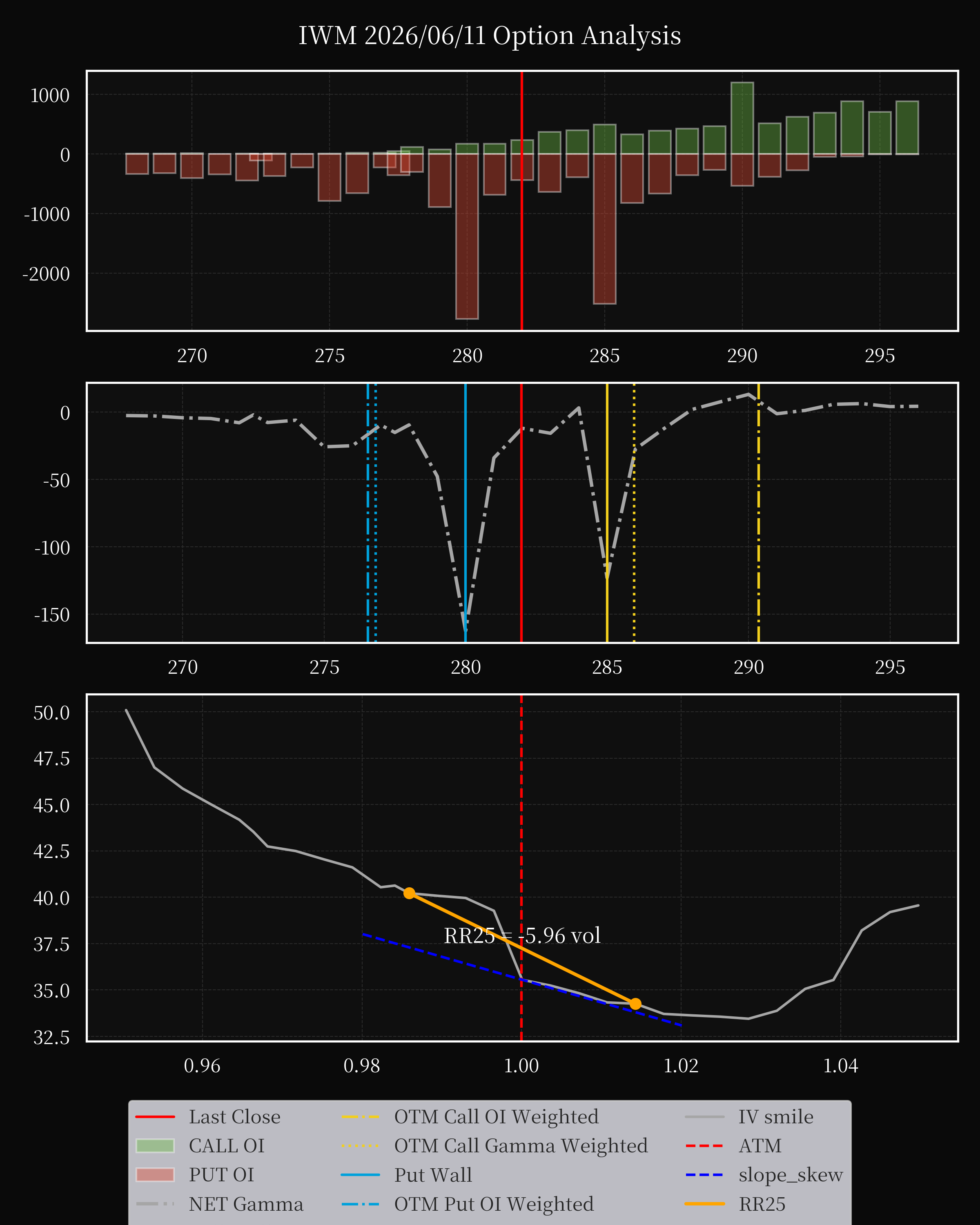
Overall
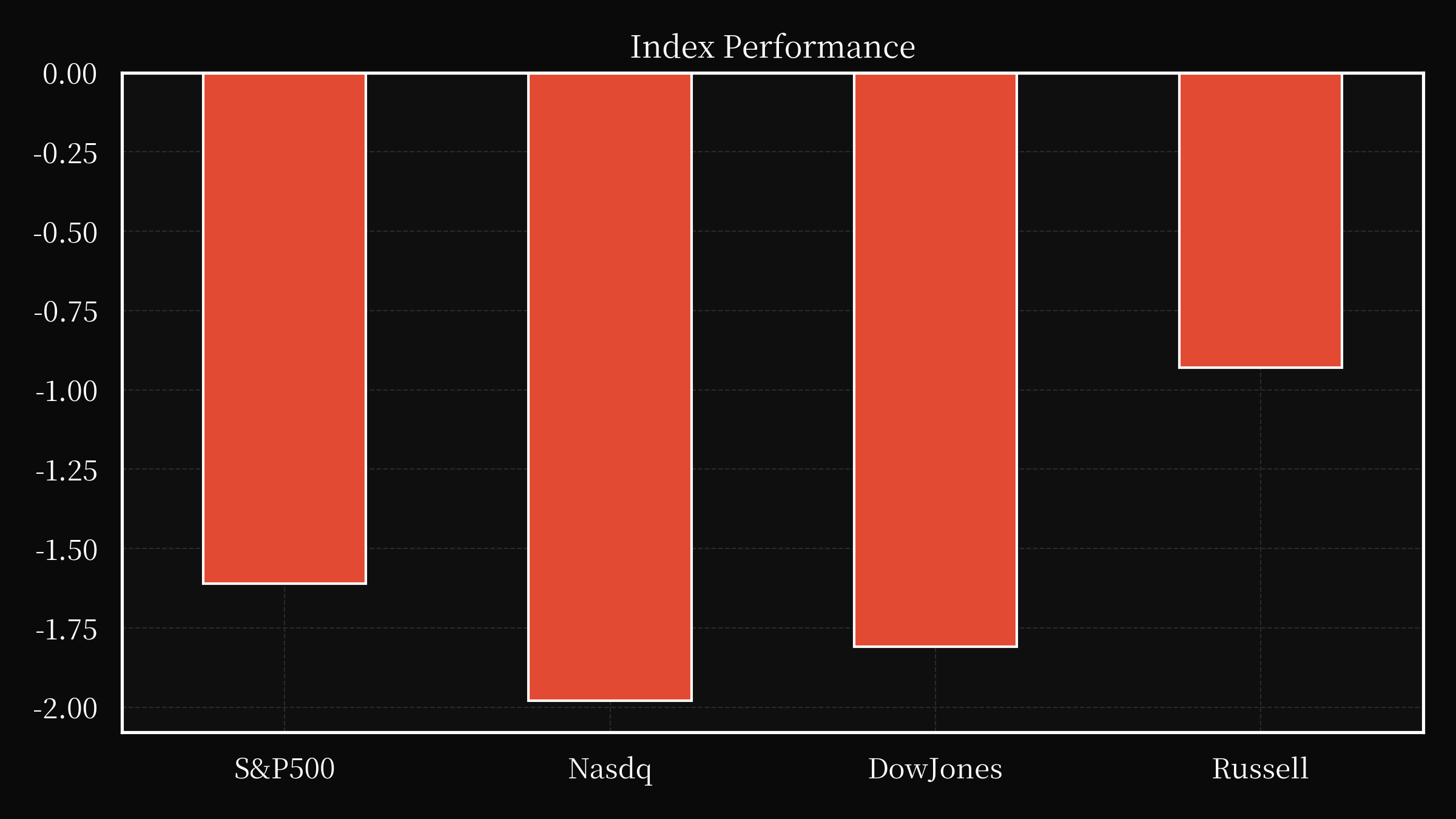
The U.S. equity market opened the week with a pronounced rebound, driven by a mix of sector rotation and renewed optimism around artificial intelligence, even as broader economic and geopolitical risks weighed on sentiment. Apple’s unveiling of Siri AI at its Worldwide Developers Conference signaled a strategic push to reassert its leadership in consumer technology, albeit with measured caution given regulatory constraints in the European Union. The company’s approach, blending AI capabilities with its established privacy framework, may yet catalyze incremental growth in wearables and services, though immediate upside appears limited by compliance hurdles. Concurrently, the market’s appetite for risk was underscored by the Nasdaq’s resilience despite earlier volatility, reflecting a belief that AI-driven innovation remains the sector’s primary growth engine.
The IPO filing by OpenAI, alongside Anthropic’s recent efforts, has injected fresh dynamism into the AI investment narrative, with Wall Street positioning itself to capitalize on the sector’s potential. However, this optimism is tempered by concerns over valuation concentration, as the S&P 500’s performance increasingly hinges on a handful of high-flying tech names. Analysts note that while AI spending is likely to sustain momentum in the near term, structural risks—including regulatory scrutiny, talent retention challenges, and cyclical overvaluation—could precipitate a broader market correction if growth fails to meet inflated expectations. The interplay between corporate strategy and macroeconomic forces will thus define the trajectory of both individual equities and the broader index landscape.
Geopolitical tensions, particularly in the Middle East, continue to introduce volatility into risk assets, with oil prices rebounding sharply amid renewed hostilities between Iran and the U.S. The spike in crude prices, coupled with supply chain disruptions, threatens to erode consumer spending gains and complicate Federal Reserve policy decisions. Meanwhile, small business sentiment has weakened, signaling potential headwinds for the labor market despite mixed survey data. As investors navigate these overlapping dynamics, the balance between technological disruption and traditional economic fundamentals will remain central to assessing market sustainability. The week ahead promises further scrutiny of earnings trends, central bank signaling, and the pace of AI adoption across industries, all of which will shape both short-term volatility and long-term valuation paradigms.
Investor behavior this week reveals a cautious yet opportunistic stance, with capital rotating toward AI-adjacent sectors while hedging against regulatory and geopolitical uncertainties. The performance of semiconductor giants, for instance, has been erratic, reflecting both the sector’s critical role in enabling AI advancements and its susceptibility to cyclical demand swings. Similarly, the resurgence of retail credit and the persistence of housing market data improvements suggest pockets of resilience amid broader economic softness. As the market grapples with these dualities, the challenge for analysts lies in distinguishing transient rallies from enduring structural shifts, particularly as central banks recalibrate their approach to inflation and growth. The interplay between corporate innovation, policy responses, and macroeconomic data will ultimately determine whether today’s optimism translates into sustained recovery or gives way to renewed caution.
The broader implications of these developments extend beyond equities, influencing fiscal policy debates and corporate capital allocation strategies. The push for AI integration across industries has intensified competition for talent and resources, driving up valuations for firms positioned at the intersection of technology and traditional sectors. At the same time, rising geopolitical risks and energy market volatility have forced companies to reassess supply chain strategies and cost structures, with implications for profit margins and long-term growth trajectories. For investors, the task is to weigh these competing forces while remaining vigilant to early warning signs of sector-specific or systemic stress. The coming weeks will likely see heightened focus on earnings guidance, particularly from tech firms, as well as policy developments that could reshape the regulatory environment for AI and data-driven industries.
In sum, the market’s current trajectory reflects a delicate equilibrium between innovation-driven growth and entrenched risks. While AI continues to dominate headlines and investment flows, the persistence of inflationary pressures, geopolitical flashpoints, and regulatory uncertainty ensures that volatility will remain a defining feature of the landscape. The ability of companies to navigate these challenges—whether through strategic pivots, operational efficiency, or policy engagement—will determine their relative performance. For analysts, the imperative is to maintain a granular understanding of sectoral dynamics while contextualizing broader macro trends, ensuring that investment decisions are grounded in both opportunity and risk. As the week progresses, the interplay between these forces will remain central to interpreting market signals and anticipating shifts in investor sentiment.
Watch List
LSTA
Lisata Therapeutics, Inc. has amended its merger agreement with Kuva Labs Inc. and Kuva Acquisition Corp. to extend the timeline for the proposed tender offer for Lisata’s shares. Specifically, the offer’s commencement date has been pushed back from June 1, 2026, to June 10, 2026, with the possibility of an additional extension to August 17, 2026, through a $1.5 million non-refundable extension fee. To secure this extension, Parent must make interim payments to Lisata totaling $250,000, originally due on May 26, 2026. In exchange, Lisata has agreed not to pursue claims against Parent, Purchaser, or their affiliates related to the merger agreement. The amendment also includes covenants regarding financing arrangements and requires Parent to promptly disclose any material changes to security holders if its initial financing sources become unavailable. Investors are advised to carefully review the full amendment document (Exhibit 2.1) and related Schedule TO and Schedule 14D-9 filings for comprehensive information regarding the proposed acquisition and the associated risks, as these documents will contain crucial details for shareholders’ decisions.
RTAC
Please provide me with the 6-K or 8-K content from the SEC Filing that you want me to summarize. I need the text of the filing to be able to fulfill your request. Once you paste the content here, I will summarize it into a fluent paragraph of no more than 300 words.
CLLS
Cellectis has received Regenerative Medicine Advanced Therapy (RMAT) designation from the FDA for lasmecabtagene timgedleucel (lasme-cel), marking a significant step forward for its allogeneic CD22-targeting CAR-T cell therapy. This designation acknowledges the potential of lasme-cel to address the critical need for treatment options in patients with relapsed or refractory B-cell acute lymphoblastic leukemia (r/r B-ALL). The RMAT status is bolstered by positive data from the Phase 1 BALLI-01 trial, which demonstrated promising efficacy and a manageable safety profile for the therapy. Cellectis plans to present final data from this trial at the 2026 European Hematology Association (EHA) Congress. The company is currently enrolling patients in a pivotal Phase 2 trial (NCT04150497) and emphasizes the importance of this designation in advancing lasme-cel towards becoming an “off-the-shelf” CAR-T option for patients with r/r B-ALL who require immediate treatment. Cellectis’s Chief Executive Officer, André Choulika, highlighted the company’s pioneering role in allogeneic CAR-T technology and anticipates continued collaboration with the FDA as lasme-cel progresses through its development program. Investors can reach Cellectis’s communications and finance teams for further inquiries.
ECC
Eagle Point Credit Co. Inc. recently filed a report detailing its financial status, primarily focusing on its net asset value (NAV). The filing, a Form 8-K, indicates the company’s NAV as of May 31, 2026, was projected to fall within a range of $4.55 to $4.65 per share. While the specific details of the report are not fully outlined in this brief summary, the filing serves to update stakeholders on the company’s valuation and aligns with regulatory requirements regarding disclosures. This action confirms the company’s ongoing operations and provides a snapshot of its financial position, particularly concerning its common stock’s estimated value. Further details regarding the company’s operations and financial performance would be available within the full 8-K filing.
BWAY
BrainsWay Ltd. recently presented compelling data at the Clinical TMS Society Annual Meeting showcasing the durability of its SWIFT™ accelerated Deep TMS protocol for Major Depressive Disorder. The study, based on a follow-up of 65 patients from an earlier pivotal trial, revealed remarkable results, with over 80% achieving remission one year after treatment, a significant decrease from 85% at baseline. Notably, all patients in the cohort experienced a complete elimination of severe functional impairment by the 12-month mark, indicating a substantial positive impact on their daily lives, including work, social interactions, and overall well-being. The research, utilizing BrainsWay’s SWIFT™ protocol – which reduces clinic visits by 70% – demonstrated a low rate of patients requiring medication adjustments or repeat TMS sessions during the year. These findings, building upon previous FDA clearance, highlight the potential for sustained antidepressant effects and functional recovery with Deep TMS, offering a promising new approach to long-term depression treatment and reinforcing BrainsWay’s commitment to innovation in mental healthcare.
DBGI
Digital Brands Group, Inc. recently announced a significant milestone as Chief Executive Officer John Hilburn Davis IV initiated purchases of the company’s common stock on the open market. This marks the first instance in the company’s history where an insider has directly invested in its shares, signaling a strong vote of confidence from leadership regarding the company’s underlying fundamentals, strategic roadmap, and anticipated growth. Mr. Davis’s acquisition demonstrates his commitment to aligning his interests with those of the company’s shareholders. The transactions were undertaken to reinforce investor confidence and highlight the company’s positive outlook. A copy of the press release detailing this development is attached as Exhibit 99.1 to this Form 8-K filing and is considered an integral part of the report.
EFSC
Enterprise Financial Services Corporation (EFSC) operates as a focused commercial bank with a diversified business model centered around privately-owned businesses, primarily in the Midwest and expanding into the Southwest and Western regions. As of June 2026, the company boasts $2.2 billion in market capitalization, $17.2 billion in total assets, and a robust 1.21% CET1 ratio. EFSC has demonstrated consistent growth and profitability, achieving a 1.16% ROAA and 12.5% ROATCE, with a target of 1.24% ROAA. The bank’s strategy includes disciplined organic growth, augmented by strategic mergers and acquisitions, focusing on acquiring high-quality deposit portfolios and specialized businesses. Key areas of focus include SBA lending, life insurance premium finance, and sponsor finance programs, supported by a scalable platform and a strong, experienced management team. EFSC’s balance sheet growth is driving earnings growth, and the company maintains a conservative approach to risk management with a well-managed balance sheet and significant liquidity. Recent financial highlights for the first quarter of 2026 showed a net income of $49.4 million, with a diluted EPS of $1.30, alongside a NIM of 4.28% and a 1.65% PPNR ROAA. The bank’s future strategy centers on continued geographic diversification, product line enhancements, and leveraging technology to optimize client experiences, all while maintaining a strong presence across major markets and a commitment to delivering value to its shareholders.
XEL
Public Service Company of Colorado (PSCo), a subsidiary of Xcel Energy Inc., recently filed a natural gas rate case with the Colorado Public Utilities Commission (CPUC) seeking a $190 million revenue increase, representing an 11.6% boost, driven by a proposed 10.75% return on equity and a $4.7 billion test year rate base. Following initial filings, ten intervenors submitted testimony, and the CPUC Staff and the Colorado Office of the Utility Consumer Advocate (UCA) provided comprehensive responses. Proposed adjustments are largely earnings neutral, with rebuttal testimony scheduled for July 2nd, a settlement deadline of July 8th, and a full hearing spanning July 23rd to 31st. The CPUC anticipates a decision and rate implementation by the fourth quarter of 2026. These proceedings involve numerous potential risks, including operational safety, wildfire risks, commodity price fluctuations, and broader economic conditions. Xcel Energy acknowledges these uncertainties, highlighting factors such as labor market challenges, regulatory changes, and potential impacts from climate change and geopolitical events. The company’s forward-looking statements are subject to material variations due to these risks and assumptions, emphasizing the importance of monitoring developments within the regulatory proceedings.
PAVS
This filing confirms that the company, headquartered at 250 Park Avenue in New York, utilizes a Sales Agent to facilitate the sale of its Class A Ordinary Shares. Under the terms of the Sales Agreement, recently attached as Exhibit 1.1 and incorporated into this filing, the Sales Agent is obligated to employ its standard sales and trading practices to place shares as directed by the company via written notice. Crucially, the Sales Agent receives a commission of 3.5% of the gross proceeds generated from these sales. It’s important to note that this summary represents a concise overview of the key details outlined in the Sales Agreement and does not constitute a comprehensive legal interpretation. The full details of the agreement are available for review as referenced in the attached Exhibit Index.
APLD
Applied Digital Corporation has been actively pursuing strategic initiatives with recent announcements detailing key developments. Most recently, the company secured a revolving credit facility of up to $550 million, arranged by Goldman Sachs Lending Partners LLC, to support its data center projects and working capital. Simultaneously, APLD ComputeCo 3 LLC, a subsidiary, priced an offering of $1.59 billion in 7.00% senior secured notes due 2031, intended to fund the construction of 150 megawatts of IT load (“ELN-04”) at its Polaris Forge 1 campus in North Dakota, repay a bridge loan, and cover related expenses. The company also finalized a lease agreement at its Delta Forge 2 Campus, a dedicated AI Factory, and is exploring a potential assignment of a lease agreement with CoreWeave, Inc. for the same ELN-04 project, contingent upon CoreWeave achieving an investment grade credit rating. These actions demonstrate Applied Digital’s commitment to expanding its AI infrastructure capabilities and securing financial resources for its growth strategy. All of this information is supported by attached press releases and investor presentation slides.
IanFV (www.ianfv.com) is the world's first pure-blood, neutral research institution built on LLM (Large Language Models) specifically for individual investors. Founded by a top-tier team with backgrounds from Tsinghua, Harvard, Morgan Stanley, and UBS, we are committed to breaking down high-priced information barriers and providing institutional-grade investment research at affordable prices. Unlike traditional institutions, IanFV does not serve big-money sponsors or inflate market bubbles. Leveraging a proprietary knowledge graph and a fully localized deployment architecture, we achieve a differentiated competitive advantage through light assets and high efficiency. Our research reports refuse to "sell dreams": valuation reports are based on point-in-time intervals rather than reverse-engineered numbers; industry reports focus relentlessly on real trends over the next six to twelve months; and in-depth reports penetrate market bubbles to strike at the core of corporate survival moats—all to ensure investors hold the most authentic research cards in the secondary market.