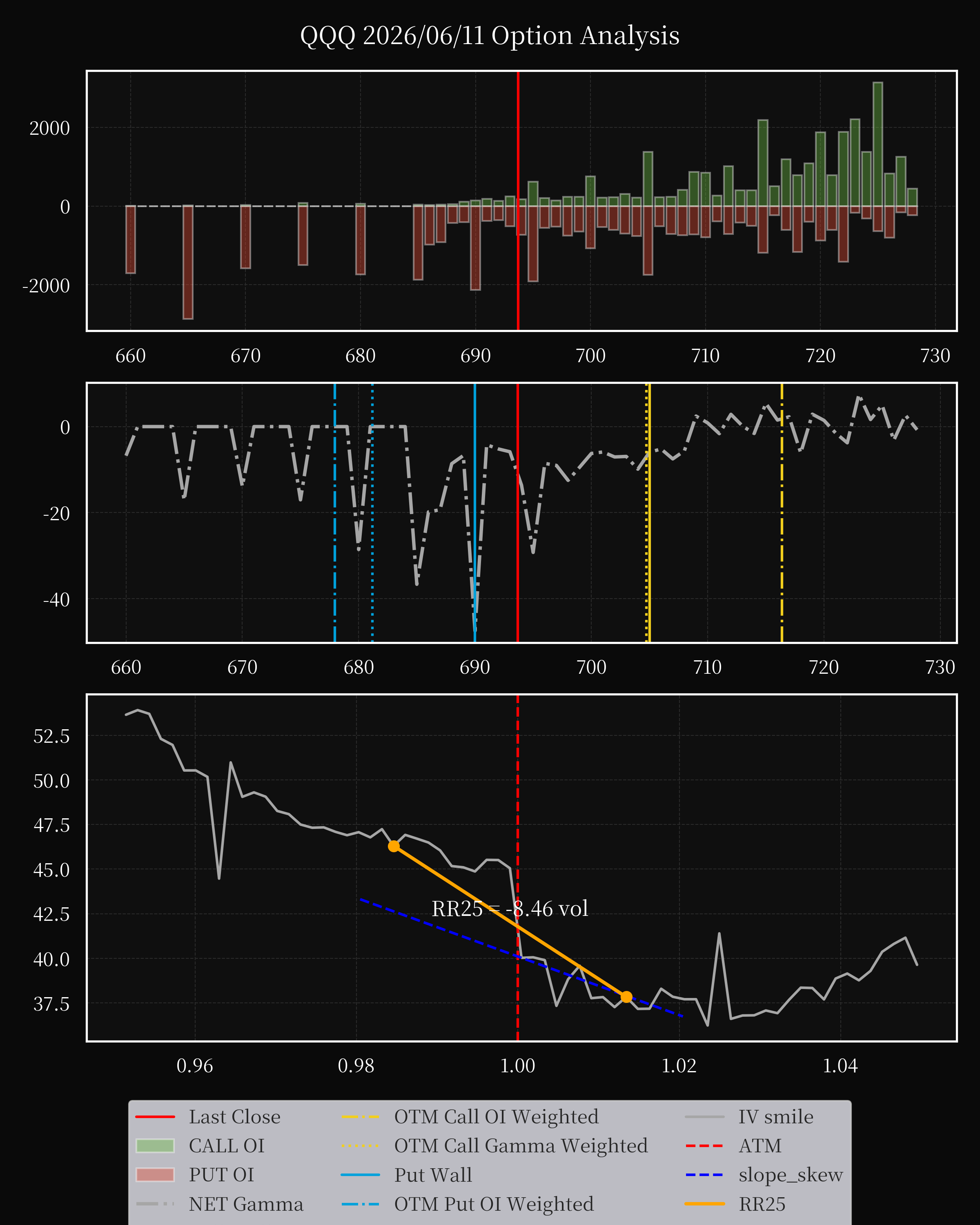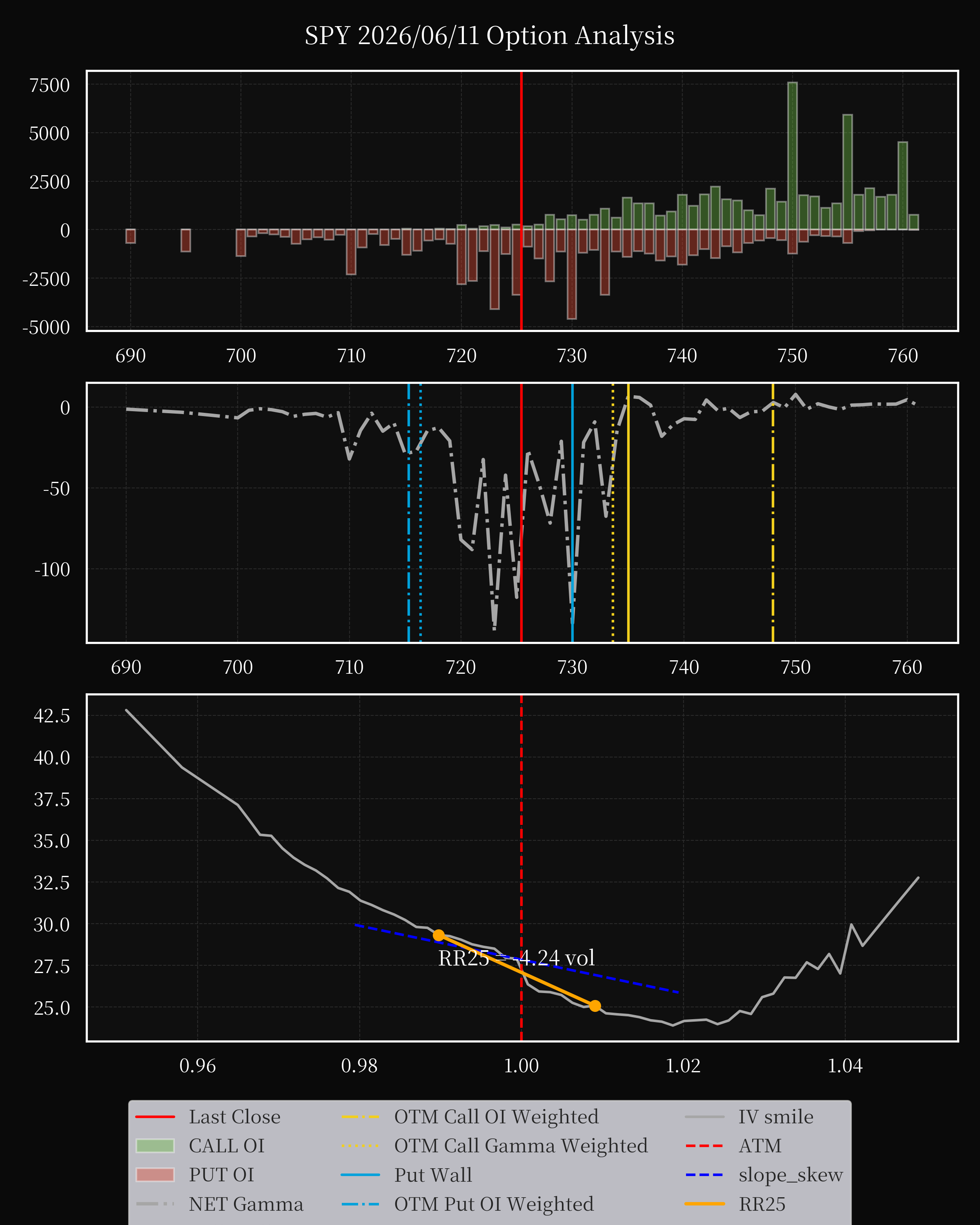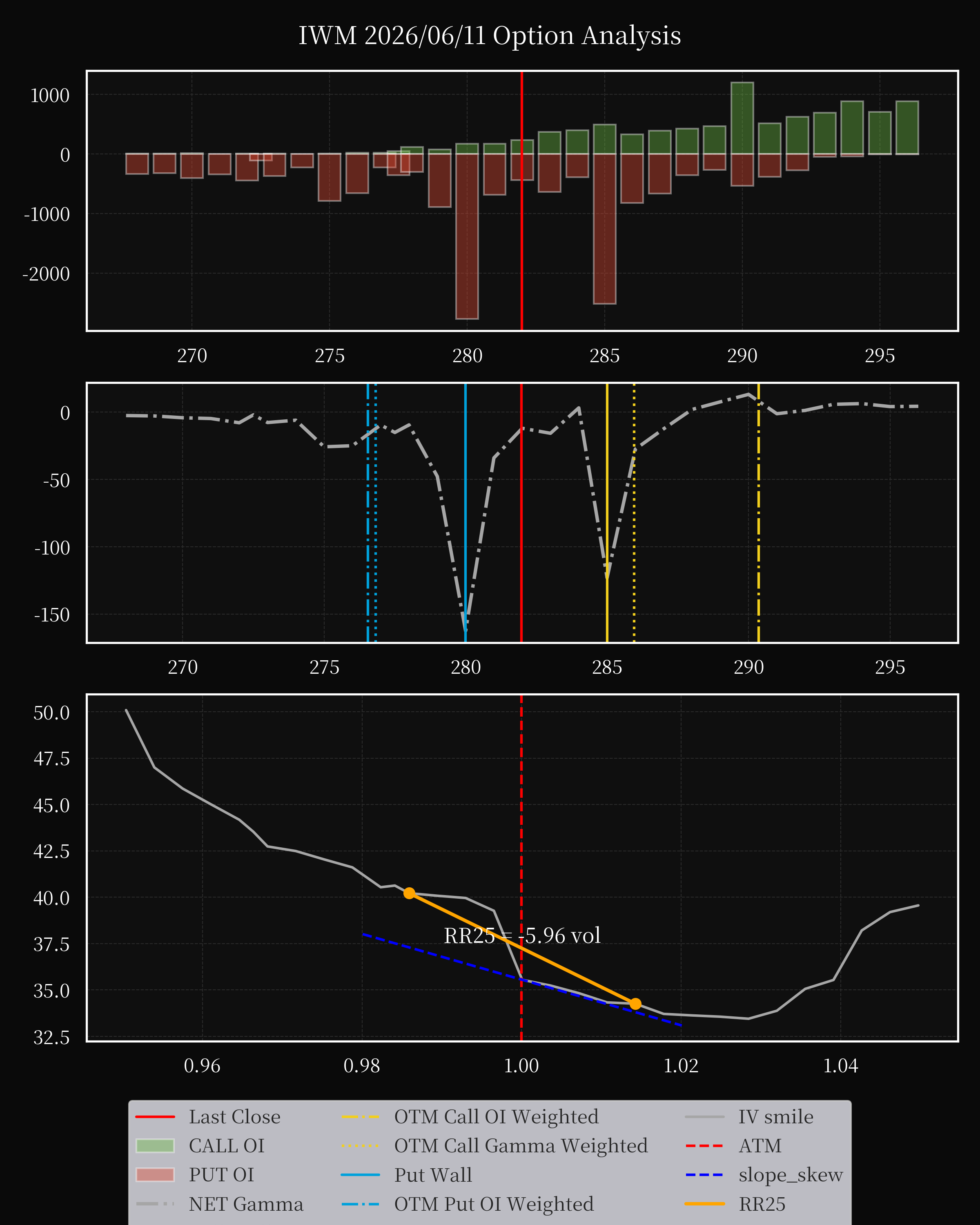
Overall
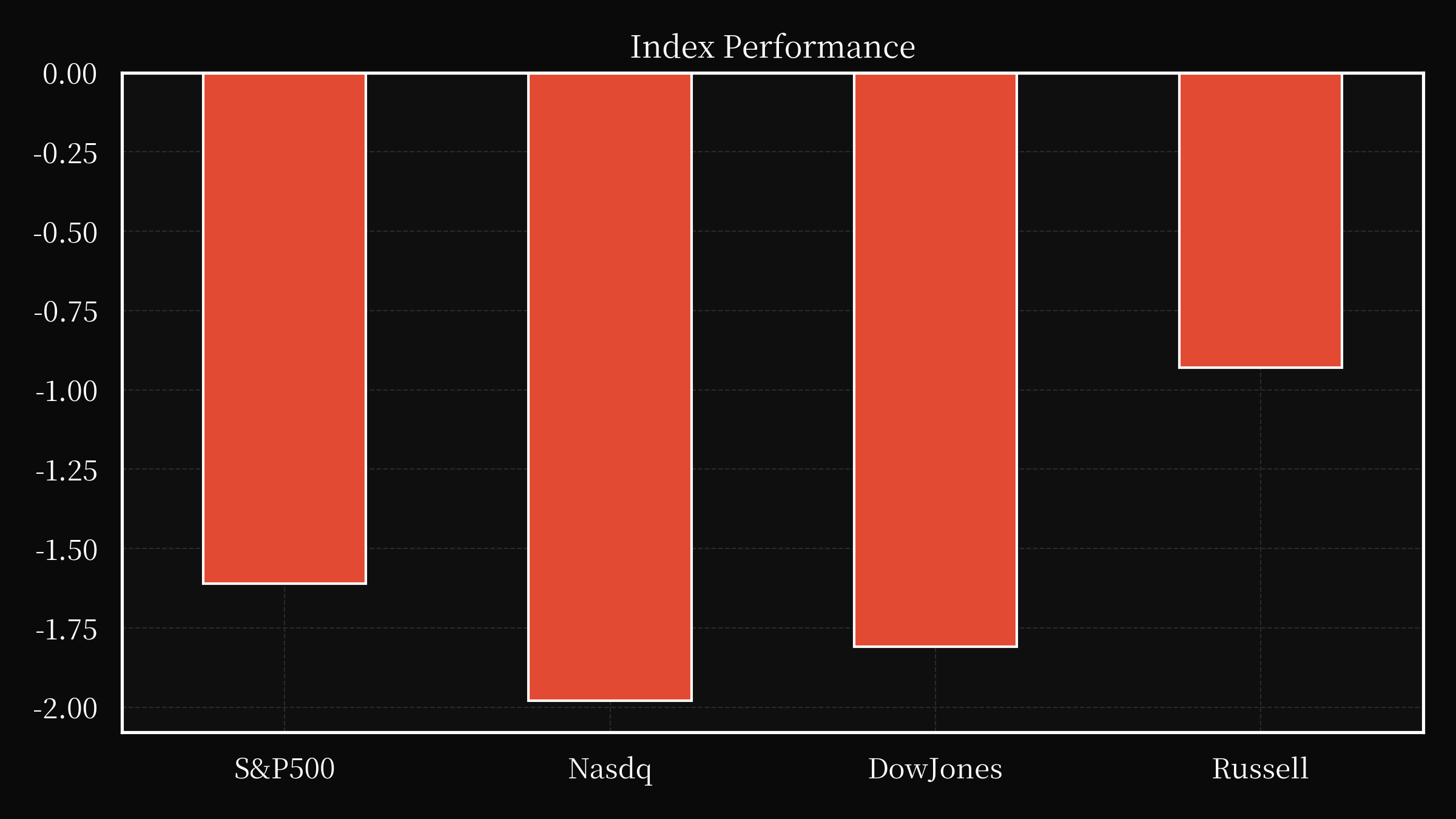
The U.S. equity market opened Tuesday under significant pressure, with the Nasdaq Composite falling 1% and the S&P 500 slipping 1.6% as investors recalibrated their positions amid a complex backdrop of geopolitical tensions, inflation concerns, and sector-specific volatility. The Dow Jones Industrial Average, while showing relative resilience at a 1.9% decline, remained under pressure as the broader market grappled with the implications of a sharply rising Consumer Price Index (CPI) and the lingering effects of a tech-sector rout that had dominated earlier in the week. The Dow’s performance, though less dramatic than its counterparts, underscored the fragility of market sentiment when confronted with overlapping macroeconomic and microeconomic headwinds.
The S&P 500’s decline was particularly notable, reflecting the broader selloff in technology stocks that had been fueled by concerns over the sustainability of AI-driven valuations and the recent correction in semiconductor markets. The Nasdaq’s 1% drop, while modest in isolation, highlighted the market’s sensitivity to shifts in investor confidence, especially as the Federal Reserve’s policy stance remained a critical unknown. The CPI report, set for release later in the week, loomed large over the day’s trading, with expectations of a 4.2% annualized increase in prices—its highest level in three years—raising the specter of prolonged rate hikes and further volatility. This data point, coupled with the ongoing U.S.-Iran tensions, created a dual narrative of economic uncertainty and geopolitical risk that weighed heavily on market participants.
Beyond inflation and geopolitics, sector-specific dynamics added to the market’s complexity. The tech sector, already reeling from a sharp correction in semiconductor stocks, faced renewed scrutiny as investors reassessed the long-term viability of AI-driven growth narratives. The recent 9% plunge in Super Micro Computer’s shares, following its announcement of a $7 billion equity raise to fund AI-related orders, exemplified the challenges of balancing capital demands with profitability. Meanwhile, the energy sector saw a modest rebound in oil prices, though the broader market remained cautious about the impact of Middle East tensions on global supply chains. These divergent trends underscored the market’s fragmented nature, where gains in one area were often offset by losses elsewhere, leaving investors to navigate a landscape of competing forces with limited clarity.
The interplay of these factors—rising inflation, geopolitical instability, sectoral volatility, and the shadow of the Federal Reserve’s next move—created a market environment where caution prevailed over optimism. While the Dow’s relative stability offered a temporary reprieve, the broader indices’ declines signaled a market in transition, grappling with the dual challenges of economic normalization and the need to reconcile speculative excesses with fundamental realities. For investors, the day served as a reminder of the delicate balance between opportunity and risk, as the path forward remained as uncertain as the forces shaping today’s headlines.
The U.S. government’s response to the Iran crisis, including retaliatory strikes and the potential for further escalation, introduced an additional layer of unpredictability. The immediate market reaction—marked by a 1.8% rise in Brent crude prices—highlighted the sensitivity of energy markets to geopolitical shocks, even as broader economic data suggested a slowdown in inflationary pressures. This duality—where energy prices could rise without triggering a broader economic downturn—reflected the nuanced nature of current market dynamics, where traditional indicators no longer provided a clear roadmap for future performance.
In this context, the day’s trading outcomes underscored the importance of adaptability in an environment where traditional metrics and narratives were increasingly challenged by rapid shifts in global events and investor sentiment. The markets, once driven by the unrelenting march of technological innovation, now found themselves navigating a terrain where macroeconomic stability, geopolitical risk, and sectoral performance intersected in ways that defied simple analysis. For those willing to engage with these complexities, the lesson was clear: in an era of heightened uncertainty, the ability to synthesize disparate signals into coherent strategies would define success.
Watch List
BANF
BancFirst Corporation announced its agreement to acquire SpiritBank, a Tulsa-based community bank with approximately $939.6 million in assets and $618.4 million in loans. The deal, finalized on June 10, 2026, will see SpiritBankCorp, Inc., which operates as SpiritBank, joining BancFirst. SpiritBank currently holds $847.2 million in deposits. While the transaction is anticipated to close during the fourth quarter of 2026, pending regulatory approvals and standard closing conditions, SpiritBank will continue to operate under its existing name until the merger with BancFirst is complete. This acquisition significantly expands BancFirst’s footprint and strengthens its position within the Oklahoma banking market.
FLD
Fold Holdings, Inc. recently completed a significant strategic move, successfully monetizing $45 million worth of Bitcoin at an average price of roughly $71,000 per coin. This transaction, announced via a press release (Exhibit 99.1), represents a key step in the company’s evolving approach to its digital asset holdings. Simultaneously, Fold Holdings also eliminated $20 million in debt that was previously collateralized by Bitcoin. This combined action demonstrates a focused effort to reduce risk and optimize the company’s financial position following previous investments in cryptocurrency. The execution of this monetization strategy highlights Fold Holdings’ commitment to adapting its portfolio to market conditions and underscores a shift towards a more streamlined and less volatile asset strategy.
MASI
Danaher Corporation completed the acquisition of Masimo Corporation through a merger, effective June 10, 2026, resulting in Masimo becoming a wholly-owned subsidiary of Danaher. As part of the transaction, all obligations under Masimo’s existing credit agreement were terminated, and each outstanding share of Masimo stock was automatically converted into $180 per share in cash, extinguishing shareholder rights. This effectively removed Masimo from Nasdaq, with the company intending to file a delisting form and certification. Following the merger, key executives including Catherine Szyman and Gregory Meehan resigned, entering into consulting agreements to provide ongoing services to the newly formed entity. Simultaneously, the Company’s certificate of incorporation and bylaws were amended to reflect the merger, solidifying Danaher’s control and establishing the framework for the combined organization. The acquisition was funded entirely with Danaher’s existing cash reserves.
IOVA
Iovance Biotherapeutics, Inc. held its annual stockholder meeting virtually on June 10, 2026, where shareholders voted on seven key proposals, representing approximately 74% of the company’s outstanding common stock. Notably, all director nominees were elected with significant support, alongside approvals for the company’s long-term stock incentive plans. A significant vote was cast in favor of approving the company’s proposed stock incentive plans, reflecting shareholder confidence in the company’s strategy. Furthermore, the company announced the receipt of marketing authorization from the Therapeutic Goods Administration of Australia for its Amtagvi® treatment for advanced melanoma on June 4, 2026, marking a significant milestone in the company’s development pipeline. The approval highlights Iovance’s continued efforts to expand access to its innovative therapies and underscores the company’s commitment to advancing treatments for cancer patients.
EURK
Eureka Acquisition Corp, a Cayman Islands-based company, has secured an extension to its initial business combination process, initially set to conclude by June 3, 2026. This extension, facilitated by a $150,000 Monthly Extension Fee paid by Marine Thinking Inc., pushes the deadline to July 3, 2026, with potential one-month extensions up to July 3, 2026, contingent on continued fee payments. Marine Thinking, an autonomous ship and fleet solution provider, provided the extension fee through an unsecured promissory note. The Company issued this note to secure the extension, carrying no interest and payable upon completion of the business combination or the expiry of the company’s term. Marine Thinking holds the right to convert the note into private units consisting of Class A ordinary shares and rights to receive one-fifth of a Class A share upon completion of the combination. The Company filed a registration statement with the SEC for the proposed transaction, involving Eureka and Marine Thinking, and is urging investors to review the proxy statement/prospectus for details. The document highlights risks associated with the transaction, including potential delays in completion, regulatory hurdles, and broader economic uncertainties. Readers are advised that forward-looking statements are subject to significant risks and uncertainties, and that the Company and Marine Thinking cannot guarantee the successful completion of the proposed business combination.
DFDV
This Separation Agreement and General Release outlines the terms of Parker White’s departure from DeFi Development Corp., effective June 8, 2026. As part of the agreement, White will receive a severance package, including continued COBRA health insurance coverage for a specified period, and a release of all potential claims against the company and its affiliates, encompassing its directors, officers, employees, and legal entities. The agreement specifies an immediate termination of White’s employment, along with a comprehensive release covering potential claims related to his employment, including compensation, breach of contract, and wage-related issues. Furthermore, White waives any unknown claims and reaffirms his understanding of his supervisory role within the company, acknowledging that it required independent judgment. To protect the company, White also agrees to refrain from disparaging remarks about the company and its representatives, and to fully return all company property and confidential information. The agreement includes a seven-day consideration period for White to review the terms, and a provision for potential tax liabilities, with White responsible for paying applicable taxes. Finally, White has waived any rights to pursue claims through the SEC or other governmental agencies, and has affirmed his commitment to adhering to legal and regulatory requirements, including those related to labor laws and wage payments.
ATEX
Anterix (ATEX) announced its full fiscal year 2026 results, demonstrating a strong performance driven by spectrum sales and connectivity solutions. The company secured significant contracts totaling $24.7 million, including a new agreement with Benton PUD, and benefited from the FCC’s 2026 Report and Order expanding the 900 MHz broadband segment. Anterix delivered broadband licenses to customers across 247 counties, generating a $34.8 million gain on the sale of intangible assets and $22.0 million gain in the fourth quarter alone. Strategic investments totaling $34.6 million were made in spectrum clearing costs. As of March 31, 2026, Anterix held a healthy cash position of $98.5 million with no outstanding debt, and utilized $1.0 million of its $250 million authorized share repurchase program. Looking ahead, the company anticipates continued contracted proceeds through fiscal 2027 and beyond, though these figures are subject to adjustments based on license delivery dates. The company’s balance sheet reflects a commitment to shareholder value through its ongoing share repurchase program, currently holding $226.7 million remaining.
BACC
Please provide the 6-K or 8-K content from the SEC Filing that you want me to summarize. I need the text of the filing to be able to fulfill your request. Once you paste the content here, I will summarize it into a fluent paragraph of no more than 300 words.
ALTS
AI Financial Corporation recently announced a significant boost to its liquidity position following the anticipated full transferability of its WLFI token holdings. The company holds a total of 6,905,276,644 WLFI tokens, with 3,321,690,994 tokens currently available for use as collateral, staking opportunities within the WLF Protocol, and lending transactions. Furthermore, approximately $180 million in these tokens represents readily available digital assets, bolstering the company’s strategic initiatives and growth objectives. While initially 3,583,585,650 WLFI tokens were subject to a 12-month lock-up, they are also set to become fully transferable on August 12, 2026. Management now believes that the substantial liquidity provided by these tokens has significantly mitigated the previously identified concerns regarding the company’s ability to continue as a going concern, and they currently anticipate sufficient liquidity to fund operations and obligations for at least the next 12 months. The company’s total market value of WLFI holdings is currently estimated at approximately $380 million, reflecting a considerable strengthening of its financial profile.
OXM
Oxford Industries, Inc. (NYSE:OXM), owner of brands like Tommy Bahama, Lilly Pulitzer, and Johnny Was, announced its first-quarter fiscal 2026 results, reporting consolidated net sales of $391 million, slightly down from $393 million in the prior year. Adjusted earnings per share (EPS) reached $1.39, exceeding guidance driven by better-than-expected gross margins, though this was impacted by $11 million in incremental tariff costs and a higher LIFO charge. The company faced headwinds from softer results at Lilly Pulitzer and challenging consumer sentiment, alongside higher energy prices. Oxford narrowed its full-year sales guidance range to $1.475 billion to $1.505 billion, reflecting ongoing macroeconomic pressures and the need to address slower performance at Lilly Pulitzer. Key performance indicators showed a 1% decrease in full-price DTC sales, with e-commerce sales down 2%. Food and beverage sales, however, increased by 14% due to new locations. Gross margins decreased to 62.3% due to tariffs and the LIFO charge, though adjusted gross margin was 63.4% excluding LIFO. SG&A expenses rose due to new retail and food & beverage locations, along with increased consulting costs. The company’s board declared a quarterly cash dividend. Looking ahead, Oxford anticipates continued economic pressures and is adjusting its outlook, expecting EPS to range from $1.70 to $2.10, reflecting disciplined expense management and the expected continuation of lower tariff rates. The company highlighted risks including trade policies, consumer sentiment, supply chain constraints, and competitive pressures.
IanFV (www.ianfv.com) is the world's first pure-blood, neutral research institution built on LLM (Large Language Models) specifically for individual investors. Founded by a top-tier team with backgrounds from Tsinghua, Harvard, Morgan Stanley, and UBS, we are committed to breaking down high-priced information barriers and providing institutional-grade investment research at affordable prices. Unlike traditional institutions, IanFV does not serve big-money sponsors or inflate market bubbles. Leveraging a proprietary knowledge graph and a fully localized deployment architecture, we achieve a differentiated competitive advantage through light assets and high efficiency. Our research reports refuse to "sell dreams": valuation reports are based on point-in-time intervals rather than reverse-engineered numbers; industry reports focus relentlessly on real trends over the next six to twelve months; and in-depth reports penetrate market bubbles to strike at the core of corporate survival moats—all to ensure investors hold the most authentic research cards in the secondary market.