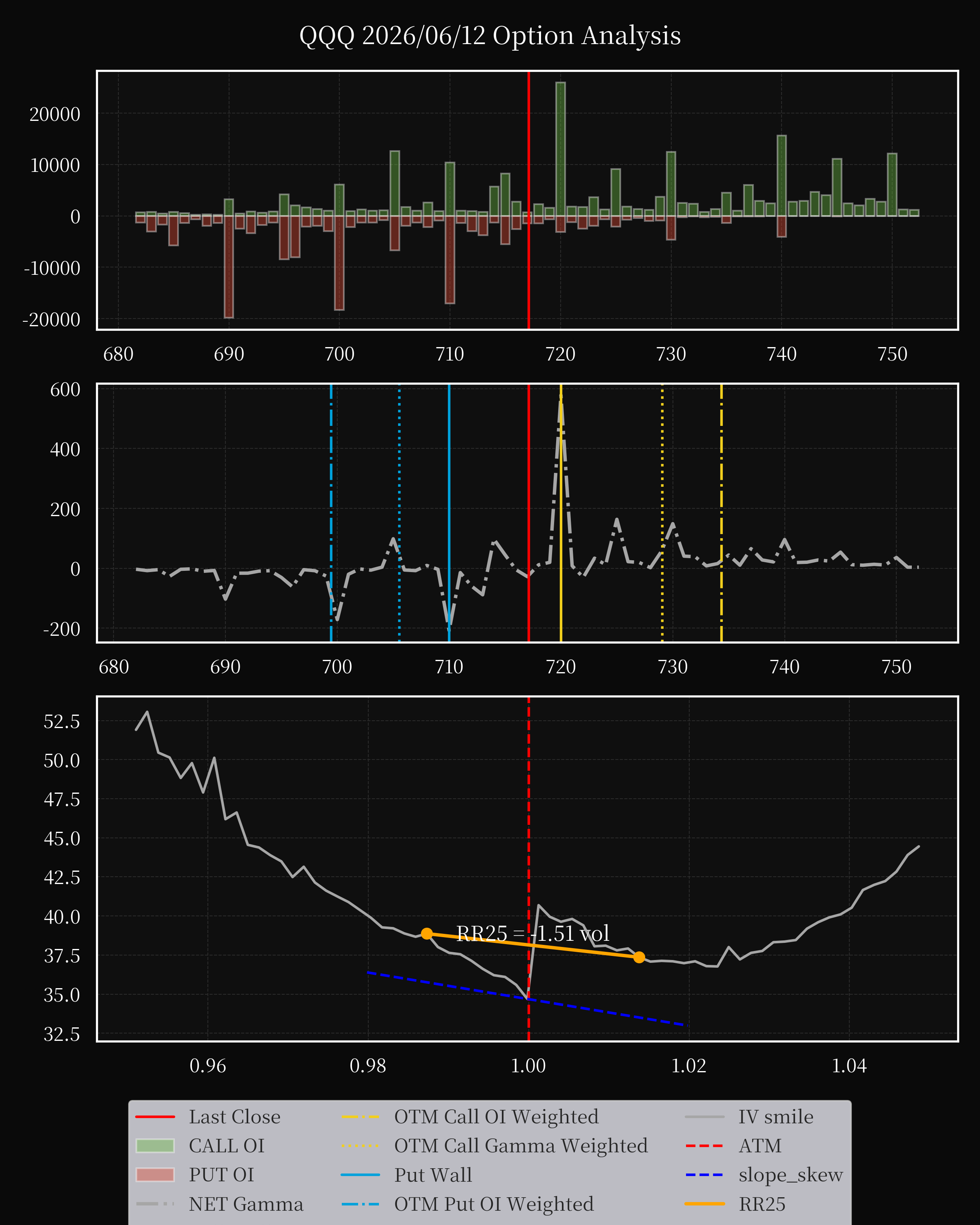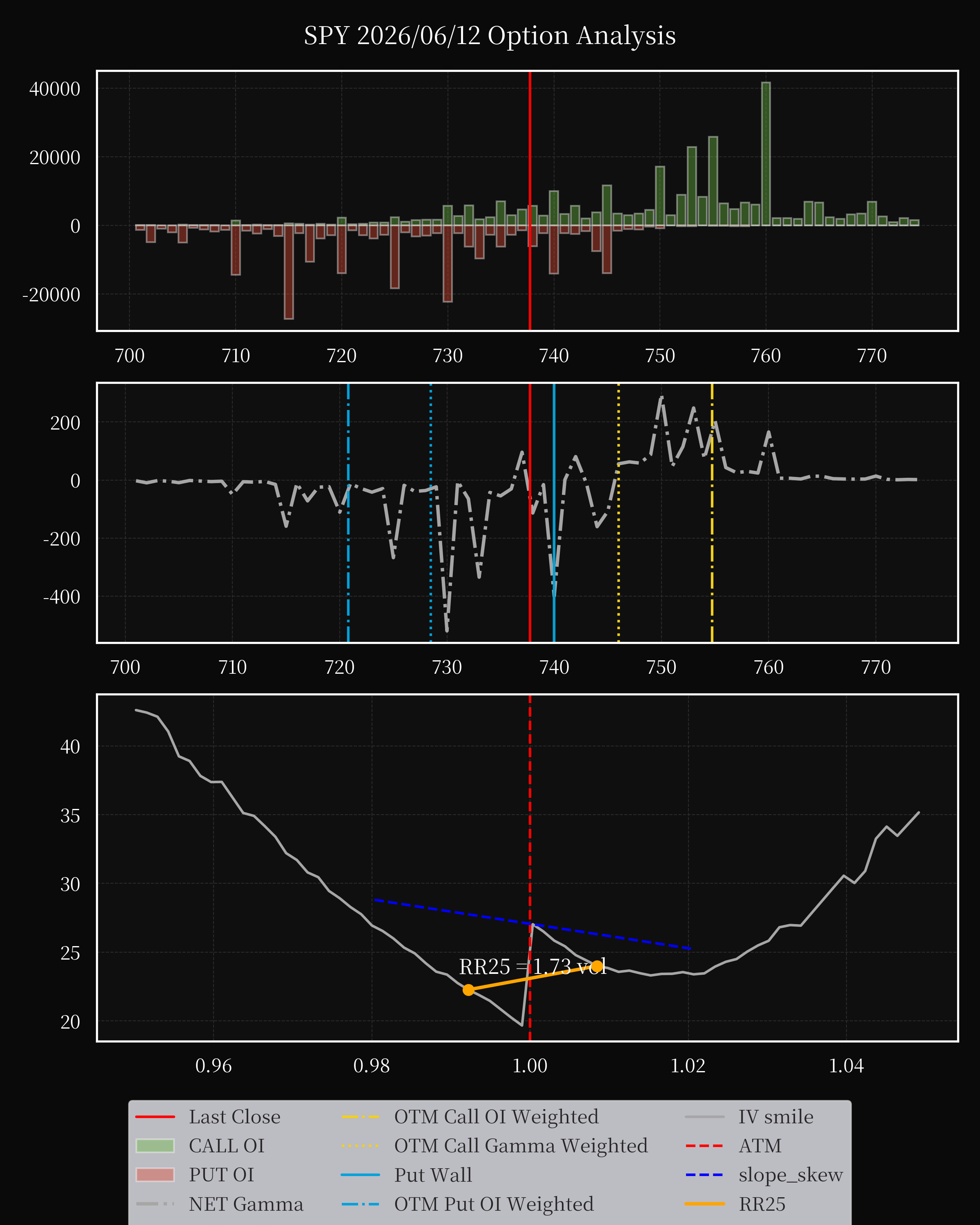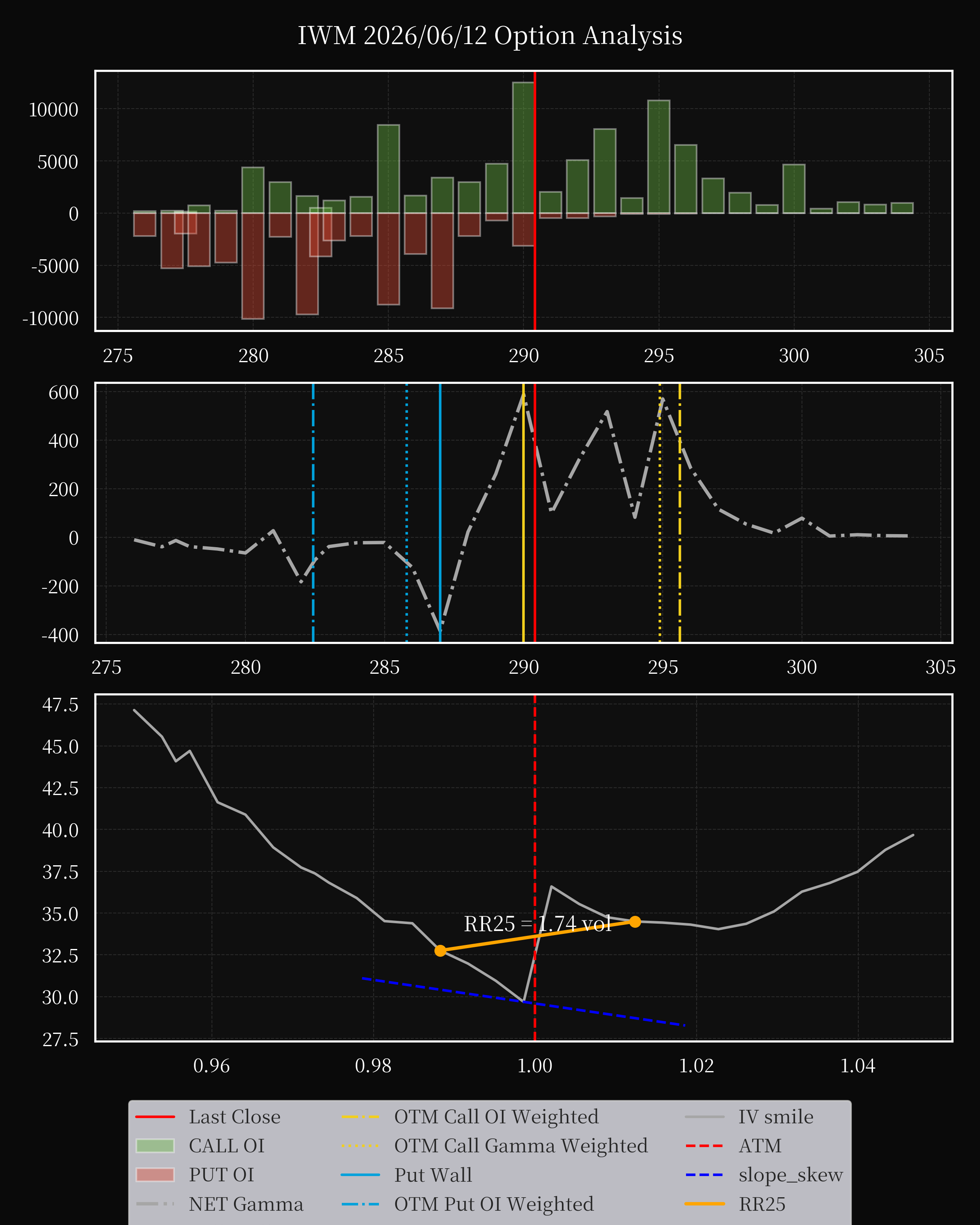
Overall
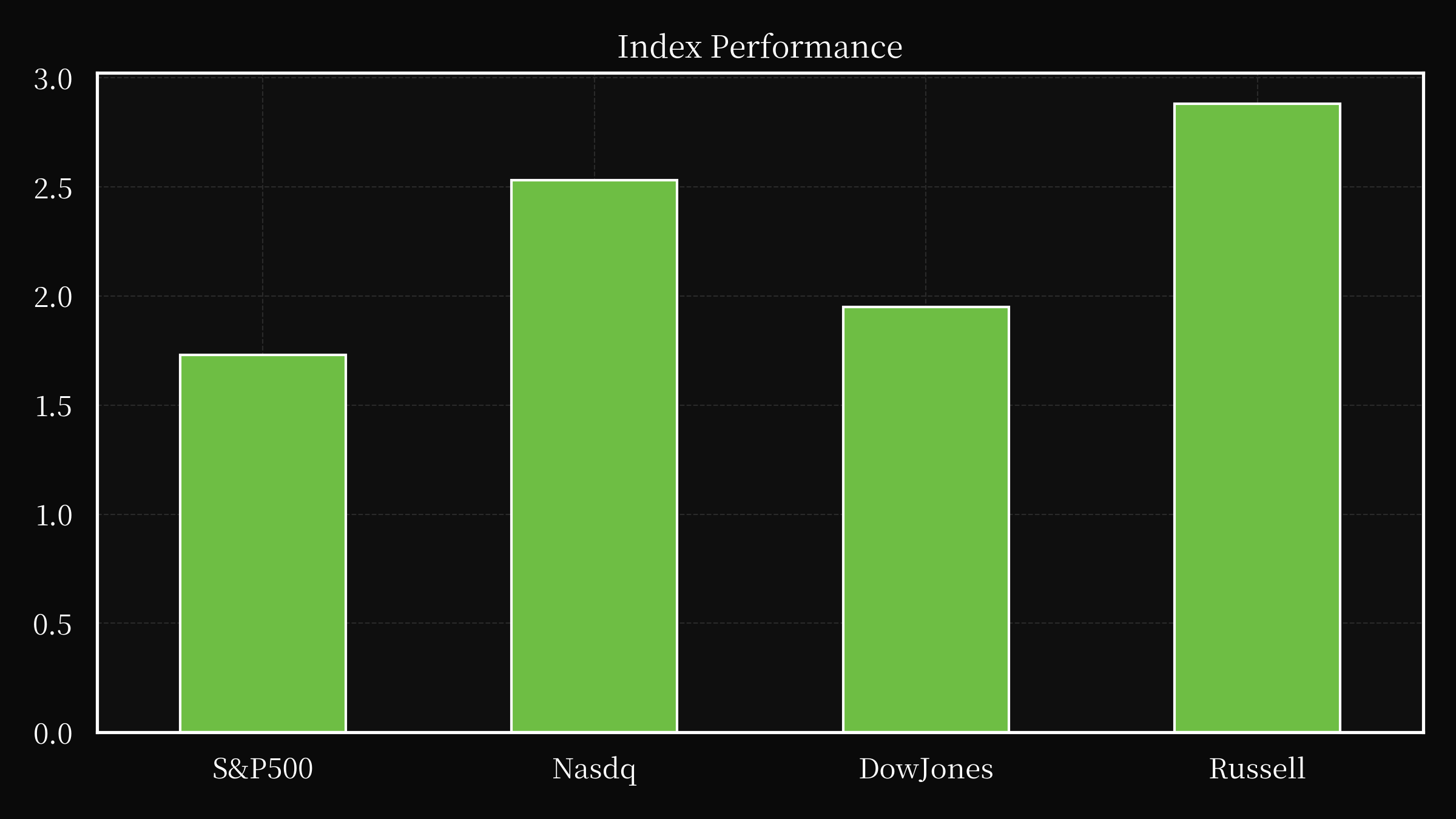
The latest market briefing underscores a complex interplay of geopolitical tensions, macroeconomic data, and corporate developments that collectively shape the current investment landscape. At the forefront is the escalation of conflict between the United States and Iran, which has introduced significant volatility into global markets. The renewed threat of military action following recent strikes and counterstrikes has not only heightened geopolitical risk but also cast a shadow over energy supply chains, with the Strait of Hormuz—a critical chokepoint for oil shipments—effectively shut down. This disruption has immediate implications for oil prices, which saw a notable decline as markets priced in potential supply constraints. The World Bank’s latest growth forecast, which anticipates a global expansion of just 2.5% in 2026—the slowest pace since the Covid-19 recession—reflects the broader economic drag from such conflicts and persistent inflationary pressures. While the U.S. Federal Reserve is expected to pause rate hikes temporarily, the specter of further hikes later in the year remains, particularly if inflation proves more entrenched than anticipated. These dynamics create a backdrop of uncertainty that investors must navigate, with energy prices and geopolitical developments serving as key variables influencing market sentiment and asset valuations.
The U.S. equity market, meanwhile, has exhibited resilience despite these headwinds, buoyed in part by optimism surrounding the impending initial public offering (IPO) of SpaceX. The company’s planned listing, which seeks to raise approximately $75 billion and value it at around $1.8 trillion, has attracted substantial pre-IPO demand, with initial orders reportedly exceeding $300 billion. This enthusiasm reflects not only confidence in SpaceX’s technological and commercial prospects but also a broader appetite for high-growth, disruptive ventures. However, the valuation attached to SpaceX—based on lofty revenue projections and speculative growth assumptions—raises questions about the sustainability of such optimism, particularly if macroeconomic conditions deteriorate or if the company fails to meet heightened expectations. The IPO’s success could set a precedent for other tech-driven firms seeking to capitalize on investor appetite for innovation-led growth, yet it also amplifies the risks inherent in overreliance on future earnings potential rather than current financial performance. The market’s reaction to these developments, including the S&P 500’s 1.8% gain and Nasdaq’s 2.5% rise, signals a cautious optimism tempered by lingering concerns over inflation, monetary policy, and geopolitical instability.
Corporate earnings and sector-specific trends further complicate the outlook. Oracle, for instance, reported robust quarterly results but faced scrutiny over its ballooning capital expenditures tied to expanding its AI infrastructure. The company’s guidance for fiscal 2027, which includes $70 billion in capex and $20–25 billion in direct customer payments, underscores the immense financial commitments required to maintain competitive advantage in the AI-driven cloud computing arena. While Oracle’s cloud revenue grew 93% year-over-year to $5.8 billion, the pace of growth and the associated margin pressures have led to a stock decline of 8.5% amid investor skepticism. Similarly, semiconductor firms such as Micron, Broadcom, and Nvidia have seen their shares rise in tandem with AI-related demand, yet their valuations remain vulnerable to shifts in technology adoption cycles and supply chain disruptions. The sector’s performance highlights both the opportunities and risks embedded in the AI boom, with investors weighing the potential for outsized gains against the possibility of overvaluation and subsequent corrections. These corporate narratives intersect with broader economic forces, reinforcing the need for a nuanced approach to portfolio management in an environment characterized by simultaneous growth and uncertainty.
Looking ahead, the convergence of geopolitical risks, monetary policy uncertainty, and sectoral volatility demands a strategic reassessment of investment priorities. The Federal Reserve’s upcoming decisions, the trajectory of inflation, and the resolution of the Iran conflict will be pivotal in determining whether markets can sustain their recent gains or succumb to deeper corrections. Meanwhile, corporate earnings reports and technological advancements will continue to drive sector-specific outcomes, with companies like SpaceX serving as bellwethers for investor confidence in disruptive innovation. As investors navigate this landscape, a balanced focus on diversification, risk management, and long-term thematic exposure—particularly in areas like AI, energy transition, and defense technologies—will be essential. The interplay between these factors will not only shape market direction but also define the resilience of portfolios amid an era of heightened volatility and interconnected global challenges.
Watch List
NXPI
During its 2026 Annual General Meeting held on June 10, 2026, the company’s shareholders overwhelmingly approved key resolutions, including the adoption of the 2025 statutory annual accounts and the discharge of the Board of Directors for their performance during the fiscal year ended December 31, 2025. Furthermore, the shareholders re-appointed several existing non-executive directors, solidifying the company’s leadership team with individuals such as Rafael Sotomayor, Annette Clayton, and Anthony Foxx. The Board also secured authorization to issue additional shares, repurchase existing shares, and cancel shares as needed, alongside retaining E&Y Accountants B.V. as the independent auditor for the upcoming fiscal year. Notably, the company announced an interim dividend of $1.014 per share, slated to be paid on July 9, 2026, to shareholders of record as of June 24, 2026, reflecting the company’s continued financial health and commitment to shareholder value.
VRA
Vera Bradley, Inc. announced a positive first quarter for fiscal 2027, marking the company’s first period of revenue growth since Q4 of fiscal 2022, driven by its “Project Sunshine” transformation. Consolidated net revenues rose 7.8% to $55.7 million, reflecting strong sales growth, margin expansion, and a significant improvement in profitability. The company achieved a 430 basis point gross margin expansion on a non-GAAP basis, alongside nearly a 15% reduction in total costs and a $10 million decrease in operating loss. Notably, inventory was reduced by 26% and operating cash flow improved by 70%. Comparable sales increased by 13.4%, fueled by enhanced e-commerce conversion and improved average transaction values, bolstered by successful collaborations with Bath & Body Works and Target, generating new customer engagement. Despite closing three underperforming stores, the company’s strategic initiatives demonstrated success, impacting nearly 80% of the spring collection and achieving customer growth in direct channels for the first time since 2021. Looking ahead, Vera Bradley anticipates year-over-year non-GAAP operating loss improvement of at least 50%, with projected sales ranging from $255 million to $270 million, reflecting a strategic shift away from outlet sales and rebuilding its wholesale business. The company’s continued focus on operational excellence and strategic partnerships positions it for long-term sustainable growth and profitability.
YHNA
Please provide me with the 6-K or 8-K content from the SEC Filing that you want me to summarize. I need the text of the filing to be able to fulfill your request. Once you paste the content here, I will summarize it into a fluent paragraph of no more than 300 words, avoiding lists and subtitles.
FRD
Friedman Industries, Incorporated reported strong financial results for the fourth quarter and fiscal year 2026, demonstrating a successful strategic shift. Net earnings increased to $19.5 million on sales of $646.9 million for the fiscal year, up from $9.2 million on $191.8 million in the prior year, driven by record sales volumes, increased capacity utilization, and the successful integration of the Century Metals acquisition. The company’s flat-roll segment saw sales rise to approximately $175.7 million in the fourth quarter, while tubular product sales reached $16.1 million. EBITDA also significantly improved, reaching $34.3 million for the fiscal year compared to $13.9 million in 2025. The company utilizes hedging strategies, resulting in a gain of approximately $3.4 million recognized during fiscal 2026. Management anticipates continued momentum, projecting comparable sales volumes for the first quarter of fiscal 2027 with sequential margin improvements due to higher average selling prices. With a diversified footprint, strong balance sheet, and disciplined approach, Friedman Industries remains confident in its ability to deliver profitable growth and long-term shareholder value.
MACI
Please provide me with the 6-K or 8-K content from the SEC Filing that you want me to summarize. I need the text of the filing to be able to fulfill your request. Once you paste the content here, I will summarize it into a fluent paragraph of no more than 300 words, avoiding lists and subtitles.
MLAC
Please provide the 6-K or 8-K content from the SEC Filing that you want me to summarize. I need the text of the filing to be able to fulfill your request. Once you paste the content here, I will summarize it into a fluent paragraph of no more than 300 words.
BIYA
On June 6, 2026, Shenzhen-based technology company, operating from its principal executive office at 5Q, No. 5 Golf Avenue, Guangpei Community, Guanlan Street, Longhua District, Shenzhen, China, announced the resignation of Bin Tan from his role as Chief Operating Officer (COO). This departure was entirely voluntary and did not stem from any disputes or disagreements between Mr. Tan and the company regarding its operational procedures, policies, or overall business practices. The filing, submitted as a 5Q report, indicates this change occurred as part of a planned transition within the company’s leadership structure. Further details regarding the company’s operations and future strategy will be disclosed in subsequent filings.
RNGR
Ranger Energy Services, the largest well service provider in the United States, is focused on sustained growth and shareholder value creation. As of June 1, 2026, the company operates a fleet of 431 high-specification rigs and trucks, leveraging its significant market share – estimated at 50% – within the high-spec rig segment. Ranger’s strategic plan, divided into three phases, includes post-IPO growth, acquisitions and expansion, and long-term development. Historically, the company has navigated economic challenges effectively, demonstrated by its strong balance sheet and free cash flow generation. Looking ahead, Ranger is investing heavily in innovation with the ECHO hybrid rig, contracted for 17 deployments, aiming for significant emissions reductions. The company’s robust customer base, driven by a strong service record and a focus on operational efficiency, is a key strength. Recent acquisitions, including Basic in 2021 and AWS in 2025, have expanded Ranger’s capabilities and market reach. Management prioritizes maintaining financial flexibility, aiming for net debt zero by the end of FY 2026, and returning a minimum of 25% of free cash flow to shareholders through dividends and share repurchases. With a strong leadership team and a commitment to technological advancement, Ranger is positioned to capitalize on industry trends and deliver long-term value for its investors.
CRBU
Caribou Biosciences, Inc. recently announced promising data from its ongoing clinical trials evaluating its allogeneic CAR-T cell therapies, vispa-cel and CB-011. The ANTLER phase 1 clinical trial, assessing vispa-cel in patients with relapsed or refractory B-cell lymphoma, demonstrated an 82% overall response rate and a 17.1-month median progression-free survival among 27 patients receiving an optimized dose. Notably, this data is pivotal for the planned ANTLER-3 phase 3 trial, which will enroll approximately 250 CD19-naïve patients. Simultaneously, the CaMMouflage phase 1 trial, evaluating CB-011 for relapsed or refractory multiple myeloma, showed an 83% complete response rate and MRD negativity in 10 of 11 evaluable patients within a dose-escalation cohort of 48. A particularly compelling case study highlighted a patient with eight prior lines of therapy who achieved a complete response with a single dose of CB-011. Caribou plans to present these follow-up data at the European Hematology Association (EHA) 2026 Annual Meeting in Stockholm, with presentations scheduled for June 12th and June 14th. The company anticipates reporting initial dose expansion data from the CaMMouflage trial in the second half of 2026. These results bolster Caribou’s pipeline of allogeneic CAR-T cell therapies.
ADBE
Adobe Inc. announced its second quarter fiscal year 2026 financial results on June 11, 2026, reporting non-GAAP adjusted revenue growth rates, operating income, net income, diluted net income per share, operating margin, and tax rate. The company utilizes these non-GAAP measures to provide supplemental information regarding its operational performance, aiding in budgeting and internal comparisons. Specifically, Adobe excludes stock-based compensation expenses, amortization of intangible assets, acquisition-related expenses, and goodwill impairment charges from its financial reporting. These exclusions are intended to highlight the core profitability of the business and facilitate comparisons with competitors. Daniel Durn resigned as Chief Financial Officer, with Steven Day appointed as interim CFO effective June 15, 2026. Mr. Day brings extensive experience to the role, having previously held various finance leadership positions within Adobe. The company acknowledges the limitations of non-GAAP measures, emphasizing that they should be used in conjunction with GAAP financial statements. The company’s long-term non-GAAP tax rate is subject to change based on evolving tax laws and business operations.
IanFV (www.ianfv.com) is the world's first pure-blood, neutral research institution built on LLM (Large Language Models) specifically for individual investors. Founded by a top-tier team with backgrounds from Tsinghua, Harvard, Morgan Stanley, and UBS, we are committed to breaking down high-priced information barriers and providing institutional-grade investment research at affordable prices. Unlike traditional institutions, IanFV does not serve big-money sponsors or inflate market bubbles. Leveraging a proprietary knowledge graph and a fully localized deployment architecture, we achieve a differentiated competitive advantage through light assets and high efficiency. Our research reports refuse to "sell dreams": valuation reports are based on point-in-time intervals rather than reverse-engineered numbers; industry reports focus relentlessly on real trends over the next six to twelve months; and in-depth reports penetrate market bubbles to strike at the core of corporate survival moats—all to ensure investors hold the most authentic research cards in the secondary market.