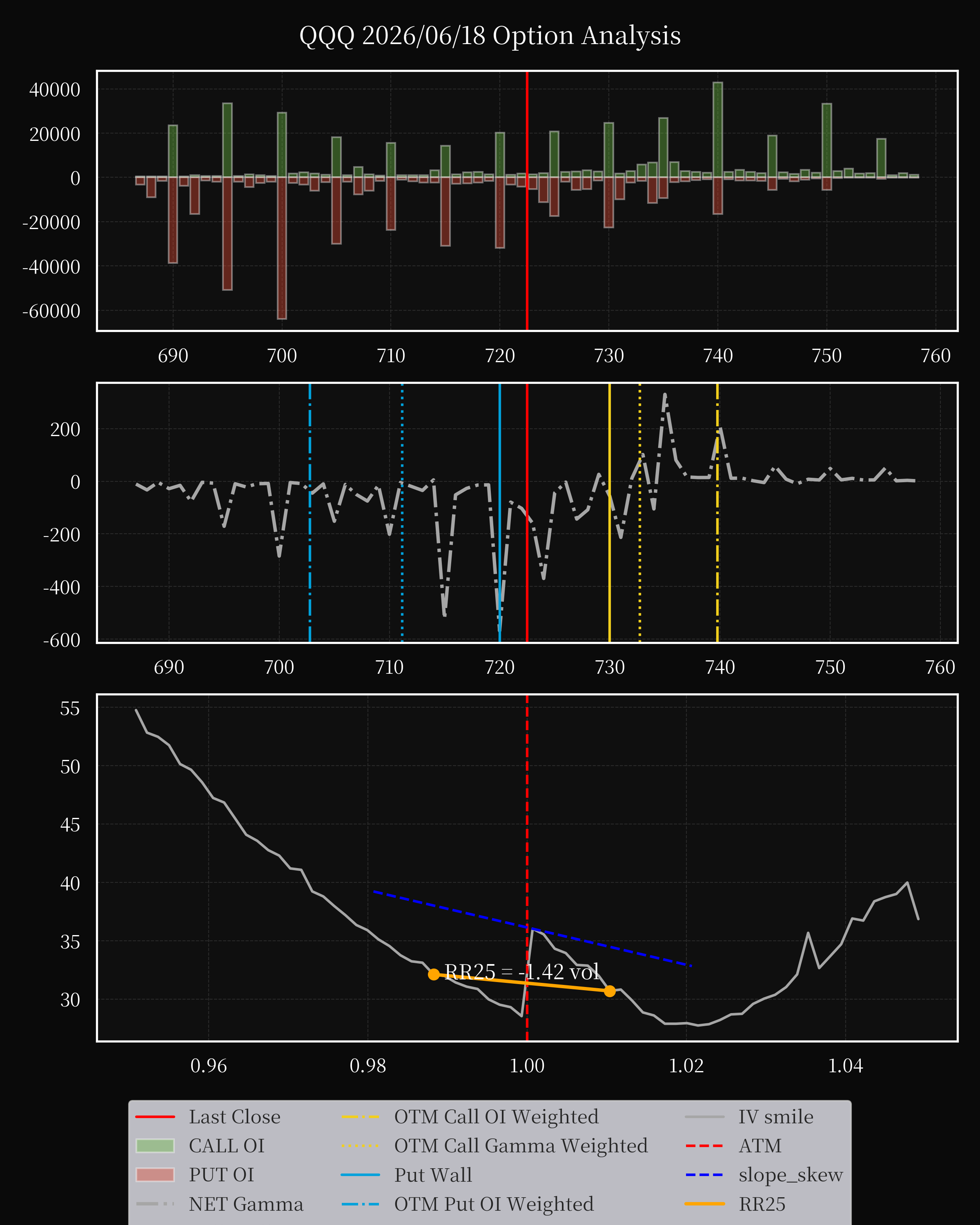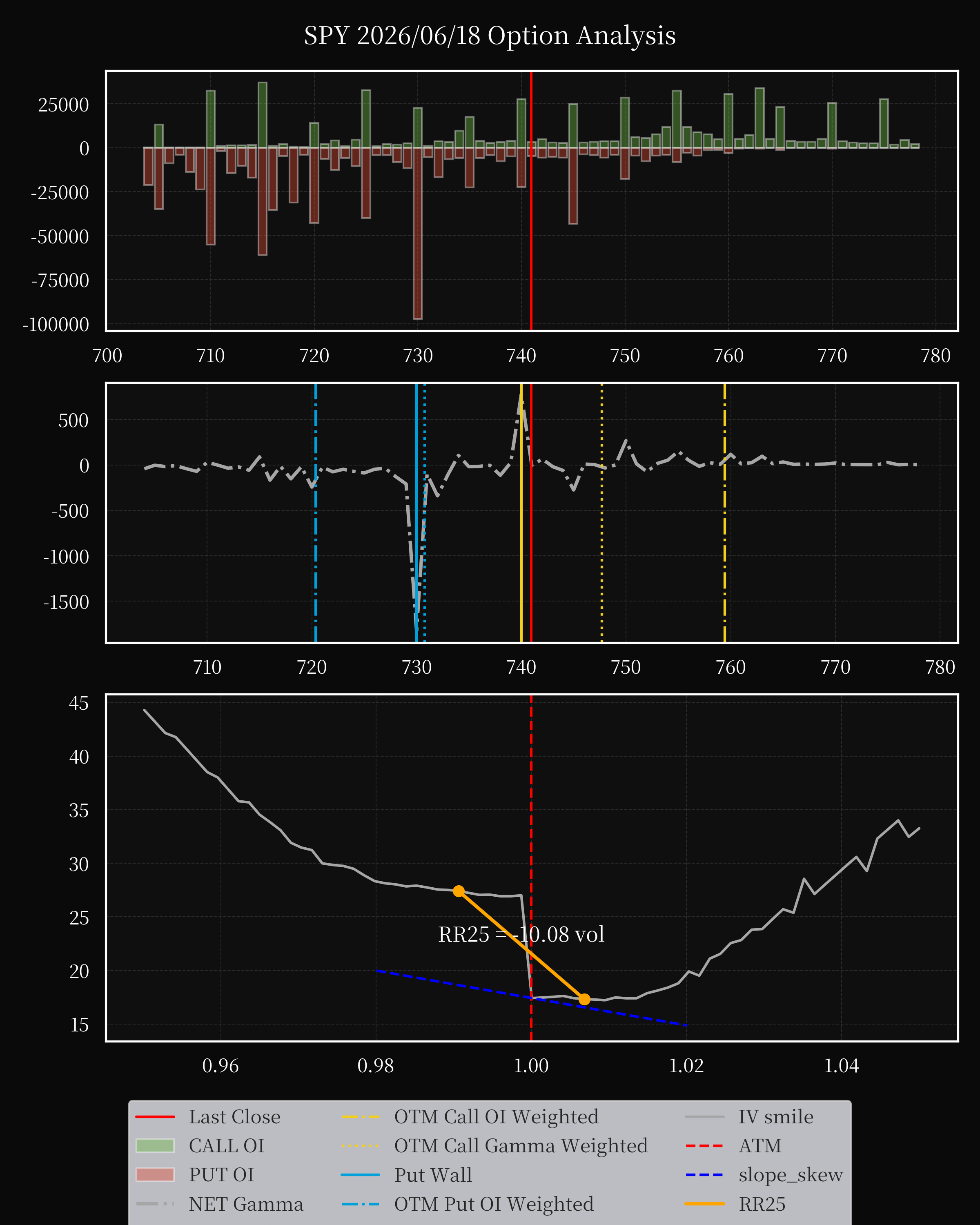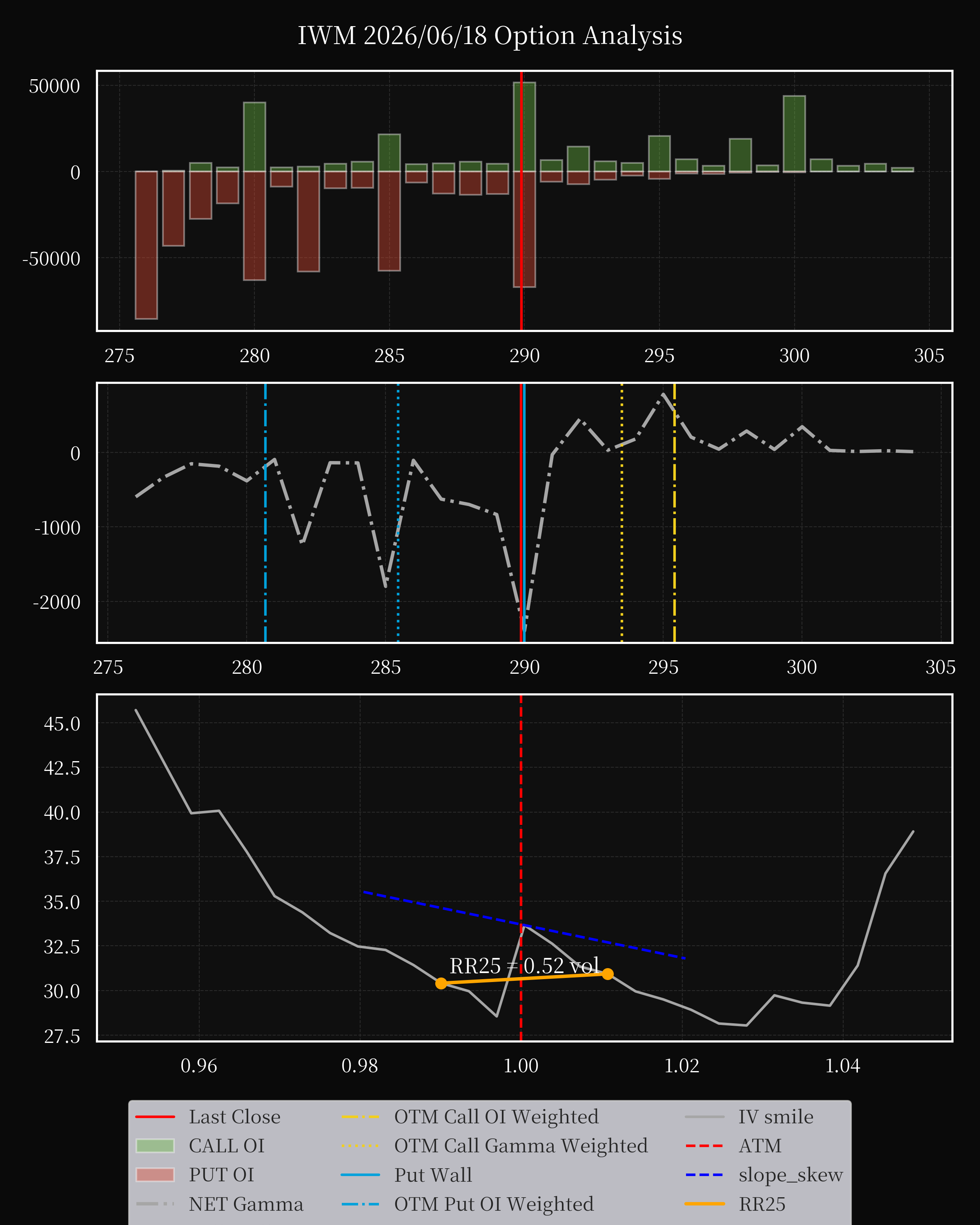
Overall
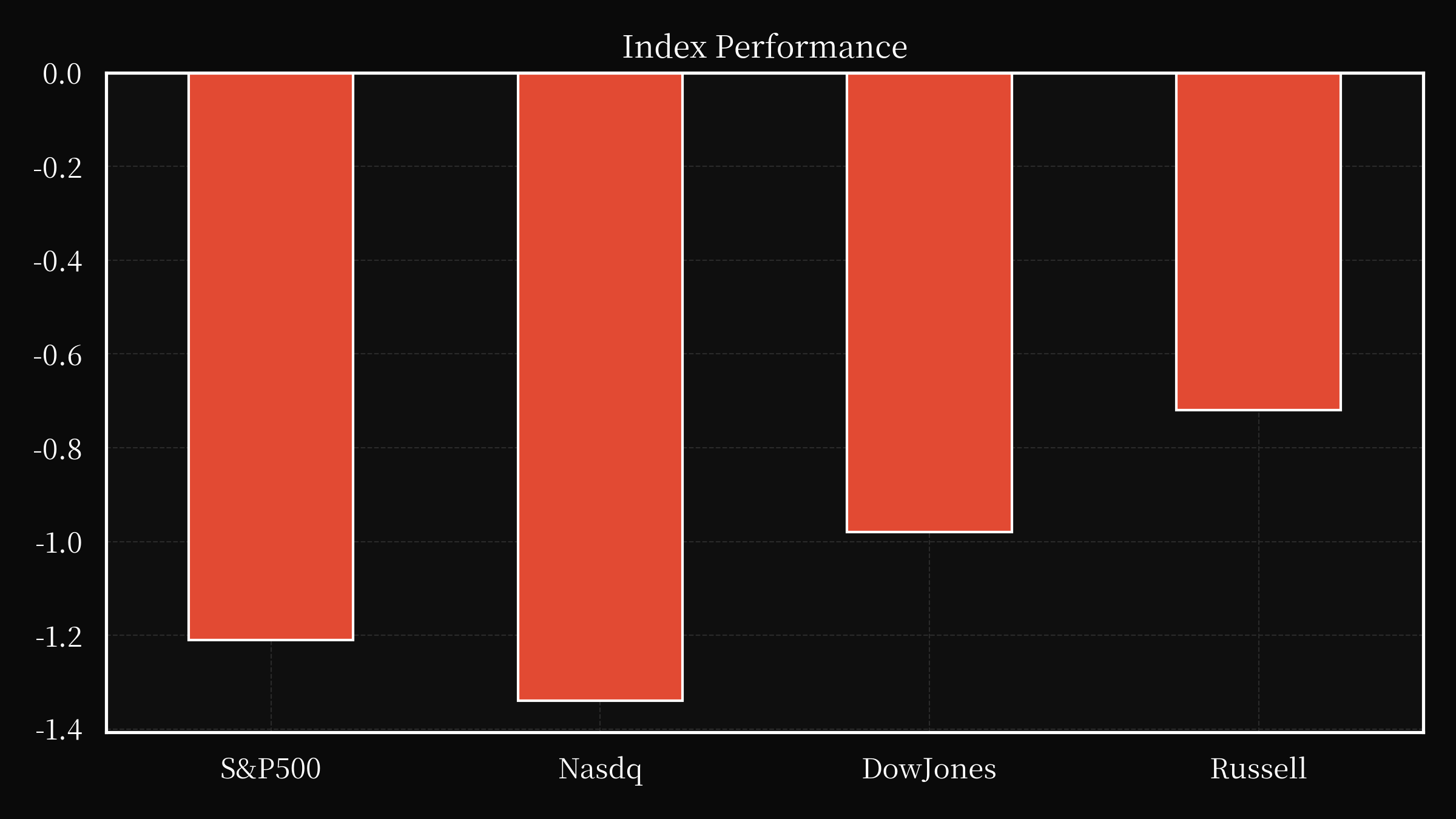
The U.S. equity markets experienced a notable decline on Wednesday, with the S&P 500 falling 1.2%, the Dow Jones Industrial Average dropping 1% (equivalent to 507 points), and the Nasdaq Composite slipping 1.3%, reflecting heightened caution among investors amid evolving macroeconomic signals and policy expectations. This broad-based sell-off was primarily driven by divergent views on the Federal Reserve’s next steps, as officials signaled a growing consensus toward potential rate hikes despite the absence of explicit forward guidance from Chair Kevin Warsh. The absence of clarity from the Fed’s leadership, coupled with the chairman’s atypical reluctance to articulate a clear policy path, amplified uncertainty, prompting risk-off sentiment across asset classes.
The divergence in Fed projections underscored a critical inflection point for monetary policy. Nine out of 19 policymakers anticipated at least one rate increase by year-end, a shift from earlier optimism, while six projected two or more hikes. This recalibration followed a period of relative stability, during which the Fed had paused rate adjustments amid concerns over inflation dynamics and economic growth. However, the latest data on price pressures, labor market resilience, and global geopolitical developments—including the recent Iran ceasefire agreement—prompted a reassessment of the risk-reward balance. The market’s reaction, particularly the 16-basis-point rise in 2-year Treasury yields to 4.21%, highlighted expectations of tighter monetary conditions, even as the Fed’s balance sheet reduction efforts remained a secondary focus compared to immediate policy considerations.
The equity sell-off was further exacerbated by mixed corporate earnings and sector-specific developments. Apple’s announcement that it would raise prices on its product line due to persistent supply chain constraints, particularly in memory and storage components, introduced additional volatility. CEO Tim Cook’s acknowledgment of “unavoidable” price increases, driven by cost pressures exceeding Apple’s ability to absorb them without eroding margins, signaled broader challenges for consumer discretionary firms navigating tightening input costs. This development, while specific to one sector, contributed to a cautious tone among investors, who weighed the implications of rising operational expenses on corporate profitability and consumer demand.
Geopolitical tensions, particularly the Iran deal and its potential ramifications for oil markets, also weighed on sentiment. The International Energy Agency’s warning of an impending oil glut if the Strait of Hormuz remains open, coupled with the U.S. Strategic Petroleum Reserve’s depletion to its lowest level since the 1980s, underscored vulnerabilities in global energy supply chains. While Brent crude prices stabilized following the deal’s release, the prospect of increased production and its impact on OPEC+ dynamics introduced uncertainty into commodity markets. This, in turn, influenced investor perceptions of inflationary pressures and the Fed’s dual mandate, as energy prices historically exert lagged effects on broader price indices.
Retail activity, however, provided a counterpoint to the bearish equity backdrop. U.S. retail sales rose 0.9% in May compared to April, accelerating from a 0.4% pace earlier in the year, while home sales under contract increased by 3.8% month-over-month, surpassing economists’ forecasts of 1%. These figures suggested underlying strength in consumer spending, which could temper expectations of aggressive rate hikes if sustained. The divergence between robust retail metrics and weakening equity valuations highlighted the complexity of economic data interpretation, as markets grappled with reconciling cyclical demand signals against structural concerns about inflation persistence and monetary policy normalization.
The Federal Reserve’s decision to maintain rates steady while acknowledging the likelihood of future hikes reflected a delicate balancing act. Warsh’s chairmanship, marked by his refusal to provide explicit forward guidance, contrasted with the more data-dependent approach of his predecessor, Jerome Powell. This shift in tone, though intended to signal independence, inadvertently fueled speculation about the Fed’s internal debates. The resulting market volatility underscored the challenges central banks face in communicating policy intentions amid multifaceted economic conditions, where conflicting data points—rising yields, resilient consumer spending, and geopolitical risks—complicate the path to achieving price stability.
Corporate earnings reports, including Apple’s, further illustrated the interplay between operational realities and market sentiment. While Apple’s price hike rationale emphasized cost pressures, other firms faced scrutiny over margin compression amid inflationary environments. The broader market’s focus on earnings quality, particularly in tech and consumer sectors, reinforced the importance of fundamental analysis in assessing valuation risks. Meanwhile, the performance of leveraged loan funds, which saw inflows resume after a brief slump, indicated renewed appetite for high-yield debt as economic indicators stabilized, albeit cautiously.
The Iran deal’s geopolitical implications extended beyond energy markets, influencing investor perceptions of global stability and U.S. foreign policy coherence. Criticism of the agreement’s concessions to Iran, coupled with concerns over regional escalation, added layers of uncertainty to risk assessments. This, in turn, affected capital flows into equities, particularly in sectors sensitive to geopolitical developments, such as defense and energy. The interplay between diplomatic outcomes and financial market reactions highlighted the interconnectedness of global events and asset pricing, where policy missteps or unexpected developments can trigger rapid revaluations.
Ultimately, Wednesday’s market dynamics encapsulated the challenges of navigating a post-pandemic economy characterized by inflationary pressures, supply chain disruptions, and shifting monetary policy paradigms. The absence of definitive guidance from the Fed, combined with mixed economic data and sector-specific shocks, created an environment of heightened sensitivity to new information. Investors were left to weigh the relative weight of competing signals—rising yields, resilient retail activity, and geopolitical risks—while grappling with the implications of a central bank that remains cautious yet increasingly attuned to evolving conditions. The episode reinforced the necessity of a nuanced, data-driven approach to portfolio management, where adaptability and risk awareness are paramount in an era of persistent uncertainty.
Watch List
EXOZ
The Company recently completed a registered offering of stock and warrants to raise capital. On June 9, 2025, it sold 592,270 shares of common stock, along with warrants to purchase up to an additional 296,135 shares, through an underwritten offering led by MDB Capital. The offering generated gross proceeds of approximately $5.95 million before fees and expenses, with plans for the funds to be used for developing and commercializing its N-trans-caffeoyltyramine (“NCT”) product, pursuing new product opportunities, and general corporate purposes. Following the initial closing, MDB exercised an over-allotment option on June 17, 2026, purchasing an additional 68,880 shares of common stock and 34,440 warrants, further bolstering the company’s financial resources. This offering was conducted under a shelf registration statement (File No. 333-292781) that was declared effective on January 23, 2026, and accompanied by a base prospectus and final prospectus supplement. The company released a press release announcing the completion of the offering and the over-allotment exercise, which is included as an exhibit to this filing.
PAA
Plains All American Pipeline, L.P. has secured a new unsecured $4.0 billion revolving credit agreement, replacing its existing credit agreements with Bank of America, PNC Bank, Wells Fargo, and others. This new agreement, effective June 12, 2026, expands the Partnership’s borrowing capacity to $2.7 billion, with potential increases to $4.0 billion subject to lender approval. The agreement includes provisions for letters of credit and swing line loans, and allows Canadian subsidiaries to access up to $1.0 billion in equivalent dollar advances. Payment obligations are guaranteed by the Partnership. The credit agreement features a maturity date of June 12, 2031, with potential one-year extensions, and utilizes interest rates based on SOFR, Base Rate, Canadian Term Rate, or Canadian Prime Rate, plus applicable margins. The agreement also incorporates customary representations, warranties, and covenants, including limitations on distributions and debt levels, with Consolidated Funded Indebtedness capped at 5.00 to 1.00 of adjusted EBITDA. As part of the refinancing, Plains All American Pipeline repaid and terminated its existing Revolving Credit Agreement and the Hedged Inventory Facility, effective June 12, 2026.
DBGI
Digital Brands Group, Inc. recently announced the cancellation of approximately 7.1 million pre-funded warrants following the issuance of a press release. This decision stems from a pending legal investigation into potential misconduct within the company, specifically allegations of collusion and coordinated activity. The investigation centers around concerns of actors working in concert, suggesting a deliberate and potentially unlawful scheme surrounding the warrants. A copy of the press release detailing these developments is filed as an exhibit (99.1) and incorporated into this Form 8-K filing. This action indicates a significant shift in strategy for Digital Brands Group as they navigate the ongoing legal scrutiny and address concerns raised regarding the warrant program. The company is currently awaiting the outcome of the investigation, which will likely have implications for its future operations and financial standing.
GOSS
Please provide me with the 6-K or 8-K content from the SEC Filing. I need the text of the document to summarize it for you. Once you paste the content here, I will generate a fluent paragraph of no more than 300 words, adhering to your specifications.
DSWL
Deswell Industries, Inc. announced its second-half and full-year fiscal 2026 financial results, revealing a 13.4% decrease in net sales to $28.1 million compared to $32.4 million in the prior period. This decline was driven by decreases in both the plastic and electronic segments. Despite this, the company achieved improved gross margins, reaching 21.1% for the second half of 2026, up from 20.9% the previous year, largely due to cost control measures and higher-margin electronic offerings. Operating expenses increased significantly to $0.5 million, compared to $1.5 million the prior year. Consequently, net income fell to $3.1 million from $5.0 million. Looking at the full fiscal year, net sales decreased by 9.3% to $61.3 million. The company reported a net income of $10.6 million, down from $11.1 million the previous year. The company declared a cash dividend of $0.10 per share and a special cash dividend of $0.20 per share for the second half of the fiscal year, payable on July 16, 2026. The company’s strong balance sheet, with $23.1 million in cash and no debt, provides flexibility for continued growth and customer support. CEO Edward So highlighted efforts to reduce costs and strengthen product offerings, positioning the company for long-term partnerships amidst inflationary pressures. However, the company cautioned that future results could be affected by factors such as customer concentration, competition, raw material prices, and potential economic disruptions.
GSK
GSK plc, in partnership with Spero Therapeutics, has secured FDA approval for tebipenem pivoxil, an oral carbapenem antibiotic, to treat complicated urinary tract infections (cUTIs) in adults. This marks the first oral carbapenem of its kind, addressing a significant need as over 3 million cUTI cases occur annually, with up to 34% of patients experiencing treatment failure due to resistant pathogens costing an estimated $6 billion annually. The PIVOT-PO trial demonstrated a 58.5% overall success rate for the drug compared to intravenous imipenem-cilastatin, highlighting its potential to reduce reliance on hospital-based intravenous care. Developed with support from federal funds through BARDA, the approval addresses a complex patient population with various underlying conditions. Tony Wood of GSK emphasized the drug’s potential to alleviate the burden on hospitals, while Dr. Chughtai highlighted the milestone for patients and caregivers. Spero Therapeutics CEO, Esther Rajavelu, noted the decade-long dedication behind the development. The drug’s safety profile was generally similar to that of intravenous imipenem-cilastatin, and GSK anticipates its availability by the end of 2026, furthering its anti-infectives portfolio. This collaboration builds upon previous research, including a retrospective cohort study and ongoing epidemiological research, aiming to combat antimicrobial resistance and improve patient outcomes.
NXGL
NexGel, Inc. recently updated its investor presentation, releasing a new version as Exhibit 99.1 attached to this Form 8-K filing. This update serves to provide investors with the most current information regarding the company’s strategy and offerings. The filing fulfills the requirements of Regulation FD, ensuring that all investors receive consistent and timely access to material information about NexGel, Inc. This action demonstrates the company’s commitment to transparency and proactive communication with its shareholder base. The updated presentation is a key component of NexGel’s ongoing efforts to engage with the investment community and highlight its advancements.
ACRV
Acrivon Therapeutics, Inc. recently held its 2026 annual meeting of stockholders, where a significant decision regarding its equity incentive plan was made. Stockholders overwhelmingly approved the Amended and Restated 2022 Equity Incentive Plan, a move designed to attract and retain key personnel through stock-based awards. The plan, which has been previously approved by the Board, now allows for the issuance of up to 8,606,723 shares of common stock, an increase of 3,000,000 shares approved at the meeting. This expanded plan incorporates various award types including stock options, restricted stock, and performance awards, aiming to align employee interests with the company’s success. Furthermore, the plan includes an automatic annual increase in the share reserve, capped at 5% of outstanding shares, until 2032. Alongside the equity plan approval, stockholders elected Michael Tomsicek and Charles Baum as Class I directors and ratified the appointment of PricewaterhouseCoopers LLP as the company’s independent auditor. The meeting demonstrated strong shareholder engagement, with over 73% of outstanding shares represented.
ICLR
Please provide me with the 6-K or 8-K content from the SEC filing. I need the text of the document to be able to summarize it into a fluent paragraph of no more than 300 words. Once you paste the content here, I’ll be happy to fulfill your request.
DLHC
Okay, that's a massive and incredibly complex legal document! It’s a loan agreement, likely between a borrower (presumably a company called “Holdings”) and a group of lenders (the “Lenders”). Let's break down the key elements and what they mean, focusing on the core aspects for understanding: 1. Core Purpose: This agreement establishes the terms of a loan to “Holdings” – likely to fund a significant transaction (the “Acquisition” mentioned repeatedly). It outlines the responsibilities of both the borrower and the lenders. 2. Key Parties: * Holdings: The borrower, receiving the loan. * Lenders: The group of financial institutions providing the loan capital. * Administrative Agent: A key intermediary, responsible for managing the loan, collecting payments, and coordinating with the lenders. * Swing Loan Lender: A lender who can provide additional funds if needed. 3. Key Provisions & Their Significance: * Borrowing Base Certificate: This is *crucial*. It’s a regular report that Holdings must provide to the lenders, detailing the value of its “Receivables” (likely accounts receivable from its business operations). The lenders use this to determine how much they can lend to Holdings, based on the value of those receivables. * Financial Covenants: These are restrictions on Holdings’ financial performance. The most important are: * Total Leverage Ratio: Limits the total amount of debt Holdings can have relative to its assets. This is a key measure of financial health. * Debt Service Coverage Ratio (DSCR): Ensures Holdings can make its loan payments (principal and interest) based on its revenue. * Event of Default: A list of circumstances that would trigger the lenders’ right to demand immediate repayment of the loan. These include: * Failure to pay interest or principal. * Breach of covenants (violating the financial restrictions). * Default on other loan agreements. * Governing Law & Jurisdiction: The agreement specifies that Pennsylvania law governs the agreement and that disputes will be resolved in Pennsylvania courts. * Assignment Clause: Allows the lenders to sell their portion of the loan to another lender without needing to obtain Holdings’ consent. * Waiver of Forum Selection: Forces disputes to be resolved in Pennsylvania, regardless of where the parties
IanFV (www.ianfv.com) is the world's first pure-blood, neutral research institution built on LLM (Large Language Models) specifically for individual investors. Founded by a top-tier team with backgrounds from Tsinghua, Harvard, Morgan Stanley, and UBS, we are committed to breaking down high-priced information barriers and providing institutional-grade investment research at affordable prices. Unlike traditional institutions, IanFV does not serve big-money sponsors or inflate market bubbles. Leveraging a proprietary knowledge graph and a fully localized deployment architecture, we achieve a differentiated competitive advantage through light assets and high efficiency. Our research reports refuse to "sell dreams": valuation reports are based on point-in-time intervals rather than reverse-engineered numbers; industry reports focus relentlessly on real trends over the next six to twelve months; and in-depth reports penetrate market bubbles to strike at the core of corporate survival moats—all to ensure investors hold the most authentic research cards in the secondary market.