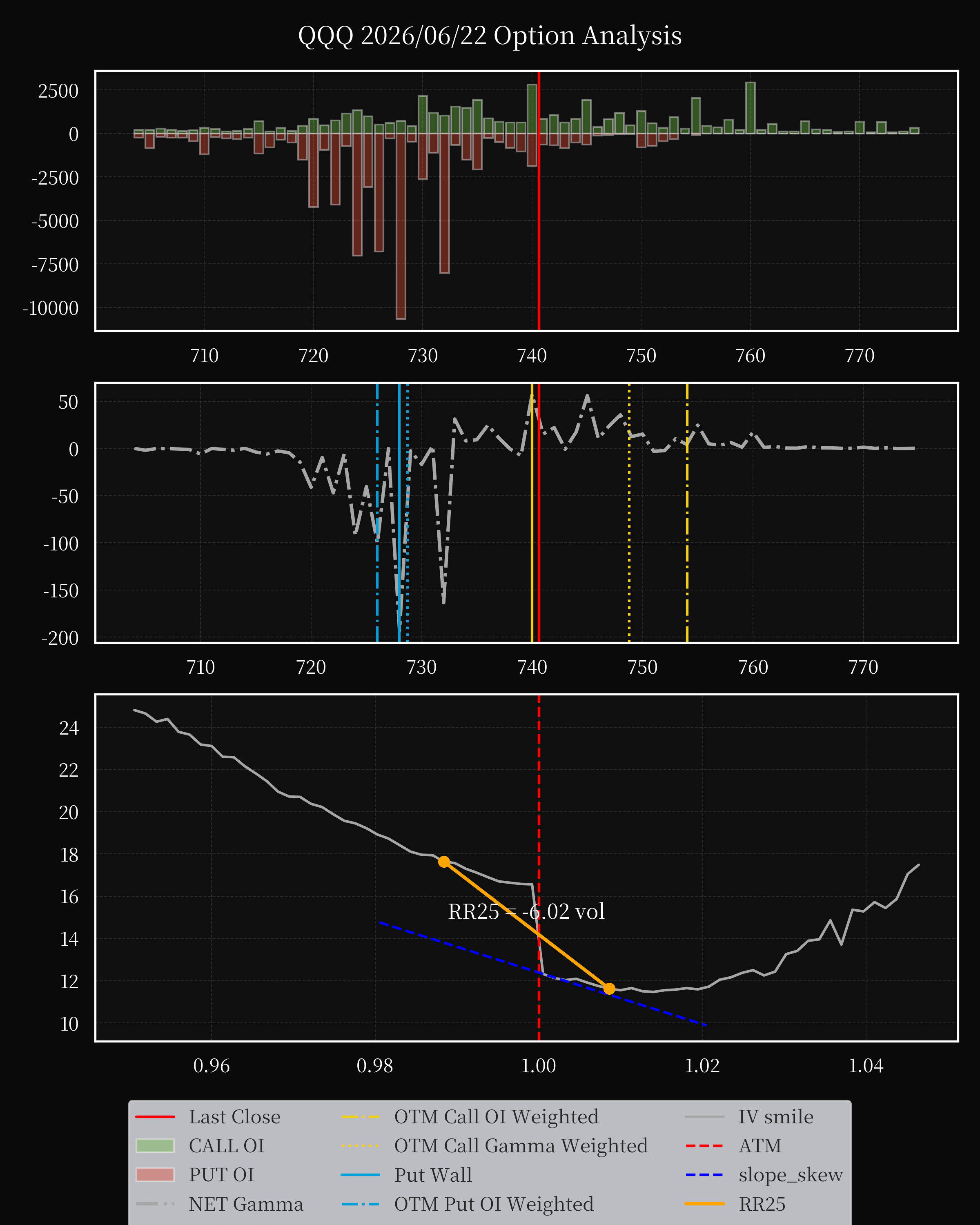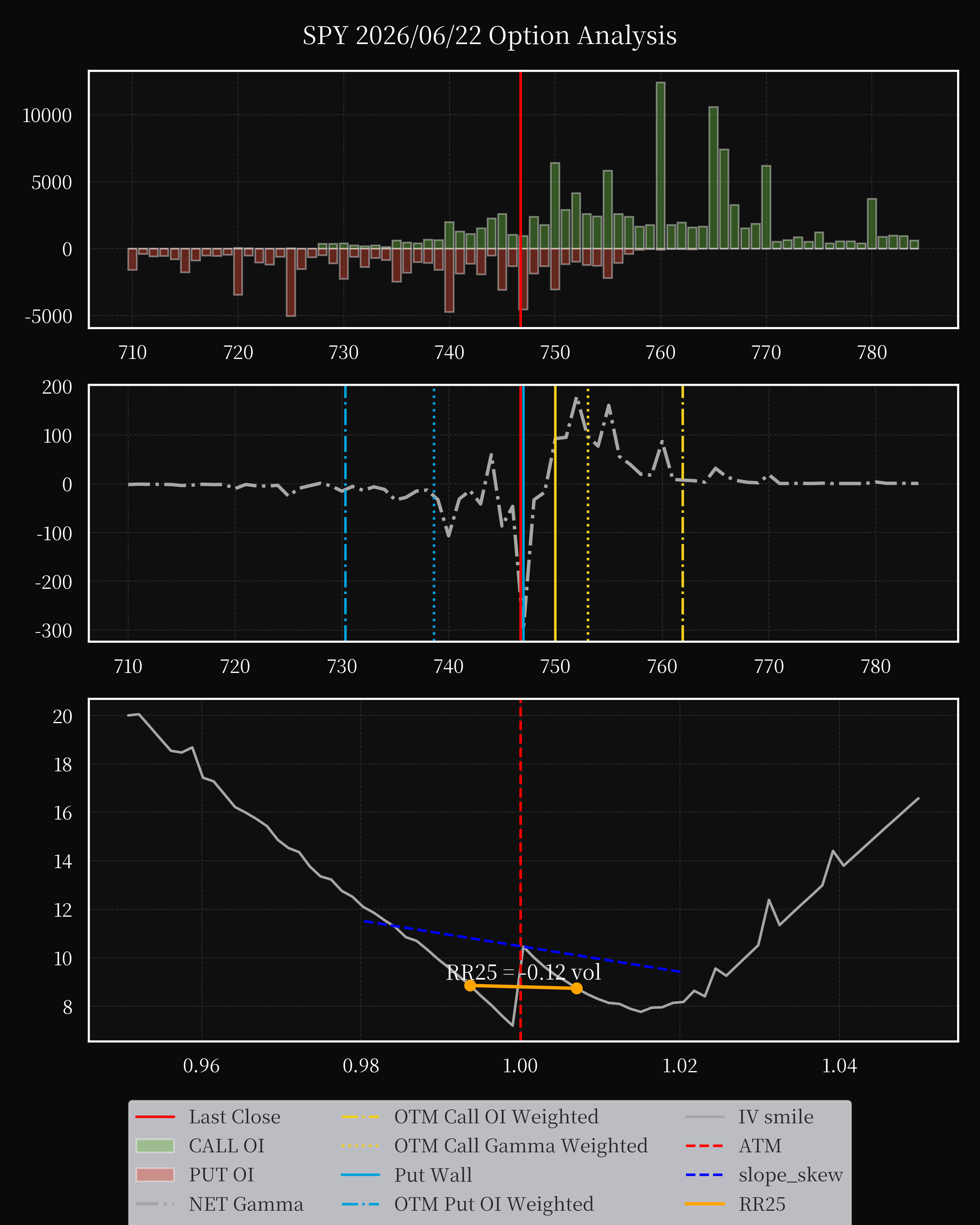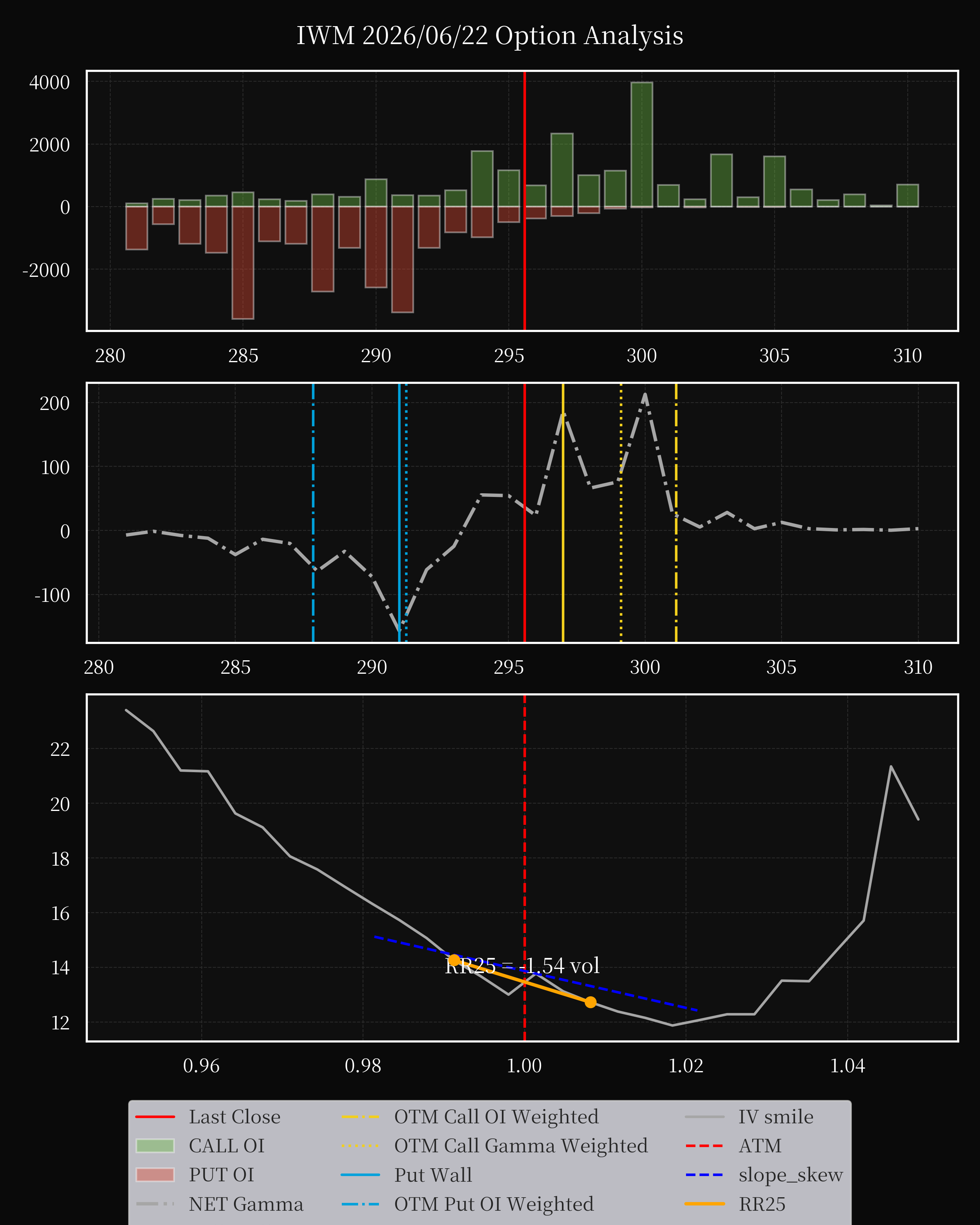
Overall
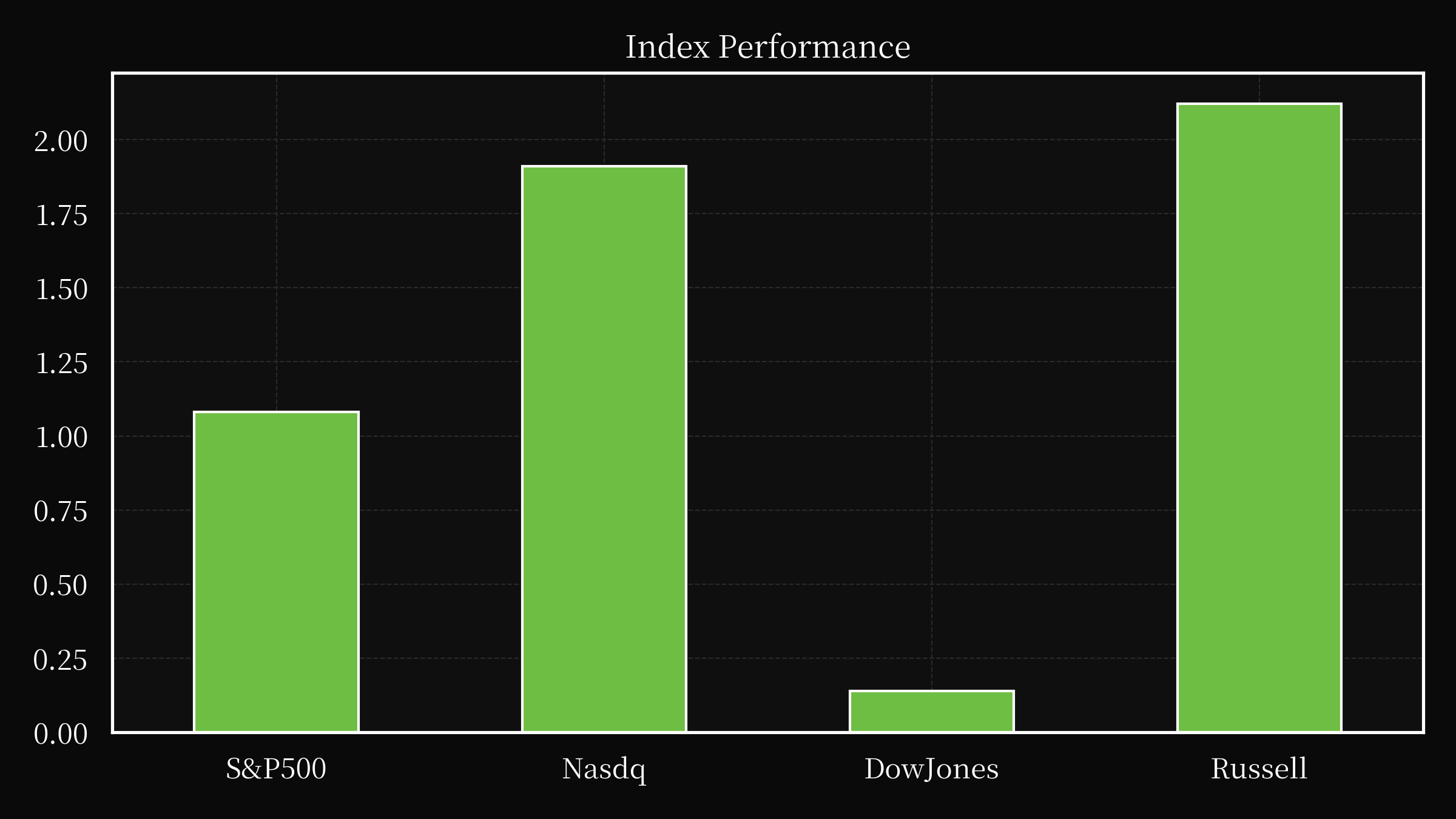
The U.S. equity market posted a robust performance on Thursday, buoyed by a confluence of geopolitical developments, macroeconomic signals, and sector-specific dynamics that collectively reinforced investor confidence. The Nasdaq Composite surged 1.9%, the S&P 500 rose 1.08%, and the Dow Jones Industrial Average gained 0.1%, reflecting broad-based optimism despite lingering uncertainties. This rally was catalyzed by a significant breakthrough in U.S.-Iran relations, as President Donald Trump finalized a 14-point memorandum of understanding aimed at de-escalating hostilities and reopening the Strait of Hormuz. The agreement, which pauses hostilities for 60 days, lifts the U.S. naval blockade, and outlines a pathway for sanctions relief, underscores the strategic importance of energy security in global markets. Concurrently, Brent crude futures retreated to near $80 per barrel, their lowest level since the Iran war began, as the prospect of normalized oil flows reduced supply risk premiums. These developments collectively alleviated concerns about energy-driven inflation, allowing equities to reassert their upward trajectory.
The Federal Reserve’s policy stance, however, remained a focal point for market participants, with Kevin Warsh’s unexpectedly hawkish tone during his first Fed meeting introducing a layer of complexity. His emphasis on prioritizing inflation control over short-term economic growth signaled a potential shift in the central bank’s approach, prompting traders to reassess the timing and magnitude of rate hikes. This sentiment was amplified by the fact that markets had previously priced in a December rate increase, a stark contrast to the earlier expectation of a delayed move. The interplay between Warsh’s rhetoric and the broader economic backdrop—marked by resilient employment data and moderating inflation—created a nuanced environment where growth optimism coexisted with caution. While the Fed’s dual mandate of price stability and maximum employment remains intact, the evolving narrative around inflation dynamics, particularly regarding services and energy costs, will likely shape future policy decisions.
Sectoral performance further highlighted the market’s adaptability, with technology stocks leading the charge amid a broader tech rally. The iShares U.S. Technology ETF surged 2.9%, while the Nasdaq’s record volume underscored the sector’s dominance. This was driven in part by continued demand for AI infrastructure, cloud computing, and semiconductor advancements, even as investors remained vigilant about valuation risks. Conversely, energy stocks faced headwinds due to the recent oil price decline, though the sector’s sensitivity to geopolitical risks ensured it remained a focal point for speculative activity. Meanwhile, the hospitality and entertainment sectors saw mixed results, with Madison Square Garden Sports’ stock gaining 72% since 2025 amid speculation about the potential separation of its NBA and NHL franchises, illustrating how corporate restructuring can create value for shareholders.
The broader economic context, including the upcoming release of key indicators such as the Personal Consumption Expenditures price index and manufacturing data, will be critical in determining the sustainability of the rally. While the current rally appears to be underpinned by a combination of geopolitical relief, sectoral strength, and cautious optimism about inflation, the market’s resilience will ultimately depend on how effectively policymakers balance growth and price stability. The interplay between these factors—ranging from central bank rhetoric to energy market dynamics—highlights the intricate web of influences that shape modern equity markets, requiring investors to maintain a disciplined approach amid evolving conditions.
The geopolitical developments, particularly the Iran deal, have had a direct impact on market sentiment by reducing the likelihood of immediate conflict-related disruptions. The Strait of Hormuz, a critical chokepoint for global oil trade, had been a flashpoint for tensions, and its stabilization has alleviated fears of supply shocks that could have triggered a sharp rebound in energy prices. This, in turn, has provided a buffer against inflationary pressures, allowing equities to focus on earnings growth and corporate fundamentals. However, the deal’s success hinges on the implementation of specific terms, including the verification of Iran’s nuclear program and the phased lifting of sanctions, which remain subject to negotiation. The uncertainty surrounding these details introduces a layer of volatility, as markets attempt to price in potential outcomes while balancing the benefits of reduced risk with the risks of non-compliance or renegotiation.
The Federal Reserve’s policy trajectory, meanwhile, remains a pivotal variable. Warsh’s emphasis on inflation, coupled with the Fed’s historical reluctance to tolerate prolonged deviations from its 2% target, suggests that rate hikes may accelerate in the near term. This aligns with the broader trend of central banks worldwide recalibrating their approaches in response to persistent price pressures, even as economic growth slows. The market’s reaction to Warsh’s comments—evident in the surge of technology stocks and the elevated pricing of rate-sensitive assets—reflects a cautious optimism that the Fed will prioritize long-term stability over short-term growth. Yet, the challenge for investors lies in anticipating the exact timing and magnitude of policy adjustments, as well as their impact on corporate earnings and consumer behavior.
Sectoral divergences further complicate the market landscape, with technology and healthcare outperforming while energy and industrials lag. The tech sector’s strength is underpinned by ongoing investments in AI, quantum computing, and semiconductor innovation, which have driven earnings growth and attracted capital inflows. However, the sector’s high valuations and reliance on speculative demand make it vulnerable to shifts in interest rates or macroeconomic conditions. In contrast, energy stocks, though benefiting from lower oil prices, face headwinds from the transition to renewable energy and the long-term implications of decarbonization policies. The interplay between these forces underscores the need for a nuanced approach to portfolio allocation, balancing growth-oriented bets with defensive positioning.
Ultimately, the market’s resilience in the face of mixed signals—ranging from geopolitical relief to policy uncertainty—demonstrates the adaptability of modern financial markets. While the current rally reflects a confluence of favorable conditions, its sustainability will depend on the ability of policymakers and corporations to navigate an increasingly complex global environment. Investors must remain vigilant, integrating both macroeconomic trends and microeconomic developments into their decision-making frameworks to capitalize on opportunities while mitigating risks. The interplay between these factors ensures that the market will continue to evolve, shaped by the dynamic interplay of politics, economics, and innovation.
Watch List
LWAY
Lifeway Foods, Inc. held its 2026 Annual Meeting on June 17, 2026, with 15,281,888 shares of common stock represented, demonstrating a strong quorum. Shareholders elected Kirk Chartier, Juan Carlos Dalto, Rachel Drori, Andee Harris, Susie Hultquist, Dorri McWhorter, and Julie Smolyansky to serve on the board until the 2027 meeting, alongside the appointment of Jason Scher until his successor is elected. Furthermore, shareholders ratified the continued engagement of Grant Thornton LLP as the company’s independent registered public accountants for the year ending December 31, 2026, and approved executive compensation on a non-binding advisory basis. During the meeting, Julie Smolyansky, CEO, presented a slide deck (Exhibit 99.1) outlining key company information. This filing serves as a formal record of the shareholder votes and key decisions made during the annual meeting, solidifying governance and strategic direction for Lifeway Foods, Inc.
BCO
This report details a significant development involving Brink’s and NCR Atleos, as they are merging through a series of transactions. Initially, NCR Atleos will merge with and then subsequently merge with Brink’s subsidiary, Novus Merger Sub II, LLC, creating a wholly-owned subsidiary of Brink’s. The proposed transactions are outlined in an Agreement and Plan of Merger, which was effective as of May 27, 2026, following the filing of a registration statement with the SEC. However, legal challenges have emerged, with two complaints filed by purported NCR Atleos stockholders seeking to enjoin the mergers and seeking attorney’s fees. To mitigate these risks, Brink’s and NCR Atleos have decided to supplement the initial joint proxy statement/prospectus with additional disclosures, referred to as “Additional Disclosures,” which address certain details regarding the merger agreement and the execution of the merger. Specifically, the report clarifies that the merger agreement was executed prior to the announcement, and that Brink’s board unanimously recommends shareholder approval of the proposed transactions. Furthermore, the report includes amended disclosures regarding J.P. Morgan’s analysis of the companies’ valuations, including discounted cash flow and comparable company analyses. Finally, the report highlights ongoing legal challenges and the steps taken by Brink’s and NCR Atleos to address them, emphasizing that no additional disclosures are required beyond those contained in the “Additional Disclosures.”
CTGO
At its annual stockholder meeting held on June 18, 2026, Contango Silver & Gold Inc. reported successful outcomes on all key proposals presented. All seven director nominees were elected to serve on the Board until the 2027 annual meeting, and stockholders overwhelmingly ratified the appointment of Baker Tilly US, LLP as the company’s independent auditors for the fiscal year ending December 31, 2026. Furthermore, a non-binding advisory vote approved the compensation of the company’s named executive officers, and the frequency of this advisory vote was also approved. Following these positive results, the Board decided to implement an annual advisory vote on executive compensation, a decision that will be revisited at the 2032 annual meeting. The meeting concluded with no other business requiring consideration, and a press release detailing the outcomes was subsequently distributed as an exhibit to the Form 8-K filing.
WPRT
Westport Fuel Systems Inc., in partnership with Volvo Group through their joint venture Cespira, has secured a significant agreement to finalize the development and commercialization of Cespira’s HPDI™ fuel system technology for Volvo Group’s 13-litre engine. This collaboration centers on adapting the technology to enable hydrogen-fueled operation in Volvo trucks currently undergoing on-road testing, with a targeted European commercial launch slated before 2030. Building upon the proven success of the HPDI system in LNG-powered heavy-duty engines, the project aims to deliver diesel-equivalent performance with zero-carbon hydrogen, leveraging the system’s tolerance to varying hydrogen fuel compositions – a key advantage over fuel-cell technology. Volvo Group’s Senior Vice President, Mehdi Ferhan, highlighted the company’s commitment to exploring multiple low-carbon pathways for heavy-duty transport, recognizing the potential of hydrogen internal combustion for long-haul fleets. Cespira’s President and CEO, Carlos Gonzalez, emphasized the strategic benefits of the HPDI system, including its adaptability to regional fuel realities and its ability to support cost-effective decarbonization for OEMs. Westport’s technology focuses on providing affordable, alternative fuel solutions, including natural gas, renewable natural gas, and hydrogen, to help OEMs meet stringent regulatory requirements and climate targets while maintaining performance and efficiency.
WMS
This presentation outlines ADS’s strategy for sustained growth and value creation, focusing on its leadership position in the stormwater and wastewater management markets. The company anticipates significant revenue growth, targeting a $3.1 billion in fiscal year 2026, with an adjusted EBITDA margin of 31.6% and a 2% CAGR. Key drivers include a robust market opportunity – estimated at $690 billion by 2044 – driven by aging infrastructure, increasing water demand, and regulatory pressures. ADS is strategically positioned to capitalize on this demand through a differentiated growth strategy encompassing material conversion, a comprehensive product portfolio, and targeted acquisitions, particularly through the recent NDS acquisition. The company’s operational excellence is highlighted by investments in capacity expansion, automation, and recycling, aiming for a 32.1% adjusted EBITDA margin by 2026. A disciplined capital allocation framework, with approximately $5 billion available for deployment, will be used for acquisitions (40% of capital), capital expenditures (25%), and share repurchases (29%). ADS’s financial strength is underscored by a strong balance sheet, with a weighted average debt maturity of 6.3 years and a leverage ratio of 1.6x. The company’s vision for fiscal year 2030 includes exceeding 8% organic growth and a 30% adjusted EBITDA margin, further solidifying its position as a leader in water management solutions. ADS is committed to deploying capital strategically to drive growth, enhance profitability, and deliver long-term shareholder value.
ENGN
Following its previously announced plan to reduce its workforce by approximately 50% and streamline operations, the company is updating its restructuring costs. Specifically, the Compensation Committee has approved the issuance of performance-based equity retention awards, including stock options and restricted share units, tied to key milestones related to the approval of its drug, detalimogene. These awards, totaling an estimated $1.7 million in cash and $2.8 million in non-cash stock-based compensation expense, will vest upon confirmation of FDA acceptance of the Biologics License Application (BLA) by September 30, 2027, and subsequent regulatory approval by December 31, 2028 – collectively known as the “Milestones.” The company now anticipates incurring restructuring costs of approximately $5.7 to $6.4 million in cash, encompassing severance, benefits, and related expenses. This figure is in addition to the previously projected $4.7 million to $5.0 million in non-cash stock-based compensation related to accelerated vesting. These estimates are subject to change and reflect assumptions about the timing of FDA approvals. The company expects to record the majority of these expenses during the second half of 2026, alongside the vesting of the new equity retention awards. Furthermore, a performance-based retention option was granted to Ronald Cooper, the CEO, with options vesting based on the achievement of the same Milestones.
NWFL
Norwood Financial Corp. announced a quarterly cash dividend of $0.32 per share, payable to stockholders of record as of July 15, 2026, on August 3, 2026. Simultaneously, the company is navigating a challenging situation with Wayne Bank, its subsidiary, following the Chapter 11 bankruptcy filings of two borrowers. The Bank holds $22 million in loans to entities connected to these borrowers, secured primarily by commercial real estate. Norwood Financial Corp. has been identified as a creditor within these bankruptcies and is currently assessing the potential financial impact on the company. This exposure is expected to be further detailed in the company’s second-quarter earnings release, slated for release around July 22, 2026, as the company continues to monitor the situation and evaluate the associated credit risk.
ATXG
Addentax Group Corp. recently finalized a significant transaction involving the acquisition of Riches Family Office Limited (Riches FO) and its wholly-owned subsidiary, Riches FO Holdings Limited, through a purchase of shares. The deal, valued at $0.001 per share, was executed with Mr. Wu Rui, who is not a U.S. person, ensuring the transaction occurred within an offshore framework as permitted by Regulation S. This acquisition was structured through Yingxi, a Hong Kong-incorporated subsidiary of Addentax Group, and represents a key step in the company’s strategic development. The details of this transaction are incorporated into Item 2.01 of this Form 8-K filing, providing a comprehensive overview of the acquisition process and its key participants.
ALVO
Alvotech, a global biotechnology company specializing in biosimilar medicines, recently closed an underwritten public offering and concurrently executed a private placement, raising a total of approximately $165 million. The offering involved the sale of 26,066,667 shares at $3.75 per share, with the underwriters exercising their option to purchase an additional 3,400,000 shares. This capital will be primarily used to fund the development of its biosimilar pipeline, encompassing nine candidates targeting conditions like autoimmune disorders, eye diseases, and cancer, alongside commercial activities and strategic partnerships spanning global markets including the US, Europe, Japan, and China. Alvotech currently markets five biosimilars, including versions of Humira, Stelara, and others, and aims to establish itself as a global leader in biosimilars through a fully integrated approach. The company’s existing share capital will increase to 390,431,480 shares following the completion of the offering and private placement. This financing will also support intellectual property protection, commercial expenditures, and potential acquisitions or collaborations, solidifying Alvotech’s position in the rapidly growing biosimilars market.
JHG
Janus Henderson Group plc has finalized a side letter agreement supplementing its merger agreement with Jupiter Company Limited and Jupiter Merger Sub Limited, which was initially announced in December 2025. The merger, set to close on June 30, 2026, subject to customary conditions, will result in Janus Henderson becoming a wholly-owned subsidiary of Jupiter. This latest agreement, outlined in Exhibit 2.1.1, further details terms related to the transaction, including commitments from the involved parties. The company has secured all necessary regulatory approvals and client consents, paving the way for the anticipated completion of the merger. However, the company acknowledges inherent risks associated with the transaction, including potential delays in closing, legal proceedings, and unforeseen costs or liabilities. These risks encompass factors such as economic conditions, competitive pressures, investment performance, and potential disruptions within Janus Henderson’s business, as highlighted in their previous filings with the SEC.
IanFV (www.ianfv.com) is the world's first pure-blood, neutral research institution built on LLM (Large Language Models) specifically for individual investors. Founded by a top-tier team with backgrounds from Tsinghua, Harvard, Morgan Stanley, and UBS, we are committed to breaking down high-priced information barriers and providing institutional-grade investment research at affordable prices. Unlike traditional institutions, IanFV does not serve big-money sponsors or inflate market bubbles. Leveraging a proprietary knowledge graph and a fully localized deployment architecture, we achieve a differentiated competitive advantage through light assets and high efficiency. Our research reports refuse to "sell dreams": valuation reports are based on point-in-time intervals rather than reverse-engineered numbers; industry reports focus relentlessly on real trends over the next six to twelve months; and in-depth reports penetrate market bubbles to strike at the core of corporate survival moats—all to ensure investors hold the most authentic research cards in the secondary market.