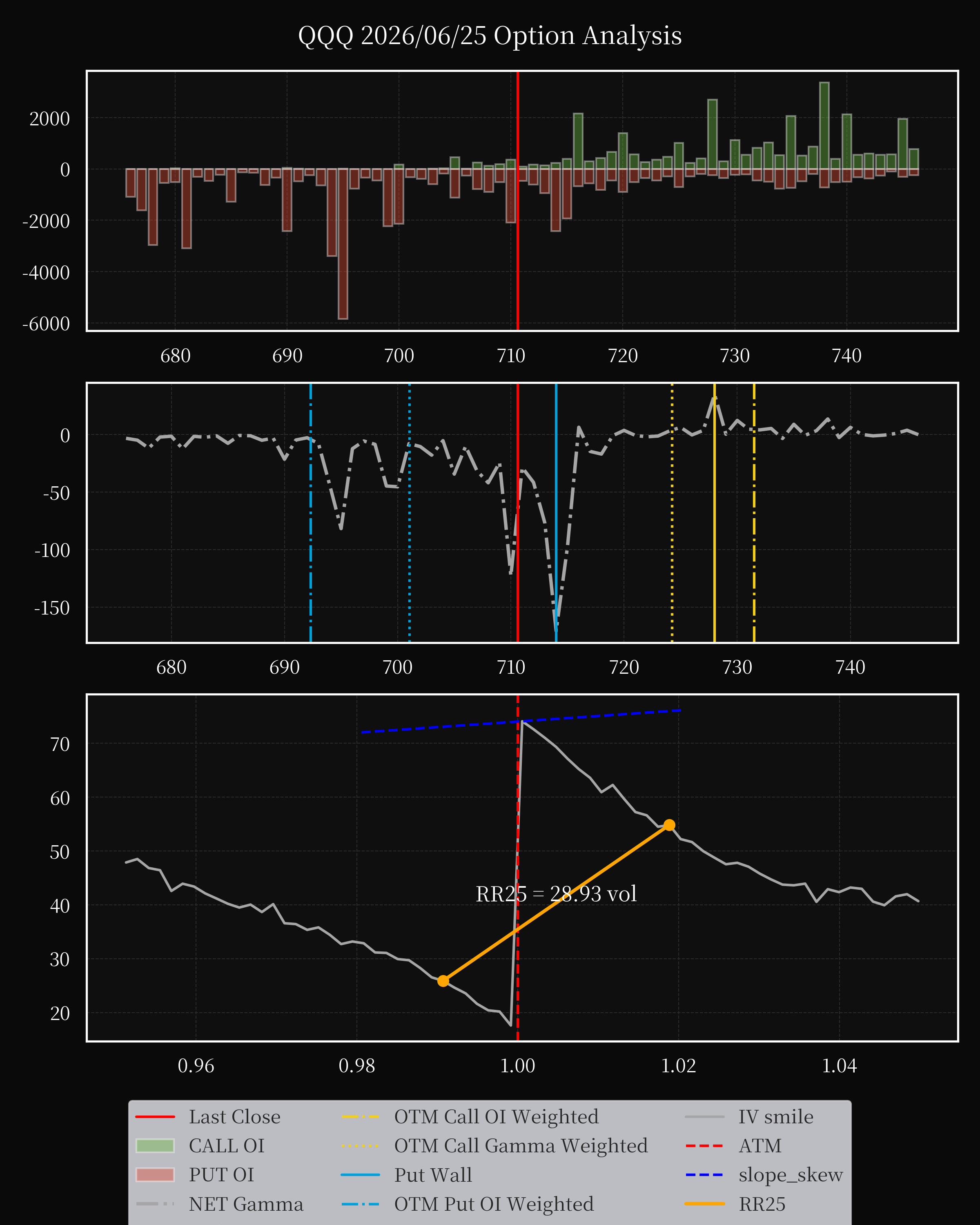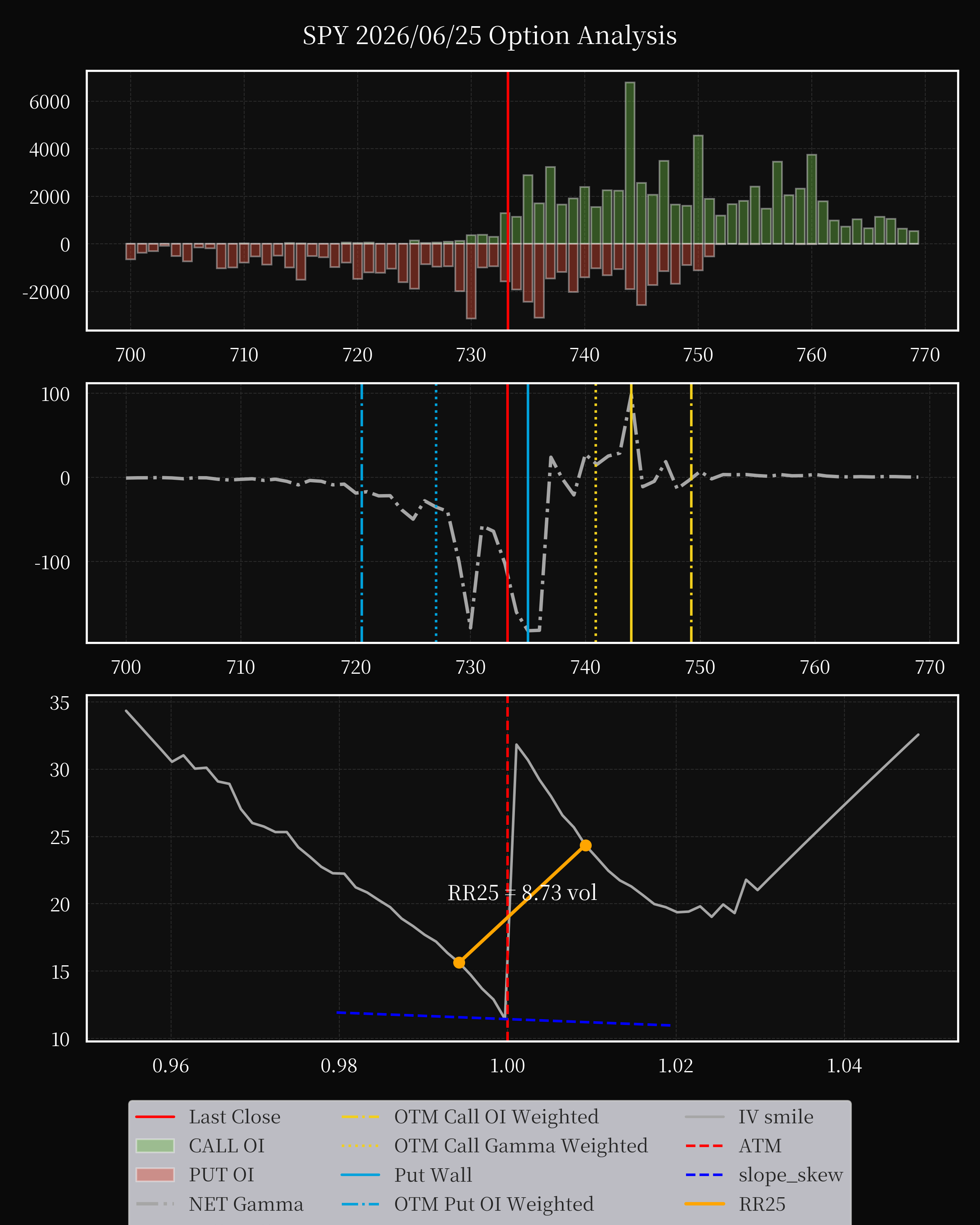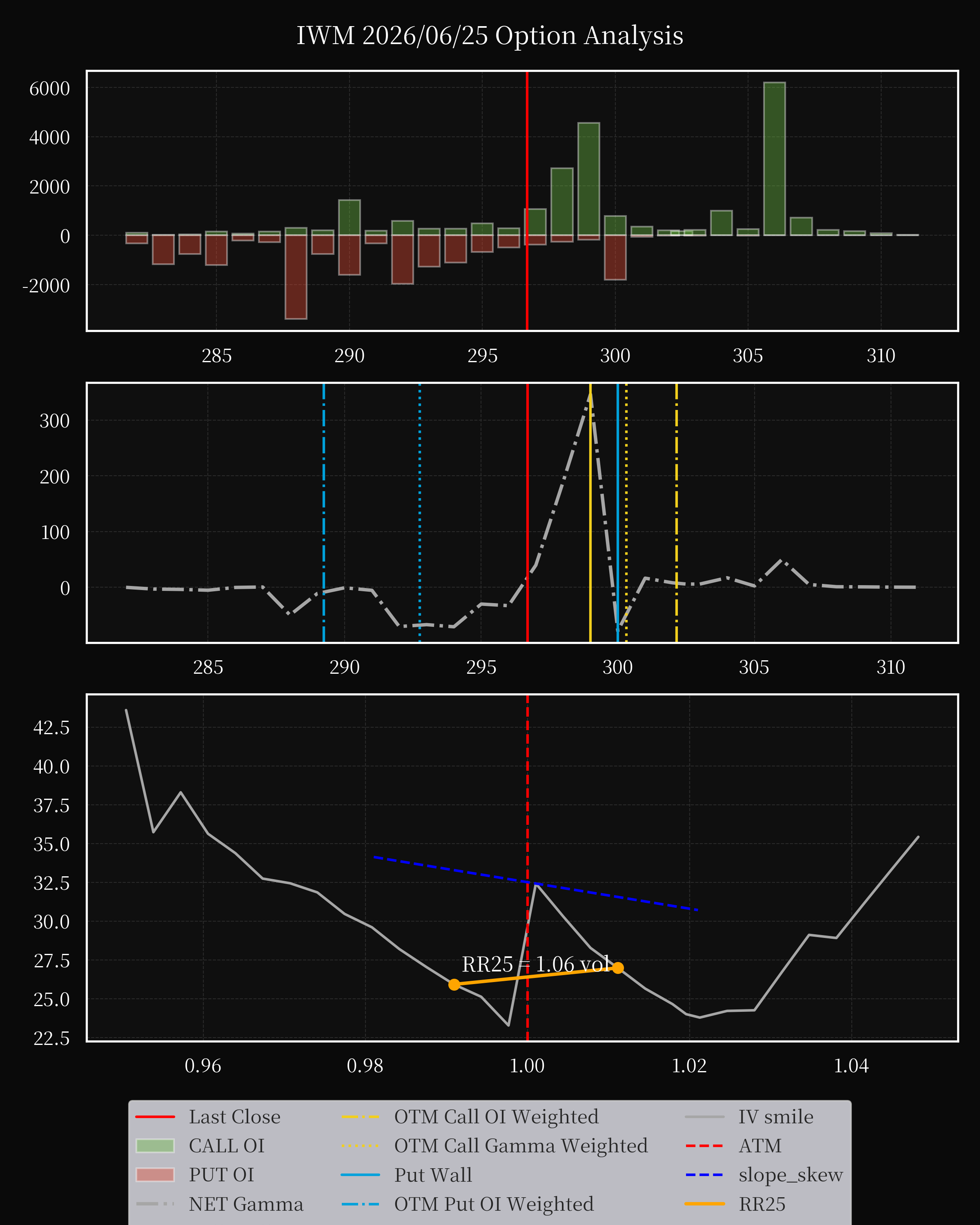
Overall
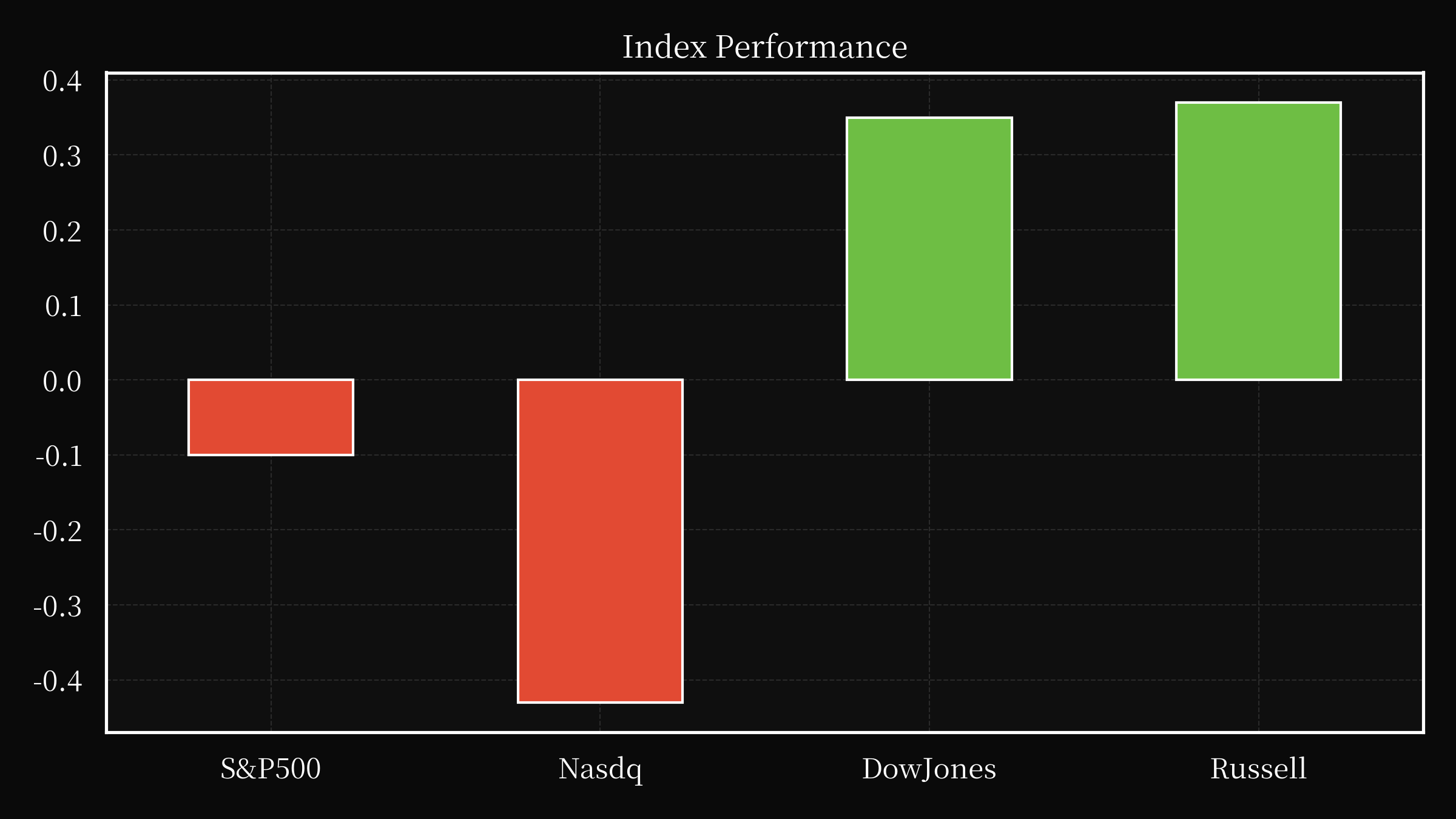
Markets closed Wednesday with a blend of sector-specific catalysts and broader macroeconomic undercurrents shaping investor sentiment. The U.S. equity landscape saw mixed performance as technology stocks, particularly those tied to semiconductor cycles, reacted to earnings surprises and guidance updates, while energy and commodities faced divergent pressures from geopolitical tensions and supply dynamics.
Micron Technology emerged as a notable standout, posting results that exceeded analyst expectations and signaling resilience in the memory chip sector. The company’s fiscal third-quarter performance, coupled with an optimistic outlook for the current quarter, underscored its ability to navigate cyclical headwinds. This beat, combined with its planned listing on the Nasdaq via SK Hynix’s proposed American Depositary Receipts offering, positioned Micron as a focal point for institutional investors seeking exposure to the semiconductor industry’s recovery trajectory. The proposed $29 billion IPO, comparable in scale to historic offerings like Saudi Aramco’s 2019 listing, highlighted the enduring appetite for large-cap tech assets despite lingering concerns about valuation multiples and working capital efficiency.
Conversely, Cerebras Systems experienced a sharp correction following its first quarterly report since going public. The AI chip manufacturer reported a narrower-than-expected loss but warned of margin compression as it scaled operations for a major OpenAI service contract. The stock’s 20% decline, falling below its $185 IPO price, reflected market skepticism about the sustainability of growth projections amid rising input costs and competitive pressures. Such outcomes illustrate the challenges faced by growth-oriented firms in balancing innovation spend with near-term profitability, a dynamic that continues to influence risk appetite across venture-backed tech sectors.
Commodities markets reacted to a confluence of supply-side adjustments and demand uncertainty. Brent crude oil prices slipped to $73.74 per barrel, driven by easing tensions in the Middle East and improved tanker traffic through the Strait of Hormuz. However, the broader energy complex remained vulnerable to geopolitical flashpoints, with Brent’s 4.3% drop contrasting against a backdrop of OPEC+ production cuts and fluctuating global demand. Meanwhile, agricultural commodities faced dual pressures from erratic weather patterns and supply chain bottlenecks. South Africa’s delayed monsoon season disrupted corn production, while the World Bank’s warnings about El Niño’s impact on staple crops underscored systemic risks to food security. These developments weighed on indices like the S&P 500 and Nasdaq, which declined modestly amid broader risk-off sentiment.
Equity markets also grappled with evolving narratives around monetary policy and corporate governance. The Dow Jones Industrial Average edged higher, buoyed by industrial and financial sector gains, yet the S&P 500’s 0.1% dip reflected concerns about inflation persistence and the Federal Reserve’s stance on rate cuts. The PHLX semiconductor index, a bellwether for chip demand cycles, fell 0.2%, mirroring broader equity underperformance. In parallel, Bitcoin’s descent below $60,000 reignited debates about crypto’s role as a speculative asset, with volatility linked to regulatory uncertainty and macroeconomic factors such as rising real yields.
Corporate developments further shaped market dynamics. The proposed merger of Verizon with a potential tech partner, though unconfirmed, highlighted the convergence of telecommunications and digital infrastructure. Meanwhile, Wendy’s transformation into a meme stock, fueled by retail investor activity and a revised capital structure, demonstrated the enduring influence of social media-driven trading trends. The company’s CFO shakeup and subsequent stock surge illustrated how operational restructuring and narrative shifts can temporarily decouple equity performance from traditional fundamentals.
Macro risks persisted beyond immediate price action. Analysts flagged the potential underestimation of climate-related disruptions, particularly in agriculture and energy, as central banks and policymakers recalibrated risk models. Additionally, the interplay between fiscal stimulus, inflationary pressures, and global growth differentials continued to challenge consensus forecasts. For instance, the U.S. housing market’s resilience amid elevated mortgage rates—evidenced by unexpected declines in new-home sales—revealed structural shifts in consumer behavior, with buyers prioritizing affordability over traditional incentives.
Institutional investors remained vigilant on liquidity risks within energy markets, as PJM Interconnection issued warnings about potential electricity shortages due to surging data-center demand. This underscored the growing intersection between technological adoption and physical infrastructure constraints, a theme likely to dominate capital allocation decisions in subsequent quarters. Similarly, the collapse of a Blackstone loan tied to Chicago’s office portfolio highlighted lingering vulnerabilities in commercial real estate, even as vacancy rates improved.
The week’s events reinforced the market’s dual focus on cyclical recovery and structural transformation. While semiconductor earnings and oil price adjustments provided near-term catalysts, longer-term themes—from AI-driven innovation to climate resilience—demanded deeper scrutiny. Investors navigating this environment faced the challenge of balancing tactical opportunities in undervalued sectors against systemic risks tied to monetary policy, geopolitical instability, and evolving regulatory frameworks. The interplay of these forces ensured that market participants would remain attuned to both granular earnings data and broader macro narratives in shaping portfolio strategies.
Watch List
GDC
GD Culture Group Limited recently completed a registered direct offering of 259,301,306 shares of its common stock at $0.021 per share, raising approximately $5.45 million before fees and expenses. The proceeds will be used for working capital and general corporate purposes. The offering was facilitated by a placement agent, who will receive a 7% commission on the gross proceeds raised. A purchase agreement was established with several institutional investors, outlining customary terms including representations, warranties, and indemnification obligations. This offering is secured by a registration statement filed with the SEC (File No. 333-292934). Furthermore, the company received notification from Nasdaq regarding a sustained period of a Common Stock closing bid price below $1.00, triggering a compliance period to regain Nasdaq’s minimum bid price requirement. The company is actively monitoring the situation and considering options, including a potential reverse stock split, to address this issue. This filing also includes disclosures regarding a press release announcing the offering and another related to a Nasdaq notification, along with exhibits detailing the agreements. All forward-looking statements within the document are subject to risks and uncertainties, and the company’s future performance is not guaranteed.
CC
The Chemours Company has announced a proposed Consent Decree with the United States Environmental Protection Agency (EPA) and the West Virginia Department of Environmental Protection (WVDEP) to address concerns regarding PFAS emissions and related activities at several of its facilities, including Washington Works, Fayetteville Works, and Chambers Works. Under the terms of the Settlement, Chemours will pay a civil penalty of $22.5 million, to be paid in installments over three years, alongside a $90 million commitment to mitigation projects and alternative drinking water relief over the next 15 years. This includes expanding off-site drinking water programs in West Virginia, Ohio, and New Jersey, which Chemours anticipates will increase its existing environmental reserves. Importantly, this agreement is not an admission of liability and remains subject to final court approval and regulatory notice and comment. Chemours issued a press release detailing these developments, confirming the key terms of the Consent Decree and its impact on the company’s environmental strategy and financial reserves.
LODE
This agreement, dated June 21, 2026, outlines a transaction between Comstock Inc., Mackay Precious Metals Inc., and Mackay Gold & Silver Corp., involving the sale of the Acquired Entities – Comstock Mining LLC, Comstock Processing LLC, Comstock Exploration and Development LLC, and Comstock Real Estate Inc. – along with associated assets and shares of stock. The core of the agreement involves Comstock Inc. selling these assets to Buyer (Darwin Green and Aris Morfopoulos) for $20 million, 2 million Mackay Parent shares, and a $7 million payment to be made over eighteen months, subject to a potential contingent payment of $10 million if a construction decision is made on any of the properties or a change of control occurs. Key aspects include a phased payment structure, including a non-refundable deposit, and a complex structure designed to address potential environmental liabilities related to the Carson River Mercury Superfund Site, with a significant indemnity clause. The agreement also establishes restrictions on future activity on the properties, including a non-compete clause and provisions for managing the site’s environmental concerns. Furthermore, the transaction incorporates a detailed schedule of assets, including leases and insurance policies, and includes provisions for attorney-client privilege protection and dispute resolution, with jurisdiction in Reno, Nevada. Finally, the agreement contains clauses addressing potential issues related to the CRMSS and the transfer of the Surety Bond.
SPWH
Sportsman’s Warehouse, Inc. has secured an amended and restated ABL Term Loan Agreement with a principal amount of $315 million, extending its borrowing capacity through June 18, 2031. This refinancing replaces its previous $45 million term loan and significantly increases the revolving credit facility to $315 million, aligning with the company’s evolving operational needs. The agreement, facilitated by Wells Fargo Bank, includes a combination of base rate and Term SOFR interest rates, with margins ranging from 0.75% to 2.00% depending on the loan type and availability. The loan is secured by a first-priority lien on the company’s working capital assets and subsidiaries, alongside customary covenants and default provisions. Furthermore, Sportsman’s Warehouse has amended its existing Credit and Security Agreement with Wells Fargo, reducing the revolving credit facility from $350 million to $315 million, reflecting a strategic adjustment to its financing structure. These changes demonstrate the company’s ongoing efforts to manage its capital structure and support its operations.
JEF
Jefferies Financial Group Inc. reported a strong second quarter, achieving record net revenues of $2.21 billion and net earnings attributable to common shareholders of $226 million, driven by significant growth in investment banking advisory and underwriting, as well as equities. The company’s performance reflects momentum built over time and a robust market environment. Investment banking net revenues surged by 57% year-over-year, fueled by market share gains and a growing advisory business, particularly in healthcare, industrials, and energy sectors. Capital Markets net revenues rose 14%, with equities delivering a record $601 million in revenue, supported by market share gains in EMEA, Asia, and the Americas, alongside increased prime services revenue. Furthermore, Jefferies increased its quarterly cash dividend to $0.40 per share and continued its stock buyback program, now authorized up to $250 million. Looking ahead, the company remains optimistic about continued growth, bolstered by a strong backlog and new business bookings. While asset management fees saw a decrease due to strategy adjustments, the company anticipates improvements with the anticipated completion of its acquisition of Hildene in the third quarter. Jefferies continues to focus on strategic investments and operational efficiency to sustain its strong performance.
PAYX
Paychex, Inc. recently announced its financial results for the three and twelve months ended May 31, 2026, detailing a strong performance reflected in its published press release, now attached as Exhibit 99.1 to this Form 8-K filing. While specific numerical details from the press release are not reiterated here, the announcement highlighted key financial metrics demonstrating the company’s continued success. This report signifies a period of operational strength for Paychex, showcasing its ongoing ability to deliver value to its clients and shareholders. The filing serves as a formal notification to the public regarding these significant financial outcomes, providing transparency and reinforcing the company’s commitment to investor communication. Investors and stakeholders can access the full details and analysis within the attached press release for a comprehensive understanding of Paychex’s current financial standing and strategic direction.
CALC
This filing details a private placement involving , securing $6,908,996 through the issuance of Units comprised of Common Stock, Series A Warrants, and Series B Warrants. Participation includes key executives Rachel Leheny, Eric Roberts, and Sudarshan Hebbar, alongside institutional investors like Sanderling Venture Partners, Alafi Capital, and Bering Partners. The purchase price for each Unit is $0.8032, with the warrants carrying exercise prices of $0.0001 (Series A), $0.8033 (Series B), and $1.00 respectively, expiring under various conditions including FDA clearance for CM5480 and five years for Series B. Proceeds will primarily fund research and development of the company’s product candidates, specifically CM5480, a CRAC channel inhibitor targeting pulmonary hypertension, and Auxora, a CRAC channel inhibitor for acute kidney injury. Notably, the company has recently received positive feedback from the FDA regarding a protocol amendment and interim safety data for the KOURAGE trial of Auxora, allowing continued development despite a prior enrollment pause due to baseline disease severity imbalances. The company also anticipates initiating a Phase 1b study of CM5480 in patients with pulmonary arterial hypertension. The company expects to continue operations into the second half of 2027, supported by these funds, and is exploring potential applications of Auxora in acute pancreatitis.
HTZ
Hertz Global Holdings, Inc. announced its intention to conduct a registered offering of its common stock, aiming to raise $100 million, alongside a simultaneous offering of notes. This offering is designed to facilitate hedging activities for investors who are anticipating to invest in the notes through short sales and derivative transactions. The company’s wholly-owned subsidiary, The Hertz Corporation, is involved in the note offering, which has been filed as an exhibit. Importantly, Hertz emphasized that this announcement is not an offer to purchase or a solicitation for offers to sell. The company cautioned that forward-looking statements within the report are subject to significant risks and uncertainties, including potential delays or failure in the offerings, market conditions, and unforeseen capital uses. Investors are advised to review the company’s risk factors detailed in its offering documents and recent filings, specifically its 2025 annual report, for a comprehensive understanding of these potential challenges. The filing includes the press release announcing the common stock offering and the note offering document.
BNED
BNED, a leading solutions provider for higher education, has evolved from its 60-year history into a significant player in the evolving campus ecosystem. Currently operating with a scaled platform encompassing 647 physical and 469 virtual stores, serving nearly 6 million enrolled students across the U.S., BNED focuses on driving affordability, access, and student success through its First Day® programs and integrated retail, digital, and financial solutions. The company’s core value proposition centers on transforming course materials from traditional à la carte models to recurring, subscription-like access, supported by a robust institutional network and expanding digital capabilities. BNED’s strategic positioning is bolstered by a significant market share – estimated at 30% – within the college bookstore landscape, largely driven by its scale and integrated platform. The company is adapting to shifting higher education trends, including increased pressure for cost-effective outcomes and the rise of digital transformation and AI. BNED’s First Day® programs, offering affordable access to course materials, are a key driver of growth, with projections indicating a 36% adoption rate among remaining campus stores. Financially, BNED is experiencing a transformation, with a focus on increasing recurring digital revenue, improving operating leverage, and reducing debt. Looking ahead, the company’s strategy emphasizes continued growth in First Day® adoption, leveraging its institutional relationships, and expanding into new areas like Room Service, all while maintaining a disciplined approach to capital allocation and shareholder value.
ELME
Following the termination of the Riverside PSA on June 17, 2026, due to the Buyer exercising its inspection rights, the Company has recommenced marketing efforts for Riverside Apartments, recognizing the need for a broader buyer pool given the property’s size. The sale of Elme Watkins Mill was completed in June, utilizing proceeds to repay a portion of the $520 million senior secured term loan. The Company has executed agreements to sell Elme Bethesda, The Kenmore, and 3801 Connecticut Avenue, totaling $168 million, though these remain subject to customary closing conditions including TOPA compliance. However, in light of the Riverside PSA termination and ongoing market uncertainties, particularly in the D.C. area, the Company has withdrawn its previously disclosed estimates for liquidating distributions, which were based on the anticipated sale of Riverside Apartments. The Company now anticipates a third-quarter 2026 timeline for NYSE delisting and dissolution, contingent on the completion of remaining property sales. These timelines are subject to considerable risk and uncertainty, highlighting the challenges facing the Company’s liquidation process.
IanFV (www.ianfv.com) is the world's first pure-blood, neutral research institution built on LLM (Large Language Models) specifically for individual investors. Founded by a top-tier team with backgrounds from Tsinghua, Harvard, Morgan Stanley, and UBS, we are committed to breaking down high-priced information barriers and providing institutional-grade investment research at affordable prices. Unlike traditional institutions, IanFV does not serve big-money sponsors or inflate market bubbles. Leveraging a proprietary knowledge graph and a fully localized deployment architecture, we achieve a differentiated competitive advantage through light assets and high efficiency. Our research reports refuse to "sell dreams": valuation reports are based on point-in-time intervals rather than reverse-engineered numbers; industry reports focus relentlessly on real trends over the next six to twelve months; and in-depth reports penetrate market bubbles to strike at the core of corporate survival moats—all to ensure investors hold the most authentic research cards in the secondary market.