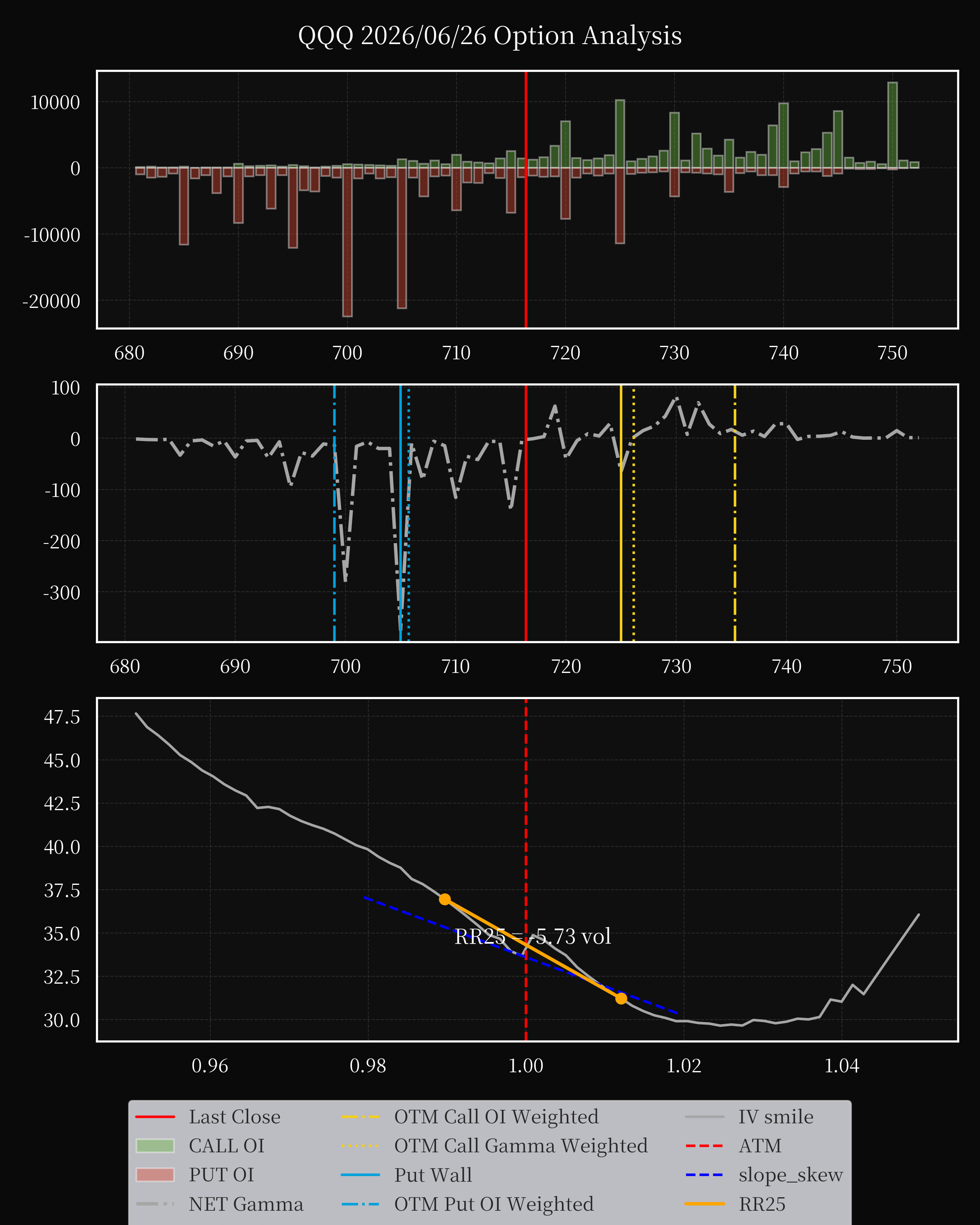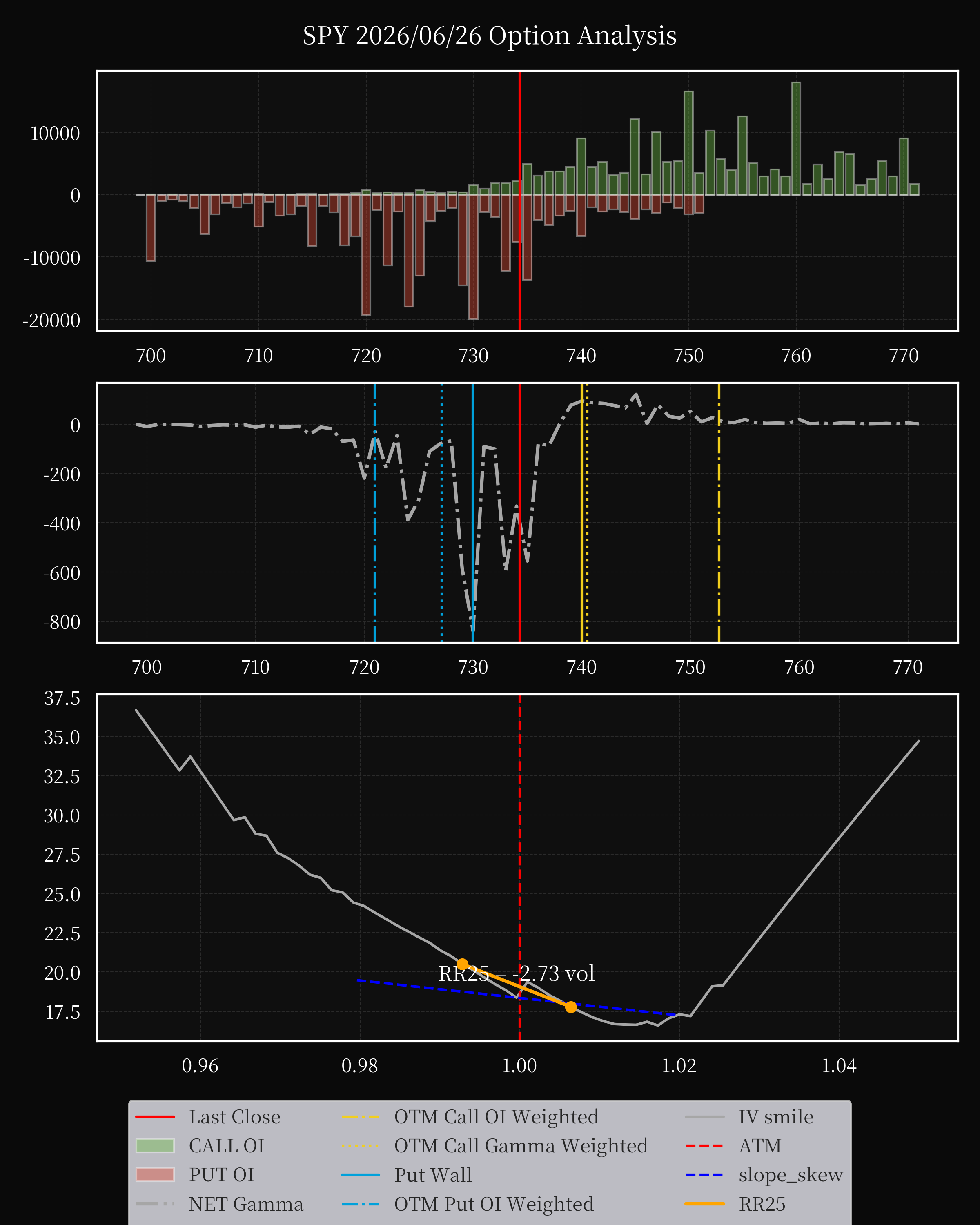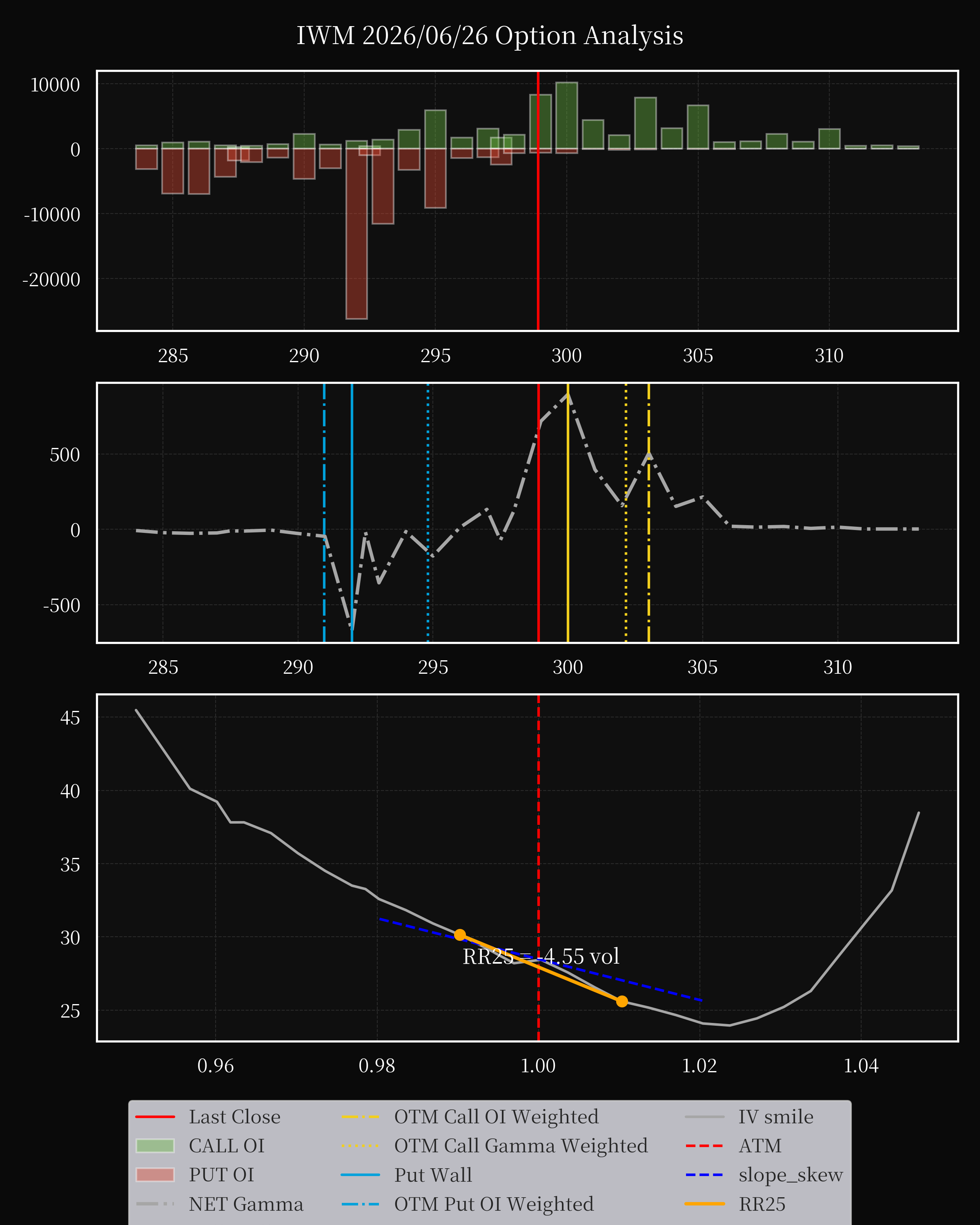
Overall
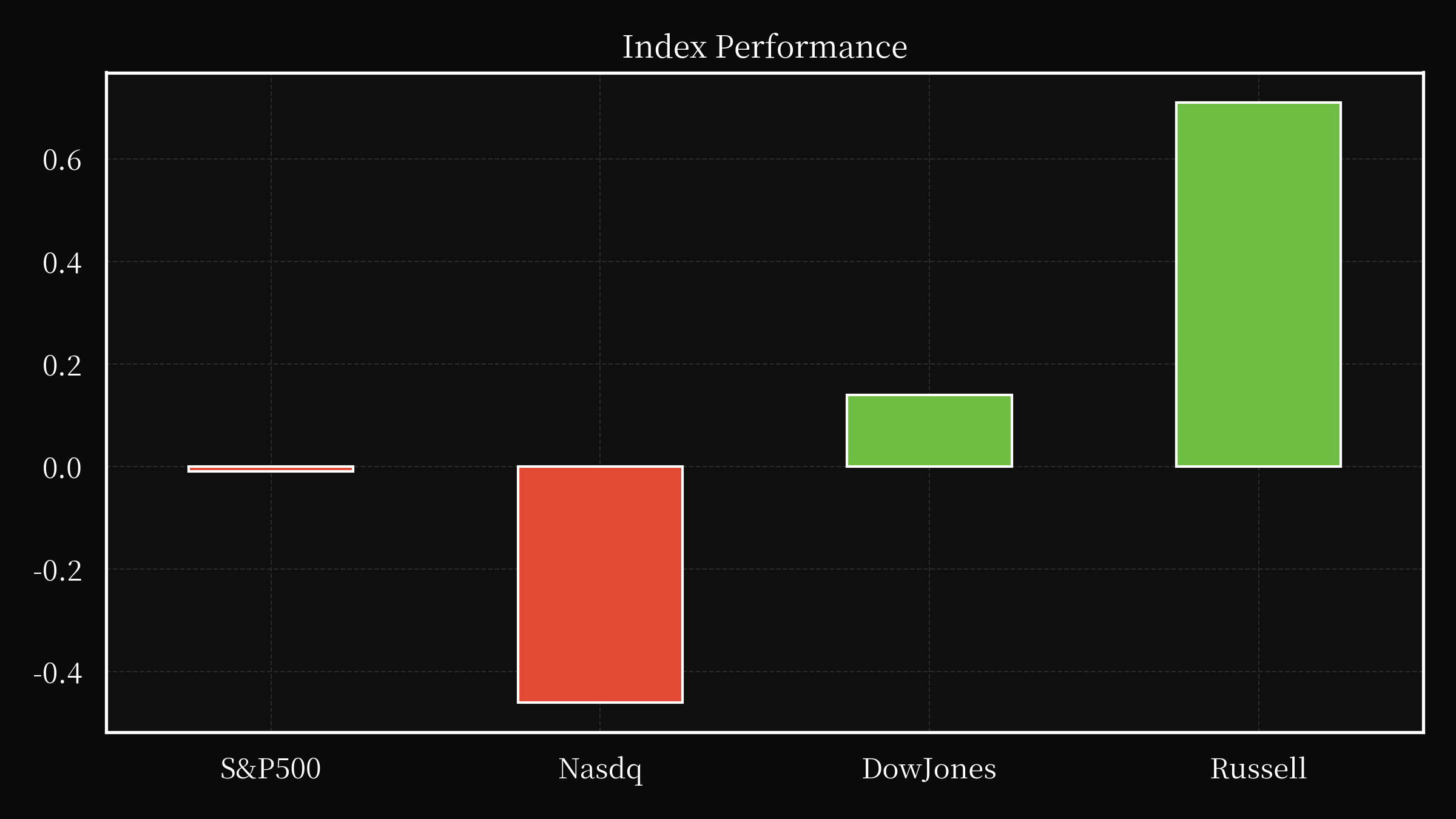
The U.S. equity markets exhibited a complex and multifaceted dynamic on Thursday, driven by divergent corporate performances, macroeconomic signals, and geopolitical tensions that collectively shaped investor sentiment. At the core of the day’s narrative was the stark contrast between the resilience of certain technology and industrial sectors and the vulnerability of others, particularly those exposed to volatile input costs or regulatory headwinds. This dichotomy underscores broader themes of sector rotation, inflationary pressures, and the interplay between corporate strategy and external shocks, all of which demand rigorous analysis to contextualize their implications for market participants.
The semiconductor industry emerged as a pivotal driver of market sentiment, with Micron Technology’s 16% surge following robust earnings serving as a bellwether for the sustainability of demand in artificial intelligence and memory-intensive applications. This rally, which lifted the PHLX Semiconductor Index by 3.6%, reflects confidence in the sector’s ability to capitalize on evolving technological needs, particularly as firms like Nvidia and Qualcomm continue to dominate the AI value chain. However, the same dynamics that buoyed Micron’s valuation—namely, the AI boom—have created pricing pressures for memory chips, directly impacting companies such as Apple. The tech giant’s 6% decline, triggered by price hikes across its product portfolio, highlights the fragility of margins when input costs escalate faster than pricing power can adjust. This tension between cost inflation and revenue optimization is a critical focal point, as it illustrates the challenges of maintaining profitability in an environment where supply chain disruptions and competitive pricing battles intensify.
Equally significant was the Supreme Court’s ruling in favor of Bayer AG, which dismissed claims linking its Roundup herbicide to cancer due to the absence of mandatory warning labels. The decision, rooted in federal preemption of state-level liability, not only provided immediate relief to the company’s stock—which surged 20%—but also reinforced a broader legal precedent that limits corporate exposure to tort liabilities in the absence of explicit regulatory mandates. This outcome carries implications for the pharmaceutical and agricultural sectors, where similar products face scrutiny, and signals to investors that judicial outcomes can swiftly alter risk profiles. Concurrently, the legal landscape remains fraught with uncertainty, as evidenced by ongoing litigation over immigration policies and the Supreme Court’s intervention in limiting executive actions on mail-in voting, which underscores the judiciary’s role in shaping regulatory frameworks that directly influence market operations.
Corporate leadership transitions further complicated the market’s trajectory, particularly at JPMorgan Chase, where the appointment of Doug Petno and Troy Rohrbaugh as co-presidents marked a potential shift in the bank’s strategic direction. The elevation of these figures, alongside Marianne Lake’s retirement, has reignited speculation about the succession plan for CEO Jamie Dimon, who remains a central figure in the financial services industry at 70 years old. The dual leadership model introduces questions about governance continuity and the balance between innovation and risk management, especially as JPMorgan navigates regulatory expectations and competitive pressures from peers. Meanwhile, the broader financial sector experienced mixed results, with banks receiving approval to raise dividends—a development that could attract income-focused investors but also raises concerns about capital allocation priorities amid economic uncertainty.
Geopolitical developments added another layer of complexity, as tensions in the Strait of Hormuz escalated following an Iranian attack on a cargo ship. The incident, occurring amid ongoing hostilities between the U.S. and Iran, triggered a short-term spike in oil prices, with West Texas Intermediate climbing over 2% to $72 per barrel. Such volatility in energy markets reverberates across global supply chains, influencing inflationary expectations and central bank policy decisions. The Federal Reserve, already grappling with a 4.1% year-over-year rise in inflation driven by energy costs, faces heightened pressure to maintain a hawkish stance, which could exacerbate borrowing costs and dampen growth prospects. This interplay between commodity markets and monetary policy illustrates the interconnectedness of macroeconomic variables and their cascading effects on equity valuations.
The technology sector’s performance, however, remained a mixed bag, with Apple’s steep decline contrasting sharply with the gains in AI-focused firms like Nvidia and Qualcomm. The latter’s stock, buoyed by its role in supplying components for edge computing and AI infrastructure, benefited from sustained demand for high-performance chips, even as Apple’s premium pricing strategy alienated price-sensitive consumers. This divergence highlights the sector’s bifurcation: companies positioned to leverage AI-driven growth enjoy outsized returns, while those reliant on consumer discretionary spending face headwinds from both input costs and demand elasticity. Additionally, the underperformance of BlackBerry, despite its pivot toward AI-driven software solutions, underscores the risks inherent in legacy transformations, where execution challenges can erode investor confidence despite strategic realignment.
Retail and consumer discretionary stocks also faced headwinds, with Apple’s 6.2% drop reflecting broader concerns about the sustainability of pricing power in a high-interest-rate environment. The company’s decision to raise prices across its ecosystem, while intended to offset supply chain disruptions, has exposed vulnerabilities in its customer retention strategy. This scenario is emblematic of the challenges facing firms in cyclical industries, where macroeconomic headwinds amplify the impact of operational decisions. Conversely, companies like Ross Stores, which defied e-commerce trends by emphasizing in-person retail experiences, demonstrated resilience, suggesting that certain business models remain adaptable to shifting consumer preferences.
The broader implications of Thursday’s market activity extend beyond individual sectors, revealing systemic risks and opportunities for investors. The interplay between inflation, monetary policy, and corporate strategy necessitates a granular understanding of how firms navigate cost pressures while maintaining growth trajectories. For instance, the semiconductor industry’s reliance on specialized inputs makes it particularly sensitive to geopolitical instability, as seen in the Strait of Hormuz incident, while the legal environment continues to shape corporate liabilities and investor sentiment. Meanwhile, the succession planning at JPMorgan and the evolving dynamics of executive leadership underscore the importance of governance structures in sustaining long-term value creation.
In conclusion, Thursday’s market outcomes reflect a landscape shaped by competing forces: technological innovation driving sector-specific gains, regulatory and legal developments altering risk profiles, and macroeconomic pressures influencing monetary policy and corporate strategy. Investors must weigh these factors with a focus on both immediate volatility and structural shifts, recognizing that the interplay between earnings performance, macroeconomic indicators, and geopolitical events will continue to define market trajectories. The ability to discern which trends are transient and which signal enduring changes will be critical for allocating capital effectively in an increasingly complex financial environment.
Watch List
FUL
H.B. Fuller, a leading adhesives company, announced strong second-quarter 2026 results, reporting net revenue of $950 million, a 5.8% increase year-over-year. Diluted EPS reached $1.23, up 19% due to robust pricing execution and the impact of restructuring savings. Adjusted EBITDA climbed to $181 million, a 9% rise, driven by similar factors. The company’s record operating cash flow reached $121 million, and it repurchased 750,000 shares during the quarter. Reflecting this positive performance, Fuller has increased its full-year adjusted EBITDA and adjusted EPS guidance. Management highlighted successful global sourcing and pricing strategies that maintained supply continuity amidst market disruptions. The company’s Quantum Leap restructuring initiative further strengthened its competitive position. Net debt decreased to $1.958 billion, and net working capital improved significantly. As a result of these strong results, Fuller is updating its financial guidance for the full year, anticipating weighted cash flow delivery to the second half. The company’s focus remains on executing controllable strategies and leveraging its strengths to achieve long-term growth. H.B. Fuller’s innovative adhesives and coatings enhance products across diverse markets, solidifying its position as the world’s largest pureplay adhesives company.
MKC
McCormick & Company, Incorporated reported strong second-quarter financial results, demonstrating continued resilience and organic growth. Net sales increased by 16.7%, driven by a favorable currency impact and organic growth of 1.7%, with Flavor Solutions contributing significantly to the increase. Operating income rose to $276 million, an improvement from $246 million in the prior year, and adjusted operating income reached $336 million, up from $259 million. Earnings per share also increased, with an adjusted figure of $0.80 compared to $0.69. Looking ahead, McCormick reaffirmed its 2026 outlook, highlighting significant progress in integration planning for the proposed Unilever Foods combination, which remains a key strategic priority. The company is managing inflationary pressures and operational costs effectively, and anticipates continued growth in Flavor Solutions, supported by reinvestment and a robust margin profile. McCormick expects to sustain momentum, driven by its diversified portfolio and disciplined execution. Finally, the company acknowledged the dedication of its employees and the ongoing integration efforts, reinforcing its commitment to long-term value creation and strategic growth.
BGC
BGC Group, Inc. announced an update to its financial outlook for the quarter ending June 30, 2026, via a press release distributed on June 25, 2026. The update reflects a revision to the company’s previously communicated expectations for the period. Details of the revised outlook are contained within the attached press release, which is incorporated into this Form 8-K filing as Exhibit 99.1. This filing serves as notification to investors regarding the change in BGC Group’s projected performance for the second quarter of 2026, providing transparency regarding the company’s current assessment of its financial position. The document also includes a standard disclaimer regarding forward-looking statements.
IDAI
This Note Purchase Agreement, dated June 25, 2026, outlines a transaction between T Stamp Inc. and Streeterville Capital, LLC, involving the sale of a $5,510,000 secured promissory note. Investor is purchasing the note from Company, with Company obligated to issue it. The note carries an initial discount of $500,000 and an additional $10,000 to cover transaction expenses, resulting in an initial principal balance of $5,000,000. The closing date is to be mutually agreed upon, with Investor set to pay Company $5,510,000 via wire transfer on that date. Key terms include a closing date, an original issue discount (OID) of $500,000, and transaction expense costs of $10,000. The note is secured by Company’s assets and includes representations and warranties from both Investor and Company regarding the note’s validity and Company’s operations. Furthermore, the agreement stipulates that Company must notify Investor of any more favorable economic terms granted to third parties, or those terms will automatically become part of the note agreement. There are also provisions for arbitration, including a detailed process for selecting an arbitrator, handling discovery, and ultimately resolving disputes. Finally, the agreement contains standard clauses regarding waivers, time is of the essence, and governing law, with a significant waiver of jury trial.
LPAA
Launch One Acquisition Corp. has decided to postpone its planned extraordinary general meeting originally scheduled for July 7, 2026, to Friday, July 10, 2026. This delay is due to a decision to extend the deadline for the company’s initial business combination, currently set for July 15, 2026, to January 15, 2027. The company is seeking shareholder approval for an amendment to its memorandum and articles of association to accommodate this extended timeframe. Shareholders now have until Wednesday, July 8, 2026, to exercise their redemption rights, two business days before the meeting. Information regarding the meeting, including the proxy statement and participant details, has been distributed to shareholders as of May 15, 2026. Investors are advised to review the complete proxy statement filed with the SEC for comprehensive details about the proposed changes and related matters. The company’s forward-looking statements are subject to risks and uncertainties, and actual results may vary significantly from those projected.
CMC
CMC (NYSE: CMC) announced strong third-quarter fiscal 2026 results, reporting net earnings of $173.0 million, or $1.55 per diluted share, and adjusted earnings of $193.0 million, or $1.73 per diluted share. The company’s core EBITDA surged 78.6% year-over-year to $353.6 million, driven by robust market conditions, the positive impact of its “TAG” initiatives, and the recent acquisitions of precast businesses. CMC’s core EBITDA margin reached 14.2%, a significant 440 basis point increase compared to the prior year. The company demonstrated continued progress in reducing its debt, with visibility to a 2x leverage ratio well ahead of its mid-2027 target. Key highlights included substantial growth in North America Steel Group adjusted EBITDA, fueled by higher margins and benefits from the TAG program, alongside strong booking and backlog activity. The Construction Solutions Group (CSG) saw a doubling of sales to $394.6 million and a 138.1% increase in adjusted EBITDA, largely due to the inclusion of the precast acquisitions. Europe Steel Group also experienced a notable turnaround, with adjusted EBITDA rising to $34.7 million, supported by a $20.4 million CO2 credit and improved market conditions. CMC’s balance sheet remains strong, with $563.2 million in cash and liquidity. The company continued its share repurchase program, and declared a quarterly dividend. Looking ahead, CMC anticipates continued strong performance in the fourth quarter, bolstered by favorable market conditions and robust backlogs, and remains confident in achieving its deleveraging goals.
AEI
Today, announced the execution of a transaction with DSS Inc., a company in which it holds a significant equity interest. The agreement, detailed in the Transaction Documents (Exhibits 10.1, 10.2, and 10.3), involves a promissory note totaling $0.45 million, bearing a 3% annual interest rate and payable upon demand. Crucially, the company also secured warrants to purchase up to 17,777,776 shares of DSS common stock at an exercise price of $0.50, with these warrants expiring after three years. A key condition of the transaction is approval from DSS’s stockholders before any conversion of the note or exercise of the warrants. Given the related-party nature of the companies – controlled by the same individuals including Chairman Chan Heng Fai and Co-CEO Chan Tung Moe – and the involvement of several shared directors, the Board of Directors carefully considered the agreement, with Chan Heng Fai and Chan Tung Moe recusing themselves from the deliberation and voting process. This transaction document filing provides a summary of the agreement and is qualified in its entirety by the full Transaction Documents filed as exhibits.
HTZ
Hertz Global Holdings, Inc. has executed a secondary offering of 37,037,037 shares of its common stock at $2.70 per share, with the intention of facilitating hedging activities for investors purchasing its debt notes. Simultaneously, Hertz Corp., a wholly-owned subsidiary, priced a $350 million offering of notes, increasing the initial offering size from $300 million and providing noteholders with an option to purchase an additional $50 million. The net proceeds from the note issuance are estimated at approximately $339.5 million, which Hertz Corp. plans to use to repay outstanding debt under its revolving credit facility and for general corporate purposes. This filing includes accompanying press releases detailing both offerings as Exhibit 99.1 and 99.2. It’s important to note that this report contains forward-looking statements subject to various risks and uncertainties, including potential delays or failures in the offerings, market conditions, and unforeseen capital uses.
BB
BlackBerry reported a strong first-quarter fiscal year 2027, demonstrating continued momentum following its transformation, with revenue increasing by 26% to approximately $153 million. The company achieved significant improvements in profitability, including a 144% year-over-year growth in adjusted EBITDA and a positive GAAP operating income of $15 million. Notably, BlackBerry experienced its first positive operating cash flow in nine years, excluding the patent sale. QNX and Secure Communications segments were key drivers of this performance, with QNX revenue up 26% and Secure Communications revenue increasing by 24%. The company’s focus on software-defined vehicles, particularly through the Alloy Kore platform and NVIDIA collaboration, alongside broader embedded market opportunities, is a significant strategic priority. BlackBerry ended the quarter with $422.9 million in cash and investments, and repurchased 2.6 million shares. The company highlighted key strategic announcements, including expanded collaborations with NVIDIA and TKMS, re-certification of its AtHoc® device, and a renewed share buyback program. Looking ahead, BlackBerry provided guidance for the second and full fiscal year 2027, emphasizing disciplined execution and long-term shareholder value creation. Management utilizes non-GAAP financial measures, including adjusted gross margin, adjusted EBITDA, and adjusted EPS, to provide a clearer picture of the company’s operational performance, although these measures are not standardized and may not be directly comparable to U.S. GAAP measures. The company also announced a conference call and webcast to discuss the results in further detail.
GTES
Gates Industrial Corporation plc successfully completed a shareholder vote approving its proposed redomiciliation from England and Wales to Bermuda. On June 25, 2026, two key meetings were held – a Court Meeting convened by the High Court of Justice and a General Meeting of Gates Shareholders. Shareholders overwhelmingly approved the scheme of arrangement (the “Scheme”) which will result in the issuance of New Gates Shares to existing shareholders on a one-for-one basis, transforming Gates into a wholly-owned subsidiary of Gates Industrial Corporation Ltd. (New Gates). At the Court Meeting, a majority representing 91.90% of shares present voted in favor of the Scheme Resolution. Similarly, at the General Meeting, nearly 91.55% of shares voted in favor of all four resolutions, including the Scheme Proposal, Reduction of Capital Proposal, and New Share Issuance Proposal. While the Court’s sanction remains pending, the successful shareholder vote marks a significant step in the company’s strategic shift. The company anticipates proceeding with the planned timetable for closing the redomiciliation, contingent upon the Court’s approval and other customary conditions.
IanFV (www.ianfv.com) is the world's first pure-blood, neutral research institution built on LLM (Large Language Models) specifically for individual investors. Founded by a top-tier team with backgrounds from Tsinghua, Harvard, Morgan Stanley, and UBS, we are committed to breaking down high-priced information barriers and providing institutional-grade investment research at affordable prices. Unlike traditional institutions, IanFV does not serve big-money sponsors or inflate market bubbles. Leveraging a proprietary knowledge graph and a fully localized deployment architecture, we achieve a differentiated competitive advantage through light assets and high efficiency. Our research reports refuse to "sell dreams": valuation reports are based on point-in-time intervals rather than reverse-engineered numbers; industry reports focus relentlessly on real trends over the next six to twelve months; and in-depth reports penetrate market bubbles to strike at the core of corporate survival moats—all to ensure investors hold the most authentic research cards in the secondary market.