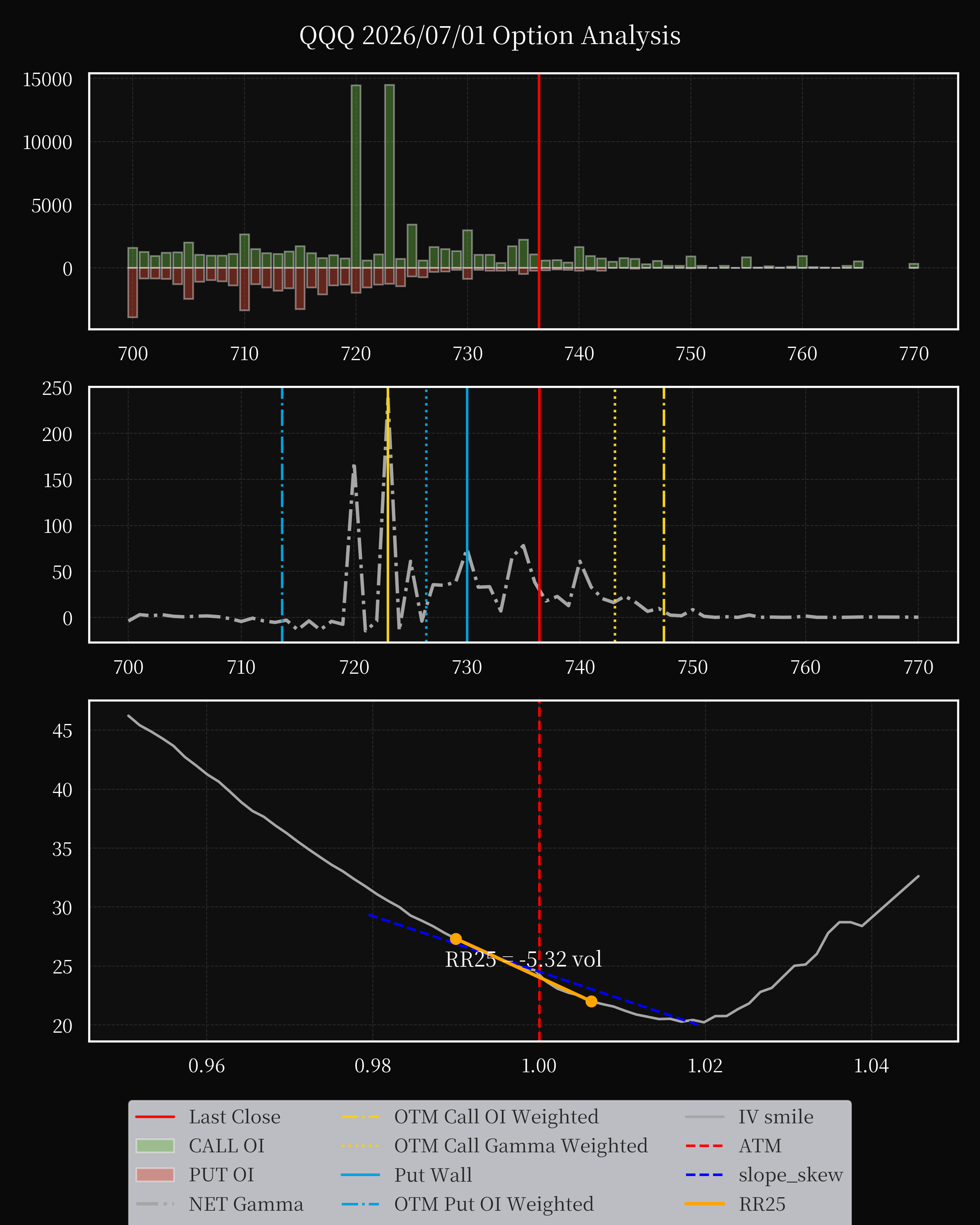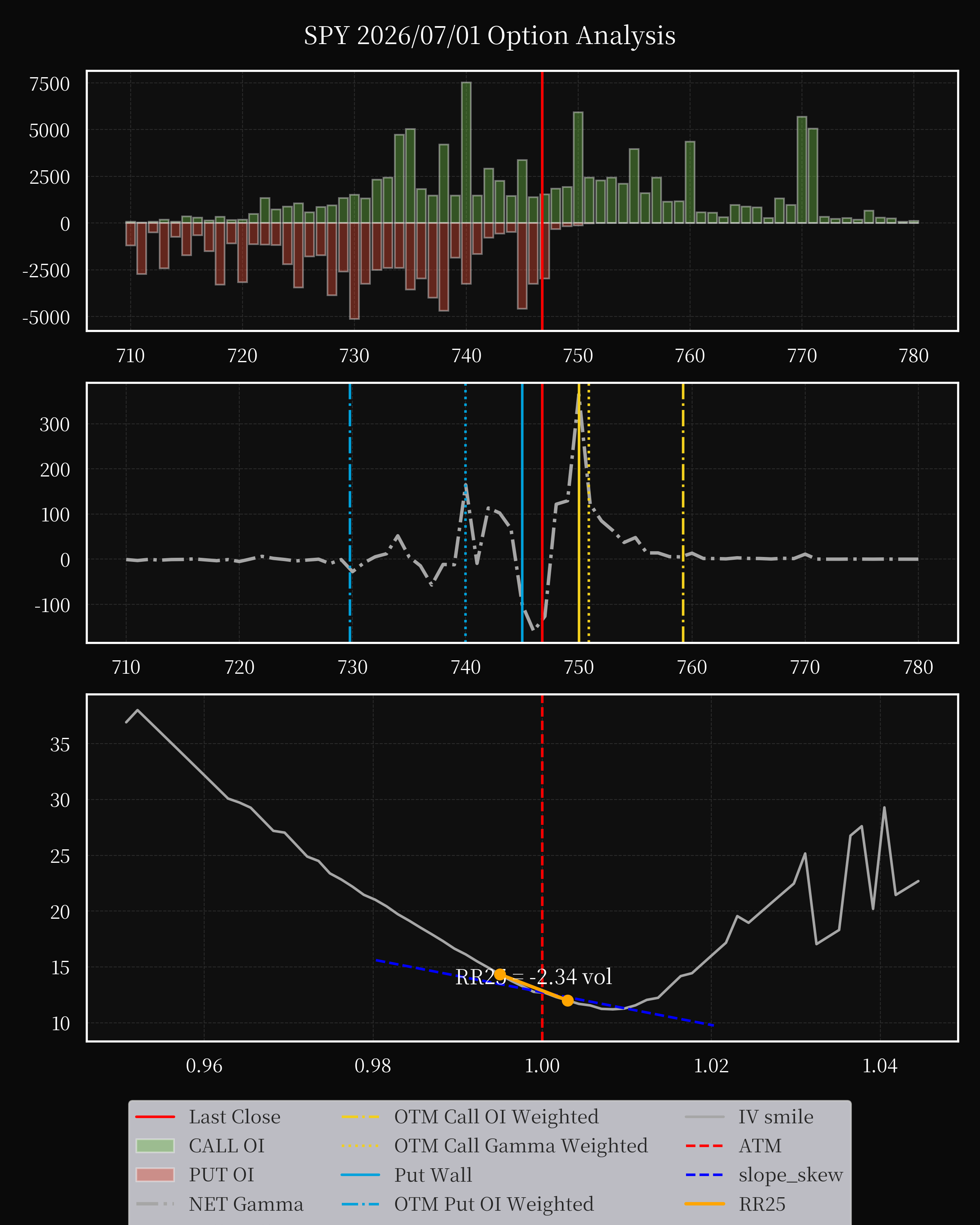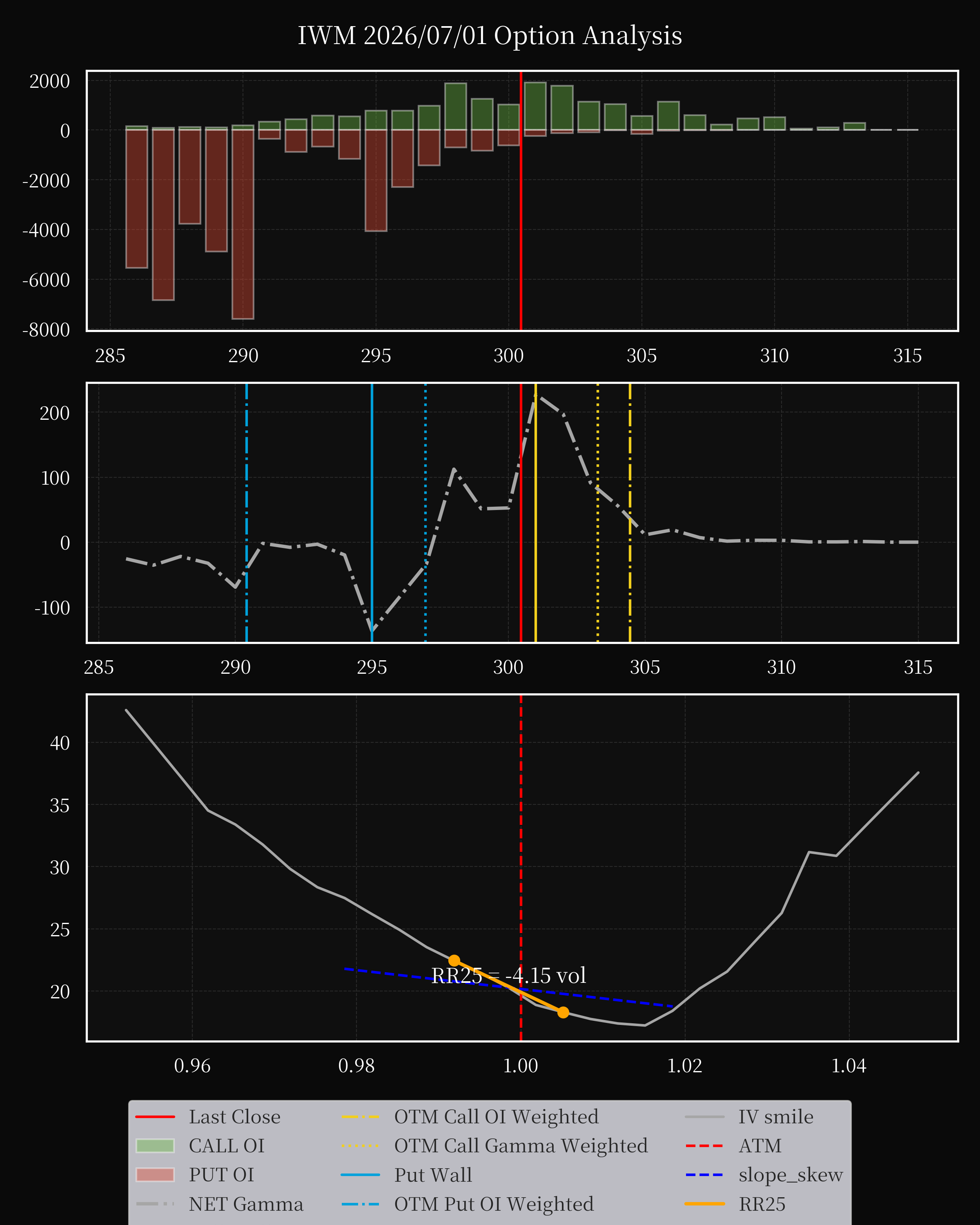
Overall
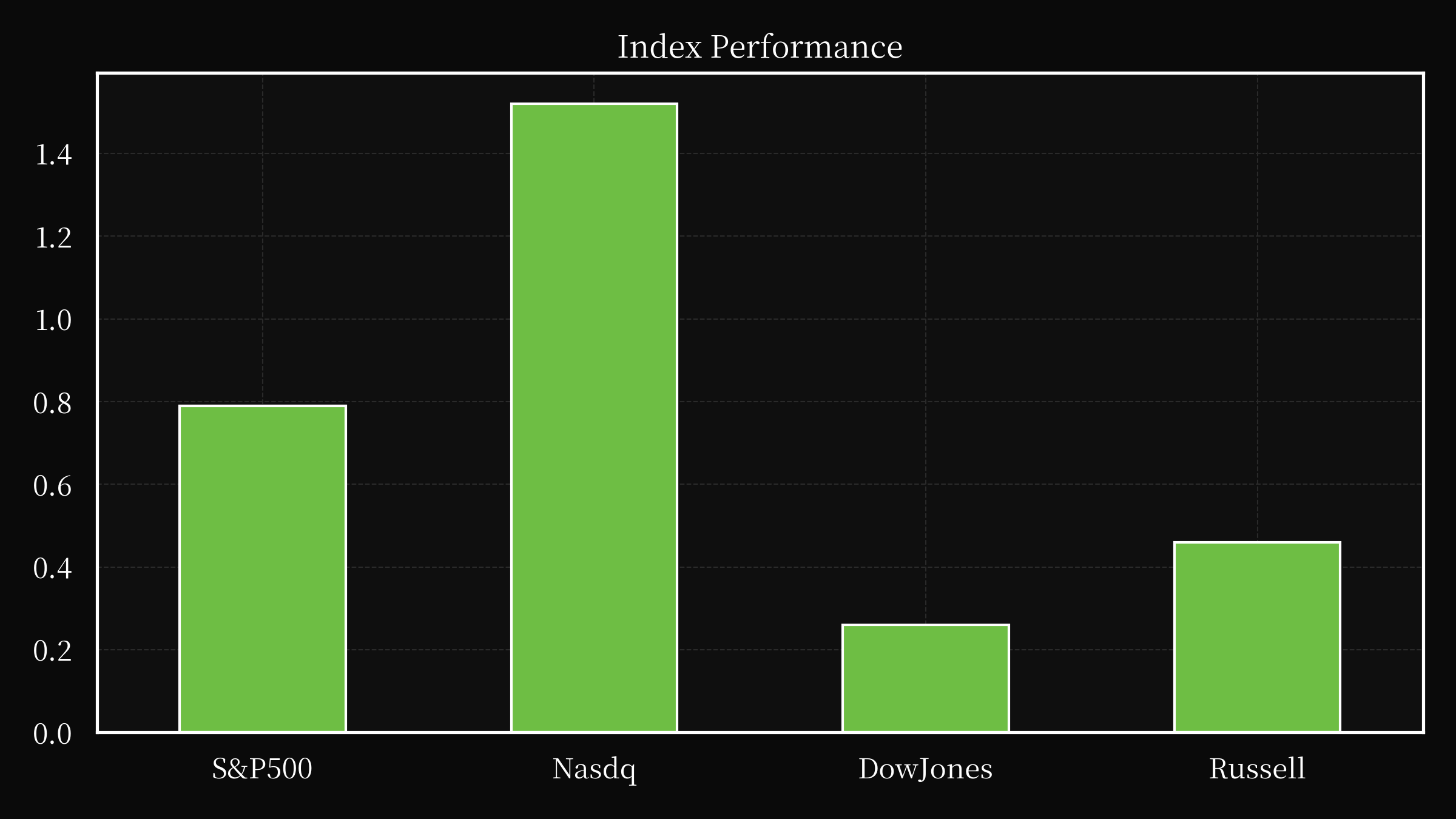
The U.S. equity market closed the second quarter on a robust note, with the S&P 500 and Nasdaq posting gains that underscored a broader economic resilience despite lingering inflationary pressures and geopolitical uncertainties. The S&P 500’s 14.9% increase over the quarter marked its strongest performance in six years, driven by a confluence of factors including strong earnings reports, a rebound in home prices, and a weakening U.S. dollar against the Japanese yen. The latter, which fell to a 40-year low, not only bolstered Japan’s tourism sector but also amplified import costs for the country, creating a ripple effect on global trade dynamics. Meanwhile, the Nasdaq’s 1.5% rise reflected the tech sector’s continued dominance, with semiconductor companies and chipmakers leading gains amid sustained demand for advanced computing infrastructure.
The Federal Reserve’s evolving stance on monetary policy added another layer of complexity to market sentiment. Chair Kevin Warsh’s emphasis on reducing direct communication about interest rates signaled a shift toward allowing markets to process economic data independently, a move that could amplify volatility if inflation remains sticky. However, the Fed’s recent decision to maintain a restrictive policy framework, coupled with the Supreme Court’s ruling on campaign finance, created a dual narrative of regulatory and fiscal uncertainty. The latter, which struck down federal limits on political spending, introduced a new dimension of market influence, as the influx of capital into electoral campaigns could indirectly shape regulatory outcomes and corporate lobbying efforts. This decision, part of a broader trend since the Citizens United ruling, has already begun to reshape the political landscape, with implications for future policy decisions that may impact industries ranging from healthcare to energy.
Home price growth, though modest at 0.8% year-over-year, highlighted the tension between nominal appreciation and real-term declines. The S&P Core Logic Case-Shiller index revealed that U.S. home values fell for the 11th consecutive month, as inflation outpaced price gains, eroding purchasing power for buyers. This dynamic underscores the challenges of balancing housing affordability with the broader economic recovery, particularly as mortgage rates remain elevated and supply constraints persist. Concurrently, the labor market’s mixed signals—stable job openings but soft consumer confidence—reflected the complexities of a post-pandemic economy. While the Bureau of Labor Statistics projected a 110,000-job increase in June, the Conference Board’s survey indicated growing skepticism about future employment prospects, suggesting that wage growth and consumer spending may remain subdued despite the stock market’s optimism.
Geopolitical tensions further complicated the macroeconomic backdrop, with the Middle East conflict disrupting crude oil supplies and pushing prices to a 40-year low. This shift, while beneficial for consumers facing higher energy costs, introduced volatility into global markets, as investors recalibrated expectations for oil-dependent economies and trade flows. The interplay between energy prices, inflation, and monetary policy created a delicate equilibrium, where central banks and governments had to navigate competing priorities: curbing inflation without stifling growth, managing currency fluctuations, and addressing the fallout from geopolitical shocks. The Federal Reserve’s focus on price stability, as evidenced by its cautious approach to rate hikes, reflected a broader recognition of these interdependencies, even as markets grappled with the uncertainty of future policy moves.
The Supreme Court’s rulings on campaign finance and voting rights further amplified the regulatory environment’s influence on corporate strategies. By eliminating federal caps on political spending, the Court enabled a surge in independent expenditures, which could disproportionately benefit certain industries or political factions. This development, combined with the erosion of the Voting Rights Act, raised concerns about the long-term implications for electoral fairness and corporate governance. For investors, these shifts necessitated a heightened awareness of how legal and political developments could shape regulatory frameworks, influencing everything from tax policies to environmental standards. The resulting uncertainty required a nuanced approach to portfolio management, as companies and sectors adapted to an increasingly fragmented policy landscape.
Looking ahead, the market’s trajectory will hinge on the interplay between macroeconomic indicators, geopolitical developments, and regulatory shifts. The S&P 500’s resilience suggests that investors remain optimistic about corporate earnings and economic growth, but the underlying vulnerabilities—such as housing affordability, inflation persistence, and geopolitical risks—demand vigilance. The tech sector’s continued outperformance, driven by AI advancements and semiconductor demand, highlights the sector’s critical role in sustaining growth, even as traditional industries face headwinds. Meanwhile, the Federal Reserve’s cautious stance and the Supreme Court’s expanding influence on policy underscore the need for a balanced approach to risk management, where both market dynamics and external shocks are factored into investment decisions.
In this context, the U.S. stock market’s recent gains should be viewed as a reflection of broader economic forces rather than a standalone success. The interplay of monetary policy, geopolitical tensions, and regulatory changes creates a multifaceted environment where opportunities and risks coexist. Investors must navigate this complexity by prioritizing diversification, monitoring macroeconomic signals, and remaining attuned to the evolving legal and political landscape. As the second quarter concludes, the focus will shift to how these factors converge in the coming months, shaping the trajectory of markets and the global economy at large.
Watch List
ALGT
Following the completion of its acquisition of Sun Country Airlines on May 13, 2026, Allegiant Travel Company has revised its outlook for the second quarter of 2026, anticipating a combined adjusted earnings per share of at least $1.25, inclusive of Sun Country’s performance from May 13th to June 30th. This significantly surpasses the previously projected loss of approximately $0.50 at the midpoint, driven by sustained strong demand across both airlines and a reduction in fuel expenses during June. Furthermore, Allegiant now expects a TRASM increase exceeding 23% year-over-year. These revised figures represent a substantial improvement, reflecting the integration of Sun Country’s operations and the favorable market conditions. However, it’s important to note that these projections are preliminary and subject to change as the company completes its purchase accounting analysis. The company highlighted risks associated with the acquisition, including potential delays in integration, the realization of expected synergies, and broader factors like economic conditions, competitive pressures, and operational challenges. Forward-looking statements contained within the report are not GAAP compliant and a reconciliation is not provided due to the complexity of the special charge adjustments.
SBET
Sharplink, Inc. recently announced key developments through a press release (Exhibit 99.1) detailing its Ethereum (ETH) holdings and strategic initiatives. The company successfully closed a registered direct offering, generating gross proceeds of approximately $16.1 million for the acquisition of 10,000 ETH at an average price of $1,611.04 per ETH, utilizing funds also allocated to its $1.5 billion 2025 Share Repurchase Program. This repurchase program, approved by the Board on August 21, 2025, allows the company to buy back up to 2,132,773 shares of its common stock during the period of June 24-26, 2026, at an average price of $4.69 per share. Sharplink actively engages in staking activities with its ETH holdings, deploying substantially all of its 886,725 ETH in staking, including through liquid staking (“LsETH”) and weETH protocols. Specifically, 632,719 ETH are native ETH, while the remaining holdings are “as-if redeemed” from LsETH and weETH, reflecting the nature of these staking mechanisms. The company’s actions demonstrate a commitment to leveraging its ETH holdings and utilizing proceeds from the registered direct offering for strategic growth and shareholder value.
KITT
Nauticus Robotics, Inc. has provided a comprehensive disclosure regarding its financial and operational status, affirming compliance with relevant regulations and mitigating potential risks to its stock listing. The company confirms it has not received any communication from the SEC or the Principal Market regarding potential delisting or suspension of its common stock over the past two years. It possesses all necessary regulatory approvals and authorizations, with no pending legal proceedings impacting its operations. Furthermore, the company asserts compliance with the U.S. Foreign Corrupt Practices Act (FCPA) and has no knowledge of any violations related to bribery or improper payments. Regarding property and assets, Nauticus Robotics confirms ownership and control of all real property, fixtures, and equipment, free and clear of liens, and in good working order. The company also maintains compliance with environmental laws and has no history of hazardous material violations. Finally, the company states it has adequate intellectual property rights and is in compliance with all applicable laws and regulations concerning its business operations, with no foreseeable material adverse effects.
BACC
Blue Acquisition Corp. has completed a business combination with Blockfusion Digital Infrastructure, Inc. (formerly Blockfusion Data Centers), resulting in Blue becoming a publicly traded company under the ticker symbol “PUBCO” following a third amendment to the original business combination agreement. This amendment introduced an earnout provision, contingent upon the Pubco Class A Common Stock achieving certain price thresholds within 36 months of the closing date, potentially leading to the issuance of up to 9,250,000 shares of stock to Blockfusion stockholders. The board size was also reduced from nine to six members. Ten percent of the earnout shares could be assigned to third parties assisting Blockfusion’s transition to AI training and HPC workloads. The transaction was finalized with the execution of a third amendment, reflecting these changes. Blue and Blockfusion issued a joint press release and investor call to announce the developments, alongside an updated investor presentation. Investors are advised to review the Registration Statement on Form S-4, the Proxy Statement/Prospectus, and other filings with the SEC for comprehensive information regarding the Business Combination and associated risks, which include potential delays, failure to achieve anticipated benefits, and uncertainties surrounding the success of Pubco’s strategic plans.
VANI
Vivani Medical, Inc. recently announced an amendment to its 2022 Omnibus Incentive Plan, increasing the number of shares reserved under the plan from 10,033,333 to 21,033,333 shares, reflecting approval by stockholders at the company’s annual meeting. This update, detailed in Exhibit 10.1, was made without altering other aspects of the plan. At its annual meeting held on June 24, 2026, a significant portion of Vivani’s common stock (62,071,530 shares representing 86,235,104 shares) was represented, allowing for the election of all six directors, a non-binding vote on executive compensation, and the ratification of both the amended incentive plan and the appointment of BPM LLP as the company’s independent auditor. Furthermore, Vivani announced receipt of regulatory approval from the Bellberry human research ethics committee in Australia to commence Phase 1 clinical trials of its SLIM-1™ implant, utilizing the semaglutide implant NPM-139. This positive development, announced with a press release attached as Exhibit 99.1, signals a key advancement in Vivani’s research and development efforts.
MBOT
Medical Inc. has secured a Letter of Agreement with Sanmina Corporation to significantly expand its manufacturing capabilities. This strategic partnership will allow Medical Inc. to bolster its production capacity to meet growing demand from both existing and new customers, a key component of the company’s ongoing cost reduction strategy. The agreement represents a crucial step in supporting the company’s growth trajectory. It’s important to note that this announcement includes forward-looking statements regarding anticipated demand and operational improvements, which are subject to inherent risks and uncertainties. Medical Inc. acknowledges that actual results may vary and relies on reasonable beliefs and expectations as of the date of this Form 8-K filing. Investors are advised to carefully review all information provided within this report, including risk factors outlined in the company’s filings, for a comprehensive understanding of the company’s operations and potential future performance.
BIAF
BioAffinity Technologies, Inc. recently released a newsletter providing an overview of recent developments, which has been filed as Exhibit 99.1 to this report. The newsletter highlights key updates for investors and stakeholders. However, it’s crucial to note that the information contained within includes forward-looking statements, which are inherently subject to risks and uncertainties. These statements, encompassing projections and expectations regarding the company’s future performance, particularly concerning the commercialization of CyPath Lung and navigating the regulatory landscape for laboratory developed tests, could significantly impact actual results. Factors such as the overall regulatory environment and unforeseen challenges could lead to material differences between anticipated outcomes and realized results. Readers are advised to consider these risks and uncertainties when evaluating the information presented, as the company does not assume an obligation to revise these forward-looking statements. This document serves as a snapshot in time and should be reviewed alongside the company’s broader financial disclosures, including its annual report on Form 10-K and quarterly reports on Forms 10-Q and 8-K.
NATL
NCR Atleos Corporation recently completed a series of corporate actions, including a virtual special meeting on May 27, 2026, where shareholders overwhelmingly approved the merger with Novus Merger Sub II, LLC, which was subsequently acquired by The Brink’s Company. The merger, finalized on June 30, 2026, resulted in NCR Atleos becoming a direct wholly owned subsidiary of Brink’s, alongside Novus Merger Sub II, LLC. This complex transaction involved multiple merger stages and was supported by approvals from both Brink’s and NCR Atleos shareholders. Following the completion of the mergers, Brink’s issued common stock to NCR Atleos’ shareholders as part of the agreement. The company acknowledged potential risks associated with the transactions, including delays in regulatory approvals, financing challenges, integration difficulties, and broader economic conditions. Information regarding these risks is detailed in the company’s filings with the SEC, including its 10-K reports.
IanFV (www.ianfv.com) is the world's first pure-blood, neutral research institution built on LLM (Large Language Models) specifically for individual investors. Founded by a top-tier team with backgrounds from Tsinghua, Harvard, Morgan Stanley, and UBS, we are committed to breaking down high-priced information barriers and providing institutional-grade investment research at affordable prices. Unlike traditional institutions, IanFV does not serve big-money sponsors or inflate market bubbles. Leveraging a proprietary knowledge graph and a fully localized deployment architecture, we achieve a differentiated competitive advantage through light assets and high efficiency. Our research reports refuse to "sell dreams": valuation reports are based on point-in-time intervals rather than reverse-engineered numbers; industry reports focus relentlessly on real trends over the next six to twelve months; and in-depth reports penetrate market bubbles to strike at the core of corporate survival moats—all to ensure investors hold the most authentic research cards in the secondary market.