Overall
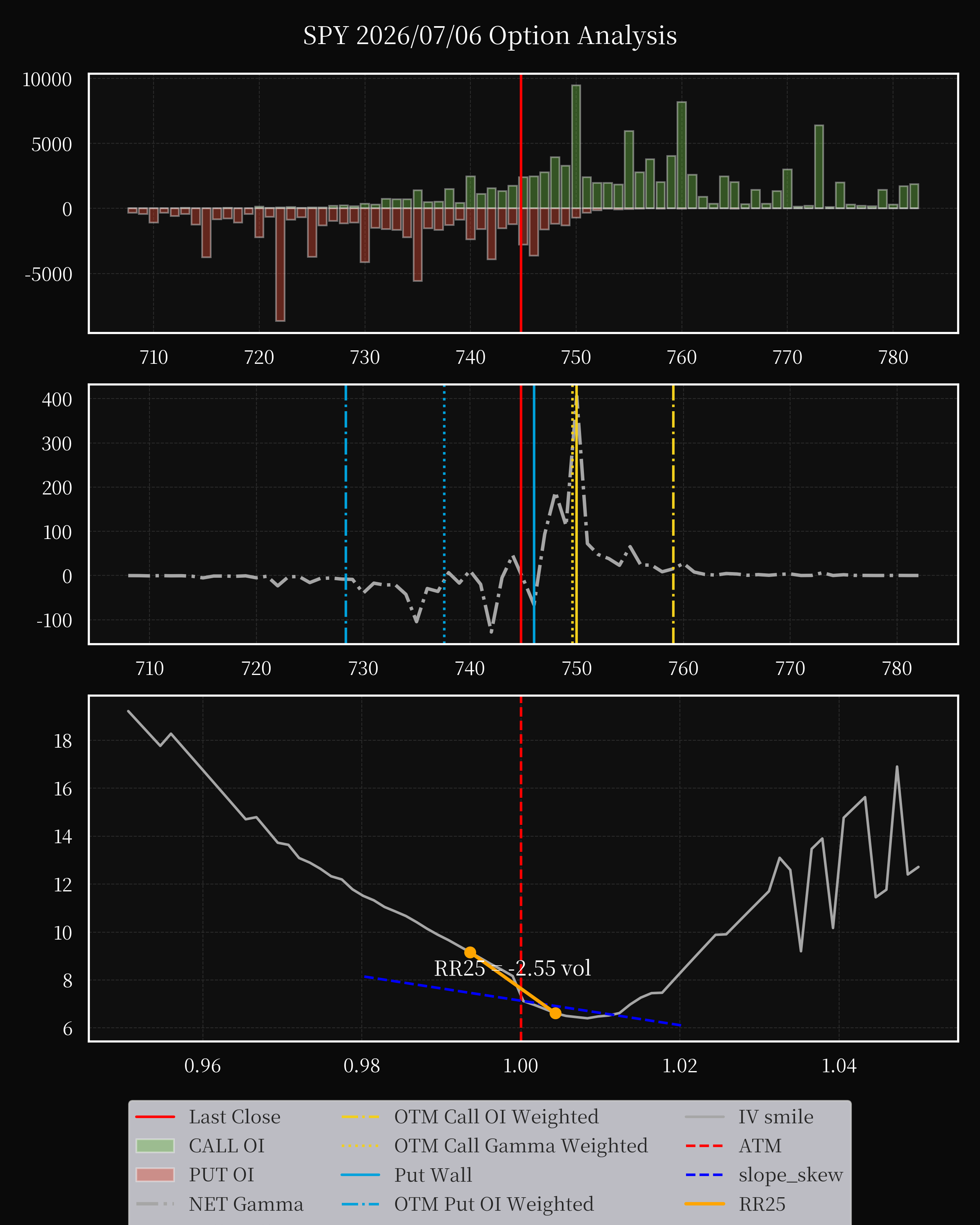
The U.S. labor market’s cooling pace in June, as reflected in the latest employment data, has introduced a nuanced dynamic into equity valuations and sectoral performance, with implications for both growth and defensive positioning. Nonfarm payrolls increased by 57,000 jobs, a figure notably below prior estimates and below the consensus, signaling a moderation in hiring momentum despite the unemployment rate declining to 4.2%. This deceleration, compounded by a plunge in leisure and hospitality employment—the largest drop since 2020—suggests structural shifts in labor demand, potentially tied to macroeconomic headwinds such as elevated consumer price sensitivity amid geopolitical disruptions. The labor market’s resilience remains evident in certain sectors, yet the data has tempered optimism about imminent Federal Reserve tightening, with rate hike probabilities on the CME’s Fed Watch tool retreating to 18% from 29%, thereby reducing near-term policy uncertainty.
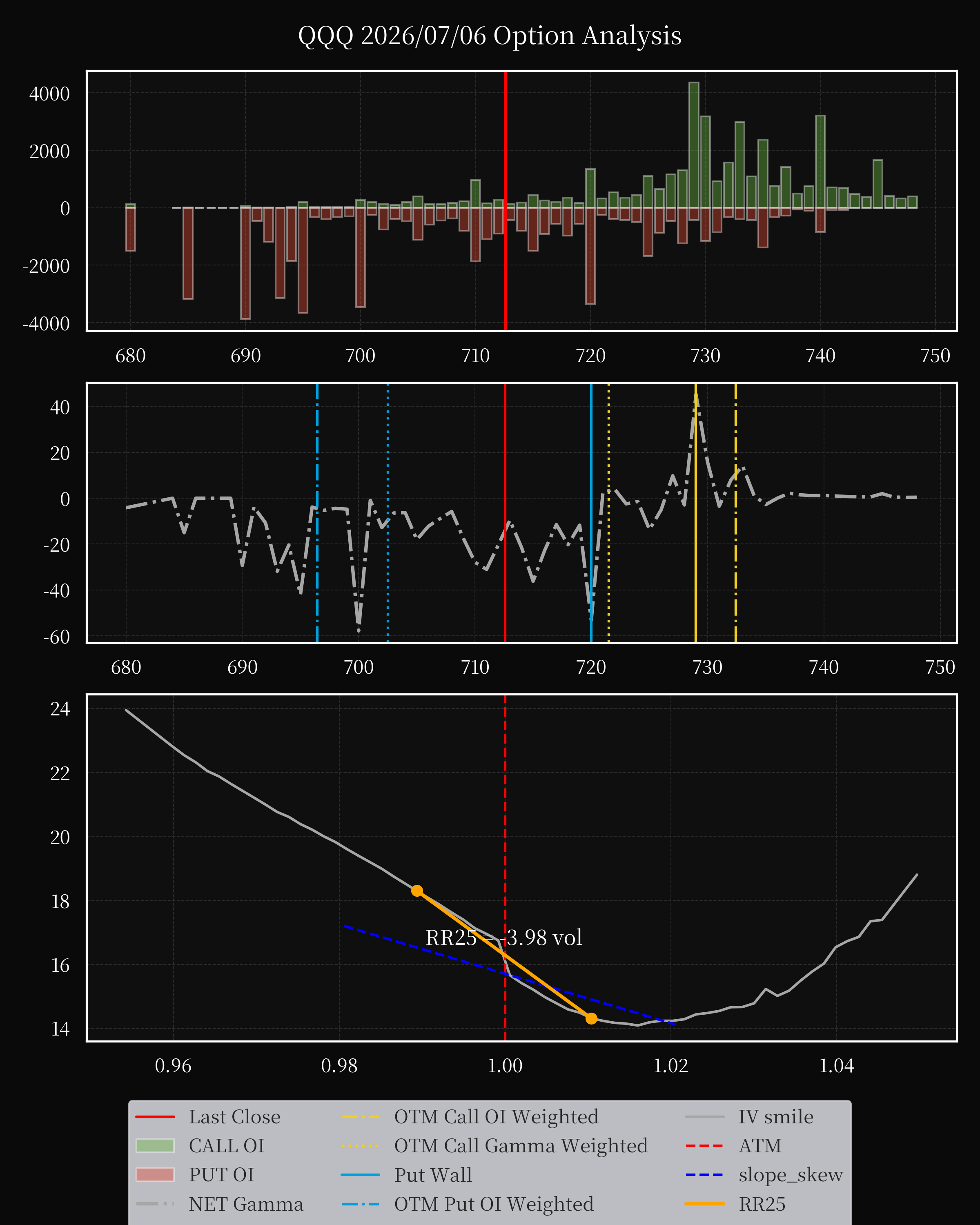
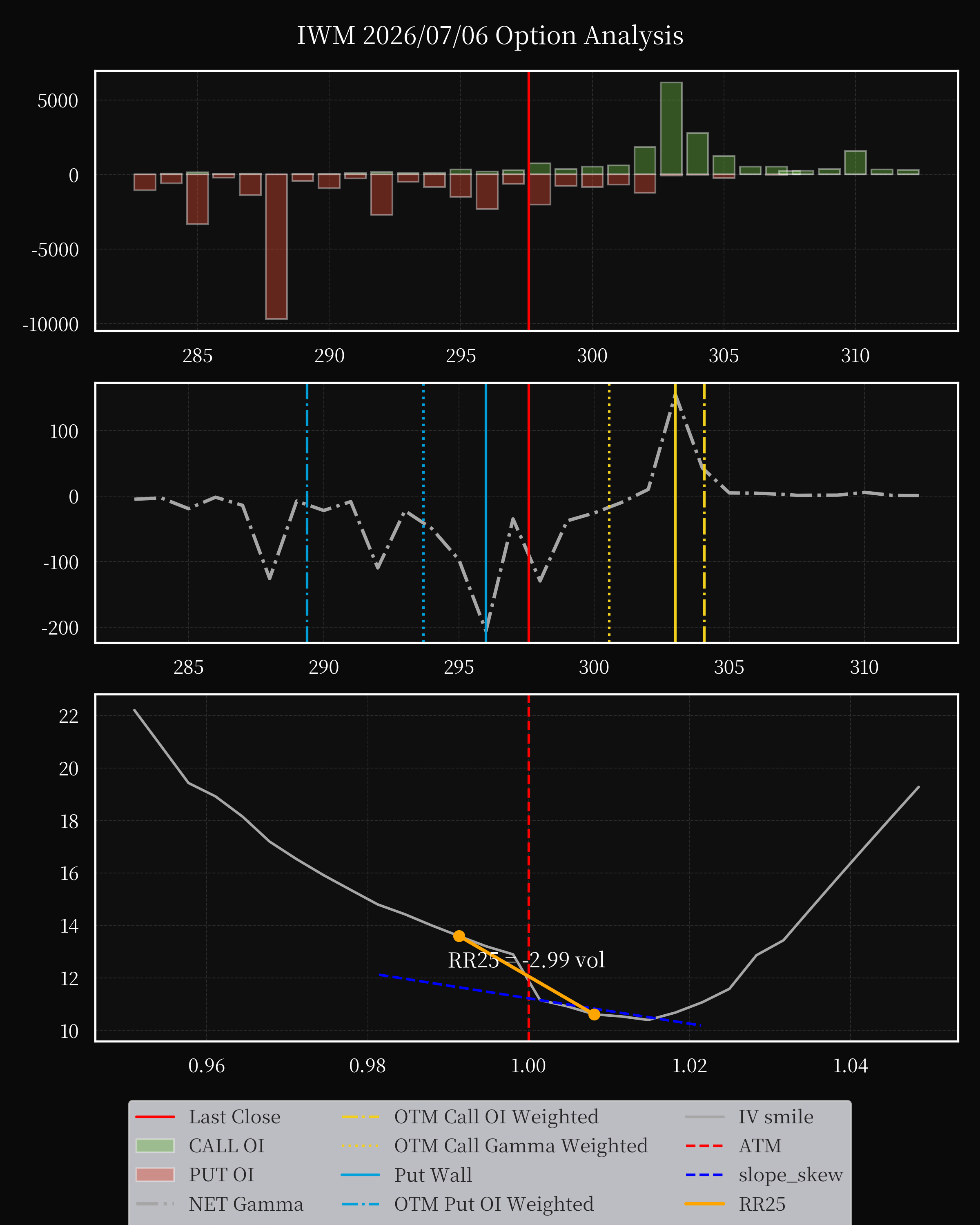
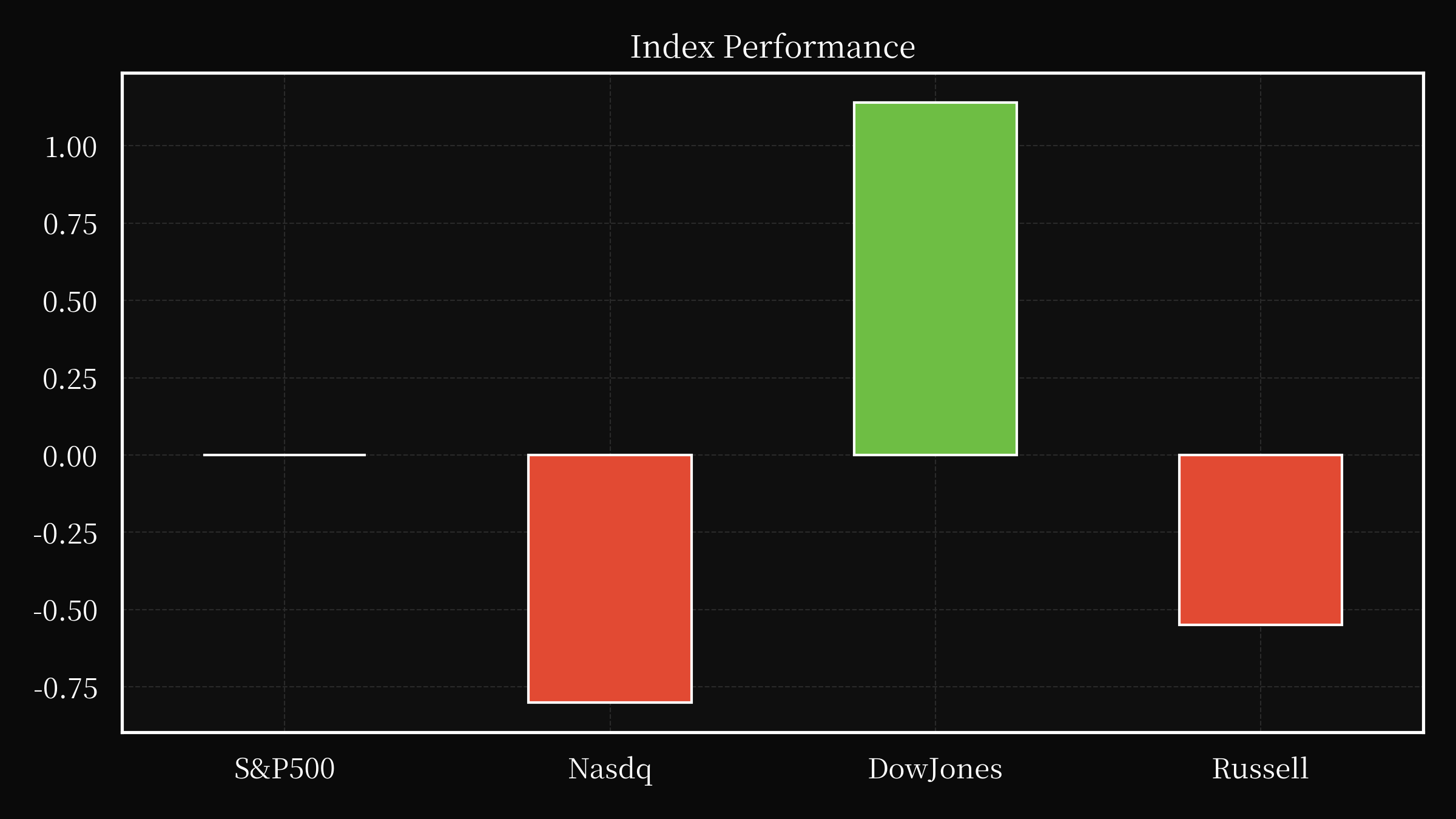
The equity market’s reaction to these developments has been bifurcated, with technology stocks bearing the brunt of repricing amid broader sectoral rotation. The Nasdaq Composite’s 0.8% decline, contrasting with the Dow Jones’ record high, underscores investor skepticism toward high-growth narratives as macroeconomic conditions evolve. Semiconductor ETFs, which have underperformed amid weak demand visibility, exemplify this trend, with the iShares Semiconductor ETF closing Thursday in negative territory for the second consecutive session. Conversely, defensive sectors such as healthcare have demonstrated relative strength, gaining 2.7% as investors recalibrate exposure toward earnings stability and cash flow predictability. This rotation aligns with historical patterns observed during periods of economic deceleration, where defensive equities temporarily outperform cyclical counterparts until clearer macroeconomic signals emerge.
Corporate earnings dynamics further complicate the landscape, with Tesla’s Q2 results offering a case study in divergent performance. The automaker surpassed delivery expectations with 480,126 vehicles globally, a 25% year-over-year increase, yet its stock declined as investors weighed margin pressures against growth optimism. Meanwhile, Rivian’s rebound, driven by stronger-than-anticipated EV demand in a high-price environment, highlights sector-specific resilience amid broader market volatility. The contrast between Tesla’s operational execution and Tesla’s stock trajectory illustrates the market’s increasing focus on unit economics and capital efficiency, particularly as competition intensifies across the electrified vehicle value chain.
Geopolitical volatility continues to exert asymmetric impacts across asset classes, with energy markets serving as a prime example. The Middle East conflict has constrained crude oil supply by approximately 12.8 million barrels daily, yet crude prices edged lower to $68.49, reflecting demand-side elasticity and OPEC+ adjustments. This divergence between supply constraints and price inaction suggests that energy majors may face margin compression unless sustained geopolitical escalation disrupts transportation corridors. Simultaneously, gold appreciated 1.34% as a safe-haven asset, while Bitcoin’s marginal gains amid regulatory scrutiny underscored crypto’s bifurcated risk profile—balancing speculative appeal against evolving compliance frameworks.
Corporate governance and legal risks have also reshaped market sentiment, particularly in high-profile cases involving political figures. The Delaware court’s ruling mandating JPMorgan to cover Charlie Javice’s legal defense costs, including discretionary expenditures, highlights the financial liabilities associated with reputational damage and regulatory scrutiny. Such outcomes reinforce the importance of governance frameworks in mitigating contingent liabilities, particularly for institutions intertwined with political ecosystems. Similarly, Blue Owl Capital’s decision to cap redemption requests at 19% and 38% for its largest funds reflects heightened liquidity risk management practices among private credit managers amid macroeconomic uncertainty.
Looking ahead, the interplay between labor market data, geopolitical developments, and earnings trends will likely dictate short-term market direction. Investors must weigh the Federal Reserve’s policy trajectory against sector-specific catalysts, such as EV adoption rates or semiconductor demand cycles, while remaining vigilant to geopolitical flashpoints that could disrupt commodity balances. The convergence of these factors demands a granular approach to portfolio construction, emphasizing sector rotation discipline and risk-adjusted exposure to macroeconomic variables. As earnings season approaches, the focus will shift toward operational execution and margin resilience, particularly for companies navigating inflationary pressures and evolving consumer preferences.
The broader implications for equity markets extend beyond cyclical adjustments, necessitating a reevaluation of long-duration growth narratives in favor of strategies prioritizing near-term cash flow visibility and balance sheet strength. While the Nasdaq’s underperformance signals caution in high-multiple bets, selective opportunities may emerge in sectors benefiting from structural demand shifts, such as healthcare or energy transition plays. Ultimately, the market’s ability to reconcile divergent data points—labor moderation, geopolitical volatility, and corporate governance risks—will determine whether the current consolidation evolves into a sustained rebalancing or a precursor to renewed momentum. Investors must remain agile, leveraging both macroeconomic signals and micro-level fundamentals to navigate this complex landscape.
The interdependencies between these variables underscore the necessity of a holistic analytical framework, integrating macroeconomic indicators with company-specific fundamentals and geopolitical risk assessments. As central bank policy remains reactive to incoming data, the emphasis on earnings quality and sectoral differentiation will intensify, rewarding firms with durable competitive advantages and disciplined capital allocation. Meanwhile, the persistence of elevated unemployment metrics, even as job growth slows, may prolong Fed caution, further anchoring interest rate expectations and supporting fixed-income valuations. This confluence of factors demands a recalibration of risk appetite, favoring assets with asymmetric upside potential amid uncertain macro trajectories.
In conclusion, the U.S. market’s current state reflects a delicate equilibrium between moderating labor demand, geopolitical headwinds, and sectoral reallocation. While near-term volatility is likely, the absence of immediate policy shocks or earnings surprises provides a foundation for measured participation in equities, particularly those aligned with structural trends such as energy transition or healthcare innovation. Investors should prioritize liquidity preservation and tactical positioning, leveraging volatility to capitalize on dislocations while remaining attuned to evolving data inputs that could recalibrate market expectations. The interplay of these forces will define not only short-term performance but also the broader trajectory of capital allocation in the coming quarters.
Watch List
IanFV (www.ianfv.com) is the world's first pure-blood, neutral research institution built on LLM (Large Language Models) specifically for individual investors. Founded by a top-tier team with backgrounds from Tsinghua, Harvard, Morgan Stanley, and UBS, we are committed to breaking down high-priced information barriers and providing institutional-grade investment research at affordable prices. Unlike traditional institutions, IanFV does not serve big-money sponsors or inflate market bubbles. Leveraging a proprietary knowledge graph and a fully localized deployment architecture, we achieve a differentiated competitive advantage through light assets and high efficiency. Our research reports refuse to "sell dreams": valuation reports are based on point-in-time intervals rather than reverse-engineered numbers; industry reports focus relentlessly on real trends over the next six to twelve months; and in-depth reports penetrate market bubbles to strike at the core of corporate survival moats—all to ensure investors hold the most authentic research cards in the secondary market.