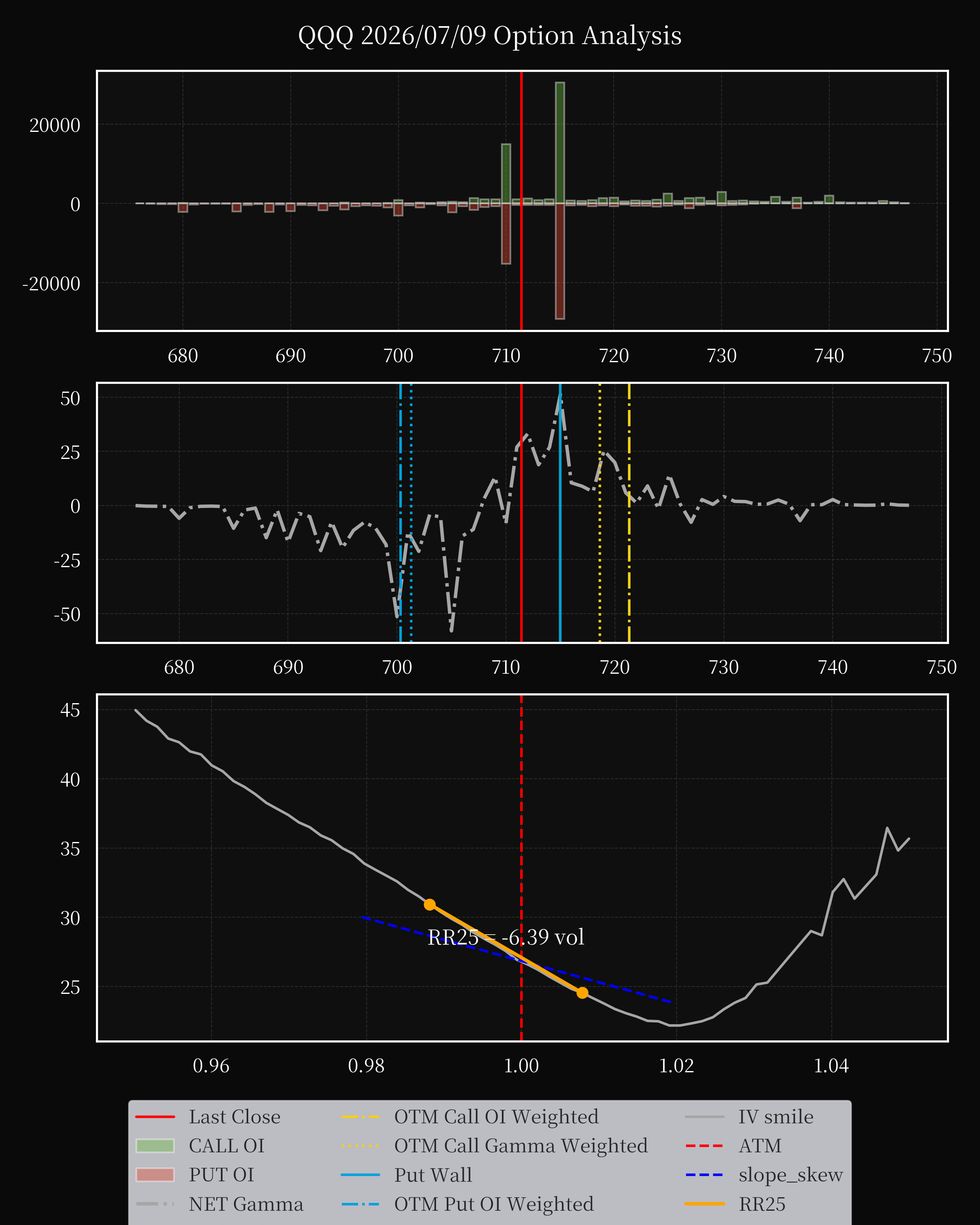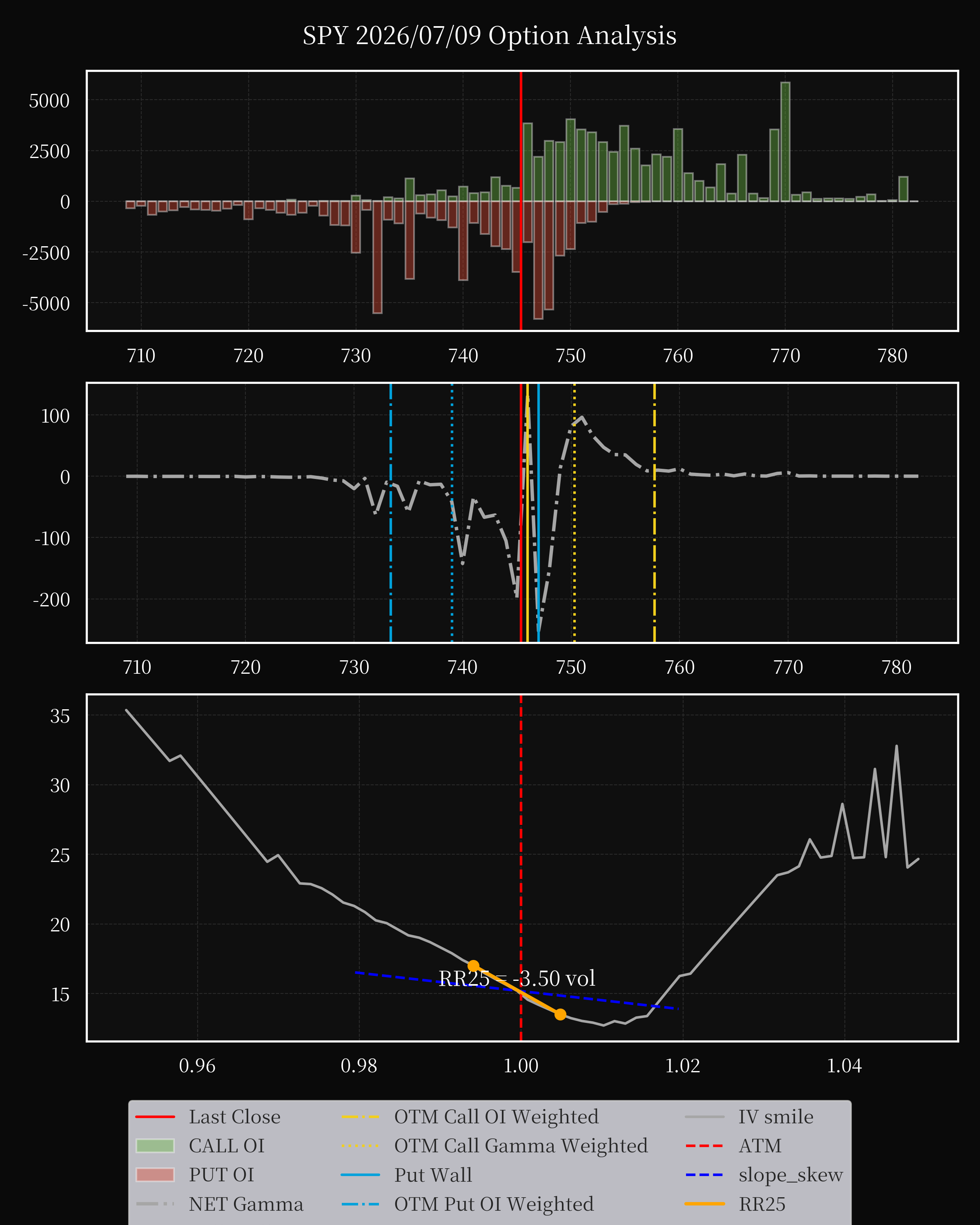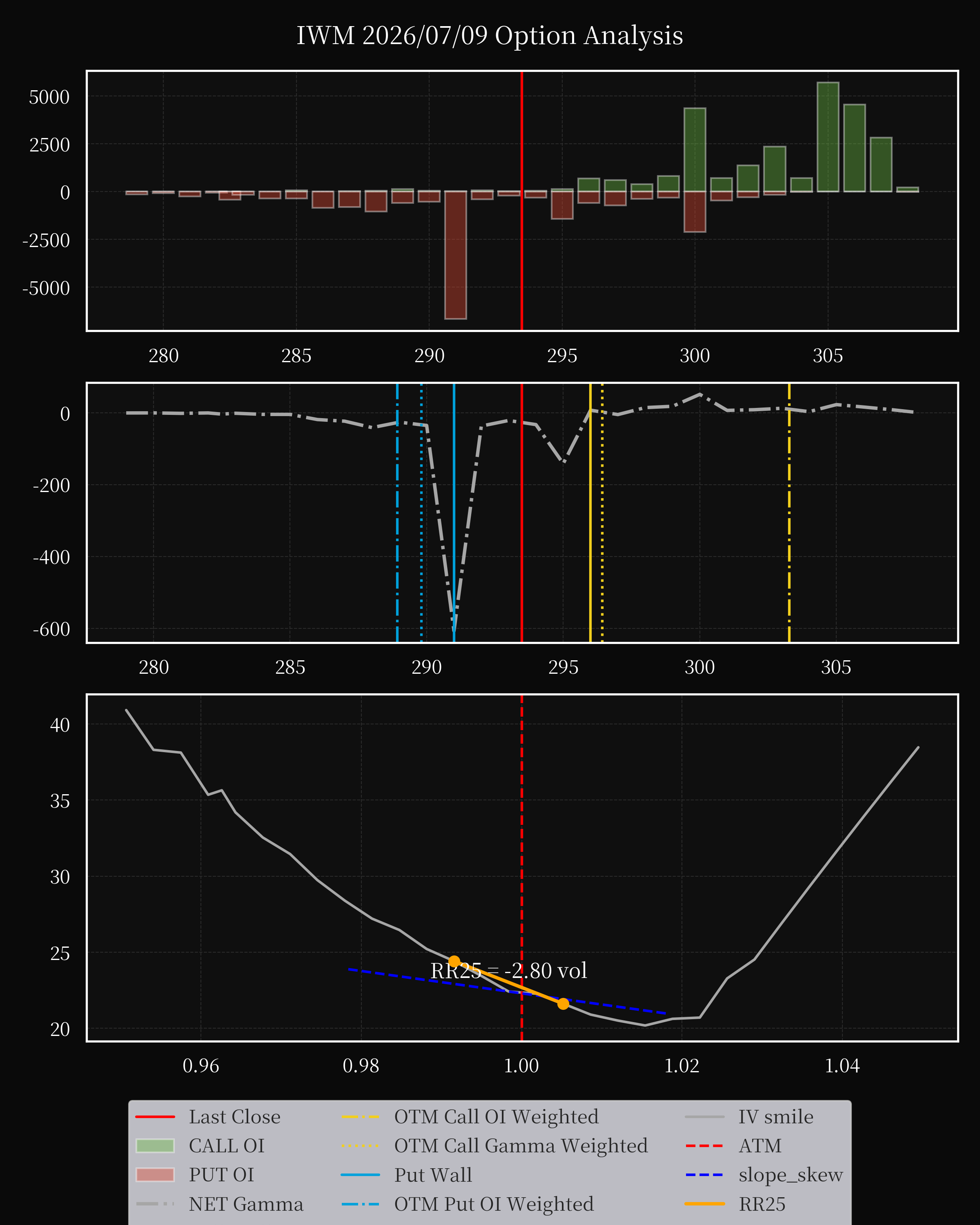
Overall
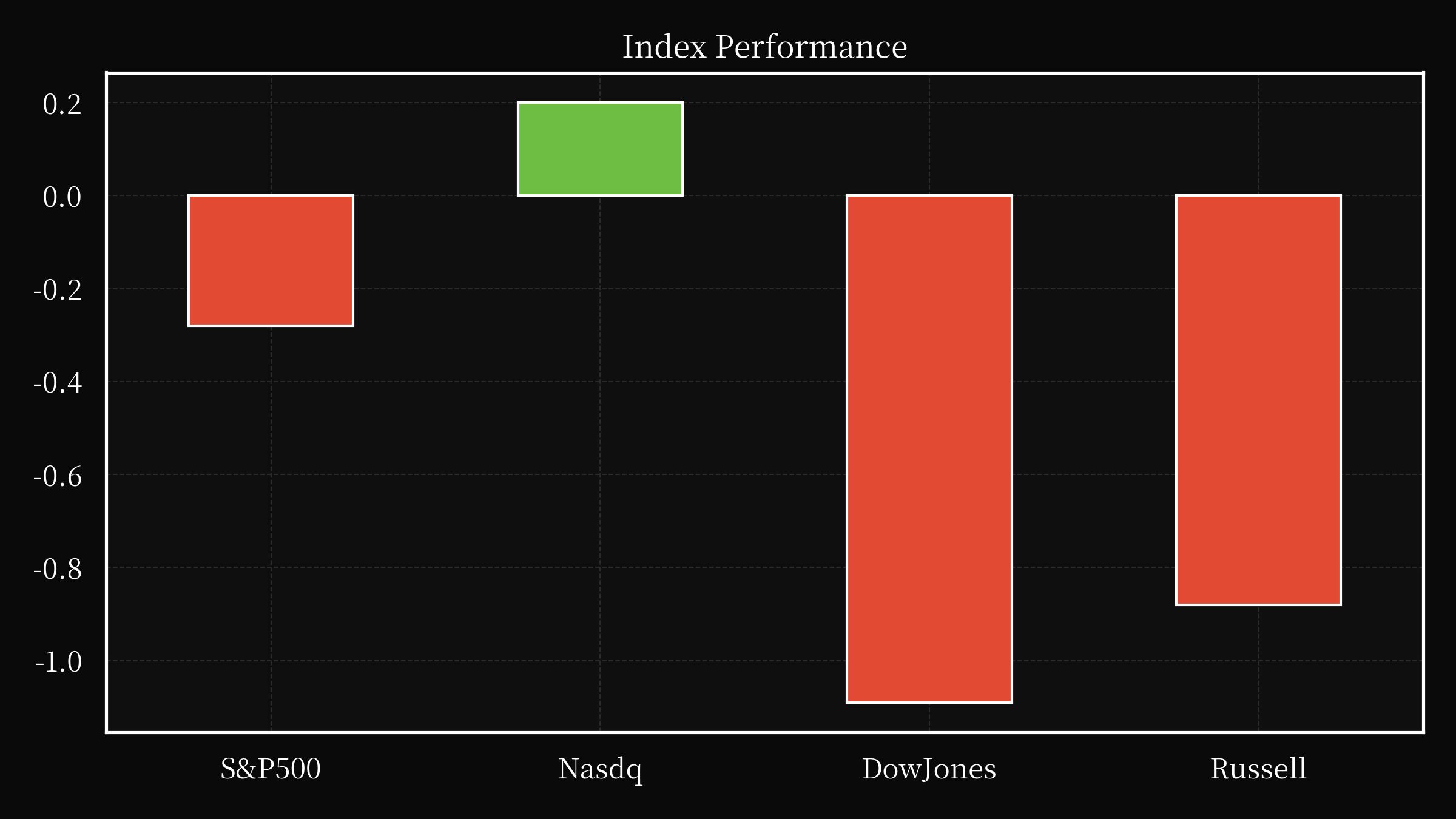
The U.S. equity market experienced a mixed session on Tuesday, with technology stocks providing the primary lift amid persistent optimism about the AI-driven trade cycle, even as sector-specific concerns and geopolitical risks introduced volatility into broader indices. Samsung’s anticipated listing on the Nasdaq 100, a milestone for the South Korean conglomerate, contributed to a broad-based rally in semiconductor names, though the Nasdaq Composite still ended the day in negative territory after a series of sharp declines in memory and chipmakers. The Dow Jones Industrial Average registered modest losses, while the S&P 500 posted a small gain, reflecting the market’s nuanced reaction to earnings reports and evolving macro risks. The interplay between corporate fundamentals, sector rotation, and external events underscored the complexity of current market dynamics, with investors weighing both technological progress and potential downside catalysts.
The technology sector remained the focal point of investor sentiment, buoyed by robust earnings from companies like Foxconn and a renewed appetite for AI-related investments despite lingering doubts about near-term profitability. Analysts noted that while AI spending remains a key growth driver, the market’s enthusiasm is tempered by concerns over valuation multiples and the sustainability of capital expenditures. This tension was evident in the divergent performance of semiconductor stocks, which faced selling pressure due to inventory concerns and the anticipation of slower growth in AI-related demand. At the same time, the inclusion of SpaceX in the Nasdaq 100, albeit accompanied by a significant intraday decline, highlighted the market’s willingness to reward innovation narratives, even as investors reassessed the risks associated with high-growth, speculative ventures.
Geopolitical tensions, particularly in the Middle East, added another layer of uncertainty to market outlook. The U.S. decision to revoke Iran’s oil export license and the subsequent launch of retaliatory strikes in the Strait of Hormuz disrupted shipping routes and triggered a spike in oil prices, with Brent crude futures rising over 3% in a single day. This development not only impacted energy markets but also raised broader questions about the stability of global supply chains and the potential for further escalation in regional conflicts. The interplay between energy prices and equity markets was palpable, as higher oil costs weighed on transportation and manufacturing sectors while simultaneously offering tailwinds to energy producers. Meanwhile, the U.S. government’s renewed focus on Iran’s mining activities in the strait suggested a strategic effort to assert control over critical maritime chokepoints, further complicating the geopolitical calculus for investors.
Beyond sector-specific and geopolitical factors, macroeconomic considerations loomed large in shaping market sentiment. The Federal Reserve’s recent shift toward a more dovish stance, exemplified by Kevin Warsh’s comments on easing inflation risks, introduced a layer of uncertainty regarding future rate hikes. While this rhetoric provided some relief to risk assets, traders remained cautious about the potential for policy normalization and its impact on borrowing costs. Additionally, the broader economic backdrop—marked by mixed signals from manufacturing data, consumer spending, and employment trends—forced investors to navigate a landscape of divergent growth trajectories. The Federal Reserve’s upcoming minutes and the release of key economic indicators, including retail sales and industrial production, were poised to further influence market direction, as policymakers grappled with balancing inflation control against the need to sustain economic expansion.
In parallel, corporate earnings and strategic moves by major firms continued to drive sector-specific narratives. Microsoft’s decision to restructure its Xbox division, coupled with plans to reduce managerial layers, signaled a broader trend of cost optimization and operational efficiency in the tech sector. Conversely, the $28 billion bond issuance by Strategy, a Bitcoin-focused company, highlighted the growing intersection between traditional finance and digital assets, even as the cryptocurrency market remained volatile. The performance of companies like Amazon, which tapped debt markets to fund expansion, underscored the continued reliance on capital markets to finance innovation and growth. Meanwhile, the struggles of firms like Intel and Micron, which faced both earnings disappointments and sector-wide headwinds, illustrated the challenges of maintaining profitability in an environment of rising costs and uncertain demand.
The convergence of these factors—technological progress, geopolitical volatility, macroeconomic uncertainty, and corporate restructuring—painted a picture of a market in transition. Investors were increasingly attuned to the need for diversification and risk management, as the traditional boundaries between sectors and asset classes blurred. The emphasis on AI, while still a dominant theme, was tempered by the recognition that sustained growth would depend on the ability of companies to translate innovation into tangible returns. At the same time, the interplay between energy prices, trade dynamics, and monetary policy underscored the interconnected nature of global markets, where local events could have far-reaching implications. As the week progressed, the challenge for market participants lay in balancing optimism about long-term trends with the realities of short-term risks, ensuring that portfolios remained resilient in the face of an evolving economic landscape.
The broader implications of these developments extended beyond financial markets, influencing corporate strategies, regulatory frameworks, and even consumer behavior. For instance, the heightened focus on supply chain resilience in the wake of geopolitical tensions prompted companies to reevaluate their sourcing and production models, with many seeking to reduce dependence on single regions or suppliers. Similarly, the push for sustainability and ESG (environmental, social, and governance) considerations gained traction, as investors increasingly demanded transparency and accountability from corporations. These shifts reflected a growing awareness of the non-financial risks that could impact long-term value creation, compelling firms to align their strategies with broader societal and environmental goals.
In conclusion, Tuesday’s market activity encapsulated the dual forces of innovation and uncertainty that defined the current economic environment. While technological advancements and strategic corporate moves provided avenues for growth, external pressures—from geopolitical conflicts to macroeconomic shifts—demanded vigilance and adaptability. The interplay between these elements underscored the importance of a nuanced, forward-looking approach to investing, where the ability to anticipate and respond to change would determine long-term success. As markets continued to navigate this complex terrain, the lessons of the day reinforced the necessity of balancing ambition with prudence, ensuring that portfolios remained positioned to capitalize on opportunities while mitigating exposure to emerging risks.
Watch List
PSTL
Okay, here’s a breakdown of the provided text, categorized for clarity and highlighting key aspects: I. Core Agreement & Parties: * Agreement Type: This is a Second Amended and Restated Credit Agreement. This means it’s a revised version of an earlier agreement. * Parties Involved: * Borrower: Postal Realty Trust, Inc. (the primary borrower) * Guarantors: A long list of LLCs (Alabama Postal Holdings, Arkansas Postal Holdings, etc.) – these entities guarantee the obligations of Postal Realty Trust, Inc. * Administrative Agent: JPMorgan Chase Bank, N.A. (responsible for managing the credit facility) * L/C Issuer: Stifel Bank & Trust (likely involved in Letters of Credit, a common financial instrument) * Swingline Lender: The Bank of Nova Scotia (likely a lender providing a specific portion of the financing) * Sustainability Structuring Agent: (This role is involved in structuring the credit facility to incorporate sustainability-related elements – as evidenced by the clauses relating to ESG performance). II. Key Provisions & Clauses (Summarized): * Reallocation of Commitments: The original “Commitments” (likely loan amounts) held by the Lenders are being redistributed among them. This is detailed in Schedule 2.2 (not included in the text, but crucial for understanding the specific amounts). * Guaranty: The Guarantors are jointly and severally guaranteeing the obligations of Postal Realty Trust, Inc. This means each Guarantor is liable for the *entire* debt, not just a portion. * Hedging Liability & QFCs: A significant section addresses “Hedging Liability” and “Qualified Financial Contracts” (QFCs). This is a complex area of financial regulation. It essentially grants the Administrative Agent the authority to manage risks associated with these financial instruments, potentially including the ability to “bail in” (write down) the value of these instruments if Postal Realty Trust, Inc. is in financial distress. This is a critical risk management provision. * No Novation: The agreement explicitly states that no new obligations can be added to the existing agreement without amending it. * No Advisory or Fiduciary Responsibility: The Administrative Agent is clearly defined as a commercial agent, not a fiduciary, meaning it doesn’t
MBOT
Medical Inc. announced a significant surge in its financial performance during the second quarter of 2026, reporting over 100% growth in both revenue and new customer acquisition compared to the first quarter, which concluded on March 31, 2026. This substantial growth reflects the company’s continued momentum and positive market reception. However, the company’s statement emphasizes that the reported figures include forward-looking statements, which are inherently subject to potential variations due to numerous factors, including regulatory developments. These projections, encompassing anticipated milestones and future intentions, should be viewed with caution as actual results may differ. As of the filing date of this Form 8-K, Medical Inc. expresses confidence in its strategic direction but acknowledges the inherent uncertainties involved in forecasting future performance, advising investors to carefully consider all available information, including risk factors outlined in the company’s filings.
POLA
Polar Power, Inc. recently issued a convertible promissory note to Mayers Ventures LLC, a Nevada-based limited liability company, totaling $275,000. The note carries a 10% annual interest rate and matures on December 30, 2027. Mayers Ventures acquired the note for $250,000, granting them the option to convert the principal and accrued interest into Polar Power’s common stock, valued at $0.0001 per share. The conversion price is calculated based on 90% of the seven-day volume weighted average price (VWAP) of the company’s stock, with a minimum floor price while the stock remains listed. Importantly, the note also grants Mayers Ventures the right to appoint one director to Polar Power’s board of directors. This transaction, detailed in Item 1.01 of the Form 8-K, represents a direct financial obligation for Polar Power, Inc. and is incorporated by reference into Item 3.02 of the filing. The company’s disclosures regarding the note are included within the broader financial statements and exhibits presented in Item 9.01.
TGB
Trekor Metals Limited has provided an update on the Environmental Assessment (EA) process for its Yellowhead Project, a proposed open-pit copper mine in British Columbia. A Detailed Project Description (DPD) has been submitted to the BC Environmental Assessment Office, incorporating community feedback and updated technical work. Over 1,000 local residents have participated in open houses and events, marking a significant milestone in the project’s advancement. In conjunction with the DPD submission, Trekor released an economic impact study by MNP, projecting a total economic output of approximately $47 billion for Canada, with $27.3 billion in value-added GDP, predominantly within British Columbia’s Thompson-Nicola region. The project anticipates direct employment of 525 workers and a total of 3,305 jobs, offering secure, well-compensated positions averaging $153,000 annually. Over its 25-year operating life, the mine is expected to generate over $2 billion in payroll and approximately $7 billion in government revenue. The Yellowhead Project, which would produce 178 million pounds of copper annually, is slated to become Canada’s second-largest copper producer. It’s also designated a Critical Mineral by both British Columbia and Canada, driven by rising demand in renewable energy, electric vehicles, and technology. The project is proceeding through the BC Environmental Assessment Office and a newly established Indigenous-led consent process, the Simpcw Process, and is situated on land held by Simpcw First Nation. Trekor’s copper business is expanding with the addition of Florence Copper in Arizona and the ongoing operations at Gibraltar, bolstering its position as a major North American copper producer.
GETY
Please provide me with the 6-K or 8-K content from the SEC Filing that you want me to summarize. I need the text of the filing to be able to fulfill your request. Once you paste the content here, I will summarize it into a fluent paragraph of no more than 300 words, avoiding lists and subtitles.
SHEL
Please provide me with the 6-K or 8-K content from the SEC filing. I need the text of the document to be able to summarize it into a fluent paragraph of no more than 300 words. Once you paste the content here, I’ll be happy to fulfill your request.
BIAF
BioAffinity Technologies, Inc., a Delaware-based company, recently announced a significant surge in commercial sales for its CyPath® Lung diagnostic, a noninvasive tool for detecting lung cancer. According to a press release attached as Exhibit 99.1, the company has experienced over 200% year-over-year growth in sales, indicating a strong and accelerating market response to their innovative product. This positive development highlights the growing demand for accessible and effective lung cancer diagnostics. The company’s continued success with CyPath® Lung underscores its commitment to advancing early detection and improving patient outcomes in the fight against this serious disease. Further details regarding this exciting growth trajectory can be found in the attached press release.
CMT
Core Molding Technologies has secured an extended and amended credit facility through 2031, bolstering its financial flexibility for strategic growth initiatives. The expanded agreement includes a $50 million delayed draw term loan and a $50 million revolving credit facility, carrying interest at SOFR plus a margin. This covenant-light structure enhances the company’s ability to invest in operational improvements, pursue organic growth, and potentially acquire complementary businesses, all while maintaining a strong balance sheet. CEO Eric Palomaki highlighted the facility’s importance in executing the company’s long-term strategy. CFO Alex Panda emphasized the facility’s impact on reducing the company’s cost of capital and extending its debt maturity profile. Core Molding Technologies, a leading engineered materials manufacturer serving industries like truck, powersports, and building products, anticipates this strengthened financial position will support continued value creation for its shareholders. The company’s operations are sensitive to economic conditions in key markets, and it employs a diverse range of molding processes to meet varied customer needs. The filing also details key financial metrics, including Adjusted EBITDA, Debt-to-EBITDA, Free Cash Flow, and Return on Capital Employed, used for internal analysis and reconciliation to GAAP figures, reflecting the company’s commitment to transparency and financial health.
KBSX
FST Corp., a Taiwan-based company with principal executive offices in Minxiong Township, Chiayi County, has entered into an At The Market Offering Agreement with H.C. Wainwright & Co., LLC, to potentially sell up to $10.4 million in ordinary shares with a par value of $0.0001 each. This offering, executed on July 6, 2026, allows the company to sell shares through the Manager, or via market makers, subject to prior agreement. The Manager is entitled to a sales agent fee of up to 3.0% of the gross sales price. This offering is being conducted alongside the company’s existing shelf registration (Commission) and a prospectus supplement filed with the SEC on the same date. FST Corp. retains the option not to proceed with the sale, and no guarantees can be made regarding the timing, amount, or price of any potential share sales. The company filed a prospectus supplement relating to its registration statement 333-296326 and a base prospectus dated May 28, 2026, to support the offering, and this Form 6-K is filed for informational purposes, including details of the Sales Agreement and related exhibits.
CMPS
Compass Pathways plc recently announced promising results from the ongoing COMP360 Phase 3 clinical trial evaluating its synthetic psilocybin formulation for treatment-resistant depression (TRD). The 26-week Part B findings of the COMP006 trial, involving nearly 600 patients with a history of long-lasting depressive episodes, demonstrated a significant 39% achievement of a clinically meaningful reduction in depressive symptoms at the 25mg dose, maintained through Week 26. Notably, nearly 30% of those achieving initial response went into remission following a retreatment period. These results build upon the previously disclosed COMP005 trial, which also showcased rapid onset and durable benefits. The trial, running across North America and Europe, is comparing fixed doses of 25mg, 10mg, and 1mg COMP360. Compass anticipates submitting a New Drug Application to the FDA in Q4 2026 and anticipates a launch in early 2027, pending FDA approval and DEA rescheduling. The company continues to prioritize safety, with the majority of adverse events being transient and manageable. These findings reinforce Compass Pathways’ commitment to developing a novel treatment option for this challenging patient population.
IanFV (www.ianfv.com) is the world's first pure-blood, neutral research institution built on LLM (Large Language Models) specifically for individual investors. Founded by a top-tier team with backgrounds from Tsinghua, Harvard, Morgan Stanley, and UBS, we are committed to breaking down high-priced information barriers and providing institutional-grade investment research at affordable prices. Unlike traditional institutions, IanFV does not serve big-money sponsors or inflate market bubbles. Leveraging a proprietary knowledge graph and a fully localized deployment architecture, we achieve a differentiated competitive advantage through light assets and high efficiency. Our research reports refuse to "sell dreams": valuation reports are based on point-in-time intervals rather than reverse-engineered numbers; industry reports focus relentlessly on real trends over the next six to twelve months; and in-depth reports penetrate market bubbles to strike at the core of corporate survival moats—all to ensure investors hold the most authentic research cards in the secondary market.