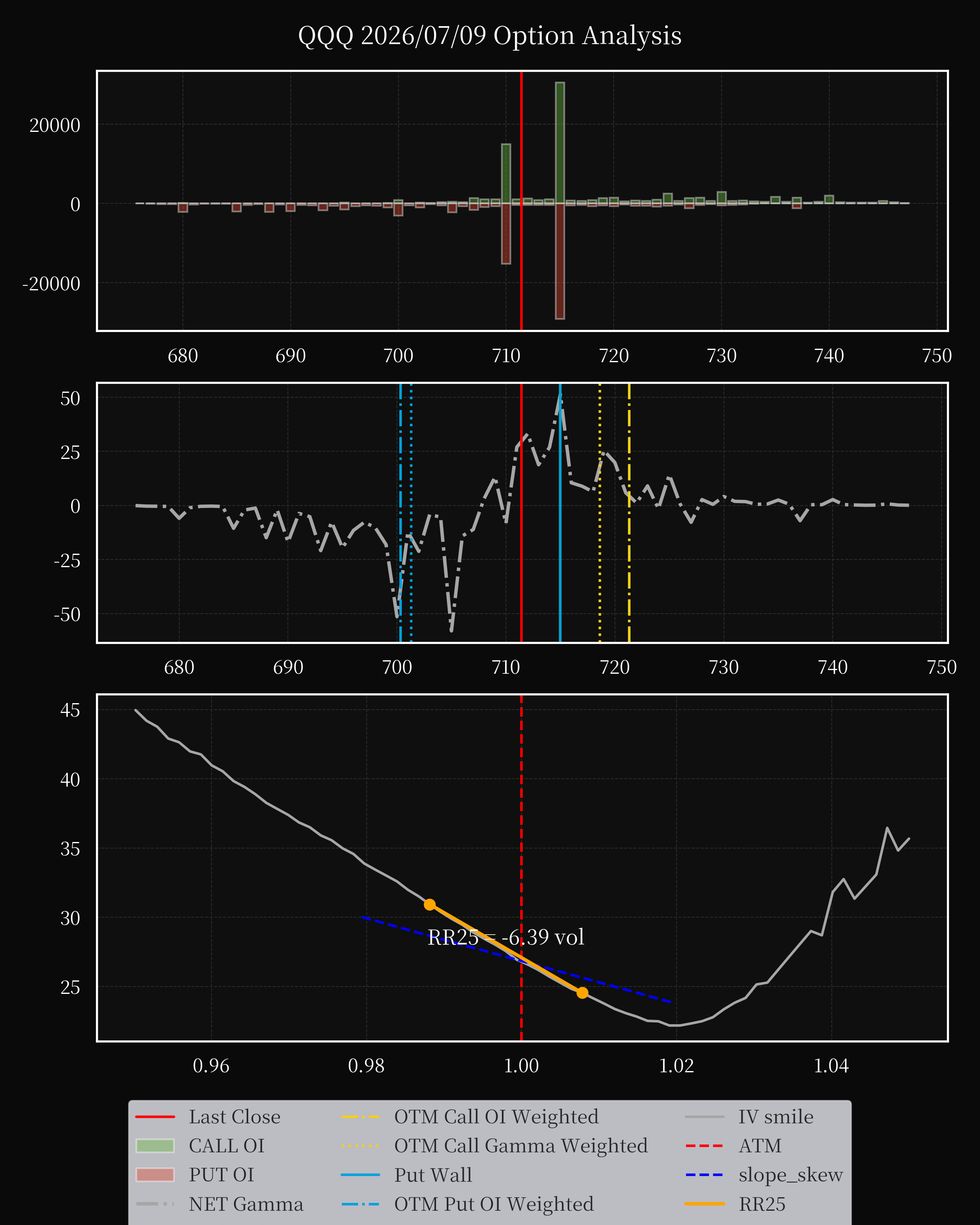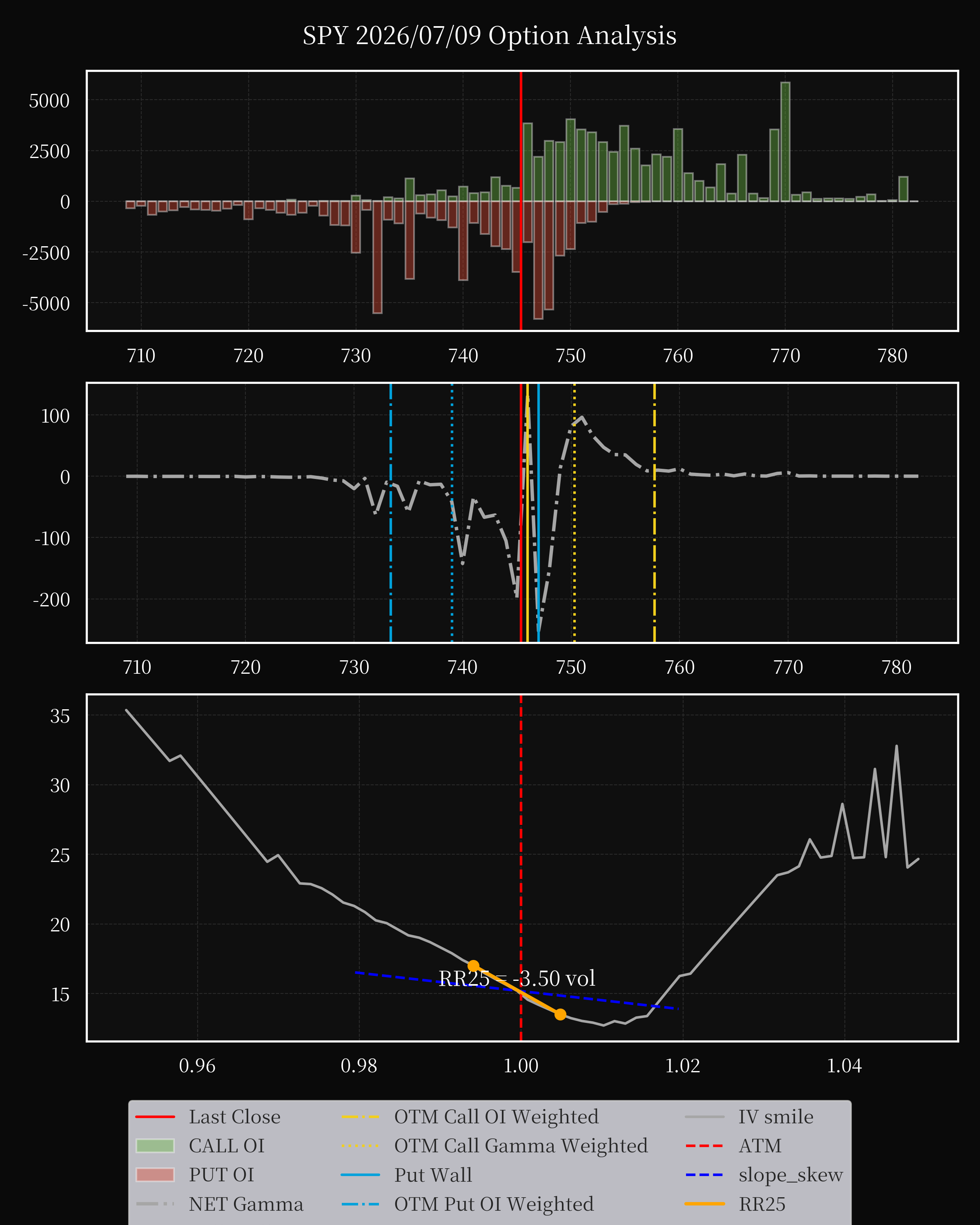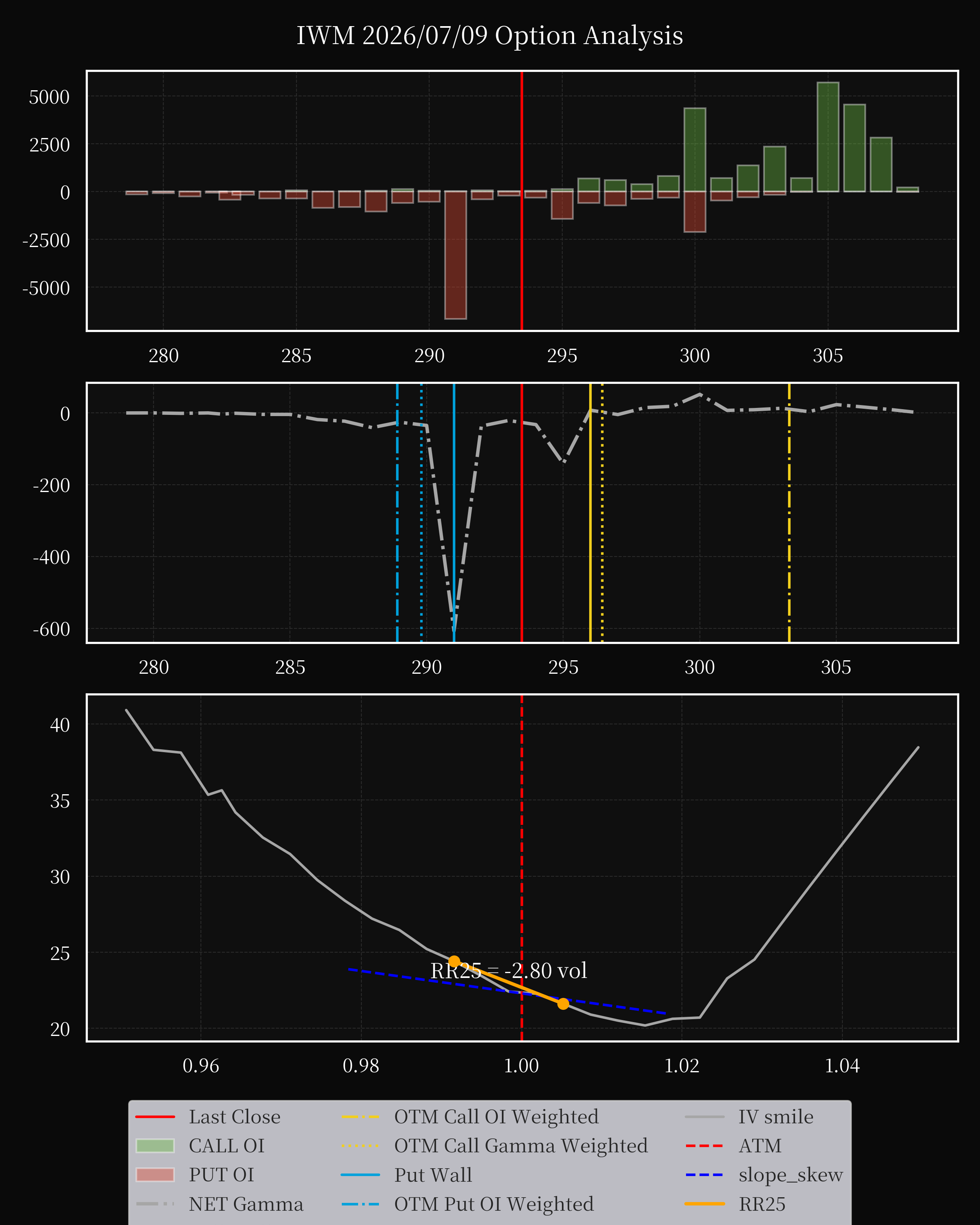
Overall
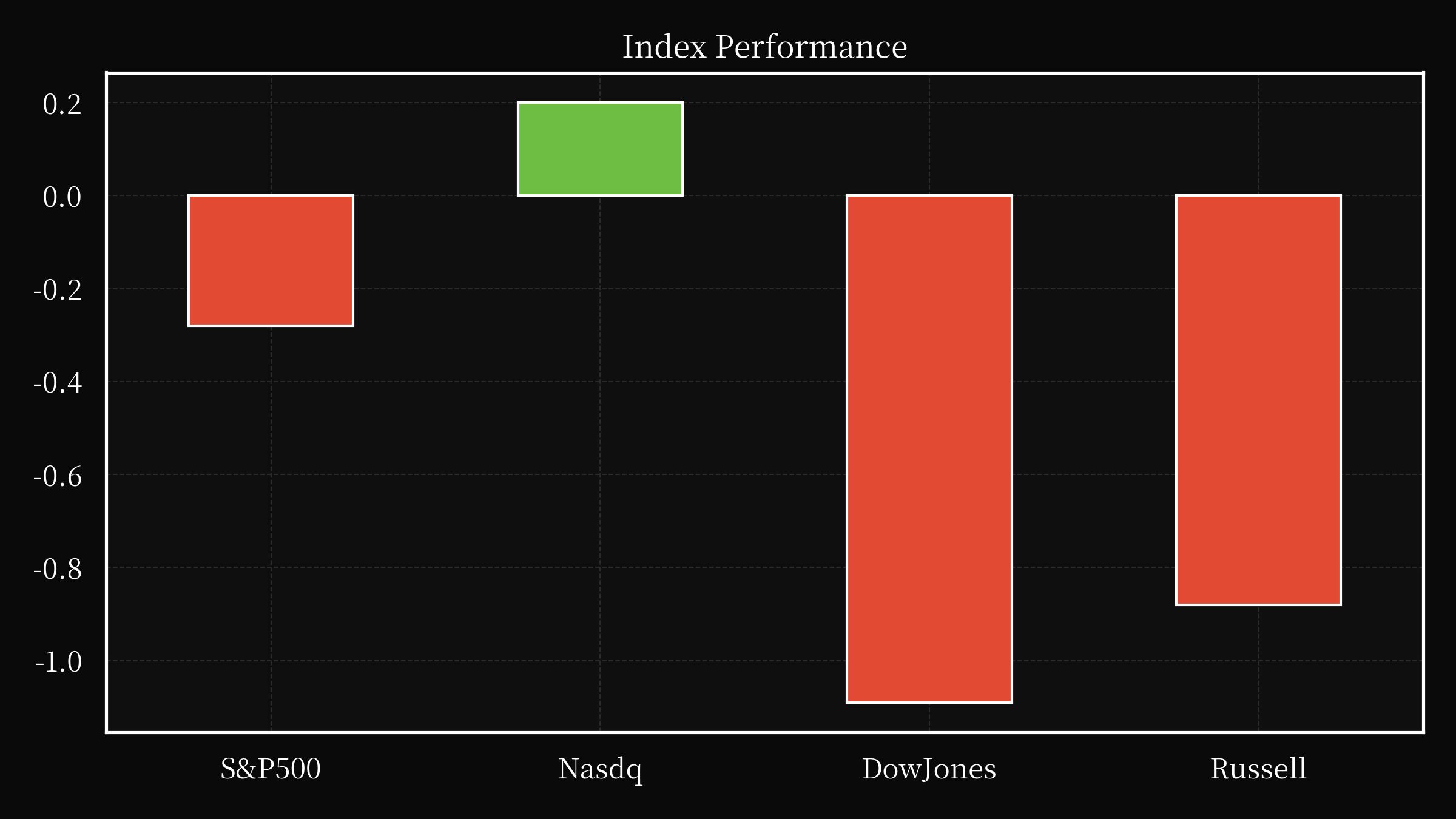
The U.S. equity markets experienced notable volatility on Wednesday as geopolitical tensions in the Middle East reverberated through global financial systems, while macroeconomic data and corporate earnings reports added layers of complexity to market dynamics. The immediate catalyst for the selloff was President Donald Trump’s announcement that the ceasefire with Iran had concluded, following an eight-week truce that had already begun to unravel. This declaration, made during a speech at the NATO summit in Turkey, signaled a potential escalation in U.S. military operations against Iranian targets, triggering a sharp risk-off reaction across asset classes. The S&P 500’s 0.3% decline, the Dow Jones Industrial Average’s 1.1% contraction, and the Nasdaq Composite’s modest 0.2% gain underscored the market’s sensitivity to shifts in geopolitical risk, with the latter index benefiting from its tech-heavy composition and perceived resilience amid uncertainty.
The most immediate market reaction manifested in energy markets, where crude oil prices surged over 5% to $78 per barrel, briefly approaching $80, as traders priced in the likelihood of prolonged U.S.-Iran hostilities. Brent crude’s spike reflected not only direct concerns over potential disruptions to Strait of Hormuz traffic but also broader anxieties about supply chain stability in a region critical to global energy flows. Diesel futures, meanwhile, jumped 11%, amplifying concerns over rising transportation costs and their potential to feed into inflationary pressures. These developments compounded existing inflationary risks, with Federal Reserve officials having previously flagged AI-driven price pressures as a growing concern. The 10-year U.S. Treasury yield’s ascent to 4.567%, its highest since May, highlighted heightened expectations for tighter monetary policy as policymakers grappled with dual challenges: persistent inflation and the fiscal implications of renewed military engagements.
Corporate earnings and sector-specific developments further shaped market sentiment. Nvidia, once the poster child of the AI boom, saw its stock price erode significantly despite maintaining dominance in AI data center hardware, as investors redirected capital toward emerging competitors. This shift underscored evolving dynamics within the technology sector, where leadership in AI infrastructure was no longer synonymous with unassailable market position. Conversely, companies like PepsiCo and retailer Aritzia prepared to report earnings, offering critical insights into consumer spending patterns amid inflationary headwinds. The latter’s results would be closely monitored for signals regarding discretionary spending trends, particularly in the retail sector, which had faced headwinds from shifting consumer preferences and elevated input costs.
The interplay between geopolitical risk and monetary policy expectations also influenced currency markets, with the U.S. dollar gaining traction as investors sought safe-haven assets amid escalating tensions. The Bloomberg Dollar Spot Index’s 0.2% rise reflected this dynamic, though analysts cautioned that the rally might face resistance if interest rate hike probabilities diminished. Meanwhile, bond markets remained volatile, with Treasury yields reacting sharply to oil price movements and inflation data. The two-year yield’s proximity to its June peak at 4.23% highlighted the market’s recalibration of Fed policy trajectories, as traders weighed the likelihood of delayed rate hikes amid growing economic uncertainty.
Corporate strategies in response to these pressures also warranted attention. Bank of America’s unexpected $520 million credit line to OpenAI, a stark reversal from its prior skepticism, illustrated the sector’s rapid reassessment of AI’s commercial viability. Similarly, SpaceX’s $60 billion acquisition of Cursor AI, valued at $60 billion, signaled aggressive positioning in the competitive AI software landscape, though questions lingered about valuation sustainability. These moves reflected broader trends in capital allocation, as firms sought to secure technological advantages amid intensifying rivalry with peers like Microsoft and Amazon.
Labor market dynamics added another dimension to the economic narrative, with rising mental health leave requests prompting concerns over productivity and operational continuity. Employers’ growing frustration with absenteeism highlighted challenges in balancing workforce well-being with performance expectations, particularly as post-pandemic recovery efforts continued to strain organizational capacity. This trend intersected with broader debates over workplace policies and their economic implications, influencing both corporate governance and investor sentiment.
In summary, Wednesday’s market activity encapsulated the multifaceted nature of modern financial ecosystems, where geopolitical shocks, corporate earnings, monetary policy shifts, and societal trends converged to drive asset price volatility. The interdependencies between these factors underscored the necessity for investors to adopt a holistic approach, integrating macroeconomic indicators with micro-level corporate developments to navigate an environment characterized by heightened uncertainty and rapid change. As markets recalibrated to the new reality of renewed U.S.-Iran tensions and evolving AI investment landscapes, the ability to discern signal from noise would remain paramount for achieving strategic positioning in an increasingly interconnected global economy.
Watch List
GTLB
Following its Q1 FY27 earnings call on June 2, 2026, the company is providing an updated look at its early growth trends, specifically focusing on the Consumption Run Rate (CRR). This metric, initially introduced to gauge the success of its new consumption-based products, is now exceeding $20 million as of June 30, 2026, a significant increase from the previously cited “nearly $20 million.” The company has incorporated its new Flex consumption-based buying program into the CRR calculation and has removed one-time credit incentives to provide a more accurate reflection of sustained consumer behavior. While acknowledging that CRR is a newly defined metric and will continue to evolve alongside the maturing consumption business, the company remains optimistic about its potential to become a substantial revenue stream. This update reflects positive traction in paid consumption revenue and the successful initial rollout of the Flex program, signaling early momentum for the company’s strategic shift toward consumption-based offerings.
MCRB
Seres Therapeutics, Inc. recently announced positive results from an interim evaluation of its investigational drug in patients with inflammatory bowel disease related to immune checkpoint inhibitor (ICI) therapy, known as irEC. The study, conducted at MSK with 15 participants utilizing a range of ICI types, demonstrated the potential of the therapy to address a significant unmet need within this patient population – approximately 25% of ICI recipients experience irEC, leading to ICI treatment disruption and associated complications. The research, led by David Faleck, M.D., supports continued development of Seres’ approach, which aims to provide systemic immunosuppression-free treatment for gastrointestinal inflammation and diarrhea, potentially allowing patients to continue life-saving cancer therapies. These findings represent forward-looking statements and, while management’s estimates as of today are encouraging, the company acknowledges that actual results could vary and are subject to risks detailed in previously filed SEC reports. Investors are advised to consider these statements alongside the company’s broader financial disclosures for a complete understanding of Seres Therapeutics’ prospects.
EPAC
Enerpac Tool Group Corp. reported a solid third-quarter fiscal 2026, achieving net sales of $168 million, a 6% increase year-over-year driven by 3% organic growth. The Industrial Tool & Service (IT&S) segment saw a 5% organic increase in product sales, while service revenue experienced a 17% sequential improvement, reflecting strategic commercial activities. Despite ongoing market challenges related to the Middle East conflict, the company’s overall performance was bolstered by a 260 basis point increase in gross profit margin and a 210 basis point expansion in adjusted EBITDA margin to 28.0%. Enerpac also returned $15 million to shareholders through share repurchases and narrowed its fiscal 2026 guidance. Notably, the company finalized the acquisition of Specialized Fabrication Equipment Group LLC (SFE Group), a move expected to expand its market reach and product offerings. With net earnings at $29.8 million and diluted EPS of $0.58, Enerpac continues to manage its debt effectively, holding net debt at $69.1 million. The company’s CFO highlighted continued focus on service improvement and navigating geopolitical headwinds as key priorities for the coming quarters.
ALKS
Alkermes plc and Amneal Pharmaceuticals LLC have mutually terminated the Authorized Generic Product Supply Agreement, originally established on September 9, 2025. This agreement granted Alkermes’ subsidiary, APIL, the right to supply a limited quantity of the authorized generic version of VIVITROL to Amneal for distribution in the United States. The termination followed a period where Alkermes notified Amneal of unmet terms within the agreement, and Amneal subsequently chose not to proceed with any further orders. Importantly, Alkermes did not face any penalties as a result of the termination, and all outstanding payments and obligations have ceased. As part of the agreement, both companies have released any claims related to the supply agreement and its associated activities, ensuring a clean and amicable resolution.
SSSS
Neostellar Capital Corp. announced preliminary results for its second quarter ended June 30, 2026, revealing a significant increase in its net asset value. As of March 31, 2026, the company’s assets totaled approximately $361.6 million, translating to $14.24 per share, a notable jump from the $219.4 million reported on June 30, 2025, at $9.18 per share. The company estimates its net asset value to be between $13.25 and $13.75 as of June 30, 2026. Neostellar’s portfolio consists of 37 companies, primarily privately held with three publicly traded investments. During the second quarter, the company made several new investments and exited existing positions, receiving proceeds from one investment through July 8, 2026. Approximately 26,473,222 shares of common stock were outstanding at the end of the quarter. It’s important to note that these preliminary estimates are unaudited and represent management’s projections, with no independent verification conducted at this time. Neostellar anticipates releasing its official second-quarter results in August 2026. The company cautioned that forward-looking statements are subject to risks, including market volatility and potential impacts on its portfolio companies and overall business operations.
RH
RH (Williams Sonoma, Restoration Hardware) issued a press release on July 8, 2026, announcing the sale of shares by Gary Friedman, the company’s Chairman & Chief Executive Officer. This news was conveyed through a formal communication, as detailed in Exhibit 99.1, which accompanies the filing. The release outlines the specific details of Friedman’s share transaction, marking a significant event within the company’s leadership and potentially impacting investor sentiment. While the exact details of the sale weren't immediately available in the filing itself, the announcement highlights a notable activity involving the company’s top executive. Investors will likely be monitoring this development alongside RH’s broader financial performance and strategic direction. This filing serves as a notification of this corporate action, providing transparency for stakeholders.
DXLG
Destination XL Group, Inc. recently announced a revised unsolicited tender offer from Zodiac Partners II, prompting a recommendation from its Board of Directors. The company released a press release on July 8, 2026, detailing the offer and the board’s subsequent decision. This announcement, now available as Exhibit 99.1, signifies a continued effort to navigate the terms of the tender offer. While specific details of the revised offer weren't disclosed in the filing, the action highlights Destination XL Group’s response to Zodiac Partners II’s pursuit. The filing serves as notification to investors regarding this significant development and underscores the company’s ongoing engagement with the potential acquirer. Further information regarding the tender offer and the Board’s recommendation can be found within the attached press release.
PSMT
Pricesmart, Inc. (PSMT) reported strong financial results for the third quarter and first nine months of fiscal 2026, demonstrating continued growth with a 12.5% increase in total revenues to $1.48 billion. The company’s operating income rose by 12.9% to $65.6 million, and net income increased by 12.9% to $39.7 million, driven by expanded operations across its 57 warehouse clubs in 12 countries and one U.S. territory. Notably, PriceSmart announced plans to expand its reach with the opening of its first warehouse club in Chile’s Las Condes district, slated for spring 2027, and the eleventh club in Costa Rica, set to open in Santo Tomas de Santo Domingo (Heredia) in the spring of 2027. These expansions, alongside previously announced projects, are expected to bring the total number of PriceSmart clubs to 63. Adjusted EBITDA also saw an increase, rising to $90.4 million for the quarter and $277.0 million for the first nine months. The company highlighted the utility of non-GAAP measures, including Adjusted EBITDA, to provide a clearer picture of its core operating performance, acknowledging the impact of currency fluctuations and other adjustments. PriceSmart management will host a conference call on July 9th to discuss these results further.
ECX
This agreement, dated July 7, 2026, outlines the terms of a transaction between Qualcomm Ventures LLC (the “Investor”) and ECARX Holdings Inc. (the “Company”), involving the issuance of $10,329,562 in Company Class A Ordinary Shares. The agreement establishes key definitions, including “Company Material Adverse Effect,” which is defined as any event that could materially negatively impact the Company Group Companies or the Company’s ability to perform its obligations. Specifically, the Company warrants that it is an exempted company in good standing, has the necessary corporate authority, and has complied with applicable laws, including the U.S. Foreign Corrupt Practices Act. The Investor warrants similar compliance and confirms that it does not make any representations regarding future financial projections or business operations of the Company. Crucially, the agreement includes extensive indemnification clauses. The Company will indemnify the Investor for breaches of warranties, and vice versa. These indemnifications are capped at $12.6 million for the Company and $12.6 million for the Investor, subject to fraud or willful misconduct. The agreement also contains provisions regarding governing law, dispute resolution through arbitration in Hong Kong, and limitations on assignment. Furthermore, it includes clauses addressing potential breaches, waivers, and the overall validity and enforceability of the agreement, including a force majeure clause and a provision for amendment if any term proves invalid. Finally, the agreement establishes a closing date and outlines procedures for document delivery.
IanFV (www.ianfv.com) is the world's first pure-blood, neutral research institution built on LLM (Large Language Models) specifically for individual investors. Founded by a top-tier team with backgrounds from Tsinghua, Harvard, Morgan Stanley, and UBS, we are committed to breaking down high-priced information barriers and providing institutional-grade investment research at affordable prices. Unlike traditional institutions, IanFV does not serve big-money sponsors or inflate market bubbles. Leveraging a proprietary knowledge graph and a fully localized deployment architecture, we achieve a differentiated competitive advantage through light assets and high efficiency. Our research reports refuse to "sell dreams": valuation reports are based on point-in-time intervals rather than reverse-engineered numbers; industry reports focus relentlessly on real trends over the next six to twelve months; and in-depth reports penetrate market bubbles to strike at the core of corporate survival moats—all to ensure investors hold the most authentic research cards in the secondary market.