Overall
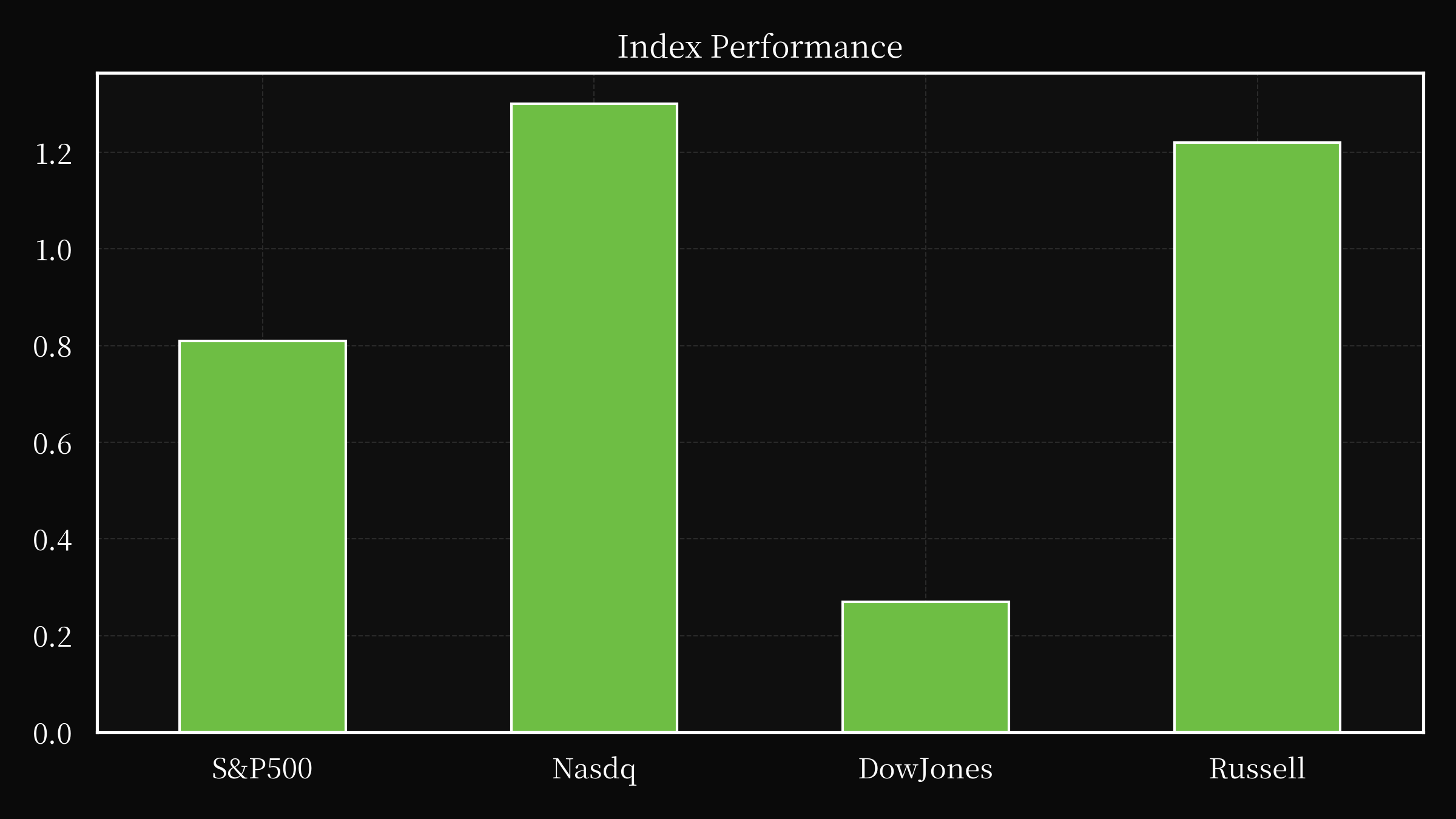
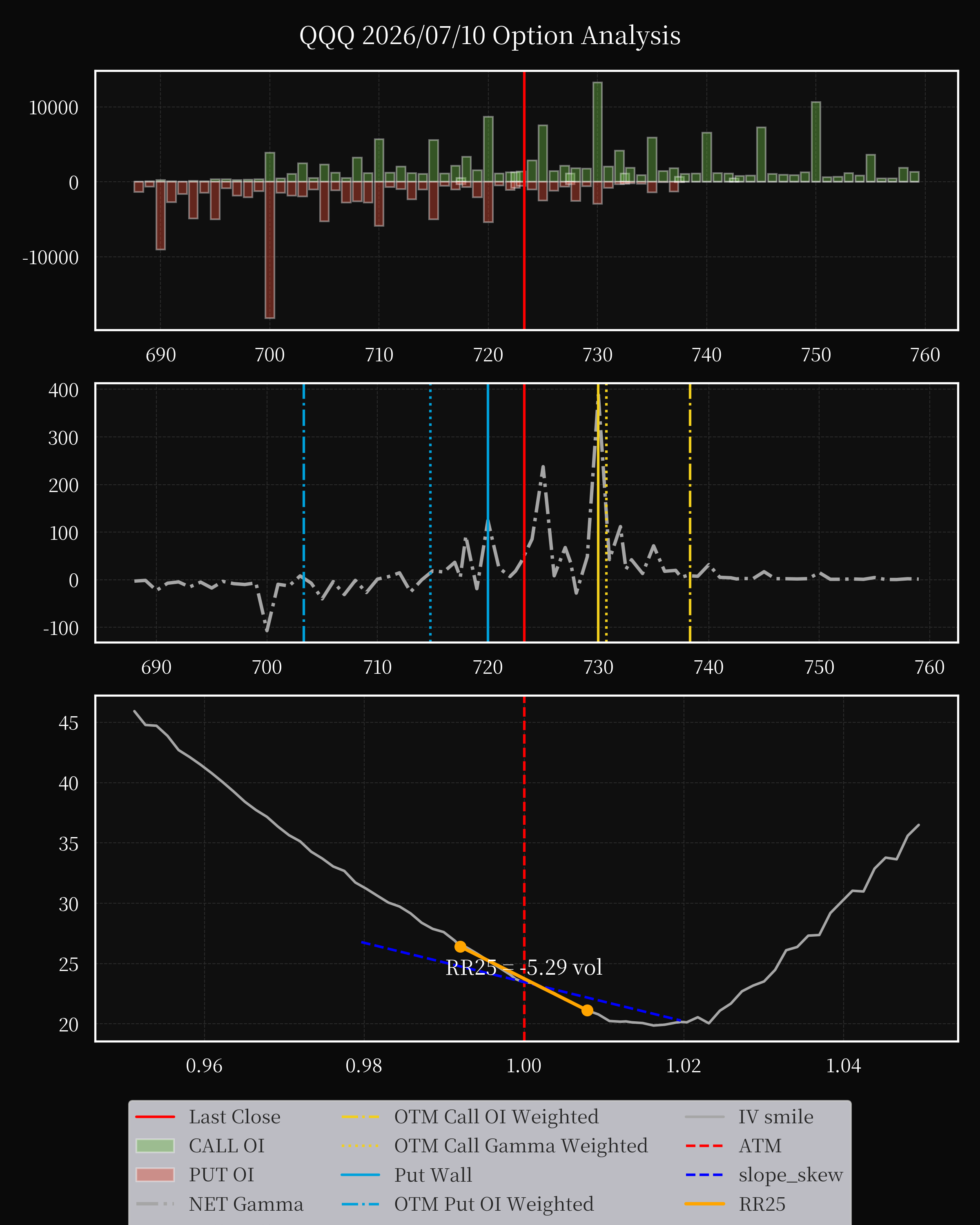
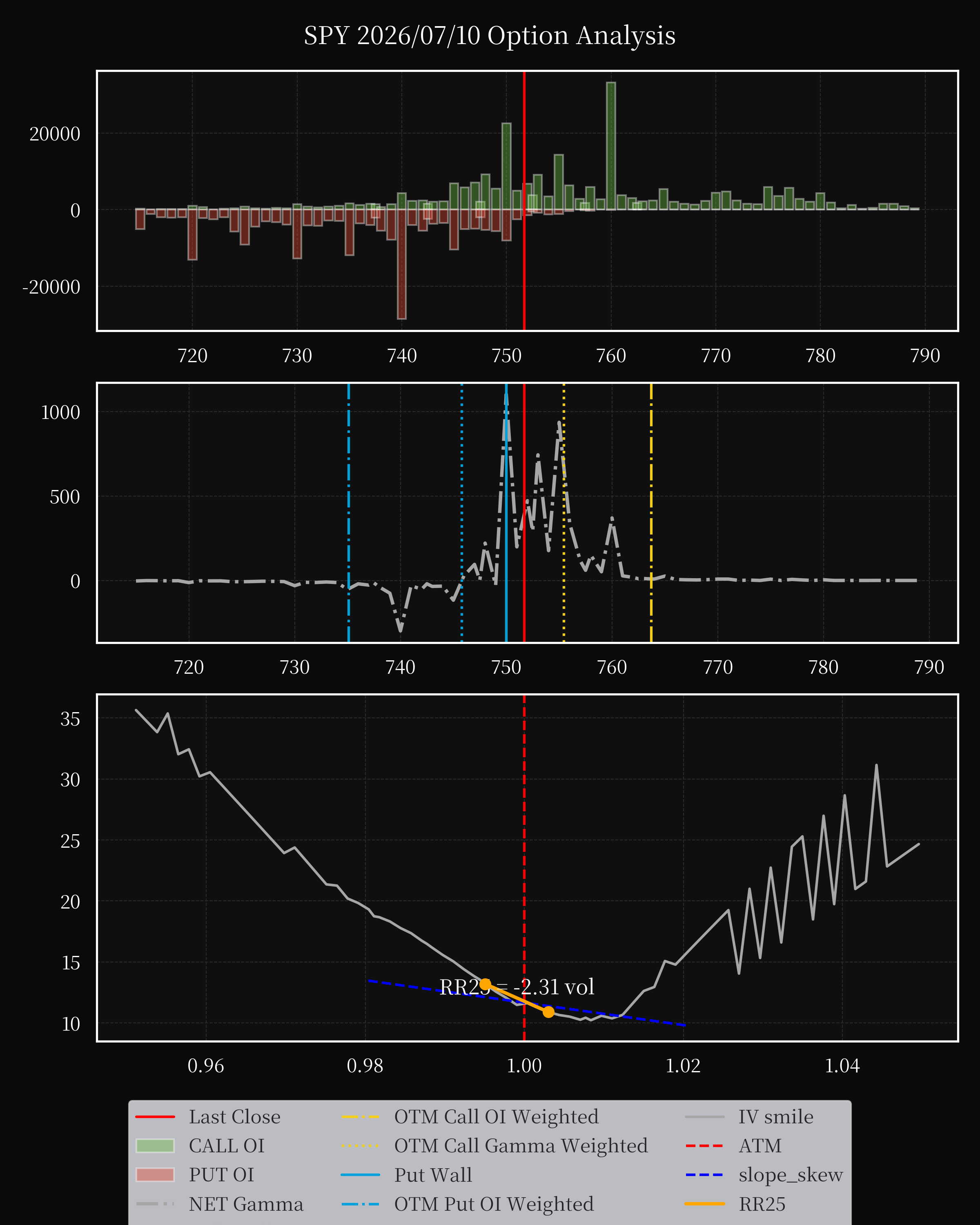
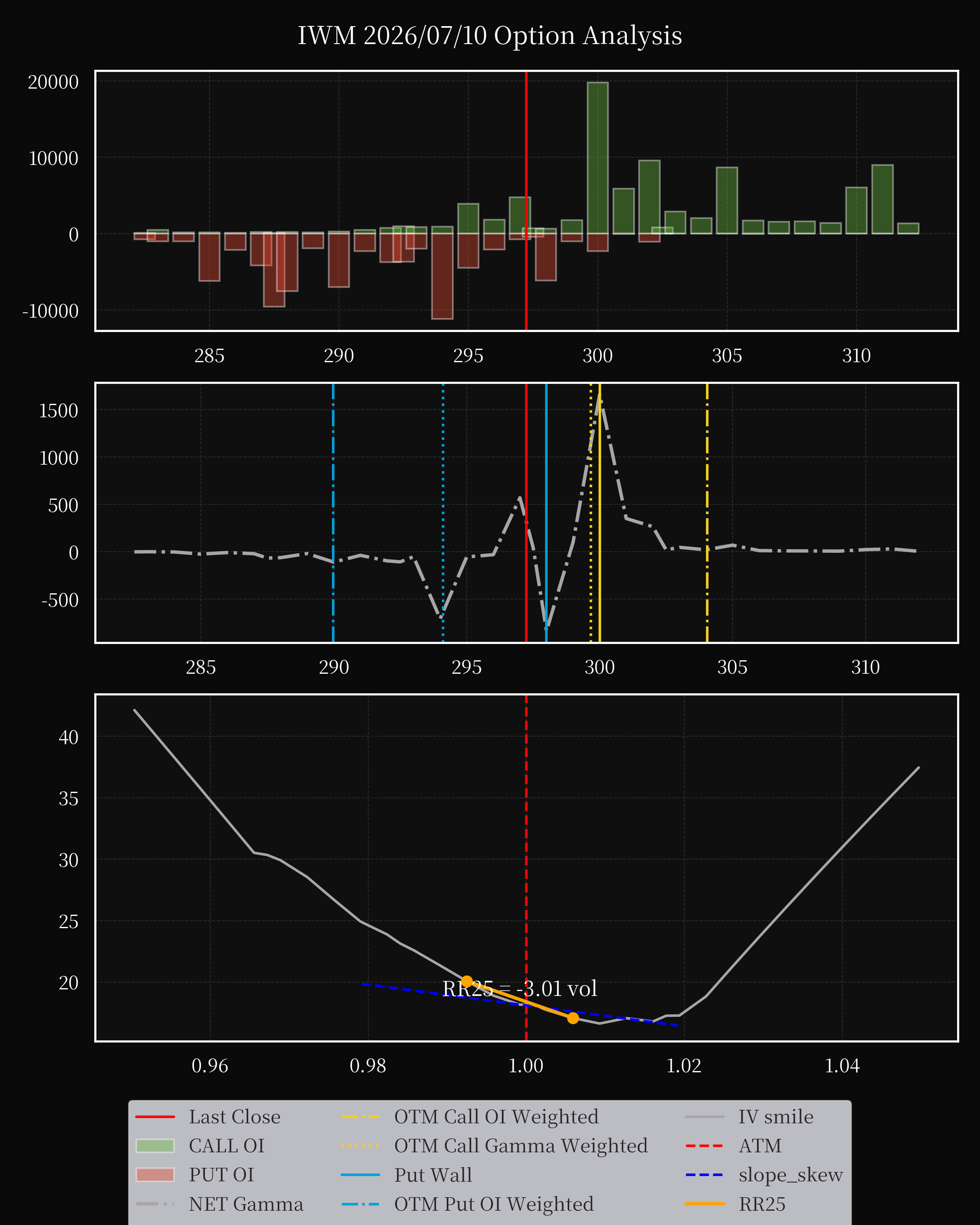
The U.S. equity market displayed a complex and nuanced performance on Thursday, as mixed signals from geopolitical developments, corporate earnings, and macroeconomic indicators created a backdrop of volatility tempered by resilience. The S&P 500, despite a modest 0.3% decline, showed signs of stabilization after a period of heightened sensitivity to external shocks, while the Nasdaq’s 0.2% gain reflected a cautious optimism among technology investors. The Dow Jones Industrial Average, though up 0.3%, remained constrained by broader market uncertainty, underscoring the delicate balance between risk-on and risk-off sentiment. The immediate catalyst for this subdued yet stable session was the abrupt termination of the U.S.-Iran ceasefire, which reignited fears of renewed conflict in the Middle East and its potential to disrupt global energy markets. This development, coupled with the ongoing war in Ukraine and the strategic recalibration of U.S. foreign policy, introduced a layer of unpredictability that weighed on investor confidence. Simultaneously, corporate earnings reports and macroeconomic data added further granularity to the market’s reaction, with some sectors showing strength while others faltered under the weight of rising costs and shifting consumer behavior. The interplay of these factors suggests that while the market has not yet fully recovered from the shock of recent geopolitical escalations, it remains anchored by fundamental drivers such as corporate profitability, monetary policy expectations, and the enduring demand for technology and infrastructure assets. The challenge for investors lies in navigating this environment of heightened sensitivity without succumbing to overreaction, as the market’s response to the ceasefire’s collapse highlights the fragility of short-term momentum in the face of systemic risks.
The U.S. stock market’s reaction to the renewed conflict in the Middle East was marked by a cautious recalibration, with investors weighing the immediate risks of energy price volatility against the broader economic backdrop. The S&P 500’s 0.3% decline, though modest, reflected the market’s sensitivity to the potential for prolonged hostilities, which could disrupt global oil supplies and exacerbate inflationary pressures. The Nasdaq’s 0.2% gain, while positive, was constrained by the broader tech sector’s struggle to sustain its recent rally amid concerns over overvaluation and the sustainability of AI-driven growth narratives. The Dow Jones, meanwhile, remained relatively stable, its modest rise indicating that industrial and consumer sectors were not yet fully impacted by the renewed tensions. However, the market’s resilience was not uniform; energy stocks, for instance, saw mixed performance as investors grappled with the dual threat of supply chain disruptions and the potential for OPEC+ to adjust production levels. The U.S. government’s decision to resume strikes against Iran, framed as a response to perceived provocations, further complicated the outlook, as it introduced the risk of a broader regional conflict that could have cascading effects on global markets. This geopolitical volatility, combined with the lingering effects of the pandemic on consumer spending and supply chains, created a volatile environment where sector-specific dynamics often overshadowed broader market trends. The market’s ability to absorb these shocks without a more pronounced selloff suggests that investors are still discounting the likelihood of a full-scale war, but the specter of renewed conflict remains a critical variable in shaping short-term expectations.
Corporate earnings reports added another layer of complexity to the market’s assessment, with mixed results from key players highlighting the divergent trajectories of different sectors. PepsiCo’s stock fell 3.3% after reporting a decline in revenue despite a rise in sales volume, a reflection of the company’s decision to lower prices on snacks like Doritos in response to inflationary pressures. This move, while aimed at maintaining market share, underscored the challenges faced by consumer goods firms in balancing cost management with margin preservation. Conversely, the semiconductor sector saw a surge as SK Hynix’s U.S. initial public offering (IPO) gained traction, with the company’s shares rising over 7% following the announcement of its $28 billion listing. This rally, driven by the growing demand for memory chips in AI and data center applications, signaled continued confidence in the sector’s long-term prospects despite near-term headwinds. The contrast between PepsiCo’s struggles and SK Hynix’s success illustrated the sectoral disparities within the broader market, where technological innovation and strategic positioning could offset broader economic uncertainties. Meanwhile, Delta Air Lines’ upcoming earnings report, set to deliver a mixed outlook, added to the uncertainty surrounding the aviation sector’s recovery from the pandemic, as fuel costs and labor expenses remained significant headwinds. These earnings dynamics reinforced the market’s tendency to reward companies that demonstrated adaptability and forward-looking strategies, even as macroeconomic headwinds persisted.
The Federal Reserve’s policy stance, as reflected in the latest meeting minutes, further complicated the market’s outlook, with policymakers signaling a cautious approach to interest rate decisions amid ongoing geopolitical and economic uncertainties. The minutes revealed a split among Fed officials, with some advocating for a more hawkish stance and others emphasizing the need for data-dependent adjustments. This division underscored the challenges of navigating a post-pandemic economy characterized by persistent inflation, evolving supply chain dynamics, and the lingering effects of monetary policy normalization. The Fed’s reluctance to commit to a specific rate path, coupled with the market’s sensitivity to inflation data, created a climate where investors remained vigilant about the potential for unexpected policy shifts. The recent emphasis on “higher for longer” rates, while not explicitly stated, influenced investor behavior, as the market priced in the possibility of delayed rate cuts. This environment, where monetary policy remained a wild card, added to the overall uncertainty, particularly for sectors reliant on borrowing such as real estate and technology. The Fed’s evolving communication strategy, which sought to balance transparency with flexibility, further complicated the market’s ability to forecast future rate moves, as investors weighed the implications of conflicting signals from policymakers.
The broader macroeconomic landscape, including housing data and consumer sentiment, also played a critical role in shaping market expectations, as investors assessed the resilience of the U.S. economy against the backdrop of rising borrowing costs and shifting consumer behavior. Existing-home sales, which declined unexpectedly in June, raised concerns about the sustainability of the housing market’s recent recovery, with analysts pointing to higher mortgage rates and affordability constraints as key factors. This data, while not as dramatic as the ceasefire’s collapse, highlighted the persistent challenges facing the real estate sector, which had been a cornerstone of economic growth in recent years. Consumer confidence, meanwhile, remained mixed, with some indicators showing resilience in spending patterns while others pointed to growing caution amid inflationary pressures. The interplay between these macroeconomic variables and the market’s reaction to geopolitical events underscored the complexity of assessing the U.S. economy’s trajectory, as investors sought to reconcile short-term risks with long-term fundamentals. The market’s ability to absorb these divergent signals without a more pronounced correction reflected its capacity to distinguish between temporary shocks and structural shifts, though the lingering uncertainty ensured that volatility would remain a defining feature of the near-term outlook.
In summary, the U.S. stock market’s performance on Thursday was shaped by a confluence of geopolitical tensions, corporate earnings dynamics, and macroeconomic data, each contributing to a nuanced and often contradictory narrative. The renewed conflict in the Middle East introduced immediate risks to energy markets and global supply chains, while corporate earnings revealed sectoral disparities that influenced investor sentiment. The Federal Reserve’s cautious policy stance and the broader economic backdrop further complicated the market’s assessment, as investors navigated a landscape of competing risks and opportunities. While the market demonstrated resilience against the backdrop of these challenges, the underlying uncertainties ensured that volatility would remain a defining characteristic of the period. For investors, the key lies in distinguishing between transient shocks and enduring trends, a task that requires a careful evaluation of both macroeconomic fundamentals and the evolving geopolitical landscape. The interplay of these factors suggests that the market’s trajectory will remain highly sensitive to new developments, particularly those related to energy prices, inflation, and the stability of global trade routes. As such, the coming weeks will likely test the market’s ability to balance risk and reward in an environment where uncertainty is the only constant.
The broader implications of the U.S. market’s reaction to these events extend beyond immediate price movements, influencing investor behavior, sectoral allocations, and long-term strategic positioning. The heightened sensitivity to geopolitical risks has prompted a reevaluation of portfolio exposures, with some investors seeking to hedge against potential disruptions in energy and supply chains. This shift has been particularly evident in the increased demand for commodities and defensive assets, as investors attempt to mitigate the impact of rising inflation and geopolitical volatility. At the same time, the resilience of technology and infrastructure sectors has reinforced the market’s confidence in innovation-driven growth, even as traditional industries grapple with the challenges of cost management and demand stability. The divergence between these sectors highlights the importance of strategic asset allocation, as investors weigh the potential for short-term gains against the risks of prolonged economic uncertainty. The market’s ability to sustain its current trajectory will depend on its capacity to absorb these divergent forces while maintaining a focus on long-term value creation. For policymakers and investors alike, the challenge lies in navigating this complex environment without losing sight of the fundamental drivers that underpin market performance, ensuring that decisions are informed by data rather than speculation.
The interplay between geopolitical risks, corporate earnings, and macroeconomic trends underscores the need for a disciplined approach to investing in an era of heightened uncertainty. The U.S. market’s response to the renewed conflict in the Middle East, while initially volatile, has demonstrated a capacity to adapt to shifting conditions, reflecting the resilience of a financial system that has weathered multiple crises. However, the persistence of inflationary pressures, the evolving role of central banks, and the structural challenges facing key sectors such as housing and real estate suggest that the market’s path will remain anything but linear. Investors must remain vigilant, continuously reassessing their positions in light of new information while avoiding the pitfalls of overreaction to short-term volatility. The lessons of this period—marked by both resilience and fragility—will likely shape market behavior for years to come, as participants seek to balance the competing forces of risk and reward in an increasingly interconnected global economy. The coming months will test the market’s ability to reconcile these tensions, with the potential for both significant opportunities and unforeseen challenges lying just beyond the horizon.
The broader implications of these dynamics extend beyond the U.S. market, influencing global capital flows, trade relationships, and the strategic priorities of multinational corporations. The renewed tensions in the Middle East, for instance, have the potential to disrupt not only energy markets but also the broader geopolitical equilibrium, with cascading effects on global supply chains and economic stability. Similarly, the U.S. Federal Reserve’s policy decisions, shaped by the interplay of inflation, employment, and geopolitical risks, will have far-reaching consequences for monetary policy worldwide, as central banks grapple with the challenge of maintaining price stability in an era of structural transformation. The semiconductor sector’s performance, driven by the insatiable demand for AI and data center infrastructure, further illustrates the global nature of these trends, as companies across the world compete to secure a foothold in the next phase of technological advancement. These interconnected forces highlight the importance of a holistic approach to investing, where decisions are informed by an understanding of both local and global contexts. As the market continues to navigate this complex landscape, the ability to anticipate and respond to evolving conditions will be critical for achieving long-term success.
In conclusion, the U.S. stock market’s performance on Thursday reflects a delicate balance between risk and opportunity, shaped by the interplay of geopolitical tensions, corporate earnings, and macroeconomic data. The renewed conflict in the Middle East introduced immediate uncertainties, while corporate earnings and sectoral dynamics provided a counterpoint of resilience and adaptation. The Federal Reserve’s cautious policy stance and the broader economic backdrop further complicated the market’s outlook, ensuring that investors remain vigilant in the face of evolving risks. The lessons of this period—marked by both volatility and resilience—will likely influence market behavior for years to come, as participants seek to reconcile short-term challenges with long-term fundamentals. The path forward will depend on the market’s ability to absorb these forces without succumbing to overreaction, a task that requires a disciplined approach to investing and a deep understanding of the forces shaping the global economy. As the market continues to evolve, the key will be to remain attuned to the signals that emerge from this complex environment, ensuring that decisions are guided by data, analysis, and a clear-eyed assessment of the risks and rewards inherent in the current landscape.
Watch List
PCSC
Perceptive Capital Solutions Corp. (PCSC) has postponed the extraordinary general meeting originally scheduled for July 9, 2026, to July 15, 2026, due to a need to supplement disclosure regarding recent events and to allow for additional proxy solicitation. The meeting will now take place at 10:00 a.m. Eastern Time at Cooley LLP’s offices. Shareholders are encouraged to vote their proxies promptly, with the deadline for redemption demands extended to July 13, 2026. The proposals to be voted on remain unchanged. The company’s shareholders of record as of June 12, 2026, are entitled to vote, and those who haven’t already voted are urged to do so. Morrow Sodali LLC is serving as the proxy solicitor, with contact information provided for voting assistance. The Business Combination between PCSC and Freenome Holdings, Inc. is still under consideration, with a registration statement filed with the SEC (File No. 333-295377). Investors are advised to carefully review the proxy statement/prospectus and other relevant SEC filings for comprehensive information regarding the proposed transaction and associated risks.
NRIX
Nurix Therapeutics has reported a significant second quarter of 2026, driven largely by its strategic collaboration with Roche for the BTK degrader, bexobrutideg (NX-5948). The company secured a $700 million upfront payment and anticipates up to $2.3 billion in total potential payments, fueling a comprehensive development plan encompassing malignant hematology, immunology, and neurology. Recent clinical data from the NX-5948-301 study demonstrated promising results, including median progression-free survival of 22.1 months and high objective response rates in CLL patients, even those with BTK resistance. Beyond the Roche partnership, Nurix continues to advance its pipeline, including the CBL-B inhibitor NX-1607 and IRAK-4 degrader GS-6791, with ongoing Phase 1 trials and preclinical studies. The company is actively enrolling patients in pivotal trials like DAYBreak CLL-201 and preparing for a Phase 3 confirmatory trial with pirtobrutinib in CLL. Furthermore, new data supporting bexobrutideg’s potential in chronic spontaneous urticaria and multiple sclerosis has been presented. Nurix’s financial results reflect these developments, with a decrease in revenue primarily due to license revenue and an increase in research and development expenses as the company accelerates clinical development.
SMPL
Simply Good Foods Company reported a challenging third quarter in fiscal year 2026, with net sales down 6.3% to $357.0 million compared to the prior year’s $381.0 million. This decline was primarily driven by a 24.6% drop in Atkins sales, partially offset by growth in Quest (1.1%) and OWYN (3.6%). The company’s net loss increased to $52.0 million from $41.1 million, resulting in a per-diluted share loss of $0.58 compared to $0.40. Looking ahead, Simply Good Foods is forecasting a 7% to 6% decline in net sales for the full fiscal year 2026, alongside a projected gross margin decrease of approximately 375 basis points and Adjusted EBITDA down 21% to 19%. Management attributed the results to early steps in a turnaround plan, but acknowledged significant work remains. The company is focused on strengthening its business model, improving execution, and investing in key brands. However, the company is also revising its outlook downwards, citing continued distribution challenges for Atkins and softer retail takeaway. The company recognized a significant non-cash impairment charge of $82.0 million related to brand intangible assets, largely due to stock price declines. Adjusted EBITDA is expected to range between $220 and $225 million. The company’s balance sheet reflects a debt-to-EBITDA ratio of 1.2x. For the fourth quarter, Simply Good Foods anticipates a further decline in net sales of 13% to 10%.
MSIF
MSC Income Fund, Inc. recently issued a press release (attached as Exhibit 99.1) detailing results of operations and financial condition. This filing, submitted as an Item 2.02 under Form 8-K, serves to provide investors with updated information regarding the company’s performance. The release incorporates all disclosures contained within, and this filing is being furnished to satisfy the reporting obligation. Notably, the company has indicated that it has opted not to utilize the extended transition period afforded to emerging growth companies. The specific details of the results and financial condition are available within the attached press release.
PCYO
Pure Cycle Corporation recently announced its financial results for the three and nine months ended May 31, 2026, and subsequently released a press release detailing the findings, which is included as Exhibit 99.1 to this Form 8-K filing. Simultaneously, the company presented a comprehensive overview of its operations and financial performance for the same period, accessible on its website and attached as Exhibit 99.2. Notably, Daniel R. Kozlowski has resigned from the Board of Directors, effective immediately, and this departure did not stem from any disputes regarding the company’s operations or strategic direction. The company provided this update as part of its ongoing commitment to transparency and shareholder communication. These disclosures are incorporated into this Form 8-K filing alongside the accompanying financial statements and exhibits.
SLP
Simulations Plus reported a solid third quarter fiscal 2026, demonstrating a 7% increase in total revenue to $21.9 million, driven largely by a 20% surge in services revenue to $9.3 million. While software revenue remained flat at $12.6 million, the company achieved a significant improvement in profitability, with gross profit rising to $15.1 million and a 69% gross margin, compared to a loss of $67.3 million and a 64% margin in the prior year. Adjusted EBITDA reached $7.9 million, reflecting a 36% margin. Looking at the nine-month period, total revenue increased by 5% to $64.6 million, with services continuing to be a key growth driver. Despite a 2% decrease in software revenue, the company’s overall financial performance improved substantially, resulting in net income of $8.8 million and an adjusted diluted EPS of $0.43. Notably, Simulations Plus announced a merger agreement with Altaris, LLC, expected to close in the fourth quarter of 2026, signaling a strategic shift for the company. Management highlighted the resilience of their business model and the value of their solutions, while acknowledging the challenges associated with forecasting adjustments related to the pending acquisition.
NWTG
This report details the issuance of 24,092.61 shares of Series A Convertible Preferred Stock with a par value of $0.01 and a price of $1.00 per share to raise capital. The preferred stock carries a 10.00% annual dividend (payable in cash, PIK dividends, or accrued cash dividends) and a liquidation preference. Importantly, the stock is convertible into common stock at a $1.00 conversion price, subject to proportional adjustments for corporate actions. The issuance is governed by a Registration Rights Agreement requiring the filing of a registration statement within 30 days. The Certificate of Designation, establishing the terms of the Series A Preferred Stock, authorizes up to 50,000 shares and outlines key provisions including redemption restrictions, voting rights (with a Beneficial Ownership Limitation), and participation rights in subsequent offerings. Furthermore, the company has the right to require conversion of all outstanding Series A Preferred Stock if the common stock price reaches $3.00 for 10 consecutive days, contingent on an effective resale registration statement. Upon a Change of Control, the preferred stock automatically converts into common stock, and holders participate on an as-converted basis. Finally, the company commits to providing audited annual and unaudited quarterly financial statements to holders of at least 10% of the Series A Preferred Stock.
DBGI
Digital Brands Group, Inc. recently announced a significant strategic partnership with the nation’s largest college bookstore chain, marking a pivotal moment for its AVO brand. Under this agreement, AVO will occupy prime retail space previously held by lululemon across over 1,000 bookstore locations, allowing Digital Brands to implement its innovative store-in-store concept. This concept focuses on integrating customization technology and enhanced customer experiences within each location. The company anticipates leveraging this expanded retail footprint to drive substantial growth, as evidenced by its July 8th announcement of projected third-quarter 2026 revenue between $8.5 million and $11.0 million – a staggering 300% to 500% year-over-year increase. This impressive turnaround is fueled by two key factors: a broadened collegiate expansion to 18 universities and a substantial government contract facilitating a large-scale deployment program across three cities. These developments signal a strong trajectory for Digital Brands Group, demonstrating a clear path toward profitability and significant market expansion.
FMST
Foremost Clean Energy Ltd. (NASDAQ: FMST) is advancing its Athabasca Basin uranium portfolio through an earn-in agreement with Denison Mines Corp. (NYSE American: DNN, TSX: DML). Phase 2 of the three-phase option agreement, which will grant Foremost a 51% interest in 10 Athabasca projects (excluding Hatchet Lake, where the interest will be 35.78%), is expected to be completed approximately 15 months ahead of schedule. The company has already invested over $8 million in exploration expenditures and recently discovered the Tuning Fork Uranium Zone at Hatchet Lake South, expanding the mineralized footprint. This strategic move aligns with the growing global demand for nuclear energy and leverages Denison’s historical data and expertise. Foremost has secured up to 848,610 common shares from Denison valued at $2 million, increasing Denison’s ownership stake to approximately 19.9% of Foremost’s shares. The company’s strategy focuses on systematically advancing discovery-ready targets within the prolific Athabasca Basin, utilizing a data-driven approach and aiming to efficiently delineate significant uranium deposits. With exploration and drilling programs currently underway, Foremost’s objective remains to secure a critical energy source for a rapidly growing world.
WDFC
WD-40 Company reported a strong third quarter for fiscal year 2026, with net sales increasing by 24% to $195.1 million, driven by robust growth across all trade blocs and fueled by maintenance product sales. Operating income rose significantly by 47% to $40.3 million, reflecting efficient operations and scale. Management has updated its guidance to incorporate the reclassification of its Americas homecare and cleaning brands, now considered assets held for use, which is expected to add approximately $12 million in sales and $2.9 million in operating income. Excluding a one-time amortization expense, adjusted net income increased by 50% to $31.5 million, with diluted earnings per share rising by 45% to $2.24. The company’s focus on maintenance products, particularly WD-40 Multi-Use Product, contributed significantly to the performance. Advertising and sales promotion expenses increased, reflecting a strategic shift in marketing efforts. Looking ahead, WD-40 Company has narrowed its fiscal year 2026 guidance, anticipating growth of 6% to 9% in net sales, with gross margins expected between 54.5% and 55.5%. The company continues to prioritize its core brands and strategic initiatives, demonstrating operational strength and a positive outlook for the remainder of the year.
IanFV (www.ianfv.com) is the world's first pure-blood, neutral research institution built on LLM (Large Language Models) specifically for individual investors. Founded by a top-tier team with backgrounds from Tsinghua, Harvard, Morgan Stanley, and UBS, we are committed to breaking down high-priced information barriers and providing institutional-grade investment research at affordable prices. Unlike traditional institutions, IanFV does not serve big-money sponsors or inflate market bubbles. Leveraging a proprietary knowledge graph and a fully localized deployment architecture, we achieve a differentiated competitive advantage through light assets and high efficiency. Our research reports refuse to "sell dreams": valuation reports are based on point-in-time intervals rather than reverse-engineered numbers; industry reports focus relentlessly on real trends over the next six to twelve months; and in-depth reports penetrate market bubbles to strike at the core of corporate survival moats—all to ensure investors hold the most authentic research cards in the secondary market.