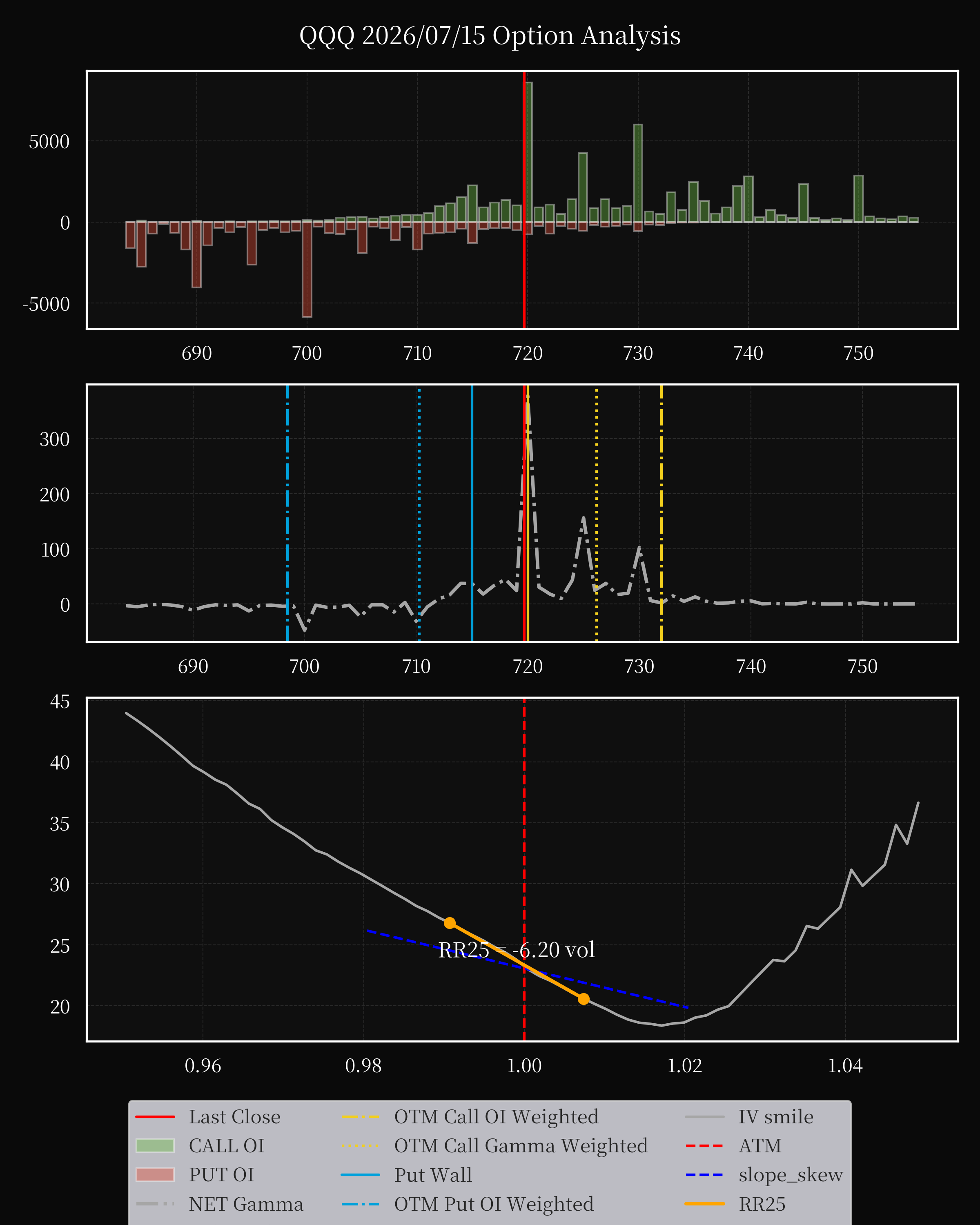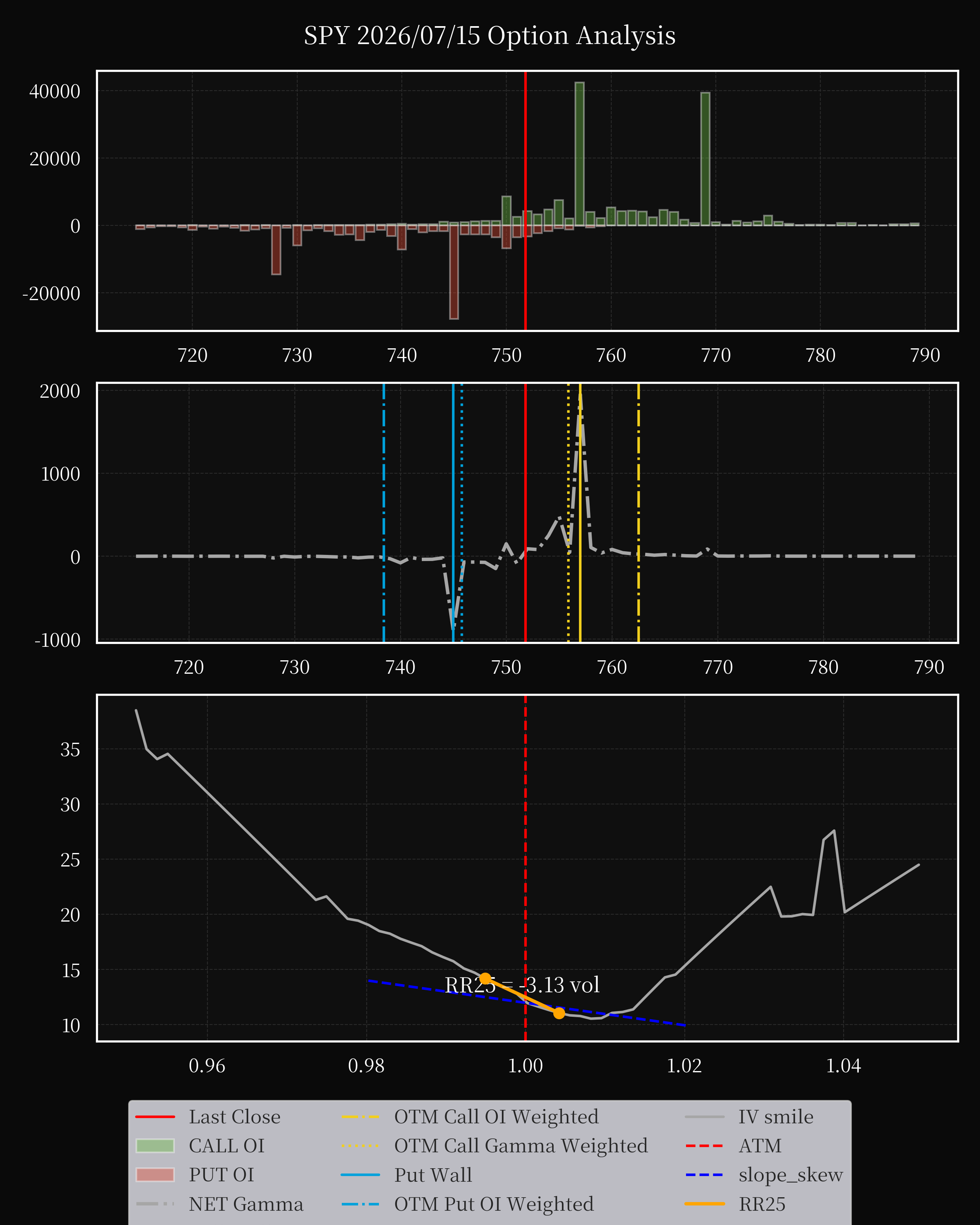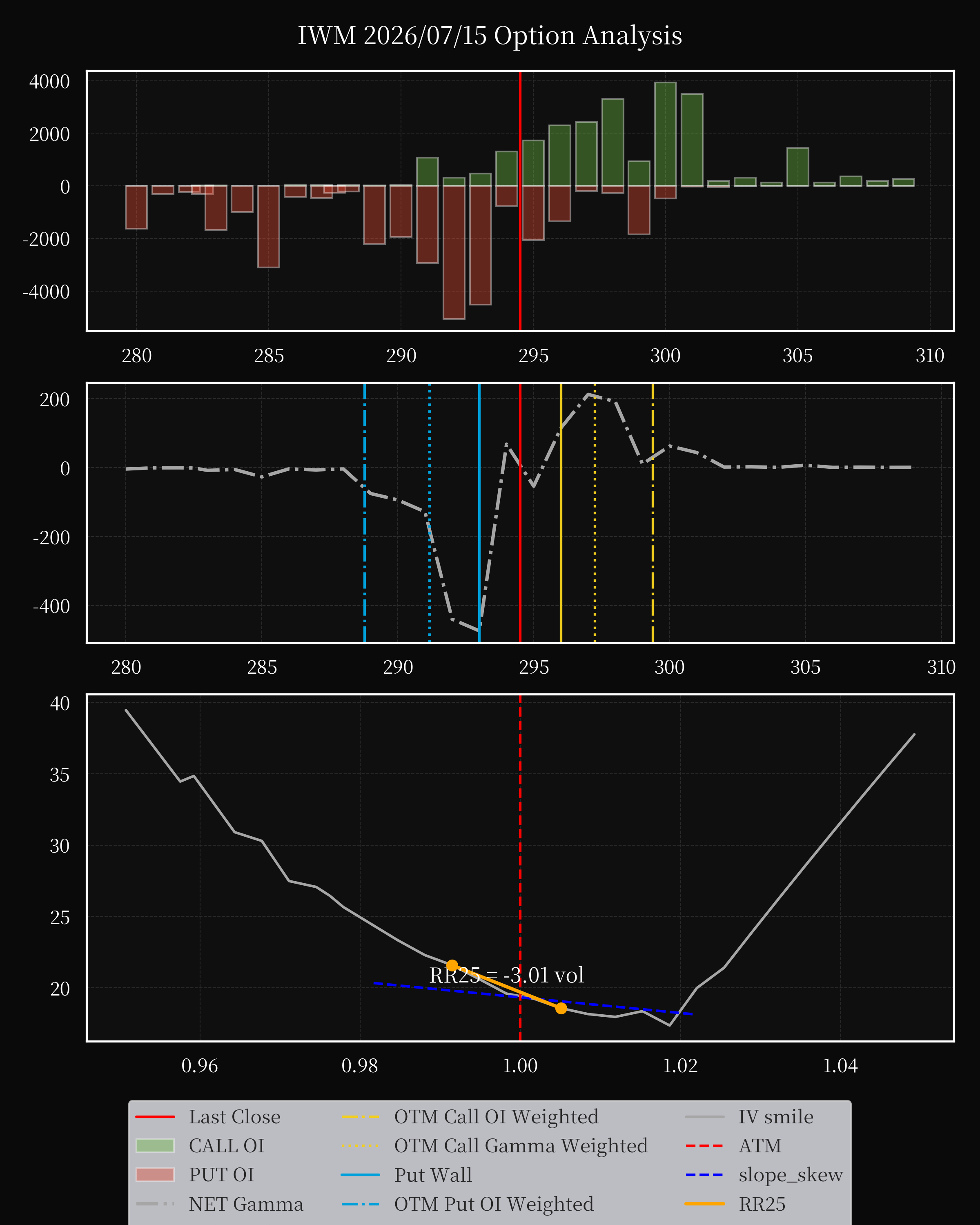
Overall
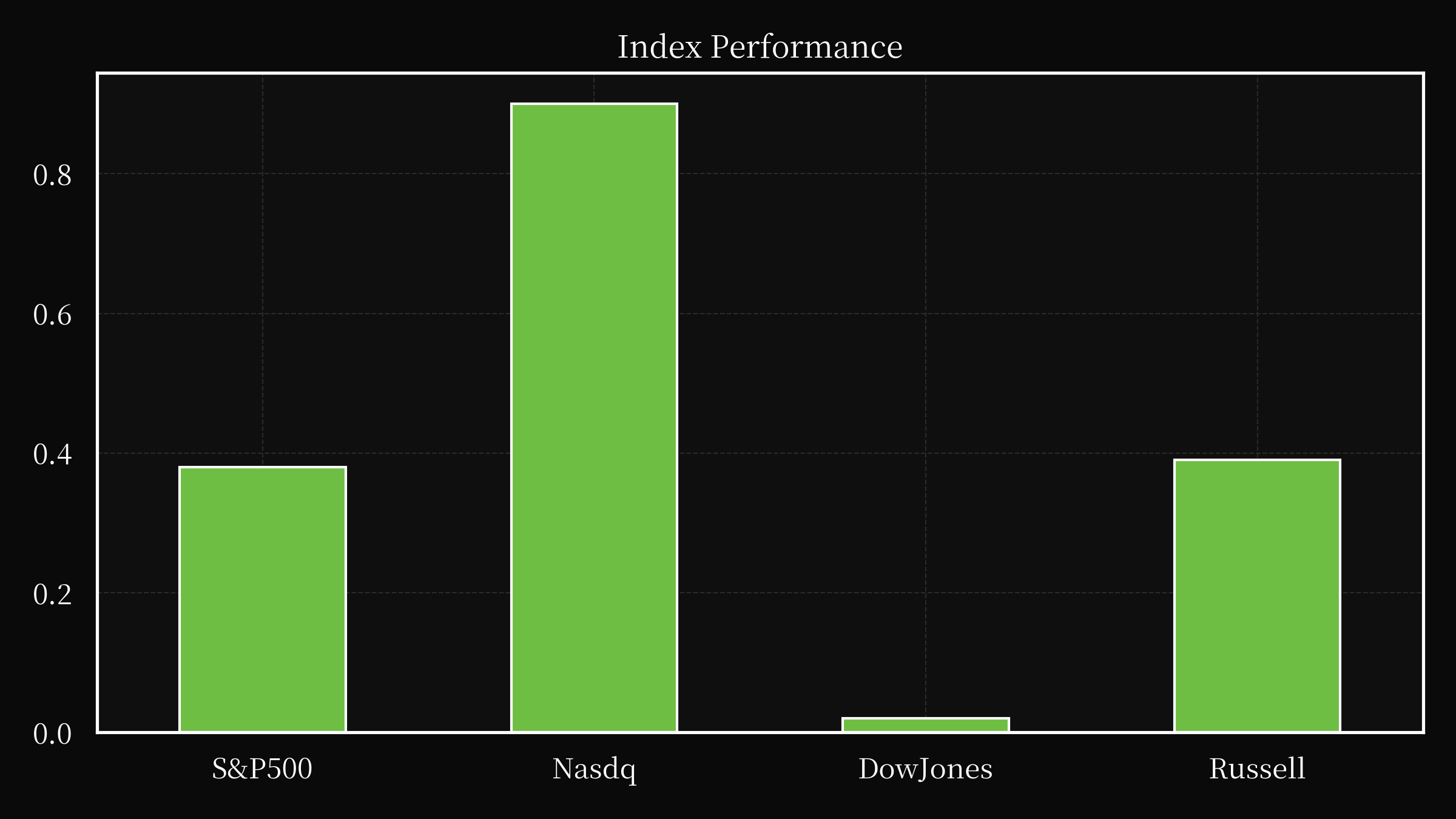
Markets open with heightened volatility as geopolitical tensions and monetary policy expectations shape investor sentiment. The S&P 500 slipped 0.8%, the Dow Jones Industrial Average remained largely stagnant, and the Nasdaq rose 1.6%, reflecting divergent performances across sectors amid a backdrop of rising oil prices and shifting macroeconomic signals. The Strait of Hormuz remains a focal point of uncertainty, with renewed clashes between U.S. and Iranian forces pushing crude prices above $80 a barrel and prompting discussions of a potential U.S. blockade. This escalation has introduced fresh volatility into equity markets, particularly affecting energy-linked equities and global supply chains. Meanwhile, the Federal Reserve’s upcoming policy decisions and inflation data will be closely scrutinized, as market participants weigh the implications of persistent price pressures and the central bank’s response. The interplay between these factors underscores the fragility of current market conditions, with investors navigating a landscape of heightened risk and uncertain outcomes.
The U.S. banking sector has emerged as a key driver of market momentum, with JPMorgan Chase, Goldman Sachs, and other major institutions reporting robust earnings that outpaced expectations. Combined revenues surged 39% year-over-year to over $49 billion, fueled by a surge in Wall Street fees, the SpaceX IPO, and the AI-driven bull run in technology stocks. Goldman Sachs’ shares jumped over 9% on record profits, while Citigroup’s decline highlighted sector-specific challenges, including rising operational costs and regulatory pressures. However, the broader market’s enthusiasm for banking stocks is tempered by concerns over overvaluation, as elevated valuations may prove unsustainable amid potential rate hikes. The recent earnings season has also intensified scrutiny of the sector’s risk management practices, particularly as banks grapple with the dual forces of AI adoption and geopolitical instability. This dynamic underscores the sector’s pivotal role in the overall market, with its performance directly influencing investor confidence and broader economic narratives.
Inflation data has introduced a critical layer of complexity to market dynamics, with the June consumer price index (CPI) rising 3.5% year-over-year—below the 4.2% reading from May but still above the Federal Reserve’s 2% target. The core CPI, which excludes volatile food and energy prices, remained at 2.6%, offering limited relief to those concerned about persistent price pressures. This data has prompted traders to reassess the likelihood of further interest rate hikes, with the probability of a July rate increase dropping to 16% from 42% the prior day. The Fed’s policy trajectory remains a central uncertainty, as officials like Kevin Warsh emphasize the need for vigilance against inflationary trends while avoiding premature tightening. The interplay between inflation data and monetary policy expectations has created a delicate balancing act for investors, who must navigate the dual risks of stagflation and abrupt policy shifts. This environment has also amplified the importance of sector-specific earnings, as companies with pricing power or exposure to inflationary pressures become key indicators of broader economic health.
The Middle East remains a flashpoint for market disruption, with the U.S.-Iran conflict escalating after renewed hostilities in the Strait of Hormuz. The U.S. has signaled its intent to reinstate a naval blockade, imposing a 20% fee on Iranian shipping through the strait—a move that risks further destabilizing global oil markets. Despite Iran’s retaliatory measures, including the use of dark ships to bypass sanctions, the situation remains precarious, with the potential for unintended consequences on energy prices and trade flows. The conflict’s impact extends beyond oil, influencing investor sentiment and risk appetite as markets grapple with the specter of prolonged geopolitical tensions. Additionally, the broader implications for regional stability, including the potential for spillover into neighboring economies, add another dimension to the uncertainty. For investors, the Middle East’s volatility serves as a reminder of the interconnectedness of global markets, where regional conflicts can rapidly translate into systemic risks.
The interplay between inflation, monetary policy, and geopolitical risks has created a complex environment for investors, requiring a nuanced approach to portfolio management. The Fed’s dual mandate of price stability and maximum employment remains in tension, as policymakers weigh the trade-offs between combating inflation and avoiding economic slowdowns. The recent CPI data, while slightly easing concerns, has not alleviated fears of a prolonged inflationary cycle, particularly given the persistence of energy prices and supply chain bottlenecks. This has led to a cautious stance among investors, who are increasingly prioritizing sectors with resilient cash flows and pricing power. At the same time, the banking sector’s strong earnings and the AI-driven tech rally offer pockets of optimism, but these are offset by broader macroeconomic headwinds. The challenge for investors lies in navigating this multifaceted landscape, where the convergence of inflation, geopolitics, and monetary policy will likely define market outcomes for the foreseeable future.
The broader implications of today’s market movements extend beyond immediate price swings, influencing long-term investment strategies and risk assessments. The combination of elevated oil prices, geopolitical tensions, and inflationary pressures has heightened the importance of diversification and hedging strategies, as investors seek to mitigate exposure to volatile sectors. The Federal Reserve’s policy trajectory, shaped by inflation data and political considerations, will remain a critical factor in determining the pace and direction of rate hikes, with significant consequences for equity valuations and bond markets. Meanwhile, the performance of the banking sector, driven by AI adoption and earnings resilience, highlights the sector’s potential to outperform in a high-rate environment, though its vulnerabilities to macroeconomic shocks cannot be ignored. As markets continue to oscillate between optimism and caution, investors must remain vigilant, balancing short-term opportunities with the need for long-term stability. The lessons of today underscore the necessity of a disciplined, data-driven approach to investing, where adaptability and foresight are essential in navigating an increasingly uncertain economic landscape.
Watch List
TREX
Trex Company, Inc. recently issued a correction regarding its previously communicated financial guidance. During a management conference call held on July 13, 2026, at 5:00 PM Eastern Time, the company’s leadership inadvertently stated a full-year Adjusted EBITDA forecast of $330 to $345 million. However, a press release issued earlier that day, prior to the call, accurately reflected a more precise guidance range of $335 to $350 million. The company has confirmed that this revised guidance remains unchanged and is the accurate representation of their projected financial performance. This discrepancy highlights the importance of verifying information directly from official company releases rather than relying solely on verbal communications. Investors are advised to consult the company’s official filings and press releases for the most up-to-date and accurate financial information.
BNZI
Following the close of a $0.9 million private placement offering on July 14, 2026, secured funding with the intention of utilizing the net proceeds for general corporate purposes. This includes bolstering working capital, managing existing debt, and potentially investing in complementary products or technologies alongside capital expenditures. Aegis served as the exclusive investment bank for the offering, providing advisory services under an Underwriting Agreement that included a 7.0% underwriting discount. Furthermore, the company agreed to cover non-accountable expense allowances and reimburse the Underwriter’s legal fees, up to $50,000. To support the offering, legal opinions were provided by Hunter, Taubman, Fischer & Li LLC and filed as Exhibit 5.1. The company communicated the offering details through press releases issued on July 10th, 13th, and 14th, respectively, and these releases are attached as Exhibits 99.1, 99.2, and 99.3. This financing represents a significant step for as it continues to develop its business strategy.
FAST
Fastenal Company reported strong second-quarter 2026 results, driven by increased daily sales of 14.7%, fueled by gains with larger customers, pricing actions, and robust demand across key markets. Operating margin remained steady at 21.0%, thanks to effective expense management. The company generated $266 million in operating cash flow, representing 69% of net income, and returned $305 million to shareholders through dividends and share repurchases (80% of net income). Fastenal continued to advance its strategic initiatives, including expanding digital technologies, increasing sales effectiveness through key account wins, and growing its customer base. Net sales rose by $306.6 million, supported by improved contract signings and modest industrial production growth. The company’s focus on larger customers, coupled with strategic pricing adjustments, contributed significantly to the results. Gross margin decreased slightly due to unfavorable price/cost dynamics, but operating margin remained strong due to leverage. SG&A expenses were effectively managed, decreasing as a percentage of net sales. Looking ahead, Fastenal anticipates continued investment in property and equipment, primarily focused on facility upgrades and IT infrastructure, alongside ongoing efforts to optimize working capital and drive shareholder value.
NYAX
Please provide me with the 6-K or 8-K content from the SEC Filing that you want me to summarize. I need the text of the filing to be able to fulfill your request. Once you paste the content here, I will summarize it into a fluent paragraph of no more than 300 words, avoiding lists and subtitles.
CRMT
America’s Car-Mart, Inc. (CRMT) reported a challenging fourth quarter and full fiscal year 2026, with total revenue down 7.9% to $1.2815 billion, primarily due to a 14.3% decline in sales volumes. This was driven by reduced dealership bases and inventory purchases, partially offset by a 3.4% increase in average retail sales prices. Gross profit per unit improved by 1.0%, but gross margin decreased to 35.4% from 36.7%. Total collections rose 2.2% to $730.0 million, but the net charge-off ratio increased to 27.6% compared to 25.9% year-over-year, largely reflecting a smaller receivables book and increased consumer spending on fuel. President and CEO Doug Campbell attributed the results to strategic actions focused on liquidity and capital structure. While the year fell short of expectations, the company emphasized a liquidity and capital-structure story rather than a credit quality issue. A key development was an amendment to the company’s credit agreement, providing covenant relief and a window for strategic review, alongside specific milestones. The company also addressed dealership consolidations, moving customer accounts to stronger locations or a centralized collections team, a move deemed the “right call” despite impacting associates. The company recognized a non-cash impairment of $11.0 million related to dealership consolidations. Looking ahead, the company is focused on securing additional financing, including a warehouse facility, to address its liquidity constraint and restore origination capacity. The company’s going-concern disclosure reflects ongoing uncertainty regarding securing this additional financing. SG&A expenses were $208.1 million, including $4.0 million in restructuring charges, and adjusted to $204.1 million. The company’s debt decreased to $722.4 million, and unrestricted cash increased to $131.6 million.
UNTY
Please provide the 6-K or 8-K content from the SEC filing. I need the text of the document to summarize it for you. Once you paste the content here, I will generate a fluent paragraph of no more than 300 words, avoiding lists and subtitles, summarizing the key information.
ANIK
Okay, here's a breakdown of the provided text, categorized for clarity and highlighting key aspects: I. Core Agreement & Governing Law: * Entire Agreement: This document constitutes the entire agreement between the parties (the Borrower, the Administrative Agent, the Lenders, the L/C Issuer, and the Swingline Lender) regarding the financing arrangement. It supersedes all prior discussions and agreements. * Governing Law: The laws of the State of New York will govern the interpretation and enforcement of this agreement. II. Key Provisions & Clauses: * Assignment & Transfers: Strict rules govern the assignment of rights and obligations under the agreement. Assignments are generally restricted to specific types of parties (e.g., Lenders, Approved Funds) and require consent. The Administrative Agent's role is central to the assignment process. * Change of Address/Contact: Provisions for updating contact information for all parties. * Electronic Signatures: The agreement explicitly allows for electronic signatures and electronic records, establishing a modern framework for documentation. * Default Rights & Resolution Powers (Crucially Important): * U.S. Special Resolution Regimes: This is a complex and significant clause. It acknowledges that the parties are subject to potential U.S. Special Resolution Regimes (like those under the Federal Deposit Insurance Act) that could be triggered in the event of a Covered Entity's (a Borrower or its affiliate) distress. * Transfer of QFCs: If a Covered Entity is subject to a Special Resolution Regime, the agreement allows for the transfer of Qualified Financial Contracts (QFCs) – likely related to the financing – to a resolution authority. * Limited Default Rights: The agreement limits the extent to which Default Rights can be exercised against a Defaulting Lender, aligning with the potential intervention of a resolution authority. * No Oral Agreements: There are no other agreements outside of the written terms of the agreement. * Waiver of Forum Selection: All disputes must be resolved in the courts of New York County, New York, or the U.S. District Court for the Southern District of New York. III. Administrative & Operational Details: * Administrative Agent’s Role: The Administrative Agent is central to the administration of the agreement, including record-keeping, notifications, and
ING
ING announced the repurchase of 950,000 shares totaling €26.99 million as part of its €1.0 billion share buyback program, bringing the total repurchased to 14.96 million shares at an average price of €26.23, representing approximately 39.24% of the program’s total value. These transactions, executed between July 6th and July 10th, 2026, aim to reduce ING’s share capital. The financial institution, a global banking leader with a strong European presence, highlighted its commitment to sustainability, evidenced by an MSCI ESG rating upgrade to ‘AAA’ and a Sustainalytics ESG risk rating of 18.0. ING’s operations, managed by over 60,000 employees, provide retail and wholesale banking services across more than 100 countries, adhering to International Financial Reporting Standards (IFRS-EU). The company’s shares are also included in prominent sustainability indices. It’s important to note that all figures are unaudited and subject to potential minor rounding differences. Furthermore, the document emphasizes that forward-looking statements are based on current information and are not guarantees, and that ING does not assume responsibility for information found on external websites.
PRE
Prenetics, the parent company of the rapidly growing premium supplement brand IM8 (co-founded by David Beckham), has secured a $1 billion growth financing deal with General Catalyst’s Customer Value Fund (CVF). This investment will primarily fuel IM8’s marketing efforts, allowing the brand to maintain its aggressive growth trajectory. Currently delivering over 50 million servings daily across 43 markets, IM8 is projected to reach $300 million in annualized revenue by year-end 2026 and potentially exceed $400 million in 2027. A key element of the deal is the cohort-based structure, where General Catalyst receives a return tied to the revenue generated by each customer group, incentivizing continued growth and minimizing dilution for Prenetics shareholders. The financing reflects strong performance, with every dollar invested in customer acquisition generating $1.44 in gross profit, and the brand’s customer retention rates setting industry benchmarks. This innovative approach, dubbed a “third way” to scale consumer businesses, avoids traditional equity dilution. Prenetics is also raising its full-year 2026 IM8 revenue guidance to $210–220 million, reflecting confidence in the brand’s momentum. With plans for new product launches and ongoing clinical research, Prenetics aims to establish IM8 as a global leader in the premium consumer health market.
CEG
Constellation Energy Corporation announced the successful outcome of the PJM capacity auction for the 2028-2029 planning year, with all of its PJM-located power plants securing capacity. These results, effective June 1, 2028, demonstrate the company’s continued presence and revenue generation within the PJM market. Notably, revenues from its nuclear units will be incorporated into the Production Tax Credit calculation. The filing details cleared capacity volumes by zone, excluding generation assets held for sale. This report is furnished jointly by Constellation Energy Corporation and Constellation Energy Generation, LLC, with each entity providing information on its own behalf. It’s important to acknowledge that forward-looking statements within the document are subject to inherent risks and uncertainties, as highlighted in the company’s 2025 Annual Report, quarterly reports, and other SEC filings. Investors are advised to carefully consider these risks and uncertainties when evaluating Constellation Energy’s performance and future prospects.
IanFV (www.ianfv.com) is the world's first pure-blood, neutral research institution built on LLM (Large Language Models) specifically for individual investors. Founded by a top-tier team with backgrounds from Tsinghua, Harvard, Morgan Stanley, and UBS, we are committed to breaking down high-priced information barriers and providing institutional-grade investment research at affordable prices. Unlike traditional institutions, IanFV does not serve big-money sponsors or inflate market bubbles. Leveraging a proprietary knowledge graph and a fully localized deployment architecture, we achieve a differentiated competitive advantage through light assets and high efficiency. Our research reports refuse to "sell dreams": valuation reports are based on point-in-time intervals rather than reverse-engineered numbers; industry reports focus relentlessly on real trends over the next six to twelve months; and in-depth reports penetrate market bubbles to strike at the core of corporate survival moats—all to ensure investors hold the most authentic research cards in the secondary market.