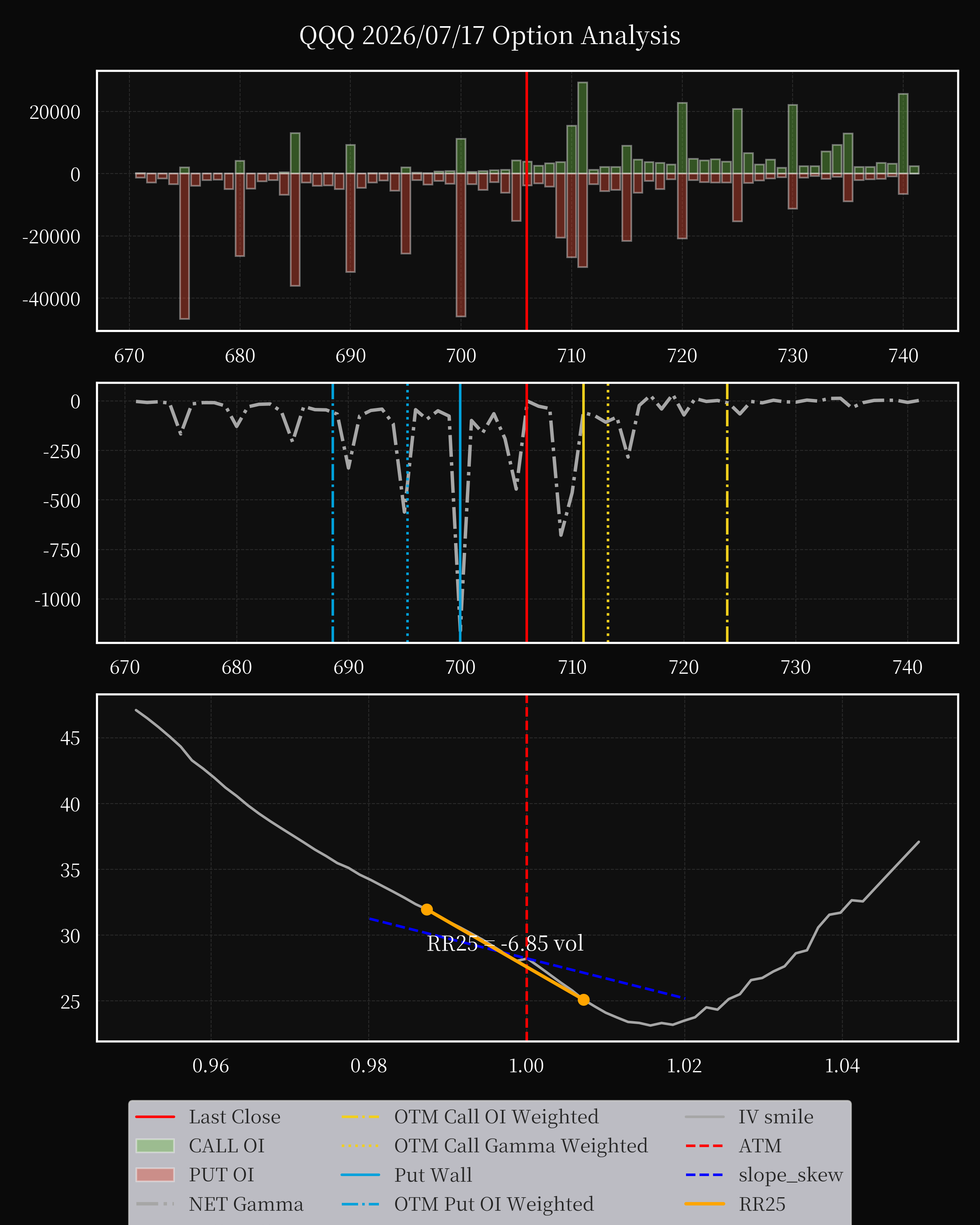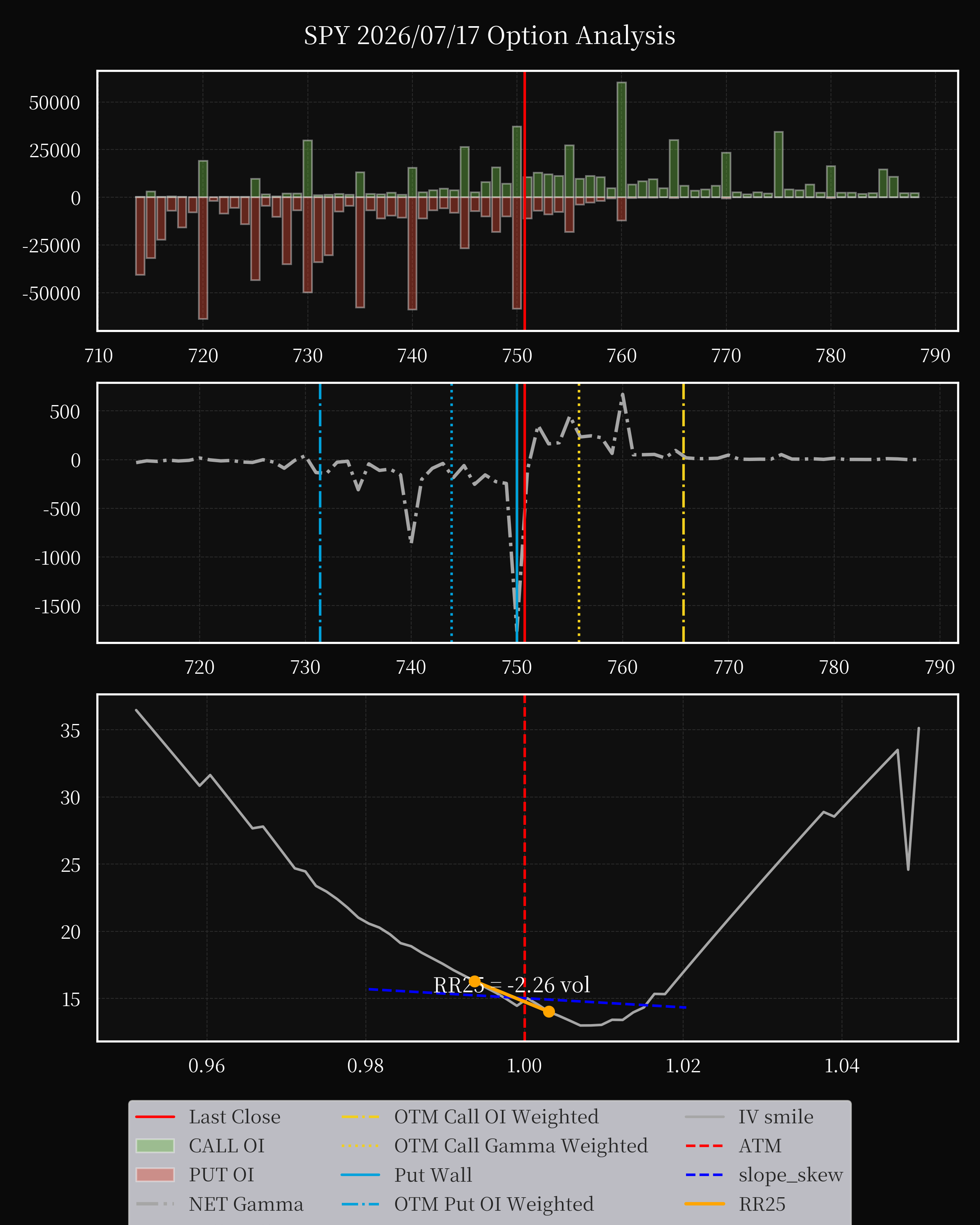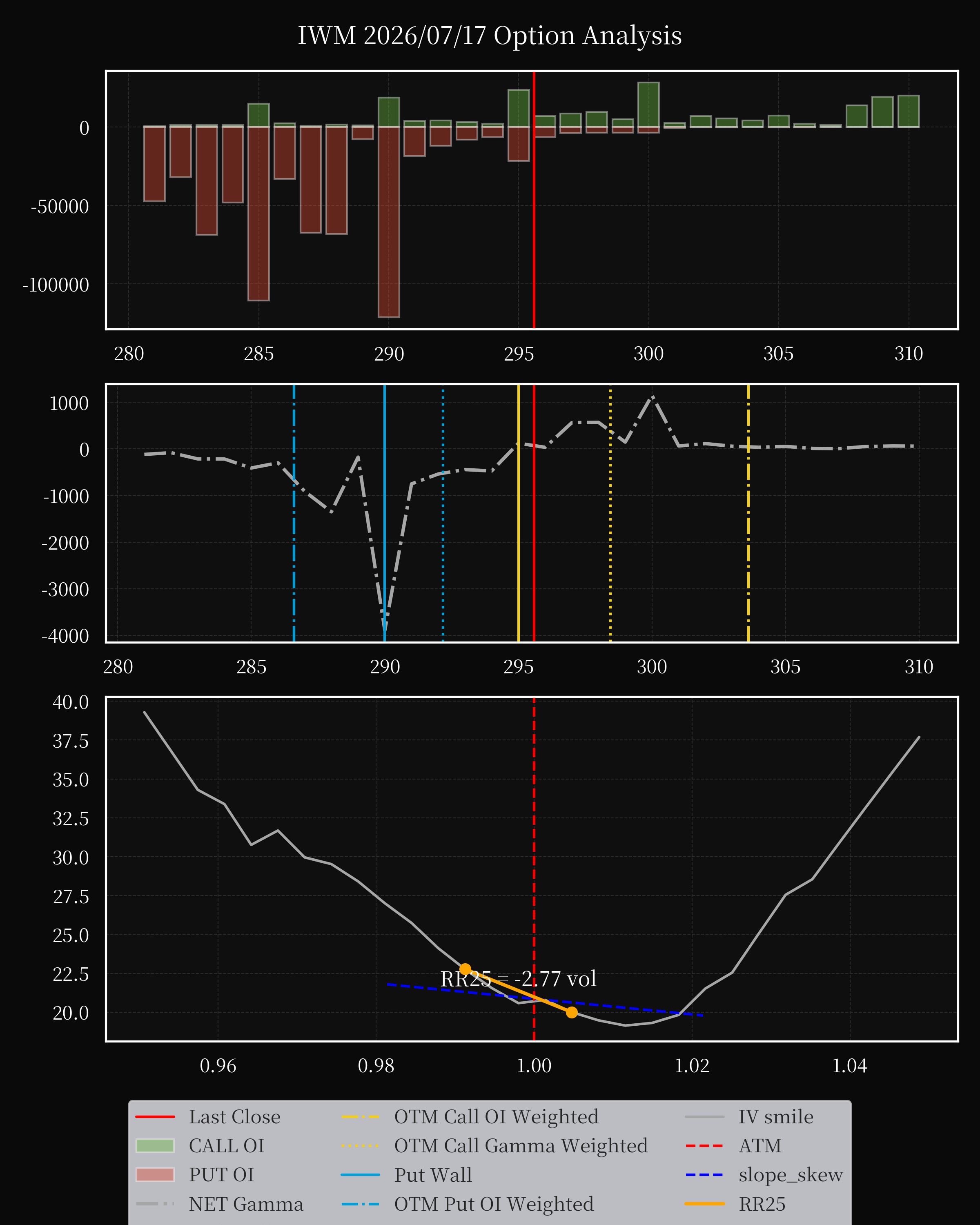
Overall
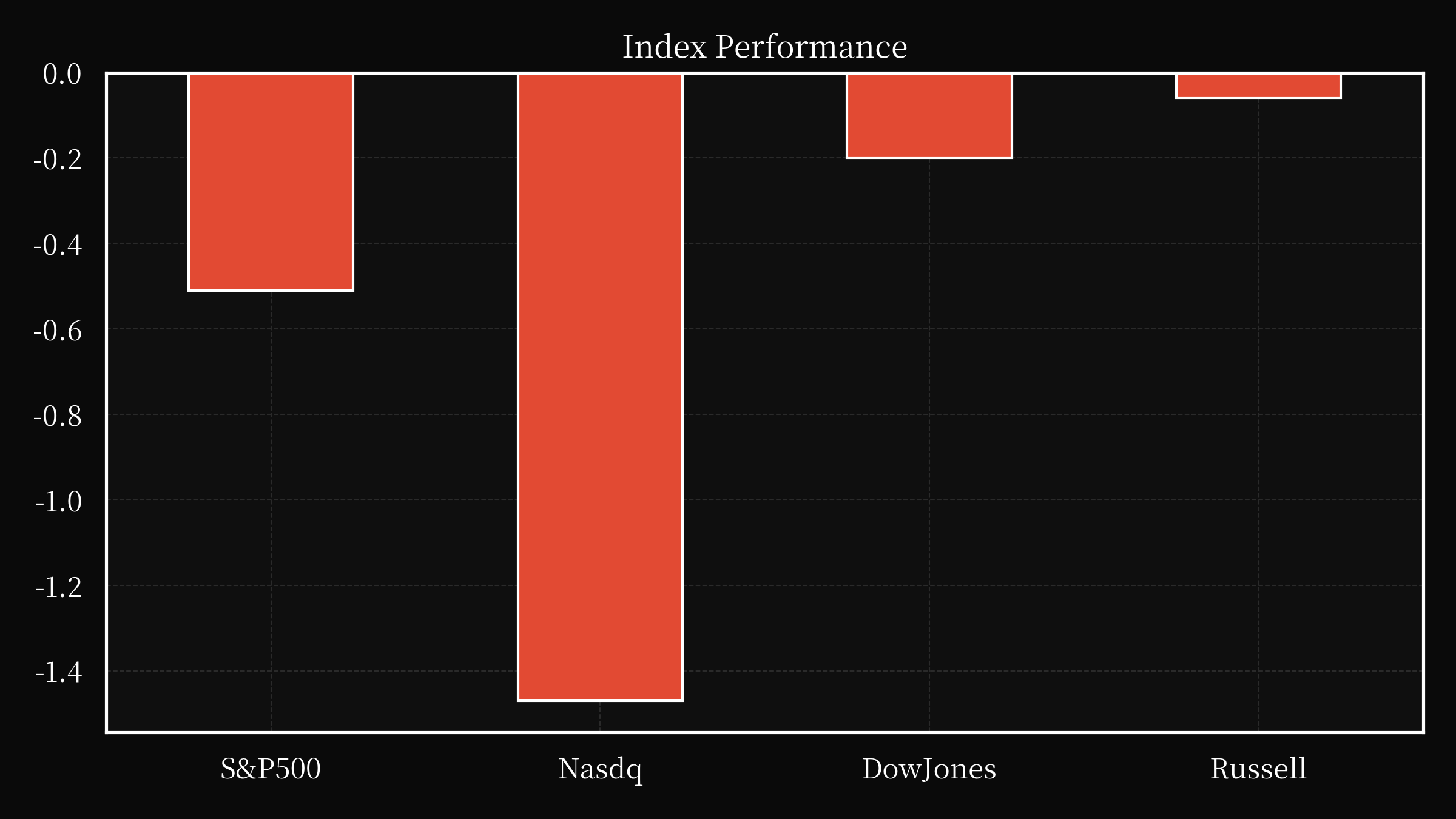
The market opened Wednesday with a mixture of relief and skepticism following a series of robust corporate earnings reports, yet the broader economic backdrop remained fraught with tension. The S&P 500, Nasdaq, and Dow Jones indices all posted gains, but these advances were tempered by renewed concerns over inflation, geopolitical risks in the Middle East, and the lingering uncertainty surrounding Federal Reserve policy. The U.S. economy’s resilience was on full display as major technology and financial firms posted results that either met or exceeded expectations, but investors remained wary of external shocks—particularly from Iran and China—that could upend months of steady progress. The interplay between corporate fundamentals and macroeconomic forces underscored the market’s dual nature: buoyed by earnings optimism yet vulnerable to exogenous shocks.
The U.S. Federal Reserve’s stance on inflation continued to dominate headlines, with Kansas City Fed President Jeff Schmid warning that price pressures remained “too hot” despite recent data showing a slowdown in consumer demand. While June’s CPI figures had initially surprised to the upside, Schmid emphasized that core inflation—particularly in food and energy—was accelerating faster than pre-pandemic trends, complicating the Fed’s path to its 2% target. This sentiment aligned with broader concerns about supply chain bottlenecks and labor market rigidity, which some officials now viewed as structural rather than transitory. The Fed’s dual mandate—price stability and maximum employment—was increasingly tested by conflicting signals: robust job growth versus persistent inflationary pressures, leaving markets to speculate on the likelihood of further rate hikes or premature easing.
Corporate earnings provided a critical counterweight to macroeconomic anxieties, with tech giants like Apple and Microsoft delivering results that justified their elevated valuations. Apple’s record-breaking revenue and margin expansion, driven by iPhone demand and services growth, reinforced its status as a bellwether for consumer spending. Microsoft’s Azure cloud division continued to outpace rivals, benefiting from AI-driven infrastructure investments. However, the semiconductor sector’s struggles highlighted uneven recovery across industries. Despite SK Hynix’s record quarterly earnings, broader chipmakers faced headwinds from inventory corrections and weaker-than-expected demand, illustrating the sector’s transition from a speculative frenzy to a more measured growth phase.
Geopolitical tensions in the Middle East cast a long shadow over energy markets, with Iran’s escalating rhetoric and U.S. military posturing raising fears of renewed conflict. The Strait of Hormuz, a critical chokepoint for global oil supplies, saw renewed activity as Iranian forces tested naval capabilities, prompting U.S. strikes in retaliation. While crude prices remained range-bound, the risk of supply disruptions kept energy volatility elevated, complicating efforts by OPEC+ to stabilize markets. Simultaneously, Washington’s strained relationship with Brazil—exacerbated by new tariffs on agricultural imports—threatened to derail trade negotiations, adding another layer of uncertainty to global growth prospects.
Investor sentiment was further influenced by divergent narratives in technology, particularly around artificial intelligence. While companies like OpenAI and Anthropic advanced their AI models, traditional tech leaders faced scrutiny over their ability to maintain dominance in an era of rapid innovation. The failure of Oracle to secure a credit upgrade amid its $250 billion data center expansion underscored the risks of overleveraging in cyclical industries, even as AI-driven demand fueled optimism in other quarters. Meanwhile, the rise of AI-focused ETFs and venture capital investments signaled a structural shift in capital allocation, with implications for market leadership and long-term growth trajectories.
The equity markets’ bifurcated performance reflected these competing forces. Defensive sectors such as healthcare and utilities outperformed amid economic uncertainty, while cyclical leaders like industrials and financials lagged due to concerns over interest rate sensitivity and loan defaults. The Nasdaq’s 1.5% decline, led by weakness in chipmakers and tech stocks, contrasted sharply with the Dow’s resilience, highlighting the market’s growing reliance on non-tech earnings strength. As investors navigated this landscape, the interplay between corporate execution, monetary policy, and geopolitical developments would remain pivotal in determining the trajectory of markets in the weeks ahead.
The day’s developments also underscored the evolving role of news platforms like Bloomberg in synthesizing these complex dynamics. By distilling earnings reports, central bank commentary, and geopolitical analysis into actionable insights, such outlets bridged the gap between macroeconomic theory and market practice. Yet, as the Federal Reserve’s next policy decision loomed and the Middle East’s volatility persisted, the challenge for investors lay in balancing short-term tactical adjustments with long-term strategic positioning. The markets’ ability to absorb these pressures without reverting to panic would ultimately hinge on the clarity of economic data and the credibility of institutional responses to emerging risks.
In summary, Wednesday’s trading session encapsulated the market’s dual identity: a reflection of corporate strength and technological innovation, yet perpetually shadowed by external uncertainties. The Federal Reserve’s inflation battle, geopolitical flashpoints in the Persian Gulf, and the uneven recovery of global supply chains created a landscape where optimism and caution coexisted. For investors, the key lay in discerning which trends were structural and which were ephemeral—a task complicated by the sheer volume and velocity of information shaping market sentiment. As the week progressed, the interplay between these forces would remain the defining narrative for equity markets worldwide.
Watch List
STT
State Street Corporation announced robust second-quarter 2026 results, driven by significant growth in its investment servicing and investment management businesses. Total AUC/A increased 18% to a record $57.9 trillion, primarily fueled by higher market levels, flows, and new business, while Investment Management AUM rose 23% to $6.3 trillion due to market gains and inflows. The company secured key new servicing wins, including $87 million in fee revenue from back-office and alternatives services, alongside $384 billion in AUC/A wins predominantly from Asset Managers and Alternatives. Looking ahead, State Street is focused on strategic execution, highlighted by the installation of $335 million in servicing fee revenue and $2.9 trillion in AUC/A, along with the recent announcement of tokenized fund servicing capabilities in Luxembourg. Annual recurring revenue (ARR) increased approximately 14% due to SaaS client implementations and product launches, expanding to 38 newly launched products and solutions. Notably, SPYM ETF was selected as the default investment for Trump Accounts. Despite a GAAP Software Services revenue decrease of 14% (excluding a notable item), driven by On-premises revenue, total revenue increased 17% (excluding notable items) due to higher management and servicing fees, and FX trading services. The company’s standardized CET1 ratio increased to 10.8%, reflecting capital generation and reduced risk-weighted assets. State Street returned $631 million to shareholders through share repurchases and dividends. The company continues to innovate with digital asset solutions, including tokenized liquidity solutions, and is committed to ongoing strategic investments and operational efficiencies.
FCPT
Four Corners Property Trust, Inc. recently completed a significant acquisition of up to 102 veterinary facilities, known as “Properties,” through its wholly-owned subsidiary, FCPT Holdings, LLC. The deal, finalized on July 16, 2026, involved a purchase price of $268.0 million for the portfolio, which is currently managed by Mission Pet Health. This acquisition includes an initial annual cash rent of approximately $17.37 million and a rent credit received at closing. The transaction was announced alongside a press release and signifies a strategic move for Four Corners Property Trust, expanding its presence within the rapidly growing veterinary healthcare sector. This acquisition highlights the company’s continued focus on acquiring and managing strategically located real estate assets within key markets.
WABC
Westamerica Bancorporation reported a solid second quarter of 2026, achieving a net income of $27.4 million and diluted earnings per share of $1.17, mirroring the $27.4 million and $1.13 reported in the first quarter. The bank’s performance was bolstered by its efficient operating model, with a remarkably low cost of funding at 0.24 percent, and stable credit quality reflected in nonperforming assets of $808 thousand. Returning value to shareholders, Westamerica paid a $0.48 per share dividend and retired 753 thousand common shares through its repurchase program, generating an annualized return on average common equity of 11.3 percent. Net interest income remained consistent at $52.7 million, driven by a loan and investment yield of 4.01 percent and a cost of funding of 0.24 percent. Notably, the company recorded no provision for credit losses, reversing $300 thousand in the prior quarter. Noninterest expenses increased slightly to $26.0 million due to a business day difference and higher professional fees, but were partially offset by lower occupancy costs. The Allowance for Credit Losses totaled $10.8 million, a slight decrease from $11.2 million. Westamerica Bank, operating primarily in Northern and Central California, continues to demonstrate financial strength and stability.
HEI
HEICO Corporation has successfully completed an offering of $550 million in 4.950% Senior Notes due 2031 and $650 million in 5.400% Senior Notes due 2036. The proceeds from this offering, totaling $1.2 billion, will be used to pay down outstanding borrowings on the company’s Existing Credit Facility. The notes were issued under a base indenture supplemented by a first supplemental indenture, with Truist Bank serving as trustee. Interest payments are semi-annual, and HEICO retains the option to redeem the notes at various times with a call price reflecting accrued interest. The offering was facilitated by an underwriting agreement and was secured through a shelf registration statement. Certain covenants within the Indenture limit HEICO’s operational flexibility, including restrictions on liens, sales, and mergers. A default event could trigger acceleration of the note obligations. The company released a press release announcing the completion of the offering, and legal opinions from Akerman LLP supporting the legality of the notes were also filed.
INDB
Rockland Trust Bancorp’s second-quarter 2026 results demonstrate a strong and resilient franchise, positioning the company for continued growth. Operating earnings reached $81.8 million, reflecting a solid performance across key metrics including a $1.70 diluted EPS and a 14.05% return on average common equity. The bank’s attractive market position is bolstered by its scale and density in Massachusetts, supported by favorable demographics and opportunities stemming from the recent Enterprise acquisition, which expanded its reach into Northern Massachusetts and Southern New Hampshire. Key highlights include a consistent net interest margin of 3.85%, a modest increase in deposits to $20.4 billion, and a 5.3% rise in fee income. The bank strategically reduced loans by $31.2 million while maintaining a minimal level of net charge-offs and a stable provision for loan loss. Furthermore, Rockland Trust continues to prioritize efficient cost management, generate organic capital, and maintain a strong balance sheet with prudent interest rate and liquidity risk management. The company’s experienced commercial lender and conservative credit culture contribute to its stability. Looking ahead, Rockland Trust anticipates continued growth in commercial and industrial loan volume, alongside modest growth in consumer real estate lending, and maintains a target range of 3.90%-3.95% for its adjusted net interest margin.
IIIN
Insteel Industries Inc. (IIIN) reported a third-quarter net earnings decrease to $9.0 million, or $0.46 per share, down from $15.2 million, or $0.78 per share, a year prior, primarily due to higher costs offsetting increased sales. The company’s net sales rose 9.9% to $197.7 million, driven by higher selling prices and increased shipments, reflecting favorable construction demand. However, rising raw material costs, freight expenses, and operating costs negatively impacted gross profit, reducing it to $20.1 million from $30.8 million, and the gross margin to 10.2% from 17.1%. Operating activities generated $13.7 million in cash, a decrease from the prior year’s $28.2 million. Looking ahead, Insteel anticipates continued supportive market conditions and investments supporting growth, particularly in its engineered structural mesh (ESM) business. Despite monitoring raw material and transportation costs, the company remains focused on efficiency and customer relationships. Capital expenditures are projected to total approximately $15.0 million for the year, down from a previous expectation. The company repurchased 75,000 shares of its common stock and returned $23.8 million to shareholders during the period. Insteel’s President and CEO, H.O. Woltz III, highlighted the positive customer sentiment and healthy infrastructure market activity. The company’s strong balance sheet and liquidity remain a key strength as it navigates the current environment.
ISRG
Intuitive Surgical announced its financial results for the second quarter of 2026, reporting a strong performance driven by increased procedure volume and system growth. Worldwide procedures, including da Vinci and Ion systems, rose approximately 16%, with Ion procedures experiencing a particularly robust 36% growth. The company placed 468 da Vinci surgical systems and 55 Ion endoluminal systems, significantly increasing its installed base to 11,710 da Vinci systems and 1,096 Ion systems, representing year-over-year growth of 12% and 21% respectively. Revenue increased by 19% to $2.89 billion, fueled by growth in instruments and accessories revenue, which climbed 18% to $1.73 billion. GAAP net income attributable to Intuitive Surgical was $818 million, or $2.29 per diluted share, while the non-GAAP version reached $1.00 billion, or $2.80 per diluted share, including a $28 million benefit related to IEEPA tariff refunds. The company repurchased 0.9 million shares of its common stock during the quarter. Intuitive CEO Dave Rosa highlighted the company’s performance and its commitment to customer outcomes. Looking ahead, the company anticipates approximately 13.5% to 15.5% growth in worldwide da Vinci procedures and a non-GAAP gross profit margin within the range of 68.0% to 69.0% of revenue. The company noted that these projections include an estimated impact from tariffs, and potential additional tariffs could materially affect its financial results. With a strong cash position of $8.63 billion, Intuitive remains focused on delivering innovative minimally invasive care solutions.
CETY
Clean Energy Technologies, Inc. has announced the dismissal of TAAD LLP as its independent registered accounting firm, effective July 13, 2026. The decision followed a review of the firm’s reports for the fiscal years ended December 31, 2024 and 2025, which included an explanatory paragraph regarding substantial doubt concerning the company’s ability to continue as a going concern. Despite this note, the former accounting firm’s reports did not contain any adverse opinions or qualifications. The Company’s Audit Committee approved the dismissal, and there have been no disagreements with TAAD LLP regarding accounting principles, financial disclosures, or auditing procedures since the beginning of 2025. Following the dismissal, Clean Energy Technologies engaged Green Growth CPAs to serve as its new independent registered public accounting firm, with no prior consultation occurring between the company and the new firm regarding significant accounting or financial reporting matters. The company has filed the relevant exhibits with this Form 8-K, including a letter from Green Growth CPAs confirming their engagement.
RGP
Okay, here's a breakdown of the provided text, categorized and explained to highlight its key elements and implications: I. Core Agreement – Revolving Credit Facility * Parties: The agreement establishes a revolving credit facility involving: * Borrowers: Multiple Loan Parties (likely corporations) – the entities receiving the credit. * Agent: PNC Bank, National Association – acting as the administrative agent, coordinating the facility. * Lenders: Various Lenders (including PNC and potentially others) – providing the actual credit. * Issuer: (Implied) – Likely a financial institution facilitating the Letters of Credit. * Transferees: Entities that may receive rights under the facility. * Purpose: To provide a revolving credit line (a line of credit that can be drawn upon, repaid, and drawn upon again) to the borrowers. * Key Features: * Joint and Several Liability: This is *crucial*. Each borrower is *fully* liable for the entire debt. Lenders can pursue any one borrower for the full amount if another defaults. * Agent’s Role: The Agent manages the facility, handles communications, and coordinates with lenders. * Transferability: The credit line can be transferred to other lenders (with specific procedures outlined in the Commitment Transfer Supplement). * Security: The facility is secured by collateral (the Collateral). * Guaranty: Each borrower is guaranteed by a Guarantor (likely a parent company or another entity). II. Detailed Provisions & Clauses – Significant Sections * Article 17.5 – “No Loan Party shall be entitled to claim against any present or future security held by Agent…” – This is a critical clause protecting the lenders. It essentially states that if the Agent secures the credit with a security interest, the borrowers cannot later claim that security. * Article 18 – “Certifications From Banks and Participants; USA PATRIOT Act” – This section addresses compliance with anti-money laundering regulations (USA PATRIOT Act), requiring the lenders to obtain certain information from the borrowers. * Article 19 – “Joint and Several Liability of Borrowers” – Reiterates the critical joint and several liability provision. * Article 20 – “
BBLG
Bone Biologics Corporation has announced a postponement of its 2026 annual meeting of stockholders, originally slated for July 15, 2026. The Board of Directors made this decision to provide stockholders with additional time to thoroughly review the proxy materials and consider a proposed resolution. The rescheduled meeting will now take place on September 28, 2026, at 11:30 a.m. Eastern Time, at the Company’s offices in Burlington, Massachusetts. Consequently, the record date for the meeting has been extended to August 6, 2026. Importantly, the deadline for submitting director nominations or other proposals to be considered at the meeting has been moved to ten calendar days following the date of this Form 8-K filing, specifically July 26, 2026. This adjustment reflects the Board’s commitment to ensuring shareholders have ample opportunity to engage with the company’s governance matters.
IanFV (www.ianfv.com) is the world's first pure-blood, neutral research institution built on LLM (Large Language Models) specifically for individual investors. Founded by a top-tier team with backgrounds from Tsinghua, Harvard, Morgan Stanley, and UBS, we are committed to breaking down high-priced information barriers and providing institutional-grade investment research at affordable prices. Unlike traditional institutions, IanFV does not serve big-money sponsors or inflate market bubbles. Leveraging a proprietary knowledge graph and a fully localized deployment architecture, we achieve a differentiated competitive advantage through light assets and high efficiency. Our research reports refuse to "sell dreams": valuation reports are based on point-in-time intervals rather than reverse-engineered numbers; industry reports focus relentlessly on real trends over the next six to twelve months; and in-depth reports penetrate market bubbles to strike at the core of corporate survival moats—all to ensure investors hold the most authentic research cards in the secondary market.