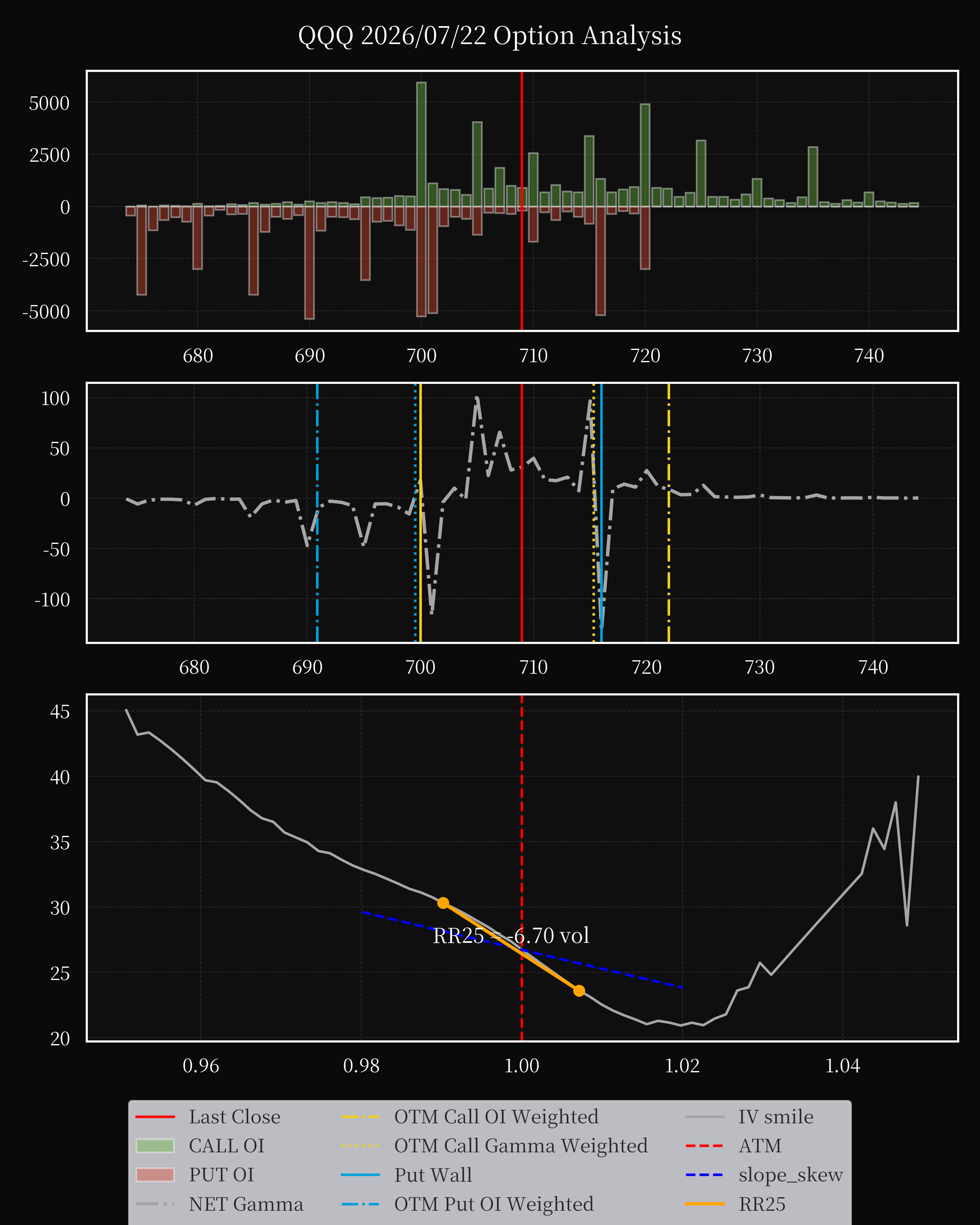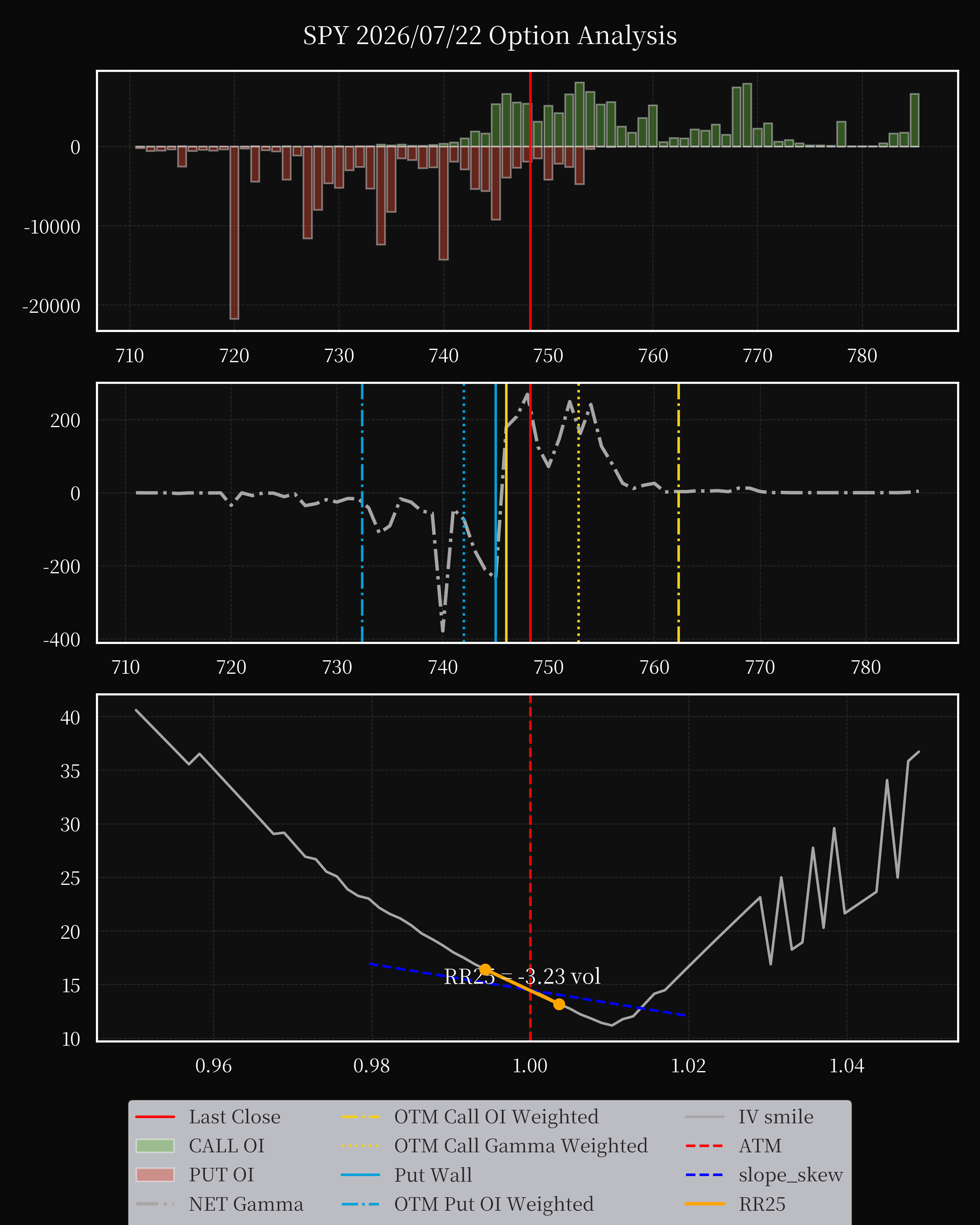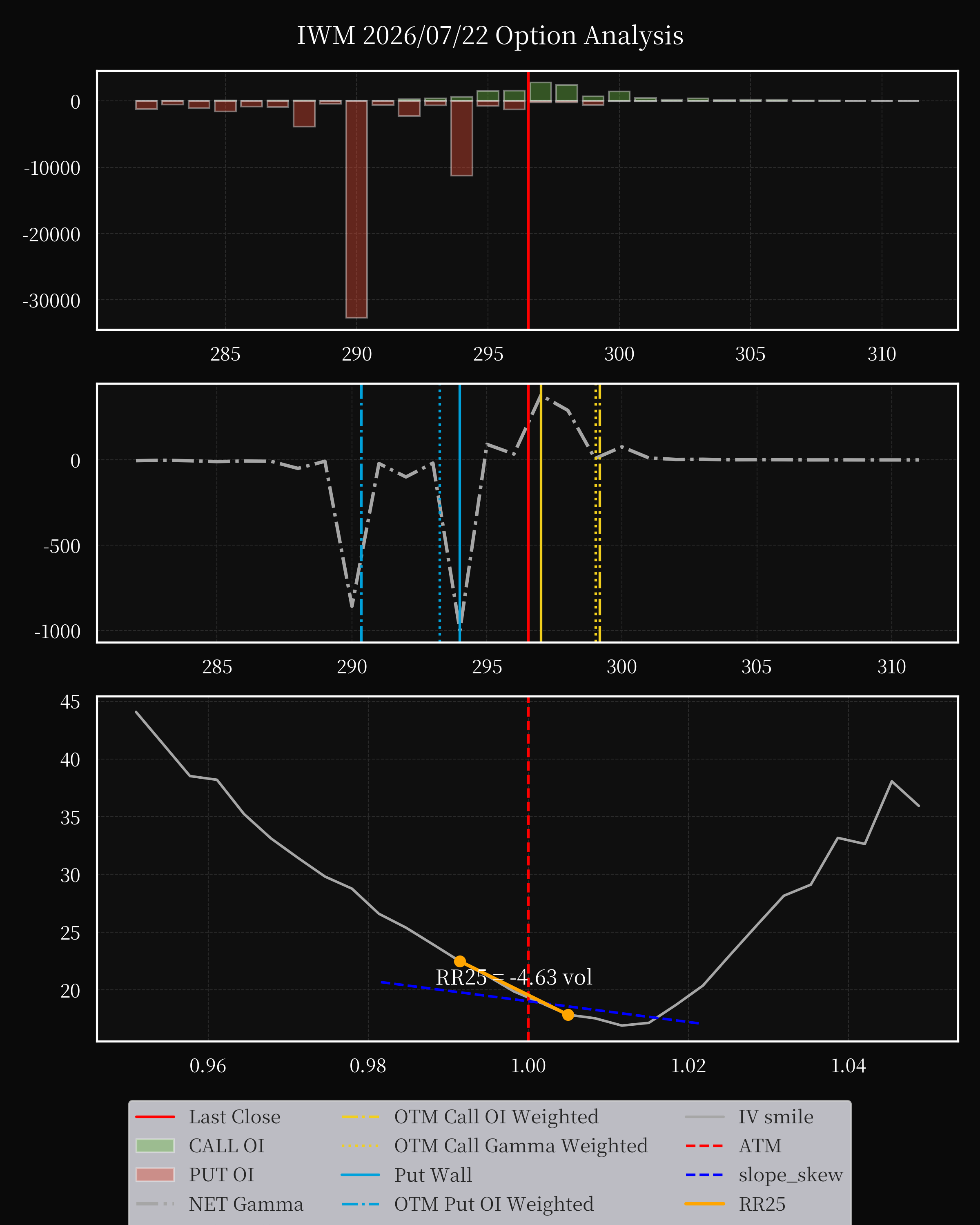
Overall
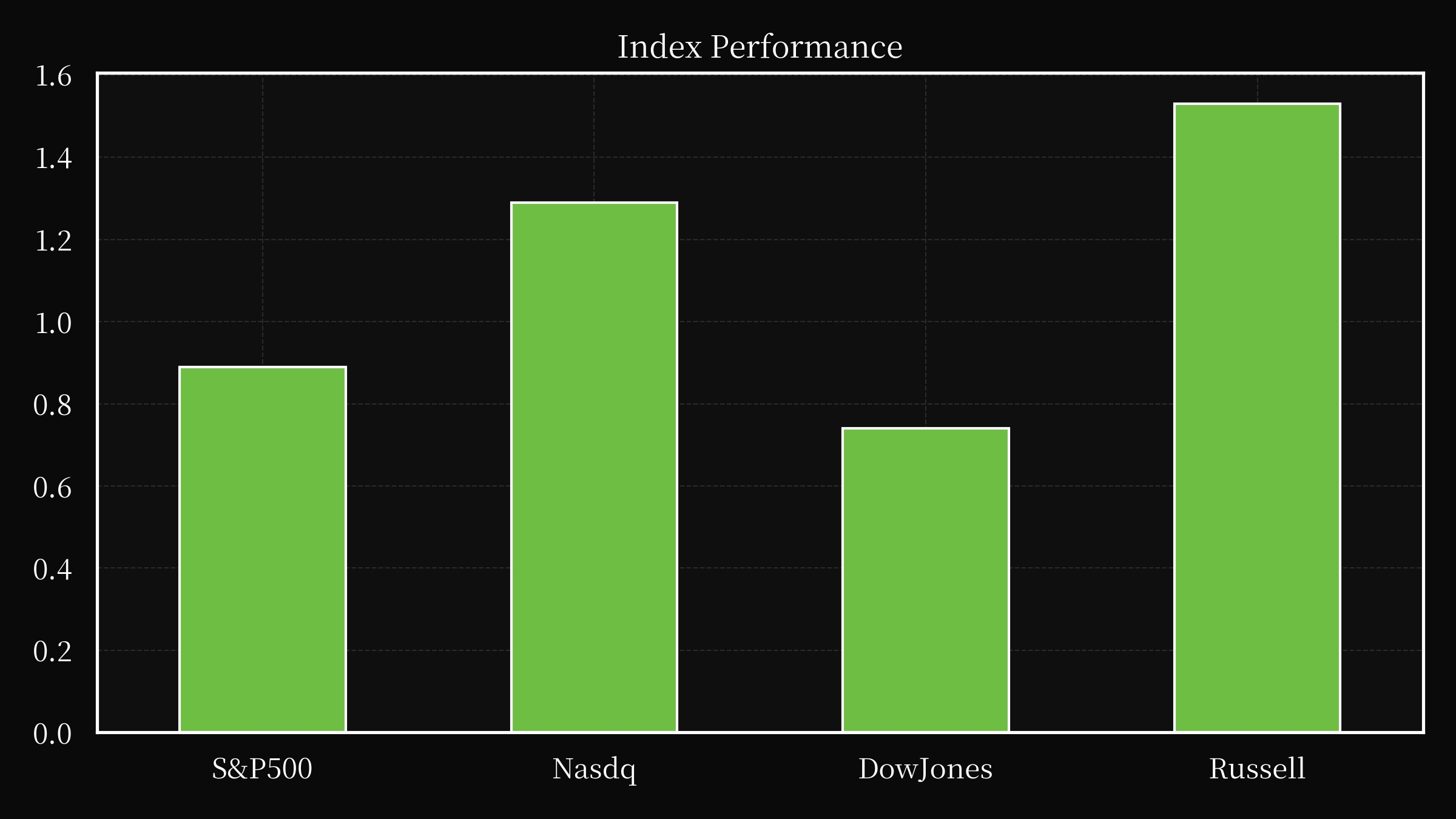
The latest market briefing reveals a complex interplay of geopolitical tensions, earnings momentum, and sector-specific dynamics shaping the U.S. stock market’s trajectory. At the forefront is the intensifying U.S.-Iran conflict, which has now entered its tenth consecutive day with both nations exchanging strikes. The Houthis, backed by Iran, have escalated threats against Saudi Arabia and Israeli targets, introducing a new layer of volatility to an already fragile regional stability. This development coincides with a critical juncture in global oil markets, where Saudi Arabia’s rerouting of crude shipments following Iranian disruptions in the Strait of Hormuz has temporarily eased price pressures. However, the recent tanker attacks in the Red Sea and the broader uncertainty surrounding the Iran war have reignited fears of supply shocks. Goldman Sachs has warned that Brent crude could breach $120 per barrel by year-end if the conflict persists, a scenario that would have cascading effects on inflation, corporate margins, and consumer sentiment. Meanwhile, the U.S. government faces mounting fiscal scrutiny over its $37.5 billion expenditure on the war, with independent estimates suggesting total costs could exceed $100 billion when accounting for extended engagements. This fiscal burden, coupled with the war’s economic drag, underscores the precarious balance between geopolitical posturing and macroeconomic stability.
The market’s response to these risks has been tempered by a resurgence in tech stocks, particularly semiconductor manufacturers, which have reclaimed their role as key drivers of the S&P 500’s recent gains. This rebound reflects investor optimism about earnings season, though it also highlights a broader shift in the market’s composition. Historically dominated by mega-cap tech names, the current rally is increasingly supported by a diverse array of companies, including chipmakers and AI-focused firms. However, the narrative around AI’s transformative potential remains contested. While some analysts argue that the sector’s growth is overhyped, others point to its potential to redefine productivity across industries. The recent earnings season, with its focus on capital expenditures and innovation pipelines, will serve as a litmus test for whether AI’s promise translates into tangible value or remains confined to speculative valuations. This tension is further complicated by the emergence of non-traditional AI players, such as chipmakers and software developers, challenging the dominance of legacy tech giants. The outcome of this dynamic will determine whether the sector’s current momentum is sustainable or a fleeting correction to inflated expectations.
The earnings calendar has become a focal point for market participants seeking clarity amid the noise of geopolitical and macroeconomic uncertainties. With major tech firms like Novartis, Charles Schwab, and General Motors set to report results in the coming days, investors are scrutinizing these announcements for insights into corporate health and growth trajectories. The sector’s performance will not only influence the S&P 500’s trajectory but also signal broader economic trends, particularly in industries reliant on AI and automation. For instance, the recent surge in semiconductor stocks suggests confidence in the sector’s ability to meet rising demand for AI infrastructure, yet questions linger about whether this demand is driven by genuine innovation or speculative hype. Additionally, the performance of companies like AMC, which has seen a sharp pullback from hedge funds, highlights the risks of overexposure to volatile sectors. As earnings season unfolds, the market will likely grapple with the dual forces of technological disruption and geopolitical instability, with outcomes shaping investment strategies for months to come.
The interplay between these factors—geopolitical risks, earnings-driven optimism, and sectoral realignments—creates a market environment defined by both opportunity and uncertainty. While the recent stabilization in oil prices and the tech sector’s resilience offer some relief, the underlying vulnerabilities remain. The U.S. economy’s reliance on consumer spending, already strained by inflation and rising interest rates, faces further headwinds from potential energy price spikes and prolonged trade tensions. At the same time, the earnings season’s emphasis on capital efficiency and AI integration could redefine competitive advantages, favoring companies that demonstrate adaptability and long-term vision. For investors, the challenge lies in navigating this landscape without succumbing to short-term volatility. The key will be distinguishing between temporary market corrections and structural shifts, particularly in sectors where growth narratives are still evolving. As the week progresses, the convergence of these forces will test the resilience of portfolios, the efficacy of risk management strategies, and the broader market’s ability to reconcile its ambitions with the realities of an increasingly fragmented global economy.
The broader implications of these developments extend beyond stock prices, influencing monetary policy, corporate strategy, and even consumer behavior. Central banks, for instance, must weigh the inflationary risks posed by energy price fluctuations against the need to maintain price stability, a balancing act that could delay rate cuts or prolong restrictive policies. Meanwhile, corporations are recalibrating their priorities, with many doubling down on AI investments and supply chain diversification to mitigate future disruptions. For consumers, the ripple effects of these shifts manifest in everything from retail pricing to employment trends, as businesses adapt to a landscape where technological advancement and geopolitical instability are inextricably linked. The coming weeks will be pivotal in determining whether the market’s current trajectory—marked by cautious optimism and sectoral realignments—can withstand the pressures of an uncertain future. Investors who recognize these dynamics and align their strategies accordingly will be better positioned to navigate the complexities of this evolving environment, turning volatility into a catalyst for informed decision-making rather than a source of panic.
Watch List
CRBG
Corebridge Financial, Inc. filed an 8-K report updating investors on key developments surrounding the proposed merger with Equitable Holdings, Inc., Mountain Holding, Inc., Palisade Holding, Inc., and Marcy Holding, Inc., ultimately forming a new entity named Equitable Holdings, Inc. The merger, dubbed the “Mergers,” involves Corebridge Merger Sub merging into Corebridge, followed by Equitable Merger Sub merging into Equitable, with Corebridge ultimately becoming a wholly-owned subsidiary of Equitable. As of July 21, 2026, the Registration Statement on Form S-4 for the proposed transaction had been declared effective by the SEC on June 23, 2026, and the definitive joint proxy statement/prospectus had been mailed to stockholders. Notably, Corebridge is supplementing the existing joint proxy statement/prospectus to address concerns raised by stockholders regarding potential omissions of material information. Several complaints have been filed by purported stockholders against Corebridge and its board, alleging deficiencies in the proxy statement. These include a New York complaint (the “Johnson Complaint”) and similar complaints filed in New Jersey (the “Lacoff Complaint”). Furthermore, Corebridge has received “Stockholder Letters” from various stockholders raising similar concerns. To mitigate these issues, Corebridge has voluntarily released supplemental disclosures related to the complaints and Stockholder Letters, explicitly denying the allegations and stating its intention not to pursue further claims. Finally, Corebridge has entered into a new stockholders agreement with Blackstone, Inc., outlining terms including Blackstone’s appointment of a director to the New Equitable board and certain standstill provisions. The board of Corebridge continues to recommend that stockholders vote “FOR” the proposed merger, alongside related proposals.
EWBC
East West Bancorp reported a strong second quarter of 2026, achieving record total revenue and net income of $364 million, or $2.63 per diluted share. The bank’s performance was driven by a 18% year-over-year increase in earnings per share, fueled by a record total revenue. Total loans and deposits reached new highs at $59.0 billion and $70.1 billion, respectively, reflecting continued growth in the bank’s customer base and lending activity. Return on average assets and common equity were robust at 1.75% and 16.0%, respectively, alongside a 13% increase in book value per share. Chairman and CEO Dominic Ng highlighted the bank’s balanced growth strategy and relationship-focused approach, noting significant increases in noninterest-bearing deposits. The bank’s assets grew by 2% to $84.8 billion, and loans increased by 1% to $59.0 billion. Average total deposits rose 2% to $68.7 billion, primarily due to growth in demand deposits. Net interest income increased by 2% to $685 million, while the net interest margin remained steady. Noninterest income also reached a record $106 million. The bank maintains a strong capital position, with a regulatory capital ratio well above requirements. Looking ahead, East West Bancorp is positioned for sustainable growth and long-term value creation, supported by disciplined execution and a focus on capturing growth opportunities across its markets.
FACT
FACT II Acquisition Corp. recently terminated its proposed merger with Precision Aerospace & Defense Group, Inc. (PAD) following the expiration of the deadline outlined in the Business Combination Agreement, which was initially signed on November 26, 2025, and subsequently amended. This termination occurred on July 16, 2026, and was precipitated by the lapse of the agreement’s terms. Simultaneously, several agreements supporting the deal, including a voting and support agreement between FACT II and PAD, and support agreements between PAD and its stockholders, were also terminated. FACT II announced the termination through a press release dated July 21, 2026, which is filed as Exhibit 99.1 to this report. The filing serves as a Regulation FD disclosure, providing investors with information regarding this significant development in the company’s strategic plans.
HAFC
Hanmi Financial Corporation reported a strong second quarter of 2026, achieving a net income of $23.5 million, or $0.79 per diluted share, a 4.2% increase compared to the first quarter. The return on average assets and equity also improved, reaching 1.20% and 11.09% respectively, driven by robust deposit growth, solid loan production, lower funding costs, and prudent expense management. Notably, noninterest-bearing deposits rose by 5.2%, reflecting the bank’s relationship-based model. The bank’s capital position remained healthy with a tangible common equity to tangible assets ratio of 10.03%, and it returned 58% of earnings to shareholders through dividends and share repurchases. Loan production continued at a steady pace, diversifying the portfolio while maintaining excellent credit quality. The net interest margin decreased slightly to 3.36% due to normalization of FHLB dividend income, but the bank’s efficiency ratio improved to 54.07%. Looking ahead, Hanmi remains optimistic, citing strong loan and deposit pipelines and overall business momentum. The bank’s total loans decreased by 0.2% to $6.54 billion, while the allowance for credit losses remained stable at 1.08% of loans. With a strong balance sheet and continued execution, Hanmi is confident in delivering sustained earnings growth and financial performance throughout the remainder of 2026.
CCBG
Please note that the provided text is a fragment of an SEC filing, specifically a note regarding the filing obligation and the implications of certain provisions within the Securities Exchange Act. It’s not a substantive announcement or financial report. Essentially, this section is a disclaimer clarifying that any statements made within the filing, particularly concerning CCBG (likely a subsidiary or related entity), are not considered realized revenue or gains. It emphasizes that the reporting adheres to specific regulations outlined in the Securities Exchange Act (17 CFR 240.14a, 240.14d, and 240.13e) and reinforces that financial information should be interpreted within the context of those regulations. The note also highlights the use of Inline XBRL for data extraction, confirming the document’s structured format for regulatory purposes. It’s a standard procedural statement designed to ensure compliance with SEC rules rather than a report on the company's financial performance.
FVCB
FVCBankcorp, Inc. reported record earnings for the quarter ended June 30, 2026, with a 45% increase in net income to $8.2 million, compared to $5.7 million a year ago. This growth was driven by a one-time gain from the sale of an insurance group investment and a 36% increase in core operating earnings, excluding this gain and termination of derivative instruments. The bank’s net interest margin expanded to 3.53%, up 22% year-over-year, and core deposits grew by 2% during the quarter. Efficiency ratios also improved, reaching 49.71% for the current quarter. Diluted earnings per share increased by 45% to $0.45. Key highlights include a return on average assets of 1.48% and a return on average equity of 12.50% for the quarter, both representing significant increases compared to the previous year. The bank’s total assets reached $2.37 billion, a 3% increase from the prior year. Loan originations totaled $36.6 million, and core deposits increased by 2%. The company’s management highlighted a relationship-driven strategy and disciplined approach to growth, alongside continued margin expansion and a focus on reducing regulatory concentration in commercial real estate loans. The bank declared a quarterly cash dividend of $0.07 per share.
FCBC
First Community Bankshares, Inc. (FCBC) announced record financial results for the quarter ended June 30, 2026, reporting a net income of $0.XX per diluted common share, a significant increase from the prior quarter. The bank also boosted its quarterly cash dividend to $0.33 per share, marking the fifth consecutive year of regular dividend payments to shareholders. The company’s strong performance reflects its continued growth and operational efficiency. First Community Bankshares operates through its wholly owned subsidiary, First Community Bank, with a network of branch locations across Virginia, West Virginia, North Carolina, and Tennessee. The bank’s assets totaled $XX million, and its Trust Division and affiliated wealth management company collectively managed approximately $XX billion in assets. While the company utilizes non-GAAP financial measures to aid in analysis, it emphasizes the importance of GAAP-compliant reporting. Looking ahead, the company acknowledges potential risks including market fluctuations, competition, and regulatory changes, highlighting the need for continued vigilance and strategic management.
NLY
Here’s a summary of the Annaly Capital Management’s second quarter 2026 investor presentation, focusing on key performance highlights and trends: Annaly Capital Management demonstrated strong financial performance in the second quarter of 2026, outperforming its dividend and showcasing the durability of its diversified housing finance portfolio. Earnings available for distribution reached $0.79 per average common share, with a corresponding $0.75 common stock cash dividend declared. The company maintained an economic leverage of 5.6x, down from 5.7x in the prior quarter, and reported total assets available for financing at $9.6 billion. Notably, Annaly continued its securitization record, pricing 25 residential whole loan securitizations totaling $14.2 billion year-to-date. The Residential Credit Group remained the largest non-bank issuer of Prime Jumbo and Expanded Credit MBS. The company’s Agency portfolio, comprising $95.0 billion, increased by nearly $3 billion, primarily through investments in higher coupon Treasury and TBA assets, boosting the weighted average coupon to 5.11%. Annaly strategically increased financing capacity by $740 million through expanded credit facilities, totaling $8.3 billion in warehouse capacity. Despite elevated macro uncertainty, Annaly adopted a more defensive hedge position, increasing swap exposure and utilizing Treasury futures to manage interest rate and curve risk. The company’s MSR portfolio remained relatively stable at $4.1 billion, and Annaly’s correspondent channel continued to perform strongly, generating $6.7 billion in lock volume and $5.1 billion in fundings in Q2, up 27% and 38% year-over-year. Annaly’s overall diversified platform has delivered a cumulative economic return of approximately 37% since year-end 2022, significantly outperforming the mREIT peer average. The company’s average GAAP cost of interest-bearing liabilities decreased to 4.28%, while the average economic cost was 3.96%. Finally, Annaly raised $447 million through an at-the-market sales program during the quarter.
IanFV (www.ianfv.com) is the world's first pure-blood, neutral research institution built on LLM (Large Language Models) specifically for individual investors. Founded by a top-tier team with backgrounds from Tsinghua, Harvard, Morgan Stanley, and UBS, we are committed to breaking down high-priced information barriers and providing institutional-grade investment research at affordable prices. Unlike traditional institutions, IanFV does not serve big-money sponsors or inflate market bubbles. Leveraging a proprietary knowledge graph and a fully localized deployment architecture, we achieve a differentiated competitive advantage through light assets and high efficiency. Our research reports refuse to "sell dreams": valuation reports are based on point-in-time intervals rather than reverse-engineered numbers; industry reports focus relentlessly on real trends over the next six to twelve months; and in-depth reports penetrate market bubbles to strike at the core of corporate survival moats—all to ensure investors hold the most authentic research cards in the secondary market.