Overall
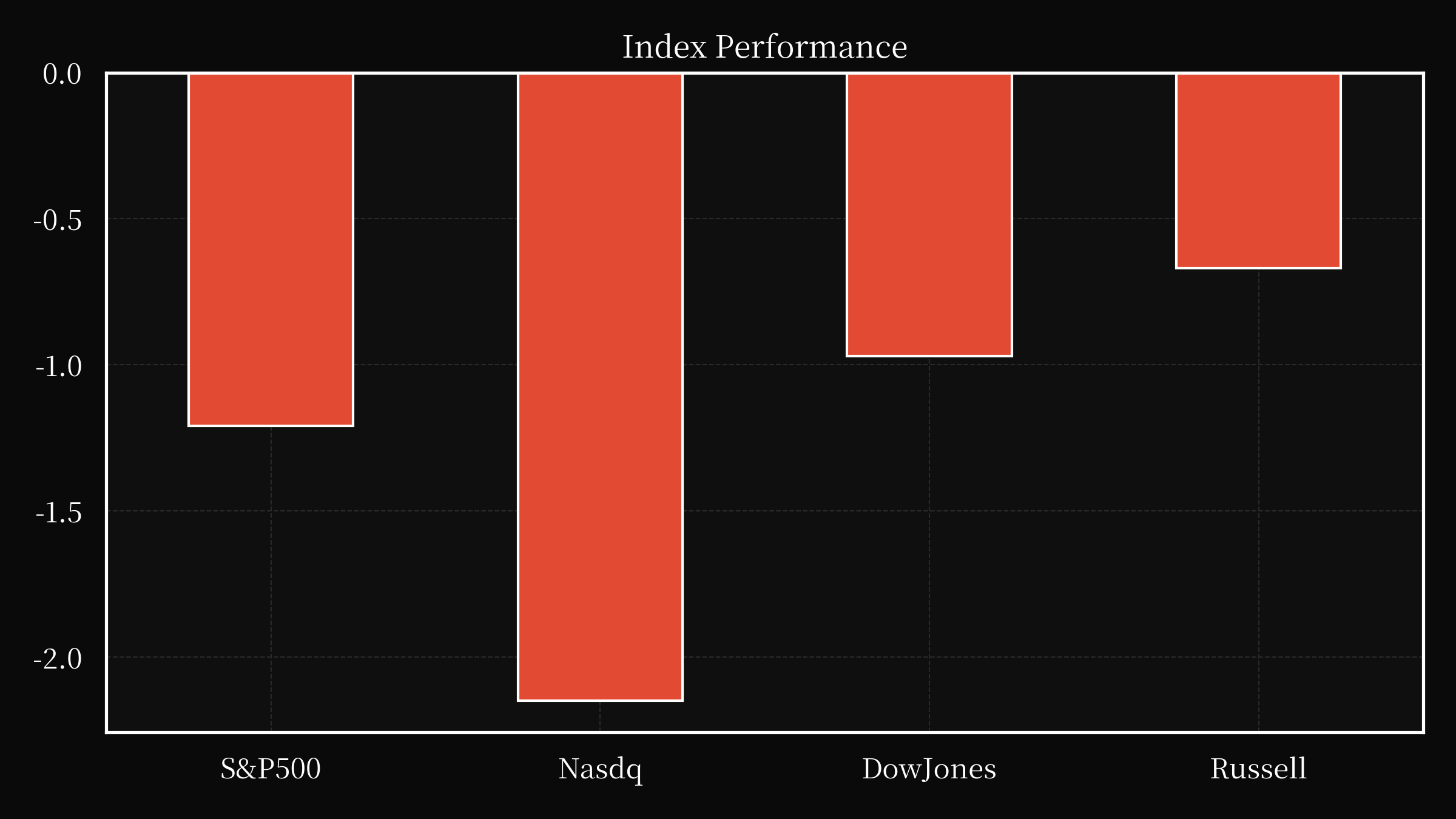
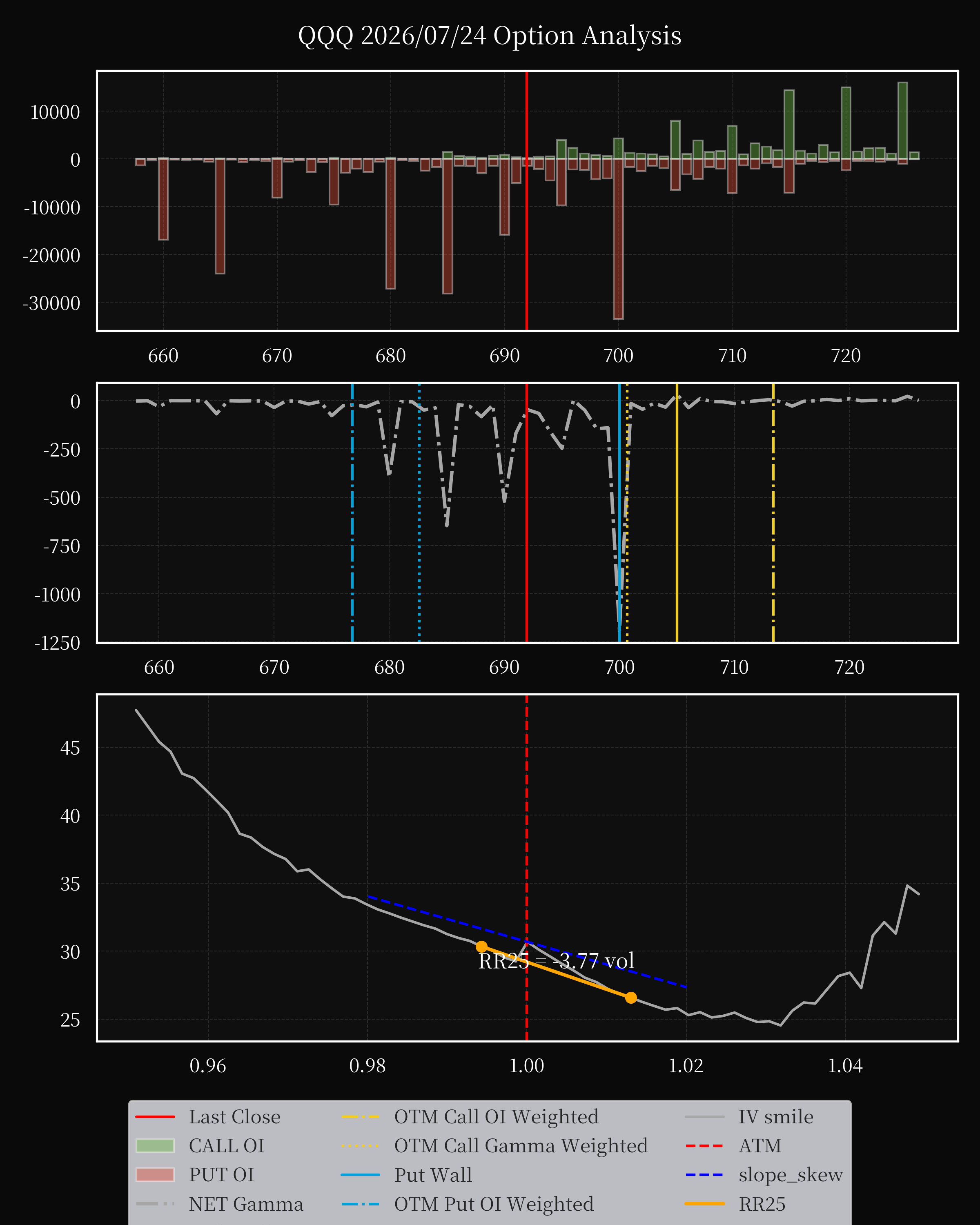
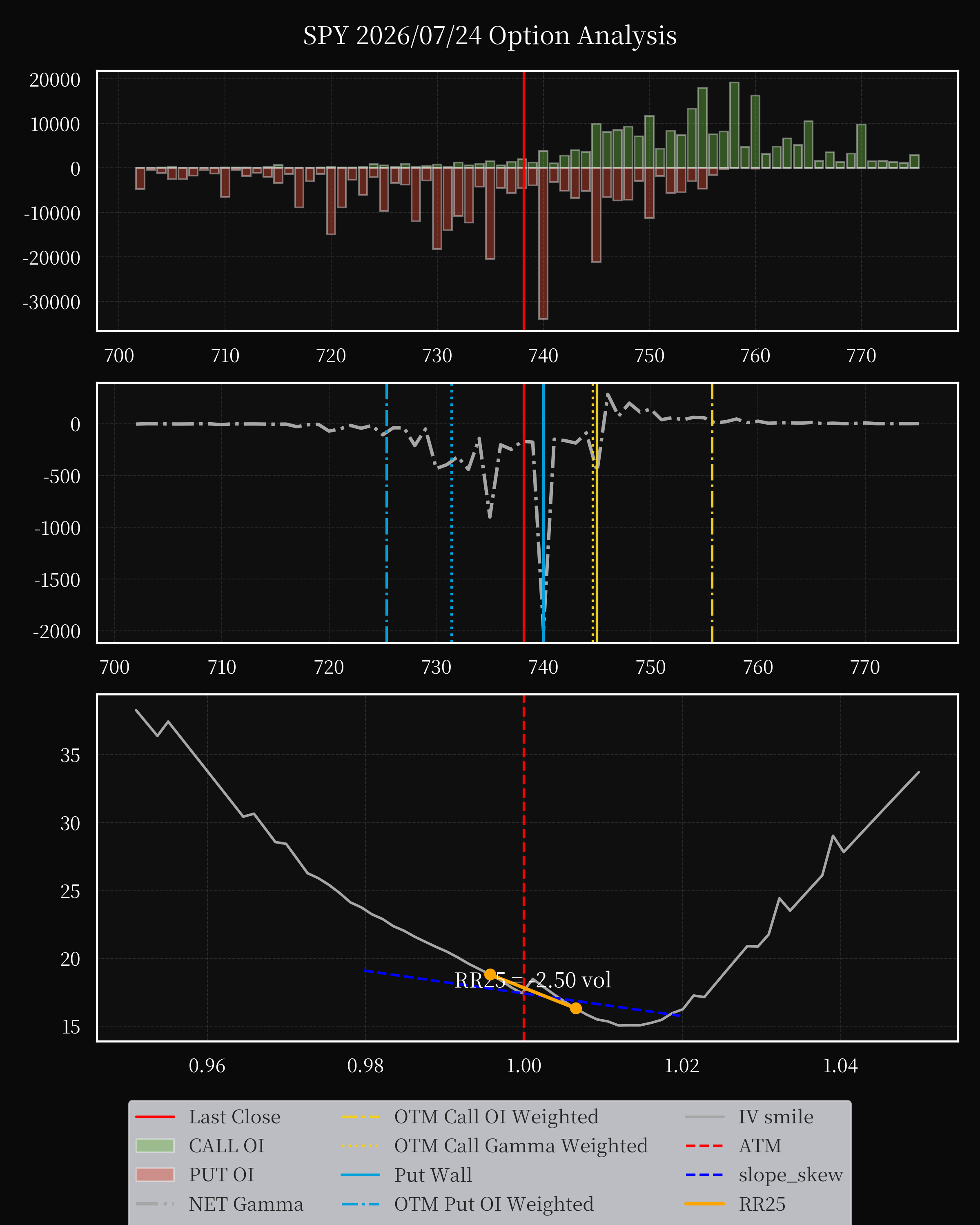
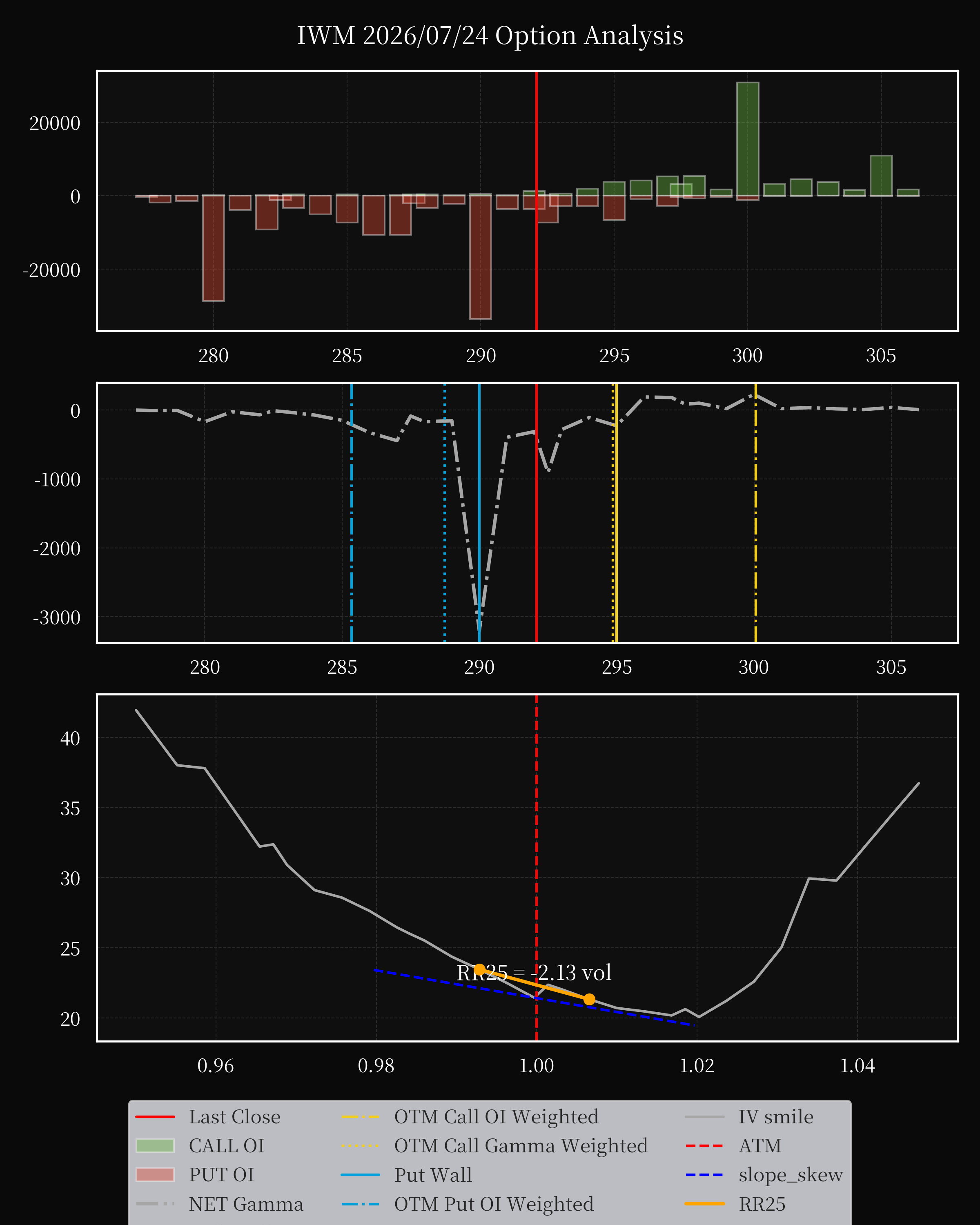
The U.S. equity markets experienced a pronounced decline on Thursday, driven by a confluence of factors including heightened concerns over artificial intelligence (AI) spending, escalating geopolitical tensions in the Middle East, and rising Treasury yields. The technology sector, particularly the Nasdaq Composite, bore the brunt of the selloff, with shares falling over 2%, while broader market indices such as the S&P 500 and Dow Jones Industrial Average also posted significant losses. This performance underscores the fragility of investor sentiment in the face of macroeconomic uncertainty and sector-specific headwinds.
The tech selloff was catalyzed by Alphabet Inc.’s revised capital expenditure plans, which highlighted a free-cash-flow deficit for the second quarter of the fiscal year. The company’s decision to increase spending on AI infrastructure, coupled with weaker-than-expected earnings, sent its stock into a steep decline of nearly 7% on the day. This reaction was amplified by the broader market’s skepticism toward the sustainability of AI-driven growth narratives, as investors reassessed the financial viability of aggressive capital investments in the absence of immediate revenue generation. The Nasdaq’s underperformance reflected a shift in sentiment, with traders prioritizing near-term profitability over long-term technological bets.
Simultaneously, Tesla Inc. faced severe pressure after reporting lower-than-anticipated profits and a free-cash-flow deficit for the first time in two years. The company’s capital spending surge, aimed at scaling electric vehicle (EV) production and advancing autonomous driving initiatives, further eroded investor confidence. Tesla’s shares plummeted 15% on the day, marking one of the steepest single-day declines in its history. The market’s reaction highlighted growing concerns about the company’s ability to balance expansion with financial discipline, particularly as competition in the EV sector intensifies and regulatory scrutiny escalates.
Geopolitical developments, particularly the escalating conflict between the United States and Iran, added to the market’s volatility. The Iran-U.S. tensions, exacerbated by attacks on Saudi oil tankers in the Red Sea, pushed Brent crude oil prices above $100 per barrel for the first time since May. This surge in energy costs not only disrupted global supply chains but also raised inflationary pressures, prompting fears of higher borrowing costs and reduced consumer spending. The resulting uncertainty weighed on risk assets, as investors recalibrated their exposure to commodities and equities amid the prospect of prolonged instability in the Middle East.
The U.S. Treasury yield market also reflected heightened risk aversion, with 10-year Treasury yields climbing to levels not seen since January 2025. This upward movement in interest rates, driven by expectations of prolonged Federal Reserve tightening, created dual pressures on the economy. Higher yields increased the cost of capital for corporations and households, while also elevating mortgage rates toward 7%, which could dampen housing demand. The interplay between rising yields and geopolitical risks underscored the market’s sensitivity to macroeconomic signals, as investors grappled with the implications of a potential Fed hold versus a more aggressive rate-hiking stance.
The broader implications of these developments extend beyond individual stocks and sectors. The tech sector’s underperformance signals a potential reevaluation of growth stocks, as investors reassess the balance between innovation and profitability. Meanwhile, the energy sector’s resilience amid rising oil prices highlights the enduring influence of commodity markets on macroeconomic trends. The Federal Reserve’s upcoming policy decision, influenced by mixed data on inflation and geopolitical risks, will likely serve as a critical determinant of market direction in the near term.
For investors, the confluence of these factors necessitates a nuanced approach to portfolio management. The tech sector’s volatility demands careful evaluation of companies’ financial health and strategic positioning, while energy exposure may offer both risks and opportunities amid shifting oil dynamics. Additionally, the interplay between interest rates and inflation requires close monitoring, as central bank actions could reshape the risk-return profile of fixed-income and equity assets. The market’s reaction to these developments underscores the importance of adaptability in navigating an environment characterized by rapid policy shifts and global uncertainties.
Looking ahead, the trajectory of the U.S. economy will hinge on the resolution of key geopolitical conflicts, the Federal Reserve’s response to inflationary pressures, and the ability of corporations to deliver on long-term strategic goals. The current selloff, while severe, may also present opportunities for investors willing to capitalize on market overreactions. However, the path forward remains contingent on the interplay of macroeconomic variables and the resilience of key sectors to external shocks. As the market recalibrates, the emphasis on fundamental analysis and risk management will be paramount in distinguishing between temporary disruptions and structural shifts.
The broader financial landscape also reflects the challenges of balancing growth and value investing. The tech sector’s struggles highlight the risks of overreliance on speculative narratives, while the energy sector’s performance underscores the enduring relevance of traditional industries in a transitioning economy. Investors must weigh these dynamics against the backdrop of evolving regulatory frameworks and technological advancements, which continue to reshape industry landscapes. The ability to discern between cyclical and structural trends will be critical in formulating strategies that align with long-term objectives.
In summary, the U.S. stock market’s recent decline reflects a complex interplay of sector-specific challenges, macroeconomic forces, and geopolitical risks. The technology sector’s vulnerability, the energy market’s volatility, and the Federal Reserve’s policy trajectory collectively illustrate the multifaceted nature of modern financial markets. As investors navigate this environment, a disciplined approach grounded in rigorous analysis and risk assessment will remain essential to achieving sustainable returns amid uncertainty. The coming weeks will likely test the resilience of portfolios and the adaptability of market participants in the face of an increasingly interconnected and unpredictable global economy.
Watch List
HFWA
As of July 6, 2026, First Washington Bank demonstrated solid financial performance, reporting assets of $8.4 billion and deposits of $7.0 billion, alongside $5.7 billion in loans receivable. The bank achieved a net income of $17.5 million with a net interest margin of 3.99%, reflecting a robust 76.5% efficiency ratio and an adjusted efficiency ratio of 63.9%. Return on average equity (ROAE) stood at 6.33%, while Return on average tangible common equity (ROATCE) averaged 13.29%, showcasing strong profitability and risk-adjusted returns. The bank’s institutional ownership is held at 85.9%. Strategically, First Washington Bank is focused on organic growth in key markets like Seattle and Portland, alongside disciplined risk management and operational improvements, having closed 36 branches since 2010. A recent acquisition of Olympic Bancorp in January 2026, adding $1.6 billion in assets, further bolstered its position. The bank maintains a leverage ratio of 10.4% and a total capital ratio of 13.4%, indicating a healthy capital base. Notably, adjusted ROATCE averaged 12.0% from 2023 to 2025. The loan portfolio is diversified with 55% tied to the FHLB index and 23% to Prime, reflecting a weighted average rate of 5.14% for fixed-rate loans. Looking ahead, the bank aims to maintain this trajectory with a focus on continued M&A activity, targeting IRR returns above 15% with earnbacks.
VENU
Venu Holding Corporation has secured a $20 million bridge loan from Ryan, LLC, secured by a first lien on its assets, including properties in Broken Arrow, Oklahoma, McKinney, Texas, and El Paso, Texas, as well as FireSuite receivables. The loan, guaranteed by the company’s CEO, carries an 18% annual interest rate payable in kind and is due within 90 days of the closing date. The company intends to use the funds to finance construction costs for its amphitheaters. As security, the lender received a subordination agreement from Pueblo Bank & Trust, primarily due to the company’s SHC Property serving as collateral under both the Pueblo Facility and the Note. The Note includes customary Events of Default and requires the company to make mandatory prepayments from anticipated funding programs and FireSuite receivables. Furthermore, a modification to the existing Loan Documents with Pueblo Bank & Trust was executed to facilitate the Note’s terms, expanding the definition of “Permitted Liens” and clarifying restrictions on borrowings and guaranties. The company’s chief executive officer personally guaranteed the Note, and the lender received a consent from Pueblo Bank & Trust confirming the Note’s compliance with the existing Pueblo Facility.
COLB
Columbia Bank’s second quarter 2026 earnings presentation highlights a strong performance driven by its strategic focus on the Western United States. The bank achieved a net income of $208 million, demonstrating continued profitability and solid credit quality. Key factors contributing to this success include a granular, low-cost deposit base cultivated through its “Business Bank of Choice” strategy, a robust and diversified loan portfolio, and a significant presence in attractive Western markets like Seattle, Portland, and Phoenix. Columbia’s footprint, encompassing 350 branches across the West and Texas, provides a competitive advantage, particularly in densely populated metropolitan areas where the bank is actively gaining market share. The bank’s strong capital ratios, exceeding regulatory minimums, further support its long-term growth strategy and ability to return capital to shareholders. Notably, Columbia maintains a significant market share in the Northwest, ranking as the top regional bank in that area. Looking ahead, Columbia is focused on continued organic growth, leveraging its established franchise and expanding its presence in key Western markets. The bank’s management team emphasized a disciplined approach to credit risk management and a commitment to maintaining strong relationships with its customers, underpinned by a robust and diversified loan portfolio. The bank’s financial performance reflects its strategic positioning and operational excellence within the dynamic Western banking landscape.
ALBT
Change Agents Corporation has entered into an Equity Purchase Agreement with Hudson Global Ventures, LLC, establishing a commitment to purchase up to $10 million in Common Stock over a three-year period at a price of $0.30 per share. This arrangement includes put options with minimum purchase amounts and maximum limits, subject to various conditions such as Nasdaq shareholder approval and beneficial ownership restrictions. A key component of the deal involves a stock purchase warrant issued to the investor, potentially allowing for the acquisition of up to 925,925 shares of Common Stock. Critically, the agreement includes a “buyout” provision triggered if stockholder approval isn’t obtained by a specified deadline, offering the investor $250,000 in cash. Furthermore, the company has executed a Registration Rights Agreement to facilitate the registration of the shares for public sale. The entire transaction is subject to regulatory approvals and detailed in accompanying agreements filed as exhibits to the Form 8-K.
WKC
World Kinect Corporation announced a strong second quarter of 2026, achieving a record gross profit of $365 million, an adjusted gross profit of $350 million, and GAAP net income of $48 million, or $0.94 per diluted share. Driven by elevated jet fuel prices and the Universal Trip Support Services acquisition, the company’s commercial segment saw a 51% increase in gross profit to $208 million. The land segment also reported significant gains, with a gross profit of $77 million and income from operations of $6 million, largely due to portfolio transformation. Furthermore, the marine segment experienced a gross profit of $80 million, a 195% year-over-year increase fueled by bunker fuel prices and market volatility. As a result of these positive results, World Kinect raised its full-year Adjusted Earnings Per Share (EPS) guidance to a range of $3.20 to $3.40, representing an approximately 20% increase from its previous forecast. The company repurchased $14 million of common stock and increased its quarterly cash dividend by 15%. Ira Birns, CEO, highlighted the company’s ability to capitalize on market volatility, while Mike Tejada, CFO, emphasized the impact of streamlined operations and favorable market conditions. The company’s financial performance reflects a strategic focus on core businesses and a commitment to returning capital to shareholders, demonstrating resilience in a challenging global environment.
THAR
Canton Strategic Holdings, Inc. recently completed a strategic transaction involving its wholly-owned subsidiary, Gravitas Life Sciences, LLC, a clinical-stage biotech focused on immunology and inflammation therapeutics. As part of the deal, the Company sold all membership interests in Gravitas to an affiliate group led by former directors, Vincent LoPriore, Sireesh Appajosyula, and Gary Stetz, for $3.5 million. This transaction involved converting Gravitas from a corporation to a Delaware limited liability company and included the transfer of assets related to bispecific antibody development through a Bill of Sale. To facilitate the acquisition, Canton Strategic issued a $3.5 million note with a 15% annual interest rate, compounded semi-annually and subject to mandatory and optional prepayment mechanisms, maturing in July 2029. Concurrently, release agreements were executed with certain individuals. The transaction was approved by Canton Strategic’s special committee and full board of directors. Following the closing on July 17, 2026, the company issued a press release announcing the completion of the deal, which is attached as an exhibit. Furthermore, unaudited pro forma financial statements for the periods ending March 31, 2026 and December 31, 2025, along with a balance sheet as of March 31, 2025, were also filed as exhibits to provide further context.
EBC
Eastern Bankshares, Inc. announced its second-quarter 2026 financial results, reporting a net income of $0.48 per diluted share, which included non-operating merger-related costs, and an operating net income of $0.49 per diluted share, marking a record. The bank’s return on average assets stood at 1.37% and return on average tangible common equity at 15.3%, driven by a 3-basis-point expansion in the net interest margin to 3.66% due to higher asset yields. Loan growth reached 1.4%, fueled by strong Commercial & Industrial lending, while deposits increased by 3.2% due to seasonal municipal inflows and overall growth. Wealth assets reached a record $11.5 billion, including $10.6 billion in assets under management, and the company returned $105.8 million to shareholders through a 5% share repurchase program amounting to $72.7 million. Operating net income increased by 20% compared to the prior quarter, reflecting positive operating leverage and a 49% operating efficiency ratio. The company’s net interest income rose to $251.9 million, supported by diversified fee revenue growth, including significant increases in Wealth Management fees and interest rate swap income. Non-interest expense decreased by $30.7 million, largely due to synergies from the HarborOne merger. The board approved a new 5% share repurchase program, and the company declared a quarterly cash dividend of $0.15 per share. Eastern Bankshares continues to focus on organic growth and shareholder returns, with a strong customer base and a commitment to its community.
CUBB
Customers Bancorp reported a strong second quarter of 2026, achieving a net income of $71.6 million, or $2.05 per diluted share. Core earnings were also $71.5 million, reflecting continued strategic execution and the impact of artificial intelligence (AI) initiatives. The bank’s total deposits increased by 14.5% to a record $21.7 billion, driven by growth in non-interest bearing deposits reaching a record $6.9 billion. Simultaneously, total loans increased by 3.6% and 16.9% respectively, also reaching record levels at $18.0 billion. Efficiency ratios saw a decline, indicating improved operational effectiveness. The bank highlighted significant progress in integrating AI across its operations, exemplified by a commercial loan closing process now completed in seven days, down from previous timelines, and positive revenue gains through AI-enhanced prospecting. The cubiX payments platform continued to scale, surpassing $5 trillion in cumulative transaction volume, with particularly strong performance in the real estate vertical. Loan and lease growth was robust, driven by multiple verticals and exceeding industry averages. The bank’s balance sheet grew by 2.5%, and it repurchased 92,804 shares of common stock. Asset quality remained strong, with a NPA ratio of 0.32%, and the TCE/TA ratio increased to 8.3%. Looking ahead, Customers Bancorp reaffirmed its 2026 guidance, focusing on continued AI deployment, expansion of its payments capabilities, and sustained portfolio growth, while maintaining a strong capital base and risk management standards. The bank’s total revenues increased by 10% year-over-year and core expenses increased by 8% year-over-year.
OVLY
Oak Valley Bancorp reported a mixed second-quarter performance, with consolidated net income decreasing to $5.11 million, or $0.61 per diluted share, compared to $5.31 million, or $0.64 per share, in the prior quarter and $5.59 million, or $0.67 per share, a year ago. This decline was primarily driven by increased non-interest expenses and lower non-interest income, partially offset by gains in net interest income and a reduced credit loss provision. The bank’s average earning assets grew by 4.0% during the quarter, contributing to a net interest margin of 4.15%. Loan growth, totaling $18.26 million and $55.86 million over the last twelve months, supported this expansion. Despite a decrease in total assets and deposits, the company maintained a strong liquidity position. Notably, the bank reduced non-performing assets, primarily through a charge-off on a previously troubled loan, and decreased its allowance for credit losses. Following this review, Oak Valley Bancorp’s Board of Directors declared a cash dividend of $0.375 per share, slated for payment on August 14, 2026. The company continues to focus on customer growth and relationship-based banking within its 19 branch network across California and the Eastern Sierra region.
THRM
Gentherm Incorporated recently announced its second-quarter 2026 financial results, alongside an updated full-year 2026 guidance, details of which were released in a news release attached as Exhibit 99.1. The company intends to hold a conference call on July 23rd to discuss these results and the updated guidance. Simultaneously, Gentherm has terminated its $150 million 2024 stock repurchase program, effective July 27th, leaving $110.1 million in remaining authorization. This action is occurring in conjunction with ongoing discussions surrounding a proposed transaction involving Gentherm, Modine Manufacturing Company, and Modine’s Performance Technologies business, SpinCo. Relevant filings, including a Form S-4 registration statement and a Form 10 filing by SpinCo, have been submitted to the SEC. It’s important to note that these forward-looking statements are subject to considerable risk and uncertainty, potentially impacting the success of the proposed transaction and the companies’ overall performance. Readers are advised to carefully consider these risks before making any investment decisions.
IanFV (www.ianfv.com) is the world's first pure-blood, neutral research institution built on LLM (Large Language Models) specifically for individual investors. Founded by a top-tier team with backgrounds from Tsinghua, Harvard, Morgan Stanley, and UBS, we are committed to breaking down high-priced information barriers and providing institutional-grade investment research at affordable prices. Unlike traditional institutions, IanFV does not serve big-money sponsors or inflate market bubbles. Leveraging a proprietary knowledge graph and a fully localized deployment architecture, we achieve a differentiated competitive advantage through light assets and high efficiency. Our research reports refuse to "sell dreams": valuation reports are based on point-in-time intervals rather than reverse-engineered numbers; industry reports focus relentlessly on real trends over the next six to twelve months; and in-depth reports penetrate market bubbles to strike at the core of corporate survival moats—all to ensure investors hold the most authentic research cards in the secondary market.