Overall
The U.S. equity markets concluded the week with a nuanced performance, marked by divergent sectoral trends and heightened sensitivity to macroeconomic and geopolitical developments. Intel’s quarterly results, which exceeded expectations, failed to inspire optimism in its stock, which slipped 7.9% on the day, reflecting broader investor skepticism toward AI-driven narratives that lack clear monetization pathways. This underscores a critical market dynamic: while technological innovation remains a cornerstone of long-term growth, short-term valuations are increasingly contingent on tangible returns rather than speculative potential. The company’s struggles, compounded by the broader tech sector’s underperformance, highlight the challenges of balancing R&D investments with profitability, particularly in an environment where capital expenditures are escalating amid competitive pressures.
The energy market experienced a notable shift as Brent crude prices retreated below $97 per barrel, a 3.9% decline from the $100 threshold, driven by renewed optimism over U.S.-Iranian diplomatic progress. This development, though positive for oil prices, introduced volatility into energy markets, as the interplay between geopolitical stability and supply dynamics remains a key determinant of price trajectories. Concurrently, the Federal Reserve’s upcoming interest-rate decision, with expectations of a hold but lingering risks of a hike, added another layer of uncertainty. The market’s reaction to this duality—balancing inflationary pressures against the potential for tighter monetary policy—reflects a broader recalibration of risk appetite, as investors weigh the implications of higher borrowing costs on corporate earnings and economic growth.
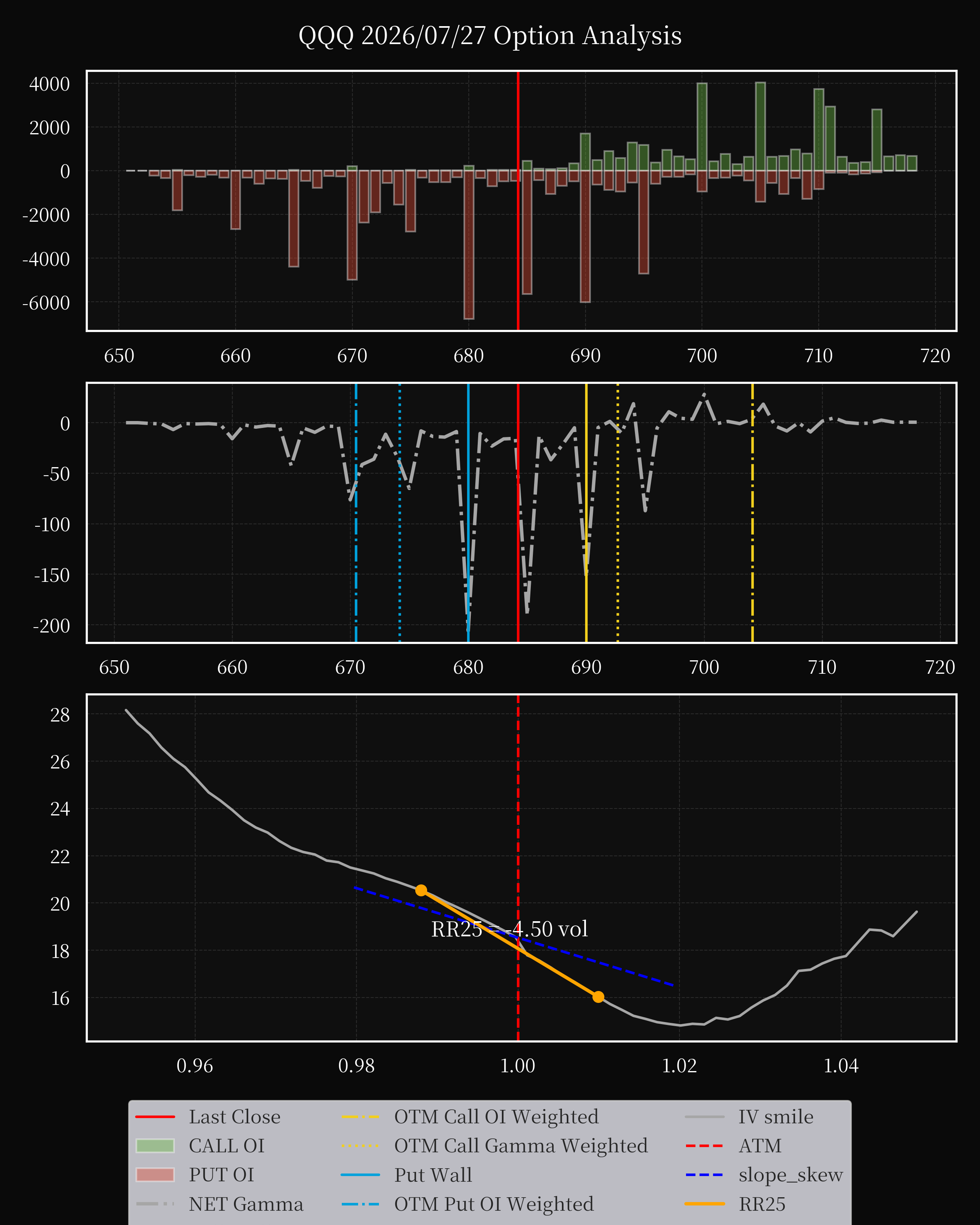
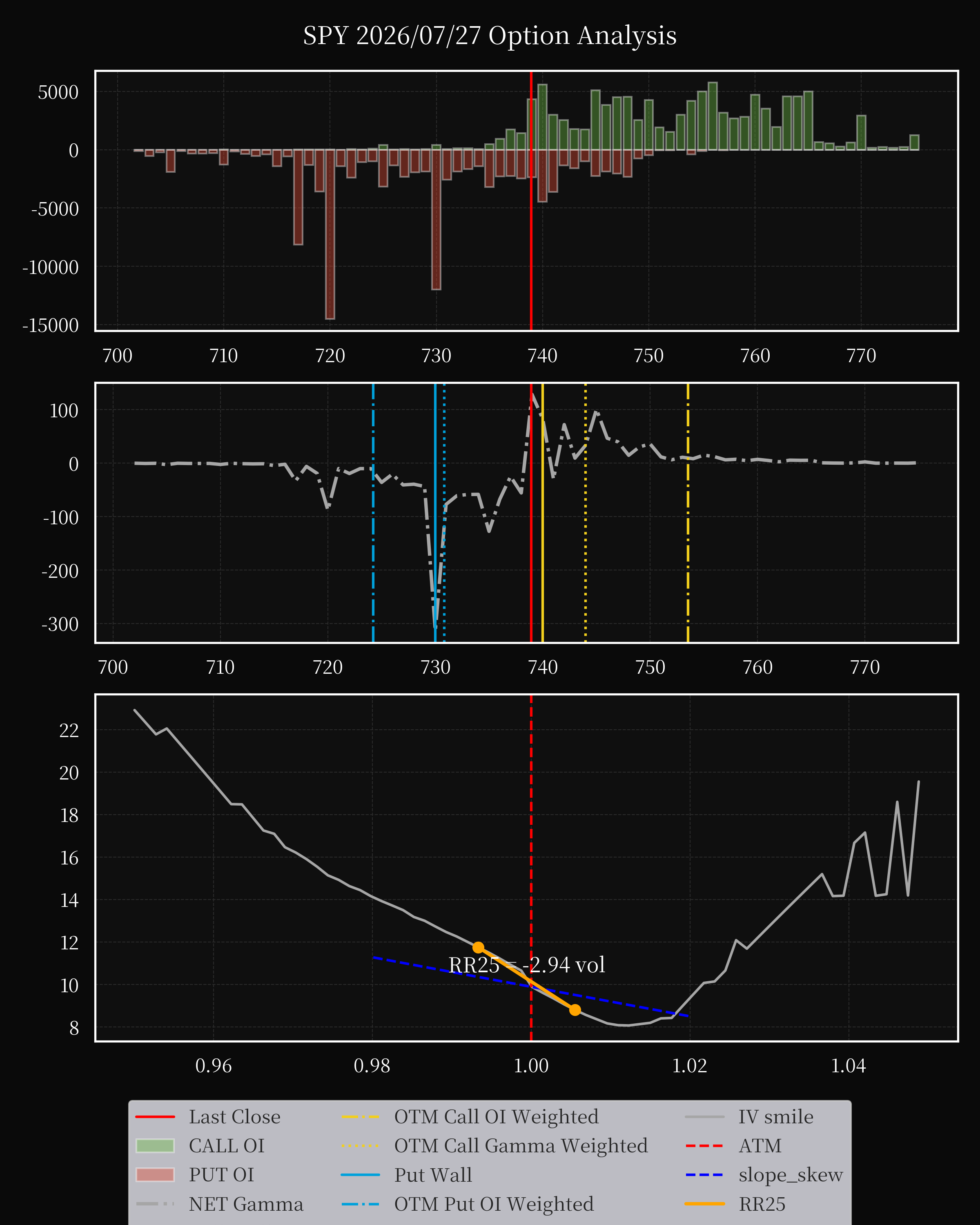
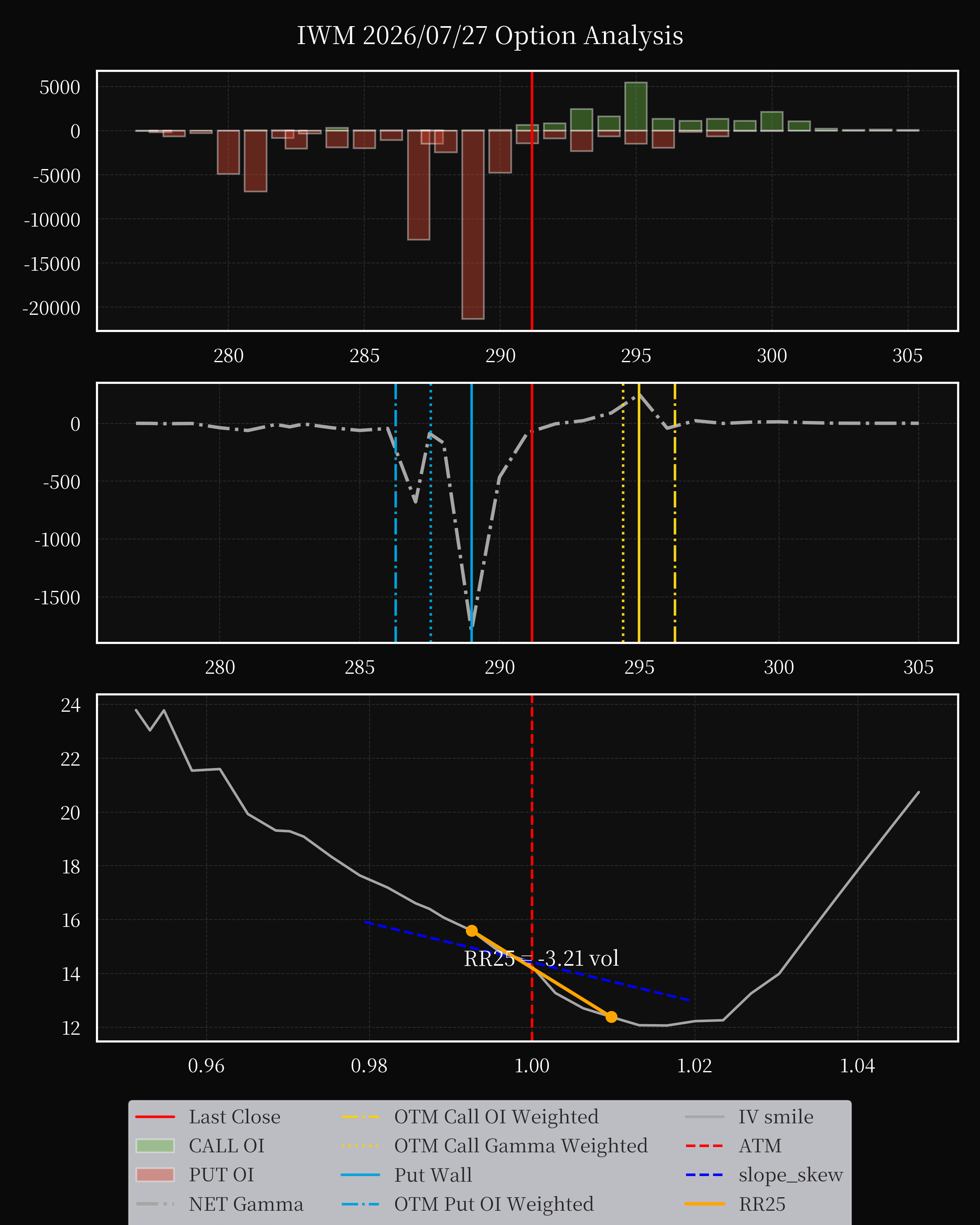
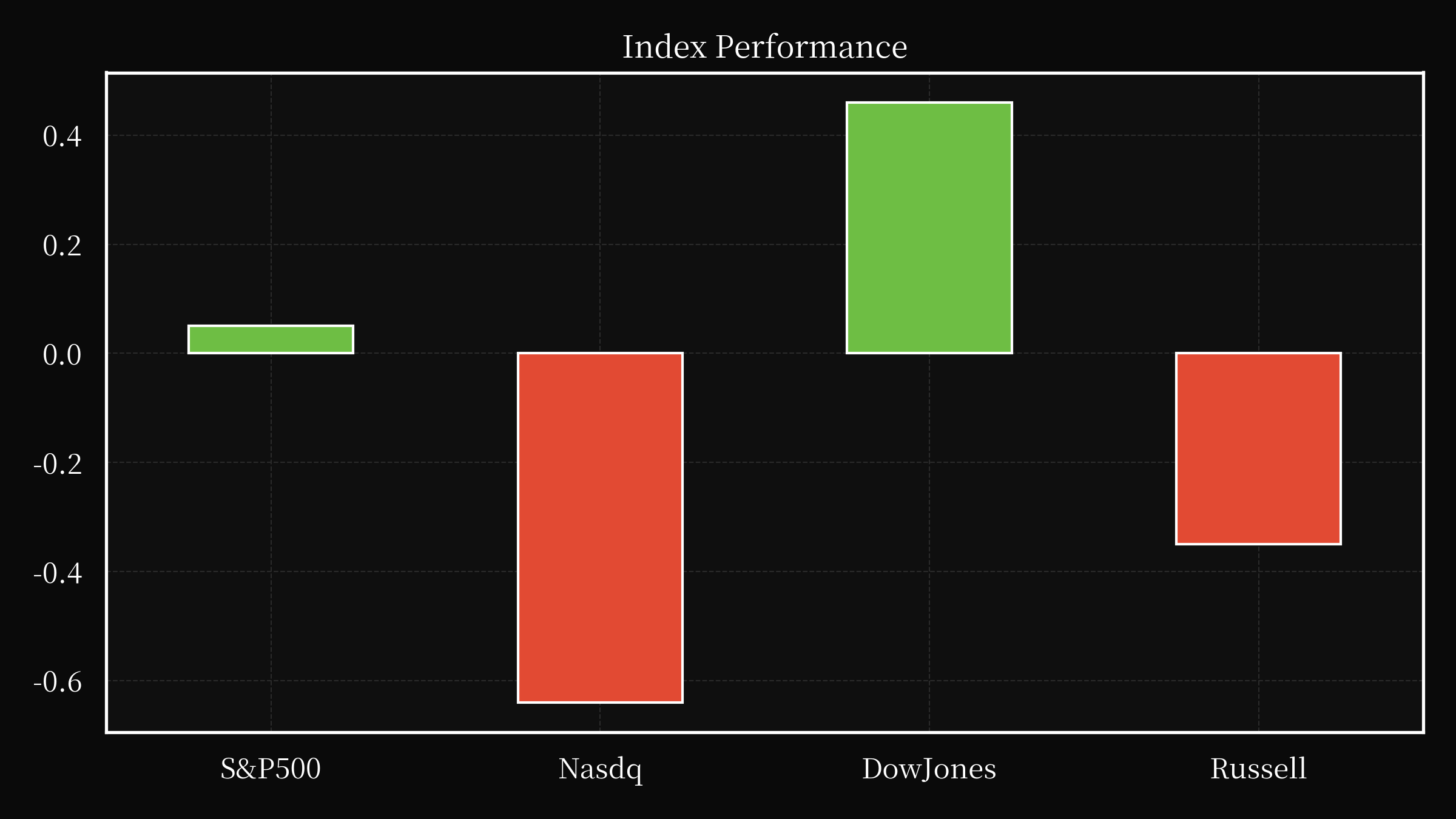
Sectoral performance further illustrated the market’s fragmented outlook. The Nasdaq Composite, heavily weighted toward technology stocks, fell 2.1% for the week, its worst two-week decline since April 2025, as concerns over AI spending and valuation multiples intensified. In contrast, the S&P 500 and Dow Jones Industrial Average posted modest gains, signaling resilience in traditional sectors amid the tech sector’s turbulence. The latter’s 0.4% weekly decline, its third consecutive week of underperformance, underscored the challenges of sustaining momentum in a market where growth stocks face increasing scrutiny over their ability to justify elevated price-to-earnings ratios.
The week also saw significant corporate developments that influenced market sentiment. SpaceX’s stock, despite a strong initial post-IPO surge, continued to struggle, closing near $115.00, with analysts projecting further declines as the lockup period approaches. This trajectory highlights the risks associated with high-growth, capital-intensive ventures, where the gap between ambitious projections and operational realities can erode investor confidence rapidly. Similarly, Tesla’s stock, which had already been under pressure due to capital expenditure revelations, faced additional headwinds, reflecting broader concerns about the sustainability of its expansionary strategies.
On the policy front, the Trump administration’s renewed emphasis on trade protectionism, exemplified by the introduction of new tariff regimes, introduced additional complexity. While the administration framed these measures as a response to perceived trade imbalances, the potential for retaliatory actions and legal challenges poses risks to global supply chains and corporate profitability. The interplay between these policy shifts and market dynamics illustrates the growing influence of geopolitical factors on financial outcomes, as investors recalibrate their exposure to regions and industries vulnerable to regulatory shifts.
The upcoming earnings season, with major companies like Meta, Amazon, and Microsoft set to report, will likely amplify these trends. The sector’s focus on AI-driven investments, while promising, remains fraught with uncertainty, as the path to profitability for these technologies is still unproven. Meanwhile, the Federal Reserve’s policy decisions and the release of key economic indicators, such as the personal consumption expenditures price index, will continue to shape market expectations, reinforcing the need for a disciplined approach to risk management.
In this context, the market’s performance reflects a broader recalibration of priorities, where investors are increasingly prioritizing fundamentals over speculative narratives. The interplay between technological innovation, geopolitical risks, and monetary policy underscores the complexity of navigating today’s financial landscape, requiring a nuanced understanding of both macroeconomic forces and micro-level corporate developments. As the week progresses, the ability to discern between short-term volatility and long-term value creation will remain critical for investors seeking to capitalize on evolving market conditions.
The convergence of these factors—AI’s transformative potential, energy market fluctuations, monetary policy uncertainty, and geopolitical tensions—paints a picture of a market in transition, where traditional metrics and strategic foresight must coexist. For institutional investors, this period demands a heightened focus on sector-specific dynamics, regulatory developments, and the broader economic backdrop, as the interplay of these elements continues to shape the trajectory of global financial markets. The challenge lies not only in interpreting the immediate implications of these events but also in anticipating their long-term consequences for capital allocation and portfolio construction.
Ultimately, the week’s outcomes highlight the inherent unpredictability of financial markets, where even the most robust fundamentals can be overshadowed by external shocks or shifting investor sentiment. The emphasis on earnings reports and policy updates serves as a reminder of the importance of adaptability, as market participants must continuously reassess their strategies in response to an ever-evolving landscape. For those capable of synthesizing these complex variables, the opportunity to identify mispricings and capitalize on emerging trends remains significant, albeit tempered by the inherent risks of an environment defined by uncertainty.
The interplay between technological progress, geopolitical tensions, and monetary policy will likely remain a defining feature of market dynamics in the near term. As investors navigate this landscape, the ability to distinguish between transient volatility and structural shifts will be paramount. The lessons of the week—marked by divergent sectoral performances, regulatory uncertainties, and the persistent influence of macroeconomic forces—reinforce the need for a balanced, evidence-based approach to investing, one that acknowledges both the potential and the pitfalls of innovation-driven growth. In this context, the market’s resilience will be tested not only by its capacity to absorb shocks but also by its ability to channel capital toward sustainable, value-creating opportunities.
The broader implications of these developments extend beyond individual stocks and sectors, influencing the overall trajectory of economic growth and financial stability. The interplay between corporate strategies, central bank policies, and geopolitical realities will continue to shape the contours of market behavior, demanding a proactive and informed approach from investors. As the week concludes, the focus will shift toward the next phase of earnings reports and policy announcements, each poised to further refine the market’s direction. In this evolving environment, the capacity to synthesize information, anticipate trends, and manage risk will remain the cornerstone of successful investment strategies.
The convergence of these factors—technological disruption, geopolitical recalibration, and monetary policy uncertainty—highlights the complexity of modern financial markets, where no single variable operates in isolation. The challenge for investors lies in integrating these elements into a coherent framework, one that balances short-term volatility with long-term objectives. As the market moves forward, the ability to discern between speculative hype and substantive value will determine the effectiveness of any investment strategy, reinforcing the enduring relevance of rigorous analysis and disciplined decision-making in an increasingly interconnected global economy.
Watch List
AXP
American Express Company (Amex) reported its second-quarter 2026 financial results, highlighting several key factors impacting its performance and future outlook. The company’s ability to achieve its earnings per share (EPS) guidance and future growth hinges on revenue growth, credit performance, expense management, and continued investment in strategic initiatives like brand enhancements, technology, and partnerships. However, Amex faces significant headwinds, including macroeconomic and geopolitical uncertainties – such as a potential slowdown in global economic growth, the ongoing Middle East conflict, and fluctuations in interest rates and inflation – which could negatively impact consumer and business confidence and spending patterns. Specific risks include challenges related to card member attrition, the success of product refreshes, and the ability to maintain competitive merchant acceptance rates. The company’s net interest income is sensitive to changes in Card Member spending and borrowing behavior, as well as interest rate movements. Furthermore, Amex acknowledges potential impacts from technological advancements like artificial intelligence, regulatory changes affecting card fees, and increased competition within the payments industry. The company’s ongoing international expansion, particularly regarding the acquisition of TheFork, is also subject to regulatory hurdles and geopolitical risks. Finally, Amex recognizes the potential for unforeseen events, including legal costs, natural disasters, and broader economic instability, to disrupt its operations and financial results.
VRA
This Executive Severance Plan Agreement, effective July 24, 2026, between Vera Bradley Designs, Inc. and an executive, outlines a plan to incentivize continued employment and ensure objectivity amidst potential termination or a Change in Control. The Board determined this agreement is in the Company’s best interest to secure the executive’s dedication, particularly given the possibility of termination or a Change in Control. The agreement establishes an initial term until March 31, 2029, with potential extensions, and provides for severance benefits including 12 months of base salary (less taxes), accrued bonus payments, and COBRA coverage (up to 12 months) if the executive qualifies for group health coverage through a new employer or spouse’s plan. Additionally, the agreement includes a vesting of 414,439 restricted stock units (RSUs) and a pro-rated vesting of other RSU grants. Crucially, the agreement clarifies that the executive’s at-will employment status remains unchanged, and the severance benefits are contingent upon the executive’s resignation for “Good Reason” or the Company’s termination without cause. A six-month period preceding a Change in Control triggers an additional severance payment of six months’ base salary. The agreement also includes restrictive covenants regarding solicitation of clients, employees, and vendors, along with confidentiality obligations. In the event of a breach of the agreement, the Company’s obligation to pay benefits terminates upon the executive’s eligibility for other group health coverage. Finally, the agreement contains provisions for notice, governing law, and attorney’s fees, emphasizing the importance of compliance and the agreement’s role in safeguarding the Company’s business interests.
UBCP
United Bancorp, Inc. (UBCP) reported a strong performance for the second quarter and first six months of 2026, demonstrating increased earnings and solid overall results. Diluted earnings per share reached $0.36 for the second quarter, a 9.4% increase over the prior year, and $0.69 for the first six months, up 5.8% year-over-year. Net income also rose, with $2.095 million for the quarter and $4.06 million for the first six months. Chief Financial Officer Greenwood highlighted the company’s focus on future growth, acknowledging that transformative projects were currently dilutive to earnings. Despite heightened economic uncertainty and geopolitical risks, UBCP’s total assets increased by $30.1 million, driven by a $44.0 million growth in deposits, primarily from lower-cost funding sources. Interest expense decreased by 5.1% due to attracting these lower-cost deposits and the maturity of a Federal Home Loan Bank advance. Net interest income rose by 5.2% to $673,000, and the net interest margin expanded by 17 basis points to 3.82%. Chairman and CEO Everson emphasized continued investments in infrastructure, including the successful launch of a new banking center in Wheeling, West Virginia, and ongoing development of technology solutions, including an AI-powered customer service platform and omnichannel account opening capabilities. The company also maintained a strong credit quality, with nonaccrual loans remaining stable at $6.9 million, and net loan charge-offs at zero percent. Finally, UBCP increased its dividend by 5.4% and maintained a strong capital ratio of 8.7% of average assets, signaling confidence in the company’s financial health and future prospects.
TMP
Tompkins Financial Corporation reported a record third consecutive quarter of financial results, with diluted earnings per share reaching $2.04 in the second quarter of 2026, up 36.0% compared to the prior year. Net income for the quarter rose to $29.3 million, a 36.5% increase from the second quarter of 2025, and a 12.4% increase from the immediate prior quarter. Year-to-date results also showed significant growth, with diluted earnings per share up 34.5% and net income up 34.6% compared to 2025. The company’s president and CEO, Stephen Romaine, highlighted continued momentum driven by improving profitability and loan and deposit growth. As a result, the company increased its dividend by 13% for the third quarter of 2026. Net interest margin remained steady at 3.58%, up 50 basis points from the prior year. Total loans increased by $119.2 million, and deposits by $313.3 million, reflecting strong growth across the portfolio, particularly in commercial real estate and commercial and industrial loans. The company’s average cost of funds decreased to 1.68%, and its regulatory Tier 1 capital to average assets reached 10.69%. Non-interest income declined due to the sale of its insurance subsidiary, but fee-based service income saw increases. Non-interest expense decreased by 8.8% due to the same sale. Overall, Tompkins Financial Corporation maintained a strong liquidity position and a robust capital base, demonstrating continued financial strength and stability.
BNAI
Brand Engagement Network, Inc. recently reported significant capital activity for the period of July 1st to July 22nd, 2026, resulting in a substantial improvement to its balance sheet. The company executed a conversion agreement with BEN Capital Fund I, LLC, converting $53,150 in outstanding advances into 4,011 shares of common stock at $13.25 per share. Additionally, the company received approximately $460,867.30 from equity issuances and warrant exercises, alongside $310,822.90 from shareholder warrant exercises. A Stock Purchase Agreement exercise and further warrant exercises contributed $150,044.40 and $275,000 respectively. Notably, the CEO’s deferred compensation was converted into equity via an Employee Stock Election Form, totaling $275,000. These transactions, including debt-to-equity conversions and equity issuances, generated a total balance sheet improvement of approximately $789,017.30 without requiring additional cash expenditures. The company emphasized that these forward-looking statements are subject to risks and uncertainties, and actual results may differ materially from expectations. Investors are advised to review the company’s risk factors outlined in its 10-K report for a comprehensive understanding of these potential impacts.
COFS
ChoiceOne Financial Services, Inc. recently issued a press release (incorporated as Exhibit 99.1 to this Form 8-K) detailing a company announcement made on July 24, 2026. While this filing is furnished to the Securities and Exchange Commission and not formally filed, it serves to disseminate key information to investors and stakeholders. The specific content of the press release, which is attached as Exhibit 99.1, represents the core announcement driving this Form 8-K filing. Readers are directed to review the attached press release for comprehensive details regarding the announcement made by ChoiceOne Financial Services, Inc. on July 24, 2026.
LW
Lamb Weston Holdings, Inc. announced strong fiscal year 2026 results, exceeding high-end guidance with net sales up 2% to $6.612 billion and Adjusted EBITDA surpassing expectations. The company’s performance was driven primarily by robust North American volume growth, a key element of its “Focus to Win” strategy, which demonstrated success in securing new customer contracts and strengthening existing relationships. Despite challenges in the EMEA region due to the Middle East conflict and input cost inflation, Lamb Weston effectively mitigated these issues through operational improvements and cost savings initiatives. Looking ahead, the company’s focus remains on continued growth and efficiency, highlighted by the ongoing Cost Savings Program and strategic investments. Fiscal 2026 saw a 9% increase in sales volume, fueled by customer wins and share gains, while price/mix faced headwinds. Adjusted EBITDA increased due to volume growth and cost reductions, reflecting the company’s commitment to operational excellence. The company also benefited from the addition of a 53rd week in the fiscal year, contributing $1.147 billion in net sales and $1.14 billion in Adjusted EBITDA. Lamb Weston anticipates continued progress with its strategic initiatives, projecting Adjusted Income from Operations between $720 million and $800 million for fiscal 2027, alongside a focus on capital efficiency and shareholder returns.
ELME
Elme Communities, through its Riverside Apartments LLC subsidiary, is finalizing the sale of Riverside Apartments in Alexandria, Virginia, to FPA Multifamily, LLC for $250 million, subject to customary adjustments. The transaction, outlined in the Riverside Agreement, includes a $4 million earnest money deposit and a projected closing by September 14, 2026, pending customary conditions. Following this sale, Elme is actively pursuing the liquidation of its remaining properties, aiming to sell four more for approximately $418 million. The Trust has already sold six properties post-Cortland Partners portfolio sale and entered into agreements for the remaining four. Updates to the Trust’s liquidation plan, detailed in a July 24th press release, revised estimates for distributions, incorporating actual sales proceeds, transaction costs, and debt repayment schedules for its $520 million senior secured term loan. These estimates, which include assumptions regarding operating costs, REIT compliance, and potential delays, are subject to significant uncertainties including market fluctuations, regulatory approvals, and potential litigation. Additionally, the Trust finalized the sale of Elme Bethesda to CAPREIT Acquisition Corporation, amending the Bethesda Agreement to allow for a closing by August 11, 2026, following Montgomery County’s compliance certification. The estimated range of Additional Liquidating Distributions, based on approximately 88.9 million shares outstanding, is subject to considerable fluctuation and carries significant risks, highlighting the uncertainties surrounding the Trust’s wind-down and liquidation process.
NAMS
NewAmsterdam Pharma Company N.V. has announced a significant development in its strategic partnership with the Menarini Group, receiving a favorable opinion from the Committee for Medicinal Products for Human Use (CHMP) of the European Medicines Agency. This positive opinion paves the way for marketing authorization for two key products: Ubeslo® (obicetrapib monotherapy) and Evlarco® (obicetrapib plus ezetimibe fixed-dose combination). The approval represents a major step forward for both companies and signals confidence in the potential of obicetrapib in treating cardiovascular disease. A copy of the press release detailing this announcement, which is now filed as Exhibit 99.1, was released on July 24, 2026, and is incorporated into this Form 8-K filing as Item 8.01. This development underscores NewAmsterdam Pharma’s ongoing efforts to advance its pipeline and expand its reach within the European pharmaceutical market, particularly within the cardiovascular therapeutic area.
MCBS
MetroCity Bankshares, Inc. recently announced its second quarter financial results for the period ending June 30, 2026, issuing a press release detailing the company’s operational and financial performance. This announcement, now available as Exhibit 99.1, is incorporated into this filing. While specific details regarding the results are contained within the attached press release, the filing serves as formal notification to the public regarding MetroCity Bankshares’ current standing. Investors and stakeholders can access the full details of the company’s performance through the referenced press release. This filing fulfills the requirement for reporting results of operations and financial condition as outlined in SEC regulations.
IanFV (www.ianfv.com) is the world's first pure-blood, neutral research institution built on LLM (Large Language Models) specifically for individual investors. Founded by a top-tier team with backgrounds from Tsinghua, Harvard, Morgan Stanley, and UBS, we are committed to breaking down high-priced information barriers and providing institutional-grade investment research at affordable prices. Unlike traditional institutions, IanFV does not serve big-money sponsors or inflate market bubbles. Leveraging a proprietary knowledge graph and a fully localized deployment architecture, we achieve a differentiated competitive advantage through light assets and high efficiency. Our research reports refuse to "sell dreams": valuation reports are based on point-in-time intervals rather than reverse-engineered numbers; industry reports focus relentlessly on real trends over the next six to twelve months; and in-depth reports penetrate market bubbles to strike at the core of corporate survival moats—all to ensure investors hold the most authentic research cards in the secondary market.