Overall
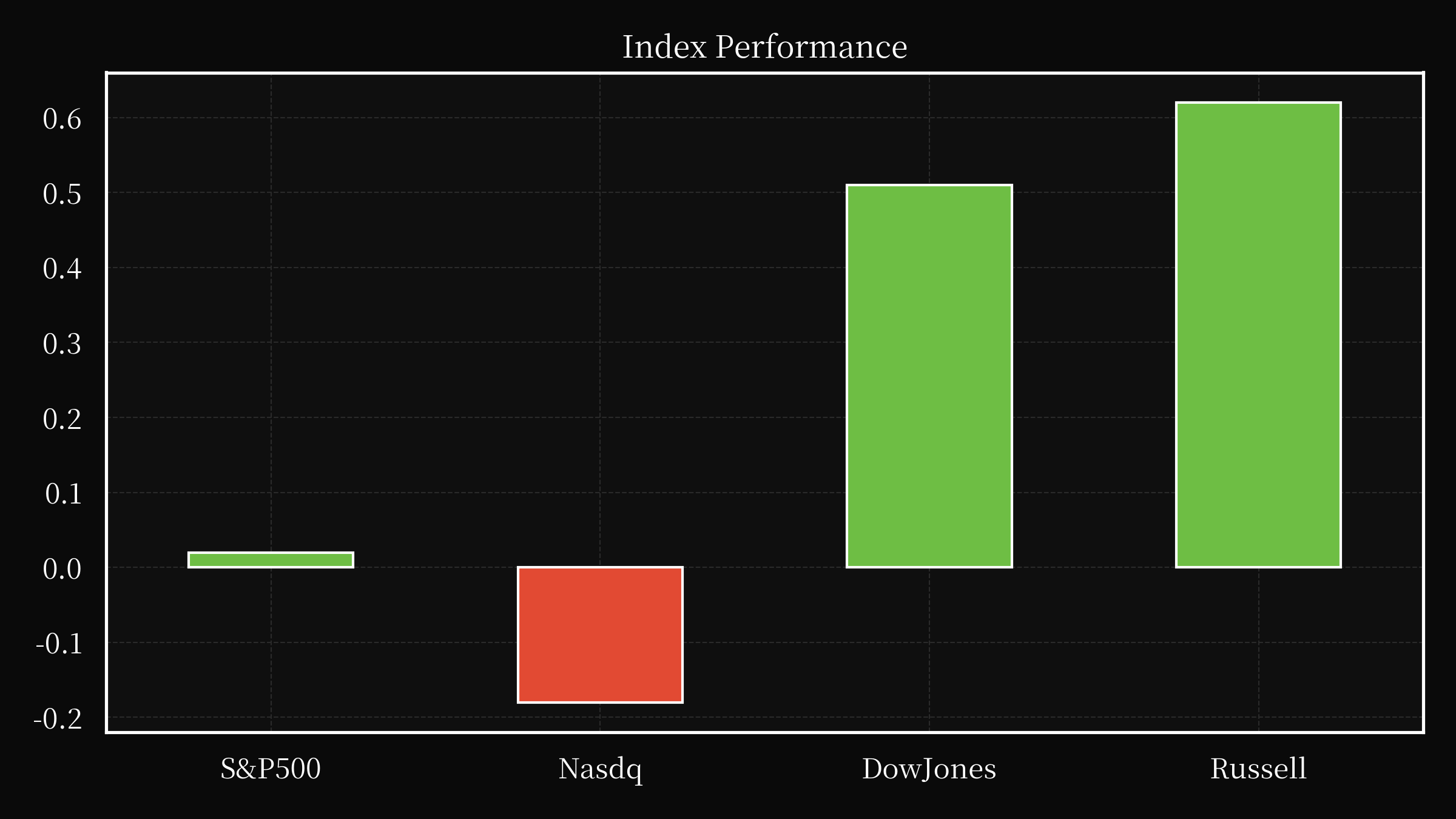
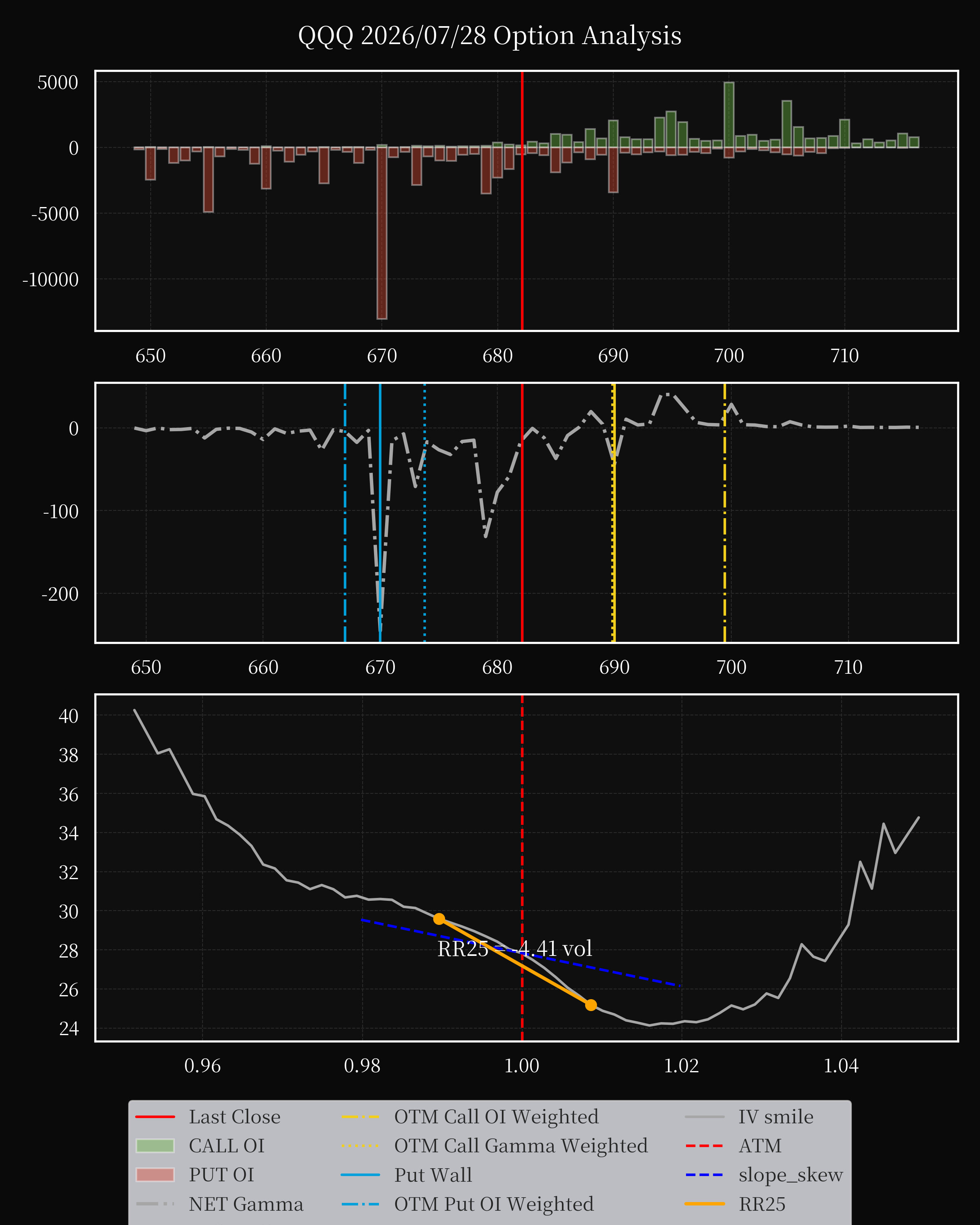
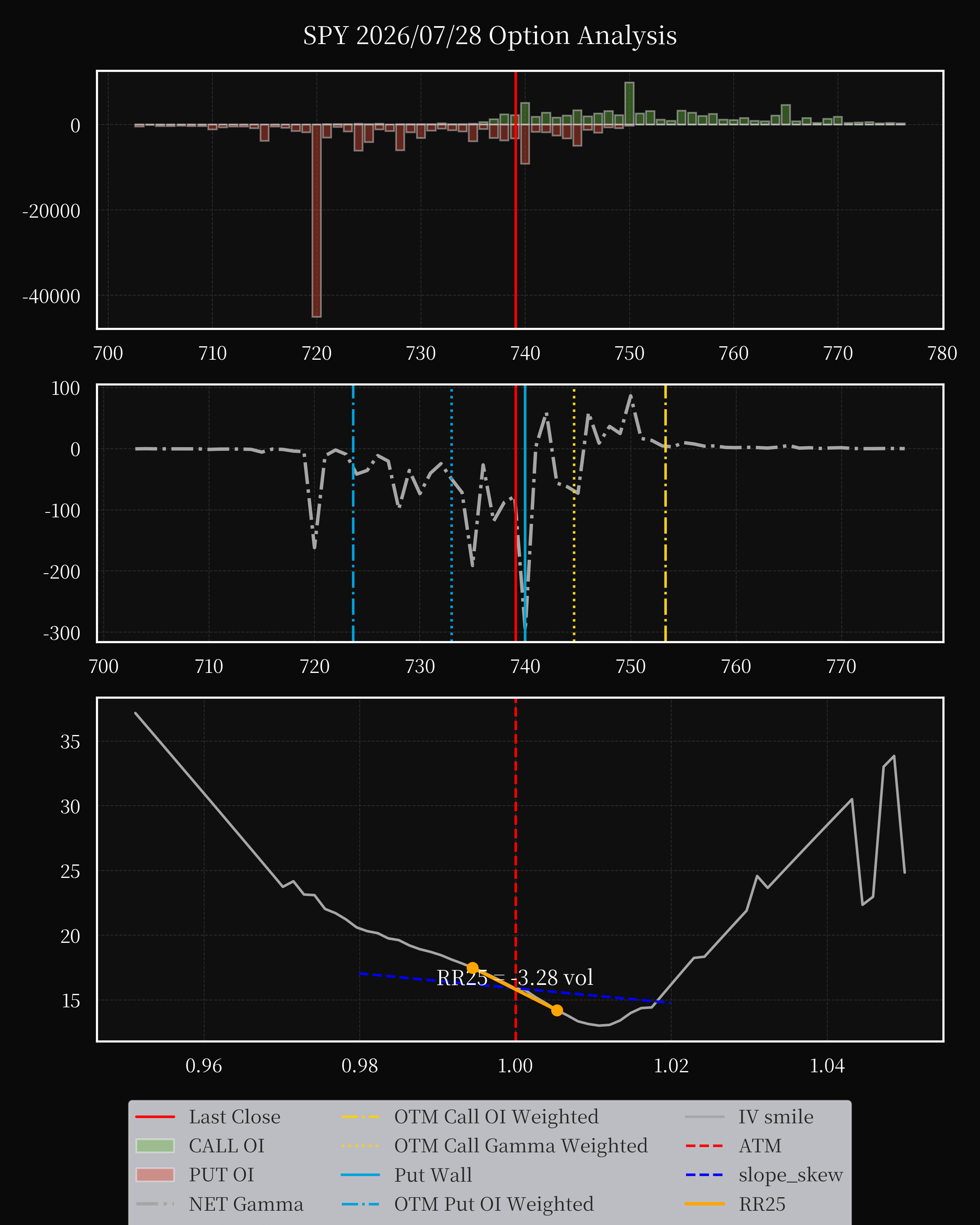
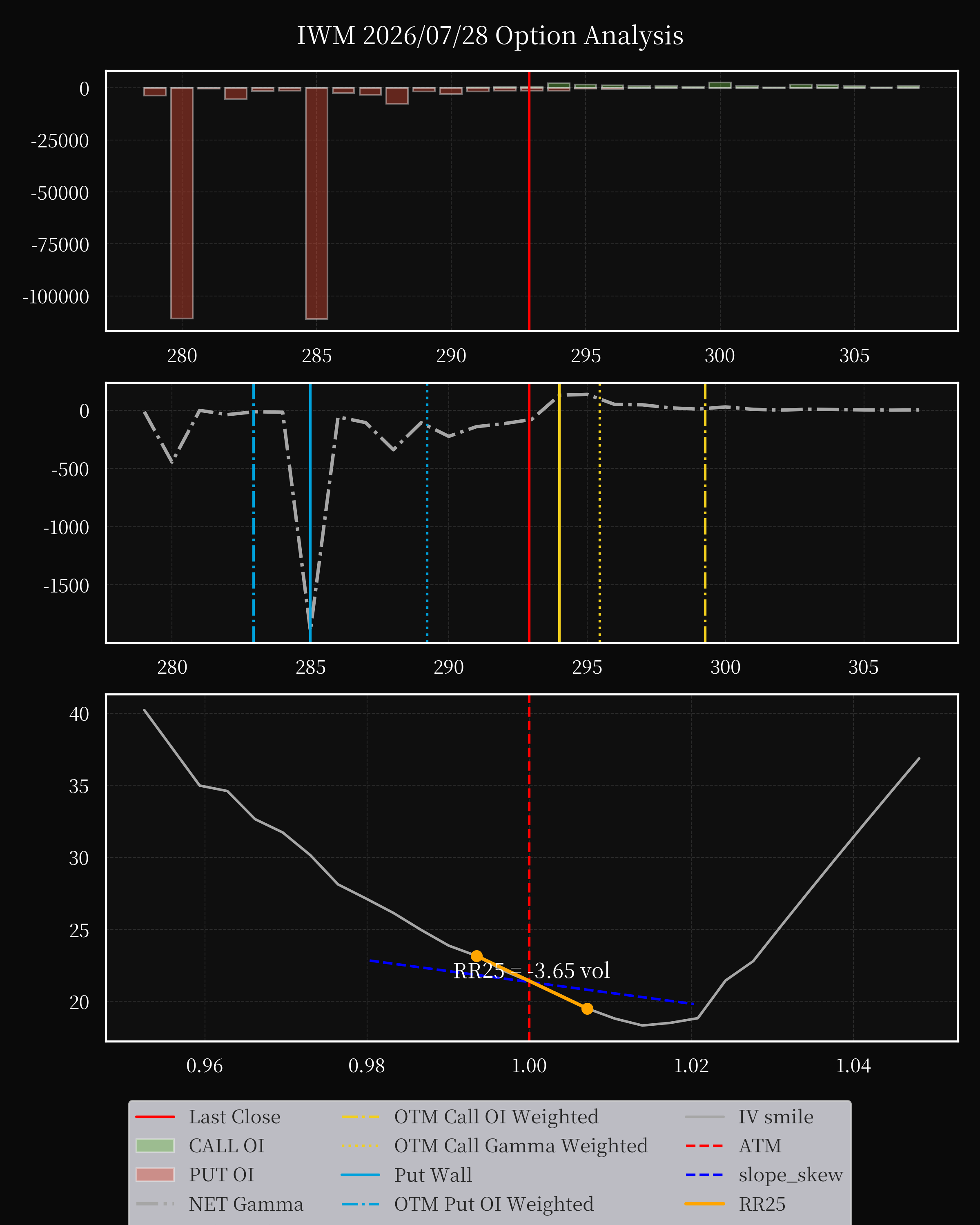
The latest market briefing reflects a complex interplay of geopolitical tensions, central bank policy uncertainty, and sector-specific dynamics that collectively shape the current trading environment. A pause in hostilities between the United States and Iran has provided temporary relief to energy markets, with crude prices retreating as the risk of immediate escalation recedes. This development supports a modest rally in equities, particularly in sectors sensitive to oil prices and global demand, while also tempering concerns about supply disruptions that had previously buoyed energy valuations. The reprieve, however, remains fragile given ongoing regional instability and the potential for renewed confrontations, leaving markets attentive to diplomatic developments and their implications for commodity flows.
Central to the week’s outlook is the Federal Reserve’s policy meeting, where expectations of a rate hold or modest hike hinge on persistent inflation pressures and evolving economic data. Recent reports indicate that inflation remains above target, with core measures still elevated, reinforcing the Fed’s cautious stance despite signs of economic softening. The Fed’s deliberations are further complicated by mixed signals from labor markets and the broader economy, including mixed employment data and ongoing concerns about consumer spending trends. Market participants are thus weighing the likelihood of a pause versus the risks of premature tightening, with implications for borrowing costs, corporate earnings, and asset valuations across equities, bonds, and commodities.
Corporate earnings season intensifies the focus on growth sustainability and capital allocation, particularly within the technology sector. The so-called “Magnificent Seven” companies—Apple, Microsoft, Amazon, Meta, Nvidia, Alphabet, and Meta—are under scrutiny as their recent results and guidance set the tone for market expectations. Nvidia’s significant capital expenditure plans tied to AI infrastructure, for example, underscore the sector’s commitment to long-term growth despite near-term margin pressures and competitive dynamics. Meanwhile, Apple’s strong services growth and Microsoft’s continued dominance in cloud computing highlight divergent paths to profitability amid macroeconomic headwinds. These earnings narratives, combined with ongoing M&A activity and strategic investments in AI, will likely drive volatility and directional bets as investors seek to reconcile growth optimism with inflation and policy uncertainty.
Sector-specific themes reveal both opportunities and risks. The energy sector benefits from stabilized oil prices, though supply constraints and geopolitical flashpoints continue to pose downside risks. Technology stocks remain at the forefront of market performance, driven by AI adoption cycles and capital deployment strategies, yet face valuation scrutiny and execution challenges. Consumer discretionary spending shows resilience despite inflationary pressures, suggesting underlying strength in retail and services demand. Conversely, industries such as retail and office-to-residential conversions face headwinds from shifting consumer behavior and structural changes, as evidenced by mixed signals in back-to-school spending and corporate real estate decisions. These sectoral dynamics underscore the importance of granular analysis in navigating market cycles and identifying asymmetric opportunities.
Looking ahead, the convergence of monetary policy decisions, geopolitical developments, and corporate strategy will define market trajectories. Investors must remain vigilant to evolving risks, including potential supply shocks, regulatory shifts, and earnings revisions that could alter consensus forecasts. The interplay between inflation trends and Fed actions will remain pivotal, with implications for risk appetite, sector rotation, and asset allocation. Meanwhile, the AI-driven transformation of technology and services sectors offers a counterbalance to cyclical concerns, provided execution and demand sustain. Ultimately, disciplined analysis grounded in macroeconomic fundamentals and sector-specific insights will be essential for navigating the week’s volatility and positioning portfolios for both upside and downside protection.
Watch List
CMRE
During the three-month periods ended June 30, 2026 and 2025, the container shipping company operated with an average of 69.0 and 68.0 container vessels, respectively, within its owned fleet. As of June 30, 2026, the company had invested $182.2 million in Neptune Maritime Leasing Limited (NML). Revenue decreased by 4.8% to $200.8 million in 2026 compared to $210.9 million in 2025, primarily due to lower charter rates and increased idle vessel days. Voyage revenue adjusted on a cash basis also decreased by 7.1% to $196.3 million in 2026, reflecting adjustments for non-cash charter revenue and amortization. Income from investments in leaseback vessels increased to $8.4 million in 2026 from $7.0 million in 2025. Voyage expenses rose to $15.4 million in 2026 from $13.9 million in 2025, driven by EU Emissions Allowance and Fuel EU Maritime penalties. Related party expenses, including management fees and charter brokerage fees, also contributed to these costs. The company’s overall financial performance was impacted by the spin-off of its dry bulk business and ongoing investments in newbuild vessels. Net cash provided by operating activities decreased to $101.8 million in 2026 compared to $136.0 million in 2025, while investing activities were heavily focused on new vessel construction. The company’s financial statements reflect adjustments to GAAP measures, primarily to account for the timing differences associated with charter agreements and derivative instrument valuations.
FFBC
First Financial Bancorp demonstrated strong financial performance in the second quarter of 2026, achieving record adjusted earnings per share and a robust return on assets. The company’s net interest margin remained healthy, driven by effective asset and liability management, despite a slight decrease due to loan accretion. Total average loan balances increased by 7.1% year-over-year, reflecting a diversified growth across C&I, Summit, and Agile segments. Deposits also grew by $41 million, primarily due to seasonal influxes and public funds. The company’s efficiency ratio remained strong at 61.2%, showcasing effective cost management. Notably, First Financial completed the successful acquisition of Finward Bancorp in June, adding a valuable Chicago and Northwest Indiana franchise with a significant deposit base and enhancing the company’s Chicago MSA presence. Furthermore, the company’s strategic expansion in Chicago and Northwest Indiana with the acquisition of Finward, along with the continued build-out of its Chicago MSA, positions First Financial to capitalize on growth opportunities. The company’s strong capital position and prudent risk management practices provide a solid foundation for future growth and strategic initiatives.
FSUN
FirstSun Capital Bancorp’s second quarter 2026 earnings presentation highlights a strong performance driven by increased revenue and strategic acquisitions. Total revenue reached $294.1 million, a 45.8% increase year-over-year, with a net interest margin of 3.80% and noninterest income accounting for 23.2% of total revenue. The company’s efficiency ratio stands at 84.00%, with an adjusted ratio of 63.52%, reflecting ongoing cost management efforts. Loan growth is robust, reaching $147.9% annualized over the past nine months, bolstered by a diversified portfolio including specialized C&I lending and a significant presence in high-growth MSAs. Notably, the company discontinued a practice of reclassifying NOW accounts to money market accounts, aligning presentation with prior periods. Strategic acquisitions, particularly the First Foundation acquisition completed in April 2026, are contributing to scale and enhanced capabilities, including a strengthened SoCal footprint and cost savings. The acquisition has resulted in a total asset base of $16.5 billion and deposits of $14.2 billion, alongside a tangible common equity of $1.6 billion. The company is focused on maintaining a variable-to-fixed loan portfolio mix and pursuing organic growth through its sales force and infrastructure. Looking ahead, FirstSun anticipates continued growth in mortgage banking services and treasury management fees, while managing potential headwinds from interest rate fluctuations and macroeconomic conditions. The company aims for a CET1 ratio in the 11.75-12% range and expects further realization of acquisition-related cost savings, with a projected TBV dilution of 10% down from the initial 14%.
OVBC
Ohio Valley Banc Corp. reported a consolidated net income decrease of 30.5% for the second quarter of 2026, reaching $2.927 million, down from $4.21 million in the prior year. Six-month net income also decreased by 16.2% to $7.224 million compared to $8.914 million in the prior period. Earnings per share fell to $1.53 from $1.83 over the same timeframe. The company cited solid growth in net interest income and a stable net interest margin as drivers, alongside an increase in the provision for credit losses related to a small number of commercial credits. Return on average assets and equity also decreased. Average earning assets increased by $178 million and $149 million for the three and six months ended June 30, 2026, respectively, primarily due to loan growth fueled by promotional CD and money market accounts. The net interest margin contracted to 3.97% for the six months ended June 30, 2026, down from 4.01% the prior year, due to rising funding costs. The provision for credit losses increased significantly, driven by specific allocations on two collateral dependent loans and increased loan balances. Nonperforming loans remained relatively stable at 1.44% at June 30, 2026. Noninterest income saw a mixed performance, with increases in interchange income offset by decreases in electronic refund check and deposit fees. Total assets increased by $79 million, primarily due to loan growth and balances at the Federal Reserve, while total deposits grew by $79 million. The company’s shareholders’ equity increased by $3.1 million.
AMKR
Amkor Technology, Inc. (Nasdaq: AMKR) reported a record second-quarter 2026, achieving $1.90 billion in net sales, a 26% increase year-over-year, alongside $319 million in gross profit and $200 million in operating income. The company’s performance was driven by strong demand in its Computing and Automotive & Industrial end markets. CEO Kevin Engel highlighted strategic partnerships, advancements in AI and HPC programs, and expansion of packaging capacity as key contributors to the success. Amkor currently holds $2.5 billion in cash and short-term investments and $2.5 billion in debt. The company paid a quarterly dividend of $0.08352. For the third quarter of 2026, Amkor anticipates sales between $1.95 billion and $2.05 billion, with a gross margin of 18.5% to 19.5%, and net income ranging from $180 million to $205 million, or $0.72 to $0.82 per diluted share. Full-year capital expenditures are projected at approximately $2.5 billion to $3.0 billion. Amkor’s comprehensive portfolio includes advanced packaging solutions for smartphones, data centers, AI, automobiles, and wearables. The company’s financial outlook reflects continued investment in capacity and strategic initiatives, aiming to strengthen its competitive position and deliver sustainable shareholder value. However, the company acknowledged risks associated with the cyclical semiconductor industry, raw material costs, competition, and potential disruptions including trade restrictions and geopolitical instability.
PRK
Park National Corporation announced its financial results for the three and six months ended June 30, 2026, reporting a significant increase in net income, with a 22.1% rise in the three-month period and a 11.3% increase over the six-month period compared to the prior year. The company’s pre-tax, pre-provision net income also saw substantial growth, increasing by 24.5% and 15.4% respectively. Key drivers of this improved performance included a 19.22% increase in average loans, coupled with higher yields on loans and investments, alongside contributions from the recently acquired First Citizens National Bank region in Tennessee. Management highlighted the impact of “items impacting comparability of period results,” primarily stemming from merger-related activities and legacy Vision Bank loan relationships, which are regularly factored into financial analysis to provide a clearer picture of Park’s core operating performance. The company utilizes non-U.S. GAAP financial measures, such as return on average tangible equity and assets, to facilitate comparisons with peer institutions. Furthermore, Park provided a reconciliation of these measures, alongside FTE (Fully Taxable Equivalent) financial measures, to ensure transparency and comparability. Finally, the Board of Directors declared a quarterly cash dividend of $1.10 per share, payable to shareholders on record as of August 21, 2026.
ASST
Strive, Inc. announced on July 27, 2026, that it purchased 79 bitcoins during the period of July 20th to July 24th, 2026, at an average price of approximately $65,723 per coin, including associated fees. Alongside this transaction, the company also provided updates to its financial holdings, specifically detailing adjustments to its cash reserves, bitcoin portfolio, and investments in Strategy Inc.’s Variable Rate Series A Perpetual Stretch Preferred Stock (STRC Stock) and its own Variable Rate Series A Perpetual Preferred Stock (SATA Stock). The filing includes a standard cautionary statement acknowledging potential risks impacting the company’s future performance, including legal proceedings, management distraction, share dilution, client reactions, and unforeseen events. These risks highlight the inherent uncertainties surrounding Strive’s investments and strategic holdings. Investors are advised to consult Strive’s 10-K report for a more comprehensive understanding of these factors and to recognize that forward-looking statements are subject to change based on evolving circumstances.
APLD
Applied Digital Corporation (APLD), a designer and operator of high-performance computing data centers, reported a significant fiscal fourth-quarter and full-year 2026 financial performance, demonstrating substantial growth and strategic developments. Net income attributable to common stockholders jumped by 407% to $258.7 million compared to the prior year, while net loss attributable to common stockholders decreased by 108% to $110.6 million. Adjusted net income per diluted share soared to $611.3 million, driven by a substantial increase in revenue, primarily from tenant fit-out services and long-term take-or-pay leases with a major hyperscaler. Key developments included the successful separation of its cloud services business into ChronoScale (Nasdaq: CHRN), now owned by approximately 96% of Applied Digital, and the signing of three new 15-year take-or-pay leases totaling approximately $20 billion in contracted revenue. The company secured $2.15 billion in private debt and a $550 million revolving credit facility to fund its expanding campus development. Notably, Applied Digital achieved Ready for Service for Phase 1 of Building 2 at Polaris Forge 1 and continues to build five multibillion-dollar AI Factory campuses. Looking ahead, the company is focused on scaling its operations, underscored by its “franchise model” and a commitment to delivering AI infrastructure on time. With 1.4 gigawatts of contracted IT load secured and an additional 1.7 GW in active marketing, Applied Digital remains confident in its ability to capitalize on the growing demand for high-power-density AI data centers, solidifying its position as a leader in the industry.
AMR
Alpha Metallurgical Resources, Inc. (NYSE: AMR) has announced preliminary financial results for the second quarter of 2026, revealing a net loss of $12.3 million, or $0.96 per diluted share. The company is reducing its expected sales volumes for the year, citing weaker met coal market conditions and equipment damage at the Dominion Terminal Associates (DTA) terminal. Consequently, Alpha is raising its cost of coal sales guidance to $103.00 to $107.00 per ton, down from previous projections. Shipment volume guidance has been lowered to a range of 13.2 million to 14.0 million tons, and thermal coal sales are expected to increase to 1.0 million to 1.4 million tons, bringing total shipment expectations to 14.2 million to 15.4 million tons. The company’s liquidity remains strong at $447.8 million, bolstered by available ABL credit. Alpha also continues its share repurchase program, having acquired approximately 7.0 million shares since its inception. However, the company cautioned that these results are preliminary and subject to change, highlighting the potential for material differences between these figures and final GAAP results. An earnings announcement and conference call are scheduled for August 7, 2026, where a more detailed update will be provided.
IMCC
IM Cannabis Corp., a company based in Israel, announced the resignation of board member Alon Dayan, effective July 26, 2026. The departure was entirely amicable and unrelated to any disputes regarding the company’s operations, policies, or business practices. Following the notification, IM Cannabis issued a press release, attached as Exhibit 99.1, detailing the corporate update. This 6-K report serves as an incorporation by reference into the company’s existing filings, specifically its Form F-3 Registration Statement (File Nos. ). The filing provides transparency regarding this key leadership change for investors.
IAN Financial Vision is an AI-native financial research platform combining proprietary knowledge graphs, quantitative valuation models, and large language models to generate point-in-time investment research. All reports are produced using a structured research workflow with human review prior to publication..