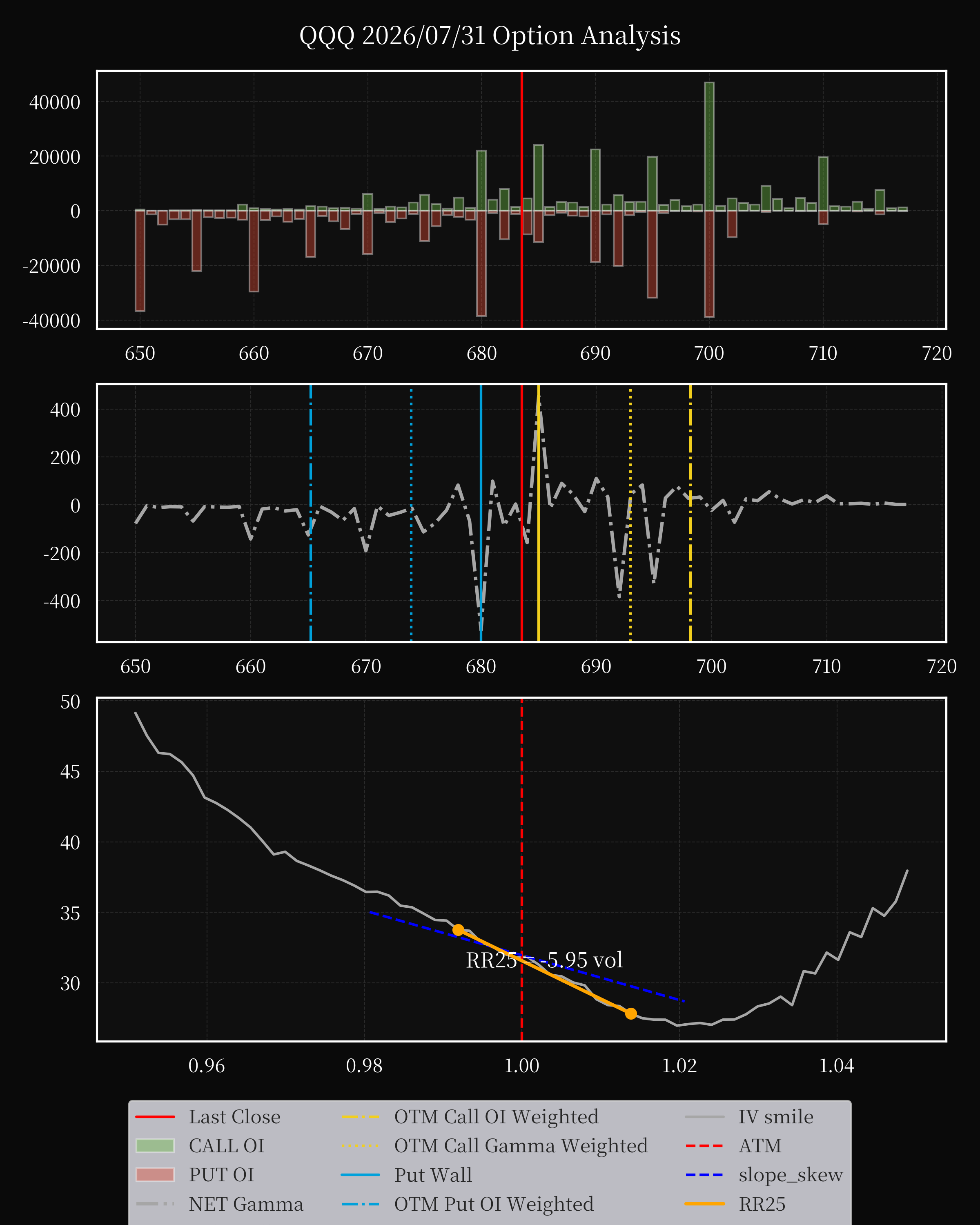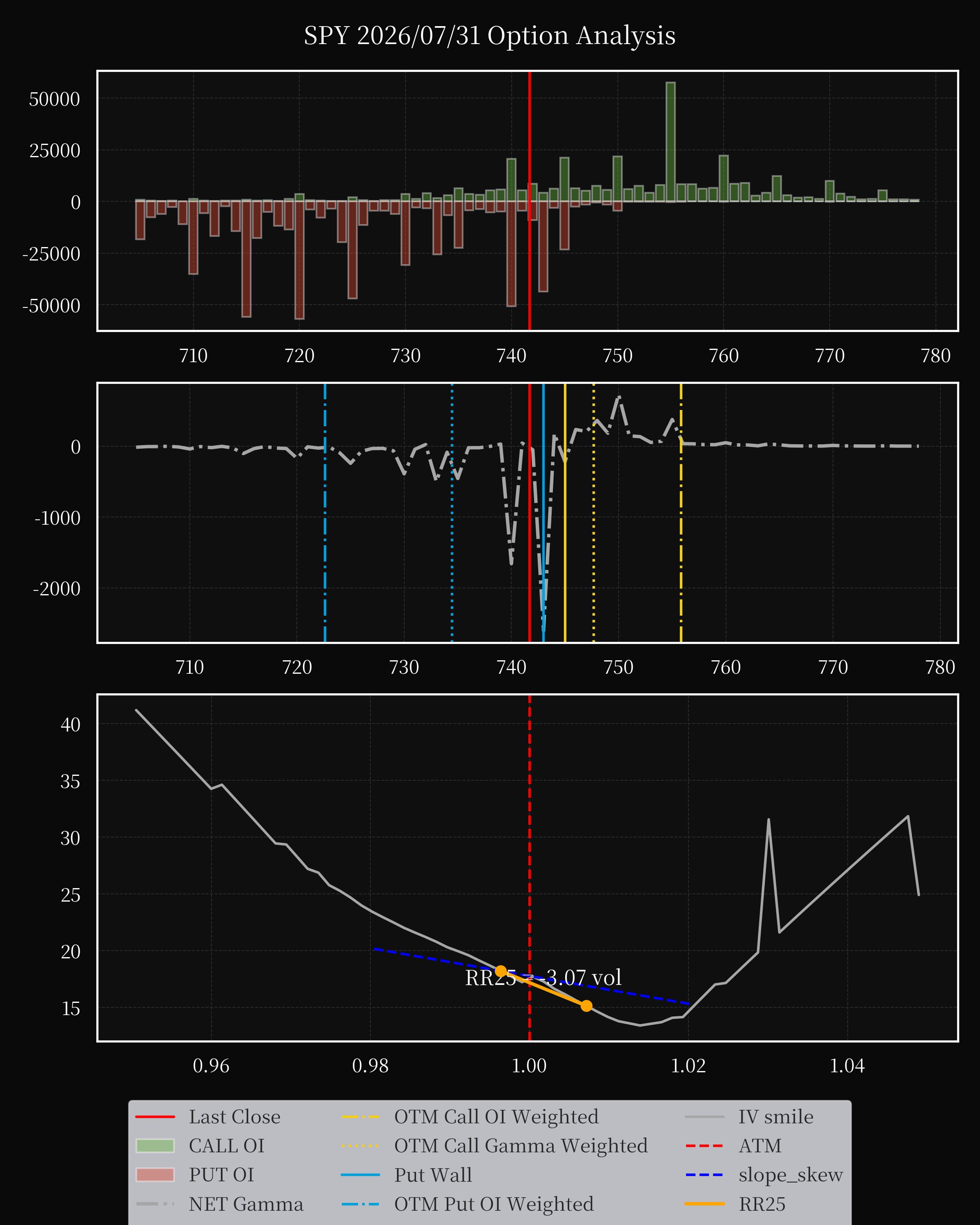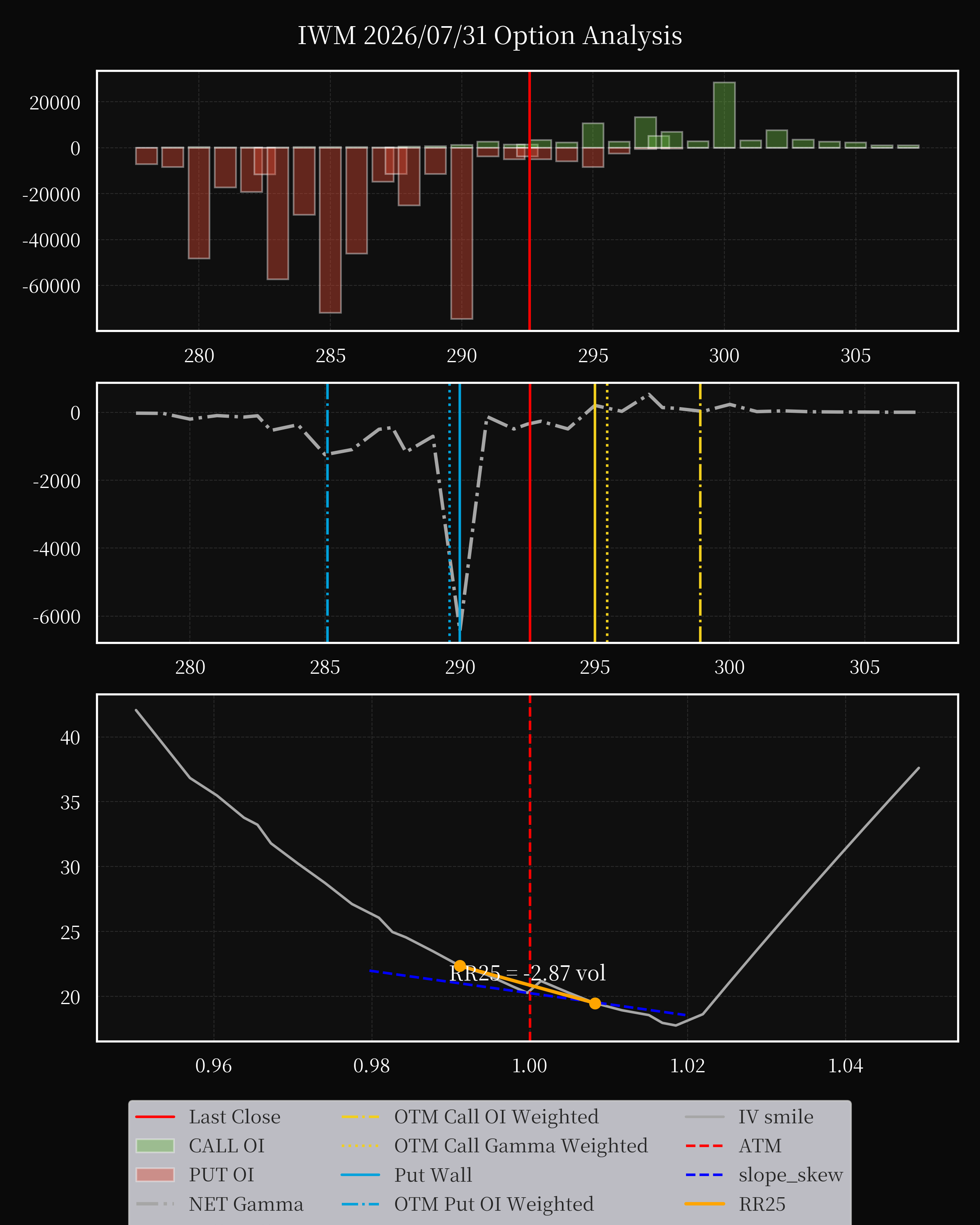
Overall
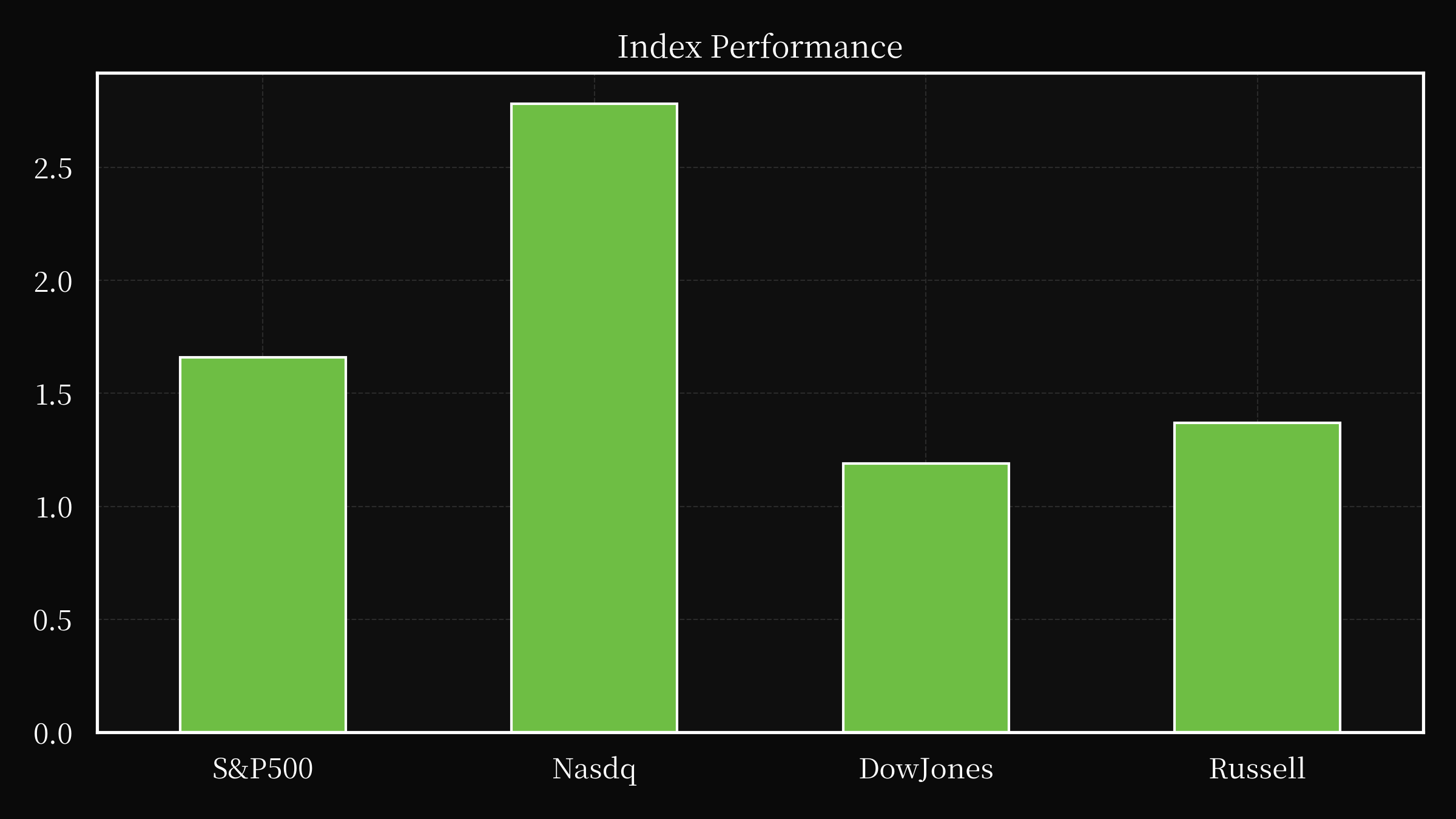
Markets are navigating a complex interplay of divergent Federal Reserve signals, corporate earnings volatility, and geopolitical risks, with mixed investor sentiment as the backdrop. Federal Reserve Chair Kevin Warsh’s ambiguous messaging following the central bank’s latest meeting—where policymakers left rates unchanged but failed to provide clear guidance on future hikes—has sown confusion and skepticism among markets. Despite inflation remaining stubbornly above the Fed’s 2% target, the absence of a forward-looking commitment to rate cuts has led to a steepening of the Treasury yield curve, with 2-year notes surging to their highest levels since 2007. This policy uncertainty has weighed on equities, particularly large-cap tech, as investors grapple with the implications of a “higher for longer” rate environment. The market’s reaction to Fed rhetoric often lags the actual policy action, and this episode underscores how perceptions of credibility and clarity can drive volatility even when the fundamentals—like inflation—remain unchanged.
Corporate earnings reports this morning delivered a mixed bag, amplifying market bifurcation between AI leaders and laggards. Microsoft emerged as the standout, posting a 31% jump in quarterly profit and robust growth in its Azure cloud business, buoyed by AI adoption and enterprise demand. The company’s stock surged over 16% pre-market, reflecting investor confidence in its AI strategy and operational execution. Conversely, Meta Platforms disappointed, posting lower-than-expected revenue and profit amid rising legal liabilities and a slower-than-anticipated pace of AI investment. The social media giant’s cautious approach to AI spending and ongoing regulatory risks have dampened enthusiasm, with shares slipping nearly 8% as investors reassess its growth trajectory. The contrast between these two tech titans highlights the sector’s bifurcated outlook: those successfully monetizing AI infrastructure and navigating legal headwinds outperform those still struggling to translate hype into tangible results.
Geopolitical tensions continue to inject uncertainty into global markets, with the Iran conflict escalating after U.S. airstrikes in response to attacks on American forces. The spillover risk has sent oil prices higher, briefly pushing Brent crude above $90 per barrel, and has reignited debates over energy security and supply chain resilience. Meanwhile, regulatory and political friction in Europe—particularly UEFA’s threatened boycott of FIFA’s new commercialization strategy—has strained relations between sport’s governing body and its member associations, threatening the financial stability of international tournaments. These developments, though seemingly peripheral, reverberate through commodity markets, insurance sectors, and broader risk appetite, reminding investors that political developments often precede or exacerbate financial volatility. The interplay of policy, corporate performance, and geopolitical shocks thus defines today’s market landscape, where clarity is elusive and risk premia fluctuate with each new headline.
### The Fed’s Policy Ambiguity and Its Market Implications
The Federal Reserve’s recent decision to hold rates steady, despite persistent inflation, has underscored a critical challenge: communicating a credible path forward without sacrificing independence. While policymakers avoided explicit rate-cut promises, the lack of forward guidance has led to a steepening of the yield curve, with 2-year Treasury yields climbing to their highest levels since 2007. This dynamic reflects a market recalibration, where investors price in the likelihood of delayed easing, even as inflation remains above target. The absence of a clear “dot plot” or forward guidance has amplified uncertainty, particularly among rate-sensitive sectors like real estate and utilities, which are sensitive to borrowing costs. The Fed’s credibility hinges on its ability to anchor expectations; however, inconsistent messaging risks eroding trust, making future policy shifts more disruptive. Investors now weigh not just the data but the narrative around it, scrutinizing every comment for clues about the committee’s internal consensus and potential pivots.
### Earnings Divergence Highlights AI Investment Realities
The stark contrast in earnings outcomes between Microsoft and Meta illustrates how AI adoption is uneven across the tech sector, with profound implications for valuation and growth expectations. Microsoft’s Azure growth and AI-driven revenue outperformance validate its strategic bets on cloud infrastructure and enterprise AI solutions, reinforcing its position as a leader in the AI value chain. In contrast, Meta’s struggles—stemming from higher legal costs, slower-than-expected AI spending, and weaker free cash flow—highlight the risks of overcommitting to unproven AI ventures without clear monetization pathways. The market’s reaction to these results underscores a broader shift: investors now demand not just AI investments but tangible returns, whether through cost savings, new revenue streams, or competitive differentiation. Meta’s cautious approach, while prudent, has failed to reassure markets, leading to a significant re-rating of its stock despite its scale. This divergence suggests that only companies demonstrating measurable progress in AI commercialization will sustain premium valuations, while others face continued pressure to justify their valuations.
### Geopolitical Risks and Their Market Repercussions
Geopolitical developments, particularly in the Middle East and Europe, continue to shape market sentiment and risk premia. The escalation of conflict involving Iran has not only pushed oil prices higher but also heightened concerns about supply disruptions and broader regional instability. Energy markets remain volatile, with crude oil prices reacting sharply to news flow and military posturing. Simultaneously, UEFA’s threatened boycott of FIFA’s new commercialization strategy introduces regulatory and reputational risks for the sports industry, potentially impacting sponsorship revenues and broadcasting deals. These events illustrate how geopolitical and regulatory shocks can rapidly alter risk perceptions, affecting everything from commodity prices to insurance underwriting and investment flows. For investors, the challenge lies in distinguishing between short-term noise and long-term structural shifts, as markets often overreact to headlines before fundamentals reassert themselves. The interplay of policy, corporate strategy, and global events thus demands a nuanced approach, where diversification and scenario planning become essential tools for navigating uncertainty.
Watch List
BTI
Okay, here’s a breakdown of the key information from the provided text, organized for clarity: 1. Overall Financial Performance (H1 2026) * Revenue: The Group’s revenue increased, driven primarily by growth in combustibles. * Adjusted Profit from Operations: Increased due to the factors outlined below. * Adjusted Net Finance Costs: Decreased due to lower interest expense. * Adjusted Taxation: Decreased due to adjustments related to tax audits and settlements. * Adjusted Diluted Earnings Per Share: Increased due to the same adjustments as profit from operations. 2. Key Adjusting Items & Their Impact * Canada Approved Plans Charge: A significant charge (approximately £. ) was recognized due to the ongoing payments related to the settlement of the Court of Appeal judgment concerning historical tobacco-related claims. This charge is calculated as a percentage of net income after taxes earned from all sources in Canada, excluding New Categories. * ITC Hotel Demerger Gain: A gain of £. was recognized due to the partial sale of ITC’s hotel business. * Interest on Restricted Cash in Canada: A charge of £. was recognized in relation to interest earned on restricted cash held in Canada as part of the settlement. * Adjustments to Post-Tax Results of Associates & Joint Ventures: Adjustments were made to reflect the impact of the Canada settlement. * Tax Adjustments: Changes in tax rates and adjustments related to tax audits resulted in a lower tax charge. * Share-Based Payments: Adjustments were made to reflect the impact of share-based payment schemes on earnings per share. 3. Key Metrics & Segmentation * Volume (Smokeless Products): The number of consumers of Smokeless products is estimated based on sales data and consumer tracking studies. * Price/Mix: This metric reflects the movement in revenue between periods, considering both volume and price changes. * Revenue Breakdown: Revenue is segmented by product category (Vapour, Heated Products, Modern Oral, New Categories, Traditional Oral, Smokeless products, and Combustibles) and by geographic region (United States, Americas & Europe, Asia-Pacific, Middle East & Africa). 4. Financing & Debt * Debt Portfolio: The Group manages its debt through a combination of
AQMS
Aqua Metals reported a successful second quarter, marking a transition from technology validation to commercial execution for its Headwaters ARC battery recycling and critical minerals recovery campus. The company’s staged commercialization plan, designed to address the growing LFP battery market, focuses initially on Phase 1 – recovering copper, aluminum, and high-grade black mass from segregated LFP materials using commercially proven equipment, establishing a revenue pathway while mitigating risk. Phase 2 will then integrate AquaRefining™ to upcycle the black mass into battery-grade lithium carbonate, iron phosphate, and graphite, significantly increasing value capture. Aqua Metals has advanced key milestones, including securing a final site-specific diligence opportunity in the Midwest, encompassing approximately 150,000 square feet of industrial space and 50+ acres near six major LFP gigafactory projects. The company continues to refine its technology through the Innovation Center and demonstration plant, achieving over 5,000 cumulative operating hours and validating commercial process flows. Notably, Aqua Metals was selected for a DOE-funded program evaluating electrochemical alternatives for nickel and cobalt recovery. With a belief that the rapid expansion of LFP batteries is creating an underserved market, Aqua Metals’ phased approach, combining established mechanical processing with its AquaRefining™ technology, aims to deliver a cost-effective and environmentally sound solution. The company’s priorities for the remainder of 2026 include securing the site, selecting equipment partners, finalizing feedstock and offtake agreements, and completing capital formation to support Phase 1 execution, all while maintaining a disciplined approach to capital deployment.
DXC
DXC Technology reported a first-quarter fiscal year 2027 revenue of $3.0 billion, down 5.1% year-over-year, reflecting a 6.7% organic decline. Bookings reached $3.0 billion, up 5% year-over-year with a book-to-bill ratio of 0.99x, indicating a slight underperformance in converting opportunities into sales. The company achieved an EBIT margin of 6.9% and reported adjusted EBIT of $150 million. Diluted earnings per share fell to $0.73, a significant decrease of 41.2% compared to the prior year, with non-GAAP diluted EPS at $0.40. Despite the revenue decline, DXC highlighted a focus on innovation with its Fast Track approach, driving AI-enabled platform development. The company’s cash generated from operations was $314 million. DXC announced a $70 million share repurchase program. Full-year guidance anticipates total revenue between $12.10 billion and $12.35 billion, representing a 5.0% to 3.0% organic decline, with an expected EBIT margin of 6.0% to 7.0% and diluted earnings per share between $2.40 and $2.90. Segment performance varied, with Consulting and Engineering Services experiencing a 1.2% year-over-year decline, while Global Infrastructure Services saw a 9.4% decrease and Insurance Software & Services a 1.9% increase. Management emphasized the importance of non-GAAP financial measures, including adjustments for restructuring costs, TSI costs, and amortization of acquired intangible assets, while acknowledging the limitations of these measures and providing a reconciliation to GAAP results.
NCSM
NCS Multistage Holdings, Inc. (NCSM) reported a mixed second-quarter 2026, driven by revenue growth fueled by its differentiated products and services, particularly from Repeat Precision and U.S. operations. Revenue decreased by 16% compared to the first quarter, primarily due to a 42% decline in Canadian sales stemming from seasonal factors and customer consolidation, partially offset by a 37% increase in international revenues and a 7% rise in U.S. sales. The company’s gross margin modestly improved to 34%, influenced by the contribution of ResMetrics, acquired in 2025, but impacted by declines in Canadian and international tracer diagnostics projects. Adjusted gross profit was $2.3 million with an adjusted gross margin of 36%. Selling, general, and administrative expenses increased by $0.7 million due to strategic acquisition-related activities associated with the pending Weatherford combination. Net income decreased by $0.3 million year-over-year. The company’s focus remains on supporting the Weatherford transaction and delivering value to its stakeholders. NCSM anticipates closing the merger in the second half of 2026, subject to customary approvals. The company’s liquidity remains strong with $14.5 million in the ABL facility and $11.3 million in indebtedness related to finance lease obligations. Free cash flow was a use of cash of $0.3 million, primarily due to inventory increases and a deposit related to Canadian tax reassessments. NCSM continues to monitor key metrics, including net working capital, and is committed to executing its strategy in the dynamic oil and gas market.
ALGT
Allegiant Travel Company has secured additional financing to support its aircraft purchases and operations. On July 27, 2026, the company finalized an amendment to its PDP Facility Agreement with Runway Seven Lender LLC, securing a commitment of $231.028 billion in full-recourse loans to finance pre-delivery payments to Boeing for new aircraft. These loans, secured by the Boeing Purchase Agreement, carry a one-month Term SOFR interest rate and mature by March 31, 2028, with repayment triggered upon aircraft delivery. Simultaneously, Allegiant entered into a new credit facility on July 24, 2026, allowing it to borrow up to $177.5 million secured by Airbus aircraft, with quarterly amortizing payments commencing in July 2027. This facility complements a previously reported $176.0 million credit facility, now fully drawn, used to finance recent aircraft deliveries and demonstrating the company’s ongoing efforts to manage its capital structure and support growth.
FHI
Federated Hermes, Inc. announced strong financial results for the second quarter of 2026, reporting record assets under management of $911.6 billion, up 8% year-over-year. Equity assets reached a record $109.6 billion, also experiencing an 23% increase. The company’s earnings per diluted share rose to $1.38, compared to $1.16 in the same period last year, driven by higher average assets in both money market and equity segments, alongside the acquisition of the FCP Fund Manager, L.P. Revenue increased by 18% to $238.8 million. The board declared a dividend of $0.38 per share. Notably, Federated Hermes saw record gross sales across its MDT quantitative investment solutions, particularly in its separate accounts and SMAs. While operating expenses increased slightly due to compensation and professional service fees related to the FCP acquisition, nonoperating income decreased due to lower interest and dividend income. Looking at the year-to-date, revenue increased 16% and assets under management reached $911.6 billion. Federated Hermes manages assets across various strategies, including equity, fixed income, alternative investments, and multi-asset solutions, serving a diverse client base of institutions and intermediaries globally.
ATR
AptarGroup, Inc. reported a strong second quarter of 2026, achieving record sales exceeding $1 billion and a 6% increase year-over-year, alongside a 1% rise in core sales. The company’s performance was driven by growth across its three segments – Pharma, Beauty, and Closures – with Pharma leading the charge, fueled by robust demand in consumer healthcare and injectables. Beauty experienced a notable 10% sales increase due to strong fragrance and color cosmetics demand, while Closures benefited from significant growth in beverage sales, particularly bottled water. Despite margin pressures stemming from product mix and operational factors, Aptar remains confident in its long-term outlook, supported by key franchises and operational improvements. CEO Stephan B. Tanda highlighted the team’s dedication and the company’s innovation-led portfolio as key contributors to the results. Six-month sales increased by 8% to $2.01 billion. Looking ahead, the company anticipates continued growth across all segments, with a focus on prescription dispensing systems and key Beauty markets. Aptar also announced a quarterly cash dividend and continued share repurchase activity. The company expects solid growth in the third quarter and is preparing for a transition of leadership with Gael Touya assuming the role of CEO. These results demonstrate a positive trajectory for Aptar, underpinned by strong market demand and strategic investments.
CAPR
Capricor Therapeutics, Inc. recently received a significant update regarding its investigational therapy, Deramiocel, as the U.S. Food and Drug Administration’s (FDA) Cellular, Tissue, and Gene Therapies Advisory Committee voted against its effectiveness for treating cardiomyopathy in patients with Duchenne muscular dystrophy (DMD). The committee’s decision, with a 3-9 vote, indicates that current evidence does not support Deramiocel’s potential as a treatment for this rare and life-threatening condition. Importantly, this advisory committee recommendation is non-binding and will be considered alongside the complete FDA review of the company’s Biologics License Application (BLA). Despite this setback, the FDA’s target action date for the BLA remains August 22, 2026. Capricor promptly announced the committee’s decision through a press release, which is attached as Exhibit 99.1 to this Form 8-K filing, signaling the company’s response to this critical development in the regulatory process.
SOUL
Soulpower Acquisition Corporation has secured a significant step forward in its proposed business combination with SWB Holdings and SWB LLC through a court order. The Commercial Division of the High Court of Justice of the Virgin Islands granted permission to sell certain assets, rights, and properties of Bank of Asia (BVI) Limited, which is currently in liquidation, to SWB LLC (or its affiliates). This approval aligns with the terms of the Asset Sale Agreement, originally established in November 2025, and marks a key condition satisfied in the previously announced proposed transaction. The joint liquidators of Bank of Asia (BVI) Limited initiated the application, and the resulting press release, furnished as Exhibit 99.1 to this Form 8-K, details this successful outcome. This development underscores Soulpower Acquisition Corporation’s progress in its strategic plan and reinforces the foundation for the anticipated business combination.
IAN Financial Vision is an AI-native financial research platform combining proprietary knowledge graphs, quantitative valuation models, and large language models to generate point-in-time investment research. All reports are produced using a structured research workflow with human review prior to publication..