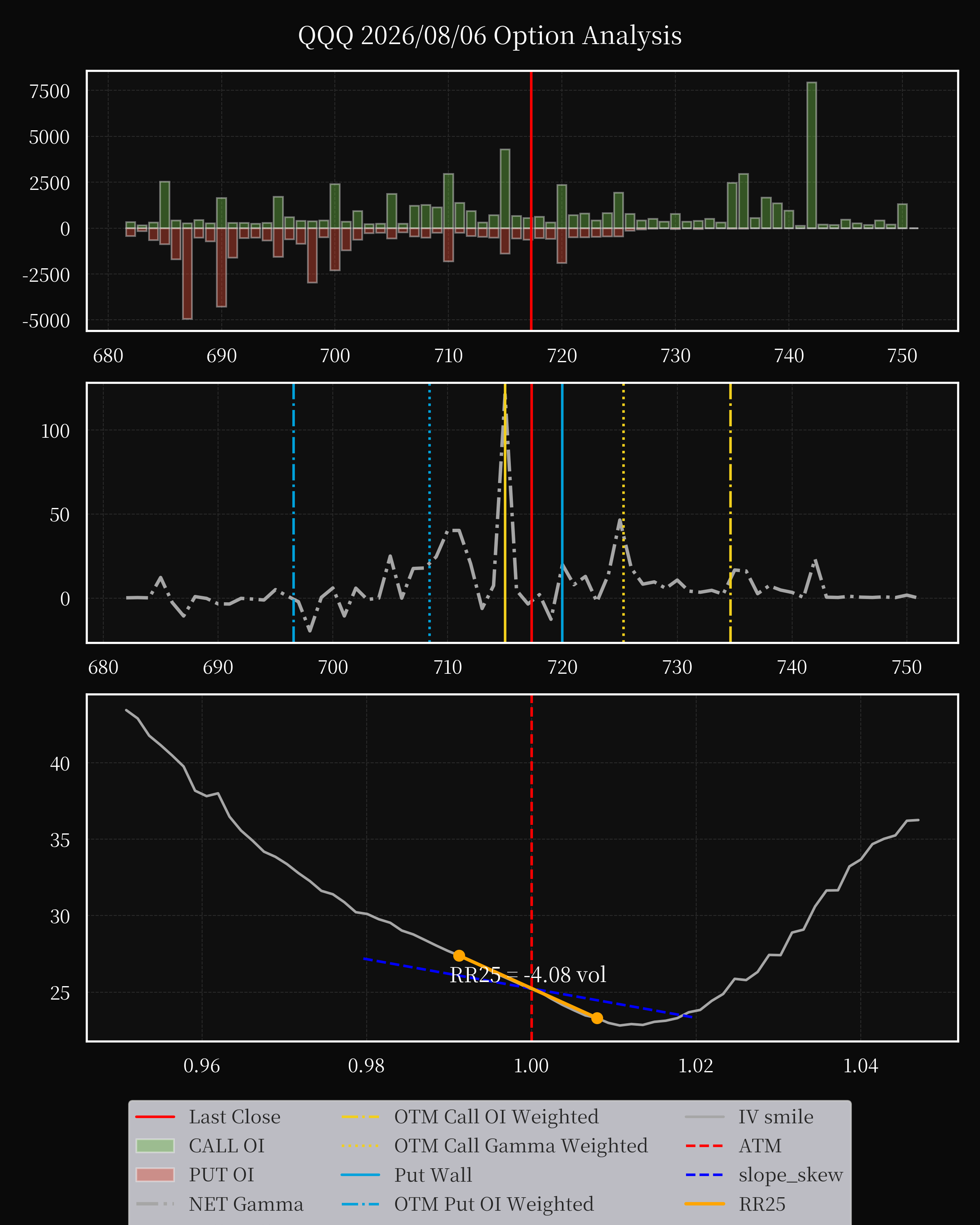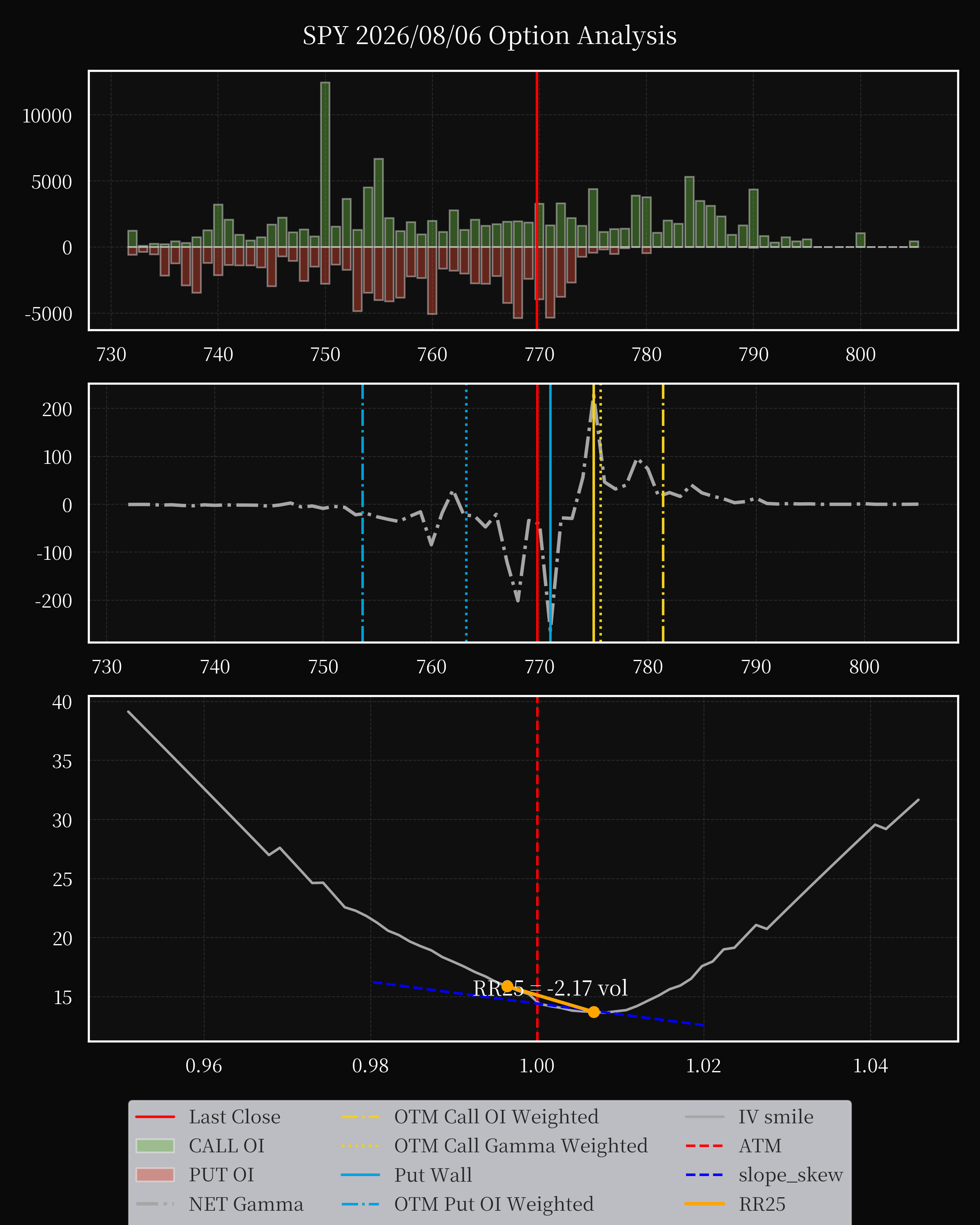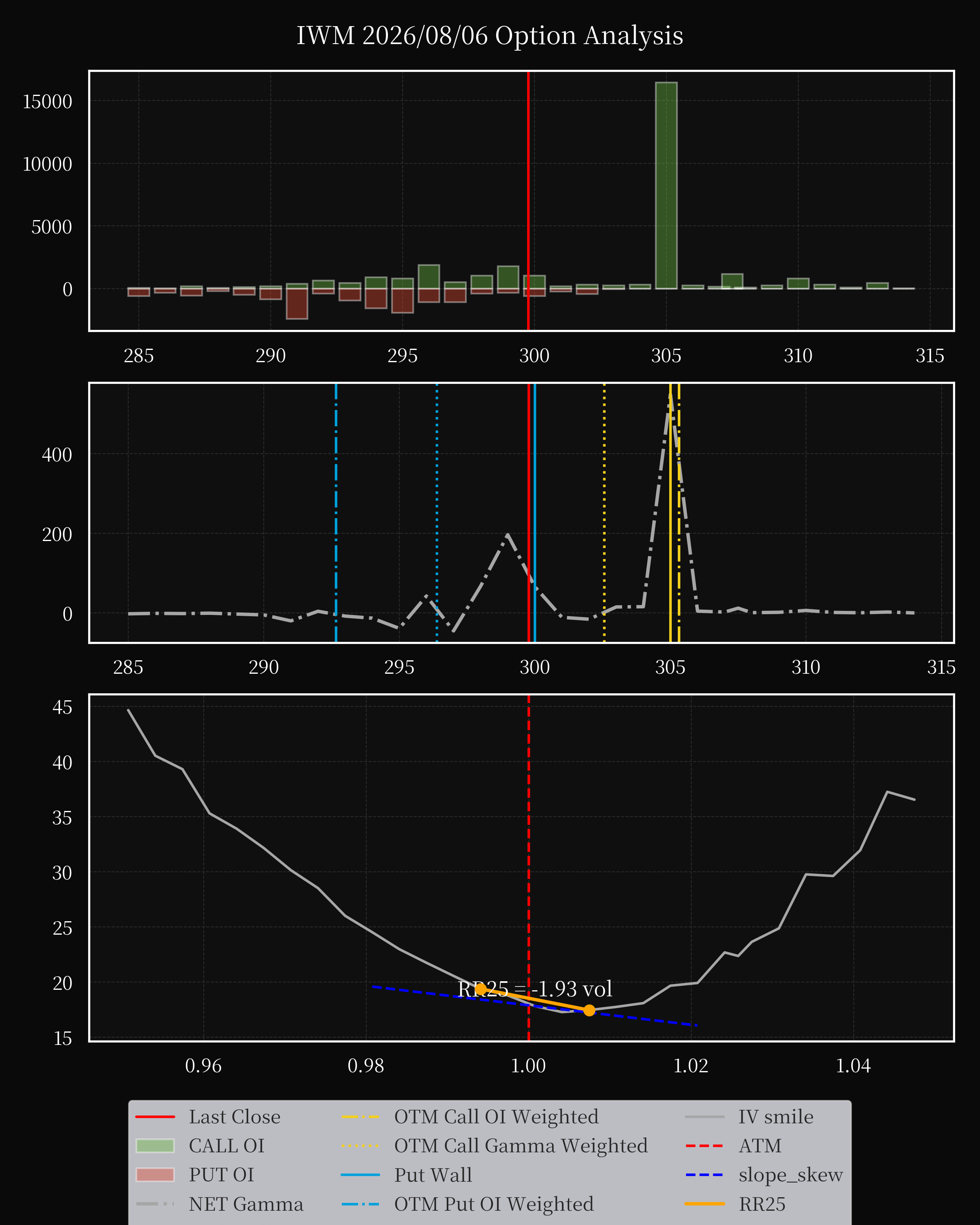
Overall
The market reaction to Meta’s announcement of Muse Code, its inaugural AI coding agent, underscores the sector’s heightened sensitivity to competitive dynamics and product differentiation in the artificial intelligence arena. Positioned as a cost-effective alternative to established offerings like Anthropic’s Claude Code and OpenAI’s Codex, Muse Code signals Meta’s intent to capture market share by leveraging its existing infrastructure and user base. This strategic move arrives amid a backdrop of intensifying rivalry among tech giants, where differentiation through specialized AI tools has become a critical determinant of investor sentiment. The introduction of Muse Code not only reflects Meta’s broader ambition to solidify its foothold in the AI ecosystem but also highlights the growing importance of developer-centric solutions in driving enterprise adoption. The stock’s response, while not explicitly detailed in the provided data, aligns with broader trends where AI-related announcements directly influence valuations, particularly when tied to revenue diversification and long-term growth narratives.
The broader implications of Meta’s product launch extend beyond its immediate competitive positioning, intersecting with macroeconomic factors and sector-specific risks that shape market behavior. The simultaneous announcement of SpaceX’s stock volatility due to expiring lockup agreements illustrates the interconnectedness of equity markets, where developments in one sector can ripple across others. SpaceX’s 14% decline, driven by uncertainty around insider sales, underscores the fragility of investor confidence in high-growth, capital-intensive ventures. This volatility contrasts with the relative stability observed in sectors like healthcare, where Eli Lilly’s 5% gain, fueled by strong earnings and demand for weight-loss treatments, demonstrates the resilience of companies with clear product pipelines and regulatory tailwinds. Such divergences highlight the necessity of contextualizing individual stock movements within the broader economic landscape, including interest rate expectations, inflationary pressures, and geopolitical considerations.
The departure of key AI talent from Google to establish a new venture further complicates the competitive calculus for firms like Meta. Demis Hassabis’s transition from CEO of DeepMind to a more advisory role, coupled with Jeff Dean’s exit to co-found an AI startup, signals a potential shift in leadership dynamics at Alphabet. These moves, occurring amid delays in releasing a model competitive with top-tier offerings, raise questions about the sustainability of Google’s AI strategy. For Meta, the ability to attract and retain technical expertise becomes a decisive factor in translating product innovation into market leadership. The company’s decision to prioritize internal development of a coding agent may mitigate reliance on external partnerships, thereby reducing exposure to talent attrition risks while reinforcing its vertical integration strategy.
The financial markets’ reaction to these developments also reflects evolving investor priorities, particularly the growing emphasis on long-term value creation over short-term gains. While stocks like Shake Shack experienced a 12% surge following the announcement of an activist investor stake, such movements often hinge on perceptions of operational efficiency and strategic repositioning. Conversely, companies like AMD, which saw a 7% decline following SpaceX’s capital expenditure disclosures, face scrutiny over their capacity to deliver on ambitious growth targets. These divergent outcomes underscore the importance of aligning corporate actions with transparent communication to manage expectations. Investors increasingly demand clarity on how new initiatives contribute to revenue diversification, margin expansion, and competitive moats, particularly in sectors characterized by rapid technological obsolescence.
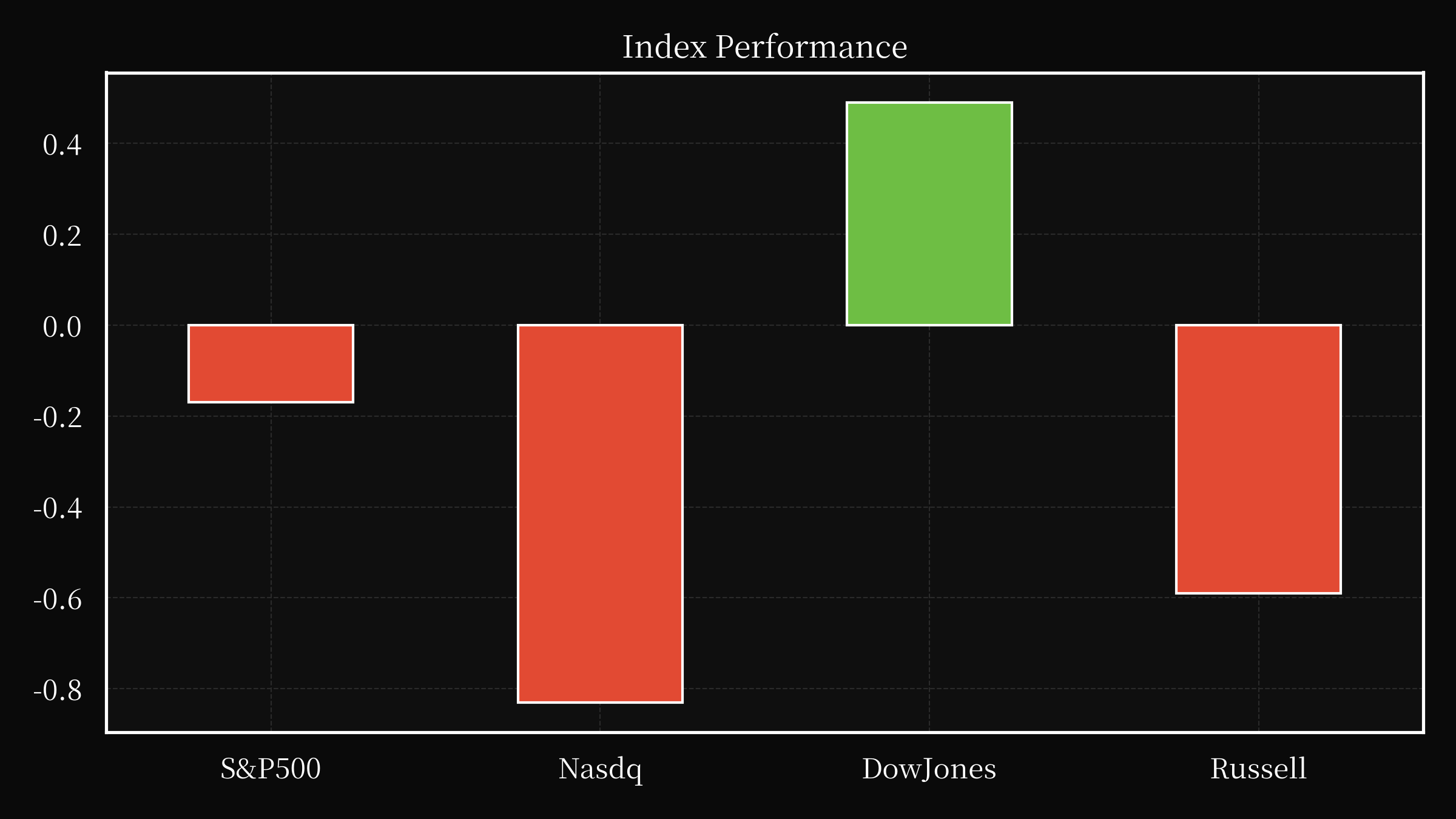
The interplay between macroeconomic indicators and sector-specific performance further complicates market analysis, as seen in the Nasdaq’s 0.8% decline amid SpaceX’s volatility and the Dow’s resilience. Rising bond yields, driven by inflation concerns, have historically exerted downward pressure on growth-oriented equities, a trend evident in the S&P 500’s marginal contraction. Meanwhile, commodities like gold, which surged nearly 4%, reflect shifting risk appetites and geopolitical uncertainties. For tech stocks, the sensitivity to interest rate movements is amplified by their reliance on future cash flows, making them particularly vulnerable to changes in discount rates. This dynamic necessitates a nuanced approach to valuation, incorporating both fundamental metrics and macroeconomic signals to assess intrinsic value accurately.
The role of activist investors, exemplified by Starboard Value’s stake in Shake Shack, introduces another layer of complexity to market dynamics. Such interventions often catalyze operational overhauls aimed at unlocking shareholder value, though their efficacy depends on management responsiveness and industry conditions. In Shake Shack’s case, the 12% price increase suggests market confidence in the activist’s ability to drive efficiency, contrasting with the skepticism surrounding SpaceX’s valuation amid uncertain payoffs. These divergent outcomes highlight the importance of evaluating corporate governance structures and their alignment with investor interests, particularly in companies undergoing strategic transitions.
Finally, the broader narrative of AI’s transformative potential continues to shape market expectations, albeit with varying degrees of optimism. While Microsoft’s reliance on OpenAI for a significant portion of its AI revenue underscores the interdependence of tech giants, Meta’s entry into the coding space reflects an effort to reduce dependency on third-party partnerships. This strategic pivot aligns with industry-wide efforts to build proprietary AI capabilities, a trend likely to intensify as regulatory scrutiny and ethical considerations gain prominence. The long-term success of initiatives like Muse Code will depend not only on technical execution but also on navigating regulatory frameworks, ensuring data privacy compliance, and addressing potential biases in AI systems.
In conclusion, the confluence of product innovation, leadership shifts, macroeconomic forces, and sector-specific risks creates a multifaceted landscape for equity investors. Meta’s launch of Muse Code exemplifies the strategic imperatives driving corporate decision-making in an era of heightened competition and regulatory scrutiny. By contextualizing individual announcements within broader market trends, stakeholders can better anticipate valuation shifts and mitigate exposure to volatility. The interplay between technological advancement, capital allocation, and macroeconomic conditions ensures that market dynamics remain fluid, demanding continuous reassessment of investment theses to capture emerging opportunities while managing inherent uncertainties.
Watch List
ONB
Old National Bancorp’s primary strategic goal is to become a top-quartile “basic bank,” serving as a trusted partner to clients and a valued employer, focusing on sustained growth and development. As of June 30, 2026, the bank boasts $74 billion in assets, $41 billion in deposits, and a significant market presence in the Midwest, holding approximately 45% of market share in its key Metropolitan Statistical Areas (MSAs). The bank’s financial performance reflects a strong foundation, with a 1.39% adjusted ROAA, 19.9% adjusted ROATCE, and a 47.0% adjusted efficiency ratio. Key strengths include a 19.9% core deposit tenure, a robust credit culture with a 100% weighted Moody’s S-2 scenario, and a diversified loan portfolio with low net charge-offs. Old National is prioritizing organic growth and capital growth over mergers and acquisitions, aiming for a 1.3% NIM and a 45% CET1 capital ratio. The bank’s total deposits increased by 3.4% annualized, supported by low deposit costs of 171 bps. With a strong focus on efficiency, the bank achieved a record 45.2% adjusted efficiency ratio. Furthermore, Old National maintains a conservative balance sheet, demonstrating a loan-to-deposit ratio of 91% and a substantial repurchase of 4.4 million shares of common stock. Looking ahead, the company anticipates continued growth in loan volume and net interest income, underpinned by its competitive advantages and a commitment to shareholder value.
GCTK
Glucotrack, Inc. has secured approximately $4.45 million in additional funding through a series of agreements, including a follow-on investment in its existing bridge financing and an interim private placement. This “Bridge Financing” involved issuing senior secured convertible promissory notes (the “Bridge Notes”) to existing bridge investors and new investors, totaling $3.5 million and $4.487 million respectively, with an original issue discount. The Bridge Notes carry an 8% annual interest rate, maturing in nine months, and include a steep penalty of 18% interest upon default. These notes are secured by a first-priority interest in the company’s assets and are convertible after stockholder approval, subject to a conversion price tied to the company’s stock price. Simultaneously, the company issued common stock purchase warrants (the “Bridge Warrants”) exercisable for a five-year period, also subject to stockholder approval and a floor price mechanism. Furthermore, the company obtained $2 million through the issuance of pre-funded warrants and common warrants (the “Warrants”) to new investors, with a beneficial ownership limitation of 4.99%. These transactions were supported by definitive agreements, security agreements, and registration rights agreements, reflecting a comprehensive financing structure. The company’s existing bridge financing documents continue in effect, amended by the new agreements, and all related exhibits have been filed with the SEC.
HNNA
Hennessy Advisors, Inc. (Nasdaq: HNNA) announced its third fiscal quarter results for the period ending June 30, 2026, reporting a 4% increase in revenue driven by higher assets under management, alongside the declaration of a quarterly dividend of $0.15 per share. Chairman and CEO Neil Hennessy expressed optimism about the market’s performance, noting a shift away from AI-driven growth towards smaller and mid-cap stocks and value investments, underpinned by strong corporate earnings and economic indicators. Despite higher interest rates and ongoing geopolitical concerns, Hennessy remains hopeful for continued measured growth and positive market returns for the remainder of 2026. The company also took the strategic decision to redeem its $40.25 million notes payable six months early, citing favorable interest rate conditions and a strong cash position, which ultimately increased the company’s net cash position by 18% to over $35 million. Hennessy Advisors continues to maintain a competitive advantage through its balance sheet, allowing for potential acquisitions and shareholder returns through its dividend program, reflecting its long-term, buy-and-hold investment philosophy.
PACB
Pacific Biosciences of California, Inc. announced key developments, including its second fiscal quarter financial results for June 30, 2026, which included a planned restructuring aimed at aligning resources with strategic initiatives. As part of this restructuring, the company intends to reduce its annualized operating expenses by $30 million to $40 million by the end of 2027, resulting in a workforce reduction of approximately 40 employees, or 8% of its workforce, alongside related cost reductions. The company anticipates incurring approximately $2 million in pre-tax charges associated with this reduction. Furthermore, the Board of Directors appointed Mark Van Oene as President and CEO, effective August 5, 2026, succeeding Christian Henry who will remain on the Board as a Senior Business Advisor through December 31, 2026. Mr. Van Oene’s compensation package includes a base salary of $743,000, a target bonus opportunity, and equity awards, including stock options and restricted stock units. A Transition Agreement was also established, outlining Mr. Henry’s continued role and compensation through the end of 2026, contingent upon an extension of the agreement. The company issued a press release detailing these changes, further solidifying its strategic direction and leadership team.
CHRD
Chord Energy Corporation announced its second-quarter 2026 financial results, demonstrating strong operational performance and shareholder returns. The company exceeded expectations for cash flow from operations and adjusted free cash flow, driven by high oil volumes and modestly below-midpoint capital expenditures. Chord returned 54% of free cash flow to shareholders through a $1.30 per share base dividend and $147.4 million in share repurchases. Notably, the company successfully executed four additional 4-mile lateral pads and is expanding its chemical workover program to explore new opportunities. Operational highlights included 165.4 MBopd in oil volumes, $416 million in CapEx, and a net income of $525.2 million, translating to $361.7 million in adjusted net income ($6.44 per diluted share). Chord’s cash provided by operations reached $1.116 billion, with adjusted EBITDA at $923.5 million and adjusted free cash flow at $414.1 million. Looking ahead, Chord is updating its 2026 guidance, anticipating approximately $3.0 billion in adjusted EBITDA and $1.3 billion in adjusted free cash flow, including the impact of derivatives, with a midpoint WTI price of $70-$100 per barrel and a Henry Hub price of $3.00 per MMBtu. Key operational updates include unchanged oil volume midpoint guidance of 161 MBopd for 2026, a 163.0 MBopd midpoint guidance for 3Q26, and continued focus on the 4-mile program with a target of 140-160 gross operated wells. The company’s disciplined capital allocation and strong balance sheet position it for continued success in a volatile market.
ORA
Ormat Technologies, Inc., a leading geothermal and renewable energy company, reported strong second-quarter financial results driven by continued growth in its diversified strategy. The company achieved double-digit revenue growth and surpassed a 20% increase in gross profit, fueled by contributions from projects like the Blue Mountain geothermal plant and expansions within its Electricity and Energy Storage segments. Looking ahead, Ormat raised its full-year 2026 revenue and Adjusted EBITDA guidance, citing robust first-half performance and a significant pipeline of projects totaling 202 MW of electricity generation and 497 MW/1,888 MWh of energy storage currently under development. Notably, Ormat is actively advancing its Energy Generation Systems (EGS) strategy, with key pilot projects in Nevada progressing toward commercial validation and incorporating the innovative Ormega100 surface generation unit. The company’s substantial geothermal land position and water rights, combined with expanding interconnections, are intended to accelerate EGS development. With a current portfolio of 1,850 MW across geothermal and solar generation globally, and a focus on expanding into energy storage and solar PV combined with storage, Ormat remains confident in achieving its long-term growth objectives. The company also announced a quarterly dividend of $0.12 per share, further solidifying its commitment to shareholder value.
RGLD
Royal Gold reported a strong second-quarter 2026, achieving record operating cash flow of $335.2 million and a net income of $236.4 million ($2.78 per share). Revenue reached $450.5 million, a significant increase from the prior year’s $209.6 million, driven by higher metal prices and increased production from key assets like Kansanshi, Rainy River, and Cortez. The company continued its disciplined capital allocation strategy, repaying $200 million on its revolving credit facility, increasing liquidity to approximately $1.2 billion, and repurchasing 147,205 shares at an average price of $203.80. Notably, the company restructured ownership interests in the Hod Maden Project, securing a 2.5% NSR royalty and advancing $50 million to Solaris Resources following EIA approval for the Warintza Project. Further investments were made in the Hod Maden Project, totaling $70 million, and a new $600 million accordion feature was added to the revolving credit facility. Several key developments were highlighted, including continued progress on the Relief Canyon mine settlement, the completion of the Hod Maden restructuring, and ongoing production updates from assets like Newmont, Equinox Gold, and Teck Resources. Production at the Cortez Complex was approximately 169,200 ounces of gold, while Centerra Gold’s production remained on track. The company also provided guidance for the remainder of 2026, anticipating continued strong performance with minor deviations from previously stated ranges, primarily concerning copper and other metals. Royal Gold’s focus remains on accretive capital deployment and maintaining a long-term strategic outlook.
NHPAP
Okay, here’s a breakdown of the provided text, categorized for clarity and highlighting key aspects: 1. Core Agreement – Amended and Restated Credit Agreement * Purpose: This document fundamentally alters the existing credit agreement (referred to as the "Existing Credit Agreement"). * Effective Date: The changes take effect immediately upon execution. * Comprehensive Restatement: It completely restructures the terms of the credit facilities, encompassing loans and letters of credit. * No Novation: Crucially, it *doesn’t* create a new agreement. The existing obligations remain, but are now governed by these amended terms. 2. Parties Involved * Borrower: National Healthcare Properties, Inc. (its general partner) * Administrative Agent: Wells Fargo Bank, National Association (acting as the central coordinator) * Issuing Banks: A list of banks (Victoria Kendrick, Darin Mainquist, Nan E., Jill Wong, Gordon Yip, Jonathan Dworkin, Eva S., Michael King, Edward McKenna, Ryan Almond, Zachary Braun, Brent Michell) – these banks provide the credit line. * Lenders: The same banks listed as Issuing Banks. 3. Key Changes & Provisions * Reallocation of Revolving Commitments: The most significant change is the redistribution of the revolving loan commitments among the lenders. This is done to align with the new commitment percentages. * Cash Settlement: The existing revolving loans are “cashlessly rolled” or settled, meaning the funds are transferred without a traditional payment. * Assignment and Assumption: The agreement establishes a process for assigning and assuming the loans and credit commitments, streamlining the transfer of obligations. * No Fee for Assignments: Notably, there's no fee associated with the assignment process. * No Fiduciary Duty: The Borrower explicitly waives any fiduciary duty owed to the lenders. * No Liability for Administrative Agent: The Administrative Agent is shielded from liability, except in cases of gross negligence or willful misconduct. * No Guarantee of Performance: The Administrative Agent has no obligation to monitor or report on the Borrower's performance. * Amendment and Restatement Clause: This clause clarifies that this document is a complete restatement, superseding any prior agreements. 4. Important Clauses & Acknowledgements *
BTMD
Biote Corp., a Delaware-based biotechnology company, recently announced its financial results for the second quarter of 2026, as detailed in a press release furnished as Exhibit 99.1 to this Form 8-K filing. The report highlights the company’s performance during the period ending June 30, 2026. While specific financial details weren’t included directly within the 8-K filing itself, the document serves as a notification of the results announcement. This filing fulfills the requirement for companies to promptly disclose significant financial information to the public via press release and subsequent SEC reporting. Investors and stakeholders can access the complete details of Biote Corp.’s Q2 2026 results by reviewing the full press release accompanying this Form 8-K.
UMH
UMH Properties, Inc. recently released its results for the second quarter ended June 30, 2026, alongside a supplemental information package designed to accompany its earnings conference call. This announcement, detailed in a press release furnished as Exhibit 99.1 and accompanying supplemental materials (Exhibit 99.2), is now part of the company’s official filings. It’s important to note that while the report contains factual information, any statements utilizing forward-looking terminology – including words like “anticipates,” “believes,” or “expects” – are inherently subject to risk. These projections are based on current intentions and assumptions, but UMH Properties acknowledges that unforeseen events and external factors could significantly impact its actual performance and lead to outcomes differing from those anticipated. Investors should carefully consider these risks when evaluating the company’s financial situation and future prospects.
IAN Financial Vision is an AI-native financial research platform combining proprietary knowledge graphs, quantitative valuation models, and large language models to generate point-in-time investment research. All reports are produced using a structured research workflow with human review prior to publication..