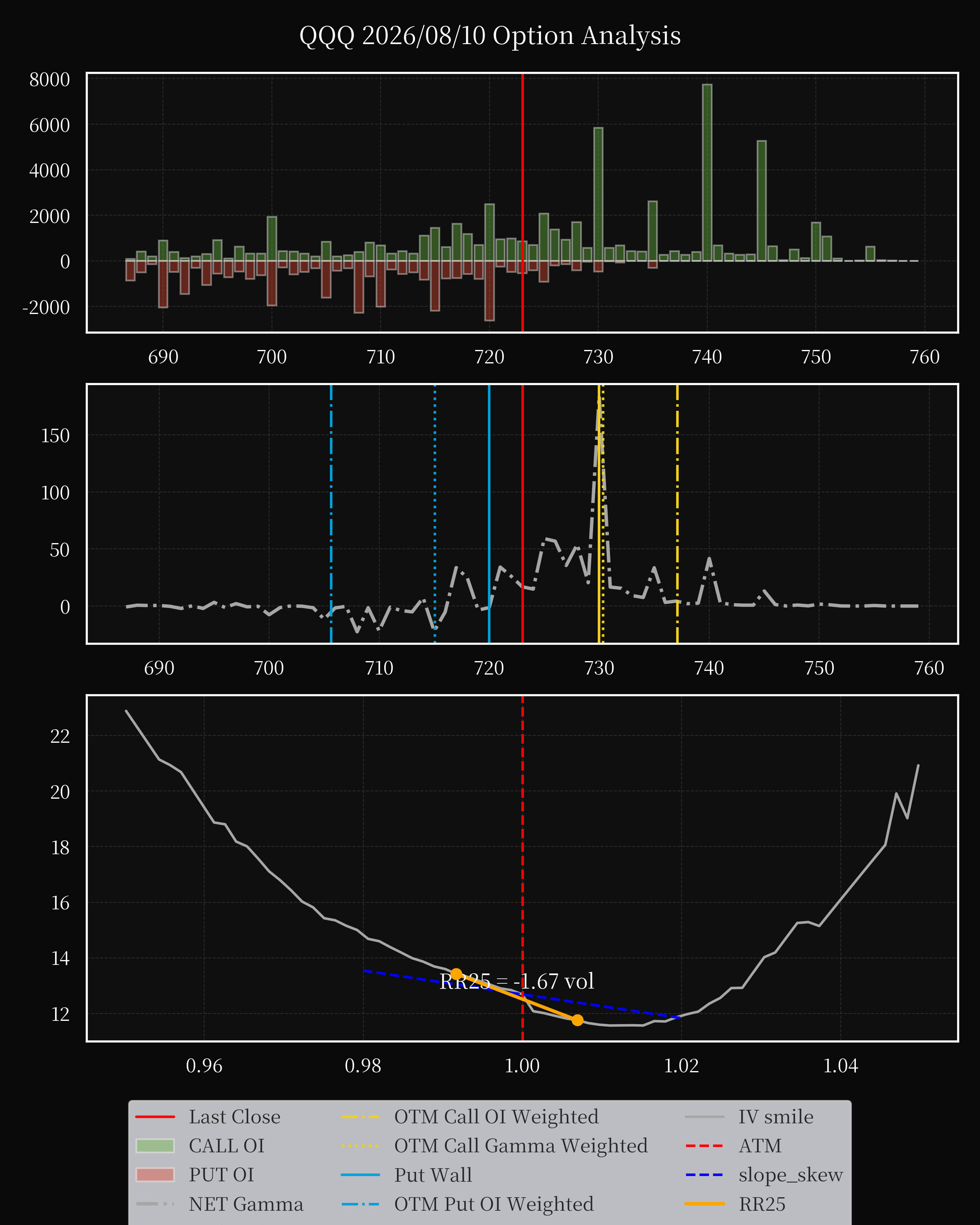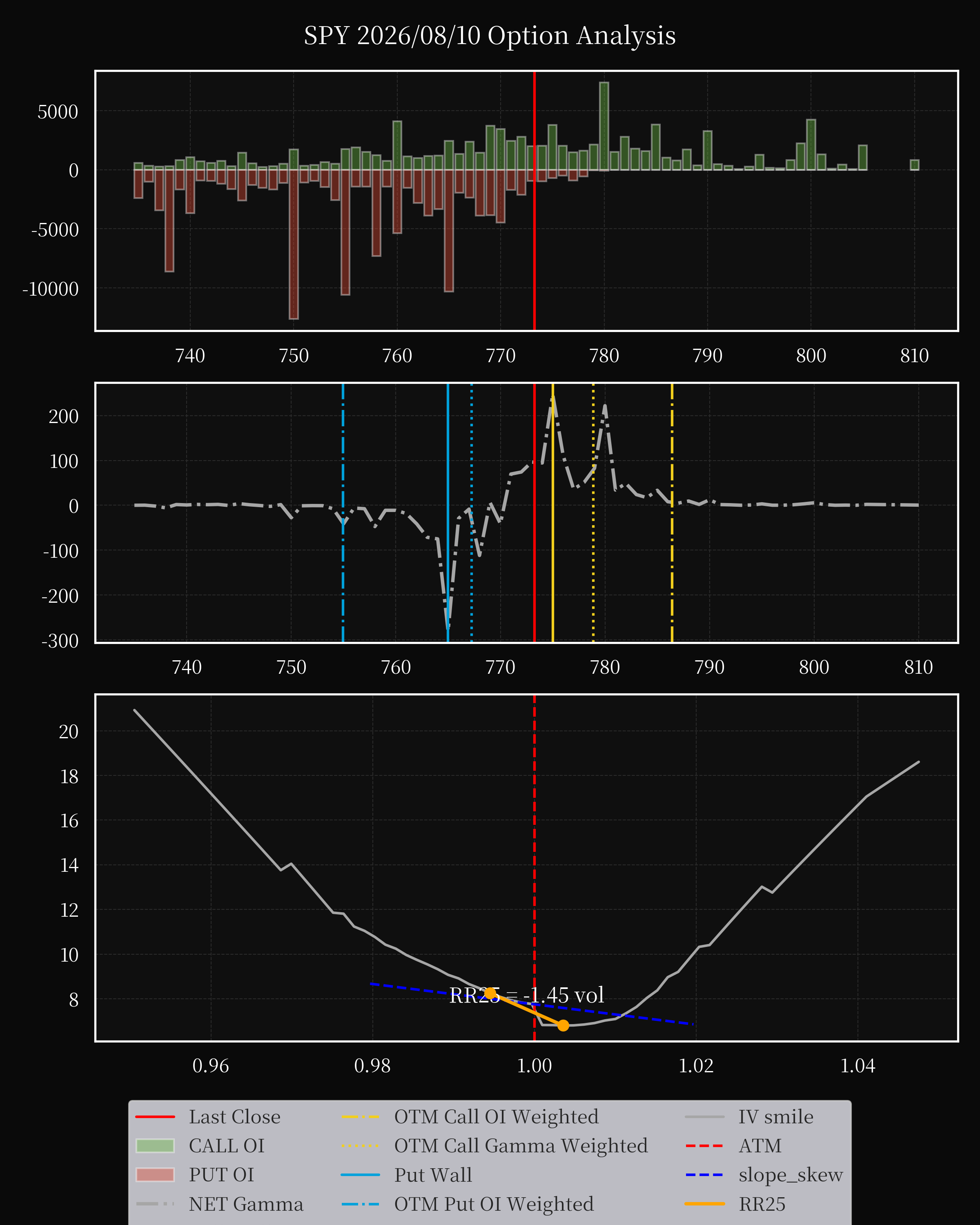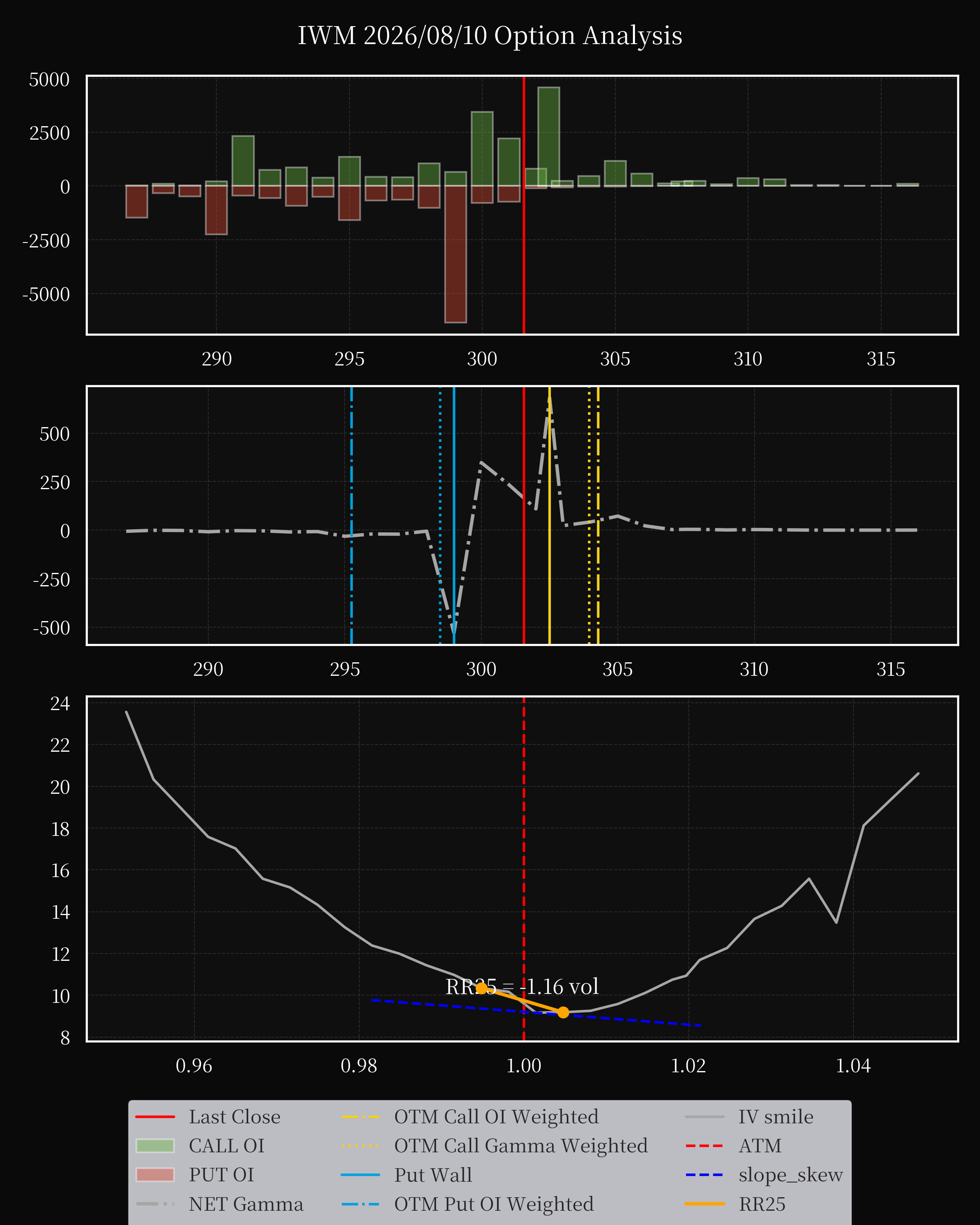
Overall
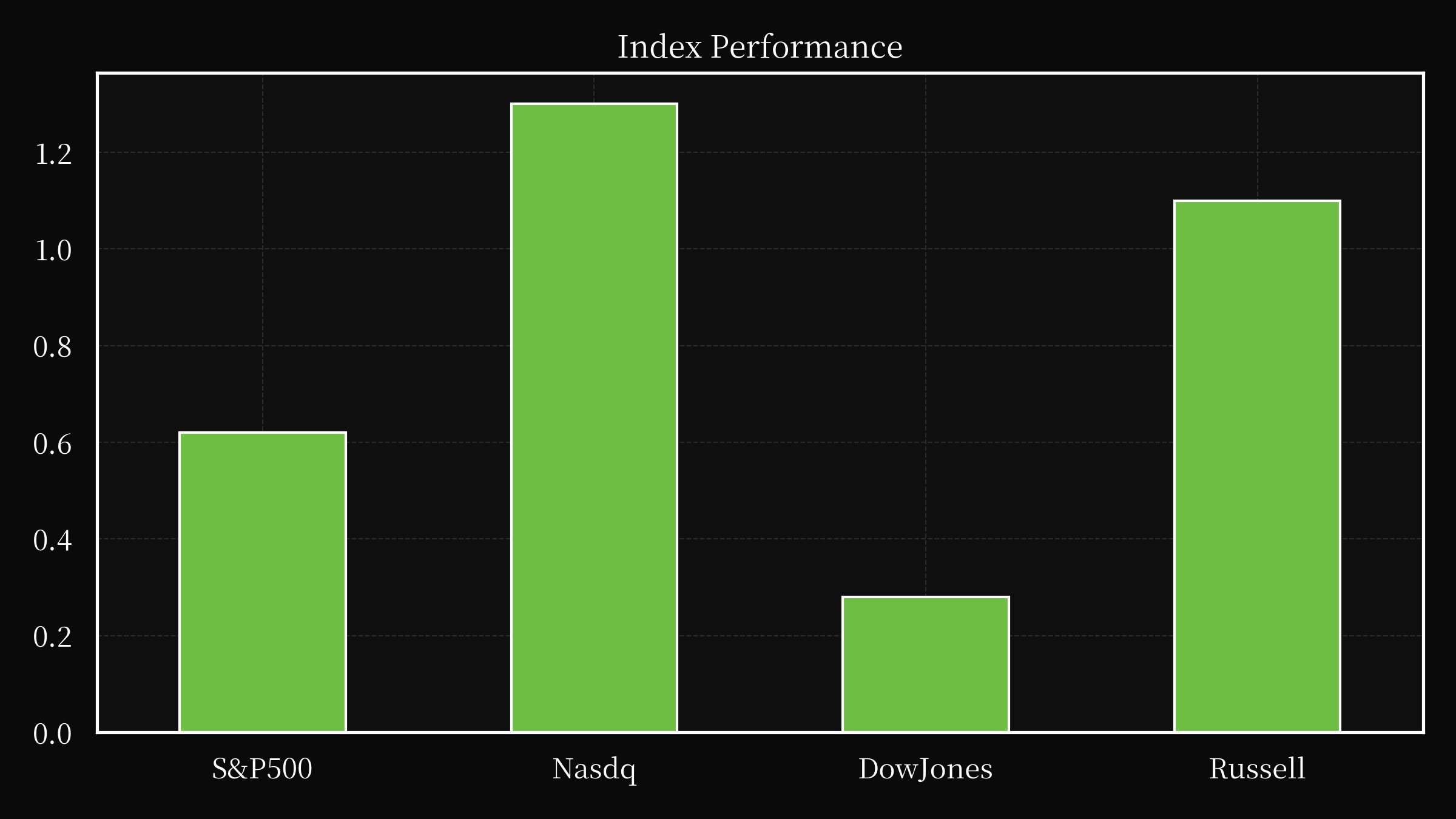
The U.S. labor market experienced a notable contraction in July, with 23,000 jobs lost, a figure that sharply diverged from the consensus expectation of an 83,000 job gain. This unexpected decline, coupled with a marginal reduction in the unemployment rate to 4.1% from 4.2%, has introduced a layer of complexity to the economic narrative. The discrepancy between the reported job losses and prior forecasts has reignited debates about the resilience of the labor market, particularly in the context of elevated inflationary pressures and the Federal Reserve’s monetary policy trajectory. The data underscores a potential decoupling between headline economic indicators and the underlying dynamics of employment, raising questions about the sustainability of recovery and the accuracy of real-time economic assessments.
The manufacturing sector emerged as a critical outlier, posting a gain of 5,000 jobs in July, a stark contrast to the broader labor market’s decline. This resilience was driven by strong performance in transportation and computer equipment manufacturing, reflecting a broader trend of industrial recovery that has been gradual but persistent over recent months. The sector’s ability to add employment despite a year-over-year decline in overall manufacturing employment highlights the nuanced nature of economic cycles, where specific industries can outperform while the aggregate market falters. This divergence suggests that structural shifts, such as the ongoing reconfiguration of global supply chains and the acceleration of automation, may be influencing employment patterns in ways that traditional metrics fail to capture comprehensively.
Market participants have responded to the mixed data with a mix of caution and optimism, as the unexpected job losses have tempered expectations for further rate hikes by the Federal Reserve. The initial reaction saw Treasury yields decline, though they later recovered, indicating a complex interplay between inflation concerns and the perceived risks of an economic slowdown. The S&P 500’s subsequent rise to a record high, alongside gains in sectors like technology and real estate, reflects a broader market sentiment that prioritizes long-term growth potential over short-term volatility. However, the divergence between labor market performance and equity market reactions also highlights the limitations of using single indicators to gauge economic health, as sector-specific dynamics can obscure broader macroeconomic trends.
The implications of this data extend beyond immediate market movements, influencing investor behavior and corporate strategy. The manufacturing sector’s strength may signal a gradual normalization of industrial activity, while the broader labor market’s weakness could prompt policymakers to reassess the timing and scope of monetary interventions. Additionally, the performance of companies like Airbnb, which saw a significant stock price surge, underscores the role of innovation and adaptability in driving market resilience. Conversely, the struggles of firms such as Trade Desk, which faced earnings disappointments, illustrate the risks inherent in overreliance on speculative growth narratives. These contrasting outcomes emphasize the importance of granular analysis in navigating the current economic landscape.
The interplay between employment data, sectoral performance, and market sentiment reveals a landscape of competing forces. While the labor market’s contraction introduces uncertainty, the manufacturing rebound and equity market gains suggest that the economy is not uniformly faltering. This duality necessitates a careful evaluation of both macroeconomic fundamentals and microeconomic developments, as the latter increasingly shape the trajectory of financial markets. For investors, the challenge lies in balancing the risks of a weakening labor market with the opportunities presented by sectoral innovation and global economic shifts. Ultimately, the data serves as a reminder that economic narratives are rarely monolithic, and the path forward will depend on the ability to synthesize diverse signals into coherent, actionable insights.
The broader implications of these developments extend to the credibility of economic forecasting and the role of institutional investors in interpreting ambiguous data. The discrepancy between the reported job losses and prior expectations has prompted scrutiny of the methodologies used to measure employment, with some analysts questioning the reliability of real-time data in capturing the full scope of labor market conditions. This skepticism is compounded by the influence of external factors such as geopolitical tensions, which can distort economic indicators through supply chain disruptions or energy price volatility. As a result, the market’s reaction to the July data reflects a cautious approach, with investors weighing the potential for policy adjustments against the risk of prolonged economic stagnation.
In the context of global economic interdependence, the U.S. labor market’s performance also has ripple effects on international trade and investment flows. A weaker U.S. economy could dampen demand for foreign goods, impacting export-dependent economies, while a robust manufacturing sector might bolster confidence in global supply chains. Additionally, the divergence between domestic and international economic signals complicates the assessment of monetary policy effectiveness, as central banks must navigate the dual challenges of inflation and growth. The recent data thus underscores the interconnectedness of global markets, where local economic outcomes are inextricably linked to broader geopolitical and financial dynamics.
The role of technology and innovation in shaping economic outcomes cannot be overstated, as evidenced by the contrasting performances of sectors like software and manufacturing. While the latter benefits from structural improvements, the former faces headwinds from regulatory scrutiny and market saturation. This dichotomy highlights the need for a balanced approach to economic policy, one that fosters innovation while addressing systemic risks such as income inequality and environmental sustainability. The current data, therefore, serves as both a cautionary tale and an opportunity to recalibrate priorities in the pursuit of long-term stability.
Ultimately, the July job report and its aftermath illustrate the complexity of modern economic analysis, where no single metric can fully encapsulate the state of an economy. The interplay of labor market trends, sectoral performance, and market sentiment demands a holistic perspective, one that integrates quantitative data with qualitative insights. For policymakers, investors, and analysts alike, the challenge lies in synthesizing these elements to form a coherent understanding of the forces shaping the economic landscape. In doing so, the focus must remain on the underlying fundamentals that drive sustainable growth, even as short-term fluctuations continue to test the resilience of markets and institutions.
Watch List
RDVT
Red Violet, Inc. recently completed a public offering of 1,666,667 shares of its common stock at a price of $60.00 per share, raising approximately $108.6 million net proceeds following deductions for fees and expenses. The offering was underwritten by Raymond James & Associates, Inc. and Needham & Company, LLC, with the underwriters exercising their option to purchase an additional 250,000 shares. The company intends to utilize these funds primarily for working capital, general corporate activities, and potential strategic acquisitions. Concurrent with the offering, Red Violet, Inc. released a series of press releases announcing the launch, pricing, and subsequent closing of the offering on August 5th, 6th, and 7th, 2026, respectively. Supporting documentation, including the Underwriting Agreement (Exhibit 1.1) and legal opinion from Akerman LLP (Exhibit 5.1), are attached to this Form 8-K filing. These announcements and related materials provide further details regarding this significant capital raise for the company.
TG
Tredegar Corporation reported significantly improved second-quarter 2026 financial results, with net income from continuing operations reaching $6.0 million, or $0.17 per diluted share, compared to $1.8 million, or $0.05 per diluted share, in the prior year’s second quarter. This increase was driven primarily by strong performance in Aluminum Extrusions, bolstered by favorable metal margins. Consolidated EBITDA from ongoing operations rose to $14.2 million for the second quarter of 2026, up from $10.0 million in the prior year. The company’s President and CEO, Dr. Arijit (Bapi) DasGupta, attributed the success to a strategic transformation focused on operational excellence, cost reduction, and disciplined capital deployment, including the “One Tredegar” initiative and strategic leadership upgrades. Specifically, Aluminum Extrusions saw EBITDA increase to $14.5 million, a notable jump from $9.3 million in 2025, while High Performance Films experienced a slight decrease in EBITDA to $5.8 million compared to $6.7 million and $5.1 million in the first quarter of 2026. Despite ongoing macroeconomic uncertainties and trade policy impacts, Tredegar successfully navigated challenges, including tariff pass-throughs and supply chain disruptions, through proactive measures like diversifying its supply chain. Looking ahead, Tredegar remains focused on higher-value markets and continued operational improvements, with expectations of realizing benefits from cost-reduction initiatives within the next six to nine months. The company’s strong sales volume growth, particularly in TSLOTS™ shipments, and increased open orders further supported its performance, demonstrating a resilient demand for its products.
DFH
Okay, here's a breakdown of the provided text, categorized for clarity and highlighting key aspects: 1. Agreement Overview: * Purpose: This is a complex merger agreement between Beazer Homes USA, Inc. (the “Company”) and Dream Finders Homes, Inc. (the “Parent”). It outlines the terms and conditions for the merger. * Key Parties: * Company: Beazer Homes USA, Inc. – The target company being acquired. * Parent: Dream Finders Homes, Inc. – The acquiring company. * Merger Sub: A subsidiary of Parent involved in the transaction. * Governing Law: Delaware General Corporation Law (DGCL) – This is the legal framework governing the merger. 2. Definitions & Key Terms (Extensive List - Summarized): The document contains a *huge* number of definitions. Here's a breakdown of the most important ones: * Company Material Adverse Effect (CME): A significant negative change affecting the Company’s business, finances, or operations. This is a critical trigger for the Parent to potentially terminate the agreement. * Real Estate Permitted Lien: Liens related to real estate owned by the Company. * Registered Company Intellectual Property Rights: The Company’s patents, copyrights, trademarks, and other intellectual property. * Financing Parties: The lenders involved in the financing for the merger. * Processing: The handling of information (data). * Processed: Information that has been handled or manipulated. * Personal Information: Data identifying individuals. * Broad Definitions of “Property”: Includes real estate, intellectual property, and other assets. * “Recourse Theory”: A legal concept related to seeking damages from the other party. 3. Critical Provisions & Clauses: * Exclusivity: The Company agrees to exclusively negotiate the merger with the Parent for a specified period. * Termination Rights: Both the Company and the Parent have rights to terminate the agreement under various circumstances (e.g., failure to obtain regulatory approvals, a CME, or a change in the Company’s financial condition). * Waiver of Jury Trial: The parties agree not to pursue lawsuits in court, opting for arbitration instead. *
UNTY
Unity Bancorp, Inc. announced the passing of Robert “Bobby” H. Dallas II, a member of the company’s Board of Directors, on August 3, 2026. Dallas had been a valuable contributor to both Unity Bancorp and Unity Bank, providing significant leadership and strategic guidance throughout his service on the board. Following this announcement, the company released a press release (attached as Exhibit 99.1) formally detailing the circumstances surrounding Mr. Dallas’s death. This filing serves as notification to shareholders regarding this significant development within the company’s leadership structure and aligns with Regulation FD requirements for disseminating material information to the public. The company is currently taking steps to ensure a smooth transition and continued operations.
INDI
indie Semiconductor, Inc. has filed an Amendment to Form 8-K to correct an error in previously furnished presentation materials. Specifically, Exhibit 99.2, a quarterly presentation for the second quarter ended June 30, 2026, replaces the original presentation (incorporated into the Original Form 8-K filed on August 6, 2026) due to a correction within slide 8. This updated presentation, now designated as Exhibit 99.2, contains supplemental business and financial information for the company’s second quarter results and supersedes the information previously provided. The filing fulfills the requirements of Regulation FD by providing an updated and accurate presentation to investors and analysts.
ACMR
ACM Research, Inc. (ACMR) announced strong second-quarter 2026 results, reporting a 36% year-over-year increase in revenue and shipments, driven primarily by growth in its Electroplating (ECP) and advanced packaging categories. Revenue reached $292.9 million, boosted by a 36.0% increase in sales across ECP, furnace technologies, and advanced packaging, while shipments rose by 36.4%. A key milestone was the shipment of its 2,000th ECP chamber, reflecting growing adoption in high-volume manufacturing. The company’s cash position stands at $1.36 billion, providing financial strength for future growth. ACM anticipates a “Big Year” for new product evaluations and ramps across platforms like SPM Cleaning, Track, and PECVD, alongside expansion of its Ultra C Tahoe wet processing platform. The company raised its full-year 2026 revenue guidance to 25% to 30%, based on increased customer demand and ongoing product development. Notably, ACM received its first production order for an Ultra ECP ap-p tool in China and an evaluation order for a panel-manufacturer tool in Asia. With a strong focus on innovation and sustainability, ACM continues to expand its global customer base and is confident in outgrowing the market through new product cycles and market share gains.
TUSK
Mammoth Energy Services, Inc. reported a strong second quarter of 2026, demonstrating significant operational and financial improvements. Revenue surged by 110% year-over-year to $26.1 million, driven by increased activity across its drilling, rental services, and aviation platforms, leading to a 37% sequential increase in Adjusted EBITDA to $2.6 million. The company’s second time increasing its full-year 2026 outlook reflects confidence in continued growth, projecting over 90% revenue growth and exceeding 10% Adjusted EBITDA margins. Key highlights included the acquisitions of Mission Construction and BERE Rentals, expanding its infrastructure capabilities, and strategic investments in its aviation fleet. Drilling performance improved, sand sales increased, and freight revenue rose substantially. The rental services segment experienced a notable 5.7 million dollar increase in aviation revenue due to equipment sales. Looking ahead, Mammoth remains focused on disciplined execution, margin expansion, and shareholder value creation. However, the company acknowledged risks associated with economic conditions, commodity prices, and potential disruptions, emphasizing the importance of continued monitoring and adaptation.
XPER
Xperi Inc. recently issued this Form 8-K to correct information presented during its second quarter 2026 earnings conference call held on August 5, 2026. The company clarified a previous misstatement regarding the percentage of total revenue covered by minimum-guarantee agreements. Initially, Xperi stated this figure was within the single-digit percent range, however, the accurate historical data reveals the company’s minimum-guarantee agreements have typically accounted for the low-to-mid 20 percent of total revenue. Management now anticipates this percentage to remain in the mid-20 percent range, potentially trending slightly higher, for the fiscal year ending December 31, 2026. A corrected transcript of the earnings call, containing this revised information, is available for review on the company’s investor relations website under the “Q2 2026 Earnings Call” section within the “Events & Presentations” page.
QVCC
QVC Group, Inc. (formerly QVC, Inc.) and certain affiliates filed Chapter 11 bankruptcy petitions in the United States Bankruptcy Court for the Southern District of Texas, utilizing a prepackaged plan of reorganization. The Chapter 11 Cases were jointly administered, and on July 20, 2026, the Bankruptcy Court confirmed the Plan, leading to the emergence of QVC Group from bankruptcy on August 6, 2026. As part of the restructuring, the Company issued $1,240,362,247 in 10.000% First Lien Senior Secured Notes due 2032 (the “Takeback Notes”) as part of the takeback debt. These notes were secured by first priority liens and security interests and mature on August 6, 2032. Additionally, the Company borrowed $84,637,736.20 in Takeback Loans under a senior secured credit agreement. Furthermore, the Company entered into an Exit ABL Credit Agreement providing an asset-based revolving credit facility of up to $600.0 million. Following the Plan Effective Date, the Company’s Board of Directors was reconstituted, with Michael George appointed as Interim Chief Executive Officer. The Company also executed Stockholder Agreements with key stockholders, granting them rights to designate board members and influencing governance. Finally, the Company amended its Certificate of Incorporation and Bylaws to reflect the restructuring, including changes to the number of board seats and governance provisions.
UG
United-Guardian, Inc. (NASDAQ:UG) reported a strong second quarter and first-half performance for 2026, demonstrating significant growth across its diverse product lines. Net sales rose by 10% to $3.11 million in the second quarter alone, and by 12% to $5.98 billion over the six-month period compared to 2025 figures. This resulted in a 16% and 30% increase in net income, respectively, reaching $728,579 and $1,547,481, translating to $0.16 and $0.34 per share. The company’s success was largely driven by increased demand for its cosmetic ingredients, particularly through its largest distributor, Ashland Specialty Ingredients (ASI), who replenished depleted inventory levels. Pharmaceutical sales, spearheaded by the Renacidin product, also saw a notable 11% increase over the first half. Looking ahead, United-Guardian plans to bolster its growth strategy through expanded marketing efforts, increased physician awareness of Renacidin, and continued expansion within its medical lubricant and sexual wellness ingredient segments. The company remains committed to capitalizing on growing demand for its “natural” product offerings.
IAN Financial Vision is an AI-native financial research platform combining proprietary knowledge graphs, quantitative valuation models, and large language models to generate point-in-time investment research. All reports are produced using a structured research workflow with human review prior to publication..