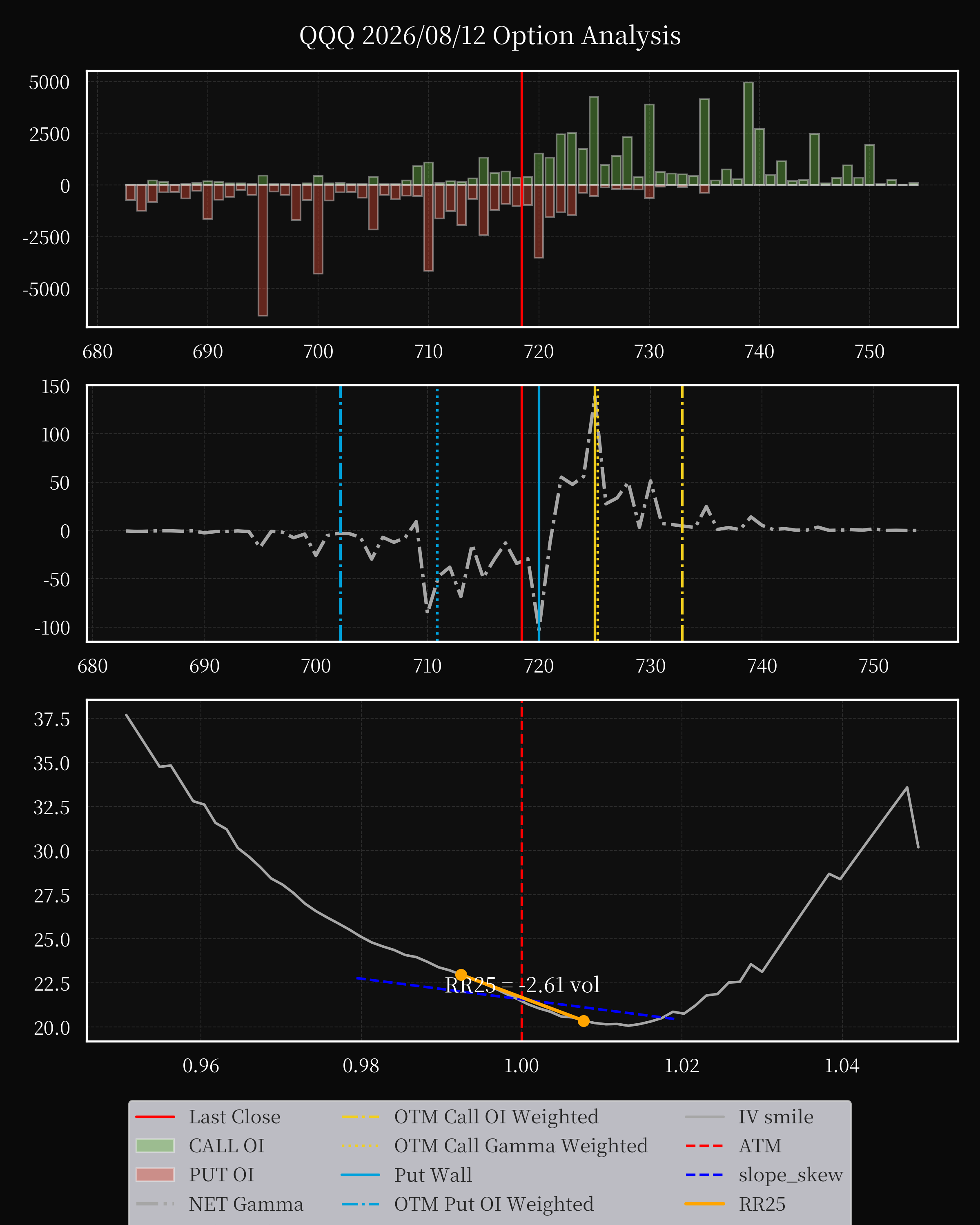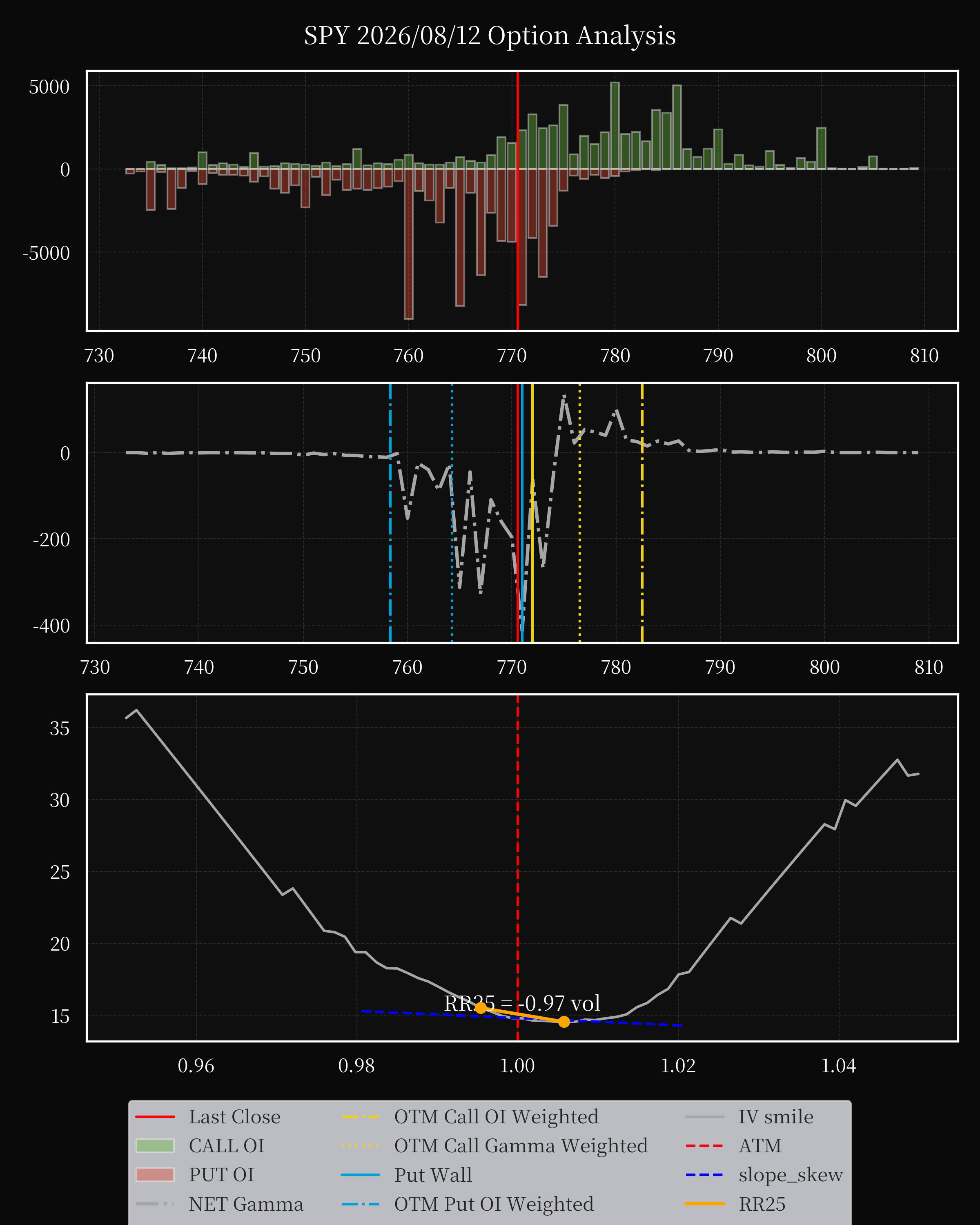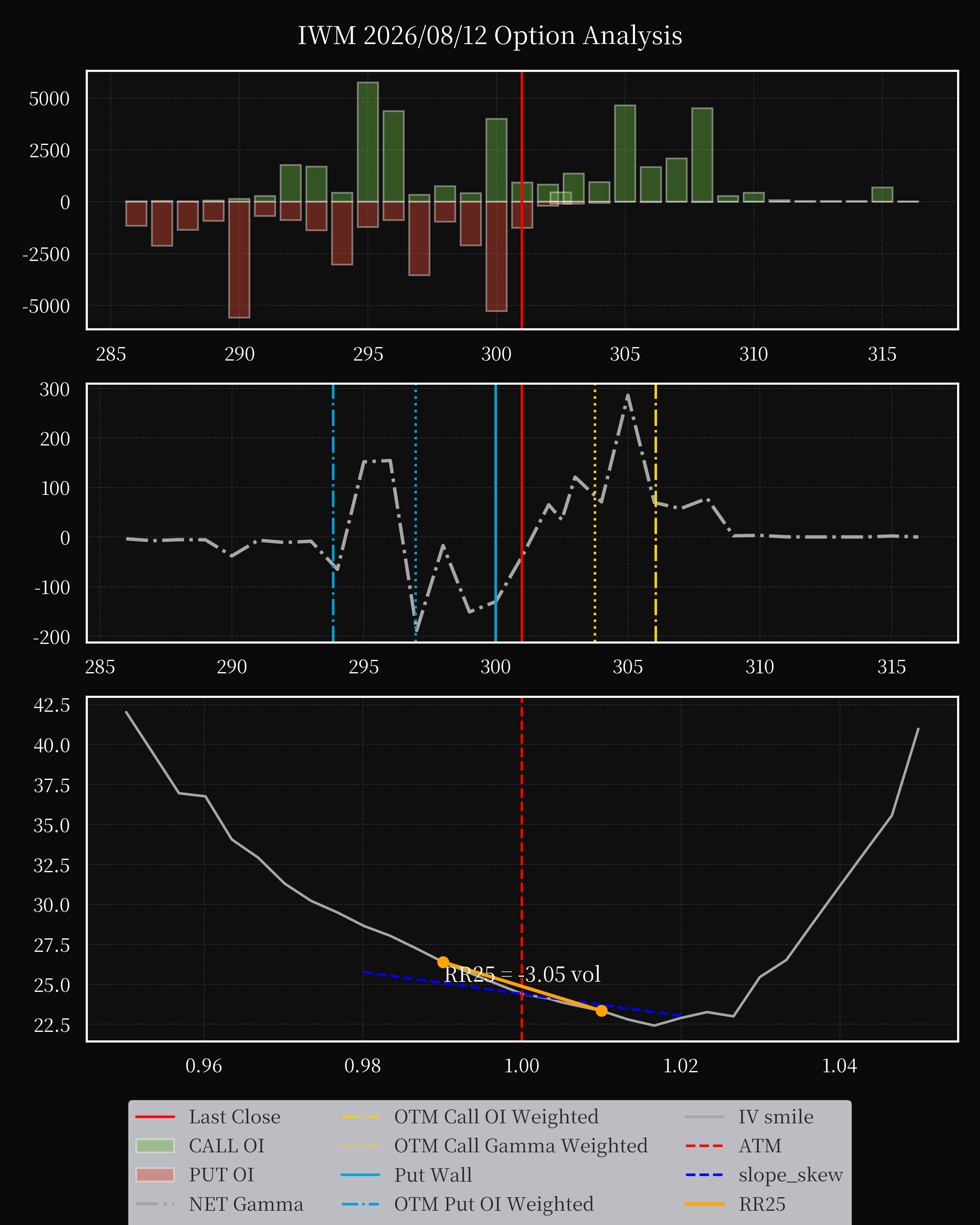
Overall
The U.S. military response to a vessel challenging the strategic blockade of Iranian ports has introduced fresh volatility into global energy markets, with crude oil prices rebounding sharply as geopolitical risk premiums reassert themselves. The incident, reported by The Wall Street Journal, underscores the fragility of supply chains in the Persian Gulf, where disruptions to maritime traffic through the Strait of Hormuz could have cascading effects on oil deliveries and pricing. Brent crude’s surge to $88.91, up 1.4% on the day, reflects the market’s sensitivity to escalations in regional tensions, particularly as the U.S. continues its campaign against Iranian maritime activities. This development arrives amid broader macroeconomic uncertainties, with investors recalibrating expectations for energy demand, inflation trajectories, and central bank policy responses.
The oil market’s reaction highlights the interplay between geopolitical events and commodity pricing dynamics. Historically, supply shocks in the Middle East have triggered sharp price movements, as seen during previous conflicts or blockades. The current scenario mirrors this pattern, with the U.S. blockade exacerbating existing constraints on Iranian oil exports. The U.S. Energy Information Administration’s data on Q2 shipments—averaging 4.9 million barrels per day—compared unfavorably to pre-conflict levels, signaling a structural shift in regional trade flows. Analysts note that sustained disruptions could push oil prices toward $100 per barrel by year-end, depending on the duration and scope of U.S.-Iranian confrontations. Such projections amplify concerns about inflationary pressures, particularly for transportation and manufacturing sectors reliant on stable energy costs.
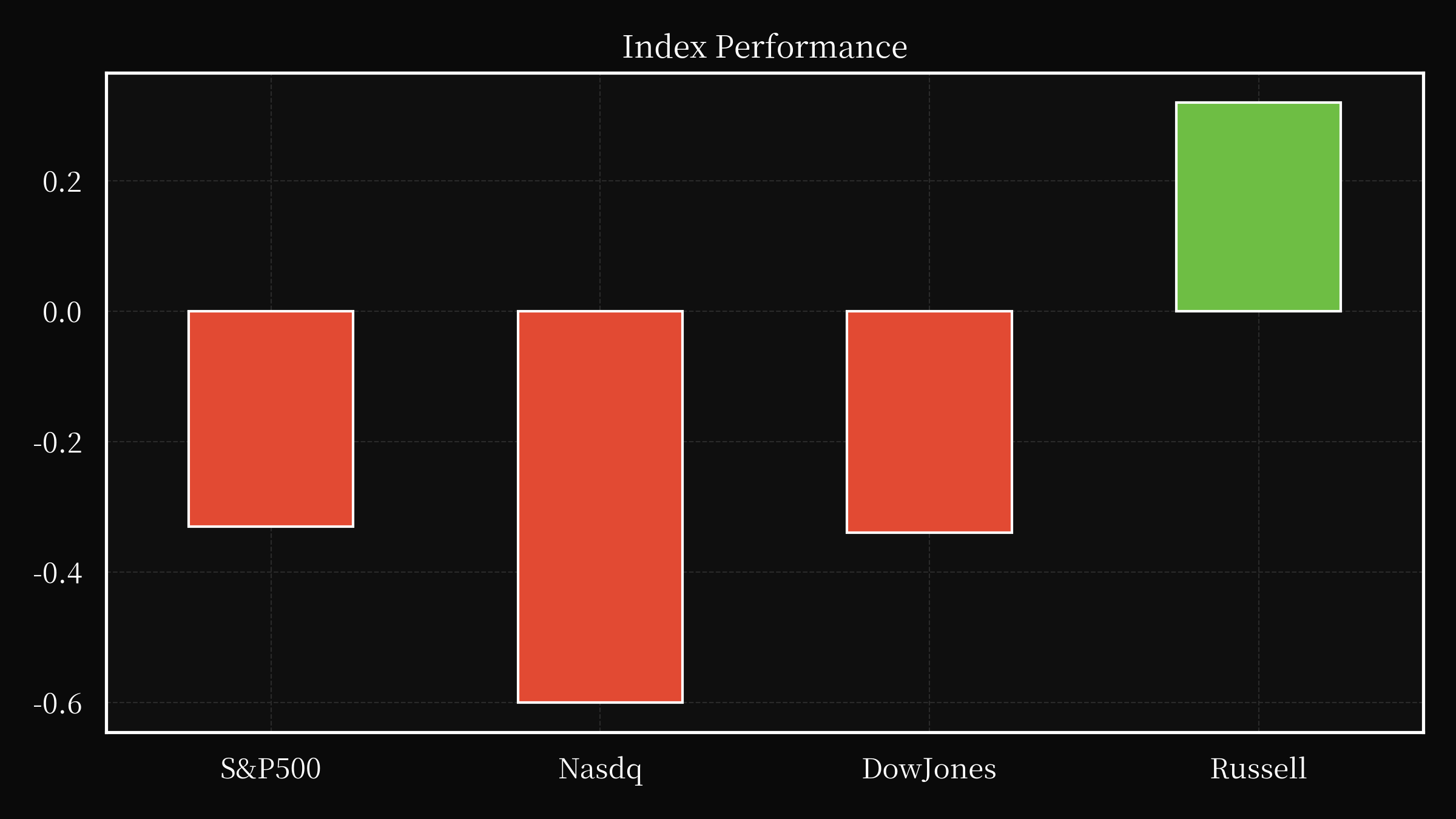
Beyond oil, the broader equity markets exhibited mixed performance, with major indices closing modestly lower amid divergent sectoral trends. The Dow Jones Industrial Average, down 184 points, reflected investor caution about prolonged geopolitical risks and their impact on corporate earnings. Technology stocks, which had previously benefited from optimism around AI-driven growth, faced headwinds as higher interest rates and economic slowdown fears weighed on valuations. Intel’s decision to expand its share sale to $20 billion—double its initial plan—signals management’s confidence in long-term prospects despite near-term headwinds. The company’s strategic pivot toward AI infrastructure, coupled with rising capital expenditures, positions it to capitalize on evolving demand for advanced computing solutions.
The Federal Reserve’s policy trajectory remains a focal point for market participants, with upcoming inflation data set to influence expectations for rate decisions. The Consumer Price Index reading for July will be scrutinized for evidence of persistent price pressures, particularly in services and energy sectors. A hawkish stance from the Fed could accelerate yield curve steepening, increasing borrowing costs for corporations and households alike. Conversely, softer inflation readings might embolden policymakers to pause rate hikes, offering temporary relief to risk assets. The interplay between monetary policy and fiscal stimulus measures, such as Japan’s yen intervention and its potential impact on global capital flows, further complicates the macroeconomic landscape.
Private equity activity and corporate restructuring continued to shape market sentiment, with Intel’s revised capital allocation plan illustrating the sector’s adaptive strategies. The company’s $20 billion equity issuance, comparable to its annual capex, underscores the scale of investments required to maintain technological leadership in AI and semiconductor development. Meanwhile, emerging market dynamics, including Colombia’s proposed economic emergency measures and Brazil’s regulatory shifts, highlight the regional disparities in economic resilience. These developments underscore the importance of monitoring both macroeconomic indicators and micro-level corporate actions as investors navigate an increasingly fragmented global economy.
The convergence of geopolitical tensions, monetary policy uncertainty, and sector-specific innovations creates a complex environment for asset allocation. Energy markets remain at the forefront of risk assessment, with oil prices serving as a barometer for systemic stress. Investors must balance exposure to cyclical sectors like energy and industrials against defensive positions in healthcare and technology, where earnings visibility and growth potential offer relative stability. As central banks grapple with inflation dynamics and fiscal authorities address structural challenges, the ability to discern between transient shocks and enduring trends will determine portfolio resilience in the months ahead. The interdependencies between commodity markets, equity valuations, and currency movements demand a holistic approach to risk management, emphasizing diversification and scenario analysis in an era of heightened volatility.
Watch List
AII
American Integrity Insurance Group, Inc. reported a record-breaking second quarter, achieving $46.4 million in income before taxes and gross premiums written of $327 million, representing a 14% year-over-year increase. Notably, the company sold a record 43,000 voluntary new business policies, up 54% and 44% compared to the second quarter and first quarter of 2026 respectively. A key highlight was the successful renewal of its 2026-2027 catastrophe excess of loss reinsurance program at a risk-adjusted rate decrease of 15-20%, benefiting from a significant reduction in reinsurance costs. CEO Robert Ritchie attributed the success to strong execution across growth initiatives, including expansion in the Tri-County region of Florida and sales to middle-aged homeowners. The company’s book value per share increased by 10.1% and the in-force policies and premium rose by 15.7% and 11.7% respectively. Furthermore, American Integrity secured $3 billion in third-party catastrophe coverage for $430-$440 million, retaining its 1-in-130-year probable maximum loss level. The loss ratio decreased to 33.1% compared to 33.1% in the prior year, and the expense ratio was 17.4% and 18.2% respectively. Adjusted net income and earnings per share also increased, reflecting the company’s continued momentum and positioning for profitable growth.
MAC
The Macerich Partnership, L.P., operating partnership of The Macerich Company, has issued $757.0 million in senior, unsecured notes due August 2029, pursuant to an indenture dated August 11, 2026, with U.S. Bank Trust Company, National Association as trustee. These notes are structurally subordinated to the Partnership’s existing and future secured debt and all other liabilities, including preferred equity. The notes feature a redemption option after August 20, 2029, and are subject to repurchase provisions triggered by a “Fundamental Change,” such as certain business combination transactions or common stock events. To facilitate the offering, the Company has amended its existing credit agreement with Deutsche Bank AG New York Branch, modifying certain terms and covenants. Simultaneously, the Company entered into capped call transactions with financial institutions to manage its debt obligations. The net proceeds from the $757.0 million offering will be used to cover the cost of the capped call transactions and refinance existing debt, with the remaining funds allocated to general corporate purposes. The issuance of these notes is part of a broader strategy to manage its capital structure.
SLAB
Silicon Labs, a leader in low-power wireless technology, announced strong second-quarter results for 2026, reporting revenue of $228 million – a 18% increase year-over-year. The company’s performance was driven by robust growth across its key segments, including a record-breaking 78% surge in Medical revenue and increases of 23% and 12% in Industrial & Commercial and Home & Life segments respectively. Notably, bookings and new orders accelerated, alongside a decrease in distributor and customer inventory. Despite a GAAP diluted loss per share of $(0.32), the company demonstrated significant improvements in profitability, with non-GAAP diluted earnings per share reaching $0.71 – a remarkable 545% year-over-year increase. Gross margins remained strong at 61.6% and 61.9% on a GAAP and non-GAAP basis, respectively. However, due to the pending acquisition by Texas Instruments, Silicon Labs has suspended forward-looking guidance. The company’s continued success reflects its innovative embedded technology and its position as a trusted partner in smart home, industrial IoT, and smart cities markets. Silicon Labs continues to focus on delivering advanced edge connectivity applications through its integrated SoCs and comprehensive solutions.
AURA
Aura Biosciences, Inc. has announced several key developments, including a strategic organizational realignment focused on ocular oncology. As part of this realignment, the company intends to minimize resource allocation to its non-muscle invasive bladder cancer (NMIBC) program and anticipates a workforce reduction of approximately 20%, accompanied by severance benefits contingent upon employee agreements. The estimated cost of this realignment and workforce reduction is between $2.9 million and $3.2 million, primarily to be paid in the third quarter of 2026. Furthermore, the company has appointed Susan Abu-Absi as Chief Operating Officer, leveraging her extensive experience in biopharma operations. Ms. Abu-Absi will receive an annual base salary of $520,000 and is eligible for performance-based bonuses and equity awards. Simultaneously, Anthony Gibney, the Chief Financial and Business Officer, has departed, with a Separation Agreement providing for continued salary and benefits through September 1, 2026, and a consulting agreement extending through May 31, 2027. Finally, Amy Elazzouzi has been appointed as interim Principal Financial Officer, continuing her role as Senior Vice President of Finance, Treasurer, and Secretary. These changes reflect the company’s strategic shift and aim to strengthen its operational capabilities.
GWH
ESS Tech, Inc. (GWH) reported a significant inflection point in its second quarter of 2026, driven by surging demand for its U.S.-made sodium-ion battery energy storage solutions. The company secured a letter of intent with Juniper Energy for over 500 MWh of storage, anchored by a planned 10 MW/80 MWh California project, and has identified early-stage opportunities totaling nearly $1 billion across data centers, critical infrastructure, and utility markets. Following the successful market rollout of its Bridge™ modular system, ESS is actively converting interest into near-term revenue. To further bolster its growth, the company is pursuing a strategic business combination with a private energy sector partner, potentially valued at $515 million with a premium to its market capitalization. Management plans to host a webcast and conference call today to discuss these developments. Despite increased operating expenses related to product development and strategic investments, ESS has implemented disciplined cost controls, reducing operating expenses by 12% year-over-year. The company’s focus remains on scaling production and capitalizing on the growing demand for its American-made, long-duration energy storage solutions, utilizing readily available materials and positioning itself to meet the evolving needs of the energy market.
SCOR
ComScore, Inc. has initiated a strategic realignment plan aimed at optimizing operations and investing in growth, resulting in workforce reductions and cost adjustments. As part of this plan, the Company anticipates incurring exit-related costs ranging from $7 million to $9 million, including severance payments, contract termination fees, and other professional expenses. Simultaneously, the Company’s Board of Directors has approved salary reductions for the executive team, including a 20% cut for the CEO and 10% reductions for the CFO and other executives, alongside a forfeiture of the CEO’s 2026 incentive program. New agreements have been established with the CEO and CFO, outlining revised compensation structures and benefit arrangements, including standardized change of control and severance benefits. Furthermore, ComScore has entered into a Separation and General Release Agreement with its Chief Commercial Officer, Steve Bagdasarian, who will serve as a strategic advisor until December 1, 2026, receiving a salary and a bonus. These actions reflect ComScore’s commitment to streamlining its business and focusing on future growth opportunities, with the company intending to exclude certain realignment-related charges from its non-GAAP financial metrics.
STXS
Stereotaxis, Inc. recently released its financial results for the second quarter of 2026, as detailed in a press release filed as Exhibit 99.1. This announcement serves as a formal update for investors and highlights the company’s performance. It’s important to note that the information presented within the Earnings Press Release includes forward-looking statements, which represent the company’s expectations and beliefs regarding future events. These statements are inherently subject to risks and uncertainties, and actual results could vary significantly due to a range of factors. Investors are encouraged to review Stereotaxis’s filings with the SEC for a comprehensive understanding of these risks and the company’s overall outlook. The company has indicated it does not currently intend to revise these forward-looking statements.
OWLT
Owlet, Inc. (NYSE: OWLT), a pioneer in smart infant monitoring, announced its second-quarter 2026 financial results, reporting a significant 29.9% increase in revenue to $33.9 million, driven by robust subscription growth. The company’s President and CEO, Kurt Workman, and CFO, Amanda Twede Crawford, will discuss these results in a conference call today. Notably, Q2 saw record subscription revenue of $3.2 million, up from $0.9 million in the prior year, and a gross margin of 54.0% excluding tariff refund impacts, representing a 270-basis-point increase. Excluding the $3.5 million tariff refund, net loss narrowed to $4.4 million compared to $37.4 million in Q2 2025. Adjusted EBITDA reached $2.9 million (excluding the tariff refund) and $6.7 million (including it), demonstrating a substantial improvement over the previous year’s $0.5 million. Workman highlighted strong topline growth, international momentum, and the continued expansion of the Owlet360 subscription platform. The company’s competitive advantage is underscored by its FDA-cleared baby monitor and strong market share. Owlet’s strategy focuses on subscriber growth, building the Owlet360 platform, expanding into pediatric telehealth, and scaling internationally, anchored by its unique pediatric dataset. Looking ahead, the company’s updated full-year 2026 outlook anticipates revenue of $118 to $122 million and a gross margin of 53% to 55%, largely unaffected by the one-time tariff refund.
CAVA
Cava Group, Inc. (CAVA) announced strong second-quarter financial results for fiscal 2026, demonstrating continued growth driven by robust same-restaurant sales and new store openings. Revenue increased by 31.3% to $365.4 million, fueled by a 9.0% rise in same-restaurant sales, including a 5.3% increase in guest traffic. The company opened 17 net new restaurants during the quarter, expanding its footprint to 476 locations across 29 states and Washington, D.C., further solidifying its concept’s portability. Cava’s unit economic model contributed to a significant increase in net income, rising to $23.0 million, or 6.2% of revenue, compared to $18.4 million in the prior year. Restaurant-level profit margin also improved to 25.7%, despite challenges related to the launch of a new menu item and increased third-party delivery costs. The company reaffirmed its full-year 2026 guidance, highlighting continued momentum and confidence in its long-term growth strategy. CAVA remains focused on delivering its category-defining Mediterranean fast-casual experience and expanding its digital and delivery capabilities.
JBI
Janus International Group, Inc. reported a second quarter of 2026 revenue of $233.5 million, a 2.4% increase year-over-year, driven primarily by growth in New Construction self-storage revenues and the acquisition of Kiwi II Construction. Despite this revenue growth, Adjusted EBITDA decreased by 18.0% to $40.2 million, reflecting a margin decline to 17.2%. The company’s Nokē Smart Entry System continued to expand, with 501,000 installed units, representing a 22.5% increase. Operating cash flow reached $60.6 million and free cash flow was $55.0 million for the six-month period, with a strong free cash flow conversion of 129% based on Adjusted Net Income. The company repurchased approximately 367,000 shares of its stock. While the company’s results were slightly below expectations, it highlighted the significant milestone of surpassing 500,000 Nokē unit installations. Janus is updating its full-year 2026 guidance due to challenging operating conditions and macroeconomic uncertainties, including factors like unemployment and inflation. The company remains focused on strategic priorities and shareholder value creation. Notably, the company utilizes non-GAAP financial measures, such as Adjusted EBITDA and Adjusted Net Income, to provide investors with a clearer picture of its operational performance, acknowledging the limitations associated with these metrics.
IAN Financial Vision is an AI-native financial research platform combining proprietary knowledge graphs, quantitative valuation models, and large language models to generate point-in-time investment research. All reports are produced using a structured research workflow with human review prior to publication..