Overall
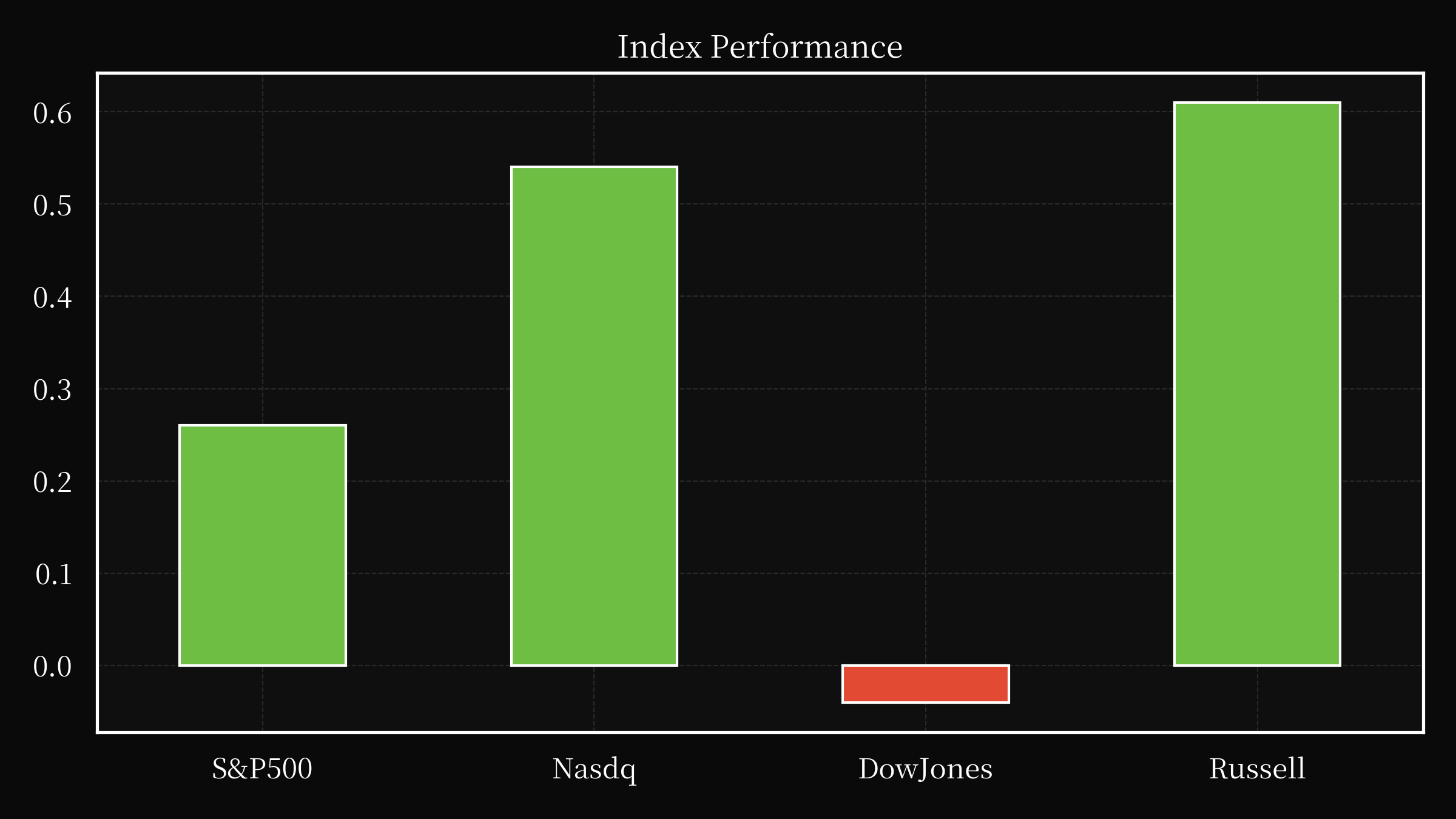
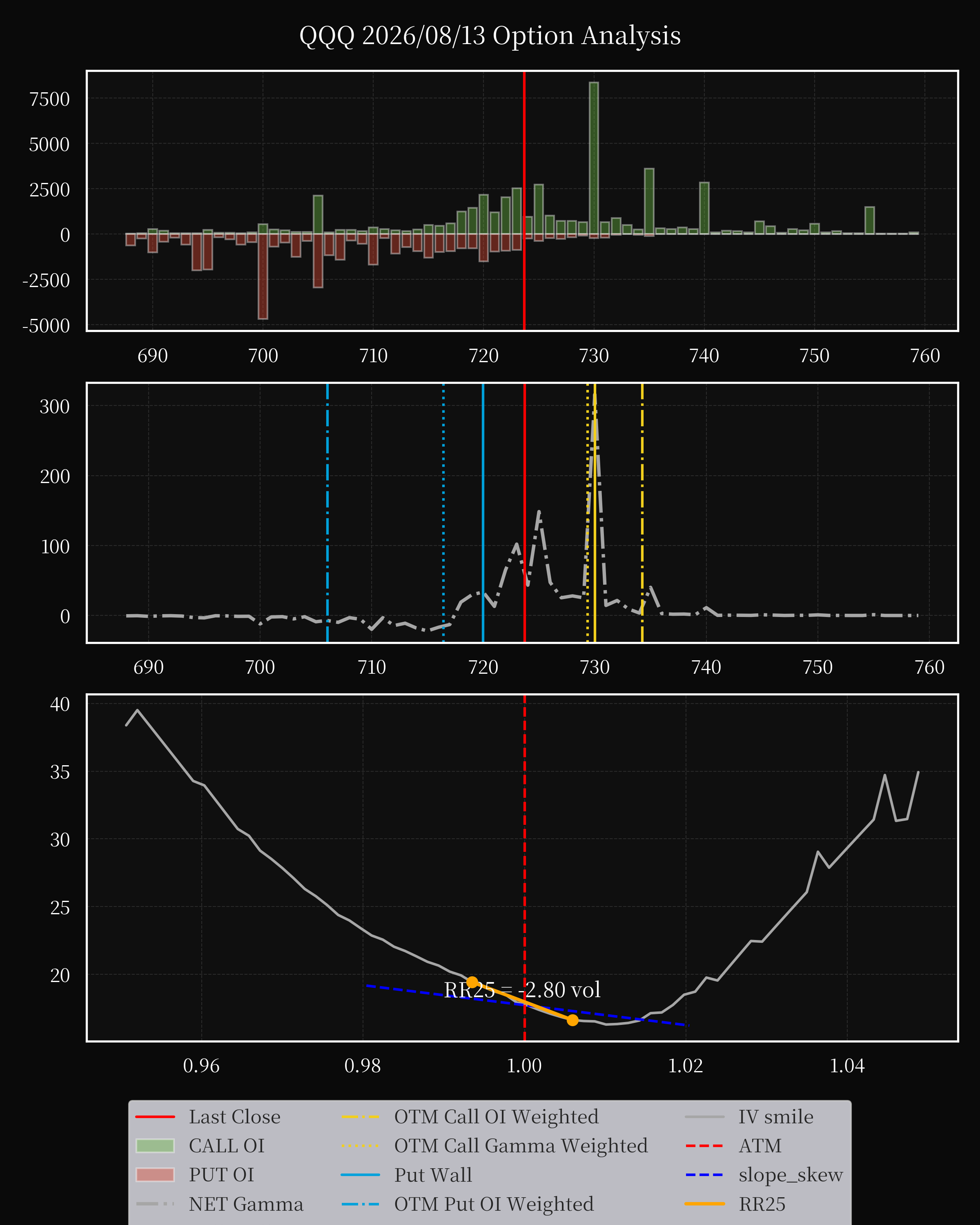
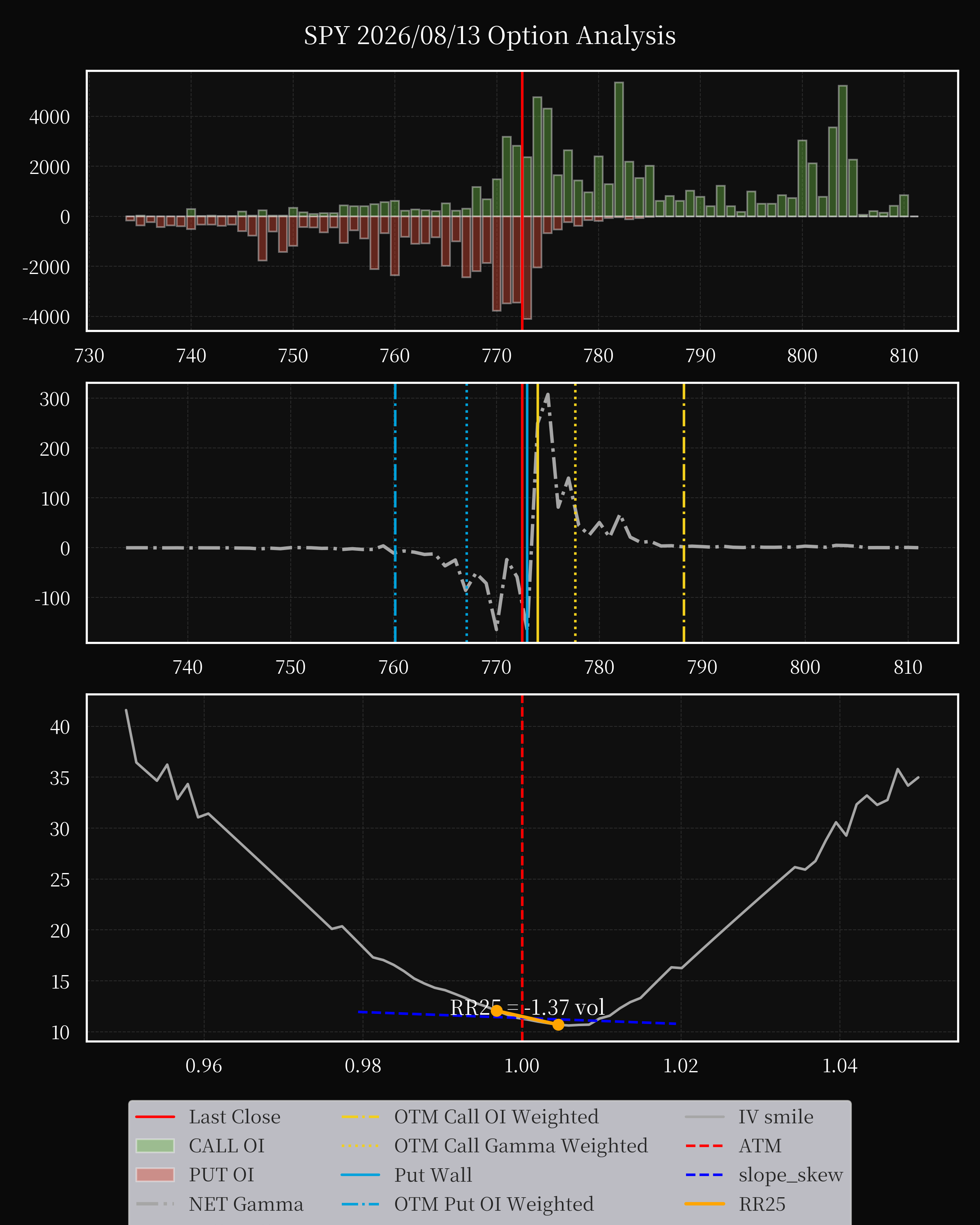
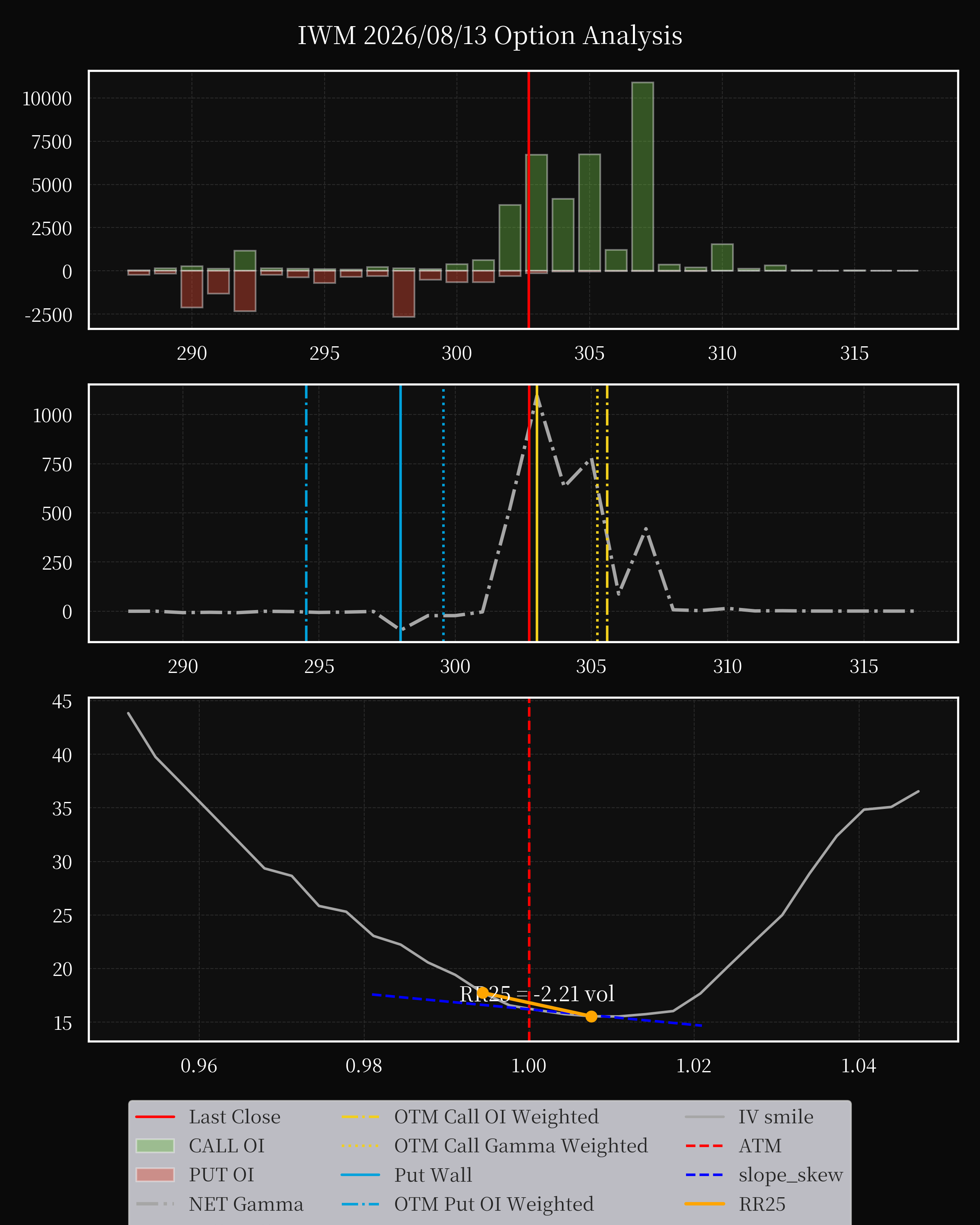
The U.S. equity market entered mid-August with a nuanced backdrop shaped by inflation dynamics, corporate earnings, geopolitical tensions, and evolving investor sentiment. The July consumer price index (CPI) report, which showed annual inflation at 2.5%—a slight deceleration from June’s 3.5%—provided a critical data point for market participants recalibrating expectations around Federal Reserve policy. Core inflation, excluding food and energy, further underscored this moderation at 2.5%, aligning more closely with the Fed’s 2% target and reducing immediate pressure for aggressive rate hikes. This shift in inflationary trajectory tempered concerns about near-term monetary tightening, though price pressures persisted above pre-pandemic levels and remained elevated relative to wage growth, sustaining a delicate balance between economic resilience and potential overheating.
Equity markets responded positively to the CPI data, with the S&P 500 edging higher and the Nasdaq 100 achieving a one-month peak, buoyed by gains in technology stocks. Artificial intelligence (AI) leaders such as CoreWeave and Super Micro Computer, which reported robust quarterly results, exemplified this trend, with both firms posting nearly 19% gains. The semiconductor sector also benefited, as the S&P 500 Semiconductor Index rose 2.5%, reflecting sustained demand for advanced chips critical to AI infrastructure and broader digital transformation. However, the rally was not uniform; while mega-cap tech names thrived, smaller or more speculative growth stocks faced headwinds amid broader macroeconomic uncertainty.
Corporate earnings reports added depth to market movements, with companies like Applied Materials and Tapestry delivering results that met or exceeded forecasts. The recent IPO of Bending Spoons highlighted continued investor appetite for niche innovation plays, though its performance remained volatile. Conversely, the Pentagon’s strained defense budget and deteriorating military infrastructure in the Indo-Pacific region introduced geopolitical risks. Analysts noted that U.S. munitions reserves, particularly air defense interceptors, were “critically low,” raising concerns about readiness amid potential conflicts involving Iran, North Korea, and China. These vulnerabilities underscored the interplay between fiscal policy, global security, and defense spending priorities.
Investor behavior reflected a blend of optimism and caution. The surge in AI-related equities, driven by both institutional inflows and retail enthusiasm, raised questions about valuation sustainability. Meanwhile, shifts in corporate benefits—such as the rise of Health Reimbursement Arrangements (HRAs) over traditional group insurance—signaled evolving labor market dynamics, with companies prioritizing flexibility amid rising healthcare costs. Similarly, the slowdown in electric vehicle (EV) sales growth, despite persistent gasoline prices, reinforced the resurgence of hybrid vehicles as a pragmatic alternative, illustrating how consumer choices adapt to both economic and technological constraints.
Looking ahead, markets face a dual mandate: balancing inflation moderation against persistent wage pressures, navigating geopolitical flashpoints in the Middle East and Asia, and assessing the long-term impact of AI-driven productivity gains. The interplay between these factors will likely dictate volatility levels and sectoral rotations in the coming weeks. Investors must weigh the benefits of AI exposure against defense spending risks, while monitoring how inflation trends influence central bank decisions. Ultimately, the convergence of macroeconomic data, corporate fundamentals, and geopolitical developments will remain central to understanding market direction in an environment of cautious optimism.
Watch List
WKHS
This common stock purchase warrant, issued as of August __, 2026, is part of a financing arrangement involving Motive GM Holdings II LLC and the Guarantors, tied to Credit Agreements secured by Workhorse Group Inc. stock. The warrant grants the holder the right to purchase up to 750,000 shares of Workhorse Group Inc. common stock, with the exercise price determined by Bloomberg L.P. pricing or, if unavailable, by the volume-weighted average price on OTCQB or OTCQX, or, as a last resort, a fair market appraisal. The warrant is exercisable until five years from the date of issuance, excluding weekends and holidays, and the Company will maintain a transfer agent participant in the FAST program. Upon exercise, the holder receives new warrants identical to the original, and if the original warrant is partially exercised, the Company will deliver shares via book-entry and, if requested, provide a cash adjustment for any fractional shares. The exercise price is set at $10.00, subject to adjustment, and the Company will pay all associated transfer agent fees and expenses. The warrant includes provisions for adjustments to the exercise price, a cashless exercise option, and safeguards against loss or destruction of the warrant. The Company covenants to reserve sufficient shares for issuance and to maintain a transfer agent, and the warrant includes clauses addressing stock dividends, corporate actions, and potential modifications. Finally, the warrant includes provisions for loss, theft, destruction, or mutilation of the warrant, and a waiver of any damages for breach of the warrant.
EARN
Ellington Credit Company reported financial results for the first fiscal quarter ended June 30, 2026, demonstrating positive performance driven by a strategic portfolio repositioning. The Net Asset Value (NAV) per share reached $4.18, incorporating a $0.24 per share distribution. GAAP net income was $12.3 million, or $0.33 per share, alongside Net Investment Income (NII) of $6.1 million, or $0.16 per share, and an Adjusted NII of $5.7 million, or $0.15 per share. The CLO portfolio stood at $334.1 million, comprised of $154.1 million in debt investments and $180.0 million in equity investments, with $64.8 million purchased and $35.1 million sold across 64 trades. The weighted average GAAP yield on the CLO portfolio was 11.9%. Recurring cash distributions from the CLO portfolio totaled $17.6 million, or $0.47 per share. The company raised $2.6 million through a common stock issuance at a 5% premium to NAV. Laurence Penn, CEO, highlighted the successful response to the first quarter market dislocation, noting enhanced CLO opportunities and portfolio repositioning. Despite initial market volatility, the company generated an economic return of 8% (non-annualized) and increased NAV per share. During the quarter, the portfolio was refined to improve credit quality and long-term return potential, shifting towards higher-coupon, wider-spread investments. Looking ahead, Ellington anticipates continued favorable market dynamics, expecting growth in net investment income through liquidity deployment, selective leverage, and portfolio rotation. The company’s flexible balance sheet and hedging strategy are positioned to deliver attractive risk-adjusted returns for shareholders.
MPTI
M-tron Industries, Inc. reported robust financial results for the second and third quarters of 2026, demonstrating significant growth and operational improvements. Revenue increased by 13.8% and net income rose by 19.9%, with adjusted EBITDA surging 40.6% to $3.4 million, showcasing a doubling of revenue and tripling of earnings since its 2022 IPO. The company’s success was driven by strong shipments within aerospace and defense programs, alongside growth in avionics and space product sales. A one-time impact of $0.5 million related to stock-based compensation influenced gross margin, a factor not expected to recur. Backlog continues to expand, fueled by demand from major aerospace and defense contracts and increasing orders in the avionics and space sectors. Notably, M-tron made a strategic investment in Skyline Instruments, LLC, focusing on synchronization and timing systems vital for GPS-denied environments, aligning with national defense priorities. Looking ahead, management plans to leverage this growth and shareholder value. A conference call is scheduled for August 13th to discuss these results and answer investor questions.
MTC
MMTEC, Inc., a placement agent specializing in financial transactions, reported its first half-year financial highlights for 2026, demonstrating a significant shift from the prior year. Revenue from placement agent services decreased to nil compared to approximately $0.13 million in the prior period, directly correlating with a reduction in cost of revenue to nil from approximately $0.13 million. Consequently, gross profit fell to nil from $0.67 million, resulting in a gross margin of 83.5% in 2025. Operating expenses also decreased, notably with selling and marketing costs down by 31.1% to $0.13 million and professional fees declining by 30.7% to $0.37 million. This led to a net loss of approximately $1.58 million (or $0.02 per share) for the six months ending June 30, 2026, compared to a loss of $1.53 million (or $0.02 per share) for the same period in 2025. A foreign currency translation gain of $20,229 and $3,131 were recorded, which reduced the comprehensive loss to $1.56 million and $46.43 million respectively. As of June 30, 2026, the company held $6.51 million in cash, a decrease from $8.19 million. The company noted potential challenges due to trade tensions between the US and China. Finally, MMTEC completed the acquisition of HC CrediSure Technology Limited and its subsidiary Haichuan Qixin (Beijing) Technology Co., Ltd, becoming wholly-owned subsidiaries.
EQR
Equity Residential (the Company) announced the successful completion of its special shareholder meeting held on August 12, 2026, to approve the proposed merger with AvalonBay Communities, Inc. Approximately 90% of the Company’s outstanding 374.9 million common shares, representing 337.55 million shares virtually or by proxy, voted in favor of the merger, exceeding the required quorum. The key votes included approval of a share issuance proposal and an amendment to the Company’s Declaration of Trust to increase authorized shares. A proposal to adjourn the meeting to gather additional proxies, designed to secure sufficient votes, was also approved. Following the meeting, the Company and AvalonBay jointly released a press release (attached as Exhibit 99.1) detailing the results, mirroring a similar announcement made by AvalonBay regarding its shareholders’ votes. This merger, finalized through an agreement dated May 20, 2026, between the companies and several affiliated entities, represents a significant consolidation in the real estate investment trust sector.
BORR
Borr Drilling Limited’s unaudited interim financial report as of and for the three and six months ended June 30, 2026 and 2025, reveals a company focused on offshore shallow-water drilling services. The company’s operations center around the ownership and operation of 29 premium jack-up rigs, with five additional rigs recently acquired through a joint venture. During the period, total operating revenues decreased by $5.0 million due primarily to a decrease in dayrate revenue and a rig suspension, partially offset by increased bareboat charter and management contract revenue. Operating expenses increased significantly, largely due to the five new rigs and related maintenance costs. The company issued $2,035.0 million in new senior secured notes in June 2026, partially refinancing existing debt. This refinancing resulted in a significant loss on debt extinguishment. Additionally, the company completed a $300.0 million convertible notes offering and repurchased $195.2 million of its convertible bonds. The company’s Adjusted EBITDA decreased by $97.0 million reflecting the challenges of the period. As of June 30, 2026, Borr Drilling maintained a strong balance sheet with $223.6 million in cash and a substantial debt portfolio. The company’s future performance is subject to various risks, including industry conditions, competition, oil and gas prices, contract risks, and liquidity concerns. Management’s forward-looking statements acknowledge these risks and highlight the company’s plans and strategies for the future.
DFDV
In its Q2 2026 shareholder letter, DeFi Development Corp (DFDV) outlined a strategy focused on streamlining operations and capitalizing on the anticipated recovery of the Solana ecosystem. The company emphasized a leaner cost base, a simplified capital structure, and a concentrated approach to its onchain footprint, driven by a renewed focus on Solana’s fundamentals. A key element of this strategy involves a shift towards tokenized equities, highlighted by a significant 254x increase in June’s trading volume to $6.5 billion – representing 96% of all tokenized equity spot volume on Solana. DFDV’s strategic investments, including its early support of Apyx, a leading holder of tokenized equities, underscore its commitment to accelerating RWA tokenization and bolstering SOL’s value through increased network activity. The company’s treasury remains firmly anchored in SOL, while actively exploring further opportunities within the tokenization space, always prioritizing strategies that sharpen its identity as a leveraged SOL exposure vehicle. Looking ahead to the second half of 2026, DFDV aims to be the simplest and most attractive public-market vehicle for investors seeking leveraged SOL exposure, reflecting a disciplined approach to building resilience and capitalizing on market opportunities.
BATL
Battalion Oil Corporation recently released its second quarter 2026 financial results, as detailed in a press release furnished as Exhibit 99.1 to this Form 8-K filing. The release highlights the company’s performance, incorporating both Generally Accepted Accounting Principles (GAAP) measures and non-GAAP measures such as adjusted EBITDA and cash flow from operations. Management utilizes these non-GAAP metrics to provide investors with a clearer understanding of the company’s operational performance by excluding certain items that may fluctuate. It’s important to note that these non-GAAP figures are presented for comparative analysis and should not be directly substituted for GAAP results, which remain the primary measure of Battalion Oil Corporation’s financial health. The company emphasizes that these adjusted figures may differ significantly from those used by other organizations and should be interpreted with caution when assessing performance against competitors. The full press release is incorporated into this filing for complete reference.
CURI
CuriosityStream Inc. (NASDAQ: CURI) reported a record-breaking second quarter, driven by robust licensing revenue and a continued focus on returning capital to shareholders. The company achieved a net income of $8.9 million, a staggering 1,033% increase compared to the prior year, alongside an adjusted EBITDA of $11.4 million – a 276% jump. Revenue climbed 22% to $23.2 million, largely fueled by new partnerships in video licensing, including deals with traditional media and AI training applications, alongside expanding licensing of its extensive data corpus – now exceeding 880 billion tokens – for AI model development. Gross margins expanded to 73%. Looking ahead, CuriosityStream has raised its full-year revenue and adjusted EBITDA guidance, projecting revenue between $77-$82 million and adjusted EBITDA between $18-$22 million. The company’s success is underpinned by a diversified licensing strategy encompassing traditional media, AI training, and private code licensing. With a strong pipeline and continued investment, CuriosityStream anticipates significant growth in 2026, further solidifying its position as a leading provider of factual entertainment and AI training data. The company also announced a third quarter cash dividend of $0.085 per share and continued share repurchase activity, demonstrating a commitment to shareholder value.
IAN Financial Vision is an AI-native financial research platform combining proprietary knowledge graphs, quantitative valuation models, and large language models to generate point-in-time investment research. All reports are produced using a structured research workflow with human review prior to publication..