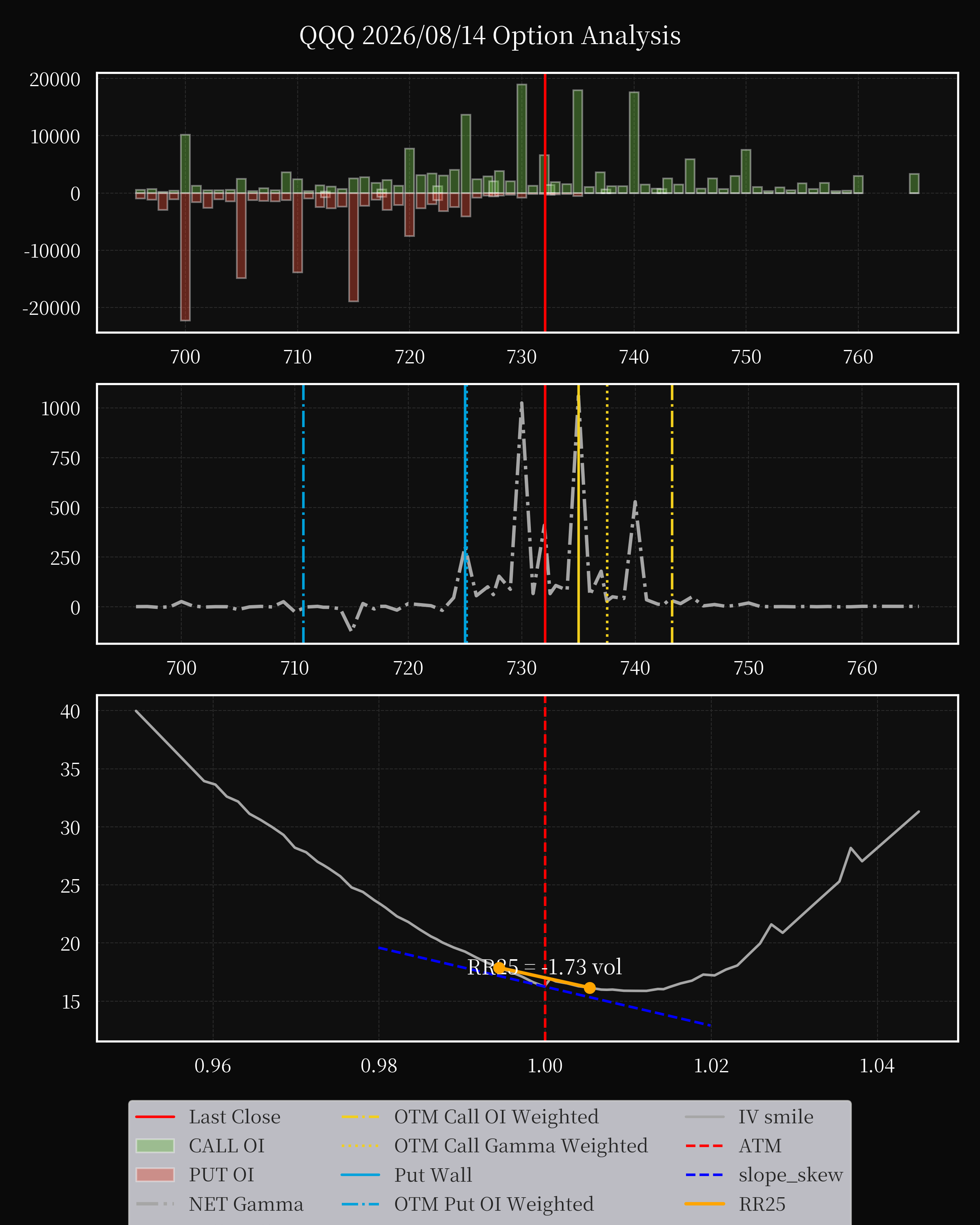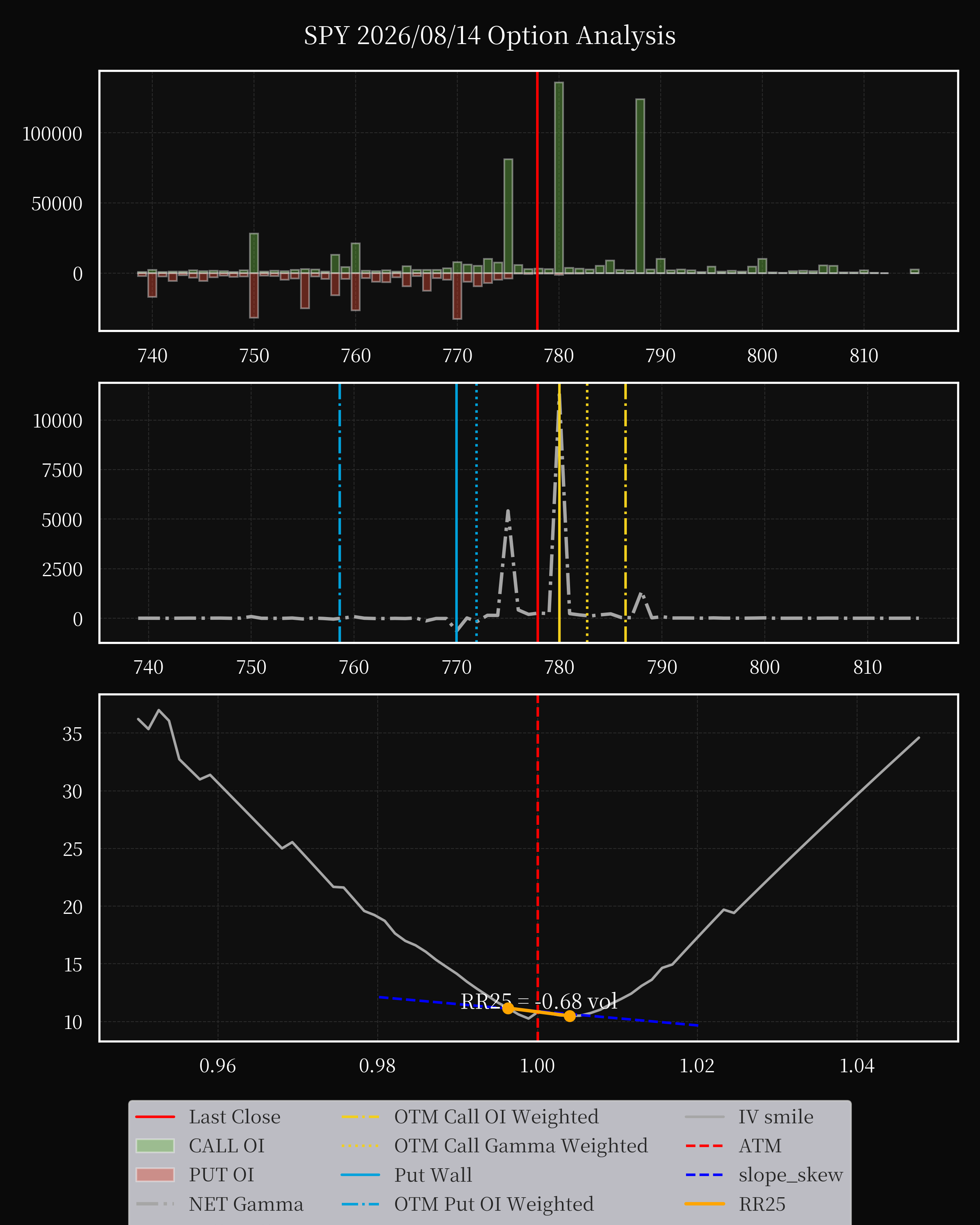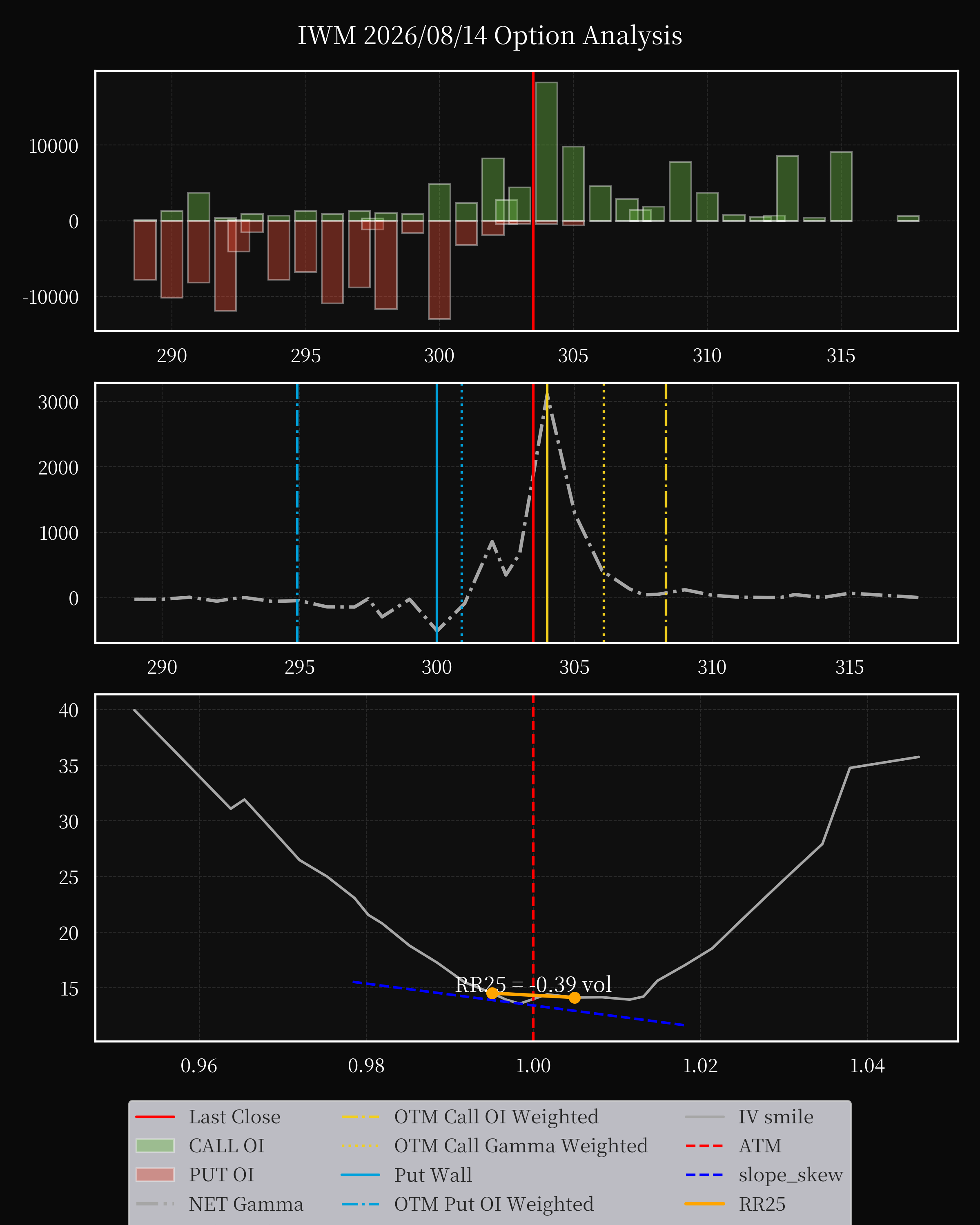
Overall
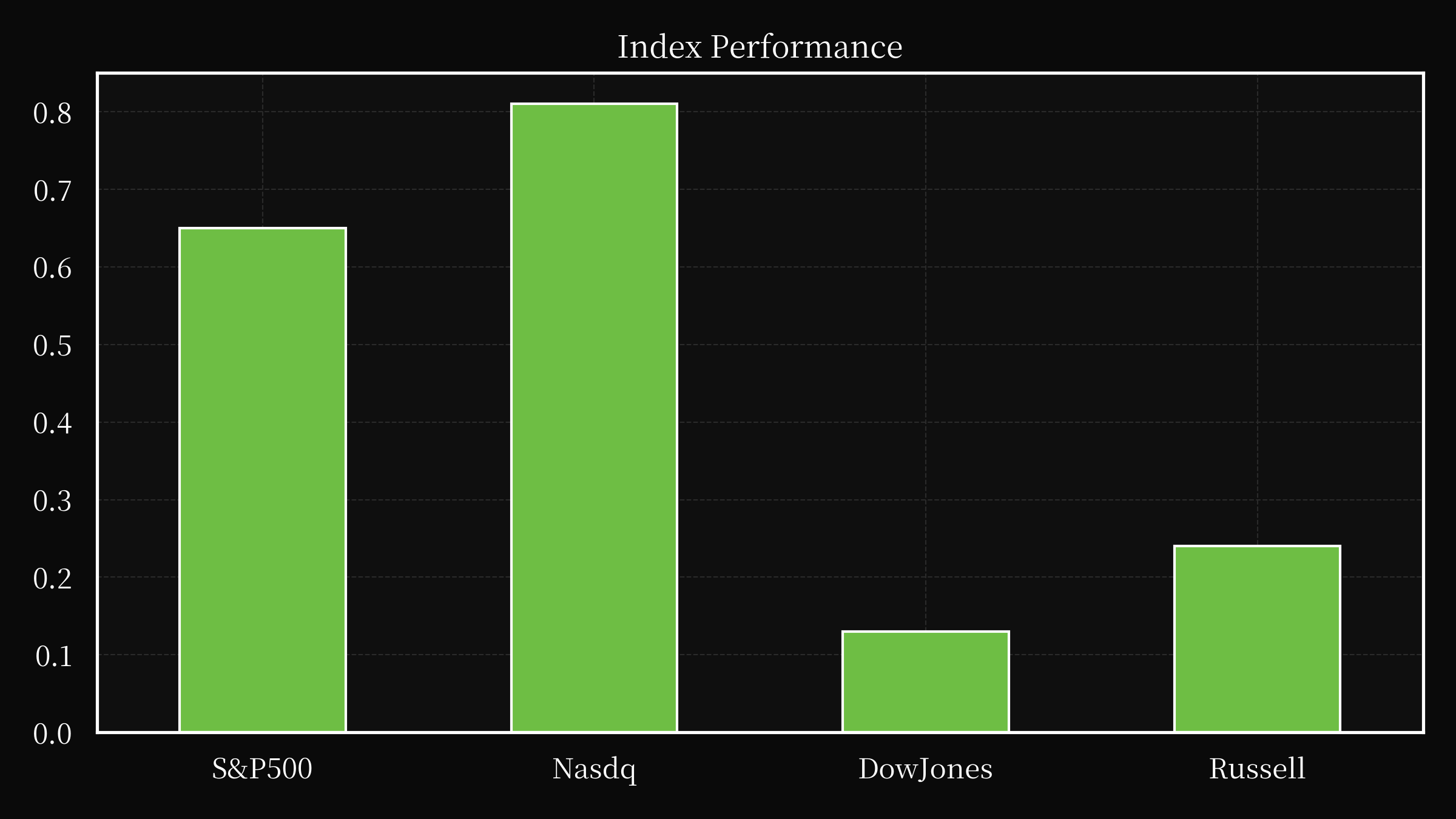
Markets closed Thursday with notable dispersion in performance, reflecting divergent narratives across sectors and geographies. The S&P 500 advanced 0.65% to a record high, buoyed by a cooling inflation reading that tempered expectations for imminent Federal Reserve tightening. The Consumer Price Index, which measures wholesale inflation, remained flat in July after a 0.1% decline in June, contradicting forecasts of a 0.2% rise. This outcome, coupled with a slight deceleration in CPI growth reported midweek, reduced the probability of a September rate hike to approximately 35%, down from 55% a week earlier, as per CME FedWatch estimates. The equity rally underscored a shift in risk appetite, with investors pricing in delayed monetary policy normalization amid persistent core inflation pressures.
The S&P 500’s record high was complemented by gains in the Nasdaq Composite, which rose 0.8%, and the Dow Jones Industrial Average, which added 69.7 points (0.1%). These moves highlighted the tech sector’s resilience, driven by optimism around artificial intelligence advancements and corporate earnings beats. However, not all equities shared this momentum. Tapestry Inc., the parent company of Coach and Kate Spade, experienced a sharp selloff following guidance that underperformed consensus. While revenue for the fiscal fourth quarter rose 9%, management projected midpoint sales of $8.4 billion to $8.5 billion, a range below the $8.47 billion analysts anticipated. The discrepancy triggered a 16.5% decline, reflecting concerns over growth sustainability and margin pressures in the luxury apparel segment.
Workday’s stock surged 18% on speculation that private equity firm Silver Lake was pursuing a takeover. The prospect of a strategic acquisition, amid broader consolidation in enterprise software, amplified investor interest in the business-software provider. Workday’s position as a leader in cloud-based human capital management, coupled with its exposure to AI-driven HR solutions, positioned it as an attractive target amid sector-wide revaluation. The rally underscored the premium placed on scalable, data-centric platforms in an era of digital transformation.
The bond market also saw significant activity, with the U.S. Treasury issuing $25 billion in 30-year notes at a yield of 5.216%, the highest since 2001. This reflected heightened demand for long-dated debt amid fiscal deficits exceeding $30 trillion, as investors sought inflation-linked protection. The sale, which followed a 10-year Treasury auction with elevated financing costs, signaled persistent concerns over debt sustainability and the Federal Reserve’s balancing act between inflation control and economic growth.
Political developments further influenced market sentiment. Congressional Democrats linked Taylor Farms’ political contributions to the company’s delayed implementation of FDA food traceability rules, which were postponed to 2025. The $1 million donation to MAGA Inc. within days of the rollback drew scrutiny, with Senator Elizabeth Warren arguing the timing suggested regulatory favoritism. Concurrently, the Centers for Disease Control and Prevention reduced its cyclospora surveillance efforts, a parasite linked to thousands of illnesses across 47 states. These events highlighted the intersection of public health, corporate accountability, and policy responsiveness, with implications for healthcare costs and regulatory credibility.
On the broader economic front, the U.S. government’s record-breaking bond sale underscored fiscal strain, while rising Treasury yields cascaded into corporate borrowing costs. Meanwhile, the shipping sector faced acute constraints, exacerbating supply chain disruptions. Delays in container volumes and port congestion threatened retail inventories, impacting firms reliant on just-in-time logistics. The confluence of these factors—monetary policy uncertainty, geopolitical tensions, and structural economic shifts—painted a complex backdrop for investors navigating equity valuations, fixed-income strategies, and sector-specific opportunities.
The interplay between inflation dynamics, corporate earnings, and policy decisions reinforced the need for adaptive portfolio management. As markets grappled with divergent signals—cooling inflation yet persistent price pressures, tech optimism amid regulatory headwinds—the emphasis remained on identifying asymmetric risks and structural trends. Investors were increasingly focused on companies with pricing power, resilient cash flows, and strategic positioning in high-growth niches such as AI and quantum computing. The week’s developments underscored the market’s evolving narrative, where macroeconomic fundamentals and microeconomic realities converged to shape asset allocation decisions.
Watch List
CWD
Caliber (Nasdaq: CWD), a real estate-focused alternative asset manager, reported its second-quarter 2026 financial results, demonstrating continued progress against its plan. Platform revenue reached $3.7 million, slightly down from $4.1 million in the prior year, driven primarily by a decline in development and construction fees, partially offset by increased hospitality service revenue. Importantly, the Company achieved positive Adjusted EBITDA for the first time, signaling a shift towards profitability. Caliber completed the first tokenization of a real estate asset, selling 278,357 LINK tokens with proceeds reinvested into its real estate platform to support project financings, including the Steamboat Hyatt Studios development. The Company reaffirmed its 2026 full-year guidance of $18.0 million to $22.0 million in total revenue and positive net operating income. As of June 30th, the digital asset treasury held 229,203 LINK tokens with a fair value of $1.7 million. Looking ahead, Caliber remains focused on converting its project pipeline into revenue growth, highlighted by recent groundbreaking at the Steamboat Springs, CO development and the completion of land acquisition for the Phoenix, AZ project adjacent to the TSMC facility. The Company also announced the go-live of the first fund tokenization, the Pure Pickleball & Padel development in Scottsdale, AZ. Caliber’s consolidated net loss attributable to the company decreased to $3.4 million, or $0.39 per diluted share, compared to $4.9 million in the prior year. The Company continues to monitor and manage its debt, completing a second round of Noteholder Conversion Program and issuing Series AAA Convertible Preferred Stock.
FFAI
Faraday Future Intelligent Electric Inc. held a special meeting of stockholders on August 12, 2026, to vote on several key proposals. A total of approximately 351 million shares were represented at the meeting, comprised of Class A Common Stock, Class B Common Stock, Series B Preferred Stock, and Series C Convertible Preferred Stock. The meeting addressed a private placement proposal involving $25 million in promissory notes and a name change from Faraday Future Intelligent Electric Inc. to Faraday Future Physical AI Ecosystem Inc. However, the name change proposal failed to secure a majority vote, and the adjournment of the meeting was approved to allow for further proxy solicitation. The company has committed to filing a registration statement related to the private placement and intends to maintain the registration effective until all investors hold no outstanding notes or shares. Following the meeting, Faraday Future released a press release detailing the voting results, which is included as Exhibit 99.1 to this Form 8-K.
ETON
Eton Pharmaceuticals reported a robust second quarter of 2026, achieving 99% year-over-year revenue growth, reaching $37.6 million, driven primarily by the successful relaunch of HEMANGEOL for infantile hemangiomas and expansion of its pediatric endocrinology portfolio. The company’s strategy of patient conversion for HEMANGEOL exceeded expectations, and the licensing of product candidate ASN-001 for moderate infantile hemangiomas further bolstered its position in the market. Strong performance continued across Eton’s existing products, including INCRELEX, ALKINDI SPRINKLE, GALZIN, and Carglumic Acid, alongside the recently launched DESMODA. Eton raised its annual revenue guidance to at least $145 million and its adjusted EBITDA guidance to at least 35%, reflecting confidence in continued growth. Key developments included the completion of a KHINDIVI label expansion study and submission to the FDA, alongside the acquisition of IMPAVIDO. The company is also advancing its Wilson disease franchise with a pilot study of ET-700 and continues to pursue label harmonization for INCRELEX. With a strong foundation and several promising pipeline developments, Eton anticipates a significant year ahead.
CYTK
Cytokinetics, Incorporated has initiated legal proceedings against Bristol-Myers Squibb Company and MyoKardia, Inc. in the United States District Court for the District of Delaware, filed on August 13, 2026. The complaint centers around U.S. Patent No. 12,616,697, which Cytokinetics asserts it does not infringe. The company is seeking a declaratory judgment confirming this non-infringement and arguing that the claims within the ’697 patent are, in fact, invalid. This action suggests a potential dispute over intellectual property related to cardiovascular therapies, specifically concerning technologies developed by Cytokinetics and the subject of the contested patent. The outcome of this lawsuit could significantly impact the development and commercialization strategies of all three companies involved.
INV
Inventure, Inc., an industrial growth conglomerate focused on commercializing breakthrough technology, announced a shift in its strategy following a second quarter 2026 financial report. While the company remains confident in the long-term demand for two-phase liquid cooling for AI infrastructure, evolving market dynamics, including challenges faced by smaller AI adopters, have prompted a suspension of previously communicated revenue and cash flow targets for Accelsius. Consequently, Innventure is now prioritizing key milestones such as establishing strong industry partnerships and delivering additional thermal benchmark data. CEO Bill Haskell emphasized a focus on execution rather than immediate revenue generation. The company is also continuing to advance its AeroFlexx and Refinity initiatives. Innventure utilizes non-GAAP financial measures, including EBITDA and Adjusted EBITDA, to provide investors with a clearer picture of its operational performance, excluding certain non-cash and financing-related items. Despite recognizing a goodwill impairment in the prior year, the company reported no impairment in the current quarter. The filing highlights a cautious outlook, acknowledging inherent risks and uncertainties associated with forward-looking statements. Innventure intends to hold a conference call to discuss these results and provide further details.
TWFG
Okay, here's a breakdown of the provided text, categorized for clarity and highlighting key aspects: I. Core Agreement & Structure * Comprehensive Agreement: This document is a complex, multi-layered agreement governing a significant financial arrangement (likely a loan or credit facility). * Multiple Parties: It involves the Borrower (likely a company), the Administrative Agent (managing the facility), the Lead Arranger, the Lenders (providing the funds), and the Issuing Lender. * Integration: The agreement states that it constitutes the *final* and *entire* agreement between the parties, superseding any prior agreements. II. Key Clauses & Provisions (Detailed Breakdown) 1. Events of Default (Article X - “Default”): This is a critical section defining what constitutes a breach of the agreement. It’s quite extensive, including: * Failure to pay principal or interest. * Breach of covenants (promises) within the agreement. * Defaulting on other agreements. * Any event that triggers a “Potential Default” or “Event of Default.” 2. Consequences of Default (Article Y - “Consequences”): Outlines the actions the lenders can take if a default occurs: * Declaration of default. * Demand for immediate payment. * Potential seizure of collateral. * Exercise of all available remedies. 3. Collateral & Guarantees (Article Z - “Collateral”): Specifies the assets securing the loan and any guarantees provided. 4. Shareholder/Affiliate Restrictions (Article AA - “Shareholder/Affiliate”): This is a *very* important clause. It restricts the lenders from making loans to the borrower or its affiliates if the borrower defaults, preventing a “death spiral” where the lender is further exposed. It also includes provisions for the Administrative Agent to manage the facility. 5. Administrative Agent Role (Article BB - “Administrative Agent”): Defines the Administrative Agent’s responsibilities, emphasizing that it’s an administrative role, not a fiduciary one. It also grants the Administrative Agent broad powers to manage the facility. 6. Payment and Interest (Article CC - “Payment”): Details how payments are made, including provisions for extending the loan term or reducing interest rates. 7
CRBU
Caribou Biosciences, Inc. (CRBU), a clinical-stage CRISPR genome-editing biopharmaceutical company, reported its second-quarter 2026 financial results and provided an update on its key programs. Data presented at the 2026 European Hematology Association (EHA) Annual Meeting, specifically the ANTLER phase 1 trial for vispa-cel, continued to demonstrate the therapy’s potential as a single-dose, off-the-shelf treatment for second-line large B cell lymphoma (2L LBCL), achieving an 82% overall response rate and a 17.1-month median progression-free survival. Simultaneously, the CaMMouflage phase 1 trial for CB-011, a single-dose BCMA-targeting CAR-T cell therapy for multiple myeloma, showed promising results with an 83% complete response rate in high-risk patients. The company anticipates reporting initial safety and efficacy data from dose expansion trials in the second half of 2026, with over 15 patients expected to be enrolled. Caribou’s financial results for the quarter showed a net loss of $24.3 million, a decrease from $54.1 million in the prior year, primarily due to reduced contract research organization and manufacturing activities. Licensing and other third-party revenue totaled $1.5 million. The company remains focused on advancing vispa-cel and CB-011, aiming to expand access to CAR-T cell therapy for patients with challenging hematologic malignancies.
ICCC
ImmuCell Corporation announced its unaudited financial results for the second quarter of 2026, reporting net income of $1.8 million and a 11.5% revenue increase to $7.2 million, driven by distributor restocking following a period of backorders. The company’s gross margin reached 34%, influenced by lower manufacturing volumes and the absorption of discontinued development program expenses. A $2 million settlement from a former contract manufacturer further boosted net income. Sales growth accelerated to 28% for distributors, fueled by increased volumes and price realization across product lines, with Tri-Shield® remaining the primary growth driver. Key products like Dual-Force® and Functional Feed also saw increased sales. ImmuCell’s share of U.S. calves receiving scour biologicals reached 19%. The company is investing $8 million to expand its manufacturing capacity, utilizing facilities previously associated with its Re-Tain® program to bolster the production of First Defense®, its flagship product. This expansion, expected to be completed in the first half of 2027, aims to triple capacity and improve long-term product economics. With a strong commercial performance reflecting restored product availability and investments in its team, ImmuCell anticipates tripling its capacity over the next 18 months, prioritizing cost improvements and strengthening colostrum sourcing to support future growth.
ENSC
Ensysce Biosciences, Inc. recently announced its financial results for the fiscal quarter ended June 30, 2026, as detailed in a press release included as Exhibit 99.1 attached to this Form 8-K filing. This report serves as a notification to the public regarding the company’s financial performance. It’s important to note that the information presented contains forward-looking statements, which are inherently subject to change due to factors such as broader economic conditions and political developments. These statements are based on management’s estimates and projections and should be viewed as preliminary and illustrative. While the company believes these forecasts to be reasonable, there’s no guarantee they will be realized, and actual results could differ materially. Investors are advised to consider these risks and uncertainties when evaluating Ensysce Biosciences’ performance and future prospects. Further details regarding potential risks and uncertainties can be found on the SEC’s website or by contacting the company directly.
NXPL
NextPlat Corp. (NXPL) reported a strong second quarter of 2026, demonstrating significant progress in its turnaround strategy. The company achieved a 21% sequential increase in revenue, alongside an 87% reduction in its net loss, which fell to $144,000, and a record gross margin of approximately 40%. This growth was driven by increased volumes of higher-margin 340B healthcare prescriptions and a substantial 27% sequential rise in e-commerce revenue. CEO David Phipps highlighted the company’s shift towards these higher-margin services, supported by the onboarding of 11 new contracted entities. Looking ahead, NextPlat is focused on converting its pipeline, maintaining margin discipline, and pursuing strategic acquisitions to bolster scale and diversification. The company’s core business continues to revolve around providing e-commerce solutions and healthcare technology services globally, encompassing communications products, pharmacy management, and healthcare data solutions through its subsidiaries, Progressive Care and its e-commerce communications division. A conference call is scheduled for August 13th to discuss these results and recent developments.
IAN Financial Vision is an AI-native financial research platform combining proprietary knowledge graphs, quantitative valuation models, and large language models to generate point-in-time investment research. All reports are produced using a structured research workflow with human review prior to publication..