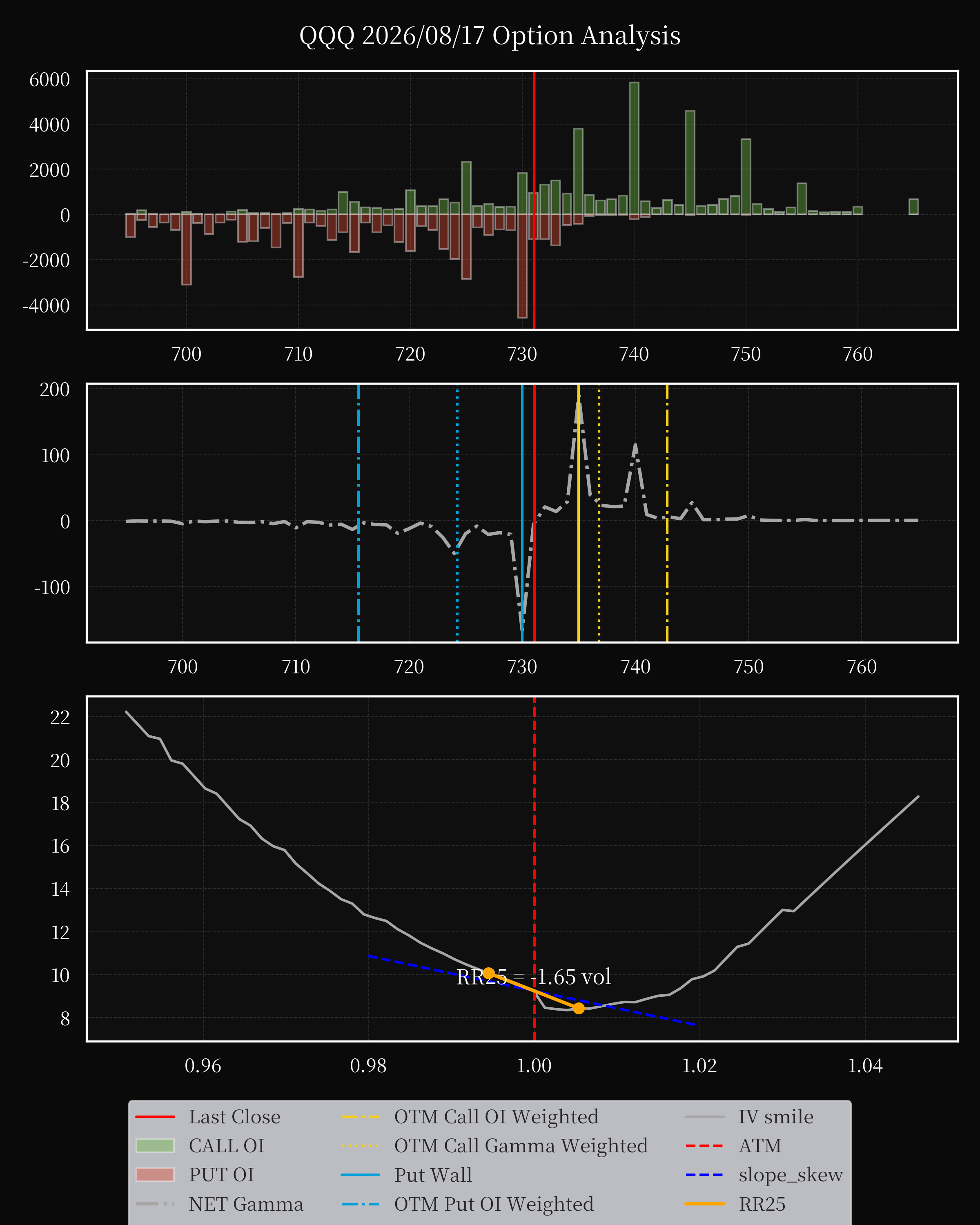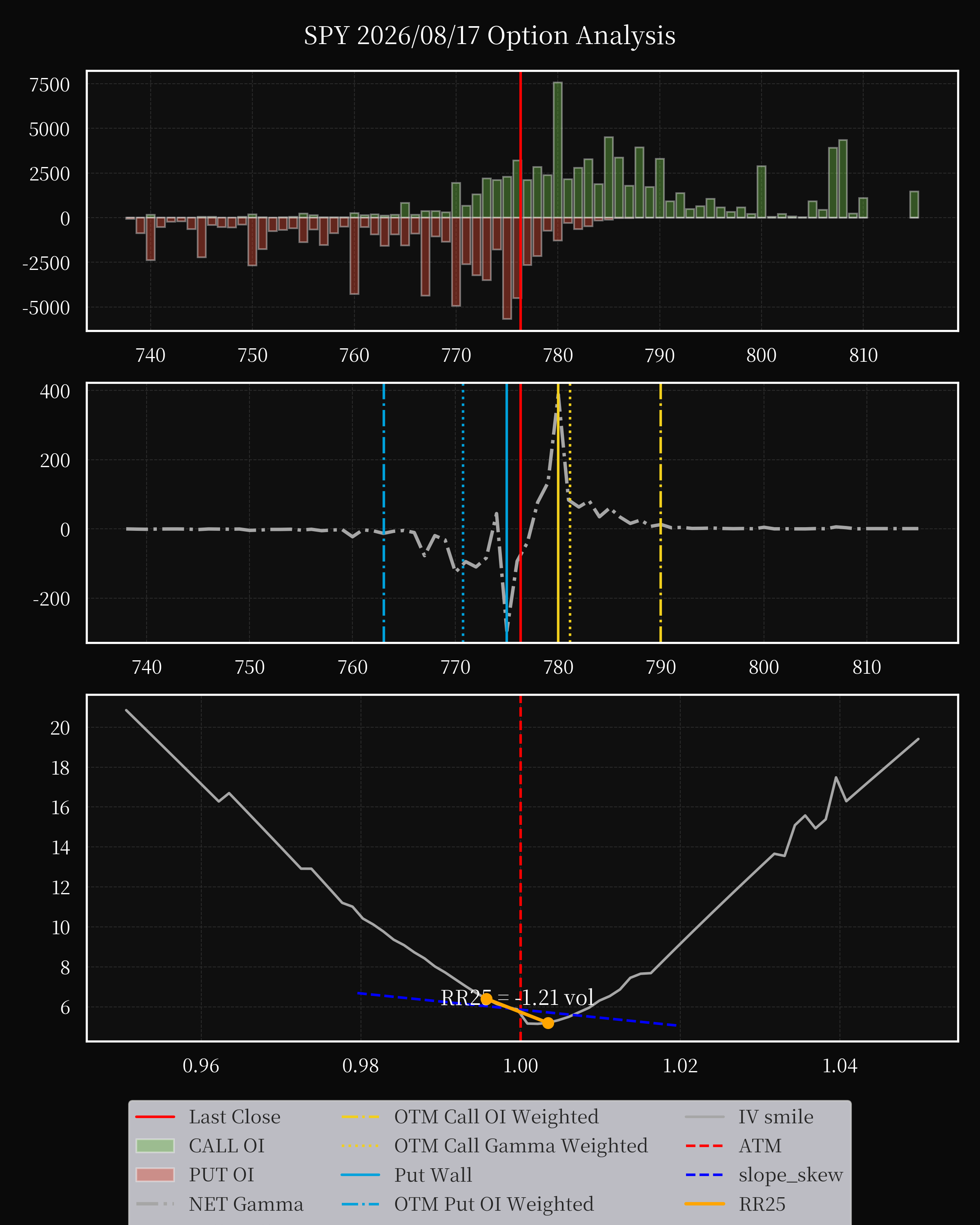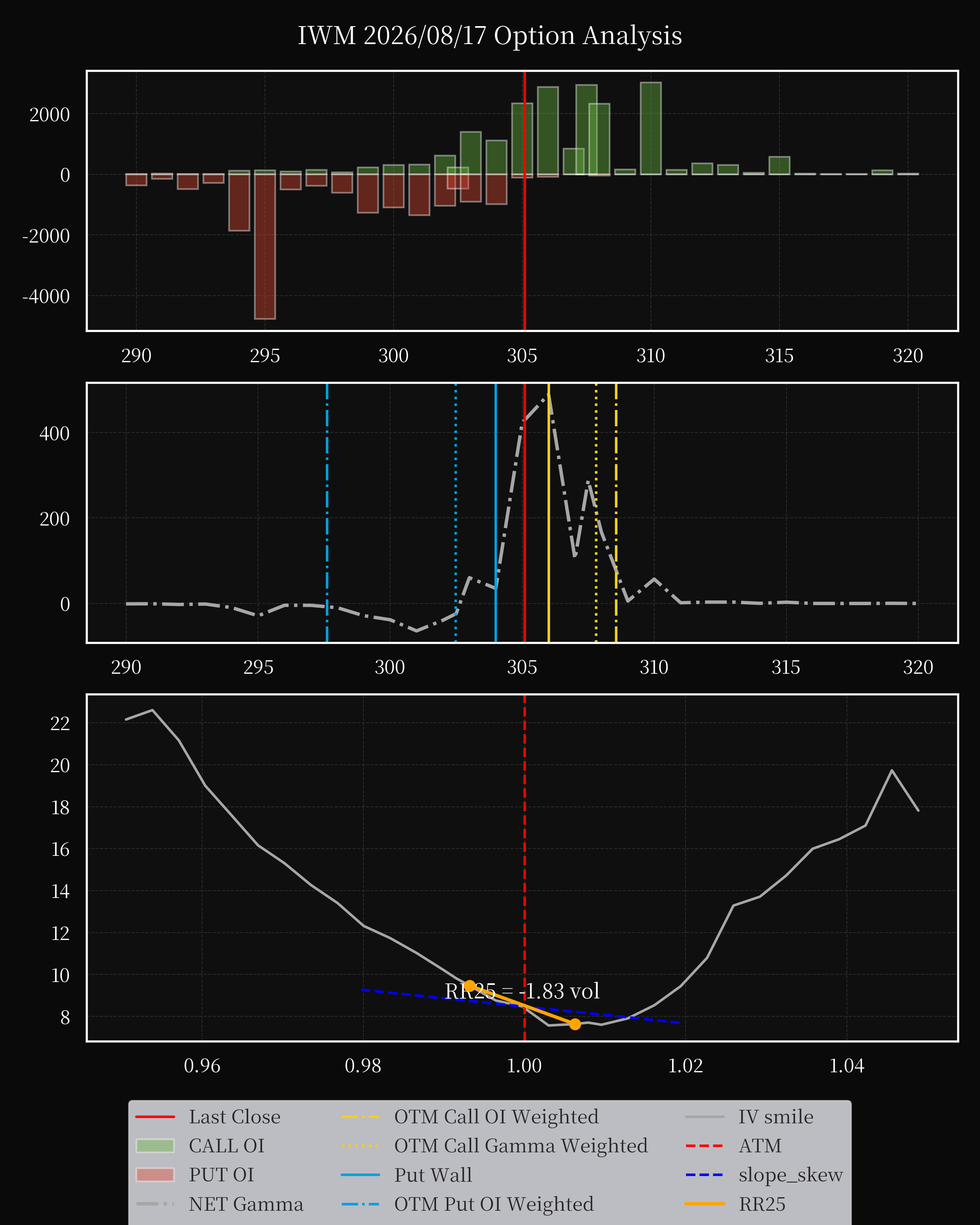
Overall
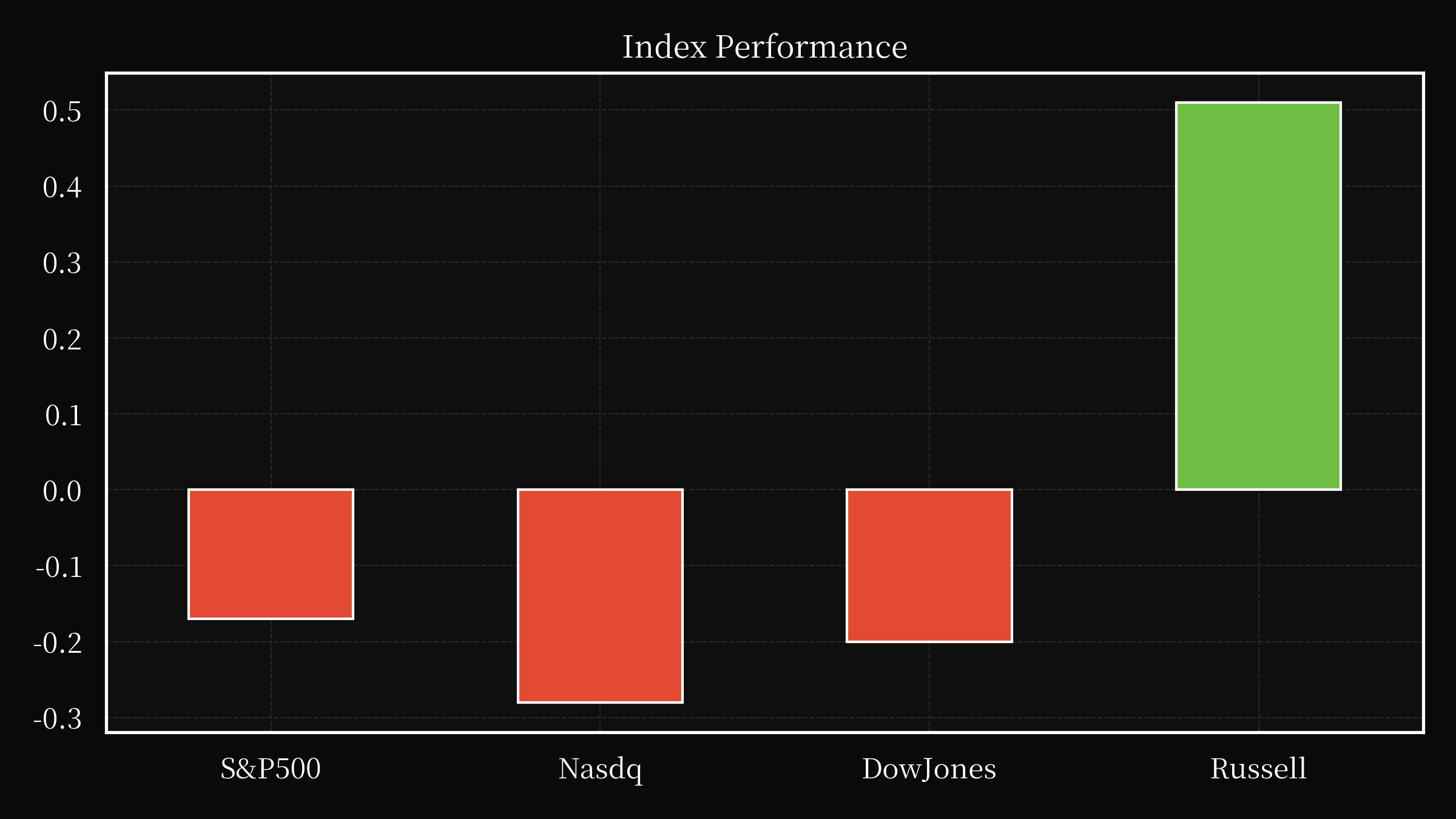
The U.S. equity markets experienced a nuanced session on Friday, marked by mixed signals across key economic indicators and corporate developments that underscore the evolving dynamics of consumer behavior, technological innovation, and geopolitical risk. The Dow Jones Industrial Average, S&P 500, and Nasdaq Composite all posted modest declines, reflecting investor caution amid conflicting data on retail activity, inflation pressures, and corporate earnings. A primary driver of the selloff was the unexpected drop in July retail sales, which fell short of forecasts by 0.6%, signaling potential softness in consumer spending. This outcome was partially attributed to shifts in e-commerce patterns, notably a 2.2% contraction in non-store retail, including Amazon’s performance, which highlighted the challenges of sustaining growth in digital channels amid macroeconomic uncertainty.
Complementing the retail data was a resurgence of inflationary concerns, as the University of Michigan’s Consumer Sentiment Index slipped 8% in August, eroding two months of prior gains. This decline, coupled with weaker-than-expected job growth in the public sector, painted a picture of a consumer base increasingly wary of economic conditions. The impact was further amplified by rising energy prices, with crude oil prices climbing 1.67% to $88.52 per barrel following geopolitical tensions in the Persian Gulf. Treasury yields also rose, with the 10-year yield reaching 4.695%, the highest in a quarter-century, as investors priced in heightened risks from fiscal policy and global instability. These factors collectively contributed to a risk-off environment, pressuring equities despite earlier optimism around potential Federal Reserve rate cuts.
Corporate developments added further complexity to market sentiment. The most notable was the reported discussions between PayPal and a consortium including Stripe and private equity firm Advent International to acquire PayPal, signaling a potential consolidation in the fintech sector. Such a move could reshape competitive dynamics, particularly as PayPal navigates regulatory scrutiny and evolving payment preferences. Concurrently, Nvidia’s announcement of a $500 billion initiative to finance AI computing projects underscored the sector’s strategic importance, though its execution faced skepticism due to the lack of clarity around the funding structure. Meanwhile, Tesla’s stock rebounded, reflecting renewed investor confidence in its production ramp-up and market leadership, while other tech names experienced volatility amid broader sector rotations.
The interplay between these factors revealed underlying tensions in the market’s trajectory. While technological innovation and corporate resilience provided pockets of strength, persistent inflationary pressures, softening consumer demand, and geopolitical uncertainties created headwinds. The divergence between sector-specific optimism—such as in AI and semiconductors—and broader market weakness highlighted the importance of distinguishing between cyclical and structural trends. Investors appeared to balance long-term growth narratives with near-term risks, particularly as central banks’ policy paths remained uncertain. Additionally, the resurgence of leveraged trades and short-term speculation suggested a market still grappling with liquidity dynamics, even as fundamental metrics pointed to a more cautious outlook.
Looking ahead, the convergence of macroeconomic data, corporate strategy, and geopolitical developments will likely dictate the next phase of market movement. The retail sector’s performance will remain a critical barometer for consumer health, while energy prices and inflation trends will continue to influence monetary policy expectations. For equities, the challenge lies in navigating divergent sector performances amid a backdrop of heightened volatility. Investors must weigh the potential for AI-driven growth against the risks of a cooling economy, all while monitoring how geopolitical flashpoints—particularly in the Middle East—could disrupt global supply chains and inflation trajectories. The coming weeks will test the market’s ability to reconcile innovation-driven optimism with the realities of a complex, interconnected economic landscape.
Watch List
APWC
Asia Pacific Wire & Cable Corporation (APWC) announced strong financial results for the second quarter of 2026, reporting revenue of $136.6 million, a 4% increase from the prior quarter and an 8% year-over-year growth. This growth was largely fueled by rising international copper prices and the completion of public sector contracts, particularly in North Asia where revenue jumped 29% year-over-year. Thailand also saw a significant 17% year-over-year revenue increase, supported by public and private sector investment. However, revenue in the Rest of World (ROW) region dipped by 7% due to temporary market constraints in Singapore. Despite the overall revenue increase, diluted earnings per share decreased significantly, falling 80% and 67% compared to the previous quarter and a year ago respectively. The company’s gross profit margin expanded to 8.1% due to higher copper prices and robust demand. Increased expenses, primarily driven by R&D and sales, impacted profitability. The company’s cash position decreased slightly to $64.6 million due to supplier payments and increased raw material procurement to meet existing contract demands, while trade receivables and inventory also saw notable increases reflecting higher sales and raw material accumulation.
EZGO
Please provide me with the 6-K or 8-K content from the SEC Filing that you want me to summarize. I need the text of the filing to be able to fulfill your request. Once you paste the content here, I will summarize it into a fluent paragraph of no more than 300 words.
ESEA
Euroseas Ltd. announced its financial results for the second and first halves of 2026, demonstrating strong performance with total net revenues of $56.5 million for the second quarter and $112.3 million for the first half, accompanied by net income of $33.2 million and $65.7 million respectively, translating to $4.77 and $9.44 earnings per share attributable to controlling shareholders. The company’s fleet of 21 vessels, averaging $30,306 per day in time charter equivalent rates, continued to operate profitably, bolstered by strong charter contracts and low drydocking expenses. As of August 13th, Euroseas had repurchased approximately 6.8% of its outstanding shares, totaling $11.36 million, and announced a quarterly dividend of $0.80 per share. Looking ahead, the company plans to expand its newbuilding program to 12 vessels, focusing on feeder and intermediate containerships, scheduled for delivery between 2027 and 2029, aiming to maintain a youthful fleet and strong profitability despite ongoing geopolitical uncertainties and Red Sea disruptions. Aristides Pittas, Chairman and CEO, highlighted the company’s consistent profitability and robust charter coverage, while CFO Tasos Aslidis noted a slight decrease in second-quarter revenues due to a lower vessel count, alongside increased operational expenses driven by inflation and the ongoing impact of the Iran situation and Houthi attacks. The company’s strategy includes continued investment in its fleet and a focus on accretive opportunities within the sector, with a goal of maintaining strong financial performance and a substantial charter coverage for the remainder of 2026 and beyond.
CNCK
Coincheck Parent, a Dutch public company, released condensed consolidated interim financial statements for the three months ended June 30, 2026, reflecting its operations as a business combination entity following its listing on the Nasdaq in December 2024. The company’s financial performance was driven primarily by marketplace trading volume, generating ¥113.232 billion in revenue, a 36% increase compared to the previous year’s ¥83.553 billion. This growth was largely attributed to increased transaction revenue from its Marketplace platform and Aplo’s prime brokerage services. Operating losses were recorded due to increased selling, general, and administrative expenses, primarily linked to expansion and acquisitions. These interim statements were prepared in accordance with IFRS Accounting Standards and presented a continuation of Coincheck’s operations, accounting for the Thunder Bridge acquisition. Key financial metrics included 2.6 million verified users, ¥63.2 billion in customer assets, and ¥10.6 billion in assets under management. The company’s revenue model relies heavily on transaction fees from its Marketplace platform, with a significant portion (91.6%) derived from Bitcoin and Ethereum trades. Management utilized a fair value hierarchy to measure assets and liabilities, primarily employing Level 1 and Level 3 inputs. The company held ¥32.932 billion in crypto assets, largely held in cold wallets, and borrowed ¥32.652 billion from customers. Significant investments were made in intangible assets, and the company’s financial position was supported by financing activities, including the issuance of ordinary shares. Forward-looking statements cautioned investors about the inherent risks associated with the cryptocurrency market and the company’s reliance on market volatility, regulatory changes, and competition.
NTB
Here’s a summary of the SEC filing content, presented as a fluent paragraph of no more than 300 words: This filing outlines a proposal by Butterfield to adjourn or postpone its annual general meeting if sufficient votes aren’t secured to approve a share issuance proposal, ensuring timely provision of supplemental materials. The meeting will feature audited financial statements for 2025 and shareholder voting will be restricted to those registered as of July 29, 2026. Butterfield intends to distribute proxy materials electronically to conserve resources and reduce costs, with a mailing scheduled for August 14, 2026. The Board of Directors unanimously recommends approval of all five proposals. The meeting will be held on and will include presentations of the audited financial statements for 2025 and the independent auditor’s report. The Board has also approved the appointment of PricewaterhouseCoopers Ltd. as the independent auditor. The filing details the rationale behind the proposals, including the desire to secure sufficient shareholder support and ensure timely communication. It highlights the importance of shareholder representation and encourages prompt voting via internet, telephone, or mail. The document also addresses potential regulatory approvals, the anticipated integration of CIBC Caribbean, and the potential impact of the 15% global minimum tax. Finally, it confirms the expected ownership percentages post-transaction and outlines the terms of the share purchase agreement, including a termination fee and provisions for compliance with applicable laws and regulations.
UTSI
Please provide me with the 6-K or 8-K content from the SEC filing. I need the text of the document to summarize it for you. Once you paste the content here, I will generate a fluent paragraph of no more than 300 words summarizing it as a financial reporter would.
VALN
Pfizer and Valneva announced that the European Medicines Agency (EMA) has validated the Marketing Authorization Application (MAA) for PF-07307405, a 6-valent Lyme disease vaccine candidate, marking a significant step towards its potential approval in Europe. The application is based on promising efficacy of over 70% observed in the Phase 3 VALOR clinical trial, which evaluated the vaccine’s ability to prevent Lyme disease in individuals aged five and older. The trial, conducted across the U.S., Canada, and Europe, demonstrated the vaccine’s safety and tolerability, with no significant safety concerns identified. This vaccine targets the outer surface protein A (OspA) of the bacteria causing Lyme disease, aiming to prevent infection by inducing antibodies that inhibit the bacteria’s ability to spread. Currently, no approved human vaccines exist for Lyme disease, and this candidate represents the furthest advanced stage in clinical development. The EMA’s validation paves the way for the agency to begin its assessment of the application, offering hope for a preventative measure against this prevalent vector-borne illness, which affects over 100,000 people annually in Europe and approximately 476,000 in the U.S. The collaboration between Pfizer and Valneva, established in 2020, ensures Pfizer’s exclusive manufacturing and commercialization rights, assuming regulatory success.
QNTM
Quantum BioPharma Ltd. reported a strengthened financial position as of June 30, 2026, with combined cash and digital assets totaling approximately US$9.5 million, an increase from US$4.1 million at the end of 2025. The company anticipates sufficient liquidity to fund operations through October 2027, based on current burn rates. A key highlight was FDA approval to proceed with a pivotal Phase 2 clinical trial for Lucid-MS in progressive multiple sclerosis, marking a significant advancement for their neuroprotective program. Quantum demonstrated disciplined execution, reducing operating expenses by 53% year-over-year to US$2.29 million. The company’s balance sheet also improved, with increased shareholder equity (up 19%) and working capital. Key financial ratios, including a current ratio of 1.2 and a quick ratio of 1.19, indicate strengthened liquidity. The debt-to-equity ratio remains at 1.36, with a significant portion of liabilities linked to derivative fair value items. The company’s financial performance was further bolstered by the successful completion of the Investigational New Drug (IND) application for Lucid-MS, paving the way for the planned clinical trial, which is expected to reach a global MS therapeutics market of approximately US$38.62 billion by 2030. CEO Zeeshan Saeed and CFO Donal Carroll emphasized the company’s progress and financial stability, highlighting the transformative impact of the FDA clearance and the ongoing efforts to control costs.
IAN Financial Vision is an AI-native financial research platform combining proprietary knowledge graphs, quantitative valuation models, and large language models to generate point-in-time investment research. All reports are produced using a structured research workflow with human review prior to publication..