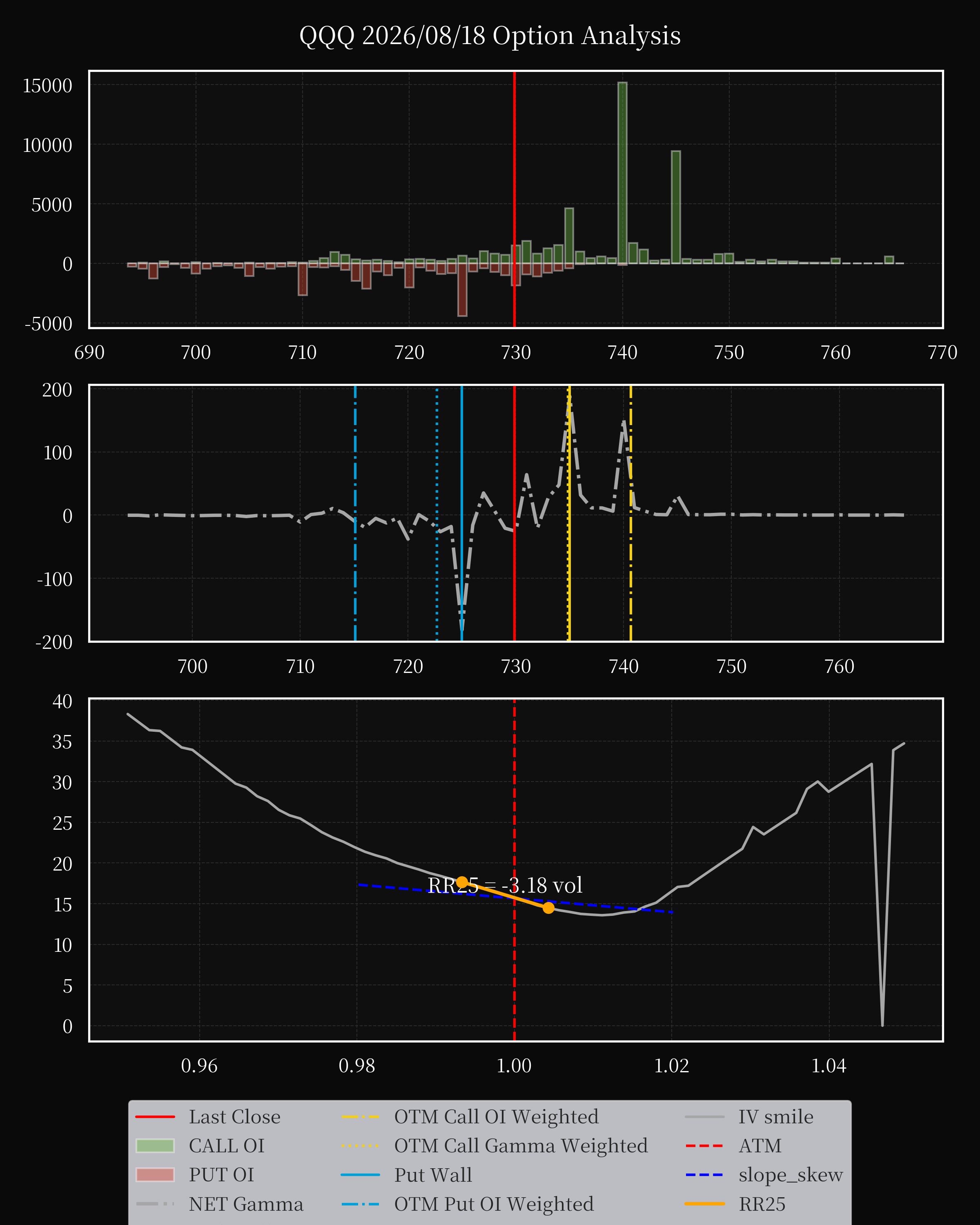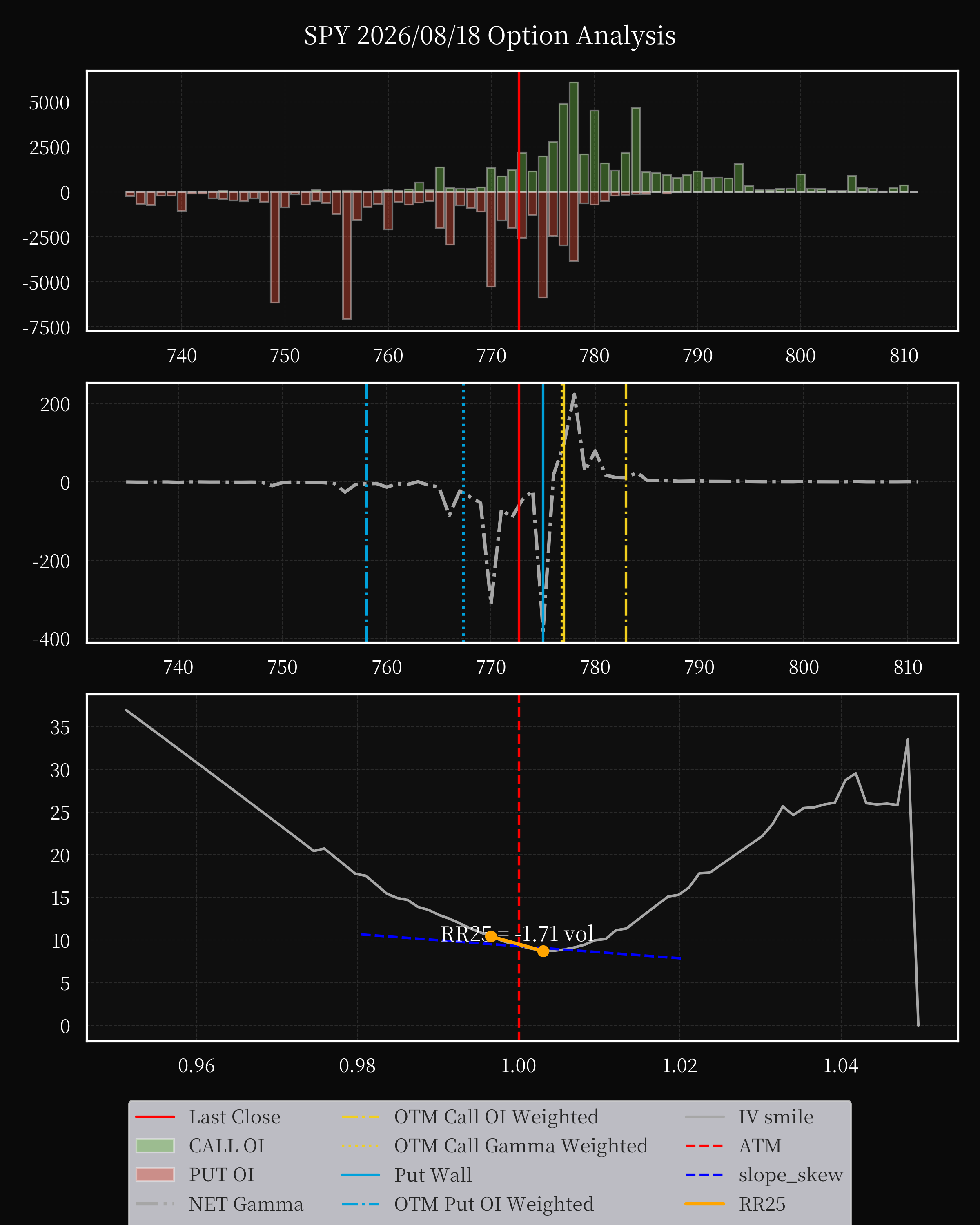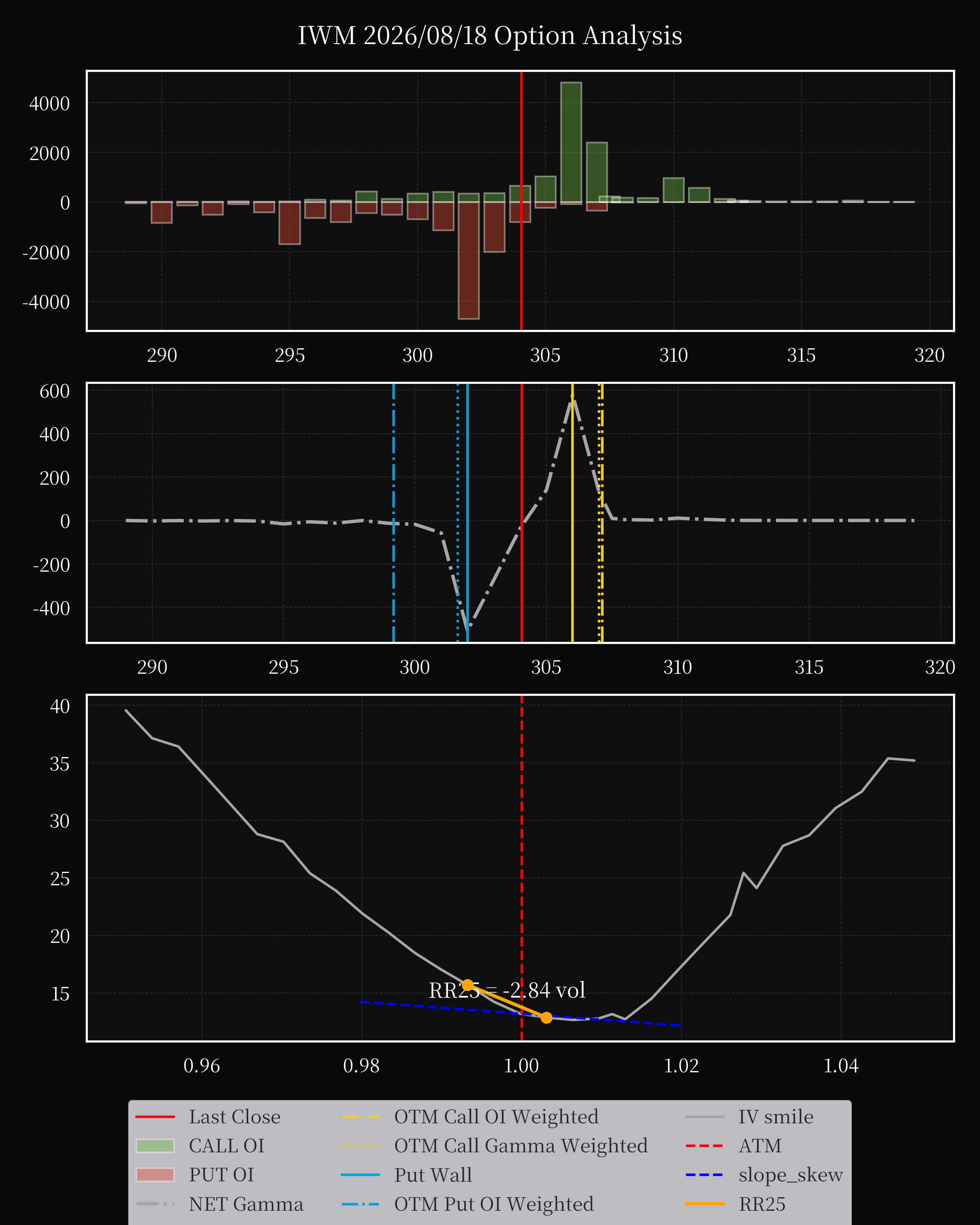
Overall
Long-Bond Yields Flash a New Warning
The 30-year Treasury yield surged to its highest level since 2007, hovering just below 5.32 percent on Monday, as the market digested a fresh wave of geopolitical risk, corporate capital allocation shifts, and the persistent drag of inflation on real yields. The uptick was not merely a reaction to any single event but rather the culmination of several interlocking forces that have been reshaping the risk-return profile of sovereign debt across advanced economies. Investors, having grown accustomed to ultra-low rates for much of the past decade, are now recalibrating their expectations around monetary policy, fiscal sustainability, and the structural drivers of growth. The immediate catalyst was the escalation of tensions in the Middle East, particularly after Iranian media reported the seizure of an oil tanker in the Strait of Hormuz, a vital chokepoint through which a significant portion of global crude flows. This development triggered a flight to quality, pushing long-dated U.S. Treasury prices down and yields up, while simultaneously amplifying concerns about supply disruptions and the broader implications for energy markets.
The Federal Reserve’s stance, or perceived reluctance to tighten further, has also played a pivotal role. Despite inflation remaining stubbornly above the 2 percent target for five consecutive years, policymakers have signaled a more cautious approach to rate hikes, especially as the political calendar tightens and the specter of midterm elections looms. The 10-year yield, meanwhile, climbed to 4.725 percent, reflecting both the direct impact of higher Treasury issuance and the indirect effects of rising oil prices on transportation costs and consumer prices. These dynamics are not isolated to the U.S.; they reverberate through global capital flows, influencing bond valuations and equity sentiment alike. The yield curve, already under pressure from divergent growth trajectories and policy divergence, now faces the added challenge of balancing investor appetite for duration with the backdrop of fiscal expansion and external shocks.
Geopolitical Risk and Market Sentiment
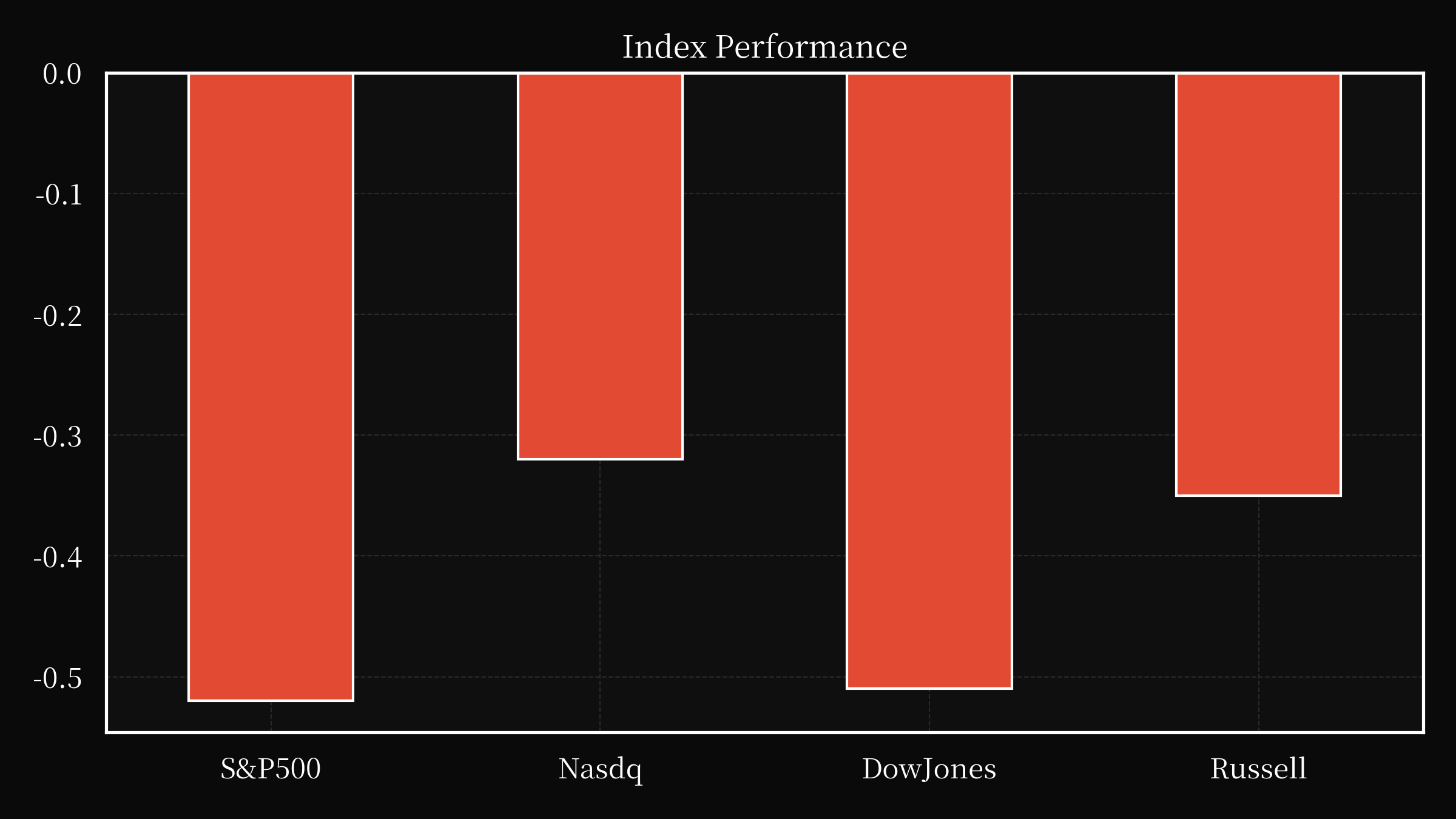
The immediate market reaction was a textbook demonstration of risk-off behavior, with the Dow Jones Industrial Average slipping 0.5 percent, the Nasdaq Composite declining 0.3 percent, and the S&P 500 falling 0.5 percent. Such moves are often short-lived, but they underscore how external shocks—whether geopolitical, economic, or regulatory—can rapidly alter the risk calculus of institutional and retail investors. In this case, the seizure of an oil tanker and the subsequent threat of broader conflict in the Persian Gulf introduced fresh uncertainty into an already fragile global supply chain. Energy markets responded sharply, with crude futures advancing nearly 3 percent, reinforcing the link between commodity volatility and sovereign bond yields. The interplay between oil prices, inflation expectations, and real yields is particularly salient in this environment, as higher energy costs feed directly into consumer price indices and complicate the Federal Reserve’s dual mandate of price stability and maximum employment.
Beyond the immediate price action, the episode highlights the increasing complexity of managing portfolio risk in a world where traditional correlations are being disrupted by structural changes. The rise of non-traditional investors—sovereign wealth funds, pension plans, and high-net-worth individuals—has introduced new liquidity dynamics into the Treasury market, often amplifying price swings during periods of stress. The recent surge in institutional interest in SpaceX, driven by ultra-wealthy family offices and private equity entities, exemplifies this trend, as does the broader appetite for high-growth, capital-intensive sectors like technology and aerospace. These flows, while potentially stabilizing in the long run, can exacerbate short-term volatility when sentiment shifts or when macro fundamentals change abruptly.
Fiscal Pressures and Debt Sustainability
A critical undercurrent to the yield surge is the relentless growth of U.S. government debt, which now exceeds $40 trillion and is projected to climb further as spending commitments materialize. The 30-year Treasury yield’s proximity to its 20-year high reflects not only market perceptions of inflation but also the growing weight of interest payments on the federal budget. With interest rates rising across the curve, the cost of servicing this debt is becoming a more significant drag on fiscal flexibility, potentially crowding out discretionary spending or necessitating further borrowing at less favorable terms. Analysts have warned that if the yield curve remains elevated for an extended period, the cumulative burden of interest could erode investor confidence, particularly if growth fails to keep pace with inflation.
The interplay between fiscal policy and monetary policy has become increasingly fraught. While the Federal Reserve has maintained a relatively dovish stance, market participants are skeptical about the durability of its commitment to price stability, especially as political pressures mount ahead of the November elections. The administration’s rhetoric regarding oil production, energy independence, and trade policy adds another layer of uncertainty, as shifts in global demand patterns or supply disruptions could force policymakers to reconsider their approach to inflation targeting. The result is a delicate balancing act: too aggressive a tightening could stifle growth and deepen the recessionary pressures already evident in housing and manufacturing sectors, while too little action risks entrenching inflation expectations and undermining the credibility of the central bank.
Corporate Capital Allocation and the AI Investment Boom
Simultaneously, corporate behavior is undergoing a transformation, driven by the race to capture the economic upside of artificial intelligence. Companies across the technology and industrial sectors are allocating unprecedented capital to AI infrastructure, from data centers to specialized chips, in an effort to secure competitive advantages in automation, analytics, and product innovation. This investment surge has been facilitated by a combination of low-cost debt, equity issuance, and, in some cases, strategic partnerships with sovereign wealth funds and family offices seeking exposure to high-growth opportunities. The recent SpaceX IPO, which attracted billions in commitments from institutional investors, illustrates how private capital is being deployed to fund ambitious technological ventures that promise outsized returns but also carry substantial execution risk.
The broader implications for market structure are profound. As firms accelerate their AI spending, the demand for high-performance computing resources, cloud services, and specialized talent is intensifying, reshaping supply chains and driving up valuations in sectors like semiconductors, software, and cloud infrastructure. At the same time, the concentration of capital in a handful of mega-caps raises concerns about market concentration and the potential for asset bubbles, particularly if growth projections prove overly optimistic or if regulatory scrutiny intensifies. The interplay between corporate strategy, investor sentiment, and macroeconomic conditions will be a defining feature of the next phase of market evolution.
Technological Disruption and Sectoral Reallocation
The acceleration of AI adoption is not occurring in isolation; it is part of a broader wave of technological disruption that is redefining productivity growth and competitive dynamics across industries. From healthcare to financial services to logistics, firms are leveraging machine learning, automation, and data analytics to enhance efficiency, reduce costs, and unlock new revenue streams. This transformation is creating both winners and losers, with legacy players facing pressure to modernize or risk obsolescence. The resulting sectoral reallocations are evident in equity markets, where technology and communication services indices have outperformed broader benchmarks, while traditional industries such as retail, manufacturing, and energy have lagged.
The implications for portfolio construction are significant. Investors must now grapple with the challenge of identifying companies that can sustainably benefit from AI-driven growth while avoiding those exposed to structural decline or regulatory headwinds. The increasing importance of intangible assets—such as intellectual property, data networks, and platform ecosystems—further complicates valuation models, as traditional metrics like book value or earnings may understate the true economic value of these firms. As a result, alternative data sources, scenario analysis, and stress testing have become essential tools for assessing resilience in an environment characterized by rapid technological change and heightened uncertainty.
Investor Behavior and Risk Management
In this context, investor behavior is shifting toward greater emphasis on risk management and diversification. The recent volatility in Treasury yields and equity markets has prompted a reassessment of asset allocation strategies, with many institutional investors increasing their exposure to inflation-protected securities, short-duration bonds, and alternative asset classes such as infrastructure and private equity. These moves reflect a desire to hedge against both inflationary pressures and the potential for further monetary tightening, while also capturing opportunities in sectors poised to benefit from structural shifts. The growing popularity of multi-asset strategies and dynamic hedging techniques underscores the recognition that traditional portfolio construction models may no longer suffice in a world of heightened volatility and interconnected risks.
Moreover, the role of behavioral finance has come into sharper focus. Market participants are increasingly aware of the psychological biases that can amplify market swings, particularly during periods of heightened uncertainty. The tendency to overreact to news, herd into popular themes, or anchor on outdated assumptions can lead to mispricings that persist until fundamental adjustments occur. As a result, disciplined investment processes, robust risk controls, and a long-term orientation are more critical than ever for navigating the complexities of modern markets.
Conclusion
The confluence of geopolitical tensions, fiscal pressures, corporate investment patterns, and technological disruption has created a market environment that is both challenging and full of opportunity. While the immediate yield surge reflects the market’s response to real risks—ranging from oil supply shocks to political instability—the underlying drivers of long-term growth remain anchored in productivity gains, innovation, and the ability of economies to adapt to structural change. For investors, the task is to balance short-term volatility with long-term potential, leveraging diversification, disciplined analysis, and a deep understanding of sectoral dynamics to build resilient portfolios capable of weathering uncertainty while capturing the rewards of technological progress. As the global economy continues to evolve, the interplay between policy, capital allocation, and market sentiment will shape the trajectory of returns for years to come.
Watch List
UGI
UGI Corporation has executed a Utilities Note Purchase Agreement, a key transaction detailed in Form 8-K, to refinance existing debt obligations. The agreement establishes a new note with various default provisions, including missed payments, breaches of financial and operational covenants, and specific bankruptcy or judgment defaults that could trigger accelerated repayment terms. Notably, these defaults are subject to a threshold of 2% of UGI’s consolidated total assets, designed to mitigate potential disruptions. The agreement incorporates customary events of default, reflecting standard debt financing arrangements. This filing provides a summary of the agreement, with the full, legally binding details available as Exhibit 4.1 to this Form 8-K, which is incorporated by reference. UGI is seeking to restructure its debt portfolio through this new note issuance, outlining the terms and potential risks associated with the financing.
AGH
Aureus Greenway Holdings Inc. and Powerus have entered into a definitive agreement for a joint business combination, subject to regulatory and shareholder approvals. This transaction, outlined in a press release attached as Exhibit 99.1, aims to deliver strategic benefits and synergies between the two companies. However, the process is subject to several risks and uncertainties, including potential delays in obtaining regulatory clearances like HSR approval and Nasdaq listing, the possibility of the merger agreement being terminated, and the realization of anticipated synergies. Operational risks associated with integrating Powerus, alongside broader factors such as economic conditions, legal and regulatory changes, and potential catastrophic events, also pose challenges. The combined entity faces risks related to third-party contracts, potential cost overruns, and reactions from stakeholders. Investors are advised to review the registration statement on Form S-4, which contains detailed information about the proposed combination and related disclosures, including information about the directors and executive officers involved. This information is available for review by potential investors and security holders.
FLXS
Flexsteel Industries, Inc. recently announced its fourth-quarter and full-year fiscal year 2026 operating results through a press release distributed on August 17, 2026. The release, now filed as Exhibit 99.1, details the company’s performance during the period ending June 30, 2026. This announcement included key financial data and operational insights for the year. Alongside the press release, Flexsteel has also provided an interactive data file formatted in inline XBRL (Exhibit 101) to facilitate easier data analysis and accessibility for investors and regulatory bodies. This comprehensive disclosure fulfills the requirements of Regulation FD and provides stakeholders with a detailed overview of Flexsteel’s recent financial standing and strategic outcomes.
BKH
Black Hills Corporation has filed an 8-K report to announce the completion of a pending merger transaction with NorthWestern Energy Group, Inc., finalized on August 18, 2025. This all-stock business combination, unanimously approved by both boards, is structured through a merger agreement with River Merger Sub Inc. and is subject to regulatory approvals, including those from state commissions and the Federal Energy Regulatory Commission. The filing includes pro forma financial statements reflecting the combined entity’s performance as if the merger were effective as of January 1, 2025 and June 30, 2026, presented as Exhibits 99.1 and 99.2 respectively. These statements, prepared by NorthWestern, were previously disclosed by the company and haven’t been independently validated. The report highlights several key risks associated with the merger, including potential delays in approvals, the possibility of termination, unforeseen regulatory conditions, unrealized synergies, operational disruptions, reputational concerns, and broader economic and geopolitical factors. It’s important to note that this report does not alter Black Hills’ previously released consolidated financial statements, and all forward-looking statements are subject to these inherent risks and uncertainties.
BHR
Braemar Hotels & Resorts Inc. has completed the sale of its Pier House Resort & Spa in Key West, Florida, for $190 million in cash, netting the company approximately $187.5 million after expenses and resulting in a $93.7 million repayment of a mortgage loan secured by the property. This transaction, finalized on August 12, 2026, involves the removal of the hotel’s assets and operations from Braemar’s financials. To illustrate the impact, the company has provided unaudited pro forma financial statements reflecting the sale. These statements, based on hypothetical closure dates for June 30, 2026, and January 1, 2025, show a preliminary non-recurring gain associated with the disposition, primarily driven by the sale of the hotel. Adjustments include the cash received, the loan repayment, and accounting for tax effects and noncontrolling interests related to the transaction. While these pro forma figures are intended for informational purposes only and are subject to change, they represent a snapshot of Braemar’s financial position following the sale, utilizing historical financial data and incorporating the impact of the asset divestiture. The company emphasizes that the reported gain and related tax effects are preliminary and actual results may vary.
EVAX
Evaxion A/S, a clinical-stage biotechnology company, is significantly expanding its research and development pipeline with EVX-05, an AI-designed off-the-shelf vaccine targeting glioblastoma, a highly aggressive and deadly brain cancer. Leveraging its AI-Immunology™ platform, Evaxion is focusing on conserved antigens derived from endogenous retroviruses, a novel approach to combatting the disease. This collaboration with Duke University School of Medicine, led by Professor Khasraw, aims to develop EVX-05, which builds upon the success of their previous leukemia vaccine candidate, EVX-04. The company is currently optimizing a lead vaccine candidate, anticipating initial clinical testing by Professor Khasraw’s team, capitalizing on their clinical expertise and patient understanding. This strategic refocus, coupled with the discontinuation of the EVX-03 program, extends Evaxion’s cash runway into the second half of 2027. The development of EVX-05 represents a significant opportunity to address the substantial unmet medical need in glioblastoma treatment, where current therapies often prove inadequate. Evaxion plans to host a conference call and webcast on August 20th to discuss its Q2 2026 results and the progress of EVX-05, highlighting the potential of AI-Immunology™ in revolutionizing cancer vaccine development.
KALU
Kaiser Aluminum Corporation has appointed Fred Stephan as its new Chief Executive Officer and President, effective November 1, 2026, succeeding Keith A. Harvey. Stephan, who most recently served as Chief Operating Officer at Amcor Global Flexible Packaging Solutions, brings over 30 years of leadership experience from companies including Johns Manville and General Electric. As CEO, Stephan will also become a Class III director, with a term expiring in 2027. He will be compensated with an annual base salary of $1.15 million, alongside significant short-term and long-term incentive targets totaling $8.63 million, supported by restricted stock unit grants. To facilitate the transition, Harvey will transition to the role of Executive Chairman, continuing to serve on the Board until 2028. During a 17-month “Transition Period” ending October 31, 2027, Harvey will provide advisory support to Stephan, receiving continued compensation including a reduced base salary and participation in the 2027 short-term cash incentive plan. The company has amended its Key Employee Severance Plan to provide Stephan with enhanced severance benefits in the event of termination without cause or for “Good Reason,” contingent upon a change in control. These benefits include a lump-sum payment, prorated incentive awards, and extended COBRA coverage. The full details of Stephan’s compensation and the amended severance plan are outlined in Exhibits 10.1 and 10.2, respectively.
NNN
NNN REIT, Inc. announced the appointments of Christina Chiu and Charles “Chaz” D. Mueller to its Board of Directors, effective October 1, 2026, as part of a planned Board succession strategy ahead of Betsy D. Holden’s retirement on February 19, 2027. Ms. Chiu, currently President of Empire State Realty Trust, brings extensive experience in real estate investment and finance, having previously held leadership roles at Morgan Stanley overseeing global real assets investing. Mr. Mueller, a current member of the Board of Vivmark Residential, a newly formed REIT, boasts over three decades of executive leadership within the multifamily and residential real estate sectors, most recently as CEO of Progress Residential and holding prior leadership positions at Irvine Company Apartment Communities and Archstone Communities. Both individuals will be appointed to the Audit Committee of the Board. Neither Ms. Chiu nor Mr. Mueller have any existing agreements with the company. These additions reflect the Company’s ongoing efforts to strengthen its governance structure and strategic direction.
IAN Financial Vision is an AI-native financial research platform combining proprietary knowledge graphs, quantitative valuation models, and large language models to generate point-in-time investment research. All reports are produced using a structured research workflow with human review prior to publication..