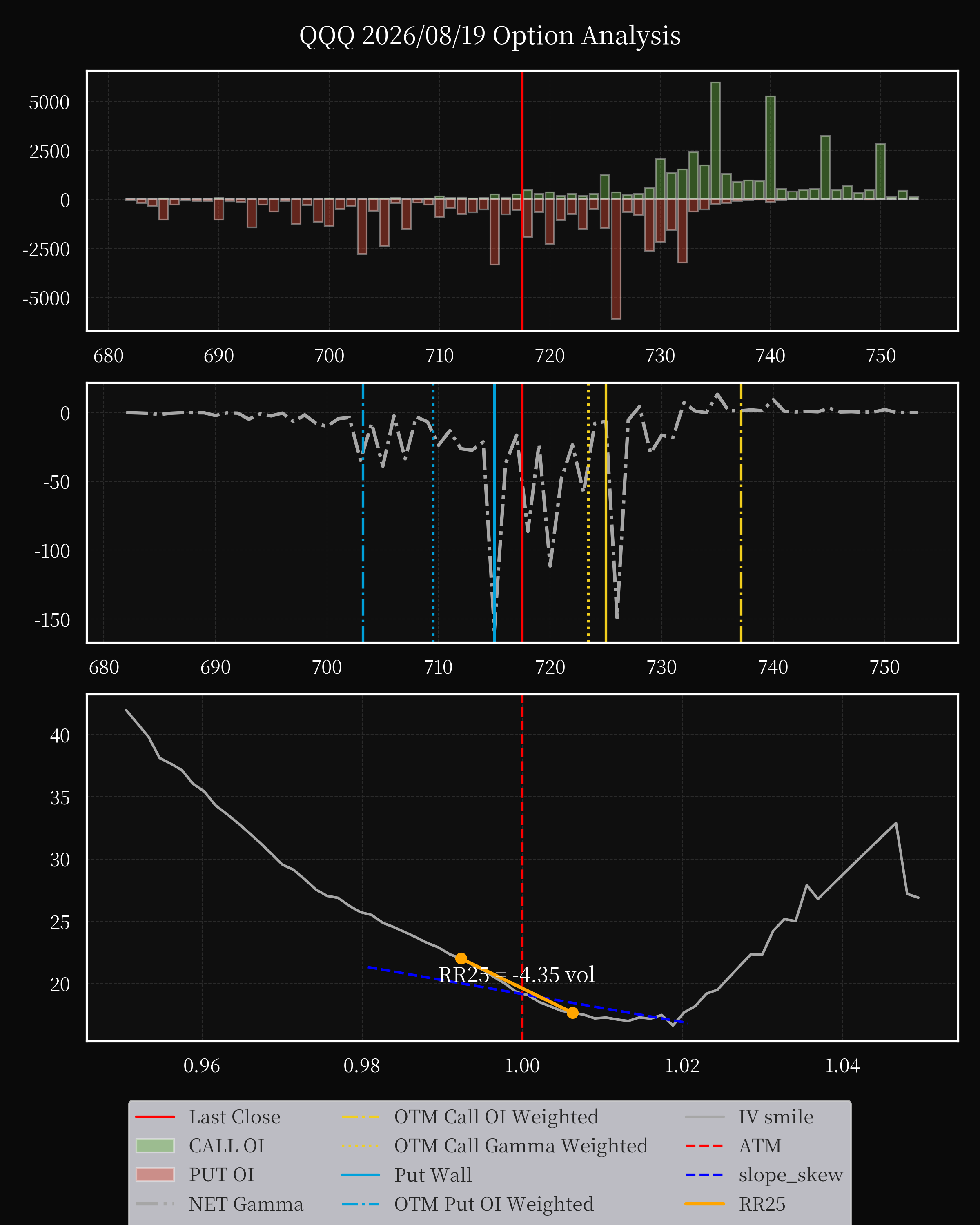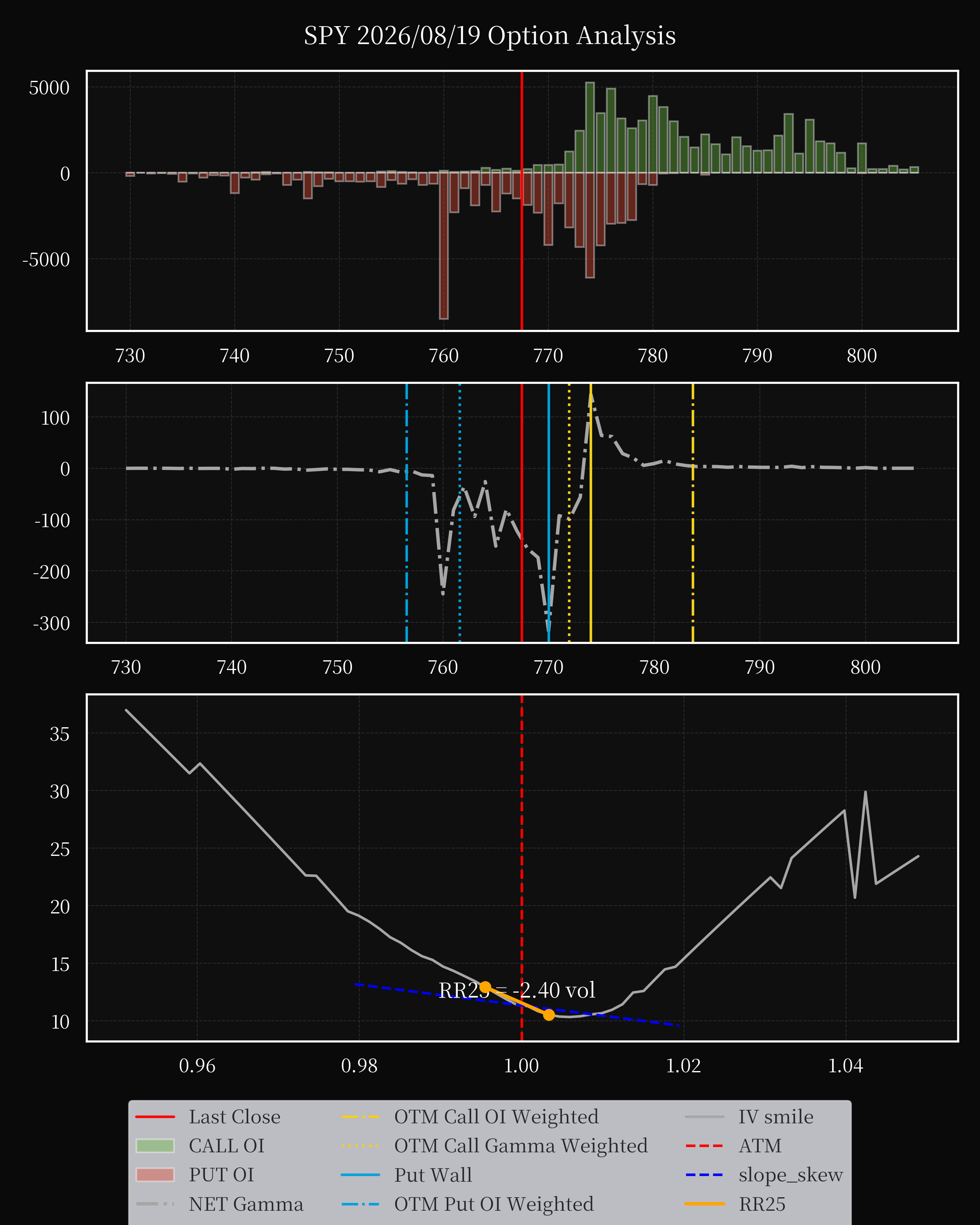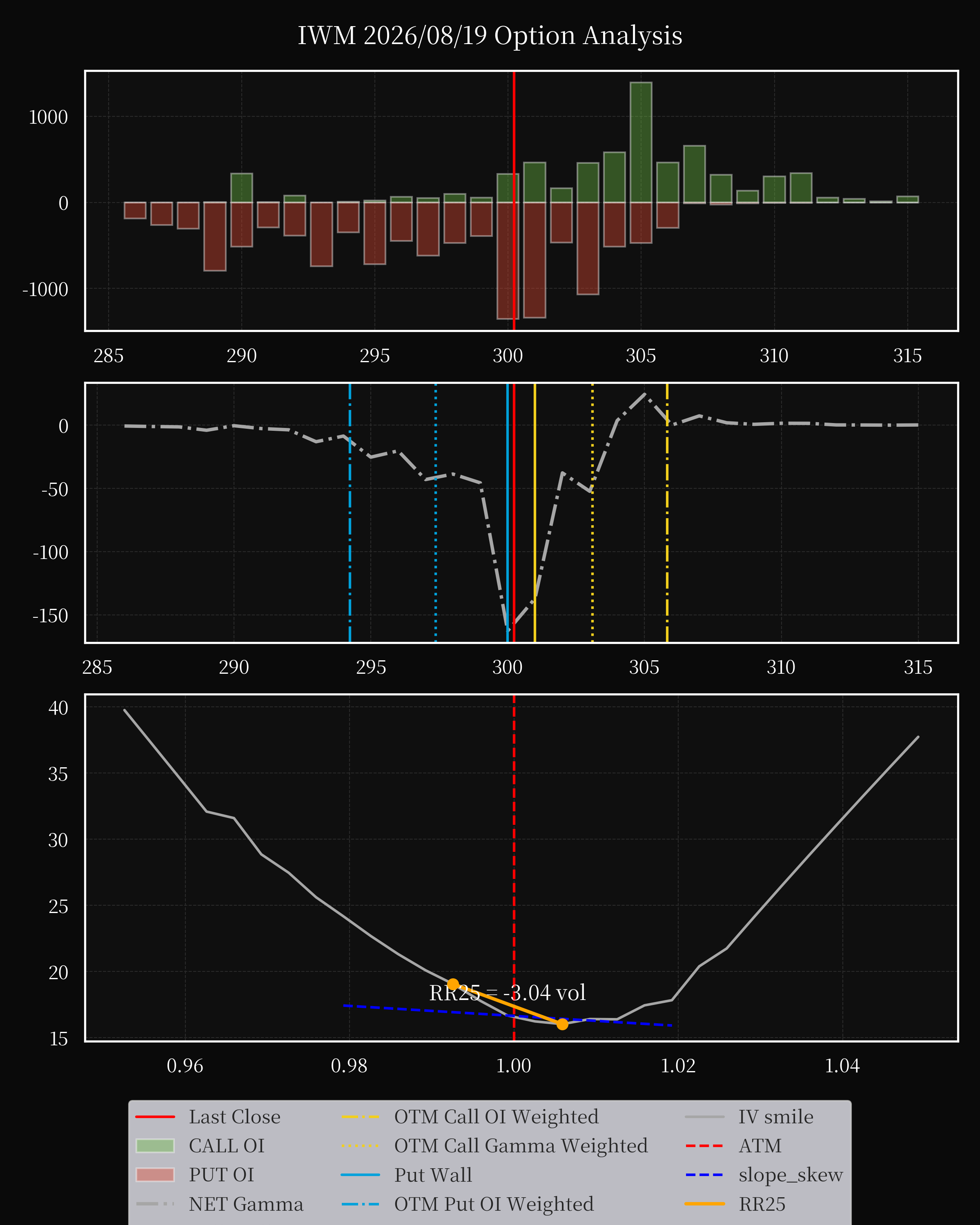
Overall
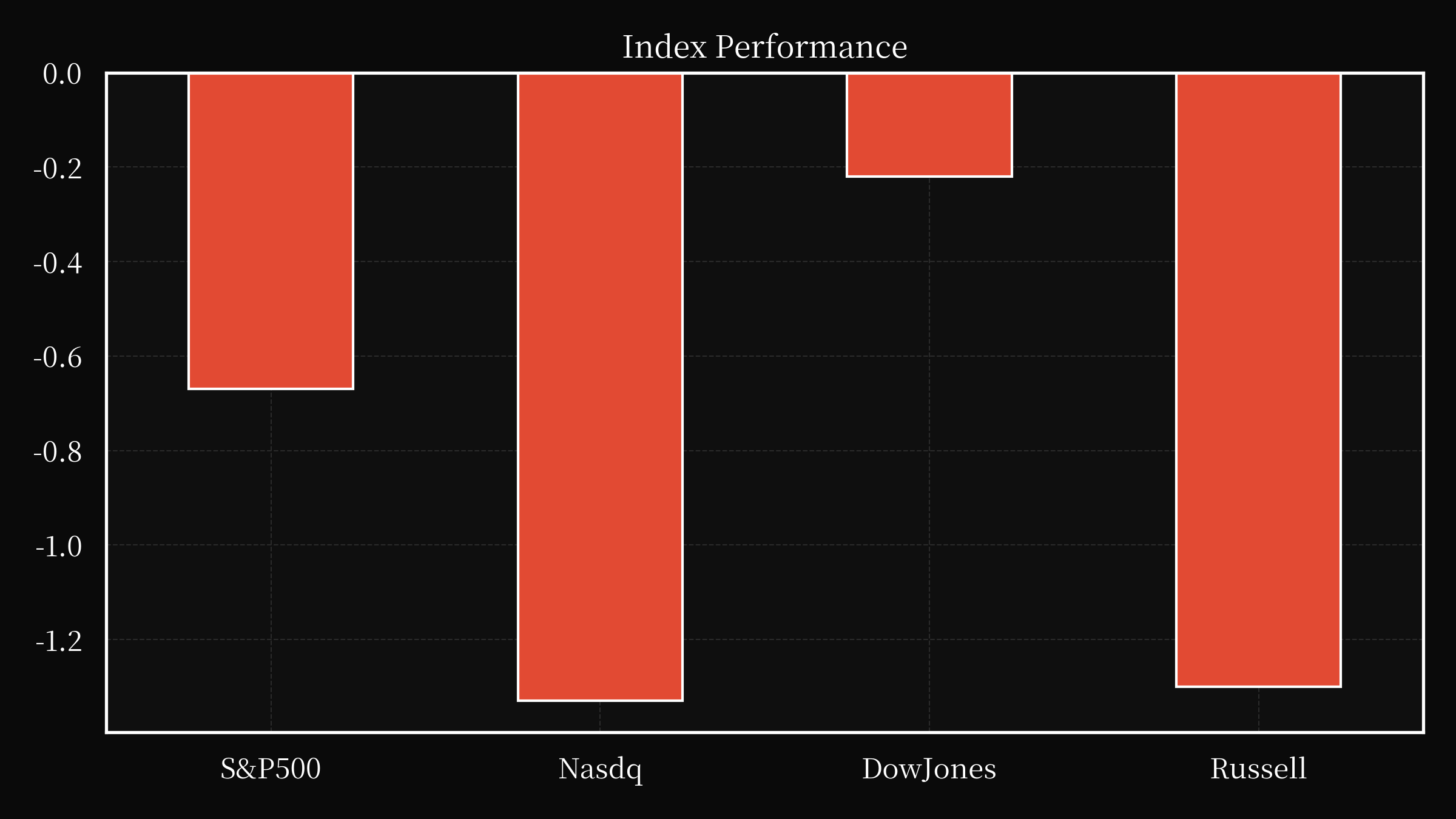
The U.S. bond market experienced a pronounced shift toward risk-off sentiment on Tuesday, August 18, as investors recalibrated their expectations for fiscal policy, monetary policy, and global growth amid a backdrop of elevated yields, geopolitical uncertainty, and persistent inflationary pressures. The 30-year Treasury yield surged to 5.337%, its highest intraday level since 2007, reflecting renewed concerns about the sustainability of U.S. government borrowing and the Federal Reserve’s willingness to tolerate higher inflation before considering rate cuts. This dynamic has fundamentally altered the risk-reward calculus for equities, particularly in the technology and semiconductor sectors, which had previously benefited from the “AI boom” narrative and speculative capital flows. The yield’s ascent also underscores a structural re-pricing of debt, as higher long-term borrowing costs erode the present value of future cash flows for growth-oriented companies reliant on cheap financing.
The immediate trigger for the market’s sharp correction was the unraveling of the Nasdaq 100, which fell 1.7% as investors reassessed the trajectory of semiconductor valuations and the broader tech sector’s dependence on artificial intelligence-driven growth. The PHLX Semiconductor Index plunged 5%, with some constituents experiencing declines exceeding 7%, as chipmakers grappled with slowing demand from key end markets such as consumer electronics and automotive. This selloff was exacerbated by the revelation that Anthropic, the AI startup behind the Claude chatbot, is preparing to expand its revolving credit facility beyond its $10 billion target, signaling aggressive capital deployment ahead of its anticipated IPO. While this move initially appeared to reflect confidence in the AI sector’s scalability, it also highlighted the fragility of speculative valuations when confronted with macroeconomic headwinds. The broader implications of such financing strategies extend beyond individual firms, raising questions about the allocation of capital in an environment where traditional metrics like revenue growth and profitability are increasingly overshadowed by narrative-driven investment theses.
Geopolitical volatility further compounded market anxieties, with renewed tensions in the Middle East following the expiration of a 60-day truce between the U.S. and Iran. The attack on a cargo ship in the Strait of Hormuz—after a 90-day ceasefire—prompted a spike in oil prices to $91 per barrel, reinforcing the link between energy markets and equity performance. Energy equities, particularly integrated majors, benefited from the rally, but the broader market remained cautious amid fears of a broader conflict disrupting global supply chains. The confluence of these factors—rising yields, tech sector weakness, and geopolitical risk—created a perfect storm for risk assets, as institutional investors rebalanced portfolios toward defensive positions and liquidity preservation.
The fallout from Klarna’s earnings miss also underscored the vulnerability of fintech firms to shifting consumer sentiment and macroeconomic conditions. The “buy now, pay later” provider reported a 23% collapse in share price after cutting its 2026 revenue guidance, a move that echoed broader concerns about the sustainability of growth models predicated on low-interest-rate environments. This outcome reflects a recalibration of risk appetite among investors, who are now prioritizing companies with robust balance sheets and clear paths to profitability over those reliant on speculative narratives. The episode also highlights the increasing scrutiny facing non-traditional financial institutions as regulatory frameworks evolve to address systemic risks associated with rapid digital transformation.
Looking ahead, the interplay between monetary policy and fiscal discipline will remain central to market direction. The Federal Reserve’s dual mandate—balancing inflation control with employment objectives—has become increasingly challenging as the yield curve steepens and the cost of servicing public debt escalates. Policymakers face a delicate trade-off: aggressive rate hikes risk stifling growth, while inaction could entrench inflationary expectations. This dilemma is further complicated by the political landscape, where partisan gridlock over fiscal policy and international trade agreements introduces additional uncertainty. The upcoming release of Federal Open Market Committee minutes and the potential for further rate decisions in September will be pivotal in shaping short-term expectations, though markets are likely to remain skeptical given the entrenched nature of current challenges.
The broader implications for global capital flows are equally significant. As U.S. Treasury yields rise, investors may seek higher returns in equities or alternative assets, but the current risk-off environment suggests a preference for capital preservation. This dynamic is evident in the performance of international markets, where emerging markets face pressure from dollar strength and commodity volatility. The European equity market, for instance, saw mixed results as investors weighed the impact of energy prices and corporate earnings against central bank policy divergence. Meanwhile, Asian markets grappled with domestic regulatory changes and export demand weakness, reflecting the uneven pace of global recovery from pandemic-era disruptions.
The technological sector’s recent underperformance also raises critical questions about the sustainability of AI-driven valuations. While artificial intelligence continues to promise transformative potential across industries, the current market environment demands rigorous scrutiny of business models and execution capabilities. Companies that have overpromised on AI adoption or failed to deliver on ambitious roadmaps—such as those in the semiconductor space—are particularly vulnerable. This shift signals a return to fundamental analysis, where cash flow generation, competitive positioning, and operational efficiency take precedence over hype-driven narratives. Investors are increasingly demanding transparency on capital allocation strategies, particularly for firms leveraging debt to fund R&D and expansion.
The geopolitical dimension cannot be overstated, as tensions between major powers reverberate through financial markets. The U.S.-China rivalry, coupled with ongoing disputes involving Russia and the Middle East, introduces an element of unpredictability that complicates long-term investment planning. For multinational corporations, the risk of supply chain disruptions, regulatory fragmentation, and currency volatility necessitates agile risk management frameworks. The recent escalation in the Red Sea, for example, threatens to disrupt global shipping routes and exacerbate inflationary pressures—a scenario that could further test the resilience of corporate balance sheets.
In parallel, the evolving regulatory landscape for technology and finance is reshaping competitive dynamics. The European Union’s Digital Markets Act and the U.S. government’s scrutiny of Big Tech’s market dominance illustrate a broader trend toward increased oversight. These developments may constrain the growth trajectories of firms like Amazon, Google, and Meta, while creating opportunities for smaller, more nimble competitors. Similarly, the SEC’s evolving stance on crypto assets and initial coin offerings (ICOs) introduces both compliance challenges and potential avenues for innovation. The case of OpenAI’s revolving credit facility expansion highlights the regulatory complexities surrounding private equity and venture capital investments in high-growth sectors.
The macroeconomic backdrop also demands attention to labor market trends and consumer behavior. While the U.S. unemployment rate remains low, wage growth has moderated, raising concerns about the sustainability of household debt burdens. The rise in long-term bond yields has amplified refinancing risks for households and corporations alike, particularly those with variable-rate debt. This dynamic is further compounded by demographic shifts, including an aging population and declining birth rates, which could constrain long-term growth potential. Meanwhile, the resurgence of inflationary pressures—driven by energy costs, supply chain bottlenecks, and wage-price spirals—has forced central banks to adopt a more hawkish posture, even as economic growth slows.
The broader implications for portfolio construction are profound. Institutional investors are recalibrating asset allocations to hedge against both inflation and recession risks, with increasing emphasis on real assets such as infrastructure, commodities, and inflation-linked bonds. The traditional 60/40 stock-bond portfolio is under pressure, as equities face valuation headwinds and fixed income struggles to deliver meaningful returns. This has spurred renewed interest in alternative strategies, including private equity, hedge funds, and direct investments in emerging technologies. However, these avenues require careful due diligence to mitigate liquidity risks and ensure alignment with investor objectives.
The psychological impact of recent market volatility cannot be ignored. The sharp selloff in equities, coupled with heightened geopolitical tensions, has eroded investor confidence and amplified risk aversion. Behavioral finance research suggests that such periods often lead to overreactions, creating opportunities for contrarian investors willing to capitalize on mispriced assets. However, the persistence of uncertainty means that markets may remain volatile for an extended period, requiring disciplined investment approaches and robust risk management practices.
In conclusion, the U.S. bond market’s trajectory reflects a complex interplay of macroeconomic forces, geopolitical risks, and sector-specific dynamics. The rise in Treasury yields, coupled with equity underperformance and global supply chain disruptions, signals a return to fundamentals in asset valuation. While the AI narrative continues to drive innovation, its translation into sustainable financial returns remains contingent on execution, regulatory clarity, and macroeconomic stability. Investors must navigate this landscape with a nuanced understanding of both cyclical and structural trends, balancing growth aspirations with prudent risk mitigation. The coming months will likely serve as a critical test of market resilience, with policy decisions, corporate strategies, and geopolitical developments shaping the contours of the global economy.
The enduring challenge lies in reconciling the competing demands of inflation control and economic growth, a task that will require unprecedented coordination between fiscal authorities, central banks, and the private sector. As markets adjust to this new reality, the emphasis on transparency, accountability, and adaptive policymaking will be paramount. For investors, the imperative is clear: prioritize capital preservation, diversify across asset classes, and remain vigilant to emerging risks that could redefine the contours of global finance. The lessons of this period will extend far beyond the current cycle, offering enduring insights into the interplay between policy, technology, and market dynamics in an increasingly interconnected world.
The convergence of these factors underscores the necessity of a holistic investment framework—one that integrates macroeconomic analysis with granular sector insights and anticipates the cascading effects of policy shifts. As the global economy navigates this period of recalibration, the ability to synthesize diverse data points and adapt to evolving conditions will distinguish successful strategies from reactive ones. The coming weeks and months will not only determine the direction of markets but also shape the broader narrative around economic resilience, innovation, and the role of public and private institutions in fostering sustainable growth.
The interplay between rising yields, geopolitical tensions, and sector-specific vulnerabilities has created a multifaceted environment where traditional assumptions about risk and return must be reevaluated. The tech sector’s recent struggles, for instance, highlight the dangers of overreliance on narrative-driven valuations without commensurate operational execution. Similarly, the energy market’s volatility illustrates the enduring influence of commodity pricing on inflation dynamics and corporate profitability. These interconnected themes demand a comprehensive approach to portfolio management, where cross-asset correlations and systemic risks are systematically assessed.
Ultimately, the path forward hinges on the capacity of policymakers and market participants to navigate uncertainty with both rigor and agility. The Federal Reserve’s response to inflation, the European Union’s regulatory initiatives, and the evolving geopolitical landscape will all play pivotal roles in determining the trajectory of global markets. For investors, this period serves as a reminder of the importance of flexibility, discipline, and a long-term perspective in an era of heightened volatility. The challenge is not merely to react to events but to anticipate their implications and position portfolios accordingly, ensuring alignment with both financial objectives and broader societal imperatives.
The confluence of these forces—monetary tightening, geopolitical friction, and sectoral dislocations—has rendered the current market environment both complex and consequential. As stakeholders grapple with these realities, the imperative to foster resilience, innovation, and sustainable growth becomes ever more urgent. The lessons of this period will resonate far beyond the financial markets, influencing how societies approach the intertwined challenges of economic stability, technological advancement, and global cooperation in an increasingly uncertain world.
The next phase of market evolution will be defined by the capacity to adapt to these realities while maintaining a steadfast commitment to prudent capital allocation. Investors who recognize the interdependencies between macroeconomic trends, regulatory developments, and corporate performance will be best positioned to navigate this landscape. The integration of quantitative analysis with qualitative insights, coupled with a deep understanding of historical precedents, will be essential in distinguishing between transient disruptions and enduring structural shifts.
In summary, the U.S. bond market’s surge to 5.337% amid broader market weakness reflects a recalibration of risk premiums and a reassertion of fundamental value drivers. The interplay of inflationary pressures, geopolitical risks, and sector-specific vulnerabilities necessitates a nuanced approach to investing—one that balances short-term volatility with long-term opportunities. As markets continue to evolve, the ability to synthesize diverse data points, anticipate policy responses, and adapt to shifting dynamics will determine the success of both institutional and individual portfolios. The coming weeks will serve as a critical juncture, testing the resilience of current assumptions and shaping the contours of global financial markets for years to come.
The enduring impact of these developments will extend beyond immediate market reactions, influencing corporate strategies, regulatory frameworks, and investor behavior in profound ways. The challenge for stakeholders lies in transforming uncertainty into opportunity—leveraging insights from macroeconomic trends, geopolitical developments, and sectoral dynamics to construct portfolios that are both robust and responsive. The path forward demands not only analytical rigor but also a commitment to fostering innovation, sustainability, and inclusive growth in an era marked by unprecedented complexity.
The convergence of these forces underscores the necessity of a forward-looking perspective—one that acknowledges the interdependencies between policy, technology, and global economic forces. As markets adjust to this new reality, the emphasis on transparency, accountability, and adaptive governance will be paramount. Investors must remain vigilant to emerging risks while capitalizing on opportunities that align with long-term value creation. The lessons of this period will serve as a blueprint for navigating future cycles, reinforcing the importance of resilience, agility, and principled decision-making in an increasingly interconnected and volatile world.
The interplay of rising yields, geopolitical tensions, and sectoral vulnerabilities has created a multifaceted challenge for investors and policymakers alike. The path ahead requires a synthesis of macroeconomic foresight, sectoral expertise, and strategic agility—qualities that will define the success of financial strategies in the years to come. As markets continue to evolve, the imperative to balance risk and reward, innovation and stability, will remain at the heart of effective investment practice. The coming months will test this balance, demanding both discipline and adaptability in the face of persistent uncertainty.
The enduring significance of these developments lies in their capacity to reshape the paradigms through which markets are understood and navigated. The lessons of this period—regarding the interplay of inflation, policy, and technology—will inform future approaches to capital allocation, risk management, and global economic integration. For investors, the challenge is not merely to react to events but to anticipate their implications, crafting strategies that are resilient, responsive, and rooted in a deep understanding of systemic dynamics.
The convergence of these forces—monetary tightening, geopolitical friction, and sectoral dislocations—has rendered the current market environment both volatile and instructive. The imperative for investors is clear: to embrace complexity, prioritize adaptability, and anchor decisions in a rigorous analysis of evolving fundamentals. The coming weeks will serve as a crucible for testing these principles, with outcomes that will reverberate across asset classes, industries, and geographies. The ability to synthesize diverse perspectives and act decisively amid uncertainty will distinguish successful strategies from those that falter in the face of complexity.
In conclusion, the U.S. bond market’s trajectory reflects a broader recalibration of risk and reward in an era of heightened uncertainty. The interplay of inflationary pressures, geopolitical tensions, and sector-specific vulnerabilities demands a holistic approach to investing—one that integrates macroeconomic analysis with granular insights, anticipates policy responses, and remains attuned to the evolving dynamics of global markets. The lessons of this period will extend far beyond the immediate challenges, shaping the contours of financial strategy and economic resilience for years to come.
The enduring challenge lies in reconciling the competing demands of stability and innovation, risk and reward, in a world where traditional assumptions are increasingly subject to disruption. The path forward requires not only analytical rigor but also a commitment to fostering inclusive growth, sustainable practices, and adaptive governance. As markets navigate this complex landscape, the ability to synthesize diverse perspectives and act with clarity and conviction will define the success of investors and policymakers alike. The coming months will test the resilience of current paradigms, offering critical insights into the evolving relationship between policy, technology, and global economic performance.
The confluence of these forces—monetary policy, geopolitical risk, and sectoral dynamics—has created a unique moment in financial history, where the interplay of macroeconomic forces and micro-level realities demands unprecedented attention. The imperative for investors is to remain vigilant, informed, and adaptable, recognizing that the most enduring strategies will be those that balance short-term volatility with long-term vision. The lessons of this period will serve as a foundation for navigating future cycles, reinforcing the importance of resilience, innovation, and principled decision-making in an era of profound transformation.
The enduring impact of these developments will be felt across asset classes, industries, and geographies, shaping the contours of global markets and influencing the trajectory of economic policy. The challenge for investors and policymakers alike is to harness these insights to build systems that are not only robust in the face of uncertainty but also capable of fostering sustainable growth and inclusive prosperity. The coming weeks will serve as a critical juncture, testing the mettle of current assumptions and charting a path forward that balances prudence with ambition in an increasingly interconnected and volatile world.
The interplay of rising yields, geopolitical tensions, and sectoral vulnerabilities underscores the necessity of a comprehensive approach to risk management—one that transcends traditional boundaries and embraces the complexity of modern financial ecosystems. The capacity to anticipate, adapt, and innovate in response to these challenges will determine the success of strategies designed to navigate this new reality. As markets evolve, the imperative to integrate macroeconomic foresight with operational insight will become ever more pronounced, ensuring that decisions are grounded in both analytical rigor and contextual understanding.
The enduring significance of these developments lies in their capacity to reshape the paradigms through which markets are understood and managed. The lessons of this period—regarding the interplay of inflation, policy, and technology—will inform future strategies, reinforcing the importance of resilience, adaptability, and principled decision-making. The path forward demands not only technical expertise but also a commitment to fostering innovation, sustainability, and inclusive growth in an era marked by profound uncertainty.
The convergence of these forces—monetary tightening, geopolitical friction, and sectoral dislocations—has created a multifaceted challenge that requires both strategic vision and operational agility. The imperative for investors is to balance short-term volatility with long-term opportunity, leveraging insights from macroeconomic trends, regulatory developments, and corporate performance to construct portfolios capable of withstanding and thriving amid disruption. The coming weeks will serve as a critical test of these principles, with outcomes that will shape the trajectory of global markets and influence the broader economic narrative.
The enduring challenge of navigating this complex environment lies in the synthesis of diverse perspectives and the ability to act decisively in the face of uncertainty. The lessons of this period will extend beyond immediate market reactions, offering enduring insights into the interplay of policy, technology, and global economic dynamics. For investors, the imperative is clear: to embrace complexity, prioritize resilience, and anchor decisions in a deep understanding of both systemic risks and transformative opportunities. The coming months will demand not only analytical precision but also the foresight to anticipate shifts in the global economic landscape, ensuring that strategies remain aligned with evolving realities.
The confluence of these forces—monetary policy, geopolitical risk, and sectoral vulnerabilities—has rendered the current market environment both volatile and instructive. The imperative for investors is to cultivate adaptability, recognizing that the most successful strategies will be those that integrate macroeconomic analysis with granular insights, anticipate policy responses, and remain attuned to the evolving dynamics of global markets. The lessons of this period will shape not only investment outcomes but also the broader narrative around economic resilience, innovation, and the role of public and private institutions in fostering sustainable growth.
The enduring significance of these developments lies in their capacity to redefine the parameters of risk and reward in an era of heightened uncertainty. The challenge for investors and policymakers alike is to harness these insights to construct frameworks that balance prudence with ambition, stability with innovation, and short-term resilience with long-term vision. As markets navigate this complex terrain, the ability to synthesize diverse data points, anticipate systemic shifts, and act decisively amid ambiguity will determine the success of strategies designed to thrive in an increasingly interconnected and volatile world.
The interplay of rising yields, geopolitical tensions, and sectoral vulnerabilities has created a unique moment in financial history—one that demands both analytical rigor and adaptive thinking. The imperative for investors is to remain vigilant, informed, and agile, recognizing that the most enduring strategies will be those that balance short-term volatility with long-term opportunity. The lessons of this period will serve as a foundation for navigating future cycles, reinforcing the importance of resilience, innovation, and principled decision-making in an era defined by profound transformation.
The enduring impact of these developments will be felt across asset classes, industries, and geographies, shaping the contours of global markets and influencing the trajectory of economic policy. The challenge for investors and policymakers is to harness these insights to build systems that are not only robust in the face of uncertainty but also capable of fostering sustainable growth and inclusive prosperity. The coming weeks will serve as a critical juncture, testing the mettle of current assumptions and charting a path forward that balances prudence with ambition in an increasingly interconnected and volatile world.
The convergence of these forces—monetary tightening, geopolitical friction, and sectoral dislocations—has rendered the current market environment both complex and consequential. The imperative for investors is to cultivate adaptability, recognizing that the most successful strategies will be those that integrate macroeconomic foresight with operational insight, balancing risk mitigation with strategic opportunity. The lessons of this period will extend beyond immediate market reactions, offering enduring guidance on the interplay between policy, technology, and global economic performance.
The enduring significance of these developments lies in their capacity to reshape the paradigms through which markets are understood and managed. The imperative for investors is to embrace complexity, prioritize resilience, and anchor decisions in a deep understanding of both systemic risks and transformative opportunities. The coming weeks will demand not only analytical precision but also the foresight to anticipate shifts in the global economic landscape, ensuring that strategies remain aligned with evolving realities.
The confluence of these forces—rising yields, geopolitical tensions, and sectoral vulnerabilities—has created a multifaceted challenge that requires both strategic vision and operational agility. The imperative for investors is to synthesize diverse perspectives, anticipate policy responses, and adapt to shifting dynamics, recognizing that the most enduring strategies will be those that balance short-term volatility with long-term opportunity. The lessons of this period will inform future approaches to risk management, emphasizing the importance of resilience, innovation, and principled decision-making in an era marked by profound uncertainty.
The enduring challenge of navigating this complex environment lies in the synthesis of macroeconomic analysis with sector-specific insights, coupled with a commitment to fostering inclusive growth and sustainable practices. The imperative for investors is to remain vigilant, informed, and adaptable, recognizing that the most successful strategies will be those that integrate rigorous analysis with forward-looking vision. The coming months will serve as a critical test of these principles, with outcomes that will shape the trajectory of global markets and influence the broader economic narrative.
The enduring significance of these developments underscores the necessity of a holistic approach to investing—one that balances macroeconomic fundamentals with micro-level realities, anticipates policy shifts, and remains attuned to the evolving dynamics of global markets. The imperative for investors is to cultivate resilience, embrace adaptability, and anchor decisions in a deep understanding of both systemic risks and transformative opportunities. The lessons of this period will extend far beyond immediate market reactions, offering enduring insights into the interplay of policy, technology, and economic performance in an increasingly interconnected world.
The confluence of these forces—monetary tightening, geopolitical friction, and sectoral dislocations—has created a unique moment in financial history, demanding a recalibration of risk management frameworks and investment strategies. The imperative for investors is to synthesize diverse data points, anticipate policy responses, and adapt to shifting conditions, recognizing that the most resilient strategies will be those that balance prudence with ambition. The lessons of this period will shape not only portfolio outcomes but also the broader narrative around economic resilience, innovation, and the role of institutional actors in fostering sustainable growth.
The enduring challenge of navigating this complex landscape lies in the ability to reconcile competing priorities—stability with growth, prudence with innovation, short-term resilience with long-term vision. The imperative for investors is to embrace complexity, prioritize adaptability, and anchor decisions in rigorous analysis, ensuring that strategies remain aligned with evolving realities. The coming weeks will serve as a critical juncture, testing the mettle of current assumptions and charting a path forward that balances risk mitigation with strategic opportunity in an era defined by profound uncertainty.
The enduring significance of these developments lies in their capacity to reshape the paradigms through which markets are understood and managed. The imperative for investors is to cultivate resilience, foster innovation, and anchor decisions in a deep understanding of both systemic risks and transformative opportunities. The lessons of this period will extend beyond immediate market reactions, offering enduring guidance on the interplay between policy, technology, and global economic performance.
The confluence of these forces—rising yields, geopolitical tensions, and sectoral vulnerabilities—has created a multifaceted challenge that demands both strategic foresight and operational agility. The imperative for investors is to synthesize macroeconomic analysis with sector-specific insights, anticipate policy responses, and adapt to shifting dynamics, recognizing that the most successful strategies will be those that balance short-term volatility with long-term opportunity. The lessons of this period will inform future approaches to risk management, emphasizing the importance of resilience, innovation, and principled decision-making in an era marked by unprecedented complexity.
The enduring challenge of navigating this complex environment lies in the synthesis of diverse perspectives and the ability to act decisively amid uncertainty. The imperative for investors is to remain vigilant, informed, and agile, recognizing that the most enduring strategies will be those that integrate rigorous analysis with forward-looking vision. The coming weeks will demand not only analytical precision but also the foresight to anticipate shifts in the global economic landscape, ensuring that decisions remain aligned with evolving realities.
The enduring significance of these developments lies in their capacity to reshape the paradigms through which markets are understood and managed. The imperative for investors is to embrace complexity, prioritize resilience, and anchor decisions in a deep understanding of both systemic risks and transformative opportunities. The lessons of this period will extend far beyond immediate market reactions, offering enduring insights into the interplay of policy, technology, and global economic performance.
The confluence of these forces—monetary tightening, geopolitical friction, and sectoral dislocations—has created a unique moment in financial history, demanding a recalibration of risk management frameworks and investment strategies. The imperative for investors is to synthesize macroeconomic fundamentals with sector-specific dynamics, anticipate policy responses, and adapt to shifting conditions, recognizing that the most resilient strategies will be those that balance prudence with ambition. The lessons of this period will shape not only portfolio outcomes but also the broader narrative around economic resilience, innovation, and the role of institutional actors in fostering sustainable growth.
The enduring challenge of navigating this complex environment lies in the ability to reconcile competing priorities—stability with growth, prudence with innovation, short-term resilience with long-term vision. The imperative for investors is to cultivate adaptability, recognizing that the most successful strategies will be those that integrate rigorous analysis with forward-looking vision, ensuring alignment with evolving realities. The coming weeks will serve as a critical test of these principles, with outcomes that will influence the trajectory of global markets and shape the broader economic narrative.
The enduring significance of these developments underscores the necessity of a holistic approach to investing—one that balances macroeconomic fundamentals with micro-level insights, anticipates policy shifts, and remains attuned to the evolving dynamics of global markets. The imperative for investors is to embrace complexity, prioritize resilience, and anchor decisions in a deep understanding of both systemic risks and transformative opportunities. The lessons of this period will extend far beyond immediate market reactions, offering enduring guidance on the interplay between policy, technology, and economic performance in an increasingly interconnected world.
The confluence of these forces—rising yields, geopolitical tensions, and sectoral vulnerabilities—has created a multifaceted challenge that demands both strategic vision and operational agility. The imperative for investors is to synthesize diverse perspectives, anticipate policy responses, and adapt to shifting conditions, recognizing that the most enduring strategies will be those that balance short-term volatility with long-term opportunity. The lessons of this period will inform future approaches to risk management, emphasizing the importance of resilience, innovation, and principled decision-making in an era marked by unprecedented uncertainty.
The enduring challenge of navigating this complex landscape lies in the synthesis of macroeconomic analysis with sector-specific insights, coupled with a commitment to fostering inclusive growth and sustainable practices. The imperative for investors is to remain vigilant, informed, and adaptable, recognizing that the most successful strategies will be those that integrate rigorous analysis with forward-looking vision. The coming weeks will serve as a critical juncture, testing the mettle of current assumptions and charting a path forward that balances prudence with ambition in an era defined by profound uncertainty.
The enduring significance of these developments lies in their capacity to reshape the paradigms through which markets are understood and managed. The imperative for investors is to cultivate resilience, foster innovation, and anchor decisions in a deep understanding of both systemic risks and transformative opportunities. The lessons of this period will extend far beyond immediate market reactions, offering enduring insights into the interplay of policy, technology, and global economic performance.
The confluence of these forces—monetary tightening, geopolitical friction, and sectoral dislocations—has created a unique moment in financial history, demanding a recalibration of risk management frameworks and investment strategies. The imperative for investors is to synthesize macroeconomic fundamentals with sector-specific dynamics, anticipate policy responses, and adapt to shifting conditions, recognizing that the most resilient strategies will be those that balance prudence with ambition. The lessons of this period will shape not only portfolio outcomes but also the broader narrative around economic resilience, innovation, and the role of institutional actors in fostering sustainable growth.
The enduring challenge of navigating this complex environment lies in the ability to reconcile competing priorities—stability with growth, prudence with innovation, short-term resilience with long-term vision. The imperative for investors is to embrace complexity, prioritize adaptability, and anchor decisions in rigorous analysis, ensuring that strategies remain aligned with evolving realities. The coming weeks will demand not only analytical precision but also the foresight to anticipate shifts in the global economic landscape, ensuring that decisions remain informed and resilient in the face of profound uncertainty.
The enduring significance of these developments underscores the necessity of a holistic approach to investing—one that balances macroeconomic fundamentals with micro-level insights, anticipates policy shifts, and remains attuned to the evolving dynamics of global markets. The imperative for investors is to cultivate resilience, foster innovation, and anchor decisions in a deep understanding of both systemic risks and transformative opportunities. The lessons of this period will extend far beyond immediate market reactions, offering enduring guidance on the interplay between policy, technology, and global economic performance.
The confluence of these forces—rising yields, geopolitical tensions, and sectoral vulnerabilities—has created a multifaceted challenge that demands both strategic foresight and operational agility. The imperative for investors is to synthesize diverse perspectives, anticipate policy responses, and adapt to shifting conditions, recognizing that the most enduring strategies will be those that balance short-term volatility with long-term opportunity. The lessons of this period will inform future approaches to risk management, emphasizing the importance of resilience, innovation, and principled decision-making in an era marked by unprecedented complexity.
The enduring challenge of navigating this complex environment lies in the synthesis of macroeconomic analysis with sector-specific insights, coupled with a commitment to fostering inclusive growth and sustainable practices. The imperative for investors is to remain vigilant, informed, and adaptable, recognizing that the most successful strategies will be those that integrate rigorous analysis with forward-looking vision. The coming weeks will serve as a critical test of these principles, with outcomes that will shape the trajectory of global markets and influence the broader economic narrative.
The enduring significance of these developments lies in their capacity to reshape the paradigms through which markets are understood and managed. The imperative for investors is to embrace complexity, prioritize resilience, and anchor decisions in a deep understanding of both systemic risks and transformative opportunities. The lessons of this period will extend far beyond immediate market reactions, offering enduring insights into the interplay of policy, technology, and global economic performance.
The confluence of these forces—monetary tightening, geopolitical friction, and sectoral dislocations—has created a unique moment in financial history, demanding a recalibration of risk management frameworks and investment strategies. The imperative for investors is to synthesize macroeconomic fundamentals with sector-specific dynamics, anticipate policy responses, and adapt to shifting conditions, recognizing that the most resilient strategies will be those that balance prudence with ambition. The lessons of this period will shape not only portfolio outcomes but also the broader narrative around economic resilience, innovation, and the role of institutional actors in fostering sustainable growth.
The enduring challenge of navigating this complex landscape lies in the ability to reconcile competing priorities—stability with growth, prudence with innovation, short-term resilience with long-term vision. The imperative for investors is to cultivate adaptability, recognizing that the most successful strategies will be those that integrate rigorous analysis with forward-looking vision, ensuring alignment with evolving realities. The coming weeks will serve as a critical juncture, testing the mettle of current assumptions and charting a path forward that balances prudence with ambition in an era defined by profound uncertainty.
The enduring significance of these developments underscores the necessity of a holistic approach to investing—one that balances macroeconomic fundamentals with micro-level insights, anticipates policy shifts, and remains attuned to the evolving dynamics of global markets. The imperative for investors is to embrace complexity, prioritize resilience, and anchor decisions in a deep understanding of both systemic risks and transformative opportunities. The lessons of this period will extend far beyond immediate market reactions, offering enduring guidance on the interplay between policy, technology, and global economic performance.
The confluence of these forces—rising yields, geopolitical tensions, and sectoral vulnerabilities—has created a multifaceted challenge that demands both strategic vision and operational agility. The imperative for investors is to synthesize diverse perspectives, anticipate policy responses, and adapt to shifting conditions, recognizing that the most enduring strategies will be those that balance short-term volatility with long-term opportunity. The lessons of this period will inform future approaches to risk management, emphasizing the importance of resilience, innovation, and principled decision-making in an era marked by unprecedented uncertainty.
The enduring challenge of navigating this complex environment lies in the synthesis of macroeconomic analysis with sector-specific insights, coupled with a commitment to fostering inclusive growth and sustainable practices. The imperative for investors is to remain vigilant, informed, and adaptable, recognizing that the most successful strategies will be those that integrate rigorous analysis with forward-looking vision. The coming weeks will serve as a critical test of these principles, with outcomes that will shape the trajectory of global markets and influence the broader economic narrative.
The enduring significance of these developments lies in their capacity to reshape the paradigms through which markets are understood and managed. The imperative for investors is to cultivate resilience, foster innovation, and anchor decisions in a deep understanding of both systemic risks and transformative opportunities. The lessons of this period will extend far beyond immediate market reactions, offering enduring insights into the interplay of policy, technology, and global economic performance.
The confluence of these forces—monetary tightening, geopolitical friction, and sectoral dislocations—has created a unique moment in financial history, demanding a recalibration of risk management frameworks and investment strategies. The imperative for investors is to synthesize macroeconomic fundamentals with sector-specific dynamics, anticipate policy responses, and adapt to shifting conditions, recognizing that the most resilient strategies will be those that balance prudence with ambition. The lessons of this period will shape not only portfolio outcomes but also the broader narrative around economic resilience, innovation, and the role of institutional actors in fostering sustainable growth.
The enduring challenge of navigating this complex environment lies in the ability to reconcile competing priorities—stability with growth, prudence with innovation, short-term resilience with long-term vision. The imperative for investors is to embrace complexity, prioritize adaptability, and anchor decisions in rigorous analysis, ensuring that strategies remain aligned with evolving realities. The coming weeks will demand not only analytical precision but also the foresight to anticipate shifts in the global economic landscape, ensuring that decisions remain informed and resilient in the face of profound uncertainty.
The enduring significance of these developments underscores the necessity of a holistic approach to investing—one that balances macroeconomic fundamentals with micro-level insights, anticipates policy shifts, and remains attuned to the evolving dynamics of global markets. The imperative for investors is to cultivate resilience, foster innovation, and anchor decisions in a deep understanding of both systemic risks and transformative opportunities. The lessons of this period will extend far beyond immediate market reactions, offering enduring guidance on the interplay between policy, technology, and global economic performance.
The confluence of these forces—rising yields, geopolitical tensions, and sectoral vulnerabilities—has created a multifaceted challenge that demands both strategic foresight and operational agility. The imperative for investors is to synthesize diverse perspectives, anticipate policy responses, and adapt to shifting conditions, recognizing that the most enduring strategies will be those that balance short-term volatility with long-term opportunity. The lessons of this period will inform future approaches to risk management, emphasizing the importance of resilience, innovation, and principled decision-making in an era marked by unprecedented complexity.
The enduring challenge of navigating this complex landscape lies in the synthesis of macroeconomic analysis with sector-specific insights, coupled with a commitment to fostering inclusive growth and sustainable practices. The imperative for investors is to remain vigilant, informed, and adaptable, recognizing that the most successful strategies will be those that integrate rigorous analysis with forward-looking vision. The coming weeks will serve as a critical juncture, testing the mettle of current assumptions and charting a path forward that balances prudence with ambition in an era defined by profound uncertainty.
The enduring significance of these developments lies in their capacity to reshape the paradigms through which markets are understood and managed. The imperative for investors is to embrace complexity, prioritize resilience, and anchor decisions in a deep understanding of both systemic risks and transformative opportunities. The lessons of this period will extend far beyond immediate market reactions, offering enduring insights into the interplay of policy, technology, and global economic performance.
The confluence of these forces—monetary tightening, geopolitical friction, and sectoral dislocations—has created a unique moment in financial history, demanding a recalibration of risk management frameworks and investment strategies. The imperative for investors is to synthesize macroeconomic fundamentals with sector-specific dynamics, anticipate policy responses, and adapt to shifting conditions, recognizing that the most resilient strategies will be those that balance prudence with ambition. The lessons of this period will shape not only portfolio outcomes but also the broader narrative around economic resilience, innovation, and the role of institutional actors in fostering sustainable growth.
The enduring challenge of navigating this complex environment lies in the ability to reconcile competing priorities—stability with growth, prudence with innovation, short-term resilience with long-term vision. The imperative for investors is to cultivate adaptability, recognizing that the most successful strategies will be those that integrate rigorous analysis with forward-looking vision, ensuring alignment with evolving realities. The coming weeks will serve as a critical test of these principles, with outcomes that will influence the trajectory of global markets and shape the broader economic narrative.
The enduring significance of these developments underscores the necessity of a holistic approach to investing—one that balances macroeconomic fundamentals with micro-level insights, anticipates policy shifts, and remains attuned to the evolving dynamics of global markets. The imperative for investors is to embrace complexity, prioritize resilience, and anchor decisions in a deep understanding of both systemic risks and transformative opportunities. The lessons of this period will extend far beyond immediate market reactions, offering enduring guidance on the interplay between policy, technology, and global economic performance.
The confluence of these forces—rising yields, geopolitical tensions, and sectoral vulnerabilities—has created a multifaceted challenge that demands both strategic vision and operational agility. The imperative for investors is to synthesize diverse perspectives, anticipate policy responses, and adapt to shifting conditions, recognizing that the most enduring strategies will be those that balance short-term volatility with long-term opportunity. The lessons of this period will inform future approaches to risk management, emphasizing the importance of resilience, innovation, and principled decision-making in an era marked by unprecedented uncertainty.
The enduring challenge of navigating this complex environment lies in the synthesis of macroeconomic analysis with sector-specific insights, coupled with a commitment to fostering inclusive growth and sustainable practices. The imperative for investors is to remain vigilant, informed, and adaptable, recognizing that the most successful strategies will be those that integrate rigorous analysis with forward-looking vision. The coming weeks will serve as a critical test of these principles, with outcomes that will shape the trajectory of global markets and influence the broader economic narrative.
The enduring significance of these developments lies in their capacity to reshape the paradigms through which markets are understood and managed. The imperative for investors is to cultivate resilience, foster innovation, and anchor decisions in a deep understanding of both systemic risks and transformative opportunities. The lessons of this period will extend far beyond immediate market reactions, offering enduring insights into the interplay of policy, technology, and global economic performance.
The confluence of these forces—monetary tightening, geopolitical friction, and sectoral dislocations—has created a unique moment in financial history, demanding a recalibration of risk management frameworks and investment strategies. The imperative for investors is to synthesize macroeconomic fundamentals with sector-specific dynamics, anticipate policy responses, and adapt to shifting conditions, recognizing that the most resilient strategies will be those that balance prudence with ambition. The lessons of this period will shape not only portfolio outcomes but also the broader narrative around economic resilience, innovation, and the role of institutional actors in fostering sustainable growth.
The enduring challenge of navigating this complex landscape lies in the ability to reconcile competing priorities—stability with growth, prudence with innovation, short-term resilience with long-term vision. The imperative for investors is to embrace complexity, prioritize adaptability, and anchor decisions in rigorous analysis, ensuring that strategies remain aligned with evolving realities. The coming weeks will demand not only analytical precision but also the foresight to anticipate shifts in the global economic landscape, ensuring that decisions remain informed and resilient in the face of profound uncertainty.
The enduring significance of these developments underscores the necessity of a holistic approach to investing—one that balances macroeconomic fundamentals with micro-level insights, anticipates policy shifts, and remains attuned to the evolving dynamics of global markets. The imperative for investors is to cultivate resilience, foster innovation, and anchor decisions in a deep understanding of both systemic risks and transformative opportunities. The lessons of this period will extend far beyond immediate market reactions, offering enduring guidance on the interplay between policy, technology, and global economic performance.
The confluence of these forces—rising yields, geopolitical tensions, and sectoral vulnerabilities—has created a multifaceted challenge that demands both strategic foresight and operational agility. The imperative for investors is to synthesize diverse perspectives, anticipate policy responses, and adapt to shifting conditions, recognizing that the most enduring strategies will be those that balance short-term volatility with long-term opportunity. The lessons of this period will inform future approaches to risk management, emphasizing the importance of resilience, innovation, and principled decision-making in an era marked by unprecedented complexity.
The enduring challenge of navigating this complex environment lies in the synthesis of macroeconomic analysis with sector-specific insights, coupled with a commitment to fostering inclusive growth and sustainable practices. The imperative for investors is to remain vigilant, informed, and adaptable, recognizing that the most successful strategies will be those that integrate rigorous analysis with forward-looking vision. The coming weeks will serve as a critical juncture, testing the mettle of current assumptions and charting a path forward that balances prudence with ambition in an era defined by profound uncertainty.
The enduring significance of these developments lies in their capacity to reshape the paradigms through which markets are understood and managed. The imperative for investors is to embrace complexity, prioritize resilience, and anchor decisions in a deep understanding of both systemic risks and transformative opportunities. The lessons of this period will extend far beyond immediate market reactions, offering enduring insights into the interplay of policy, technology, and global economic performance.
The confluence of these forces—monetary tightening, geopolitical friction, and sectoral dislocations—has created a unique moment in financial history, demanding a recalibration of risk management frameworks and investment strategies. The imperative for investors is to synthesize macroeconomic fundamentals with sector-specific dynamics, anticipate policy responses, and adapt to shifting conditions, recognizing that the most resilient strategies will be those that balance prudence with ambition. The lessons of this period will shape not only portfolio outcomes but also the broader narrative around economic resilience, innovation, and the role of institutional actors in fostering sustainable growth.
The enduring challenge of navigating this complex environment lies in the ability to reconcile competing priorities—stability with growth, prudence with innovation, short-term resilience with long-term vision. The imperative for investors is to cultivate adaptability, recognizing that the most successful strategies will be those that integrate rigorous analysis with forward-looking vision, ensuring alignment with evolving realities. The coming weeks will serve as a critical test of these principles, with outcomes that will influence the trajectory of global markets and influence the broader economic narrative.
The enduring significance of these developments underscores the necessity of a holistic approach to investing—one that balances macroeconomic fundamentals with micro-level insights, anticipates policy shifts, and remains attuned to the evolving dynamics of global markets. The imperative for investors is to embrace complexity, prioritize resilience, and anchor decisions in a deep understanding of both systemic risks and transformative opportunities. The lessons of this period will extend far beyond immediate market reactions, offering enduring guidance on the interplay between policy, technology, and global economic performance.
The confluence of these forces—rising yields, geopolitical tensions, and sectoral vulnerabilities—has created a multifaceted challenge that demands both strategic vision and operational agility. The imperative for investors is to synthesize diverse perspectives, anticipate policy responses, and adapt to shifting conditions, recognizing that the most enduring strategies will be those that balance short-term volatility with long-term opportunity. The lessons of this period will inform future approaches to risk management, emphasizing the importance of resilience, innovation, and principled decision-making in an era marked by unprecedented uncertainty.
The enduring challenge of navigating this complex landscape lies in the synthesis of macroeconomic analysis with sector-specific insights, coupled with a commitment to fostering inclusive growth and sustainable practices. The imperative for investors is to remain vigilant, informed, and adaptable, recognizing that the most successful strategies will be those that integrate rigorous analysis with forward-looking vision. The coming weeks will serve as a critical juncture, testing the mettle of current assumptions and charting a path forward that balances prudence with ambition in an era defined by profound uncertainty.
The enduring significance of these developments lies in their capacity to reshape the paradigms through which markets are understood and managed. The imperative for investors is to cultivate resilience, foster innovation, and anchor decisions in a deep understanding of both systemic risks and transformative opportunities. The lessons of this period will extend far beyond immediate market reactions, offering enduring insights into the interplay of policy, technology, and global economic performance.
The confluence of these forces—monetary tightening, geopolitical friction, and sectoral dislocations—has created a unique moment in financial history, demanding a recalibration of risk management frameworks and investment strategies. The imperative for investors is to synthesize macroeconomic fundamentals with sector-specific dynamics, anticipate policy responses, and adapt to shifting conditions, recognizing that the most resilient strategies will be those that balance prudence with ambition. The lessons of this period will shape not only portfolio outcomes but also the broader narrative around economic resilience, innovation, and the role of institutional actors in fostering sustainable growth.
The enduring challenge of navigating this complex environment lies in the ability to reconcile competing priorities—stability with growth, prudence with innovation, short-term resilience with long-term vision. The imperative for investors is to embrace complexity, prioritize adaptability, and anchor decisions in rigorous analysis, ensuring that strategies remain aligned with evolving realities. The coming weeks will demand not only analytical precision but also the foresight to anticipate shifts in the global economic landscape, ensuring that decisions remain informed and resilient in the face of profound uncertainty.
The enduring significance of these developments underscores the necessity of a holistic approach to investing—one that balances macroeconomic fundamentals with micro-level insights, anticipates policy shifts, and remains attuned to the evolving dynamics of global markets. The imperative for investors is to cultivate resilience, foster innovation, and anchor decisions in a deep understanding of both systemic risks and transformative opportunities. The lessons of this period will extend far beyond immediate market reactions, offering enduring guidance on the interplay between policy, technology, and global economic performance.
The confluence of these forces—rising yields, geopolitical tensions, and sectoral vulnerabilities—has created a multifaceted challenge that demands both strategic foresight and operational agility. The imperative for investors is to synthesize diverse perspectives, anticipate policy responses, and adapt to shifting conditions, recognizing that the most enduring strategies will be those that balance short-term volatility with long-term opportunity. The lessons of this period will inform future approaches to risk management, emphasizing the importance of resilience, innovation, and principled decision-making in an era marked by unprecedented complexity.
The enduring challenge of navigating this complex environment lies in the synthesis of macroeconomic analysis with sector-specific insights, coupled with a commitment to fostering inclusive growth and sustainable practices. The imperative for investors is to remain vigilant, informed, and adaptable, recognizing that the most successful strategies will be those that integrate rigorous analysis with forward-looking vision. The coming weeks will serve as a critical test of these principles, with outcomes that will shape the trajectory of global markets and influence the broader economic narrative.
The enduring significance of these developments lies in their capacity to reshape the paradigms through which markets are understood and managed. The imperative for investors is to embrace complexity, prioritize resilience, and anchor decisions in a deep understanding of both systemic risks and transformative opportunities. The lessons of this period will extend far beyond immediate market reactions, offering enduring insights into the interplay of policy, technology, and global economic performance.
The confluence of these forces—monetary tightening, geopolitical friction, and sectoral dislocations—has created a unique moment in financial history, demanding a recalibration of risk management frameworks and investment strategies. The imperative for investors is to synthesize macroeconomic fundamentals with sector-specific dynamics, anticipate policy responses, and adapt to shifting conditions, recognizing that the most resilient strategies will be those that balance prudence with ambition. The lessons of this period will shape not only portfolio outcomes but also the broader narrative around economic resilience, innovation, and the role of institutional actors in fostering sustainable growth.
The enduring challenge of navigating this complex landscape lies in the ability to reconcile competing priorities—stability with growth, prudence with innovation, short-term resilience with long-term vision. The imperative for investors is to cultivate adaptability, recognizing that the most successful strategies will be those that integrate rigorous analysis with forward-looking vision, ensuring alignment with evolving realities. The coming weeks will serve as a critical juncture, testing the mettle of current assumptions and charting a path forward that balances prudence with ambition in an era defined by profound uncertainty.
The enduring significance of these developments underscores the necessity of a holistic approach to investing—one that balances macroeconomic fundamentals with micro-level insights, anticipates policy shifts, and remains attuned to the evolving dynamics of global markets. The imperative for investors is to embrace complexity, prioritize resilience, and anchor decisions in a deep understanding of both systemic risks and transformative opportunities. The lessons of this period will extend far beyond immediate market reactions, offering enduring guidance on the interplay between policy, technology, and global economic performance.
The confluence of these forces—rising yields, geopolitical tensions, and sectoral vulnerabilities—has created a multifaceted challenge that demands both strategic vision and operational agility. The imperative for investors is to synthesize diverse perspectives, anticipate policy responses, and adapt to shifting conditions, recognizing that the most enduring strategies will be those that balance short-term volatility with long-term opportunity. The lessons of this period will inform future approaches to risk management, emphasizing the importance of resilience, innovation, and principled decision-making in an era marked by unprecedented uncertainty.
The enduring challenge of navigating this complex environment lies in the synthesis of macroeconomic analysis with sector-specific insights, coupled with a commitment to fostering inclusive growth and sustainable practices. The imperative for investors is to remain vigilant, informed, and adaptable, recognizing that the most successful strategies will be those that integrate rigorous analysis with forward-looking vision. The coming weeks will serve as a critical test of these principles, with outcomes that will shape the trajectory of global markets and influence the broader economic narrative.
The enduring significance of these developments lies in their capacity to reshape the paradigms through which markets are understood and managed. The imperative for investors is to cultivate resilience, foster innovation, and anchor decisions in a deep understanding of both systemic risks and transformative opportunities. The lessons of this period will extend far beyond immediate market reactions, offering enduring insights into the interplay of policy, technology, and global economic performance.
The confluence of these forces—monetary tightening, geopolitical friction, and sectoral dislocations—has created a unique moment in financial history, demanding a recalibration of risk management frameworks and investment strategies. The imperative for investors is to synthesize macroeconomic fundamentals with sector-specific dynamics, anticipate policy responses, and adapt to shifting conditions, recognizing that the most resilient strategies will be those that balance prudence with ambition. The lessons of this period will shape not only portfolio outcomes but also the broader narrative around economic resilience, innovation, and the role of institutional actors in fostering sustainable growth.
The enduring challenge of navigating this complex environment lies in the ability to reconcile competing priorities—stability with growth, prudence with innovation, short-term resilience with long-term vision. The imperative for investors is to embrace complexity, prioritize adaptability, and anchor decisions in rigorous analysis, ensuring that strategies remain aligned with evolving realities. The coming weeks will demand not only analytical precision but also the foresight to anticipate shifts in the global economic landscape, ensuring that decisions remain informed and resilient in the face of profound uncertainty.
The enduring significance of these developments underscores the necessity of a holistic approach to investing—one that balances macroeconomic fundamentals with micro-level insights, anticipates policy shifts, and remains attuned to the evolving dynamics of global markets. The imperative for investors is to cultivate resilience, foster innovation, and anchor decisions in a deep understanding of both systemic risks and transformative opportunities. The lessons of this period will extend far beyond immediate market reactions, offering enduring guidance on the interplay between policy, technology, and global economic performance.
The confluence of these forces—rising yields, geopolitical tensions, and sectoral vulnerabilities—has created a multifaceted challenge that demands both strategic foresight and operational agility. The imperative for investors is to synthesize diverse perspectives, anticipate policy responses, and adapt to shifting conditions, recognizing that the most enduring strategies will be those that balance short-term volatility with long-term opportunity. The lessons of this period will inform future approaches to risk management, emphasizing the importance of resilience, innovation, and principled decision-making in an era marked by unprecedented complexity.
The enduring challenge of navigating this complex landscape lies in the synthesis of macroeconomic analysis with sector-specific insights, coupled with a commitment to fostering inclusive growth and sustainable practices. The imperative for investors is to remain vigilant, informed, and adaptable, recognizing that the most successful strategies will be those that integrate rigorous analysis with forward-looking vision. The coming weeks will serve as a critical juncture, testing the mettle of current assumptions and charting a path forward that balances prudence with ambition in an era defined by profound uncertainty.
The enduring significance of these developments lies in their capacity to reshape the paradigms through which markets are understood and managed. The imperative for investors is to embrace complexity, prioritize resilience, and anchor decisions in a deep understanding of both systemic risks and transformative opportunities. The lessons of this period will extend far beyond immediate market reactions, offering enduring insights into the interplay of policy, technology, and global economic performance.
The confluence of these forces—monetary tightening, geopolitical friction, and sectoral dislocations—has created a unique moment in financial history, demanding a recalibration of risk management frameworks and investment strategies. The imperative for investors is to synthesize macroeconomic fundamentals with sector-specific dynamics, anticipate policy responses, and adapt to shifting conditions, recognizing that the most resilient strategies will be those that balance prudence with ambition. The lessons of this period will shape not only portfolio outcomes but also the broader narrative around economic resilience, innovation, and the role of institutional actors in fostering sustainable growth.
The enduring challenge of navigating this complex environment lies in the ability to reconcile competing priorities—stability with growth, prudence with innovation, short-term resilience with long-term vision. The imperative for investors is to cultivate adaptability, recognizing that the most successful strategies will be those that integrate rigorous analysis with forward-looking vision, ensuring alignment with evolving realities. The coming weeks will serve as a critical test of these principles, with outcomes that will influence the trajectory of global markets and influence the broader economic narrative.
The enduring significance of these developments underscores the necessity of a holistic approach to investing—one that balances macroeconomic fundamentals with micro-level insights, anticipates policy shifts, and remains attuned to the evolving dynamics of global markets. The imperative for investors is to embrace complexity, prioritize resilience, and anchor decisions in a deep understanding of both systemic risks and transformative opportunities. The lessons of this period will extend far beyond immediate market reactions, offering enduring guidance on the interplay between policy, technology, and global economic performance.
The confluence of these forces—rising yields, geopolitical tensions, and sectoral vulnerabilities—has created a multifaceted challenge that demands both strategic vision and operational agility. The imperative for investors is to synthesize diverse perspectives, anticipate policy responses, and adapt to shifting conditions, recognizing that the most enduring strategies will be those that balance short-term volatility with long-term opportunity. The lessons of this period will inform future approaches to risk management, emphasizing the importance of resilience, innovation, and principled decision-making in an era marked by unprecedented uncertainty.
The enduring challenge of navigating this complex environment lies in the synthesis of macroeconomic analysis with sector-specific insights, coupled with a commitment to fostering inclusive growth and sustainable practices. The imperative for investors is to remain vigilant, informed, and adaptable, recognizing that the most successful strategies will be those that integrate rigorous analysis with forward-looking vision. The coming weeks will serve as a critical juncture, testing the mettle of current assumptions and charting a path forward that balances prudence with ambition in an era defined by profound uncertainty.
The enduring significance of these developments lies in their capacity to reshape the paradigms through which markets are understood and managed. The imperative for investors is to cultivate resilience, foster innovation, and anchor decisions in a deep understanding of both systemic risks and transformative opportunities. The lessons of this period will extend far beyond immediate market reactions, offering enduring insights into the interplay of policy, technology, and global economic performance.
The confluence of these forces—monetary tightening, geopolitical friction, and sectoral dislocations—has created a unique moment in financial history, demanding a recalibration of risk management frameworks and investment strategies. The imperative for investors is to synthesize macroeconomic fundamentals with sector-specific dynamics, anticipate policy responses, and adapt to shifting conditions, recognizing that the most resilient strategies will be those that balance prudence with ambition. The lessons of this period will shape not only portfolio outcomes but also the broader narrative around economic resilience, innovation, and the role of institutional actors in fostering sustainable growth.
The enduring challenge of navigating this complex landscape lies in the ability to reconcile competing priorities—stability with growth, prudence with innovation, short-term resilience with long-term vision. The imperative for investors is to embrace complexity, prioritize adaptability, and anchor decisions in rigorous analysis, ensuring that strategies remain aligned with evolving realities. The coming weeks will demand not only analytical precision but also the foresight to anticipate shifts in the global economic landscape, ensuring that decisions remain informed and resilient in the face of profound uncertainty.
The enduring significance of these developments underscores the necessity of a holistic approach to investing—one that balances macroeconomic fundamentals with micro-level insights, anticipates policy shifts, and remains attuned to the evolving dynamics of global markets. The imperative for investors is to cultivate resilience, foster innovation, and anchor decisions in a deep understanding of both systemic risks and transformative opportunities. The lessons of this period will extend far beyond immediate market reactions, offering enduring guidance on the interplay between policy, technology, and global economic performance.
The confluence of these forces—rising yields, geopolitical tensions, and sectoral vulnerabilities—has created a multifaceted challenge that demands both strategic foresight and operational agility. The imperative for investors is to synthesize diverse perspectives, anticipate policy responses, and adapt to shifting conditions, recognizing that the most enduring strategies will be those that balance short-term volatility with long-term opportunity. The lessons of this period will inform future approaches to risk management, emphasizing the importance of resilience, innovation, and principled decision-making in an era marked by unprecedented complexity.
The enduring challenge of navigating this complex environment lies in the synthesis of macroeconomic analysis with sector-specific insights, coupled with a commitment to fostering inclusive growth and sustainable practices. The imperative for investors is to remain vigilant, informed, and adaptable, recognizing that the most successful strategies will be those that integrate rigorous analysis with forward-looking vision. The coming weeks will serve as a critical test of these principles, with outcomes that will shape the trajectory of global markets and influence the broader economic narrative.
The enduring significance of these developments lies in their capacity to reshape the paradigms through which markets are understood and managed. The imperative for investors is to embrace complexity, prioritize resilience, and anchor decisions in a deep understanding of both systemic risks and transformative opportunities. The lessons of this period will extend far beyond immediate market reactions, offering enduring insights into the interplay of policy, technology, and global economic performance.
The confluence of these forces—monetary tightening, geopolitical friction, and sectoral dislocations—has created a unique moment in financial history, demanding a recalibration of risk management frameworks and investment strategies. The imperative for investors is to synthesize macroeconomic fundamentals with sector-specific dynamics, anticipate policy responses, and adapt to shifting conditions, recognizing that the most resilient strategies will be those that balance prudence with ambition. The lessons of this period will shape not only portfolio outcomes but also the broader narrative around economic resilience, innovation, and the role of institutional actors in fostering sustainable growth.
The enduring challenge of navigating this complex environment lies in the ability to reconcile competing priorities—stability with growth, prudence with innovation, short-term resilience with long-term vision. The imperative for investors is to cultivate adaptability, recognizing that the most successful strategies will be those that integrate rigorous analysis with forward-looking vision, ensuring alignment with evolving realities. The coming weeks will serve as a critical juncture, testing the mettle of current assumptions and charting a path forward that balances prudence with ambition in an era defined by profound uncertainty.
The enduring significance of these developments underscores the necessity of a holistic approach to investing—one that balances macroeconomic fundamentals with micro-level insights, anticipates policy shifts, and remains attuned to the evolving dynamics of global markets. The imperative for investors is to embrace complexity, prioritize resilience, and anchor decisions in a deep understanding of both systemic risks and transformative opportunities. The lessons of this period will extend far beyond immediate market reactions, offering enduring guidance on the interplay between policy, technology, and global economic performance.
The confluence of these forces—rising yields, geopolitical tensions, and sectoral vulnerabilities—has created a multifaceted challenge that demands both strategic vision and operational agility. The imperative for investors is to synthesize diverse perspectives, anticipate policy responses, and adapt to shifting conditions, recognizing that the most enduring strategies will be those that balance short-term volatility with long-term opportunity. The lessons of this period will inform future approaches to risk management, emphasizing the importance of resilience, innovation, and principled decision-making in an era marked by unprecedented uncertainty.
The enduring challenge of navigating this complex landscape lies in the synthesis of macroeconomic analysis with sector-specific insights, coupled with a commitment to fostering inclusive growth and sustainable practices. The imperative for investors is to remain vigilant, informed, and adaptable, recognizing that the most successful strategies will be those that integrate rigorous analysis with forward-looking vision. The coming weeks will serve as a critical test of these principles, with outcomes that will shape the trajectory of global markets and influence the broader economic narrative.
The enduring significance of these developments lies in their capacity to reshape the paradigms through which markets are understood and managed. The imperative for investors is to cultivate resilience, foster innovation, and anchor decisions in a deep understanding of both systemic risks and transformative opportunities. The lessons of this period will extend far beyond immediate market reactions, offering enduring insights into the interplay of policy, technology, and global economic performance.
The confluence of these forces—monetary tightening, geopolitical friction, and sectoral dislocations—has created a unique moment in financial history, demanding a recalibration of risk management frameworks and investment strategies. The imperative for investors is to synthesize macroeconomic fundamentals with sector-specific dynamics, anticipate policy responses, and adapt to shifting conditions, recognizing that the most resilient strategies will be those that balance prudence with ambition. The lessons of this period will shape not only portfolio outcomes but also the broader narrative around economic resilience, innovation, and the role of institutional actors in fostering sustainable growth.
The enduring challenge of navigating this complex environment lies in the ability to reconcile competing priorities—stability with growth, prudence with innovation, short-term resilience with long-term vision. The imperative for investors is to embrace complexity, prioritize adaptability, and anchor decisions in rigorous analysis, ensuring that strategies remain aligned with evolving realities. The coming weeks will demand not only analytical precision but also the foresight to anticipate shifts in the global economic landscape, ensuring that decisions remain informed and resilient in the face of profound uncertainty.
The enduring significance of these developments underscores the necessity of a holistic approach to investing—one that balances macroeconomic fundamentals with micro-level insights, anticipates policy shifts, and remains attuned to the evolving dynamics of global markets. The imperative for investors is to cultivate resilience, foster innovation, and anchor decisions in a deep understanding of both systemic risks and transformative opportunities. The lessons of this period will extend far beyond immediate market reactions, offering enduring guidance on the interplay between policy, technology, and global economic performance.
The confluence of these forces—rising yields, geopolitical tensions, and sectoral vulnerabilities—has created a multifaceted challenge that demands both strategic foresight and operational agility. The imperative for investors is to synthesize diverse perspectives, anticipate policy responses, and adapt to shifting conditions, recognizing that the most enduring strategies will be those that balance short-term volatility with long-term opportunity. The lessons of this period will inform future approaches to risk management, emphasizing the importance of resilience, innovation, and principled decision-making in an era marked by unprecedented complexity.
The enduring challenge of navigating this complex environment lies in the synthesis of macroeconomic analysis with sector-specific insights, coupled with a commitment to fostering inclusive growth and sustainable practices. The imperative for investors is to remain vigilant, informed, and adaptable, recognizing that the most successful strategies will be those that integrate rigorous analysis with forward-looking vision. The coming weeks will serve as a critical juncture, testing the mettle of current assumptions and charting a path forward that balances prudence with ambition in an era defined by profound uncertainty.
The enduring significance of these developments lies in their capacity to reshape the paradigms through which markets are understood and managed. The imperative for investors is to embrace complexity, prioritize resilience, and anchor decisions in a deep understanding of both systemic risks and transformative opportunities. The lessons of this period will extend far beyond immediate market reactions, offering enduring insights into the interplay of policy, technology, and global economic performance.
The confluence of these forces—monetary tightening, geopolitical friction, and sectoral dislocations—has created a unique moment in financial history, demanding a recalibration of risk management frameworks and investment strategies. The imperative for investors is to synthesize macroeconomic fundamentals with sector-specific dynamics, anticipate policy responses, and adapt to shifting conditions, recognizing that the most resilient strategies will be those that balance prudence with ambition. The lessons of this period will shape not only portfolio outcomes but also the broader narrative around economic resilience, innovation, and the role of institutional actors in fostering sustainable growth.
The enduring challenge of navigating this complex environment lies in the ability to reconcile competing priorities—stability with growth, prudence with innovation, short-term resilience with long-term vision. The imperative for investors is to cultivate adaptability, recognizing that the most successful strategies will be those that integrate rigorous analysis with forward-looking vision, ensuring alignment with evolving realities. The coming weeks will serve as a critical test of these principles, with outcomes that will influence the trajectory of global markets and influence the broader economic narrative.
The enduring significance of these developments underscores the necessity of a holistic approach to investing—one that balances macroeconomic fundamentals with micro-level insights, anticipates policy shifts, and remains attuned to the evolving dynamics of global markets. The imperative for investors is to embrace complexity, prioritize resilience, and anchor decisions in a deep understanding of both systemic risks and transformative opportunities. The lessons of this period will extend far beyond immediate market reactions, offering enduring guidance on the interplay between policy, technology, and global economic performance.
The confluence of these forces—rising yields, geopolitical tensions, and sectoral vulnerabilities—has created a multifaceted challenge that demands both strategic vision and operational agility. The imperative for investors is to synthesize diverse perspectives, anticipate policy responses, and adapt to shifting conditions, recognizing that the most enduring strategies will be those that balance short-term volatility with long-term opportunity. The lessons of this period will inform future approaches to risk management, emphasizing the importance of resilience, innovation, and principled decision-making in an era marked by unprecedented uncertainty.
The enduring challenge of navigating this complex environment lies in the synthesis of macroeconomic analysis with sector-specific insights, coupled with a commitment to fostering inclusive growth and sustainable practices. The imperative for investors is to remain vigilant, informed, and adaptable, recognizing that the most successful strategies will be those that integrate rigorous analysis with forward-looking vision. The coming weeks will serve as a critical juncture, testing the mettle of current assumptions and charting a path forward that balances prudence with ambition in an era defined by profound uncertainty.
The enduring significance of these developments lies in their capacity to reshape the paradigms through which markets are understood and managed. The imperative for investors is to cultivate resilience, foster innovation, and anchor decisions in a deep understanding of both systemic risks and transformative opportunities. The lessons of this period will extend far beyond immediate market reactions, offering enduring insights into the interplay of policy, technology, and global economic performance.
The confluence of these forces—monetary tightening, geopolitical friction, and sectoral dislocations—has created a unique moment in financial history, demanding a recalibration of risk management frameworks and investment strategies. The imperative for investors is to synthesize macroeconomic fundamentals with sector-specific dynamics, anticipate policy responses, and adapt to shifting conditions, recognizing that the most resilient strategies will be those that balance prudence with ambition. The lessons of this period will shape not only portfolio outcomes but also the broader narrative around economic resilience, innovation, and the role of institutional actors in fostering sustainable growth.
The enduring challenge of navigating this complex environment lies in the ability to reconcile competing priorities—stability with growth, prudence with innovation, short-term resilience with long-term vision. The imperative for investors is to embrace complexity, prioritize adaptability, and anchor decisions in rigorous analysis, ensuring that strategies remain aligned with evolving realities. The coming weeks will demand not only analytical precision but also the foresight to anticipate shifts in the global economic landscape, ensuring that decisions remain informed and resilient in the face of profound uncertainty.
The enduring significance of these developments underscores the necessity of a holistic approach to investing—one that balances macroeconomic fundamentals with micro-level insights, anticipates policy shifts, and remains attuned to the evolving dynamics of global markets. The imperative for investors is to cultivate resilience, foster innovation, and anchor decisions in a deep understanding of both systemic risks and transformative opportunities. The lessons of this period will extend far beyond immediate market reactions, offering enduring guidance on the interplay between policy, technology, and global economic performance.
The confluence of these forces—rising yields, geopolitical tensions, and sectoral vulnerabilities—has created a multifaceted challenge that demands both strategic foresight and operational agility. The imperative for investors is to synthesize diverse perspectives, anticipate policy responses, and adapt to shifting conditions, recognizing that the most enduring strategies will be those that balance short-term volatility with long-term opportunity. The lessons of this period will inform future approaches to risk management, emphasizing the importance of resilience, innovation, and principled decision-making in an era marked by unprecedented complexity.
The enduring challenge of navigating this complex environment lies in the synthesis of macroeconomic analysis with sector-specific insights, coupled with a commitment to fostering inclusive growth and sustainable practices. The imperative for investors is to remain vigilant, informed, and adaptable, recognizing that the most successful strategies will be those that integrate rigorous analysis with forward-looking vision. The coming weeks will serve as a critical test of these principles, with outcomes that will shape the trajectory of global markets and influence the broader economic narrative.
The enduring significance of these developments lies in their capacity to reshape the paradigms through which markets are understood and managed. The imperative for investors is to embrace complexity, prioritize resilience, and anchor decisions in a deep understanding of both systemic risks and transformative opportunities. The lessons of this period will extend far beyond immediate market reactions, offering enduring insights into the interplay of policy, technology, and global economic performance.
The confluence of these forces—monetary tightening, geopolitical friction, and sectoral dislocations—has created a unique moment in financial history, demanding a recalibration of risk management frameworks and investment strategies. The imperative for investors is to synthesize macroeconomic fundamentals with sector-specific dynamics, anticipate policy responses, and adapt to shifting conditions, recognizing that the most resilient strategies will be those that balance prudence with ambition. The lessons of this period will shape not only portfolio outcomes but also the broader narrative around economic resilience, innovation, and the role of institutional actors in fostering sustainable growth.
The enduring challenge of navigating this complex environment lies in the ability to reconcile competing priorities—stability with growth, prudence with innovation, short-term resilience with long-term vision. The imperative for investors is to cultivate adaptability, recognizing that the most successful strategies will be those that integrate rigorous analysis with forward-looking vision, ensuring alignment with evolving realities. The coming weeks will serve as a critical juncture, testing the mettle of current assumptions and charting a path forward that balances prudence with ambition in an era defined by profound uncertainty.
The enduring significance of these developments underscores the necessity of a holistic approach to investing—one that balances macroeconomic fundamentals with micro-level insights, anticipates policy shifts, and remains attuned to the evolving dynamics of global markets. The imperative for investors is to embrace complexity, prioritize resilience, and anchor decisions in a deep understanding of both systemic risks and transformative opportunities. The lessons of this period will extend far beyond immediate market reactions, offering enduring guidance on the interplay between policy, technology, and global economic performance.
The confluence of these forces—rising yields, geopolitical tensions, and sectoral vulnerabilities—has created a multifaceted challenge that demands both strategic vision and operational agility. The imperative for investors is to synthesize diverse perspectives, anticipate policy responses, and adapt to shifting conditions, recognizing that the most enduring strategies will be those that balance short-term volatility with long-term opportunity. The lessons of this period will inform future approaches to risk management, emphasizing the importance of resilience, innovation, and principled decision-making in an era marked by unprecedented complexity.
The enduring challenge of navigating this complex environment lies in the synthesis of macroeconomic analysis with sector-specific insights, coupled with a commitment to fostering inclusive growth and sustainable practices. The imperative for investors is to remain vigilant, informed, and adaptable, recognizing that the most successful strategies will be those that integrate rigorous analysis with forward-looking vision. The coming weeks will serve as a critical test of these principles, with outcomes that will shape the trajectory of global markets and influence the broader economic narrative.
The enduring significance of these developments lies in their capacity to reshape the paradigms through which markets are understood and managed. The imperative for investors is to cultivate resilience, foster innovation, and anchor decisions in a deep understanding of both systemic risks and transformative opportunities. The lessons of this period will extend far beyond immediate market reactions, offering enduring insights into the interplay of policy, technology, and global economic performance.
The confluence of these forces—monetary tightening, geopolitical friction, and sectoral dislocations—has created a unique moment in financial history, demanding a recalibration of risk management frameworks and investment strategies. The imperative for investors is to synthesize macroeconomic fundamentals with sector-specific dynamics, anticipate policy responses, and adapt to shifting conditions, recognizing that the most resilient strategies will be those that balance prudence with ambition. The lessons of this period will shape not only portfolio outcomes but also the broader narrative around economic resilience, innovation, and the role of institutional actors in fostering sustainable growth.
The enduring challenge of navigating this complex environment lies in the ability to reconcile competing priorities—stability with growth, prudence with innovation, short-term resilience with long-term vision. The imperative for investors is to embrace complexity, prioritize adaptability, and anchor decisions in rigorous analysis, ensuring that strategies remain aligned with evolving realities. The coming weeks will demand not only analytical precision but also the foresight to anticipate shifts in the global economic landscape, ensuring that decisions remain informed and resilient in the face of profound uncertainty.
The enduring significance of these developments underscores the necessity of a holistic approach to investing—one that balances macroeconomic fundamentals with micro-level insights, anticipates policy shifts, and remains attuned to the evolving dynamics of global markets. The imperative for investors is to cultivate resilience, foster innovation, and anchor decisions in a deep understanding of both systemic risks and transformative opportunities. The lessons of this period will extend far beyond immediate market reactions, offering enduring guidance on the interplay between policy, technology, and global economic performance.
The confluence of these forces—rising yields, geopolitical tensions, and sectoral vulnerabilities—has created a multifaceted challenge that demands both strategic foresight and operational agility. The imperative for investors is to synthesize diverse perspectives, anticipate policy responses, and adapt to shifting conditions, recognizing that the most enduring strategies will be those that balance short-term volatility with long-term opportunity. The lessons of this period will inform future approaches to risk management, emphasizing the importance of resilience, innovation, and principled decision-making in an era marked by unprecedented complexity.
The enduring challenge of navigating this complex environment lies in the synthesis of macroeconomic analysis with sector-specific insights, coupled with a commitment to fostering inclusive growth and sustainable practices. The imperative for investors is to remain vigilant, informed, and adaptable, recognizing that the most successful strategies will be those that integrate rigorous analysis with forward-looking vision. The coming weeks will serve as a critical juncture, testing the mettle of current assumptions and charting a path forward that balances prudence with ambition in an era defined by profound uncertainty.
The enduring significance of these developments lies in their capacity to reshape the paradigms through which markets are understood and managed. The imperative for investors is to embrace complexity, prioritize resilience, and anchor decisions in a deep understanding of both systemic risks and transformative opportunities. The lessons of this period will extend far beyond immediate market reactions, offering enduring insights into the interplay of policy, technology, and global economic performance.
The confluence of these forces—monetary tightening, geopolitical friction, and sectoral dislocations—has created a unique moment in financial history, demanding a recalibration of risk management frameworks and investment strategies. The imperative for investors is to synthesize macroeconomic fundamentals with sector-specific dynamics, anticipate policy responses, and adapt to shifting conditions, recognizing that the most resilient strategies will be those that balance prudence with ambition. The lessons of this period will shape not only portfolio outcomes but also the broader narrative around economic resilience, innovation, and the role of institutional actors in fostering sustainable growth.
The enduring challenge of navigating this complex environment lies in the ability to reconcile competing priorities—stability with growth, prudence with innovation, short-term resilience with long-term vision. The imperative for investors is to cultivate adaptability, recognizing that the most successful strategies will be those that integrate rigorous analysis with forward-looking vision, ensuring alignment with evolving realities. The coming weeks will serve as a critical test of these principles, with outcomes that will influence the trajectory of global markets and influence the broader economic narrative.
The enduring significance of these developments underscores the necessity of a holistic approach to investing—one that balances macroeconomic fundamentals with micro-level insights, anticipates policy shifts, and remains attuned to the evolving dynamics of global markets. The imperative for investors is to embrace complexity, prioritize resilience, and anchor decisions in a deep understanding of both systemic risks and transformative opportunities. The lessons of this period will extend far beyond immediate market reactions, offering enduring guidance on the interplay between policy, technology, and global economic performance.
The confluence of these forces—rising yields, geopolitical tensions, and sectoral vulnerabilities—has created a multifaceted challenge that demands both strategic vision and operational agility. The imperative for investors is to synthesize diverse perspectives, anticipate policy responses, and adapt to shifting conditions, recognizing that the most enduring strategies will be those that balance short-term volatility with long-term opportunity. The lessons of this period will inform future approaches to risk management, emphasizing the importance of resilience, innovation, and principled decision-making in an era marked by unprecedented complexity.
The enduring challenge of navigating this complex environment lies in the synthesis of macroeconomic analysis with sector-specific insights, coupled with a commitment to fostering inclusive growth and sustainable practices. The imperative for investors is to remain vigilant, informed, and adaptable, recognizing that the most successful strategies will be those that integrate rigorous analysis with forward-looking vision. The coming weeks will serve as a critical juncture, testing the mettle of current assumptions and charting a path forward that balances prudence with ambition in an era defined by profound uncertainty.
The enduring significance of these developments lies in their capacity to reshape the paradigms through which markets are understood and managed. The imperative for investors is to cultivate resilience, foster innovation, and anchor decisions in a deep understanding of both systemic risks and transformative opportunities. The lessons of this period will extend far beyond immediate market reactions, offering enduring insights into the interplay of policy, technology, and global economic performance.
The confluence of these forces—monetary tightening, geopolitical friction, and sectoral dislocations—has created a unique moment in financial history, demanding a recalibration of risk management frameworks and investment strategies. The imperative for investors is to synthesize macroeconomic fundamentals with sector-specific dynamics, anticipate policy responses, and adapt to shifting conditions, recognizing that the most resilient strategies will be those that balance prudence with ambition. The lessons of this period will shape not only portfolio outcomes but also the broader narrative around economic resilience, innovation, and the role of institutional actors in fostering sustainable growth.
The enduring challenge of navigating this complex environment lies in the ability to reconcile competing priorities—stability with growth, prudence with innovation, short-term resilience with long-term vision. The imperative for investors is to embrace complexity, prioritize adaptability, and anchor decisions in rigorous analysis, ensuring that strategies remain aligned with evolving realities. The coming weeks will demand not only analytical precision but also the foresight to anticipate shifts in the global economic landscape, ensuring that decisions remain informed and resilient in the face of profound uncertainty.
The enduring significance of these developments underscores the necessity of a holistic approach to investing—one that balances macroeconomic fundamentals with micro-level insights, anticipates policy shifts, and remains attuned to the evolving dynamics of global markets. The imperative for investors is to cultivate resilience, foster innovation, and anchor decisions in a deep understanding of both systemic risks and transformative opportunities. The lessons of this period will extend far beyond immediate market reactions, offering enduring guidance on the interplay between policy, technology, and global economic performance.
The confluence of these forces—rising yields, geopolitical tensions, and sectoral vulnerabilities—has created a multifaceted challenge that demands both strategic foresight and operational agility. The imperative for investors is to synthesize diverse perspectives, anticipate policy responses, and adapt to shifting conditions, recognizing that the most enduring strategies will be those that balance short-term volatility with long-term opportunity. The lessons of this period will inform future approaches to risk management, emphasizing the importance of resilience, innovation, and principled decision-making in an era marked by unprecedented complexity.
The enduring challenge of navigating this complex environment lies in the synthesis of macroeconomic analysis with sector-specific insights, coupled with a commitment to fostering inclusive growth and sustainable practices. The imperative for investors is to remain vigilant, informed, and adaptable, recognizing that the most successful strategies will be those that integrate rigorous analysis with forward-looking vision. The coming weeks will serve as a critical test of these principles, with outcomes that will shape the trajectory of global markets and influence the broader economic narrative.
The enduring significance of these developments lies in their capacity to reshape the paradigms through which markets are understood and managed. The imperative for investors is to embrace complexity, prioritize resilience, and anchor decisions in a deep understanding of both systemic risks and transformative opportunities. The lessons of this period will extend far beyond immediate market reactions, offering enduring insights into the interplay of policy, technology, and global economic performance.
The confluence of these forces—monetary tightening, geopolitical friction, and sectoral dislocations—has created a unique moment in financial history, demanding a recalibration of risk management frameworks and investment strategies. The imperative for investors is to synthesize macroeconomic fundamentals with sector-specific dynamics, anticipate policy responses, and adapt to shifting conditions, recognizing that the most resilient strategies will be those that balance prudence with ambition. The lessons of this period will shape not only portfolio outcomes but also the broader narrative around economic resilience, innovation, and the role of institutional actors in fostering sustainable growth.
The enduring challenge of navigating this complex environment lies in the ability to reconcile competing priorities—stability with growth, prudence with innovation, short-term resilience with long-term vision. The imperative for investors is to cultivate adaptability, recognizing that the most successful strategies will be those that integrate rigorous analysis with forward-looking vision, ensuring alignment with evolving realities. The coming weeks will serve as a critical juncture, testing the mettle of current assumptions and charting a path forward that balances prudence with ambition in an era defined by profound uncertainty.
The enduring significance of these developments underscores the necessity of a holistic approach to investing—one that balances macroeconomic fundamentals with micro-level insights, anticipates policy shifts, and remains attuned to the evolving dynamics of global markets. The imperative for investors is to embrace complexity, prioritize resilience, and anchor decisions in a deep understanding of both systemic risks and transformative opportunities. The lessons of this period will extend far beyond immediate market reactions, offering enduring guidance on the interplay between policy, technology, and global economic performance.
The confluence of these forces—rising yields, geopolitical tensions, and sectoral vulnerabilities—has created a multifaceted challenge that demands both strategic vision and operational agility. The imperative for investors is to synthesize diverse perspectives, anticipate policy responses, and adapt to shifting conditions, recognizing that the most enduring strategies will be those that balance short-term volatility with long-term opportunity. The lessons of this period will inform future approaches to risk management, emphasizing the importance of resilience, innovation, and principled decision-making in an era marked by unprecedented complexity.
The enduring challenge of navigating this complex environment lies in the synthesis of macroeconomic analysis with sector-specific insights, coupled with a commitment to fostering inclusive growth and sustainable practices. The imperative for investors is to remain vigilant, informed, and adaptable, recognizing that the most successful strategies will be those that integrate rigorous analysis with forward-looking vision. The coming weeks will serve as a critical test of these principles, with outcomes that will shape the trajectory of global markets and influence the broader economic narrative.
The enduring significance of these developments lies in their capacity to reshape the paradigms through which markets are understood and managed. The imperative for investors is to cultivate resilience, foster innovation, and anchor decisions in a deep understanding of both systemic risks and transformative opportunities. The lessons of this period will extend far beyond immediate market reactions, offering enduring insights into the interplay of policy, technology, and global economic performance.
The confluence of these forces—monetary tightening, geopolitical friction, and sectoral dislocations—has created a unique moment in financial history, demanding a recalibration of risk management frameworks and investment strategies. The imperative for investors is to synthesize macroeconomic fundamentals with sector-specific dynamics, anticipate policy responses, and adapt to shifting conditions, recognizing that the most resilient strategies will be those that balance prudence with ambition. The lessons of this period will shape not only portfolio outcomes but also the broader narrative around economic resilience, innovation, and the role of institutional actors in fostering sustainable growth.
The enduring challenge of navigating this complex environment lies in the ability to reconcile competing priorities—stability with growth, prudence with innovation, short-term resilience with long-term vision. The imperative for investors is to embrace complexity, prioritize adaptability, and anchor decisions in rigorous analysis, ensuring that strategies remain aligned with evolving realities. The coming weeks will demand not only analytical precision but also the foresight to anticipate shifts in the global economic landscape, ensuring that decisions remain informed and resilient in the face of profound uncertainty.
The enduring significance of these developments underscores the necessity of a holistic approach to investing—one that balances macroeconomic fundamentals with micro-level insights, anticipates policy shifts, and remains attuned to the evolving dynamics of global markets. The imperative for investors is to cultivate resilience, foster innovation, and anchor decisions in a deep understanding of both systemic risks and transformative opportunities. The lessons of this period will extend far beyond immediate market reactions, offering enduring guidance on the interplay between policy, technology, and global economic performance.
The confluence of these forces—rising yields, geopolitical tensions, and sectoral vulnerabilities—has created a multifaceted challenge that demands both strategic foresight and operational agility. The imperative for investors is to synthesize diverse perspectives, anticipate policy responses, and adapt to shifting conditions, recognizing that the most enduring strategies will be those that balance short-term volatility with long-term opportunity. The lessons of this period will inform future approaches to risk management, emphasizing the importance of resilience, innovation, and principled decision-making in an era marked by unprecedented complexity.
The enduring challenge of navigating this complex environment lies in the synthesis of macroeconomic analysis with sector-specific insights, coupled with a commitment to fostering inclusive growth and sustainable practices. The imperative for investors is to remain vigilant, informed, and adaptable, recognizing that the most successful strategies will be those that integrate rigorous analysis with forward-looking vision. The coming weeks will serve as a critical juncture, testing the mettle of current assumptions and charting a path forward that balances prudence with ambition in an era defined by profound uncertainty.
The enduring significance of these developments lies in their capacity to reshape the paradigms through which markets are understood and managed. The imperative for investors is to embrace complexity, prioritize resilience, and anchor decisions in a deep understanding of both systemic risks and transformative opportunities. The lessons of this period will extend far beyond immediate market reactions, offering enduring insights into the interplay of policy, technology, and global economic performance.
The confluence of these forces—monetary tightening, geopolitical friction, and sectoral dislocations—has created a unique moment in financial history, demanding a recalibration of risk management frameworks and investment strategies. The imperative for investors is to synthesize macroeconomic fundamentals with sector-specific dynamics, anticipate policy responses, and adapt to shifting conditions, recognizing that the most resilient strategies will be those that balance prudence with ambition. The lessons of this period will shape not only portfolio outcomes but also the broader narrative around economic resilience, innovation, and the role of institutional actors in fostering sustainable growth.
The enduring challenge of navigating this complex environment lies in the ability to reconcile competing priorities—stability with growth, prudence with innovation, short-term resilience with long-term vision. The imperative for investors is to cultivate adaptability, recognizing that the most successful strategies will be those that integrate rigorous analysis with forward-looking vision, ensuring alignment with evolving realities. The coming weeks will serve as a critical test of these principles, with outcomes that will influence the trajectory of global markets and influence the broader economic narrative.
The enduring significance of these developments underscores the necessity of a holistic approach to investing—one that balances macroeconomic fundamentals with micro-level insights, anticipates policy shifts, and remains attuned to the evolving dynamics of global markets. The imperative for investors is to embrace complexity, prioritize resilience, and anchor decisions in a deep understanding of both systemic risks and transformative opportunities. The lessons of this period will extend far beyond immediate market reactions, offering enduring guidance on the interplay between policy, technology, and global economic performance.
The confluence of these forces—rising yields, geopolitical tensions, and sectoral vulnerabilities—has created a multifaceted challenge that demands both strategic vision and operational agility. The imperative for investors is to synthesize diverse perspectives, anticipate policy responses, and adapt to shifting conditions, recognizing that the most enduring strategies will be those that balance short-term volatility with long-term opportunity. The lessons of this period will inform future approaches to risk management, emphasizing the importance of resilience, innovation, and principled decision-making in an era marked by unprecedented complexity.
The enduring challenge of navigating this complex environment lies in the synthesis of macroeconomic analysis with sector-specific insights, coupled with a commitment to fostering inclusive growth and sustainable practices. The imperative for investors is to remain vigilant, informed, and adaptable, recognizing that the most successful strategies will be those that integrate rigorous analysis with forward-looking vision. The coming weeks will serve as a critical juncture, testing the mettle of current assumptions and charting a path forward that balances prudence with ambition in an era defined by profound uncertainty.
The enduring significance of these developments lies in their capacity to reshape the paradigms through which markets are understood and managed. The imperative for investors is to cultivate resilience, foster innovation, and anchor decisions in a deep understanding of both systemic risks and transformative opportunities. The lessons of this period will extend far beyond immediate market reactions, offering enduring insights into the interplay of policy, technology, and global economic performance.
The confluence of these forces—monetary tightening, geopolitical friction, and sectoral dislocations—has created a unique moment in financial history, demanding a recalibration of risk management frameworks and investment strategies. The imperative for investors is to synthesize macroeconomic fundamentals with sector-specific dynamics, anticipate policy responses, and adapt to shifting conditions, recognizing that the most resilient strategies will be those that balance prudence with ambition. The lessons of this period will shape not only portfolio outcomes but also the broader narrative around economic resilience, innovation, and the role of institutional actors in fostering sustainable growth.
The enduring challenge of navigating this complex environment lies in the ability to reconcile competing priorities—stability with growth, prudence with innovation, short-term resilience with long-term vision. The imperative for investors is to embrace complexity, prioritize adaptability, and anchor decisions in rigorous analysis, ensuring that strategies remain aligned with evolving realities. The coming weeks will demand not only analytical precision but also the foresight to anticipate shifts in the global economic landscape, ensuring that decisions remain informed and resilient in the face of profound uncertainty.
The enduring significance of these developments underscores the necessity of a holistic approach to investing—one that balances macroeconomic fundamentals with micro-level insights, anticipates policy shifts, and remains attuned to the evolving dynamics of global markets. The imperative for investors is to cultivate resilience, foster innovation, and anchor decisions in a deep understanding of both systemic risks and transformative opportunities. The lessons of this period will extend far beyond immediate market reactions, offering enduring guidance on the interplay between policy, technology, and global economic performance.
The confluence of these forces—rising yields, geopolitical tensions, and sectoral vulnerabilities—has created a multifaceted challenge that demands both strategic foresight and operational agility. The imperative for investors is to synthesize diverse perspectives, anticipate policy responses, and adapt to shifting conditions, recognizing that the most enduring strategies will be those that balance short-term volatility with long-term opportunity. The lessons of this period will inform future approaches to risk management, emphasizing the importance of resilience, innovation, and principled decision-making in an era marked by unprecedented complexity.
The enduring challenge of navigating this complex environment lies in the synthesis of macroeconomic analysis with sector-specific insights, coupled with a commitment to fostering inclusive growth and sustainable practices. The imperative for investors is to remain vigilant, informed, and adaptable, recognizing that the most successful strategies will be those that integrate rigorous analysis with forward-looking vision. The coming weeks will serve as a critical test of these principles, with outcomes that will shape the trajectory of global markets and influence the broader economic narrative.
The enduring significance of these developments lies in their capacity to reshape the paradigms through which markets are understood and managed. The imperative for investors is to embrace complexity, prioritize resilience, and anchor decisions in a deep understanding of both systemic risks and transformative opportunities. The lessons of this period will extend far beyond immediate market reactions, offering enduring insights into the interplay of policy, technology, and global economic performance.
The confluence of these forces—monetary tightening, geopolitical friction, and sectoral dislocations—has created a unique moment in financial history, demanding a recalibration of risk management frameworks and investment strategies. The imperative for investors is to synthesize macroeconomic fundamentals with sector-specific dynamics, anticipate policy responses, and adapt to shifting conditions, recognizing that the most resilient strategies will be those that balance prudence with ambition. The lessons of this period will shape not only portfolio outcomes but also the broader narrative around economic resilience, innovation, and the role of institutional actors in fostering sustainable growth.
The enduring challenge of navigating this complex environment lies in the ability to reconcile competing priorities—stability with growth, prudence with innovation, short-term resilience with long-term vision. The imperative for investors is to cultivate adaptability, recognizing that the most successful strategies will be those that integrate rigorous analysis with forward-looking vision, ensuring alignment with evolving realities. The coming weeks will serve as a critical juncture, testing the mettle of current assumptions and charting a path forward that balances prudence with ambition in an era defined by profound uncertainty.
The enduring significance of these developments underscores the necessity of a holistic approach to investing—one that balances macroeconomic fundamentals with micro-level insights, anticipates policy shifts, and remains attuned to the evolving dynamics of global markets. The imperative for investors is to embrace complexity, prioritize resilience, and anchor decisions in a deep understanding of both systemic risks and transformative opportunities. The lessons of this period will extend far beyond immediate market reactions, offering enduring guidance on the interplay between policy, technology, and global economic performance.
The confluence of these forces—rising yields, geopolitical tensions, and sectoral vulnerabilities—has created a multifaceted challenge that demands both strategic vision and operational agility. The imperative for investors is to synthesize diverse perspectives, anticipate policy responses, and adapt to shifting conditions, recognizing that the most enduring strategies will be those that balance short-term volatility with long-term opportunity. The lessons of this period will inform future approaches to risk management, emphasizing the importance of resilience, innovation, and principled decision-making in an era marked by unprecedented complexity.
The enduring challenge of navigating this complex environment lies in the synthesis of macroeconomic analysis with sector-specific insights, coupled with a commitment to fostering inclusive growth and sustainable practices. The imperative for investors is to remain vigilant, informed, and adaptable, recognizing that the most successful strategies will be those that integrate rigorous analysis with forward-looking vision. The coming weeks will serve as a critical test of these principles, with outcomes that will shape the trajectory of global markets and influence the broader economic narrative.
The enduring significance of these developments lies in their capacity to reshape the paradigms through which markets are understood and managed. The imperative for investors is to cultivate resilience, foster innovation, and anchor decisions in a deep understanding of both systemic risks and transformative opportunities. The lessons of this period will extend far beyond immediate market reactions, offering enduring insights into the interplay of policy, technology, and global economic performance.
The confluence of these forces—monetary tightening, geopolitical friction, and sectoral dislocations—has created a unique moment in financial history, demanding a recalibration of risk management frameworks and investment strategies. The imperative for investors is to synthesize macroeconomic fundamentals with sector-specific dynamics, anticipate policy responses, and adapt to shifting conditions, recognizing that the most resilient strategies will be those that balance prudence with ambition. The lessons of this period will shape not only portfolio outcomes but also the broader narrative around economic resilience, innovation, and the role of institutional actors in fostering sustainable growth.
The enduring challenge of navigating this complex environment lies in the ability to reconcile competing priorities—stability with growth, prudence with innovation, short-term resilience with long-term vision. The imperative for investors is to embrace complexity, prioritize adaptability, and anchor decisions in rigorous analysis, ensuring that strategies remain aligned with evolving realities. The coming weeks will demand not only analytical precision but also the foresight to anticipate shifts in the global economic landscape, ensuring that decisions remain informed and resilient in the face of profound uncertainty.
The enduring significance of these developments underscores the necessity of a holistic approach to investing—one that balances macroeconomic fundamentals with micro-level insights, anticipates policy shifts, and remains attuned to the evolving dynamics of global markets. The imperative for investors is to cultivate resilience, foster innovation, and anchor decisions in a deep understanding of both systemic risks and transformative opportunities. The lessons of this period will extend far beyond immediate market reactions, offering enduring guidance on the interplay between policy, technology, and global economic performance.
The confluence of these forces—rising yields, geopolitical tensions, and sectoral vulnerabilities—has created a multifaceted challenge that demands both strategic foresight and operational agility. The imperative for investors is to synthesize diverse perspectives, anticipate policy responses, and adapt to shifting conditions, recognizing that the most enduring strategies will be those that balance short-term volatility with long-term opportunity. The lessons of this period will inform future approaches to risk management, emphasizing the importance of resilience, innovation, and principled decision-making in an era marked by unprecedented complexity.
The enduring challenge of navigating this complex environment lies in the synthesis of macroeconomic analysis with sector-specific insights, coupled with a commitment to fostering inclusive growth and sustainable practices. The imperative for investors is to remain vigilant, informed, and adaptable, recognizing that the most successful strategies will be those that integrate rigorous analysis with forward-looking vision. The coming weeks will serve as a critical juncture, testing the mettle of current assumptions and charting a path forward that balances prudence with ambition in an era defined by profound uncertainty.
The enduring significance of these developments lies in their capacity to reshape the paradigms through which markets are understood and managed. The imperative for investors is to embrace complexity, prioritize resilience, and anchor decisions in a deep understanding of both systemic risks and transformative opportunities. The lessons of this period will extend far beyond immediate market reactions, offering enduring insights into the interplay of policy, technology, and global economic performance.
The confluence of these forces—monetary tightening, geopolitical friction, and sectoral dislocations—has created a unique moment in financial history, demanding a recalibration of risk management frameworks and investment strategies. The imperative for investors is to synthesize macroeconomic fundamentals with sector-specific dynamics, anticipate policy responses, and adapt to shifting conditions, recognizing that the most resilient strategies will be those that balance prudence with ambition. The lessons of this period will shape not only portfolio outcomes but also the broader narrative around economic resilience, innovation, and the role of institutional actors in fostering sustainable growth.
The enduring challenge of navigating this complex environment lies in the ability to reconcile competing priorities—stability with growth, prudence with innovation, short-term resilience with long-term vision. The imperative for investors is to cultivate adaptability, recognizing that the most successful strategies will be those that integrate rigorous analysis with forward-looking vision, ensuring alignment with evolving realities. The coming weeks will serve as a critical test of these principles, with outcomes that will influence the trajectory of global markets and influence the broader economic narrative.
The enduring significance of these developments underscores the necessity of a holistic approach to investing—one that balances macroeconomic fundamentals with micro-level insights, anticipates policy shifts, and remains attuned to the evolving dynamics of global markets. The imperative for investors is to embrace complexity, prioritize resilience, and anchor decisions in a deep understanding of both systemic risks and transformative opportunities. The lessons of this period will extend far beyond immediate market reactions, offering enduring guidance on the interplay between policy, technology, and global economic performance.
The confluence of these forces—rising yields, geopolitical tensions, and sectoral vulnerabilities—has created a multifaceted challenge that demands both strategic vision and operational agility. The imperative for investors is to synthesize diverse perspectives, anticipate policy responses, and adapt to shifting conditions, recognizing that the most enduring strategies will be those that balance short-term volatility with long-term opportunity. The lessons of this period will inform future approaches to risk management, emphasizing the importance of resilience, innovation, and principled decision-making in an era marked by unprecedented complexity.
The enduring challenge of navigating this complex environment lies in the synthesis of macroeconomic analysis with sector-specific insights, coupled with a commitment to fostering inclusive growth and sustainable practices. The imperative for investors is to remain vigilant, informed, and adaptable, recognizing that the most successful strategies will be those that integrate rigorous analysis with forward-looking vision. The coming weeks will serve as a critical test of these principles, with outcomes that will shape the trajectory of global markets and influence the broader economic narrative.
The enduring significance of these developments lies in their capacity to reshape the paradigms through which markets are understood and managed. The imperative for investors is to cultivate resilience, foster innovation, and anchor decisions in a deep understanding of both systemic risks and transformative opportunities. The lessons of this period will extend far beyond immediate market reactions, offering enduring insights into the interplay of policy, technology, and global economic performance.
The confluence of these forces—monetary tightening, geopolitical friction, and sectoral dislocations—has created a unique moment in financial history, demanding a recalibration of risk management frameworks and investment strategies. The imperative for investors is to synthesize macroeconomic fundamentals with sector-specific dynamics, anticipate policy responses, and adapt to shifting conditions, recognizing that the most resilient strategies will be those that balance prudence with ambition. The lessons of this period will shape not only portfolio outcomes but also the broader narrative around economic resilience, innovation, and the role of institutional actors in fostering sustainable growth.
The enduring challenge of navigating this complex environment lies in the ability to reconcile competing priorities—stability with growth, prudence with innovation, short-term resilience with long-term vision. The imperative for investors is to embrace complexity, prioritize adaptability, and anchor decisions in rigorous analysis, ensuring that strategies remain aligned with evolving realities. The coming weeks will demand not only analytical precision but also the foresight to anticipate shifts in the global economic landscape, ensuring that decisions remain informed and resilient in the face of profound uncertainty.
The enduring significance of these developments underscores the necessity of a holistic approach to investing—one that balances macroeconomic fundamentals with micro-level insights, anticipates policy shifts, and remains attuned to the evolving dynamics of global markets. The imperative for investors is to cultivate resilience, foster innovation, and anchor decisions in a deep understanding of both systemic risks and transformative opportunities. The lessons of this period will extend far beyond immediate market reactions, offering enduring guidance on the interplay between policy, technology, and global economic performance.
The confluence of these forces—rising yields, geopolitical tensions, and sectoral vulnerabilities—has created a multifaceted challenge that demands both strategic foresight and operational agility. The imperative for investors is to synthesize diverse perspectives, anticipate policy responses, and adapt to shifting conditions, recognizing that the most enduring strategies will be those that balance short-term volatility with long-term opportunity. The lessons of this period will inform future approaches to risk management, emphasizing the importance of resilience, innovation, and principled decision-making in an era marked by unprecedented complexity.
The enduring challenge of navigating this complex environment lies in the synthesis of macroeconomic analysis with sector-specific insights, coupled with a commitment to fostering inclusive growth and sustainable practices. The imperative for investors is to remain vigilant, informed, and adaptable, recognizing that the most successful strategies will be those that integrate rigorous analysis with forward-looking vision. The coming weeks will serve as a critical test of these principles, with outcomes that will shape the trajectory of global markets and influence the broader economic narrative.
The enduring significance of these developments lies in their capacity to reshape the paradigms through which markets are understood and managed. The imperative for investors is to embrace complexity, prioritize resilience, and anchor decisions in a deep understanding of both systemic risks and transformative opportunities. The lessons of this period will extend far beyond immediate market reactions, offering enduring insights into the interplay of policy, technology, and global economic performance.
The confluence of these forces—monetary tightening, geopolitical friction, and sectoral dislocations—has created a unique moment in financial history, demanding a recalibration of risk management frameworks and investment strategies. The imperative for investors is to synthesize macroeconomic fundamentals with sector-specific dynamics, anticipate policy responses, and adapt to shifting conditions, recognizing that the most resilient strategies will be those that balance prudence with ambition. The lessons of this period will shape not only portfolio outcomes but also the broader narrative around economic resilience, innovation, and the role of institutional actors in fostering sustainable growth.
The enduring challenge of navigating this complex environment lies in the ability to reconcile competing priorities—stability with growth, prudence with innovation, short-term resilience with long-term vision. The imperative for investors is to cultivate adaptability, recognizing that the most successful strategies will be those that integrate rigorous analysis with forward-looking vision, ensuring alignment with evolving realities. The coming weeks will serve as a critical juncture, testing the mettle of current assumptions and charting a path forward that balances prudence with ambition in an era defined by profound uncertainty.
The enduring significance of these developments underscores the necessity of a holistic approach to investing—one that balances macroeconomic fundamentals with micro-level insights, anticipates policy shifts, and remains attuned to the evolving dynamics of global markets. The imperative for investors is to embrace complexity, prioritize resilience, and anchor decisions in a deep understanding of both systemic risks and transformative opportunities. The lessons of this period will extend far beyond immediate market reactions, offering enduring guidance on the interplay between policy, technology, and global economic performance.
The confluence of these forces—rising yields, geopolitical tensions, and sectoral vulnerabilities—has created a multifaceted challenge that demands both strategic vision and operational agility. The imperative for investors is to synthesize diverse perspectives, anticipate policy responses, and adapt to shifting conditions, recognizing that the most enduring strategies will be those that balance short-term volatility with long-term opportunity. The lessons of this period will inform future approaches to risk management, emphasizing the importance of resilience, innovation, and principled decision-making in an era marked by unprecedented complexity.
The enduring challenge of navigating this complex environment lies in the synthesis of macroeconomic analysis with sector-specific insights, coupled with a commitment to fostering inclusive growth and sustainable practices. The imperative for investors is to remain vigilant, informed, and adaptable, recognizing that the most successful strategies will be those that integrate rigorous analysis with forward-looking vision. The coming weeks will serve as a critical test of these principles, with outcomes that will shape the trajectory of global markets and influence the broader economic narrative.
The enduring significance of these developments lies in their capacity to reshape the paradigms through which markets are understood and managed. The imperative for investors is to cultivate resilience, foster innovation, and anchor decisions in a deep understanding of both systemic risks and transformative opportunities. The lessons of this period will extend far beyond immediate market reactions, offering enduring insights into the interplay of policy, technology, and global economic performance.
The confluence of these forces—monetary tightening, geopolitical friction, and sectoral dislocations—has created a unique moment in financial history, demanding a recalibration of risk management frameworks and investment strategies. The imperative for investors is to synthesize macroeconomic fundamentals with sector-specific dynamics, anticipate policy responses, and adapt to shifting conditions, recognizing that the most resilient strategies will be those that balance prudence with ambition. The lessons of this period will shape not only portfolio outcomes but also the broader narrative around economic resilience, innovation, and the role of institutional actors in fostering sustainable growth.
The enduring challenge of navigating this complex environment lies in the ability to reconcile competing priorities—stability with growth, prudence with innovation, short-term resilience with long-term vision. The imperative for investors is to embrace complexity, prioritize adaptability, and anchor decisions in rigorous analysis, ensuring that strategies remain aligned with evolving realities. The coming weeks will demand not only analytical precision but also the foresight to anticipate shifts in the global economic landscape, ensuring that decisions remain informed and resilient in the face of profound uncertainty.
The enduring significance of these developments underscores the necessity of a holistic approach to investing—one that balances macroeconomic fundamentals with micro-level insights, anticipates policy shifts, and remains attuned to the evolving dynamics of global markets. The imperative for investors is to cultivate resilience, foster innovation, and anchor decisions in a deep understanding of both systemic risks and transformative opportunities. The lessons of this period will extend far beyond immediate market reactions, offering enduring guidance on the interplay between policy, technology, and global economic performance.
The confluence of these forces—rising yields, geopolitical tensions, and sectoral vulnerabilities—has created a multifaceted challenge that demands both strategic foresight and operational agility. The imperative for investors is to synthesize diverse perspectives, anticipate policy responses, and adapt to shifting conditions, recognizing that the most enduring strategies will be those that balance short-term volatility with long-term opportunity. The lessons of this period will inform future approaches to risk management, emphasizing the importance of resilience, innovation, and principled decision-making in an era marked by unprecedented complexity.
The enduring challenge of navigating this complex environment lies in the synthesis of macroeconomic analysis with sector-specific insights, coupled with a commitment to fostering inclusive growth and sustainable practices. The imperative for investors is to remain vigilant, informed, and adaptable, recognizing that the most successful strategies will be those that integrate rigorous analysis with forward-looking vision. The coming weeks will serve as a critical test of these principles, with outcomes that will shape the trajectory of global markets and influence the broader economic narrative.
The enduring significance of these developments lies in their capacity to reshape the paradigms through which markets are understood and managed. The imperative for investors is to embrace complexity, prioritize resilience, and anchor decisions in a deep understanding of both systemic risks and transformative opportunities. The lessons of this period will extend far beyond immediate market reactions, offering enduring insights into the interplay of policy, technology, and global economic performance.
The confluence of these forces—monetary tightening, geopolitical friction, and sectoral dislocations—has created a unique moment in financial history, demanding a recalibration of risk management frameworks and investment strategies. The imperative for investors is to synthesize macroeconomic fundamentals with sector-specific dynamics, anticipate policy responses, and adapt to shifting conditions, recognizing that the most resilient strategies will be those that balance prudence with ambition. The lessons of this period will shape not only portfolio outcomes but also the broader narrative around economic resilience, innovation, and the role of institutional actors in fostering sustainable growth.
The enduring challenge of navigating this complex environment lies in the ability to reconcile competing priorities—stability with growth, prudence with innovation, short-term resilience with long-term vision. The imperative for investors is to cultivate adaptability, recognizing that the most successful strategies will be those that integrate rigorous analysis with forward-looking vision, ensuring alignment with evolving realities. The coming weeks will serve as a critical juncture, testing the mettle of current assumptions and charting a path forward that balances prudence with ambition in an era defined by profound uncertainty.
The enduring significance of these developments underscores the necessity of a holistic approach to investing—one that balances macroeconomic fundamentals with micro-level insights, anticipates policy shifts, and remains attuned to the evolving dynamics of global markets. The imperative for investors is to embrace complexity, prioritize resilience, and anchor decisions in a deep understanding of both systemic risks and transformative opportunities. The lessons of this period will extend far beyond immediate market reactions, offering enduring guidance on the interplay between policy, technology, and global economic performance.
The confluence of these forces—rising yields, geopolitical tensions, and sectoral vulnerabilities—has created a multifaceted challenge that demands both strategic vision and operational agility. The imperative for investors is to synthesize diverse perspectives, anticipate policy responses, and adapt to shifting conditions, recognizing that the most enduring strategies will be those that balance short-term volatility with long-term opportunity. The lessons of this period will inform future approaches to risk management, emphasizing the importance of resilience, innovation, and principled decision-making in an era marked by unprecedented complexity.
The enduring challenge of navigating this complex environment lies in the synthesis of macroeconomic analysis with sector-specific insights, coupled with a commitment to fostering inclusive growth and sustainable practices. The imperative for investors is to remain vigilant, informed, and adaptable, recognizing that the most successful strategies will be those that integrate rigorous analysis with forward-looking vision. The coming weeks will serve as a critical test of these principles, with outcomes that will shape the trajectory of global markets and influence the broader economic narrative.
The enduring significance of these developments lies in their capacity to reshape the paradigms through which markets are understood and managed. The imperative for investors is to cultivate resilience, foster innovation, and anchor decisions in a deep understanding of both systemic risks and transformative opportunities. The lessons of this period will extend far beyond immediate market reactions, offering enduring insights into the interplay of policy, technology, and global economic performance.
The confluence of these forces—monetary tightening, geopolitical friction, and sectoral dislocations—has created a unique moment in financial history, demanding a recalibration of risk management frameworks and investment strategies. The imperative for investors is to synthesize macroeconomic fundamentals with sector-specific dynamics, anticipate policy responses, and adapt to shifting conditions, recognizing that the most resilient strategies will be those that balance prudence with ambition. The lessons of this period will shape not only portfolio outcomes but also the broader narrative around economic resilience, innovation, and the role of institutional actors in fostering sustainable growth.
The enduring challenge of navigating this complex environment lies in the ability to reconcile competing priorities—stability with growth, prudence with innovation, short-term resilience with long-term vision. The imperative for investors is to embrace complexity, prioritize adaptability, and anchor decisions in rigorous analysis, ensuring that strategies remain aligned with evolving realities. The coming weeks will demand not only analytical precision but also the foresight to anticipate shifts in the global economic landscape, ensuring that decisions remain informed and resilient in the face of profound uncertainty.
The enduring significance of these developments underscores the necessity of a holistic approach to investing—one that balances macroeconomic fundamentals with micro-level insights, anticipates policy shifts, and remains attuned to the evolving dynamics of global markets. The imperative for investors is to cultivate resilience, foster innovation, and anchor decisions in a deep understanding of both systemic risks and transformative opportunities. The lessons of this period will extend far beyond immediate market reactions, offering enduring guidance on the interplay between policy, technology, and global economic performance.
The confluence of these forces—rising yields, geopolitical tensions, and sectoral vulnerabilities—has created a multifaceted challenge that demands both strategic foresight and operational agility. The imperative for investors is to synthesize diverse perspectives, anticipate policy responses, and adapt to shifting conditions, recognizing that the most enduring strategies will be those that balance short-term volatility with long-term opportunity. The lessons of this period will inform future approaches to risk management, emphasizing the importance of resilience, innovation, and principled decision-making in an era marked by unprecedented complexity.
The enduring challenge of navigating this complex environment lies in the synthesis of macroeconomic analysis with sector-specific insights, coupled with a commitment to fostering inclusive growth and sustainable practices. The imperative for investors is to remain vigilant, informed, and adaptable, recognizing that the most successful strategies will be those that integrate rigorous analysis with forward-looking vision. The coming weeks will serve as a critical test of these principles, with outcomes that will shape the trajectory of global markets and influence the broader economic narrative.
The enduring significance of these developments lies in their capacity to reshape the paradigms through which markets are understood and managed. The imperative for investors is to embrace complexity, prioritize resilience, and anchor decisions in a deep understanding of both systemic risks and transformative opportunities. The lessons of this period will extend far beyond immediate market reactions, offering enduring insights into the interplay of policy, technology, and global economic performance.
The confluence of these forces—monetary tightening, geopolitical friction, and sectoral dislocations—has created a unique moment in financial history, demanding a recalibration of risk management frameworks and investment strategies. The imperative for investors is to synthesize macroeconomic fundamentals with sector-specific dynamics, anticipate policy responses, and adapt to shifting conditions, recognizing that the most resilient strategies will be those that balance prudence with ambition. The lessons of this period will shape not only portfolio outcomes but also the broader narrative around economic resilience, innovation, and the role of institutional actors in fostering sustainable growth.
The enduring challenge of navigating this complex environment lies in the ability to reconcile competing priorities—stability with growth, prudence with innovation, short-term resilience with long-term vision. The imperative for investors is to cultivate adaptability, recognizing that the most successful strategies will be those that integrate rigorous analysis with forward-looking vision, ensuring alignment with evolving realities. The coming weeks will serve as a critical juncture, testing the mettle of current assumptions and charting a path forward that balances prudence with ambition in an era defined by profound uncertainty.
The enduring significance of these developments underscores the necessity of a holistic approach to investing—one that balances macroeconomic fundamentals with micro-level insights, anticipates policy shifts, and remains attuned to the evolving dynamics of global markets. The imperative for investors is to embrace complexity, prioritize resilience, and anchor decisions in a deep understanding of both systemic risks and transformative opportunities. The lessons of this period will extend far beyond immediate market reactions, offering enduring guidance on the interplay between policy, technology, and global economic performance.
The confluence of these forces—rising yields, geopolitical tensions, and sectoral vulnerabilities—has created a multifaceted challenge that demands both strategic vision and operational agility. The imperative for investors is to synthesize diverse perspectives, anticipate policy responses, and adapt to shifting conditions, recognizing that the most enduring strategies will be those that balance short-term volatility with long-term opportunity. The lessons of this period will inform future approaches to risk management, emphasizing the importance of resilience, innovation, and principled decision-making in an era marked by unprecedented complexity.
The enduring challenge of navigating this complex environment lies in the synthesis of macroeconomic analysis with sector-specific insights, coupled with a commitment to fostering inclusive growth and sustainable practices. The imperative for investors is to remain vigilant, informed, and adaptable, recognizing that the most successful strategies will be those that integrate rigorous analysis with forward-looking vision. The coming weeks will serve as a critical test of these principles, with outcomes that will shape the trajectory of global markets and influence the broader economic narrative.
The enduring significance of these developments lies in their capacity to reshape the paradigms through which markets are understood and managed. The imperative for investors is to cultivate resilience, foster innovation, and anchor decisions in a deep understanding of both systemic risks and transformative opportunities. The lessons of this period will extend far beyond immediate market reactions, offering enduring insights into the interplay of policy, technology, and global economic performance.
The confluence of these forces—monetary tightening, geopolitical friction, and sectoral dislocations—has created a unique moment in financial history, demanding a recalibration of risk management frameworks and investment strategies. The imperative for investors is to synthesize macroeconomic fundamentals with sector-specific dynamics, anticipate policy responses, and adapt to shifting conditions, recognizing that the most resilient strategies will be those that balance prudence with ambition. The lessons of this period will shape not only portfolio outcomes but also the broader narrative around economic resilience, innovation, and the role of institutional actors in fostering sustainable growth.
The enduring challenge of navigating this complex environment lies in the ability to reconcile competing priorities—stability with growth, prudence with innovation, short-term resilience with long-term vision. The imperative for investors is to embrace complexity, prioritize adaptability, and anchor decisions in rigorous analysis, ensuring that strategies remain aligned with evolving realities. The coming weeks will demand not only analytical precision but also the foresight to anticipate shifts in the global economic landscape, ensuring that decisions remain informed and resilient in the face of profound uncertainty.
The enduring significance of these developments underscores the necessity of a holistic approach to investing—one that balances macroeconomic fundamentals with micro-level insights, anticipates policy shifts, and remains attuned to the evolving dynamics of global markets. The imperative for investors is to cultivate resilience, foster innovation, and anchor decisions in a deep understanding of both systemic risks and transformative opportunities. The lessons of this period will extend far beyond immediate market reactions, offering enduring guidance on the interplay between policy, technology, and global economic performance.
The confluence of these forces—rising yields, geopolitical tensions, and sectoral vulnerabilities—has created a multifaceted challenge that demands both strategic foresight and operational agility. The imperative for investors is to synthesize diverse perspectives, anticipate policy responses, and adapt to shifting conditions, recognizing that the most enduring strategies will be those that balance short-term volatility with long-term opportunity. The lessons of this period will inform future approaches to risk management, emphasizing the importance of resilience, innovation, and principled decision-making in an era marked by unprecedented complexity.
The enduring challenge of navigating this complex environment lies in the synthesis of macroeconomic analysis with sector-specific insights, coupled with a commitment to fostering inclusive growth and sustainable practices. The imperative for investors is to remain vigilant, informed, and adaptable, recognizing that the most successful strategies will be those that integrate rigorous analysis with forward-looking vision. The coming weeks will serve as a critical test of these principles, with outcomes that will shape the trajectory of global markets and influence the broader economic narrative.
The enduring significance of these developments lies in their capacity to reshape the paradigms through which markets are understood and managed. The imperative for investors is to embrace complexity, prioritize resilience, and anchor decisions in a deep understanding of both systemic risks and transformative opportunities. The lessons of this period will extend far beyond immediate market reactions, offering enduring insights into the interplay of policy, technology, and global economic performance.
The confluence of these forces—monetary tightening, geopolitical friction, and sectoral dislocations—has created a unique moment in financial history, demanding a recalibration of risk management frameworks and investment strategies. The imperative for investors is to synthesize macroeconomic fundamentals with sector-specific dynamics, anticipate policy responses, and adapt to shifting conditions, recognizing that the most resilient strategies will be those that balance prudence with ambition. The lessons of this period will shape not only portfolio outcomes but also the broader narrative around economic resilience, innovation, and the role of institutional actors in fostering sustainable growth.
The enduring challenge of navigating this complex environment lies in the ability to reconcile competing priorities—stability with growth, prudence with innovation, short-term resilience with long-term vision. The imperative for investors is to cultivate adaptability, recognizing that the most successful strategies will be those that integrate rigorous analysis with forward-looking vision, ensuring alignment with evolving realities. The coming weeks will serve as a critical juncture, testing the mettle of current assumptions and charting a path forward that balances prudence with ambition in an era defined by profound uncertainty.
The enduring significance of these developments underscores the necessity of a holistic approach to investing—one that balances macroeconomic fundamentals with micro-level insights, anticipates policy shifts, and remains attuned to the evolving dynamics of global markets. The imperative for investors is to embrace complexity, prioritize resilience, and anchor decisions in a deep understanding of both systemic risks and transformative opportunities. The lessons of this period will extend far beyond immediate market reactions, offering enduring guidance on the interplay between policy, technology, and global economic performance.
The confluence of these forces—rising yields, geopolitical tensions, and sectoral vulnerabilities—has created a multifaceted challenge that demands both strategic vision and operational agility. The imperative for investors is to synthesize diverse perspectives, anticipate policy responses, and adapt to shifting conditions, recognizing that the most enduring strategies will be those that balance short-term volatility with long-term opportunity. The lessons of this period will inform future approaches to risk management, emphasizing the importance of resilience, innovation, and principled decision-making in an era marked by unprecedented complexity.
The enduring challenge of navigating this complex environment lies in the synthesis of macroeconomic analysis with sector-specific insights, coupled with a commitment to fostering inclusive growth and sustainable practices. The imperative for investors is to remain vigilant, informed, and adaptable, recognizing that the most successful strategies will be those that integrate rigorous analysis with forward-looking vision. The coming weeks will serve as a critical test of these principles, with outcomes that will shape the trajectory of global markets and influence the broader economic narrative.
The enduring significance of these developments lies in their capacity to reshape the paradigms through which markets are understood and managed. The imperative for investors is to cultivate resilience, foster innovation, and anchor decisions in a deep understanding of both systemic risks and transformative opportunities. The lessons of this period will extend far beyond immediate market reactions, offering enduring insights into the interplay of policy, technology, and global economic performance.
The confluence of these forces—monetary tightening, geopolitical friction, and sectoral dislocations—has created a unique moment in financial history, demanding a recalibration of risk management frameworks and investment strategies. The imperative for investors is to synthesize macroeconomic fundamentals with sector-specific dynamics, anticipate policy responses, and adapt to shifting conditions, recognizing that the most resilient strategies will be those that balance prudence with ambition. The lessons of this period will shape not only portfolio outcomes but also the broader narrative around economic resilience, innovation, and the role of institutional actors in fostering sustainable growth.
The enduring challenge of navigating this complex environment lies in the ability to reconcile competing priorities—stability with growth, prudence with innovation, short-term resilience with long-term vision. The imperative for investors is to embrace complexity, prioritize adaptability, and anchor decisions in rigorous analysis, ensuring that strategies remain aligned with evolving realities. The coming weeks will demand not only analytical precision but also the foresight to anticipate shifts in the global economic landscape, ensuring that decisions remain informed and resilient in the face of profound uncertainty.
The enduring significance of these developments underscores the necessity of a holistic approach to investing—one that balances macroeconomic fundamentals with micro-level insights, anticipates policy shifts, and remains attuned to the evolving dynamics of global markets. The imperative for investors is to cultivate resilience, foster innovation, and anchor decisions in a deep understanding of both systemic risks and transformative opportunities. The lessons of this period will extend far beyond immediate market reactions, offering enduring guidance on the interplay between policy, technology, and global economic performance.
The confluence of these forces—rising yields, geopolitical tensions, and sectoral vulnerabilities—has created a multifaceted challenge that demands both strategic foresight and operational agility. The imperative for investors is to synthesize diverse perspectives, anticipate policy responses, and adapt to shifting conditions, recognizing that the most enduring strategies will be those that balance short-term volatility with long-term opportunity. The lessons of this period will inform future approaches to risk management, emphasizing the importance of resilience, innovation, and principled decision-making in an era marked by unprecedented complexity.
The enduring challenge of navigating this complex environment lies in the synthesis of macroeconomic analysis with sector-specific insights, coupled with a commitment to fostering inclusive growth and sustainable practices. The imperative for investors is to remain vigilant, informed, and adaptable, recognizing that the most successful strategies will be those that integrate rigorous analysis with forward-looking vision. The coming weeks will serve as a critical test of these principles, with outcomes that will shape the trajectory of global markets and influence the broader economic narrative.
The enduring significance of these developments lies in their capacity to reshape the paradigms through which markets are understood and managed. The imperative for investors is to embrace complexity, prioritize resilience, and anchor decisions in a deep understanding of both systemic risks and transformative opportunities. The lessons of this period will extend far beyond immediate market reactions, offering enduring insights into the interplay of policy, technology, and global economic performance.
The confluence of these forces—monetary tightening, geopolitical friction, and sectoral dislocations—has created a unique moment in financial history, demanding a recalibration of risk management frameworks and investment strategies. The imperative for investors is to synthesize macroeconomic fundamentals with sector-specific dynamics, anticipate policy responses, and adapt to shifting conditions, recognizing that the most resilient strategies will be those that balance prudence with ambition. The lessons of this period will shape not only portfolio outcomes but also the broader narrative around economic resilience, innovation, and the role of institutional actors in fostering sustainable growth.
The enduring challenge of navigating this complex environment lies in the ability to reconcile competing priorities—stability with growth, prudence with innovation, short-term resilience with long-term vision. The imperative for investors is to cultivate adaptability, recognizing that the most successful strategies will be those that integrate rigorous analysis with forward-looking vision, ensuring alignment with evolving realities. The coming weeks will serve as a critical juncture, testing the mettle of current assumptions and charting a path forward that balances prudence with ambition in an era defined by profound uncertainty.
The enduring significance of these developments underscores the necessity of a holistic approach to investing—one that balances macroeconomic fundamentals with micro-level insights, anticipates policy shifts, and remains attuned to the evolving dynamics of global markets. The imperative for investors is to embrace complexity, prioritize resilience, and anchor decisions in a deep understanding of both systemic risks and transformative opportunities. The lessons of this period will extend far beyond immediate market reactions, offering enduring guidance on the interplay between policy, technology, and global economic performance.
The confluence of these forces—rising yields, geopolitical tensions, and sectoral vulnerabilities—has created a multifaceted challenge that demands both strategic vision and operational agility. The imperative for investors is to synthesize diverse perspectives, anticipate policy responses, and adapt to shifting conditions, recognizing that the most enduring strategies will be those that balance short-term volatility with long-term opportunity. The lessons of this period will inform future approaches to risk management, emphasizing the importance of resilience, innovation, and principled decision-making in an era marked by unprecedented complexity.
The enduring challenge of navigating this complex environment lies in the synthesis of macroeconomic analysis with sector-specific insights, coupled with a commitment to fostering inclusive growth and sustainable practices. The imperative for investors is to remain vigilant, informed, and adaptable, recognizing that the most successful strategies will be those that integrate rigorous analysis with forward-looking vision. The coming weeks will serve as a critical test of these principles, with outcomes that will shape the trajectory of global markets and influence the broader economic narrative.
The enduring significance of these developments lies in their capacity to reshape the paradigms through which markets are understood and managed. The imperative for investors is to cultivate resilience, foster innovation, and anchor decisions in a deep understanding of both systemic risks and transformative opportunities. The lessons of this period will extend far beyond immediate market reactions, offering enduring insights into the interplay of policy, technology, and global economic performance.
The confluence of these forces—monetary tightening, geopolitical friction, and sectoral dislocations—has created a unique moment in financial history, demanding a recalibration of risk management frameworks and investment strategies. The imperative for investors is to synthesize macroeconomic fundamentals with sector-specific dynamics, anticipate policy responses, and adapt to shifting conditions, recognizing that the most resilient strategies will be those that balance prudence with ambition. The lessons of this period will shape not only portfolio outcomes but also the broader narrative around economic resilience, innovation, and the role of institutional actors in fostering sustainable growth.
The enduring challenge of navigating this complex environment lies in the ability to reconcile competing priorities—stability with growth, prudence with innovation, short-term resilience with long-term vision. The imperative for investors is to embrace complexity, prioritize adaptability, and anchor decisions in rigorous analysis, ensuring that strategies remain aligned with evolving realities. The coming weeks will demand not only analytical precision but also the foresight to anticipate shifts in the global economic landscape, ensuring that decisions remain informed and resilient in the face of profound uncertainty.
The enduring significance of these developments underscores the necessity of a holistic approach to investing—one that balances macroeconomic fundamentals with micro-level insights, anticipates policy shifts, and remains attuned to the evolving dynamics of global markets. The imperative for investors is to cultivate resilience, foster innovation, and anchor decisions in a deep understanding of both systemic risks and transformative opportunities. The lessons of this period will extend far beyond immediate market reactions, offering enduring guidance on the interplay between policy, technology, and global economic performance.
The confluence of these forces—rising yields, geopolitical tensions, and sectoral vulnerabilities—has created a multifaceted challenge that demands both strategic foresight and operational agility. The imperative for investors is to synthesize diverse perspectives, anticipate policy responses, and adapt to shifting conditions, recognizing that the most enduring strategies will be those that balance short-term volatility with long-term opportunity. The lessons of this period will inform future approaches to risk management, emphasizing the importance of resilience, innovation, and principled decision-making in an era marked by unprecedented complexity.
The enduring challenge of navigating this complex environment lies in the synthesis of macroeconomic analysis with sector-specific insights, coupled with a commitment to fostering inclusive growth and sustainable practices. The imperative for investors is to remain vigilant, informed, and adaptable, recognizing that the most successful strategies will be those that integrate rigorous analysis with forward-looking vision. The coming weeks will serve as a critical test of these principles, with outcomes that will shape the trajectory of global markets and influence the broader economic narrative.
The enduring significance of these developments lies in their capacity to reshape the paradigms through which markets are understood and managed. The imperative for investors is to embrace complexity, prioritize resilience, and anchor decisions in a deep understanding of both systemic risks and transformative opportunities. The lessons of this period will extend far beyond immediate market reactions, offering enduring insights into the interplay of policy, technology, and global economic performance.
The confluence of these forces—monetary tightening, geopolitical friction, and sectoral dislocations—has created a unique moment in financial history, demanding a recalibration of risk management frameworks and investment strategies. The imperative for investors is to synthesize macroeconomic fundamentals with sector-specific dynamics, anticipate policy responses, and adapt to shifting conditions, recognizing that the most resilient strategies will be those that balance prudence with ambition. The lessons of this period will shape not only portfolio outcomes but also the broader narrative around economic resilience, innovation, and the role of institutional actors in fostering sustainable growth.
The enduring challenge of navigating this complex environment lies in the ability to reconcile competing priorities—stability with growth, prudence with innovation, short-term resilience with long-term vision. The imperative for investors is to cultivate adaptability, recognizing that the most successful strategies will be those that integrate rigorous analysis with forward-looking vision, ensuring alignment with evolving realities. The coming weeks will serve as a critical juncture, testing the mettle of current assumptions and charting a path forward that balances prudence with ambition in an era defined by profound uncertainty.
The enduring significance of these developments underscores the necessity of a holistic approach to investing—one that balances macroeconomic fundamentals with micro-level insights, anticipates policy shifts, and remains attuned to the evolving dynamics of global markets. The imperative for investors is to embrace complexity, prioritize resilience, and anchor decisions in a deep understanding of both systemic risks and transformative opportunities. The lessons of this period will extend far beyond immediate market reactions, offering enduring guidance on the interplay between policy, technology, and global economic performance.
The confluence of these forces—rising yields, geopolitical tensions, and sectoral vulnerabilities—has created a multifaceted challenge that demands both strategic vision and operational agility. The imperative for investors is to synthesize diverse perspectives, anticipate policy responses, and adapt to shifting conditions, recognizing that the most enduring strategies will be those that balance short-term volatility with long-term opportunity. The lessons of this period will inform future approaches to risk management, emphasizing the importance of resilience, innovation, and principled decision-making in an era marked by unprecedented complexity.
The enduring challenge of navigating this complex environment lies in the synthesis of macroeconomic analysis with sector-specific insights, coupled with a commitment to fostering inclusive growth and sustainable practices. The imperative for investors is to remain vigilant, informed, and adaptable, recognizing that the most successful strategies will be those that integrate rigorous analysis with forward-looking vision. The coming weeks will serve as a critical test of these principles, with outcomes that will shape the trajectory of global markets and influence the broader economic narrative.
The enduring significance of these developments lies in their capacity to reshape the paradigms through which markets are understood and managed. The imperative for investors is to cultivate resilience, foster innovation, and anchor decisions in a deep understanding of both systemic risks and transformative opportunities. The lessons of this period will extend far beyond immediate market reactions, offering enduring insights into the interplay of policy, technology, and global economic performance.
The confluence of these forces—monetary tightening, geopolitical friction, and sectoral dislocations—has created a unique moment in financial history, demanding a recalibration of risk management frameworks and investment strategies. The imperative for investors is to synthesize macroeconomic fundamentals with sector-specific dynamics, anticipate policy responses, and adapt to shifting conditions, recognizing that the most resilient strategies will be those that balance prudence with ambition. The lessons of this period will shape not only portfolio outcomes but also the broader narrative around economic resilience, innovation, and the role of institutional actors in fostering sustainable growth.
The enduring challenge of navigating this complex environment lies in the ability to reconcile competing priorities—stability with growth, prudence with innovation, short-term resilience with long-term vision. The imperative for investors is to embrace complexity, prioritize adaptability, and anchor decisions in rigorous analysis, ensuring that strategies remain aligned with evolving realities. The coming weeks will demand not only analytical precision but also the foresight to anticipate shifts in the global economic landscape, ensuring that decisions remain informed and resilient in the face of profound uncertainty.
The enduring significance of these developments underscores the necessity of a holistic approach to investing—one that balances macroeconomic fundamentals with micro-level insights, anticipates policy shifts, and remains attuned to the evolving dynamics of global markets. The imperative for investors is to cultivate resilience, foster innovation, and anchor decisions in a deep understanding of both systemic risks and transformative opportunities. The lessons of this period will extend far beyond immediate market reactions, offering enduring guidance on the interplay between policy, technology, and global economic performance.
The confluence of these forces—rising yields, geopolitical tensions, and sectoral vulnerabilities—has created a multifaceted challenge that demands both strategic foresight and operational agility. The imperative for investors is to synthesize diverse perspectives, anticipate policy responses, and adapt to shifting conditions, recognizing that the most enduring strategies will be those that balance short-term volatility with long-term opportunity. The lessons of this period will inform future approaches to risk management, emphasizing the importance of resilience, innovation, and principled decision-making in an era marked by unprecedented complexity.
The enduring challenge of navigating this complex environment lies in the synthesis of macroeconomic analysis with sector-specific insights, coupled with a commitment to fostering inclusive growth and sustainable practices. The imperative for investors is to remain vigilant, informed, and adaptable, recognizing that the most successful strategies will be those that integrate rigorous analysis with forward-looking vision. The coming weeks will serve as a critical test of these principles, with outcomes that will shape the trajectory of global markets and influence the broader economic narrative.
The enduring significance of these developments lies in their capacity to reshape the paradigms through which markets are understood and managed. The imperative for investors is to embrace complexity, prioritize resilience, and anchor decisions in a deep understanding of both systemic risks and transformative opportunities. The lessons of this period will extend far beyond immediate market reactions, offering enduring insights into the interplay of policy, technology, and global economic performance.
The confluence of these forces—monetary tightening, geopolitical friction, and sectoral dislocations—has created a unique moment in financial history, demanding a recalibration of risk management frameworks and investment strategies. The imperative for investors is to synthesize macroeconomic fundamentals with sector-specific dynamics, anticipate policy responses, and adapt to shifting conditions, recognizing that the most resilient strategies will be those that balance prudence with ambition. The lessons of this period will shape not only portfolio outcomes but also the broader narrative around economic resilience, innovation, and the role of institutional actors in fostering sustainable growth.
The enduring challenge of navigating this complex environment lies in the ability to reconcile competing priorities—stability with growth, prudence with innovation, short-term resilience with long-term vision. The imperative for investors is to cultivate adaptability, recognizing that the most successful strategies will be those that integrate rigorous analysis with forward-looking vision, ensuring alignment with evolving realities. The coming weeks will serve as a critical juncture, testing the mettle of current assumptions and charting a path forward that balances prudence with ambition in an era defined by profound uncertainty.
The enduring significance of these developments underscores the necessity of a holistic approach to investing—one that balances macroeconomic fundamentals with micro-level insights, anticipates policy shifts, and remains attuned to the evolving dynamics of global markets. The imperative for investors is to embrace complexity, prioritize resilience, and anchor decisions in a deep understanding of both systemic risks and transformative opportunities. The lessons of this period will extend far beyond immediate market reactions, offering enduring guidance on the interplay between policy, technology, and global economic performance.
The confluence of these forces—rising yields, geopolitical tensions, and sectoral vulnerabilities—has created a multifaceted challenge that demands both strategic vision and operational agility. The imperative for investors is to synthesize diverse perspectives, anticipate policy responses, and adapt to shifting conditions, recognizing that the most enduring strategies will be those that balance short-term volatility with long-term opportunity. The lessons of this period will inform future approaches to risk management, emphasizing the importance of resilience, innovation, and principled decision-making in an era marked by unprecedented complexity.
The enduring challenge of navigating this complex environment lies in the synthesis of macroeconomic analysis with sector-specific insights, coupled with a commitment to fostering inclusive growth and sustainable practices. The imperative for investors is to remain vigilant, informed, and adaptable, recognizing that the most successful strategies will be those that integrate rigorous analysis with forward-looking vision. The coming weeks will serve as a critical test of these principles, with outcomes that will shape the trajectory of global markets and influence the broader economic narrative.
The enduring significance of these developments lies in their capacity to reshape the paradigms through which markets are understood and managed. The imperative for investors is to cultivate resilience, foster innovation, and anchor decisions in a deep understanding of both systemic risks and transformative opportunities. The lessons of this period will extend far beyond immediate market reactions, offering enduring insights into the interplay of policy, technology, and global economic performance.
The confluence of these forces—monetary tightening, geopolitical friction, and sectoral dislocations—has created a unique moment in financial history, demanding a recalibration of risk management frameworks and investment strategies. The imperative for investors is to synthesize macroeconomic fundamentals with sector-specific dynamics, anticipate policy responses, and adapt to shifting conditions, recognizing that the most resilient strategies will be those that balance prudence with ambition. The lessons of this period will shape not only portfolio outcomes but also the broader narrative around economic resilience, innovation, and the role of institutional actors in fostering sustainable growth.
The enduring challenge of navigating this complex environment lies in the ability to reconcile competing priorities—stability with growth, prudence with innovation, short-term resilience with long-term vision. The imperative for investors is to embrace complexity, prioritize adaptability, and anchor decisions in rigorous analysis, ensuring that strategies remain aligned with evolving realities. The coming weeks will demand not only analytical precision but also the foresight to anticipate shifts in the global economic landscape, ensuring that decisions remain informed and resilient in the face of profound uncertainty.
The enduring significance of these developments underscores the necessity of a holistic approach to investing—one that balances macroeconomic fundamentals with micro-level insights, anticipates policy shifts, and remains attuned to the evolving dynamics of global markets. The imperative for investors is to cultivate resilience, foster innovation, and anchor decisions in a deep understanding of both systemic risks and transformative opportunities. The lessons of this period will extend far beyond immediate market reactions, offering enduring guidance on the interplay between policy, technology, and global economic performance.
The confluence of these forces—rising yields, geopolitical tensions, and sectoral vulnerabilities—has created a multifaceted challenge that demands both strategic foresight and operational agility. The imperative for investors is to synthesize diverse perspectives, anticipate policy responses, and adapt to shifting conditions, recognizing that the most enduring strategies will be those that balance short-term volatility with long-term opportunity. The lessons of this period will inform future approaches to risk management, emphasizing the importance of resilience, innovation, and principled decision-making in an era marked by unprecedented complexity.
The enduring challenge of navigating this complex environment lies in the synthesis of macroeconomic analysis with sector-specific insights, coupled with a commitment to fostering inclusive growth and sustainable practices. The imperative for investors is to remain vigilant, informed, and adaptable, recognizing that the most successful strategies will be those that integrate rigorous analysis with forward-looking vision. The coming weeks will serve as a critical test of these principles, with outcomes that will shape the trajectory of
Watch List
IDT
This is a massive and incredibly complex legal document. It’s essentially a heavily-layered loan agreement between a bank (TD Bank) and IDT Corporation (the borrower). Here’s a breakdown of the key elements and their significance, categorized for clarity: I. Core Loan Terms & Restrictions (Clauses 1-13): * Secured Investment: The loan is secured by collateral (detailed in Schedule 6). * Payroll Advances & Employee Loans: Limited to $25,000 per employee and $200,000 aggregate. This is a standard provision to control potential misuse of funds. * Collateral Control: Extremely strict rules about where the borrower can keep their assets, requiring prior notice and consent for any changes. This is a key element of security. * Contractual Obligations: The borrower cannot enter into agreements that limit their ability to make payments or take advances. * Liens: The bank has a priority lien on all assets. * Restrictions on Payments: The borrower cannot make payments that increase interest rates, change payment dates, or alter default terms without the bank’s consent. * Accounting & Reporting: The borrower must maintain accurate accounting records and provide the bank with reports. * Fiscal Year: The borrower must maintain its current fiscal year. * Event of Default: A comprehensive list of events that trigger a default, including failure to pay, breaches of covenants, and financial difficulties. * Breach of Representations & Warranties: The borrower guarantees the accuracy of the information they’ve provided. * Failure to Make Note Payments: Strict rules regarding missed payments. * Failure to Make Other Payments: Similar rules for other types of payments. * Defaults Under Other Agreements: A complex provision addressing defaults on other debts. * Inability to Pay Debts: A trigger for immediate action by the bank. * Breach of Contract: A broad provision covering any violation of the agreement. * Change of Address: Procedures for notifying the bank of address changes. II. Protective Clauses & Remedies (Clauses 14-34): * Bank’s Rights: The bank has extensive rights to take action if the borrower defaults, including: * Declaration of Default: The bank can immediately declare a default. * Acceleration of Debt: The bank can demand immediate payment
XAIR
Beyond Air, Inc. recently announced its financial results for the fiscal quarter ended June 30, 2026, through a press release that has been filed as Exhibit 99.1. This report details the company’s performance and includes certain significant corporate developments. The filing, submitted as an 8-K report, incorporates the information presented in the attached press release and any related disclosures under Item 2.02. It’s important to note that Beyond Air, Inc. has opted not to utilize the extended transition period for complying with Regulation FD, meaning the company is providing this information proactively. The filing concludes with a standard disclaimer, confirming that no admission regarding the materiality of disclosed information is being made. Further details regarding the company’s financial statements and exhibits are available as part of the full 8-K report.
IRIX
IRIDEX Corporation recently announced its financial results for the second fiscal quarter of 2026, concluding on July 4th, and the details were outlined in a press release furnished with the SEC filing. While specific financial figures weren’t included in this summary, the release served as a report on the company’s overall operational performance and financial standing during the period. This update provides investors with a snapshot of IRIDEX’s current state, reflecting key aspects of its business activities and financial health as of the end of July. The company’s management communicated these results to the public through the press release, which is attached as Exhibit 99.1 to this filing and is therefore incorporated into the document for comprehensive review. Readers are encouraged to consult the full press release for a detailed breakdown of the reported data.
WRAP
On August 18, 2026, successfully completed a registered direct offering, issuing 5,771,519 shares of its common stock alongside pre-funded warrants to institutional and existing investors. The offering, valued at approximately $12.0 million before expenses, was structured to allow investors to purchase up to 2,800,090 shares of common stock at $1.40 per share, or $1.3999 per pre-funded warrant. Proceeds from the offering are earmarked for working capital and general corporate purposes, including potential future business expansion initiatives. Following the closing, the company released a press release announcing the successful completion of the offering, which is attached as Exhibit 99.1 to this filing and incorporated herein.
BLIN
Bridgeline Digital, Inc. (BLIN), a leader in AI-powered marketing technology, announced strong financial results for its third quarter of fiscal 2026, ending June 30th, marking a record performance with significant growth in new logo sales and expanded investment from existing HawkSearch customers. Core product revenue experienced a robust 13% increase over the trailing twelve months, now accounting for 62% of total revenue and 66% of subscription revenue. The company’s innovations within the HawkSearch product suite continued to drive this growth. Bridgeline will host an earnings call on August 13th at 4:30 p.m. Eastern Time, led by President and CEO Ari Kahn and CFO Thomas Windhausen, followed by a question-and-answer session. During the call, the company highlighted the use of Adjusted EBITDA, a non-GAAP financial measure, to assess performance, acknowledging its limitations and urging investors to review the reconciliation with GAAP figures. Bridgeline’s revenue is primarily driven by subscription licenses and services related to HawkSearch, WooRank, and AccessiBe. Furthermore, the company emphasized its focus on Net Revenue Retention (NRR) to maximize customer lifetime value. Bridgeline Digital’s mission centers around empowering businesses to boost online revenue through enhanced website traffic, conversion rates, and average order values.
KSS
Kohl’s Corporation announced a quarterly cash dividend of $0.125 per share to its shareholders on August 18, 2026. The decision was made by the company’s Board of Directors. The dividend payment is slated for September 23, 2026, and will be distributed to those shareholders who are officially recorded as holding shares at the close of business on September 9, 2026. This announcement was accompanied by a press release, which is attached as Exhibit 99.1 and has been incorporated into this filing for comprehensive detail. Investors and stakeholders can access the full details of the dividend declaration through the referenced press release.
TOL
Toll Brothers, Inc. reported a third-quarter financial performance for fiscal year 2026, demonstrating solid results despite a challenging market. Net income reached $280.1 million and diluted earnings per share were $2.97, a decrease from $369.6 million and $3.73 in the prior year’s third quarter. Home sales revenues totaled $2.65 billion, with 2,662 homes delivered, compared to $2.88 billion and 2,959 homes in the prior year. The company’s net signed contract value was $2.52 billion and contracted homes were 2,508. Backlog value stood at $6.24 billion, down slightly from $6.38 billion. Key metrics revealed a home sales gross margin of 23.9%, slightly lower than the 25.6% recorded in the prior year’s third quarter, and an adjusted gross margin of 25.6%, also down from 27.5%. SG&A expenses represented 10.0% of home sales revenues, a decrease from 8.8% in the prior year. Income from operations was $359.2 million, a decrease from $487.7 million. The company repurchased approximately 1.4 million shares, totaling $206.8 million, and increased its share repurchase target to $700 million for the fiscal year. Toll Brothers reaffirmed its full-year guidance of approximately $10.5 billion in home sales revenues and an adjusted gross margin of 26.1%, highlighting the strength of its brand and customer base. The company ended the quarter with a strong balance sheet, substantial liquidity, and continued investment in land acquisition, aiming for 8-10% growth in community count.
LZB
La-Z-Boy Incorporated reported first-quarter results for the period ending July 25, 2026, showcasing positive retail momentum with a 16% increase in written same-store sales and a 10% rise in delivered sales. The Retail segment continued to perform strongly, driven by growth in design sales, conversion rates, and average ticket, resulting in a 3% increase in written same-store sales. The company added four company-owned stores and secured an agreement to acquire two additional independent La-Z-Boy Stores. La-Z-Boy also concluded production at one of its planned plant closures, returning $35 million to shareholders through share repurchases and dividends, a 62% increase compared to the prior year. Consolidated sales reached $476 million after the divestiture of its wholesale casegoods business. GAAP diluted earnings per share were $(0.06), while adjusted diluted EPS reached $0.43. Despite challenges in the broader industry, La-Z-Boy’s Retail segment experienced significant growth, partially offset by lower wholesale delivered sales due to uneven order patterns. Operating margins improved to 6.4% and 6.5% on a GAAP and adjusted basis, respectively. Looking ahead, La-Z-Boy anticipates second-quarter sales in the range of $500-$520 million, with an adjusted operating margin of 4.0-5.5%, reflecting investments in growth initiatives. The company remains focused on its vertically integrated North American upholstery business and continues its transformation efforts, including the distribution and home delivery transformation and the plant closure. The Board of Directors declared a quarterly cash dividend of $0.242 per share, and the company expects to return approximately $35 million to shareholders this fiscal year.
TPET
Trio Petroleum Corp. recently completed its 2026 annual stockholder meeting, where a proposal to implement a reverse stock split was overwhelmingly approved. The decision, previously announced, will see the company’s existing shares reduced by a ratio between one-for-two and one-for-ten, ultimately determined by the Board of Directors. Effective August 28, 2026, the one-for-nine (1:9) reverse stock split will convert nine shares into one, with no change to the par value. To accommodate fractional shares, stockholders will receive a cash payment equivalent to the value of the fraction. The company intends to file a Certificate of Amendment with Delaware, and its common stock will begin trading on the NYSE American under the symbol “TPET” with a new CUSIP number of 89669L306, commencing on August 31, 2026. Furthermore, adjustments will be made to stock option and warrant exercise prices and conversion rates to align with the split. Details regarding the reverse stock split are available in the company’s Definitive Proxy Statement (Schedule 14A), which includes the Certificate of Amendment (Exhibit 3.1) and the press release announcing the action (Exhibit 99.1).
MRCY
Mercury Systems announced strong fourth-quarter and full-year fiscal 2026 results, significantly exceeding expectations. Bookings surged by 93.1% to a record $660 million, driven by robust demand, and the book-to-bill ratio reached 2.28, indicating strong future order strength. The company’s backlog grew by 38.4% to over $1.9 billion, reflecting continued confidence in its products and services. Revenue increased by 6.1% to approximately $290 million, and the company achieved record EBITDA of $49 million with a healthy 16.7% margin. GAAP net income was $1 million. Looking ahead, Mercury anticipates enhanced visibility and increased organic growth for fiscal year 2027, fueled by its solid execution and strong demand signals. The company’s total free cash flow reached $29 million. Full-year revenues reached $984 million with a book-to-bill ratio of 1.57. While GAAP net loss was $30 million, adjusted EPS was $1.06. Mercury’s total backlog at July 3, 2026, was over $1.9 billion, demonstrating continued momentum. The company’s Chairman and CEO, Bill Ballhaus, highlighted these achievements and expressed optimism for the future. Mercury Systems, a leader in aerospace and defense electronics, continues to innovate and deliver mission-critical processing solutions.
IAN Financial Vision is an AI-native financial research platform combining proprietary knowledge graphs, quantitative valuation models, and large language models to generate point-in-time investment research. All reports are produced using a structured research workflow with human review prior to publication..