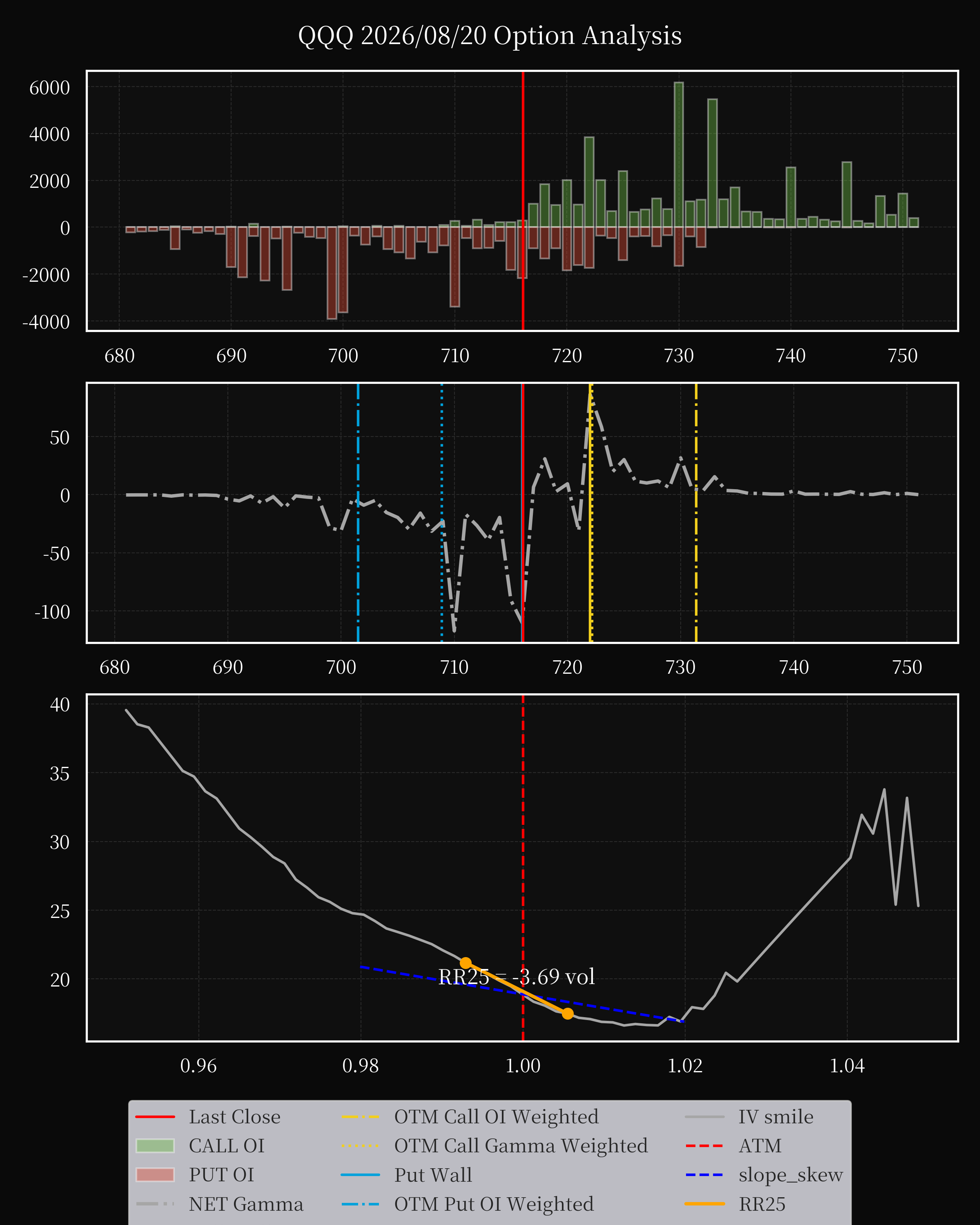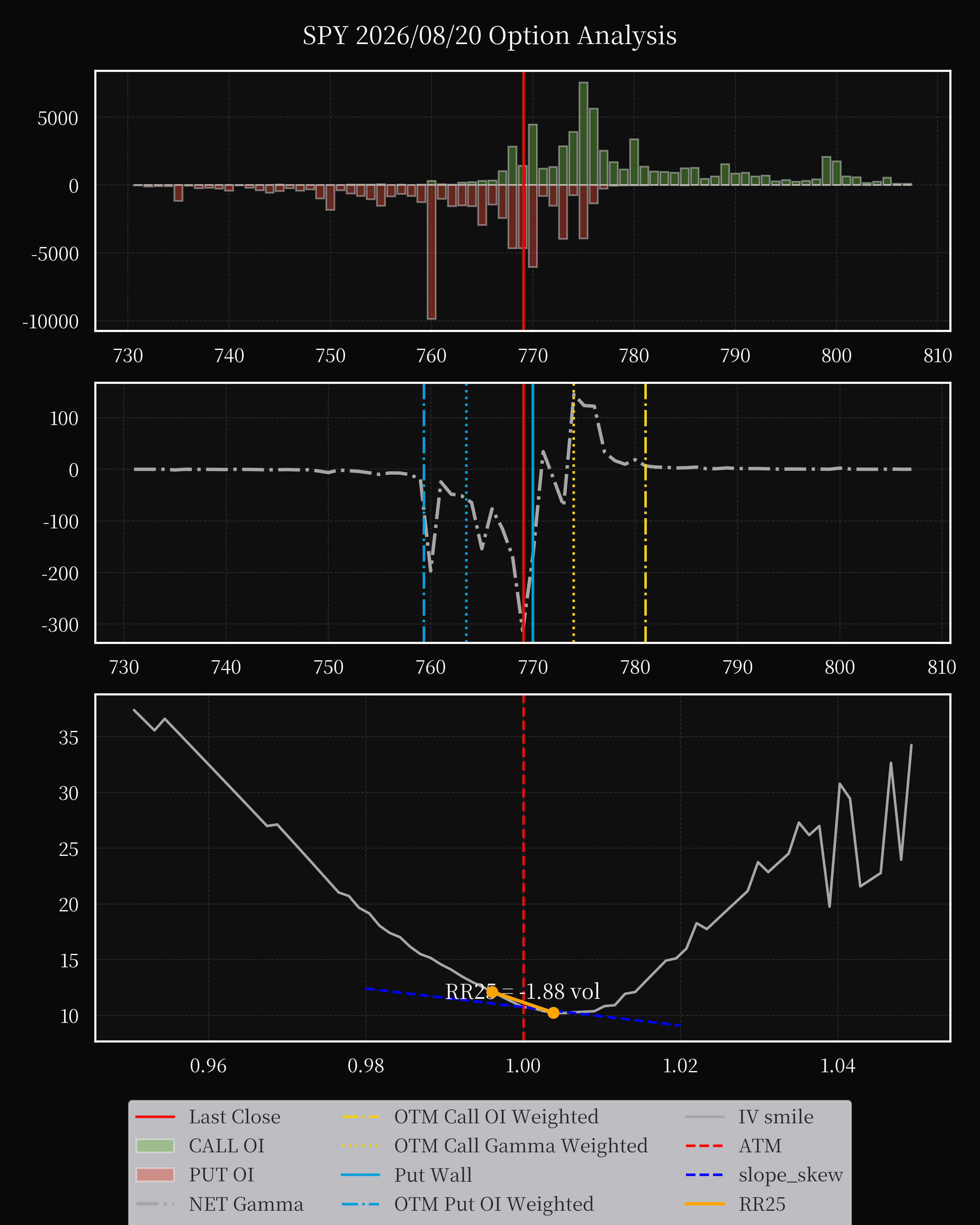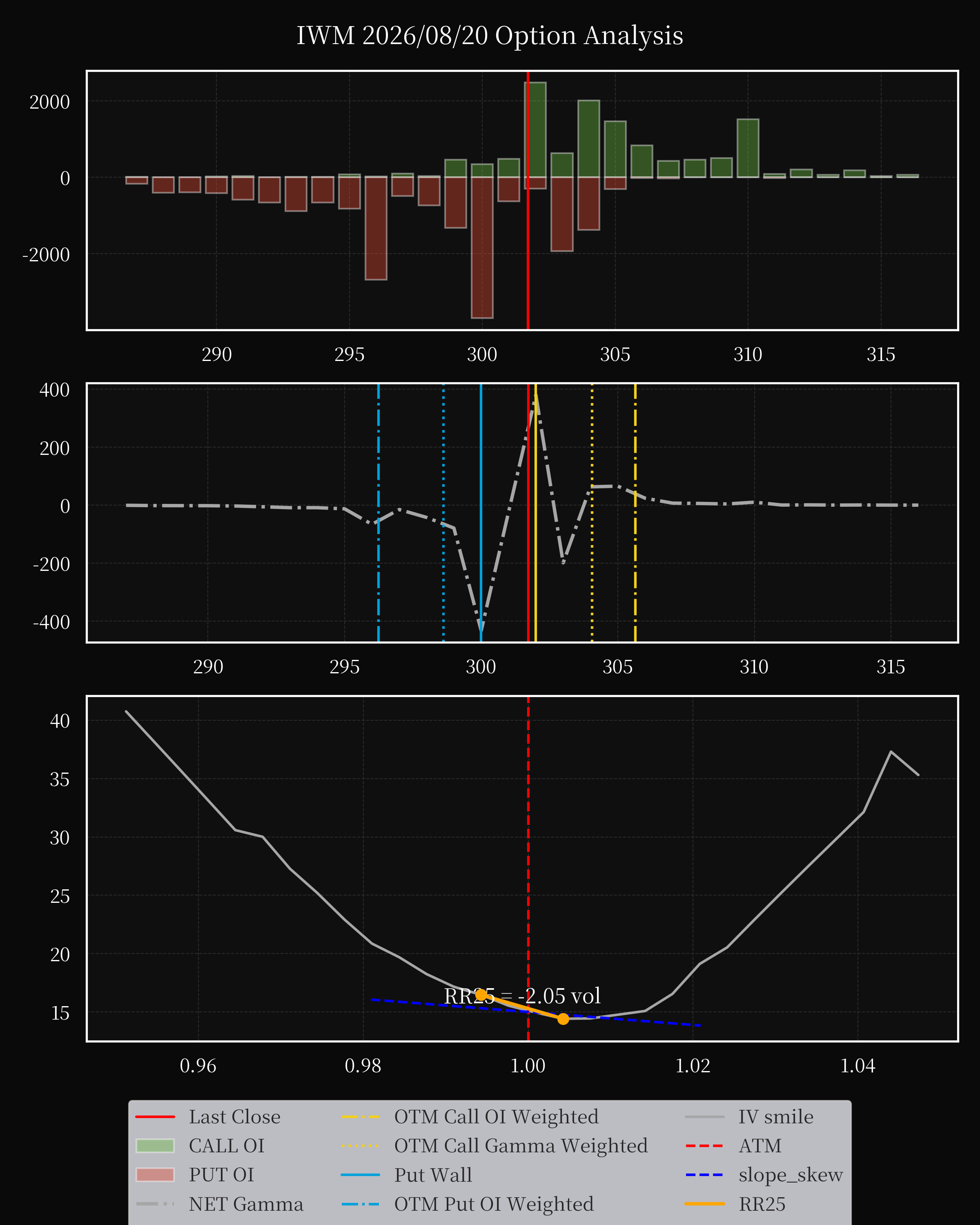
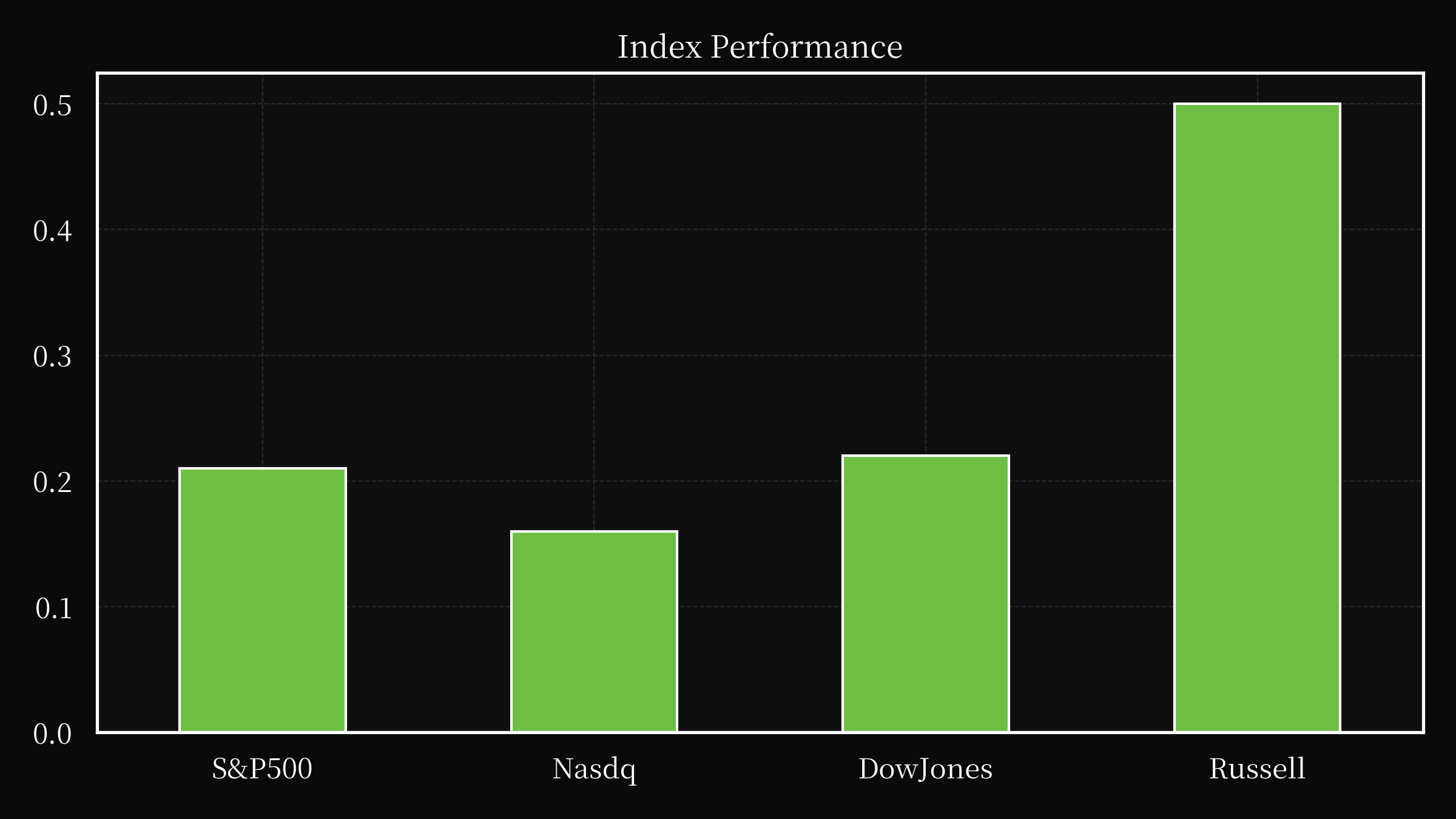
Overall
The United States has officially crossed a fiscal threshold of $40 trillion in gross government debt, marking a new chapter in the nation’s ongoing struggle to reconcile its spending priorities with its revenue capacity. This milestone, confirmed by the latest Treasury data, reflects a confluence of policy decisions, economic cycles, and structural drivers that have propelled borrowing to unprecedented levels. The debt accumulation is not merely a function of cyclical deficits but rather a symptom of deeper, long-term imbalances between outlays and receipts, exacerbated by tax policy, entitlement obligations, and emergency spending. Understanding the trajectory leading to this moment requires a granular examination of the forces that have shaped federal finances over recent decades, as well as the implications for fiscal sustainability, monetary policy, and market dynamics.
At the core of the current fiscal expansion lies the interplay between tax policy and government spending. The Tax Cuts and Jobs Act of 2017, enacted during the Trump administration, significantly reduced federal revenues by lowering corporate and individual tax rates. While proponents argued that these cuts would spur economic growth and eventually offset revenue losses through expanded tax bases, the empirical record has shown that such effects have been muted relative to expectations. Instead, the tax reductions contributed directly to widening deficits, particularly when paired with increased outlays on defense, discretionary spending, and emergency measures such as pandemic relief. The cumulative effect has been a persistent gap between expenditures and receipts, with the latter failing to keep pace with the former even during periods of robust economic growth.
Another critical driver of the debt surge is the expansion of federal entitlement programs, most notably Social Security, Medicare, and Medicaid. These programs, while essential to the social safety net, operate under a structure where benefits are largely formulaic and not directly tied to revenue fluctuations. As the U.S. population ages, the ratio of beneficiaries to workers has shifted unfavorably, increasing the financial burden on the federal budget. Medicare and Medicaid spending, in particular, has grown faster than inflation due to rising healthcare costs, technological advancements, and demographic shifts. These mandatory outlays now constitute the largest components of discretionary spending, leaving limited flexibility for discretionary policy adjustments aimed at reducing deficits.
The pandemic further amplified fiscal pressures, introducing both immediate and long-term challenges. The CARES Act and subsequent relief packages injected trillions into the economy to mitigate the economic fallout from lockdowns and business closures. While these measures were crucial in preventing a deeper recession, they significantly accelerated the accumulation of debt. The scale of federal borrowing during this period was unprecedented, driven by both direct spending on stimulus programs and the Federal Reserve’s accommodative monetary stance, which kept interest rates near zero despite rising debt levels. The resulting increase in the debt-to-GDP ratio raised concerns among economists about the sustainability of such borrowing, particularly in the absence of a clear plan for fiscal consolidation.
The Treasury’s recent policy adjustments, including the doubling of liquidity support buyback operations for longer-dated bonds, reflect an attempt to manage the cost of servicing this expanding debt. By accelerating the reduction of Treasury bill holdings, the administration aims to mitigate the impact of rising interest rates on its borrowing costs. However, these measures are inherently reactive and do not address the structural drivers of debt growth. The Federal Reserve’s role in maintaining low rates has provided temporary relief, but as inflationary pressures persist and the Fed begins to normalize policy, the cost of servicing the debt is expected to rise. This dynamic introduces a potential feedback loop wherein higher interest payments necessitate further borrowing, exacerbating the debt trajectory.
Market reactions to the debt milestone underscore the growing skepticism among investors regarding the federal government’s ability to manage its finances responsibly. The sharp sell-off in long-term Treasury yields following the announcement of the buyback program illustrates how investors are pricing in the risks associated with higher debt levels. While Treasury securities remain the safest asset class, their perceived safety is increasingly contingent on the credibility of fiscal policy. A loss of confidence in the government’s ability to meet its obligations could lead to higher risk premiums, higher borrowing costs, and greater volatility in fixed-income markets.
The broader implications for monetary policy are equally significant. The Federal Reserve’s dual mandate—price stability and maximum employment—places it in a delicate position as it navigates the intersection of fiscal and monetary policy. With the Treasury seeking to manage its debt burden through more aggressive liquidity operations, the Fed must balance its commitment to price stability with the risk of undermining fiscal sustainability. The potential for a “doom loop”—whereby fiscal distress leads to monetary accommodation, which in turn fuels inflationary pressures—remains a key concern for policymakers. Historically, such loops have contributed to periods of stagflation and prolonged economic stagnation, highlighting the importance of proactive fiscal reforms.
From a sectoral perspective, the debt surge has implications for both equity and fixed-income markets. Corporate borrowers, particularly those in interest-rate-sensitive industries, face increasing scrutiny as Treasury yields rise and credit spreads widen. Sectors such as real estate, utilities, and financials, which rely heavily on debt financing, may experience heightened volatility as investors reassess risk profiles. Conversely, sectors benefiting from government spending—such as defense, healthcare, and infrastructure—may see continued demand for their services, albeit with limited capacity to absorb the full brunt of rising borrowing costs.
The political economy of debt management also warrants scrutiny. The absence of a coherent fiscal strategy has left policymakers reliant on short-term fixes rather than comprehensive reforms. The upcoming midterm elections introduce an additional layer of complexity, as lawmakers may prioritize electoral considerations over long-term fiscal discipline. This environment fosters uncertainty, complicating efforts to establish credible frameworks for deficit reduction or entitlement reform. The lack of bipartisan consensus on key fiscal issues further entrenches the status quo, perpetuating a cycle of reactive policymaking.
Looking ahead, the trajectory of U.S. debt will depend on a range of variables, including economic growth, inflation, interest rates, and legislative action. Sustained GDP growth could help reduce the debt-to-GDP ratio by expanding the tax base, but current projections suggest that growth will remain moderate amid demographic headwinds and productivity challenges. Inflation, while currently contained, poses a latent risk if fiscal pressures lead to excessive monetary accommodation. Interest rates, particularly for long-term Treasuries, are likely to remain elevated compared to recent history, increasing the cost of servicing existing obligations.
To address these challenges, a multifaceted approach is required. Structural reforms targeting entitlement spending, tax code modernization, and efficiency gains in government operations could provide a foundation for long-term fiscal health. Additionally, enhancing transparency around federal liabilities and establishing independent fiscal councils could improve accountability and reduce the likelihood of policy myopia. Market-based solutions, such as issuing longer-dated debt to lock in favorable rates, may also play a role in managing the debt burden more sustainably.
In conclusion, the U.S. debt surpassing $40 trillion represents not just a numerical milestone but a critical juncture in the nation’s fiscal narrative. The interplay of tax policy, entitlement obligations, emergency spending, and monetary conditions has created a complex environment where short-term fixes risk exacerbating long-term vulnerabilities. Investors, policymakers, and citizens alike must grapple with the implications of this trajectory, recognizing that sustainable fiscal policy requires balancing immediate needs with intergenerational equity. The path forward demands a commitment to evidence-based decision-making, institutional reform, and a renewed focus on the principles that underpin America’s economic resilience.
Watch List
BEEM
Beam Global reported a robust second quarter of 2026, achieving a remarkable 174% revenue increase to $8.6 million, a significant jump from $3.1 million in the first quarter. This impressive growth was driven by a 21% rise in revenue compared to the same period last year, alongside a 31 percentage point improvement in gross margin to 17.8%. The company’s strategic expansion, particularly in international markets, contributed significantly, with European operations now generating approximately half of its revenue. CEO Desmond Wheatley highlighted the success of the company’s intellectual property and product portfolio, citing growth in areas like drone energy solutions, AI data centers, and smart city infrastructure. Cost-cutting measures, including a move of manufacturing to Yuma, Arizona, and a disciplined approach to operating expenses, further bolstered the results. The company’s backlog stood at $5.4 million. While a net loss of $3.1 million was recorded, management believes this reflects the company’s expanding opportunities and the effectiveness of its strategies, anticipating improved margins as sales volumes increase. Beam Global continues to focus on developing sustainable technology solutions for transportation, energy security, and smart cities, operating across the U.S., Europe, and the Middle East.
LCNB
This agreement, dated August 18, 2026, is an executive retention agreement between LCNB Bank and its subsidiary, LCNB Corp, designed to secure the continued involvement of key executives in the event of a change in control of the company. The agreement aims to provide financial security and competitive compensation to executives, recognizing their potential role in evaluating offers related to a change in control. Key provisions include a Change in Control Payment of 150% of base compensation triggered by specific events like involuntary separation, violation of agreements, or willful misconduct detrimental to the company. This payment is contingent on a “Change in Control Payment Trigger Event” occurring on either the date of a Change in Control Termination or the date of a Change in Control. The agreement also establishes a “Change in Control Termination” defined as involuntary separation or a voluntary separation for good reason occurring three months or more before a Change in Control, or within one year after. Furthermore, the agreement includes provisions for COBRA premium coverage in the event of a Change in Control Termination, ensuring continued health benefits. It also outlines restrictions on Executive’s future employment with the company, prohibits continued service beyond the agreement’s term, and clarifies that compensation is not considered for benefit plan calculations. The agreement is governed by applicable tax regulations and incorporates provisions for modification, waiver, and legal interpretation, with a focus on ensuring the agreement remains enforceable. Finally, it establishes a “Specified Employee Payment Date” to manage payments and addresses potential defaults or supervisory transactions.
TJX
TJX Companies, Inc., the leading off-price retailer, announced strong second quarter Fiscal 2027 results, exceeding its initial plan with 4% consolidated comparable sales growth and significant improvements in profitability. The company reported a pretax profit margin of 13.3%, up 1.9 percentage points year-over-year, and diluted earnings per share (EPS) of $1.36, a 24% increase compared to the prior year. Adjusted figures, excluding a benefit from IEEPA tariff refunds partially offset by related compensation accruals, showed an even stronger performance with an adjusted pretax profit margin of 11.9% and an adjusted diluted EPS of $1.22. Notably, TJX increased its full-year Fiscal 2027 guidance, anticipating a pretax profit margin of 12.3% to 12.4% and diluted EPS of $5.31 to $5.36, driven by planned store growth to 4% beginning in FY28 and a long-term global store target of 7,500. The company’s diverse divisions, including TJ Maxx, HomeGoods, and its international banners, delivered robust comp sales increases. TJX returned $1.3 billion to shareholders through share repurchases and dividends, and plans to continue this strategy, aiming to repurchase approximately $2.75 to $3.0 billion of stock during Fiscal 2027. The company anticipates a third-quarter sales increase of 2% to 3% and expects a pretax profit margin of 12.8% to 12.9%, reflecting a strong start to the quarter and continued favorable merchandise availability. Furthermore, TJX is accelerating store openings to 4% starting next year and is confident in its long-term growth potential, signaling a positive outlook for the retailer.
RARE
Ultragenyx Pharmaceutical Inc. has secured accelerated FDA approval for GENGLYCOS™ (pariglasgene brecaparvovec-opnr), or DTX401, a treatment for glycogen storage disease type Ia (GSDIa) in adults and pediatric patients aged eight and older. This approval stems from positive results from the GlucoGene Phase 3 clinical trial, which demonstrated a significant reduction in cornstarch requirements in 46 participants receiving the DTX401 treatment compared to the placebo group. The trial, involving a randomized, double-blind, placebo-controlled design, tracked participants for up to 144 weeks, incorporating crossover analyses to maximize data collection. To support this accelerated approval, Ultragenyx is committed to gathering further safety and efficacy data through an enhancement of its existing GSDIa Disease Monitoring Program. This program will involve an open-label commercial treatment of 70 patients – 50 treated with GENGLYCOS and 20 in a control group – and will be conducted over a 10-year period, aiming to provide comprehensive data on the treatment’s impact on key clinical measures such as glucose levels and dietary management. The program will also include follow-up of previously treated clinical trial participants.
TGT
Target Corporation reported a strong second quarter in 2026, demonstrating continued growth and strategic initiatives. Net sales increased by 5.3% year-over-year, driven by a 3.8% rise in comparable sales, fueled by a 3.6% increase in traffic. On a two-year basis, net sales growth reached 2.1%, marking an acceleration from the prior quarter. The company’s performance was broad-based, with strength across sales channels, demographics, and merchandise categories, including significant growth in Fun 101, Food & Beverage, and Beauty. Store comparable sales grew 2.7%, while digital sales surged by 8.7%, largely due to substantial growth in same-day delivery. Target continued to focus on a differentiated retail experience, evidenced by a reduction of prices on over 10,000 items and investments in style, design, and value. Non-merchandise sales experienced a remarkable 20.1% increase, driven by robust growth in Roundel ad revenue, Target Circle 360 membership revenue, and the Target+ marketplace. The company’s GAAP and Adjusted EPS increased significantly to $4.11, a 100% increase compared to the prior year, including $1.65 in tariff refund benefits. Looking ahead, Target revised its full-year 2026 guidance, anticipating net sales growth around 5%, an increase from the previous range, and an operating income margin rate around 6%, including approximately 90 basis points of benefit from Q2 tariff refunds. The company also anticipates a GAAP and Adjusted EPS guidance range of $9.90 to $10.90, reflecting these favorable results. Target’s strategic investments and focus on value, convenience, and a differentiated shopping experience appear to be paying off, bolstering confidence in the company’s leadership position.
BILL
BILL, the financial operations platform, announced strong fourth-quarter and full-year 2026 financial results, demonstrating continued demand for its integrated platform and AI capabilities. Total revenue increased by 14% year-over-year to $436.2 million in Q4, driven by a 16% rise in core revenue to $400.5 million, encompassing subscription and transaction fees. Subscription fees grew by 11% to $76.2 million, while transaction fees jumped 17% to $324.3 million. The company’s gross profit reached $356.2 million with an 81.7% margin, and non-GAAP gross profit was $370.3 million with an 84.9% margin. Operating loss decreased to $34.3 million, with a non-GAAP operating income of $101.6 million, representing an 80% year-over-year increase. Net loss was $18.5 million, or $0.19 per share, with a non-GAAP net income of $94.0 million, or $0.84 per diluted share. Throughout the fiscal year, total revenue increased 13% to $1.653 billion, and core revenue grew 16% to $1.504 billion. As of June 30, 2026, BILL served 479,300 businesses and processed $98 billion in payment volume. The company welcomed Jonathan Leaf as Chief Revenue Officer and continues to focus on developing AI-native solutions. Looking ahead, BILL anticipates meaningful GAAP profitability in FY’27 and is implementing structural changes to support this goal. The company is also transitioning to a new revenue presentation, reflecting the economic substance of its Spend and Expense offering.
SRXH
SRX Global Inc. recently released its financial results for the third quarter concluded on June 30, 2026, detailing the company’s performance. This announcement, contained within an attached press release (Exhibit 99.1), marks a key update for investors. It’s important to note that the report includes forward-looking statements, which represent the company’s current expectations and are inherently subject to risks and uncertainties. These projections encompass anticipated sales, the impact of potential acquisitions, and other strategic initiatives. Management’s statements, while based on current beliefs, could deviate significantly from actual outcomes due to unforeseen circumstances and broader economic or industry shifts. Investors are advised to review the full report and consider the associated risks outlined within, alongside SRX Global Inc.’s most recent quarterly reports (Form 10-Q) and other filings (Form 8-K) for a comprehensive understanding of the company’s position and future prospects.
IAN Financial Vision is an AI-native financial research platform combining proprietary knowledge graphs, quantitative valuation models, and large language models to generate point-in-time investment research. All reports are produced using a structured research workflow with human review prior to publication..