Overall
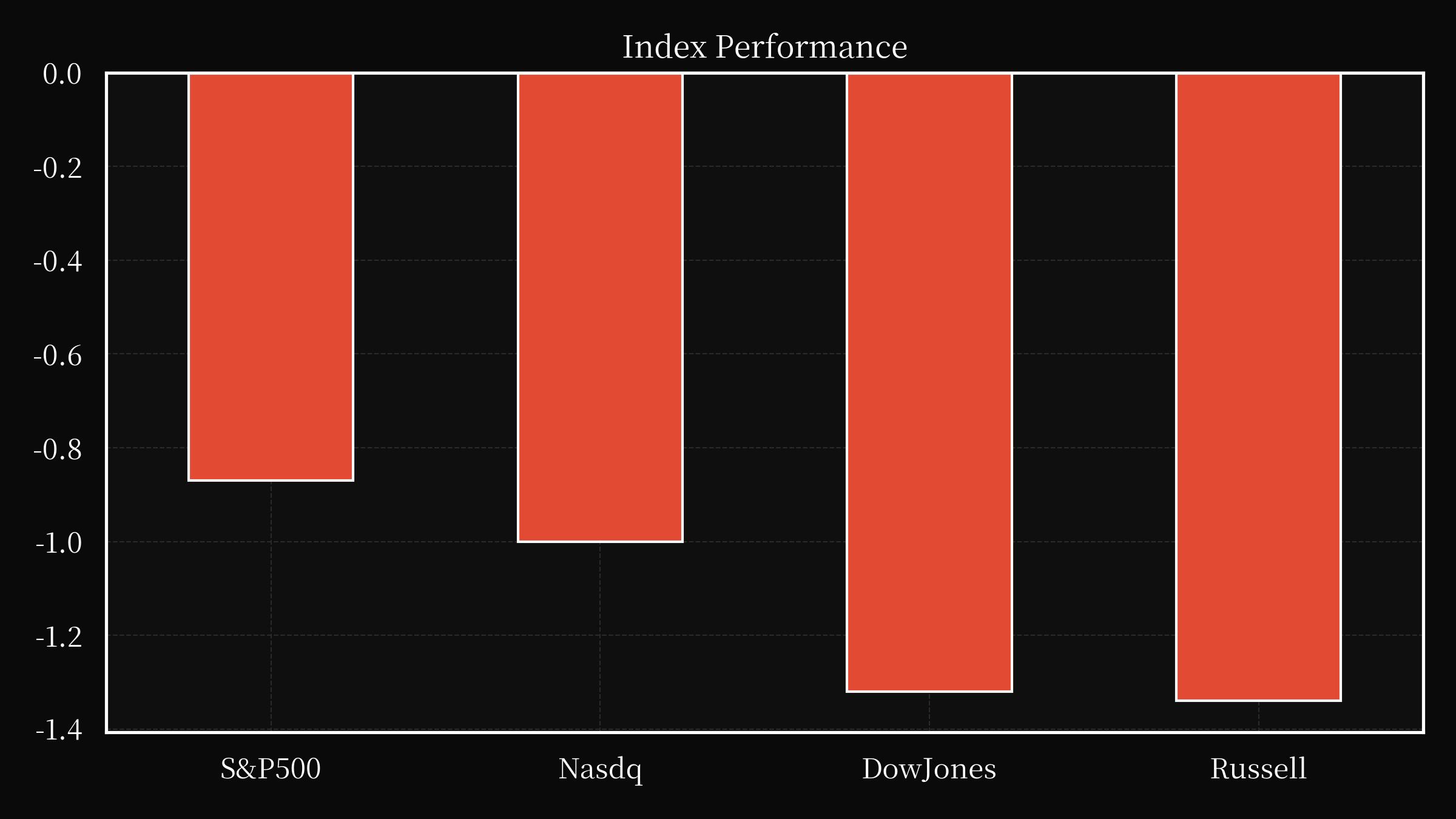
Wall Street’s verdict on the federal government’s borrowing strategy is unequivocal: the proposed buyback plan will not alter the trajectory of rising long-term yields, and the broader implications for debt servicing costs remain deeply concerning. Treasury Secretary Scott Bessent’s announcement of potential larger buybacks, intended to signal confidence and stabilize markets, has been met with skepticism by seasoned market participants, who recognize that such measures are fundamentally short-term fixes in a context of structural fiscal imbalance. The 30-year Treasury yield, trading near 5.24%, reflects persistent market unease about the $40 trillion national debt and the inability of policymakers to address the root causes of unsustainable borrowing costs. Analysts emphasize that without credible fiscal consolidation, yields will continue to pressure the economy, raising borrowing costs for the private sector and crowding out productive investment. The market’s reaction—evidenced by a broad equity selloff, with the Dow down over 700 points, and specific sectoral collapses such as Walmart’s 9% plunge—underscores the fragility of investor sentiment when faced with persistent inflationary pressures and policy uncertainty.
The immediate catalyst for the sharp market decline was Walmart’s announcement of its smallest sales gain in more than six years, a result of declining consumer confidence and cautious spending patterns that have intensified amid broader economic headwinds. This performance highlights the vulnerability of retail giants to macroeconomic shifts, particularly as inflation erodes real incomes and consumer sentiment deteriorates. Walmart’s stock, a bellwether for the broader consumer sector, thus serves as a leading indicator of the economy’s health, and its struggles signal deeper malaise in retail and discretionary spending. The company’s challenges are compounded by operational and strategic missteps, including supply chain disruptions and competitive pressures from both brick-and-mortar rivals and e-commerce platforms. The magnitude of the selloff—nearly 9%—reflects the market’s recalibration of growth expectations and its growing aversion to companies exposed to cyclical consumer weakness.
Simultaneously, Moderna’s stock experienced a dramatic 24% drop following a 177% surge the previous day, marking the largest single-day gain in the S&P 500 over the past 25 years. This volatility underscores the speculative nature of biotechnology equities and the sensitivity of investor sentiment to clinical trial outcomes and regulatory developments. Moderna’s recent performance illustrates the inherent risks in high-growth, innovation-driven sectors, where valuation multiples can collapse rapidly once initial optimism is tempered by practical realities or competitive threats. The company’s struggles to diversify beyond its core mRNA platform and navigate patent expirations and generic competition further complicate its long-term outlook. The sharp reversal also reflects broader market dynamics, as risk-on assets such as tech and biotech face pressure amid rising interest rates and uncertainty about sustainable growth prospects.
The bond market’s continued upward march, with the 30-year Treasury yield up nearly 0.1%, reflects persistent concerns about the federal government’s fiscal trajectory and the limits of monetary policy as a solution to structural deficits. Treasury Secretary Bessent’s assurances about upcoming buybacks—potentially exceeding $4 billion per operation—are viewed by many as a distraction from the fundamental issue: the inability of policymakers to achieve meaningful fiscal discipline. While buybacks can support market liquidity and signal management confidence, they do not address the underlying drivers of rising yields, which include elevated debt levels, persistent inflation expectations, and the normalization of higher interest rates as a post-pandemic reality. The market’s reaction to Bessent’s comments—initially subdued, then retreating—demonstrates the thin line between rhetoric and actionable policy in an environment where political gridlock impedes reform.
Oil prices, buoyed by geopolitical tensions and supply concerns, have continued their upward trend, with Brent crude trading above $93 per barrel. The interplay between energy markets and broader economic indicators—such as inflation, manufacturing costs, and consumer spending—remains a critical focal point for market participants. Higher energy prices, while beneficial to producers, exacerbate inflationary pressures and weigh on corporate margins, particularly for energy-intensive industries. The confluence of rising crude prices and elevated yields creates a challenging backdrop for economic growth, amplifying the risks of stagflationary outcomes. Energy sector performance, therefore, serves as both a barometer of global demand and a driver of macroeconomic volatility.
The technology sector, traditionally a source of growth and innovation, has shown mixed signals. While companies like Microsoft benefit from AI-related investments through cloud partnerships, others such as SpaceX face setbacks due to delays in critical development milestones. The broader market’s sensitivity to technological progress and regulatory developments underscores the importance of execution and strategic alignment in sustaining investor confidence. The divergence in performance across tech sub-sectors reflects the evolving nature of competitive advantage, where scale, ecosystem integration, and operational resilience are increasingly decisive factors. Companies that fail to adapt to shifting demand patterns or regulatory constraints risk rapid valuation erosion, as evidenced by the sharp declines in high-profile names.
The regulatory environment and geopolitical tensions further complicate the investment landscape. Recent developments, including heightened scrutiny of Chinese investments and evolving trade policies, have introduced new layers of uncertainty for multinational corporations. The European Union’s critical stance on Israeli settlement expansion, supported by major global leaders, signals a broader recalibration of diplomatic priorities and potential economic repercussions. Similarly, U.S. policy toward Iran and Russia continues to shape global risk perceptions, influencing capital flows and market sentiment. These external factors interact with domestic economic variables, creating a complex web of influences that require nuanced analysis and proactive risk management.
Corporate governance and strategic decision-making remain central to navigating these challenges. The boardroom dynamics at major corporations, including decisions regarding capital allocation, dividend policy, and shareholder returns, are under intense scrutiny. The failure of Walmart’s leadership to effectively address operational inefficiencies and market shifts has eroded stakeholder confidence, while Moderna’s struggles highlight the perils of overreliance on singular product cycles. Boards must balance short-term performance pressures with long-term strategic imperatives, ensuring alignment with shareholder interests and sustainable value creation. The increasing emphasis on environmental, social, and governance (ESG) considerations further complicates this calculus, as companies face mounting demands to demonstrate accountability and resilience.
Macro trends, including demographic shifts, labor market dynamics, and evolving consumer preferences, continue to shape the economic landscape. The aging population in advanced economies, coupled with persistent inflationary pressures, creates a challenging environment for monetary policy and fiscal planning. Central banks, tasked with balancing growth and price stability, face heightened uncertainty as traditional models struggle to adapt to post-pandemic realities. The interplay between wage growth, productivity gains, and inflation expectations will be pivotal in determining the trajectory of interest rates and their impact on borrowing costs. The market’s reaction to these trends underscores the necessity for robust scenario planning and adaptive investment strategies.
In summary, the confluence of fiscal imbalances, monetary policy constraints, geopolitical tensions, and sector-specific disruptions has created an environment of heightened volatility and uncertainty. The market’s response to policy announcements, corporate earnings, and external shocks reflects a collective reassessment of risk and opportunity. Investors must navigate this landscape with a disciplined approach, focusing on fundamental analysis, diversification, and a long-term perspective. The lessons from recent events—ranging from the collapse of high-flying biotech stocks to the persistent struggles of retail giants—highlight the importance of resilience, adaptability, and prudent capital allocation in an era of structural economic transformation.
The immediate implications for investors are clear: prioritize quality and sustainability over speculative gains, maintain vigilance regarding macroeconomic developments, and remain agile in response to evolving market conditions. The interplay between policy decisions, corporate performance, and global events will continue to drive market dynamics, demanding ongoing analysis and strategic recalibration. As the economy adjusts to new realities, those who can identify durable competitive advantages and anticipate structural shifts will be best positioned to navigate the complexities of the current environment.
The broader context of global economic integration further complicates domestic policy effectiveness. Supply chain disruptions, trade policy shifts, and cross-border capital flows influence inflation, growth, and financial stability. The interdependence of markets means that shocks in one region can quickly reverberate worldwide, necessitating coordinated responses and enhanced risk management frameworks. The recent volatility in equity and bond markets underscores the fragility of investor confidence when faced with multifaceted uncertainties.
Institutional investors, in particular, must grapple with the implications of rising interest rates and fiscal deficits on asset valuations. The traditional models that underpinned decades of market performance are being challenged by new paradigms, requiring innovative approaches to portfolio construction and risk assessment. The role of central banks in managing liquidity and stabilizing markets remains contentious, with debates about the limits of intervention and the potential for unintended consequences. These considerations are not merely academic—they directly influence the real economy through credit availability, investment incentives, and consumer confidence.
The evolving nature of work, technological disruption, and demographic trends further shape the investment landscape. Companies that invest in human capital, embrace digital transformation, and adapt to changing consumer behaviors are more likely to sustain competitive advantage. The integration of artificial intelligence, automation, and advanced analytics into core business processes represents both an opportunity and a risk, as firms navigate the trade-offs between efficiency gains and workforce displacement. The regulatory environment surrounding emerging technologies will play a decisive role in determining the pace and scope of innovation.
In conclusion, the current market environment demands a sophisticated understanding of interconnected forces—fiscal policy, monetary policy, geopolitical developments, corporate strategy, and macroeconomic trends. The ability to synthesize these elements into coherent investment decisions will separate successful market participants from those caught off guard. As the economy transitions toward a new equilibrium, vigilance, adaptability, and a commitment to evidence-based analysis will be essential for navigating the uncertainties ahead. The lessons of recent volatility underscore the importance of disciplined investing, prudent risk management, and a long-term orientation in an era of profound transformation.
Walmart’s steep decline following its weak earnings report serves as a microcosm of broader consumer caution, reflecting persistent inflationary pressures and shifting spending patterns that threaten retail profitability. The company’s failure to deliver meaningful sales growth amid macroeconomic headwinds highlights the vulnerability of traditional brick-and-mortar retailers in an increasingly digital and value-conscious marketplace. This performance, coupled with sector-wide challenges, signals a potential inflection point for the retail industry, where operational efficiency, pricing strategy, and consumer engagement will determine survival. The implications extend beyond individual firms, influencing supply chain dynamics, employment trends, and overall economic momentum.
The biotech sector’s dramatic swings, epitomized by Moderna’s meteoric rise and subsequent selloff, illustrate the speculative nature of innovation-driven equities and the critical role of clinical trial outcomes and regulatory approvals in shaping investor sentiment. The rapid valuation changes underscore the importance of risk-adjusted investment approaches and the need for investors to balance growth expectations with realistic assessments of development timelines and competitive landscapes. The sector’s trajectory will depend on its ability to diversify revenue streams, manage intellectual property challenges, and navigate evolving reimbursement environments.
The bond market’s continued upward movement, despite aggressive buyback rhetoric from the Treasury, reinforces the view that government borrowing costs are unlikely to stabilize absent fundamental fiscal reforms. The persistence of multi-decade high yields reflects structural factors—including demographic shifts, productivity trends, and global savings imbalances—that constrain policymakers’ ability to reduce deficits without compromising growth. The interplay between debt servicing costs and private sector borrowing costs will remain a central determinant of economic performance, influencing everything from corporate investment to household consumption.
Geopolitical developments, from U.S.-China tensions to evolving trade relationships in Europe, introduce additional layers of complexity for global investors. The potential for policy shifts, sanctions, and diplomatic realignments can rapidly alter market expectations and asset valuations. Companies with significant exposure to international operations must contend with regulatory uncertainty, currency fluctuations, and supply chain vulnerabilities. Strategic diversification, scenario planning, and robust risk management frameworks are essential to mitigate these exposures and capitalize on emerging opportunities.
Corporate governance practices, board composition, and executive compensation structures play a pivotal role in shaping long-term value creation. Recent failures at major corporations, including Walmart’s leadership challenges, highlight the consequences of misaligned incentives and inadequate oversight. Boards must prioritize transparency, accountability, and stakeholder engagement to restore investor confidence and ensure sustainable growth. The integration of ESG considerations into governance frameworks further enhances resilience and aligns corporate strategy with broader societal expectations.
Labor market dynamics, influenced by demographic trends and evolving workforce preferences, continue to shape economic outcomes. The aging population in advanced economies, combined with shifts in productivity and technological adoption, presents both challenges and opportunities for productivity gains and innovation. Companies that invest in workforce development, digital transformation, and inclusive employment practices are better positioned to adapt to changing demand patterns and maintain competitive advantage.
In summary, the confluence of fiscal pressures, monetary policy constraints, geopolitical uncertainties, and sector-specific disruptions has created an environment of heightened complexity and volatility. Market participants must adopt a holistic perspective, integrating macroeconomic analysis, corporate fundamentals, and geopolitical insights into their investment frameworks. The ability to anticipate shifts, manage risks proactively, and capitalize on structural trends will determine success in navigating the evolving landscape. As the economy adjusts to new realities, disciplined analysis, adaptability, and a focus on long-term value creation remain paramount for investors seeking to thrive amid uncertainty.
The interplay between policy decisions, corporate performance, and global events underscores the necessity of continuous reassessment and strategic agility. The recent market reaction to Treasury announcements and corporate earnings illustrates the market’s sensitivity to both rhetoric and reality, emphasizing the importance of evidence-based decision-making. Investors must remain vigilant, balancing short-term tactical adjustments with long-term strategic positioning to navigate the multifaceted challenges ahead. The lessons from recent volatility serve as a reminder of the enduring value of fundamental analysis, prudent risk management, and adaptability in an era of profound economic transformation.
The evolving energy landscape, shaped by geopolitical tensions and environmental imperatives, continues to influence inflation and economic stability. Oil prices, driven by supply constraints and strategic considerations, remain a critical variable for both producers and consumers. The transition toward cleaner energy sources, coupled with the need for energy security, presents both opportunities and risks for industries and investors alike. Strategic investments in renewable technologies, grid modernization, and energy efficiency will be essential to achieving sustainable growth while mitigating exposure to commodity volatility.
The digital revolution, particularly in artificial intelligence and data analytics, is reshaping competitive dynamics across sectors. Companies that leverage AI to enhance operational efficiency, personalize customer experiences, and innovate product offerings are poised to capture significant market share. However, the rapid pace of technological change also introduces regulatory, ethical, and cybersecurity challenges that must be addressed proactively. Strategic partnerships, talent development, and robust governance frameworks will be critical to harnessing AI’s potential while managing associated risks.
In conclusion, the current market environment demands a nuanced understanding of interconnected forces—fiscal policy, monetary policy, geopolitical developments, corporate strategy, and technological innovation. The ability to synthesize these elements into coherent investment decisions will separate successful market participants from those caught off guard. The lessons of recent volatility underscore the necessity of disciplined analysis, adaptability, and a long-term orientation in an era of profound transformation. As the economy adjusts to new realities, investors must remain vigilant, prioritize fundamental strengths, and embrace strategic agility to navigate the complexities ahead.
The implications for policymakers are equally profound. Addressing structural fiscal imbalances requires bold reforms that balance growth imperatives with debt sustainability. Transparent communication, credible commitments to fiscal discipline, and mechanisms for accountability will be essential to restoring market confidence and ensuring stable borrowing costs. The interplay between fiscal policy and monetary conditions will shape the trajectory of interest rates, inflation, and overall economic performance, necessitating coordinated action and forward-looking governance.
The evolving nature of global trade, influenced by shifting alliances and technological disruption, further complicates economic planning. Companies operating across borders must navigate regulatory divergence, supply chain reconfiguration, and evolving consumer preferences. Strategic investments in resilience, diversification, and digital capabilities will enhance competitiveness and mitigate exposure to geopolitical shocks. The integration of trade policy considerations into corporate strategy will become increasingly critical as the global economic order continues to evolve.
In summary, the confluence of macroeconomic pressures, sector-specific dynamics, and geopolitical uncertainties has created a landscape where adaptability, analytical rigor, and strategic foresight are paramount. Investors, policymakers, and corporations alike must embrace a holistic approach, integrating diverse perspectives and anticipating emerging trends to navigate the complexities ahead. The resilience of financial markets and the stability of the broader economy depend on the ability to synthesize information, manage risks proactively, and pursue sustainable value creation in an era of unprecedented change.
The lessons from recent market volatility highlight the enduring importance of fundamental analysis, disciplined risk management, and long-term strategic vision. As the economy adjusts to new realities, the capacity to anticipate shifts, respond to evolving conditions, and maintain focus on sustainable growth will determine success. The interplay between policy decisions, corporate performance, and global developments underscores the necessity of continuous reassessment and adaptive investment strategies. In an environment marked by uncertainty and transformation, those who can balance prudence with innovation will be best positioned to thrive amid complexity.
The interdependence of financial markets, real economic activity, and policy frameworks necessitates a comprehensive approach to economic stewardship. The challenges posed by rising debt, inflationary pressures, and geopolitical tensions require coordinated responses that balance short-term stabilization with long-term structural reforms. The role of central banks, fiscal authorities, and regulatory bodies in shaping market expectations and ensuring financial stability will remain central to navigating this period of transition. The integration of macroeconomic analysis, corporate fundamentals, and geopolitical insights will be essential for crafting policies that promote sustainable growth and resilience.
In conclusion, the current environment demands a sophisticated understanding of interconnected forces—fiscal policy, monetary policy, geopolitical developments, corporate strategy, and technological innovation. The ability to synthesize these elements into coherent decision-making frameworks will separate successful market participants from those caught off guard. The lessons of recent volatility reinforce the value of disciplined analysis, adaptability, and a commitment to evidence-based strategies in an era of profound economic transformation. As the economy adjusts to new realities, vigilance, prudent risk management, and a focus on sustainable value creation will be indispensable for navigating the complexities ahead.
The evolving landscape of global commerce, shaped by demographic shifts, technological disruption, and regulatory change, underscores the necessity of strategic agility and forward-looking governance. Companies that invest in innovation, operational excellence, and stakeholder engagement are better positioned to thrive amid uncertainty. The integration of environmental, social, and governance considerations into corporate strategy will further enhance resilience and align business practices with broader societal expectations. The interplay between policy, market dynamics, and corporate performance will continue to define the trajectory of economic progress, requiring ongoing adaptation and proactive leadership.
The implications for investors extend beyond portfolio adjustments to encompass a broader reassessment of risk, return, and value creation. Diversification, disciplined asset allocation, and a focus on quality will be critical to navigating volatility and capturing opportunities across evolving sectors. The capacity to anticipate structural shifts, manage exposure to macro risks, and capitalize on innovation-driven growth will determine long-term success. As the economy transitions toward a new equilibrium, investors must remain attuned to emerging trends, maintain strategic flexibility, and uphold a commitment to sustainable, evidence-based investing.
The confluence of fiscal imbalances, monetary policy constraints, and geopolitical uncertainties has created a complex environment where traditional assumptions about market behavior may no longer hold. The persistence of high borrowing costs, coupled with evolving corporate strategies and technological disruption, necessitates a recalibration of investment approaches and risk frameworks. The ability to synthesize diverse data points, anticipate policy responses, and adapt to shifting market conditions will be essential for navigating the multifaceted challenges ahead. The lessons of recent volatility serve as a reminder of the enduring importance of analytical rigor, prudent risk management, and strategic foresight in an era of profound transformation.
In summary, the current market environment reflects a confluence of structural forces—fiscal pressures, monetary policy dynamics, geopolitical tensions, and technological innovation—that collectively shape economic outcomes and investment opportunities. The interplay between these factors demands a holistic perspective, integrating macroeconomic analysis, corporate fundamentals, and geopolitical insights into coherent decision-making frameworks. The capacity to anticipate shifts, manage risks proactively, and capitalize on emerging trends will determine success in navigating the complexities ahead. As the economy adjusts to new realities, disciplined analysis, adaptability, and a long-term orientation remain paramount for investors seeking to thrive amid uncertainty.
The evolving nature of global trade, influenced by shifting alliances and technological disruption, further complicates investment planning. Companies operating across borders must contend with regulatory divergence, supply chain vulnerabilities, and evolving consumer preferences. Strategic investments in resilience, diversification, and digital capabilities will enhance competitiveness and mitigate exposure to geopolitical shocks. The integration of trade policy considerations into corporate strategy will become increasingly critical as the global economic order continues to evolve.
In conclusion, the interplay between policy decisions, corporate performance, and global developments underscores the necessity of continuous reassessment and strategic agility. The recent market reaction to Treasury announcements and corporate earnings illustrates the market’s sensitivity to both rhetoric and reality, emphasizing the importance of evidence-based decision-making. Investors must remain vigilant, balancing short-term tactical adjustments with long-term strategic positioning to navigate the multifaceted challenges ahead. The lessons from recent volatility highlight the enduring value of fundamental analysis, prudent risk management, and adaptability in an era of profound economic transformation.
The confluence of fiscal imbalances, monetary policy constraints, and geopolitical uncertainties has created an environment where disciplined analysis, strategic foresight, and resilience are essential. The ability to anticipate structural shifts, manage exposure to macro risks, and capitalize on innovation-driven growth will determine long-term success. As the economy adjusts to new realities, the capacity to synthesize diverse perspectives and respond proactively to evolving conditions will be paramount. The lessons of recent market volatility reinforce the importance of evidence-based strategies, prudent risk management, and adaptability in navigating an increasingly complex and interconnected world.
The evolving energy landscape, shaped by geopolitical tensions and environmental imperatives, continues to influence inflation and economic stability. Oil prices, driven by supply constraints and strategic considerations, remain a critical variable for both producers and consumers. The transition toward cleaner energy sources, coupled with the need for energy security, presents both opportunities and risks for industries and investors alike. Strategic investments in renewable technologies, grid modernization, and energy efficiency will be essential to achieving sustainable growth while mitigating exposure to commodity volatility.
The digital revolution, particularly in artificial intelligence and data analytics, is reshaping competitive dynamics across sectors. Companies that leverage AI to enhance operational efficiency, personalize customer experiences, and innovate product offerings are poised to capture significant market share. The interplay between technological advancement, regulatory frameworks, and ethical considerations will define the trajectory of industry leadership. Strategic partnerships, talent development, and robust governance structures are critical to harnessing AI’s potential while managing associated risks.
In summary, the current market environment demands a nuanced understanding of interconnected forces—fiscal policy, monetary policy, geopolitical developments, corporate strategy, and technological innovation. The ability to synthesize these elements into coherent investment decisions will separate successful market participants from those caught off guard. The lessons of recent volatility underscore the importance of disciplined analysis, adaptability, and strategic foresight in an era of profound transformation. As the economy adjusts to new realities, investors must remain vigilant, prioritize fundamental strengths, and embrace strategic agility to navigate the complexities ahead.
The implications for policymakers are equally profound. Addressing structural fiscal imbalances requires bold reforms that balance growth imperatives with debt sustainability. Transparent communication, credible commitments to fiscal discipline, and mechanisms for accountability will be essential to restoring market confidence and ensuring stable borrowing costs. The interplay between fiscal policy and monetary conditions will shape the trajectory of interest rates, inflation, and overall economic performance, necessitating coordinated action and proactive risk management.
Corporate governance and boardroom dynamics will play a pivotal role in navigating these challenges. Companies must align leadership incentives with long-term value creation, invest in workforce development, and embrace digital transformation to remain competitive. The integration of ESG considerations into governance frameworks further enhances resilience and aligns corporate strategy with broader societal expectations. Boards must prioritize transparency, accountability, and stakeholder engagement to restore investor confidence and ensure sustainable growth.
In conclusion, the confluence of macroeconomic pressures, sector-specific disruptions, and geopolitical uncertainties has created a landscape of heightened complexity and volatility. Market participants must adopt a holistic perspective, integrating macroeconomic analysis, corporate fundamentals, and geopolitical insights into cohesive investment frameworks. The ability to anticipate shifts, manage risks proactively, and capitalize on structural trends will determine success in navigating the evolving environment. As the economy adjusts to new realities, disciplined analysis, adaptability, and a focus on sustainable value creation remain paramount for investors seeking to thrive amid uncertainty.
The evolving energy landscape, shaped by geopolitical tensions and environmental imperatives, continues to influence inflation and economic stability. Oil prices, driven by supply constraints and strategic considerations, remain a critical variable for both producers and consumers. The transition toward cleaner energy sources, coupled with the need for energy security, presents both opportunities and risks for industries and investors alike. Strategic investments in renewable technologies, grid modernization, and energy efficiency will be essential to achieving sustainable growth while mitigating exposure to commodity volatility.
The digital revolution, particularly in artificial intelligence and data analytics, is reshaping competitive dynamics across sectors. Companies that leverage AI to enhance operational efficiency, personalize customer experiences, and innovate product offerings are poised to capture significant market share. The interplay between technological advancement, regulatory frameworks, and ethical considerations will define the trajectory of industry leadership. Strategic partnerships, talent development, and robust governance structures are critical to harnessing AI’s potential while managing associated risks.
In summary, the current market environment demands a nuanced understanding of interconnected forces—fiscal policy, monetary policy, geopolitical developments, corporate strategy, and technological innovation. The ability to synthesize these elements into coherent investment decisions will separate successful market participants from those caught
Watch List
LYTS
LSI Industries Inc. (LYTS) announced its fiscal 2026 fourth-quarter and full-year results, demonstrating robust growth and strategic execution. Net sales surged by 51% in the fourth quarter to $234.6 million, driven by sustained growth in key markets and the full-quarter impact of the acquisition of Royston Group. Excluding acquisition effects, sales increased 8% year-over-year. Full-year net sales reached $689.4 million, up 20% compared to fiscal 2025, incorporating the partial year impact of the Royston acquisition. Adjusted net income climbed to $14.4 million, or $0.38 per diluted share, representing a nearly 40% increase from the prior year’s fourth-quarter figure. The company achieved significant operational improvements, with adjusted EBITDA rising 50% to $25.7 million and an increased EBITDA margin rate of 10.1%, 50 basis points above the previous year. LSI generated free cash flow of $9.7 million for the fourth quarter and $39.0 million for the full year. Looking ahead, LSI highlighted a transformational year marked by record sales and profitability, culminating in the acquisition of Royston. The Display Solutions segment experienced particularly strong growth, doubling its net sales year-over-year, fueled by organic growth and the increased demand in grocery and refueling/c-store verticals. Notably, a multi-year program with a major oil company secured, expanding LSI’s capabilities. Despite a slight decline in Lighting segment sales due to seasonal factors, the company’s outdoor area lighting product line continued to gain market traction. With a strong order-to-bill ratio and a focus on integrated solutions, LSI is well-positioned for continued growth and anticipates elevated project activity in the Display Solutions segment, leveraging its combined capabilities and strategic partnerships.
SLSN
Solésence, Inc. (SLSN), a company specializing in scientifically driven health care solutions for beauty and life science, reported its second-quarter 2026 financial results, demonstrating a strategic focus on operational execution and financial discipline as part of its “Transform and Transcend” strategy. Revenue for the quarter reached $15.3 million, a decrease from $20.4 million in the prior year, largely due to the impact of a one-time product launch revenue boost experienced in 2025. Despite this, gross profit remained at $4.7 million, with a gross margin of 31%, slightly down from 32% in the previous year. The company reported a net loss of $158,000 compared to a net income of $3.2 million in the second quarter of 2025. Solésence is concentrating on expanding its market reach through intellectual property and co-marketing initiatives, alongside targeted operational efficiency measures. To discuss these results, Solésence will host a conference call on August 19, 2026, at 4:00 p.m. ET, featuring President and CEO Kevin Cureton and CFO Laura Riffner. The company continues to prioritize innovation and inclusivity in its approach to skin health solutions, aiming to empower individuals and brands with effective and aesthetically pleasing products.
ARRY
ARRAY Technologies is focused on evolving from a tracker company into a technically integrated energy infrastructure platform, aiming to expand its project share through interoperable solutions. The company’s August 20, 2026, APA Investor Technology Showcase highlighted key strategic initiatives, including differentiating through technical interoperability, building an integrated utility-scale platform, and expanding its balance-of-system strategy. Key takeaways from the event included ARRAY’s proven track record with over 102+ GW of trackers delivered globally, a robust orderbook of $2.5 billion, and a strong market leadership position driven by patented linked-row architecture and passive wind stow technology. ARRAY’s strategy centers on accelerating innovation, disciplined M&A (specifically with APA and AWM1), and expanding its product portfolio through acquisitions like APA and AWM1, which will bolster its foundation and wire management capabilities. The company’s integrated platform is designed to create sustainable customer value, with a focus on driving higher energy yield, lower installed costs, and simplified execution. ARRAY is capitalizing on growing demand for technically integrated utility-scale solar solutions, supported by a diverse site environment and increasing project complexity. The company’s customer base is prioritizing integrated solutions, and ARRAY is leveraging its strong customer relationships and expanding its reach through strategic acquisitions. With a strong emphasis on software innovation, including SmarTrack® and the GoArray commissioning app, ARRAY is poised to continue its momentum and drive long-term growth within the utility-scale solar market.
ASPI
ASP Isotopes Inc. recently announced a significant milestone with the commencement of commissioning at the Virginia Gas Project’s liquid helium plant. This development follows a press release issued on August 20, 2026, and is being spearheaded by Tetra4 Proprietary Limited, a subsidiary of Renergen Limited, the project’s developer. The attached press release, Exhibit 99.1, details this key advancement, marking a crucial step towards the plant’s operational readiness. The Virginia Gas Project, focused on helium production, represents a substantial investment and strategic move for both Renergen and ASP Isotopes, highlighting the ongoing expansion of liquid helium production capabilities within the region. This commissioning phase signals a promising outlook for the project and its potential contribution to the global helium market.
ANTA
Antalpha Platform Holding Company (NASDAQ: ANTA) reported a challenging second quarter of 2026, with revenue down 28% year-over-year to $12.2 million, primarily due to moderated financing activity and unrealized fair-value adjustments related to Aurelion’s tokenized gold holdings. Despite this, Antalpha Prime, the company’s flagship financing platform, maintained its record of zero principal loss and achieved operating profitability. The company’s consolidated results reflect the impact of the acquisition of Aurelion, completed in October 2025, necessitating a comparison against 2025 standalone results. Operating losses totaled $25.1 million, largely driven by substantial fair-value losses on crypto assets held by Aurelion. Antalpha continues to focus on disciplined operations and risk management, deploying capital strategically to enhance its financing platform and explore complementary capabilities like its tokenized gold platform and Web3 AI agent, Nina, which saw increased user engagement. Total Value of Loans facilitated decreased to $1.35 billion from $2.05 billion, reflecting a deliberate approach to capital deployment. While the company’s net fee margin increased by 10 basis points, funding costs remained stable. Looking ahead, Antalpha anticipates revenue between $10 million and $12 million for the third quarter, assuming consistent market conditions. The company’s management will host a conference call to discuss these results, highlighting its commitment to long-term shareholder value creation through strategic investments and operational excellence within the evolving Web3 landscape.
PSNL
Personalis, Inc. announced on August 20, 2026, that it has secured a new task order within its ongoing contract with the U.S. Department of Veterans Affairs (VA) for the Million Veteran Program (VA MVP). This significant order, slated to take effect on September 30, 2026, carries a potential value of up to $18.3 million. The task order’s value is contingent upon the VA’s provision of samples and Personalis’s successful execution of the associated services. This latest award builds upon the company’s existing work within the VA MVP, bringing the total cumulative value of all task orders received to approximately $243.3 million. The continued support from the VA underscores Personalis’s role in this vital genomic research initiative focused on understanding the genetic factors associated with Veterans’ health.
BIAF
BioAffinity Technologies, Inc. recently completed its annual stockholders’ meeting, where a key decision was made regarding a reverse stock split. Stockholders overwhelmingly approved a plan to implement a 1-for-15 reverse stock split, aimed at aligning the company’s stock with Nasdaq’s minimum bid price requirements. The Board of Directors subsequently approved the 1-for-15 split, which is scheduled to become effective on August 21, 2026, with trading commencing on August 24, 2026, adjusted for the split. This action will combine fifteen existing shares into one, without altering the company’s authorized shares or par value. Furthermore, the reverse split will impact the exercise prices of stock options and warrants, alongside the number of shares available for issuance through equity compensation plans. Stockholders holding shares in book-entry form do not need to take any action, and those with physical shares will receive updated information from the company’s transfer agent. The company’s stock will continue to trade under the symbol “BIAF” with a new CUSIP number. The company released a press release announcing the reverse stock split, which is included as an exhibit to this filing.
FLUX
Flux Power Holdings, Inc. recently announced preliminary financial and operational results for its fiscal third quarter ended June 30, 2026, alongside forward-looking performance estimates, via a press release. The company will subsequently host a conference call to elaborate on these initial findings. This announcement, furnished as Exhibit 99.1, provides investors with an early look at the company’s performance, though it’s important to note that the projections are subject to inherent risks and uncertainties, and actual results could differ significantly. Readers are advised to carefully consider the forward-looking statements contained within the press release, particularly the section detailing risks and uncertainties. The filing also includes the company’s financial statements and exhibits as required by Form 8-K.
SCNX
Scienture Holdings, Inc. recently released a press release (Exhibit 99.1) detailing its financial results for the quarter ending June 30, 2026, alongside other operational highlights. This report, furnished as part of Form 8-K, provides an update on the company’s performance and recent activities. It’s important to note that the information contained within this filing, including the attached press release, is not considered “filed” and should not be viewed as definitive financial statements. The report contains forward-looking statements, which are predictions based on current expectations and assumptions about the company’s future. These statements are subject to inherent risks and uncertainties that could cause actual results to vary significantly. Readers are advised to carefully consider these risks and the factors outlined in the document before making any decisions. Scienture Holdings, Inc. has committed to providing ongoing updates through Quarterly Reports on Form 10-Q, and management undertakes no obligation to revise these forward-looking statements in light of new information.
VMD
VieMed Healthcare Inc. is a rapidly growing national leader in in-home clinical care, built on clinical excellence and a high-touch, high-tech care model. Since its founding in 2006 and public listing in 2017, the company has achieved a remarkable 26% compound annual revenue growth rate, generating $34 million in trailing twelve-month free cash flow, and operating with no net debt. Serving over 198,000 patients across all 50 states through a capital-light business model, VieMed specializes in complex respiratory services, including ventilation therapy, and is now expanding into sleep, airway clearance, and women’s health. The company’s experienced management team, led by Casey Hoyt and Michael Moore, drives innovation and operational efficiency. VieMed’s key strengths include a proven growth platform, a diverse revenue mix (currently 87% ventilation), and a favorable regulatory environment supporting home-based care. Notably, the company has demonstrated a clear ability to improve patient outcomes, reduce hospitalizations, and drive payer value. With an estimated 25 million people in the U.S. with COPD and a significant underserved market, VieMed is poised for continued growth, backed by strong financial performance and a strategic focus on organic and inorganic expansion. The company’s recent acquisitions and expansion into new service lines, such as women’s health, further solidify its position as a leader in the rapidly evolving home-based care market.
IAN Financial Vision is an AI-native financial research platform combining proprietary knowledge graphs, quantitative valuation models, and large language models to generate point-in-time investment research. All reports are produced using a structured research workflow with human review prior to publication..