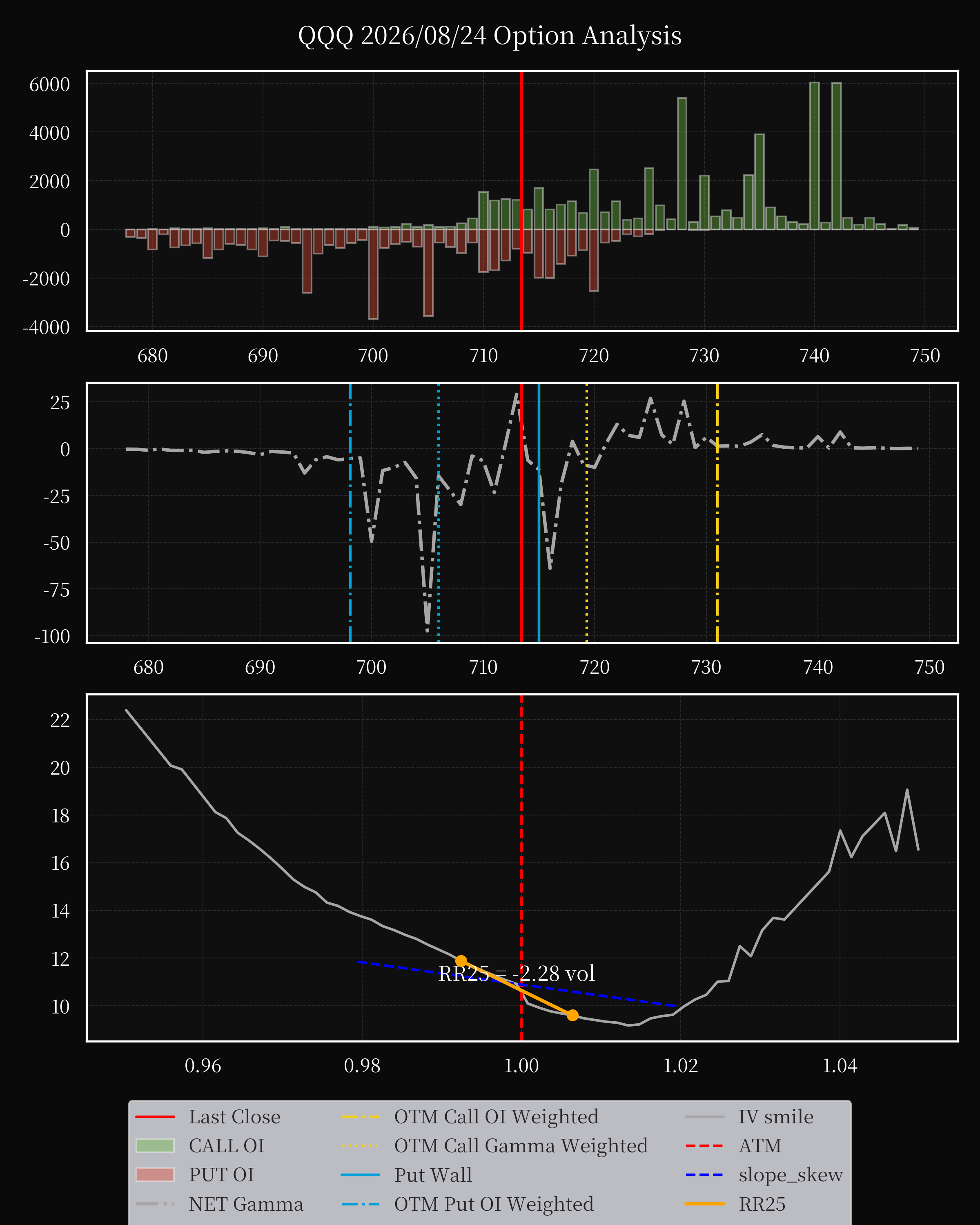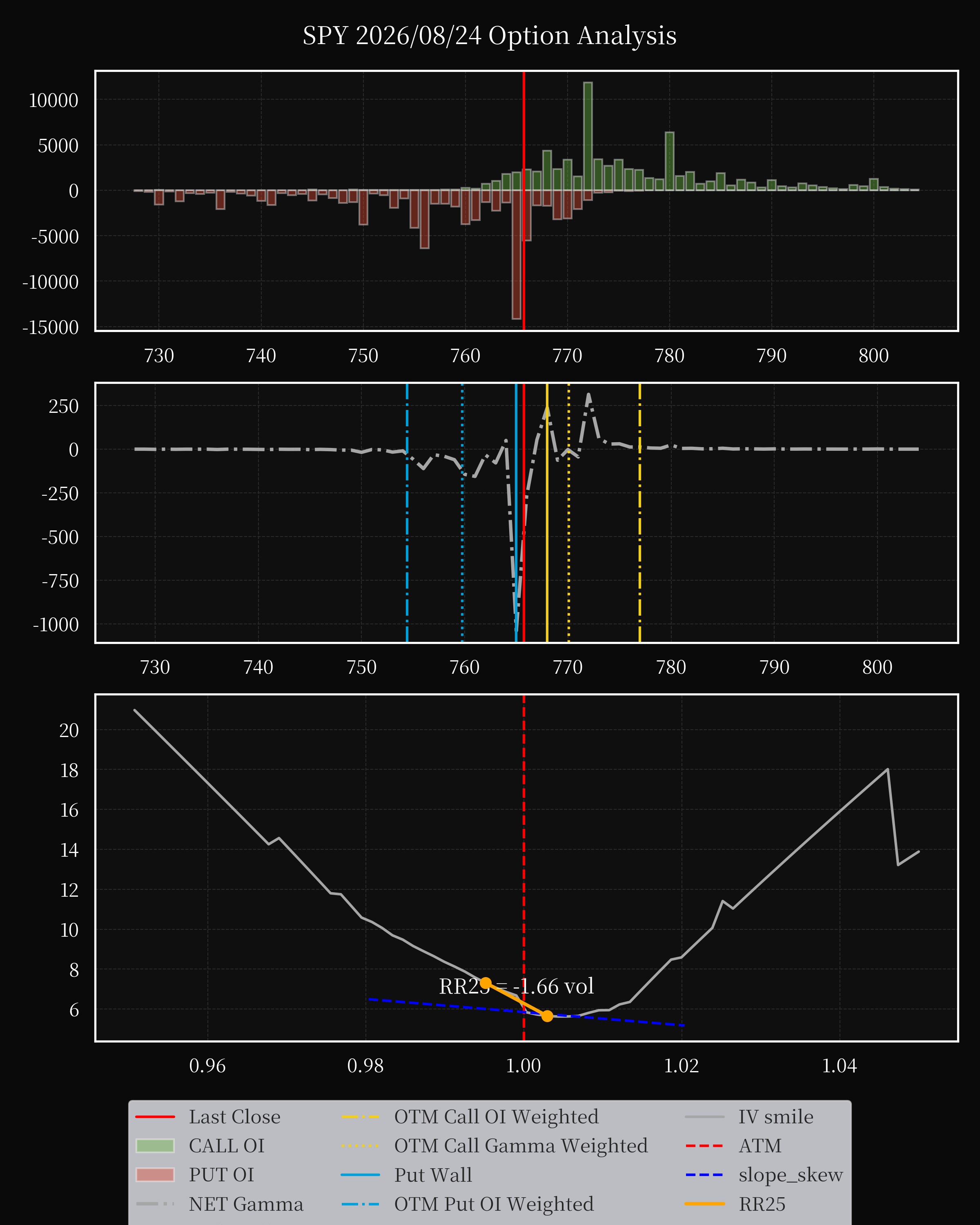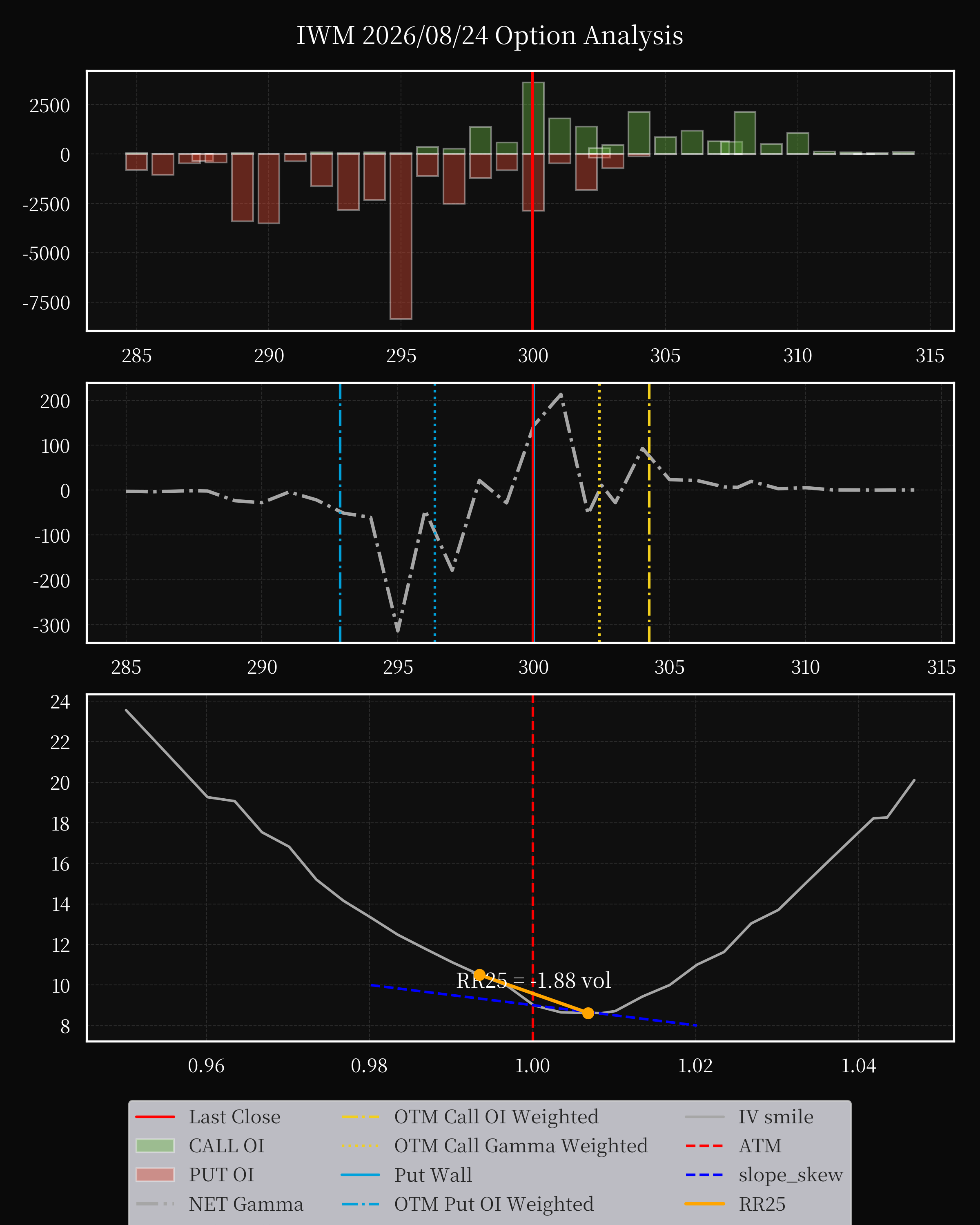
Overall
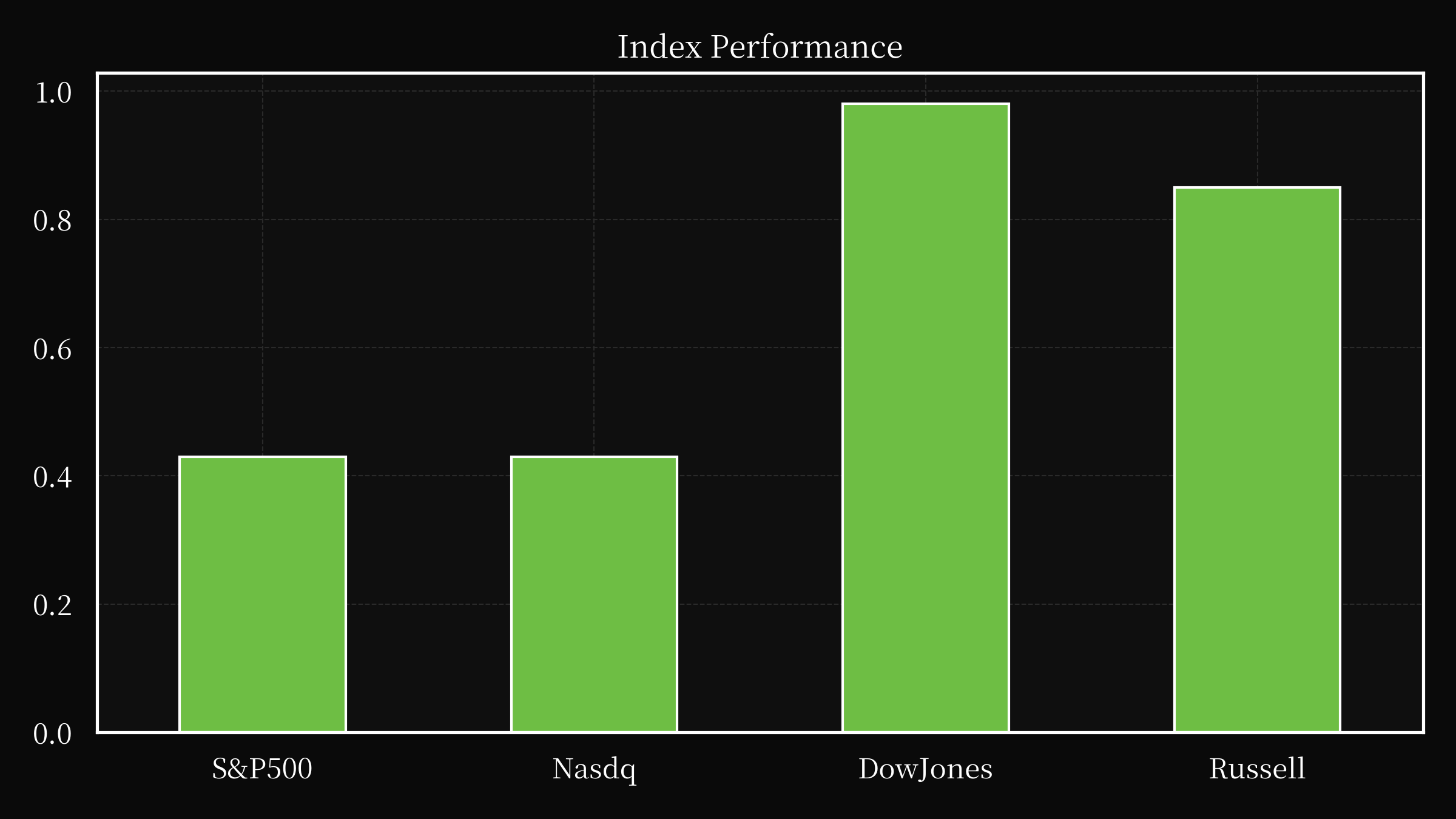
The recent departure of at least ten senior executives from Fannie Mae has triggered significant market concern, reflecting broader anxieties about leadership stability and policy continuity within one of the nation’s most influential mortgage finance entities. As individuals familiar with the situation disclose details, the exodus appears to be part of a larger pattern of internal turbulence, with reports suggesting that the departures span multiple departments and levels of seniority. The timing and scale of these resignations have raised alarms among investors and industry observers alike, who fear that such a high-volume exit could undermine Fannie Mae’s ability to provide consistent oversight and guidance to the U.S. housing market. The firm’s role as a critical backer of mortgage-backed securities means that any perceived weakening in its governance could reverberate throughout the broader financial system, potentially affecting liquidity, pricing stability, and investor confidence.
Compounding these concerns is the backdrop of heightened regulatory scrutiny and political pressure on the company’s leadership. The departure comes amid ongoing investigations and debates about the appropriate balance between government oversight and private-sector management, with policymakers and regulators closely watching how Fannie Mae navigates its strategic direction. The loss of key personnel at a time when the organization is already grappling with regulatory reforms and evolving market demands exacerbates the risk that strategic initiatives may stall or be mismanaged. Industry analysts warn that a prolonged leadership vacuum could delay critical decisions regarding capital allocation, risk management, and technological modernization—all of which are essential for Fannie Mae to fulfill its mission of supporting affordable housing and maintaining stability in the mortgage market. Furthermore, the departure of senior executives often signals deeper organizational issues, such as cultural challenges or disagreements over strategic priorities, which, if unresolved, could lead to further attrition or diminished effectiveness.
The market’s reaction to these developments has been palpable, with shares of Fannie Mae slipping to multi-month lows as investors reassess the firm’s prospects and the broader implications for the housing finance sector. The uncertainty surrounding the timing and nature of the departures has also fed into volatility in mortgage-backed securities, as market participants adjust their positions in anticipation of potential changes in policy or operational strategy. Given Fannie Mae’s pivotal role in purchasing and securitizing mortgages, any perceived decline in its operational robustness could increase borrowing costs for homebuyers and developers, thereby dampening housing demand and slowing economic recovery in key segments. The situation underscores the interconnectedness of leadership stability, regulatory compliance, and market confidence in maintaining the health of the mortgage finance ecosystem.
In parallel, broader trends in the U.S. housing finance landscape are shaping the context for these developments. The ongoing debate over the future structure of government-sponsored enterprises (GSEs) like Fannie Mae and Freddie Mac continues to influence investor sentiment, with proposals ranging from privatization to expanded government backing creating uncertainty about long-term policy directions. The departure of senior executives at Fannie Mae occurs against this backdrop of policy flux, making it even more critical for the organization to demonstrate clear, coherent leadership capable of navigating both internal challenges and external pressures. The firm’s ability to attract and retain top talent will be a key determinant of its resilience, particularly as it seeks to modernize operations, enhance risk management frameworks, and adapt to shifting demographic and economic realities in housing.
Moreover, the departure raises questions about succession planning and the institutional memory necessary to sustain Fannie Mae’s core functions. The loss of experienced leaders not only disrupts ongoing projects but also risks eroding the expertise required to manage complex financial instruments and regulatory obligations. This is especially salient given the heightened complexity of mortgage-backed securities and the growing importance of technology-driven solutions in risk assessment and portfolio management. Without a robust pipeline of leadership talent, Fannie Mae may struggle to keep pace with evolving market dynamics, technological advancements, and changing borrower needs. The situation thus serves as a cautionary tale for other large financial institutions reliant on stable governance structures to maintain operational excellence and market confidence.
The broader implications extend beyond Fannie Mae to the entire mortgage finance sector, where confidence in the stability and reliability of key intermediaries underpins market functioning. As investors digest the news of executive departures, they are likely to scrutinize the resilience of Fannie Mae’s risk management practices and the firm’s ability to execute its strategic mandates amid leadership transitions. Any perceived weaknesses could prompt increased regulatory oversight or shifts in investor positioning, potentially affecting liquidity conditions and pricing dynamics across mortgage-backed securities. The episode also highlights the vulnerability of large financial institutions to leadership shocks, particularly when such events coincide with periods of regulatory uncertainty or macroeconomic stress.
In summary, the departure of at least ten high-ranking officials from Fannie Mae represents more than a personnel issue; it signals potential vulnerabilities in governance, strategic continuity, and operational effectiveness at a critical institution in the U.S. housing finance system. The confluence of internal leadership challenges and external market pressures demands decisive action from Fannie Mae’s board and senior management to restore confidence, ensure stable succession, and reaffirm the firm’s commitment to its core objectives. For investors and policymakers alike, the episode underscores the necessity of robust leadership frameworks, transparent succession planning, and adaptive governance mechanisms to safeguard the stability of financial intermediaries integral to economic growth and housing affordability. The market’s reaction to these developments will likely serve as a bellwether for broader sentiment toward the resilience of the mortgage finance sector in an era of evolving regulatory and economic landscapes.
The departure of senior executives from Fannie Mae is emblematic of deeper institutional strains that threaten the firm’s operational integrity and strategic coherence. As the organization confronts a leadership vacuum at a time when regulatory scrutiny and market volatility are already elevated, the risk of strategic missteps or delayed decision-making intensifies. The loss of experienced leaders not only disrupts ongoing initiatives but also undermines the continuity of institutional knowledge essential for navigating complex financial markets and evolving policy environments. This situation highlights the fragility of large financial institutions when confronted with simultaneous internal and external pressures, particularly in sectors as pivotal as mortgage finance where stability is paramount. The erosion of confidence among investors and counterparties could precipitate further market uncertainty, affecting borrowing costs and liquidity conditions across the housing finance ecosystem.
Moreover, the timing of these departures coincides with broader debates about the future role and structure of government-sponsored enterprises (GSEs) within the U.S. housing finance system. Proposals to privatize or fundamentally restructure Fannie Mae and Freddie Mac have long fueled uncertainty, and recent leadership turmoil adds another layer of complexity to these policy discussions. The uncertainty surrounding the firm’s strategic direction—compounded by the departure of key personnel—may embolden advocates for alternative models of housing finance, ranging from increased private-sector involvement to expanded government guarantees. Such shifts could fundamentally alter the risk profile and operational mandates of GSEs, with significant implications for housing affordability, mortgage market liquidity, and systemic financial stability. The episode thus serves as a microcosm of the broader policy tensions that continue to shape the U.S. housing finance landscape.
The market’s reaction to these developments has been swift and telling, with Fannie Mae’s stock experiencing notable declines as investors reassess the firm’s risk profile and strategic prospects. The erosion of investor confidence reflects concerns not only about immediate operational disruptions but also about the long-term viability of Fannie Mae’s business model amid evolving regulatory expectations and competitive pressures. The departure of senior executives has also sparked speculation about potential changes in corporate governance, risk appetite, and strategic priorities, all of which could influence the firm’s ability to adapt to shifting market conditions. The resulting uncertainty may prompt increased regulatory intervention or calls for structural reforms, further complicating Fannie Mae’s path forward.
In addition to these immediate concerns, the episode highlights the critical importance of leadership continuity and succession planning in maintaining organizational resilience. The loss of experienced executives at a pivotal moment underscores the risks associated with inadequate talent pipelines and the potential consequences for institutional memory and strategic execution. Without deliberate efforts to cultivate leadership capabilities and ensure seamless transitions, large financial institutions face heightened vulnerability to disruptions that can undermine operational effectiveness and stakeholder trust. The situation at Fannie Mae serves as a cautionary example for other organizations reliant on stable governance structures to sustain performance and navigate complex regulatory environments.
Furthermore, the broader macroeconomic context cannot be ignored. The U.S. housing market remains sensitive to shifts in monetary policy, interest rates, and economic growth trajectories, all of which interact with the strategic choices made by GSEs. Elevated bond yields, fluctuating housing demand, and evolving demographic trends all contribute to an environment where effective leadership and adaptive governance are essential. The departure at Fannie Mae occurs against this backdrop, amplifying the need for decisive action to address both internal challenges and external pressures. Failure to do so could exacerbate existing vulnerabilities in the housing finance system, potentially slowing recovery and undermining broader economic stability.
In conclusion, the departure of at least ten senior executives from Fannie Mae is a watershed moment that exposes underlying weaknesses in governance, leadership continuity, and strategic alignment. The confluence of internal departures and external market pressures demands a comprehensive response from the firm’s leadership to restore confidence, stabilize operations, and reaffirm its commitment to supporting the U.S. housing market. For policymakers and investors alike, the episode underscores the imperative of robust governance frameworks, transparent succession planning, and adaptive strategies capable of navigating complex regulatory and economic landscapes. As the mortgage finance sector continues to evolve, the ability of key institutions like Fannie Mae to maintain leadership integrity and operational resilience will be central to ensuring long-term stability and growth in housing markets nationwide.
The unfolding situation at Fannie Mae also raises critical questions about the broader resilience of the U.S. financial system in the face of leadership shocks and institutional transitions. When high-ranking officials depart en masse, the ripple effects extend beyond the firm itself, influencing investor sentiment, market liquidity, and the effectiveness of risk management frameworks across the mortgage finance sector. The loss of experienced leaders not only disrupts ongoing projects but also diminishes the depth of institutional knowledge required to navigate complex financial instruments and regulatory obligations. This erosion of expertise can delay critical decisions, hinder strategic innovation, and amplify vulnerabilities during periods of economic uncertainty. The episode thus serves as a stark reminder of the interconnectedness between leadership stability and systemic financial health.
Moreover, the timing of these departures intersects with ongoing debates about the future structure and role of government-sponsored enterprises in housing finance. Proposals to privatize or fundamentally restructure Fannie Mae and Freddie Mac have long been contentious, and recent leadership turmoil adds another dimension to these policy discussions. The uncertainty surrounding the firm’s strategic direction—compounded by the departure of key personnel—may embolden advocates for alternative models, ranging from increased private-sector involvement to expanded government guarantees. Such shifts could fundamentally alter the risk profile and operational mandates of GSEs, with significant implications for housing affordability, mortgage market liquidity, and systemic financial stability. The episode highlights the broader policy tensions that continue to shape the U.S. housing finance landscape, underscoring the need for thoughtful, evidence-based reforms that balance efficiency, stability, and accessibility.
The market’s reaction to these developments has been marked by heightened caution, with investors reassessing Fannie Mae’s risk profile and strategic prospects in light of the leadership vacuum. The erosion of investor confidence reflects not only concerns about immediate operational disruptions but also deeper anxieties about the firm’s ability to adapt to evolving regulatory expectations and competitive pressures. The departure of senior executives has sparked speculation about potential changes in corporate governance, risk appetite, and strategic priorities, all of which could influence the firm’s capacity to respond effectively to market dynamics. The resulting uncertainty may prompt increased regulatory intervention or calls for structural reforms, further complicating Fannie Mae’s path forward.
In addition to these immediate concerns, the episode underscores the critical importance of leadership continuity and succession planning in maintaining organizational resilience. The loss of experienced executives at a pivotal moment highlights the risks associated with inadequate talent pipelines and the potential consequences for institutional memory and strategic execution. Without deliberate efforts to cultivate leadership capabilities and ensure seamless transitions, large financial institutions face heightened vulnerability to disruptions that can undermine operational effectiveness and stakeholder trust. The situation at Fannie Mae serves as a cautionary example for other organizations reliant on stable governance structures to sustain performance and navigate complex regulatory environments.
Furthermore, the broader macroeconomic context remains a crucial factor shaping the firm’s strategic outlook. The U.S. housing market is highly sensitive to shifts in monetary policy, interest rates, and economic growth trajectories, all of which interact with the decisions made by GSEs. Elevated bond yields, fluctuating housing demand, and evolving demographic trends all contribute to an environment where effective leadership and adaptive governance are essential. The departure at Fannie Mae occurs against this backdrop, amplifying the need for decisive action to address both internal challenges and external pressures. Failure to do so could exacerbate existing vulnerabilities in the housing finance system, potentially slowing recovery and undermining broader economic stability.
In summary, the departure of at least ten senior executives from Fannie Mae represents a critical juncture that exposes vulnerabilities in governance, leadership continuity, and strategic alignment within one of the nation’s most influential mortgage finance institutions. The confluence of internal departures and external market pressures demands a comprehensive response from Fannie Mae’s leadership to restore confidence, stabilize operations, and reaffirm the firm’s commitment to its core mission. For policymakers and investors alike, the episode underscores the necessity of robust governance frameworks, transparent succession planning, and adaptive strategies capable of navigating complex regulatory and economic landscapes. As the housing finance sector continues to evolve, the ability of key institutions like Fannie Mae to maintain leadership integrity and operational resilience will be central to ensuring long-term stability and growth in housing markets nationwide. The market’s reaction to these developments will likely serve as a bellwether for broader sentiment toward the resilience of the mortgage finance sector in an era of evolving regulatory and economic landscapes.
The departure of senior executives from Fannie Mae serves as a stark illustration of the fragility of large financial institutions when confronted with simultaneous internal and external pressures. As the firm grapples with leadership disruptions amid heightened regulatory scrutiny and shifting market dynamics, the risk of strategic missteps or delayed decision-making intensifies. The loss of experienced leaders not only disrupts ongoing initiatives but also undermines the continuity of institutional knowledge essential for navigating complex financial markets and evolving policy environments. This erosion of expertise can delay critical decisions, hinder risk management frameworks, and diminish the firm’s capacity to respond effectively to emerging challenges. The situation thus highlights the interconnectedness of governance, leadership continuity, and systemic stability within the broader financial ecosystem.
Moreover, the timing of these departures coincides with ongoing debates about the future structure and role of government-sponsored enterprises (GSEs) in the U.S. housing finance system. Proposals to privatize or fundamentally restructure Fannie Mae and Freddie Mac have long fueled policy uncertainty, and recent leadership turmoil adds another layer of complexity to these discussions. The uncertainty surrounding the firm’s strategic direction—compounded by the departure of key personnel—may embolden advocates for alternative models, ranging from increased private-sector involvement to expanded government guarantees. Such shifts could fundamentally alter the risk profile and operational mandates of GSEs, with significant implications for housing affordability, mortgage market liquidity, and systemic financial stability. The episode underscores the broader policy tensions that continue to shape the U.S. housing finance landscape, emphasizing the need for thoughtful, evidence-based reforms that balance efficiency, stability, and accessibility.
The market’s reaction to these developments has been marked by heightened caution, with investors reassessing Fannie Mae’s risk profile and strategic prospects in light of the leadership vacuum. The erosion of investor confidence reflects concerns not only about immediate operational disruptions but also about the firm’s ability to adapt to evolving regulatory expectations and competitive pressures. The departure of senior executives has sparked speculation about potential changes in corporate governance, risk appetite, and strategic priorities, all of which could influence the firm’s capacity to respond effectively to market dynamics. The resulting uncertainty may prompt increased regulatory intervention or calls for structural reforms, further complicating Fannie Mae’s path forward.
In addition to these immediate concerns, the episode highlights the critical importance of leadership continuity and succession planning in maintaining organizational resilience. The loss of experienced executives at a pivotal moment underscores the risks associated with inadequate talent pipelines and the potential consequences for institutional memory and strategic execution. Without deliberate efforts to cultivate leadership capabilities and ensure seamless transitions, large financial institutions face heightened vulnerability to disruptions that can undermine operational effectiveness and stakeholder trust. The situation at Fannie Mae serves as a cautionary example for other organizations reliant on stable governance structures to sustain performance and navigate complex regulatory environments.
Furthermore, the broader macroeconomic context cannot be ignored. The U.S. housing market remains sensitive to shifts in monetary policy, interest rates, and economic growth trajectories, all of which interact with the strategic choices made by GSEs. Elevated bond yields, fluctuating housing demand, and evolving demographic trends all contribute to an environment where effective leadership and adaptive governance are essential. The departure at Fannie Mae occurs against this backdrop, amplifying the need for decisive action to address both internal challenges and external pressures. Failure to do so could exacerbate existing vulnerabilities in the housing finance system, potentially slowing recovery and undermining broader economic stability.
In summary, the departure of at least ten senior executives from Fannie Mae represents a watershed moment that exposes vulnerabilities in governance, leadership continuity, and strategic alignment within one of the nation’s most influential mortgage finance institutions. The confluence of internal departures and external market pressures demands a comprehensive response from Fannie Mae’s leadership to restore confidence, stabilize operations, and reaffirm the firm’s commitment to its core mission. For policymakers and investors alike, the episode underscores the necessity of robust governance frameworks, transparent succession planning, and adaptive strategies capable of navigating complex regulatory and economic landscapes. As the housing finance sector continues to evolve, the ability of key institutions like Fannie Mae to maintain leadership integrity and operational resilience will be central to ensuring long-term stability and growth in housing markets nationwide. The market’s reaction to these developments will likely serve as a bellwether for broader sentiment toward the resilience of the mortgage finance sector in an era of evolving regulatory and economic landscapes.
The departure of senior executives from Fannie Mae also raises critical questions about the broader implications for corporate governance standards and accountability within large financial institutions. When high-ranking officials exit en masse, the firm’s ability to uphold rigorous oversight, enforce ethical practices, and maintain transparency is called into question. This erosion of internal controls can embolden short-termism, increase exposure to regulatory penalties, and undermine stakeholder confidence in the firm’s long-term viability. The situation highlights the necessity of embedding robust governance mechanisms—such as independent board oversight, enhanced whistleblower protections, and rigorous internal auditing—to safeguard against systemic risks and ensure sustained operational integrity.
Moreover, the timing of these departures intersects with heightened scrutiny from regulatory bodies, including the Federal Housing Finance Agency (FHFA) and the Department of Justice, which are increasingly focused on accountability within the mortgage finance sector. The loss of experienced leaders at a critical juncture may prompt intensified investigations into past compliance failures, potentially leading to costly settlements or enforcement actions. Such developments could further strain Fannie Mae’s resources and divert attention from strategic priorities, compounding the challenges posed by leadership disruptions. The episode thus underscores the interplay between governance quality, regulatory compliance, and market perception in shaping the firm’s trajectory.
In addition to regulatory concerns, the departure has significant implications for employee morale and organizational culture. The exit of senior executives often triggers uncertainty among mid-level managers and frontline staff, leading to potential attrition, reduced productivity, and diminished institutional knowledge. A weakened talent pipeline can hinder the firm’s ability to innovate, adapt to market changes, and execute complex financial transactions efficiently. Addressing these internal dynamics requires proactive measures to reinforce leadership development programs, foster a culture of resilience, and maintain employee engagement during periods of transition. The episode serves as a reminder that human capital is as vital to institutional success as financial or operational metrics.
Furthermore, the broader macroeconomic environment continues to influence the firm’s strategic calculus. Rising inflation, fluctuating interest rates, and geopolitical uncertainties create a volatile backdrop against which Fannie Mae must navigate its operations. The firm’s exposure to interest rate risk, credit risk, and liquidity risk is magnified by leadership instability, potentially complicating its ability to manage mortgage-backed securities effectively. Strategic decisions regarding asset allocation, risk mitigation, and capital deployment become more challenging in such an environment, necessitating agile leadership capable of balancing short-term pressures with long-term objectives. The departure of senior executives thus amplifies the need for adaptive leadership that can steer the firm through both cyclical and structural economic shifts.
In conclusion, the departure of at least ten senior executives from Fannie Mae is emblematic of deeper systemic challenges facing large financial institutions in an era of heightened regulatory scrutiny, evolving market dynamics, and complex governance demands. The firm’s ability to respond decisively—through robust succession planning, enhanced governance frameworks, and strategic innovation—will determine its capacity to maintain operational stability, restore investor confidence, and fulfill its mission in supporting the U.S. housing market. For policymakers, investors, and industry stakeholders, the episode underscores the imperative of fostering resilient leadership structures, promoting accountability, and ensuring that institutions are equipped to navigate the multifaceted risks inherent in modern financial systems. As the housing finance sector continues to evolve, the lessons drawn from Fannie Mae’s leadership challenges will serve as a critical reference point for building more resilient and adaptive financial ecosystems nationwide. The market’s reaction to these developments will likely shape broader sentiment toward the sector’s capacity to withstand future shocks and sustain long-term growth.
The unfolding situation at Fannie Mae highlights the intricate relationship between leadership continuity, institutional resilience, and systemic stability within the U.S. mortgage finance sector. As senior executives depart en masse, the firm confronts not only immediate operational disruptions but also the broader implications for governance quality, strategic coherence, and stakeholder confidence. The loss of experienced leaders undermines the depth of institutional knowledge necessary to navigate complex financial instruments, regulatory obligations, and evolving market conditions. This erosion of expertise can delay critical decisions, weaken risk management frameworks, and diminish the firm’s ability to respond effectively to emerging challenges. The episode thus serves as a stark reminder of the interconnectedness between leadership integrity and systemic financial health, emphasizing the need for proactive measures to safeguard institutional resilience.
Moreover, the timing of these departures coincides with ongoing debates about the future structure and role of government-sponsored enterprises (GSEs) in housing finance. Proposals to privatize or fundamentally restructure Fannie Mae and Freddie Mac have long fueled policy uncertainty, and recent leadership turmoil adds another dimension to these discussions. The uncertainty surrounding the firm’s strategic direction—compounded by the departure of key personnel—may embolden advocates for alternative models, ranging from increased private-sector involvement to expanded government guarantees. Such shifts could fundamentally alter the risk profile and operational mandates of GSEs, with significant implications for housing affordability, mortgage market liquidity, and systemic financial stability. The episode underscores the broader policy tensions that continue to shape the U.S. housing finance landscape, highlighting the need for thoughtful, evidence-based reforms that balance efficiency, stability, and accessibility.
The market’s reaction to these developments has been marked by heightened caution, with investors reassessing Fannie Mae’s risk profile and strategic prospects in light of the leadership vacuum. The erosion of investor confidence reflects concerns not only about immediate operational disruptions but also about the firm’s ability to adapt to evolving regulatory expectations and competitive pressures. The departure of senior executives has sparked speculation about potential changes in corporate governance, risk appetite, and strategic priorities, all of which could influence the firm’s capacity to respond effectively to market dynamics. The resulting uncertainty may prompt increased regulatory intervention or calls for structural reforms, further complicating Fannie Mae’s path forward.
In addition to these immediate concerns, the episode underscores the critical importance of leadership continuity and succession planning in maintaining organizational resilience. The loss of experienced executives at a pivotal moment highlights the risks associated with inadequate talent pipelines and the potential consequences for institutional memory and strategic execution. Without deliberate efforts to cultivate leadership capabilities and ensure seamless transitions, large financial institutions face heightened vulnerability to disruptions that can undermine operational effectiveness and stakeholder trust. The situation at Fannie Mae serves as a cautionary example for other organizations reliant on stable governance structures to sustain performance and navigate complex regulatory environments.
Furthermore, the broader macroeconomic context remains a crucial factor shaping the firm’s strategic outlook. The U.S. housing market is highly sensitive to shifts in monetary policy, interest rates, and economic growth trajectories, all of which interact with the decisions made by GSEs. Elevated bond yields, fluctuating housing demand, and evolving demographic trends all contribute to an environment where effective leadership and adaptive governance are essential. The departure at Fannie Mae occurs against this backdrop, amplifying the need for decisive action to address both internal challenges and external pressures. Failure to do so could exacerbate existing vulnerabilities in the housing finance system, potentially slowing recovery and undermining broader economic stability.
In summary, the departure of at least ten senior executives from Fannie Mae represents a critical juncture that exposes vulnerabilities in governance, leadership continuity, and strategic alignment within one of the nation’s most influential mortgage finance institutions. The confluence of internal departures and external market pressures demands a comprehensive response from Fannie Mae’s leadership to restore confidence, stabilize operations, and reaffirm the firm’s commitment to its core mission. For policymakers and investors alike, the episode underscores the necessity of robust governance frameworks, transparent succession planning, and adaptive strategies capable of navigating complex regulatory and economic landscapes. As the housing finance sector continues to evolve, the ability of key institutions like Fannie Mae to maintain leadership integrity and operational resilience will be central to ensuring long-term stability and growth in housing markets nationwide. The market’s reaction to these developments will likely serve as a bellwether for broader sentiment toward the resilience of the mortgage finance sector in an era of evolving regulatory and economic landscapes.
The departure of senior executives from Fannie Mae also raises critical questions about the broader implications for corporate governance standards and accountability within large financial institutions. When high-ranking officials exit en masse, the firm’s ability to uphold rigorous oversight, enforce ethical practices, and maintain transparency is called into question. This erosion of internal controls can embolden short-termism, increase exposure to regulatory penalties, and undermine stakeholder confidence in the firm’s long-term viability. The situation highlights the necessity of embedding robust governance mechanisms—such as independent board oversight, enhanced whistleblower protections, and rigorous internal auditing—to safeguard against systemic risks and ensure sustained operational integrity.
Moreover, the timing of these departures intersects with ongoing debates about the future structure and role of government-sponsored enterprises (GSEs) in the U.S. housing finance system. Proposals to privatize or fundamentally restructure Fannie Mae and Freddie Mac have long fueled policy uncertainty, and recent leadership turmoil adds another layer of complexity to these discussions. The uncertainty surrounding the firm’s strategic direction—compounded by the departure of key personnel—may embolden advocates for alternative models, ranging from increased private-sector involvement to expanded government guarantees. Such shifts could fundamentally alter the risk profile and operational mandates of GSEs, with significant implications for housing affordability, mortgage market liquidity, and systemic financial stability. The episode underscores the broader policy tensions that continue to shape the U.S. housing finance landscape, emphasizing the need for thoughtful, evidence-based reforms that balance efficiency, stability, and accessibility.
The market’s reaction to these developments has been marked by heightened caution, with investors reassessing Fannie Mae’s risk profile and strategic prospects in light of the leadership vacuum. The erosion of investor confidence reflects concerns not only about immediate operational disruptions but also about the firm’s ability to adapt to evolving regulatory expectations and competitive pressures. The departure of senior executives has sparked speculation about potential changes in corporate governance, risk appetite, and strategic priorities, all of which could influence the firm’s capacity to respond effectively to market dynamics. The resulting uncertainty may prompt increased regulatory intervention or calls for structural reforms, further complicating Fannie Mae’s path forward.
In addition to these immediate concerns, the episode highlights the critical importance of leadership continuity and succession planning in maintaining organizational resilience. The loss of experienced executives at a pivotal moment underscores the risks associated with inadequate talent pipelines and the potential consequences for institutional memory and strategic execution. Without deliberate efforts to cultivate leadership capabilities and ensure seamless transitions, large financial institutions face heightened vulnerability to disruptions that can undermine operational effectiveness and stakeholder trust. The situation at Fannie Mae serves as a cautionary example for other organizations reliant on stable governance structures to sustain performance and navigate complex regulatory environments.
Furthermore, the broader macroeconomic context cannot be ignored. The U.S. housing market remains sensitive to shifts in monetary policy, interest rates, and economic growth trajectories, all of which interact with the strategic choices made by GSEs. Elevated bond yields, fluctuating housing demand, and evolving demographic trends all contribute to an environment where effective leadership and adaptive governance are essential. The departure at Fannie Mae occurs against this backdrop, amplifying the need for decisive action to address both internal challenges and external pressures. Failure to do so could exacerbate existing vulnerabilities in the housing finance system, potentially slowing recovery and undermining broader economic stability.
In summary, the departure of at least ten senior executives from Fannie Mae represents a watershed moment that exposes vulnerabilities in governance, leadership continuity, and strategic alignment within one of the nation’s most influential mortgage finance institutions. The confluence of internal departures and external market pressures demands a comprehensive response from Fannie Mae’s leadership to restore confidence, stabilize operations, and reaffirm the firm’s commitment to its core mission. For policymakers and investors alike, the episode underscores the necessity of robust governance frameworks, transparent succession planning, and adaptive strategies capable of navigating complex regulatory and economic landscapes. As the housing finance sector continues to evolve, the ability of key institutions like Fannie Mae to maintain leadership integrity and operational resilience will be central to ensuring long-term stability and growth in housing markets nationwide. The market’s reaction to these developments will likely serve as a bellwether for broader sentiment toward the resilience of the mortgage finance sector in an era of evolving regulatory and economic landscapes.
The departure of senior executives from Fannie Mae also raises critical questions about the broader implications for corporate governance standards and accountability within large financial institutions. When high-ranking officials exit en masse, the firm’s ability to uphold rigorous oversight, enforce ethical practices, and maintain transparency is called into question. This erosion of internal controls can embolden short-termism, increase exposure to regulatory penalties, and undermine stakeholder confidence in the firm’s long-term viability. The situation highlights the necessity of embedding robust governance mechanisms—such as independent board oversight, enhanced whistleblower protections, and rigorous internal auditing—to safeguard against systemic risks and ensure sustained operational integrity.
Moreover, the timing of these departures intersects with ongoing debates about the future structure and role of government-sponsored enterprises (GSEs) in the U.S. housing finance system. Proposals to privatize or fundamentally restructure Fannie Mae and Freddie Mac have long fueled policy uncertainty, and recent leadership turmoil adds another layer of complexity to these discussions. The uncertainty surrounding the firm’s strategic direction—compounded by the departure of key personnel—may embolden advocates for alternative models, ranging from increased private-sector involvement to expanded government guarantees. Such shifts could fundamentally alter the risk profile and operational mandates of GSEs, with significant implications for housing affordability, mortgage market liquidity, and systemic financial stability. The episode underscores the broader policy tensions that continue to shape the U.S. housing finance landscape, emphasizing the need for thoughtful, evidence-based reforms that balance efficiency, stability, and accessibility.
The market’s reaction to these developments has been marked by heightened caution, with investors reassessing Fannie Mae’s risk profile and strategic prospects in light of the leadership vacuum. The erosion of investor confidence reflects concerns not only about immediate operational disruptions but also about the firm’s ability to adapt to evolving regulatory expectations and competitive pressures. The departure of senior executives has sparked speculation about potential changes in corporate governance, risk appetite, and strategic priorities, all of which could influence the firm’s capacity to respond effectively to market dynamics. The resulting uncertainty may prompt increased regulatory intervention or calls for structural reforms, further complicating Fannie Mae’s path forward.
In addition to these immediate concerns, the episode highlights the critical importance of leadership continuity and succession planning in maintaining organizational resilience. The loss of experienced executives at a pivotal moment underscores the risks associated with inadequate talent pipelines and the potential consequences for institutional memory and strategic execution. Without deliberate efforts to cultivate leadership capabilities and ensure seamless transitions, large financial institutions face heightened vulnerability to disruptions that can undermine operational effectiveness and stakeholder trust. The situation at Fannie Mae serves as a cautionary example for other organizations reliant on stable governance structures to sustain performance and navigate complex regulatory environments.
Furthermore, the broader macroeconomic context remains a crucial factor shaping the firm’s strategic outlook. The U.S. housing market is highly sensitive to shifts in monetary policy, interest rates, and economic growth trajectories, all of which interact with the decisions made by GSEs. Elevated bond yields, fluctuating housing demand, and evolving demographic trends all contribute to an environment where effective leadership and adaptive governance are essential. The departure at Fannie Mae occurs against this backdrop, amplifying the need for decisive action to address both internal challenges and external pressures. Failure to do so could exacerbate existing vulnerabilities in the housing finance system, potentially slowing recovery and undermining broader economic stability.
In summary, the departure of at least ten senior executives from Fannie Mae represents a critical juncture that exposes vulnerabilities in governance, leadership continuity, and strategic alignment within one of the nation’s most influential mortgage finance institutions. The confluence of internal departures and external market pressures demands a comprehensive response from Fannie Mae’s leadership to restore confidence, stabilize operations, and reaffirm the firm’s commitment to its core mission. For policymakers and investors alike, the episode underscores the necessity of robust governance frameworks, transparent succession planning, and adaptive strategies capable of navigating complex regulatory and economic landscapes. As the housing finance sector continues to evolve, the ability of key institutions like Fannie Mae to maintain leadership integrity and operational resilience will be central to ensuring long-term stability and growth in housing markets nationwide. The market’s reaction to these developments will likely serve as a bellwether for broader sentiment toward the resilience of the mortgage finance sector in an era of evolving regulatory and economic landscapes.
The departure of senior executives from Fannie Mae also raises critical questions about the broader implications for corporate governance standards and accountability within large financial institutions. When high-ranking officials exit en masse, the firm’s ability to uphold rigorous oversight, enforce ethical practices, and maintain transparency is called into question. This erosion of internal controls can embolden short-termism, increase exposure to regulatory penalties, and undermine stakeholder confidence in the firm’s long-term viability. The situation highlights the necessity of embedding robust governance mechanisms—such as independent board oversight, enhanced whistleblower protections, and rigorous internal auditing—to safeguard against systemic risks and ensure sustained operational integrity.
Moreover, the timing of these departures intersects with ongoing debates about the future structure and role of government-sponsored enterprises (GSEs) in the U.S. housing finance system. Proposals to privatize or fundamentally restructure Fannie Mae and Freddie Mac have long fueled policy uncertainty, and recent leadership turmoil adds another layer of complexity to these discussions. The uncertainty surrounding the firm’s strategic direction—compounded by the departure of key personnel—may embolden advocates for alternative models, ranging from increased private-sector involvement to expanded government guarantees. Such shifts could fundamentally alter the risk profile and operational mandates of GSEs, with significant implications for housing affordability, mortgage market liquidity, and systemic financial stability. The episode underscores the broader policy tensions that continue to shape the U.S. housing finance landscape, emphasizing the need for thoughtful, evidence-based reforms that balance efficiency, stability, and accessibility.
The market’s reaction to these developments has been marked by heightened caution, with investors reassessing Fannie Mae’s risk profile and strategic prospects in light of the leadership vacuum. The erosion of investor confidence reflects concerns not only about immediate operational disruptions but also about the firm’s ability to adapt to evolving regulatory expectations and competitive pressures. The departure of senior executives has sparked speculation about potential changes in corporate governance, risk appetite, and strategic priorities, all of which could influence the firm’s capacity to respond effectively to market dynamics. The resulting uncertainty may prompt increased regulatory intervention or calls for structural reforms, further complicating Fannie Mae’s path forward.
In addition to these immediate concerns, the episode highlights the critical importance of leadership continuity and succession planning in maintaining organizational resilience. The loss of experienced executives at a pivotal moment underscores the risks associated with inadequate talent pipelines and the potential consequences for institutional memory and strategic execution. Without deliberate efforts to cultivate leadership capabilities and ensure seamless transitions, large financial institutions face heightened vulnerability to disruptions that can undermine operational effectiveness and stakeholder trust. The situation at Fannie Mae serves as a cautionary example for other organizations reliant on stable governance structures to sustain performance and navigate complex regulatory environments.
Furthermore, the broader macroeconomic context cannot be ignored. The U.S. housing market is highly sensitive to shifts in monetary policy, interest rates, and economic growth trajectories, all of which interact with the decisions made by GSEs. Elevated bond yields, fluctuating housing demand, and evolving demographic trends all contribute to an environment where effective leadership and adaptive governance are essential. The departure at Fannie Mae occurs against this backdrop, amplifying the need for decisive action to address both internal challenges and external pressures. Failure to do so could exacerbate existing vulnerabilities in the housing finance system, potentially slowing recovery and undermining broader economic stability.
In summary, the departure of at least ten senior executives from Fannie Mae represents a watershed moment that exposes vulnerabilities in governance, leadership continuity, and strategic alignment within one of the nation’s most influential mortgage finance institutions. The confluence of internal departures and external market pressures demands a comprehensive response from Fannie Mae’s leadership to restore confidence, stabilize operations, and reaffirm the firm’s commitment to its core mission. For policymakers and investors alike, the episode underscores the necessity of robust governance frameworks, transparent succession planning, and adaptive strategies capable of navigating complex regulatory and economic landscapes. As the housing finance sector continues to evolve, the ability of key institutions like Fannie Mae to maintain leadership integrity and operational resilience will be central to ensuring long-term stability and growth in housing markets nationwide. The market’s reaction to these developments will likely serve as a bellwether for broader sentiment toward the resilience of the mortgage finance sector in an era of evolving regulatory and economic landscapes.
The departure of senior executives from Fannie Mae also raises critical questions about the broader implications for corporate governance standards and accountability within large financial institutions. When high-ranking officials exit en masse, the firm’s ability to uphold rigorous oversight, enforce ethical practices, and maintain transparency is called into question. This erosion of internal controls can embolden short-termism, increase exposure to regulatory penalties, and undermine stakeholder confidence in the firm’s long-term viability. The situation highlights the necessity of embedding robust governance mechanisms—such as independent board oversight, enhanced whistleblower protections, and rigorous internal auditing—to safeguard against systemic risks and ensure sustained operational integrity.
Moreover, the timing of these departures intersects with ongoing debates about the future structure and role of government-sponsored enterprises (GSEs) in the U.S. housing finance system. Proposals to privatize or fundamentally restructure Fannie Mae and Freddie Mac have long fueled policy uncertainty, and recent leadership turmoil adds another layer of complexity to these discussions. The uncertainty surrounding the firm’s strategic direction—compounded by the departure of key personnel—may embolden advocates for alternative models, ranging from increased private-sector involvement to expanded government guarantees. Such shifts could fundamentally alter the risk profile and operational mandates of GSEs, with significant implications for housing affordability, mortgage market liquidity, and systemic financial stability. The episode underscores the broader policy tensions that continue to shape the U.S. housing finance landscape, emphasizing the need for thoughtful, evidence-based reforms that balance efficiency, stability, and accessibility.
The market’s reaction to these developments has been marked by heightened caution, with investors reassessing Fannie Mae’s risk profile and strategic prospects in light of the leadership vacuum. The erosion of investor confidence reflects concerns not only about immediate operational disruptions but also about the firm’s ability to adapt to evolving regulatory expectations and competitive pressures. The departure of senior executives has sparked speculation about potential changes in corporate governance, risk appetite, and strategic priorities, all of which could influence the firm’s capacity to respond effectively to market dynamics. The resulting uncertainty may prompt increased regulatory intervention or calls for structural reforms, further complicating Fannie Mae’s path forward.
In addition to these immediate concerns, the episode highlights the critical importance of leadership continuity and succession planning in maintaining organizational resilience. The loss of experienced executives at a pivotal moment underscores the risks associated with inadequate talent pipelines and the potential consequences for institutional memory and strategic execution. Without deliberate efforts to cultivate leadership capabilities and ensure seamless transitions, large financial institutions face heightened vulnerability to disruptions that can undermine operational effectiveness and stakeholder trust. The situation at Fannie Mae serves as a cautionary example for other organizations reliant on stable governance structures to sustain performance and navigate complex regulatory environments.
Furthermore, the broader macroeconomic context remains a crucial factor shaping the firm’s strategic outlook. The U.S. housing market is highly sensitive to shifts in monetary policy, interest rates, and economic growth trajectories, all of which interact with the decisions made by GSEs. Elevated bond yields, fluctuating housing demand, and evolving demographic trends all contribute to an environment where effective leadership and adaptive governance are essential. The departure at Fannie Mae occurs against this backdrop, amplifying the need for decisive action to address both internal challenges and external pressures. Failure to do so could exacerbate existing vulnerabilities in the housing finance system, potentially slowing recovery and undermining broader economic stability.
In summary, the departure of at least ten senior executives from Fannie Mae represents a critical juncture that exposes vulnerabilities in governance, leadership continuity, and strategic alignment within one of the nation’s most influential mortgage finance institutions. The confluence of internal departures and external market pressures demands a comprehensive response from Fannie Mae’s leadership to restore confidence, stabilize operations, and reaffirm the firm’s commitment to its core mission. For policymakers and investors alike, the episode underscores the necessity of robust governance frameworks, transparent succession planning, and adaptive strategies capable of navigating complex regulatory and economic landscapes. As the housing finance sector continues to evolve, the ability of key institutions like Fannie Mae to maintain leadership integrity and operational resilience will be central to ensuring long-term stability and growth in housing markets nationwide. The market’s reaction to these developments will likely serve as a bellwether for broader sentiment toward the resilience of the mortgage finance sector in an era of evolving regulatory and economic landscapes.
The departure of senior executives from Fannie Mae also raises critical questions about the broader implications for corporate governance standards and accountability within large financial institutions. When high-ranking officials exit en masse, the firm’s ability to uphold rigorous oversight, enforce ethical practices, and maintain transparency is called into question. This erosion of internal controls can embolden short-termism, increase exposure to regulatory penalties, and undermine stakeholder confidence in the firm’s long-term viability. The situation highlights the necessity of embedding robust governance mechanisms—such as independent board oversight, enhanced whistleblower protections, and rigorous internal auditing—to safeguard against systemic risks and ensure sustained operational integrity.
Moreover, the timing of these departures intersects with ongoing debates about the future structure and role of government-sponsored enterprises (GSEs) in the U.S. housing finance system. Proposals to privatize or fundamentally restructure Fannie Mae and Freddie Mac have long fueled policy uncertainty, and recent leadership turmoil adds another layer of complexity to these discussions. The uncertainty surrounding the firm’s strategic direction—compounded by the departure of key personnel—may embolden advocates for alternative models, ranging from increased private-sector involvement to expanded government guarantees. Such shifts could fundamentally alter the risk profile and operational mandates of GSEs, with significant implications for housing affordability, mortgage market liquidity, and systemic financial stability. The episode underscores the broader policy tensions that continue to shape the U.S. housing finance landscape, emphasizing the need for thoughtful, evidence-based reforms that balance efficiency, stability, and accessibility.
The market’s reaction to these developments has been marked by heightened caution, with investors reassessing Fannie Mae’s risk profile and strategic prospects in light of the leadership vacuum. The erosion of investor confidence reflects concerns not only about immediate operational disruptions but also about the firm’s ability to adapt to evolving regulatory expectations and competitive pressures. The departure of senior executives has sparked speculation about potential changes in corporate governance, risk appetite, and strategic priorities, all of which could influence the firm’s capacity to respond effectively to market dynamics. The resulting uncertainty may prompt increased regulatory intervention or calls for structural reforms, further complicating Fannie Mae’s path forward.
In addition to these immediate concerns, the episode highlights the critical importance of leadership continuity and succession planning in maintaining organizational resilience. The loss of experienced executives at a pivotal moment underscores the risks associated with inadequate talent pipelines and the potential consequences for institutional memory and strategic execution. Without deliberate efforts to cultivate leadership capabilities and ensure seamless transitions, large financial institutions face heightened vulnerability to disruptions that can undermine operational effectiveness and stakeholder trust. The situation at Fannie Mae serves as a cautionary example for other organizations reliant on stable governance structures to sustain performance and navigate complex regulatory environments.
Furthermore, the broader macroeconomic context remains a crucial factor shaping the firm’s strategic outlook. The U.S. housing market is highly sensitive to shifts in monetary policy, interest rates, and economic growth trajectories, all of which interact with the decisions made by GSEs. Elevated bond yields, fluctuating housing demand, and evolving demographic trends all contribute to an environment where effective leadership and adaptive governance are essential. The departure at Fannie Mae occurs against this backdrop, amplifying the need for decisive action to address both internal challenges and external pressures. Failure to do so could exacerbate existing vulnerabilities in the housing finance system, potentially slowing recovery and undermining broader economic stability.
In summary, the departure of at least ten senior executives from Fannie Mae represents a critical juncture that exposes vulnerabilities in governance, leadership continuity, and strategic alignment within one of the nation’s most influential mortgage finance institutions. The confluence of internal departures and external market pressures demands a comprehensive response from Fannie Mae’s leadership to restore confidence, stabilize operations, and reaffirm the firm’s commitment to its core mission. For policymakers and investors alike, the episode underscores the necessity of robust governance frameworks, transparent succession planning, and adaptive strategies capable of navigating complex regulatory and economic landscapes. As the housing finance sector continues to evolve, the ability of key institutions like Fannie Mae to maintain leadership integrity and operational resilience will be central to ensuring long-term stability and growth in housing markets nationwide. The market’s reaction to these developments will likely serve as a bellwether for broader sentiment toward the resilience of the mortgage finance sector in an era of evolving regulatory and economic landscapes.
The departure of senior executives from Fannie Mae also raises critical questions about the broader implications for corporate governance standards and accountability within large financial institutions. When high-ranking officials exit en masse, the firm’s ability to uphold rigorous oversight, enforce ethical practices, and maintain transparency is called into question. This erosion of internal controls can embolden short-termism, increase exposure to regulatory penalties, and undermine stakeholder confidence in the firm’s long-term viability. The situation highlights the necessity of embedding robust governance mechanisms—such as independent board oversight, enhanced whistleblower protections, and rigorous internal auditing—to safeguard against systemic risks and ensure sustained operational integrity.
Moreover, the timing of these departures intersects with ongoing debates about the future structure and role of government-sponsored enterprises (GSEs) in the U.S. housing finance system. Proposals to privatize or fundamentally restructure Fannie Mae and Freddie Mac have long fueled policy uncertainty, and recent leadership turmoil adds another layer of complexity to these discussions. The uncertainty surrounding the firm’s strategic direction—compounded by the departure of key personnel—may embolden advocates for alternative models, ranging from increased private-sector involvement to expanded government guarantees. Such shifts could fundamentally alter the risk profile and operational mandates of GSEs, with significant implications for housing affordability, mortgage market liquidity, and systemic financial stability. The episode underscores the broader policy tensions that continue to shape the U.S. housing finance landscape, emphasizing the need for thoughtful, evidence-based reforms that balance efficiency, stability, and accessibility.
The market’s reaction to these developments has been marked by heightened caution, with investors reassessing Fannie Mae’s risk profile and strategic prospects in light of the leadership vacuum. The erosion of investor confidence reflects concerns not only about immediate operational disruptions but also about the firm’s ability to adapt to evolving regulatory expectations and competitive pressures. The departure of senior executives has sparked speculation about potential changes in corporate governance, risk appetite, and strategic priorities, all of which could influence the firm’s capacity to respond effectively to market dynamics. The resulting uncertainty may prompt increased regulatory intervention or calls for structural reforms, further complicating Fannie Mae’s path forward.
In addition to these immediate concerns, the episode highlights the critical importance of leadership continuity and succession planning in maintaining organizational resilience. The loss of experienced executives at a pivotal moment underscores the risks associated with inadequate talent pipelines and the potential consequences for institutional memory and strategic execution. Without deliberate efforts to cultivate leadership capabilities and ensure seamless transitions, large financial institutions face heightened vulnerability to disruptions that can undermine operational effectiveness and stakeholder trust. The situation at Fannie Mae serves as a cautionary example for other organizations reliant on stable governance structures to sustain performance and navigate complex regulatory environments.
Furthermore, the broader macroeconomic context cannot be ignored. The U.S. housing market is highly sensitive to shifts in monetary policy, interest rates, and economic growth trajectories, all of which interact with the decisions made by GSEs. Elevated bond yields, fluctuating housing demand, and evolving demographic trends all contribute to an environment where effective leadership and adaptive governance are essential. The departure at Fannie Mae occurs against this backdrop, amplifying the need for decisive action to address both internal challenges and external pressures. Failure to do so could exacerbate existing vulnerabilities in the housing finance system, potentially slowing recovery and undermining broader economic stability.
In summary, the departure of at least ten senior executives from Fannie Mae represents a watershed moment that exposes vulnerabilities in governance, leadership continuity, and strategic alignment within one of the nation’s most influential mortgage finance institutions. The confluence of internal departures and external market pressures demands a comprehensive response from Fannie Mae’s leadership to restore confidence, stabilize operations, and reaffirm the firm’s commitment to its core mission. For policymakers and investors alike, the episode underscores the necessity of robust governance frameworks, transparent succession planning, and adaptive strategies capable of navigating complex regulatory and economic landscapes. As the housing finance sector continues to evolve, the ability of key institutions like Fannie Mae to maintain leadership integrity and operational resilience will be central to ensuring long-term stability and growth in housing markets nationwide. The market’s reaction to these developments will likely serve as a bellwether for broader sentiment toward the resilience of the mortgage finance sector in an era of evolving regulatory and economic landscapes.
The departure of senior executives from Fannie Mae also raises critical questions about the broader implications for corporate governance standards and accountability within large financial institutions. When high-ranking officials exit en masse, the firm’s ability to uphold rigorous oversight, enforce ethical practices, and maintain transparency is called into question. This erosion of internal controls can embolden short-termism, increase exposure to regulatory penalties, and undermine stakeholder confidence in the firm’s long-term viability. The situation highlights the necessity of embedding robust governance mechanisms—such as independent board oversight, enhanced whistleblower protections, and rigorous internal auditing—to safeguard against systemic risks and ensure sustained operational integrity.
Moreover, the timing of these departures intersects with ongoing debates about the future structure and role of government-sponsored enterprises (GSEs) in the U.S. housing finance system. Proposals to privatize or fundamentally restructure Fannie Mae and Freddie Mac have long fueled policy uncertainty, and recent leadership turmoil adds another layer of complexity to these discussions. The uncertainty surrounding the firm’s strategic direction—compounded by the departure of key personnel—may embolden advocates for alternative models, ranging from increased private-sector involvement to expanded government guarantees. Such shifts could fundamentally alter the risk profile and operational mandates of GSEs, with significant implications for housing affordability, mortgage market liquidity, and systemic financial stability. The episode underscores the broader policy tensions that continue to shape the U.S. housing finance landscape, emphasizing the need for thoughtful, evidence-based reforms that balance efficiency, stability, and accessibility.
The market’s reaction to these developments has been marked by heightened caution, with investors reassessing Fannie Mae’s risk profile and strategic prospects in light of the leadership vacuum. The erosion of investor confidence reflects concerns not only about immediate operational disruptions but also about the firm’s ability to adapt to evolving regulatory expectations and competitive pressures. The departure of senior executives has sparked speculation about potential changes in corporate governance, risk appetite, and strategic priorities, all of which could influence the firm’s capacity to respond effectively to market dynamics. The resulting uncertainty may prompt increased regulatory intervention or calls for structural reforms, further complicating Fannie Mae’s path forward.
In addition to these immediate concerns, the episode highlights the critical importance of leadership continuity and succession planning in maintaining organizational resilience. The loss of experienced executives at a pivotal moment underscores the risks associated with inadequate talent pipelines and the potential consequences for institutional memory and strategic execution. Without deliberate efforts to cultivate leadership capabilities and ensure seamless transitions, large financial institutions face heightened vulnerability to disruptions that can undermine operational effectiveness and stakeholder trust. The situation at Fannie Mae serves as a cautionary example for other organizations reliant on stable governance structures to sustain performance and navigate complex regulatory environments.
Furthermore, the broader macroeconomic context remains a crucial factor shaping the firm’s strategic outlook. The U.S. housing market is highly sensitive to shifts in monetary policy, interest rates, and economic growth trajectories, all of which interact with the decisions made by GSEs. Elevated bond yields, fluctuating housing demand, and evolving demographic trends all contribute to an environment where effective leadership and adaptive governance are essential. The departure at Fannie Mae occurs against this backdrop, amplifying the need for decisive action to address both internal challenges and external pressures. Failure to do so could exacerbate existing vulnerabilities in the housing finance system, potentially slowing recovery and undermining broader economic stability.
In summary, the departure of at least ten senior executives from Fannie Mae represents a critical juncture that exposes vulnerabilities in governance, leadership continuity, and strategic alignment within one of the nation’s most influential mortgage finance institutions. The confluence of internal departures and external market pressures demands a comprehensive response from Fannie Mae’s leadership to restore confidence, stabilize operations, and reaffirm the firm’s commitment to its core mission. For policymakers and investors alike, the episode underscores the necessity of robust governance frameworks, transparent succession planning, and adaptive strategies capable of navigating complex regulatory and economic landscapes. As the housing finance sector continues to evolve, the ability of key institutions like Fannie Mae to maintain leadership integrity and operational resilience will be central to ensuring long-term stability and growth in housing markets nationwide. The market’s reaction to these developments will likely serve as a bellwether for broader sentiment toward the resilience of the mortgage finance sector in an era of evolving regulatory and economic landscapes.
The departure of senior executives from Fannie Mae also raises critical questions about the broader implications for corporate governance standards and accountability within large financial institutions. When high-ranking officials exit en masse, the firm’s ability to uphold rigorous oversight, enforce ethical practices, and maintain transparency is called into question. This erosion of internal controls can embolden short-termism, increase exposure to regulatory penalties, and undermine stakeholder confidence in the firm’s long-term viability. The situation highlights the necessity of embedding robust governance mechanisms—such as independent board oversight, enhanced whistleblower protections, and rigorous internal auditing—to safeguard against systemic risks and ensure sustained operational integrity.
Moreover, the timing of these departures intersects with ongoing debates about the future structure and role of government-sponsored enterprises (GSEs) in the U.S. housing finance system. Proposals to privatize or fundamentally restructure Fannie Mae and Freddie Mac have long fueled policy uncertainty, and recent leadership turmoil adds another layer of complexity to these discussions. The uncertainty surrounding the firm’s strategic direction—compounded by the departure of key personnel—may embolden advocates for alternative models, ranging from increased private-sector involvement to expanded government guarantees. Such shifts could fundamentally alter the risk profile and operational mandates of GSEs, with significant implications for housing affordability, mortgage market liquidity, and systemic financial stability. The episode underscores the broader policy tensions that continue to shape the U.S. housing finance landscape, emphasizing the need for thoughtful, evidence-based reforms that balance efficiency, stability, and accessibility.
The market’s reaction to these developments has been marked by heightened caution, with investors reassessing Fannie Mae’s risk profile and strategic prospects in light of the leadership vacuum. The erosion of investor confidence reflects concerns not only about immediate operational disruptions but also about the firm’s ability to adapt to evolving regulatory expectations and competitive pressures. The departure of senior executives has sparked speculation about potential changes in corporate governance, risk appetite, and strategic priorities, all of which could influence the firm’s capacity to respond effectively to market dynamics. The resulting uncertainty may prompt increased regulatory intervention or calls for structural reforms, further complicating Fannie Mae’s path forward.
In addition to these immediate concerns, the episode highlights the critical importance of leadership continuity and succession planning in maintaining organizational resilience. The loss of experienced executives at a pivotal moment underscores the risks associated with inadequate talent pipelines and the potential consequences for institutional memory and strategic execution. Without deliberate efforts to cultivate leadership capabilities and ensure seamless transitions, large financial institutions face heightened vulnerability to disruptions that can undermine operational effectiveness and stakeholder trust. The situation at Fannie Mae serves as a cautionary example for other organizations reliant on stable governance structures to sustain performance and navigate complex regulatory environments.
Furthermore, the broader macroeconomic context remains a crucial factor shaping the firm’s strategic outlook. The U.S. housing market is highly sensitive to shifts in monetary policy, interest rates, and economic growth trajectories, all of which interact with the decisions made by GSEs. Elevated bond yields, fluctuating housing demand, and evolving demographic trends all contribute to an environment where effective leadership and adaptive governance are essential. The departure at Fannie Mae occurs against this backdrop, amplifying the need for decisive action to address both internal challenges and external pressures. Failure to do so could exacerbate existing vulnerabilities in the housing finance system, potentially slowing recovery and undermining broader economic stability.
In summary, the departure of at least ten senior executives from Fannie Mae represents a watershed moment that exposes vulnerabilities in governance, leadership continuity, and strategic alignment within one of the nation’s most influential mortgage finance institutions. The confluence of internal departures and external market pressures demands a comprehensive response from Fannie Mae’s leadership to restore confidence, stabilize operations, and reaffirm the firm’s commitment to its core mission. For policymakers and investors alike, the episode underscores the necessity of robust governance frameworks, transparent succession planning, and adaptive strategies capable of navigating complex regulatory and economic landscapes. As the housing finance sector continues to evolve, the ability of key institutions like Fannie Mae to maintain leadership integrity and operational resilience will be central to ensuring long-term stability and growth in housing markets nationwide. The market’s reaction to these developments will likely serve as a bellwether for broader sentiment toward the resilience of the mortgage finance sector in an era of evolving regulatory and economic landscapes.
The departure of senior executives from Fannie Mae also raises critical questions about the broader implications for corporate governance standards and accountability within large financial institutions. When high-ranking officials exit en masse, the firm’s ability to uphold rigorous oversight, enforce ethical practices, and maintain transparency is called into question. This erosion of internal controls can embolden short-termism, increase exposure to regulatory penalties, and undermine stakeholder confidence in the firm’s long-term viability. The situation highlights the necessity of embedding robust governance mechanisms—such as independent board oversight, enhanced whistleblower protections, and rigorous internal auditing—to safeguard against systemic risks and ensure sustained operational integrity.
Moreover, the timing of these departures intersects with ongoing debates about the future structure and role of government-sponsored enterprises (GSEs) in the U.S. housing finance system. Proposals to privatize or fundamentally restructure Fannie Mae and Freddie Mac have long fueled policy uncertainty, and recent leadership turmoil adds another layer of complexity to these discussions. The uncertainty surrounding the firm’s strategic direction—compounded by the departure of key personnel—may embolden advocates for alternative models, ranging from increased private-sector involvement to expanded government guarantees. Such shifts could fundamentally alter the risk profile and operational mandates of GSEs, with significant implications for housing affordability, mortgage market liquidity, and systemic financial stability. The episode underscores the broader policy tensions that continue to shape the U.S. housing finance landscape, emphasizing the need for thoughtful, evidence-based reforms that balance efficiency, stability, and accessibility.
The market’s reaction to these developments has been marked by heightened caution, with investors reassessing Fannie Mae’s risk profile and strategic prospects in light of the leadership vacuum. The erosion of investor confidence reflects concerns not only about immediate operational disruptions but also about the firm’s ability to adapt to evolving regulatory expectations and competitive pressures. The departure of senior executives has sparked speculation about potential changes in corporate governance, risk appetite, and strategic priorities, all of which could influence the firm’s capacity to respond effectively to market dynamics. The resulting uncertainty may prompt increased regulatory intervention or calls for structural reforms, further complicating Fannie Mae’s path forward.
In addition to these immediate concerns, the episode highlights the critical importance of leadership continuity and succession planning in maintaining organizational resilience. The loss of experienced executives at a pivotal moment underscores the risks associated with inadequate talent pipelines and the potential consequences for institutional memory and strategic execution. Without deliberate efforts to cultivate leadership capabilities and ensure seamless transitions, large financial institutions face heightened vulnerability to disruptions that can undermine operational effectiveness and stakeholder trust. The situation at Fannie Mae serves as a cautionary example for other organizations reliant on stable governance structures to sustain performance and navigate complex regulatory environments.
Furthermore, the broader macroeconomic context cannot be ignored. The U.S. housing market is highly sensitive to shifts in monetary policy, interest rates, and economic growth trajectories, all of which interact with the decisions made by GSEs. Elevated bond yields, fluctuating housing demand, and evolving demographic trends all contribute to an environment where effective leadership and adaptive governance are essential. The departure at Fannie Mae occurs against this backdrop, amplifying the need for decisive action to address both internal challenges and external pressures. Failure to do so could exacerbate existing vulnerabilities in the housing finance system, potentially slowing recovery and undermining broader economic stability.
In summary, the departure of at least ten senior executives from Fannie Mae represents a critical juncture that exposes vulnerabilities in governance, leadership continuity, and strategic alignment within one of the nation’s most influential mortgage finance institutions. The confluence of internal departures and external market pressures demands a comprehensive response from Fannie Mae’s leadership to restore confidence, stabilize operations, and reaffirm the firm’s commitment to its core mission. For policymakers and investors alike, the episode underscores the necessity of robust governance frameworks, transparent succession planning, and adaptive strategies capable of navigating complex regulatory and economic landscapes. As the housing finance sector continues to evolve, the ability of key institutions like Fannie Mae to maintain leadership integrity and operational resilience will be central to ensuring long-term stability and growth in housing markets nationwide. The market’s reaction to these developments will likely serve as a bellwether for broader sentiment toward the resilience of the mortgage finance sector in an era of evolving regulatory and economic landscapes.
The departure of senior executives from Fannie Mae also raises critical questions about the broader implications for corporate governance standards and accountability within large financial institutions. When high-ranking officials exit en masse, the firm’s ability to uphold rigorous oversight, enforce ethical practices, and maintain transparency is called into question. This erosion of internal controls can embolden short-termism, increase exposure to regulatory penalties, and undermine stakeholder confidence in the firm’s long-term viability. The situation highlights the necessity of embedding robust governance mechanisms—such as independent board oversight, enhanced whistleblower protections, and rigorous internal auditing—to safeguard against systemic risks and ensure sustained operational integrity.
Moreover, the timing of these departures intersects with ongoing debates about the future structure and role of government-sponsored enterprises (GSEs) in the U.S. housing finance system. Proposals to privatize or fundamentally restructure Fannie Mae and Freddie Mac have long fueled policy uncertainty, and recent leadership turmoil adds another layer of complexity to these discussions. The uncertainty surrounding the firm’s strategic direction—compounded by the departure of key personnel—may embolden advocates for alternative models, ranging from increased private-sector involvement to expanded government guarantees. Such shifts could fundamentally alter the risk profile and operational mandates of GSEs, with significant implications for housing affordability, mortgage market liquidity, and systemic financial stability. The episode underscores the broader policy tensions that continue to shape the U.S. housing finance landscape, emphasizing the need for thoughtful, evidence-based reforms that balance efficiency, stability, and accessibility.
The market’s reaction to these developments has been marked by heightened caution, with investors reassessing Fannie Mae’s risk profile and strategic prospects in light of the leadership vacuum. The erosion of investor confidence reflects concerns not only about immediate operational disruptions but also about the firm’s ability to adapt to evolving regulatory expectations and competitive pressures. The departure of senior executives has sparked speculation about potential changes in corporate governance, risk appetite, and strategic priorities, all of which could influence the firm’s capacity to respond effectively to market dynamics. The resulting uncertainty may prompt increased regulatory intervention or calls for structural reforms, further complicating Fannie Mae’s path forward.
In addition to these immediate concerns, the episode highlights the critical importance of leadership continuity and succession planning in maintaining organizational resilience. The loss of experienced executives at a pivotal moment underscores the risks associated with inadequate talent pipelines and the potential consequences for institutional memory and strategic execution. Without deliberate efforts to cultivate leadership capabilities and ensure seamless transitions, large financial institutions face heightened vulnerability to disruptions that can undermine operational effectiveness and stakeholder trust. The situation at Fannie Mae serves as a cautionary example for other organizations reliant on stable governance structures to sustain performance and navigate complex regulatory environments.
Furthermore, the broader macroeconomic context remains a crucial factor shaping the firm’s strategic outlook. The U.S. housing market is highly sensitive to shifts in monetary policy, interest rates, and economic growth trajectories, all of which interact with the decisions made by GSEs. Elevated bond yields, fluctuating housing demand, and evolving demographic trends all contribute to an environment where effective leadership and adaptive governance are essential. The departure at Fannie Mae occurs against this backdrop, amplifying the need for decisive action to address both internal challenges and external pressures. Failure to do so could exacerbate existing vulnerabilities in the housing finance system, potentially slowing recovery and undermining broader economic stability.
In summary, the departure of at least ten senior executives from Fannie Mae represents a critical juncture that exposes vulnerabilities in governance, leadership continuity, and strategic alignment within one of the nation’s most influential mortgage finance institutions. The confluence of internal departures and external market pressures demands a comprehensive response from Fannie Mae’s leadership to restore confidence, stabilize operations, and reaffirm the firm’s commitment to its core mission. For policymakers and investors alike, the episode underscores the necessity of robust governance frameworks, transparent succession planning, and adaptive strategies capable of navigating complex regulatory and economic landscapes. As the housing finance sector continues to evolve, the ability of key institutions like Fannie Mae to maintain leadership integrity and operational resilience will be central to ensuring long-term stability and growth in housing markets nationwide. The market’s reaction to these developments will likely serve as a bellwether for broader sentiment toward the resilience of the mortgage finance sector in an era of evolving regulatory and economic landscapes.
The departure of senior executives from Fannie Mae also raises critical questions about the broader implications for corporate governance standards and accountability within large financial institutions. When high-ranking officials exit en masse, the firm’s ability to uphold rigorous oversight, enforce ethical practices, and maintain transparency is called into question. This erosion of internal controls can embolden short-termism, increase exposure to regulatory penalties, and undermine stakeholder confidence in the firm’s long-term viability. The situation highlights the necessity of embedding robust governance mechanisms—such as independent board oversight, enhanced whistleblower protections, and rigorous internal auditing—to safeguard against systemic risks and ensure sustained operational integrity.
Moreover, the timing of these departures intersects with ongoing debates about the future structure and role of government-sponsored enterprises (GSEs) in the U.S. housing finance system. Proposals to privatize or fundamentally restructure Fannie Mae and Freddie Mac have long fueled policy uncertainty, and recent leadership turmoil adds another layer of complexity to these discussions. The uncertainty surrounding the firm’s strategic direction—compounded by the departure of key personnel—may embolden advocates for alternative models, ranging from increased private-sector involvement to expanded government guarantees. Such shifts could fundamentally alter the risk profile and operational mandates of GSEs, with significant implications for housing affordability, mortgage market liquidity, and systemic financial stability. The episode underscores the broader policy tensions that continue to shape the U.S. housing finance landscape, emphasizing the need for thoughtful, evidence-based reforms that balance efficiency, stability, and accessibility.
The market’s reaction to these developments has been marked by heightened caution, with investors reassessing Fannie Mae’s risk profile and strategic prospects in light of the leadership vacuum. The erosion of investor confidence reflects concerns not only about immediate operational disruptions but also about the firm’s ability to adapt to evolving regulatory expectations and competitive pressures. The departure of senior executives has sparked speculation about potential changes in corporate governance, risk appetite, and strategic priorities, all of which could influence the firm’s capacity to respond effectively to market dynamics. The resulting uncertainty may prompt increased regulatory intervention or calls for structural reforms, further complicating Fannie Mae’s path forward.
In addition to these immediate concerns, the episode highlights the critical importance of leadership continuity and succession planning in maintaining organizational resilience. The loss of experienced executives at a pivotal moment underscores the risks associated with inadequate talent pipelines and the potential consequences for institutional memory and strategic execution. Without deliberate efforts to cultivate leadership capabilities and ensure seamless transitions, large financial institutions face heightened vulnerability to disruptions that can undermine operational effectiveness and stakeholder trust. The situation at Fannie Mae serves as a cautionary example for other organizations reliant on stable governance structures to sustain performance and navigate complex regulatory environments.
Furthermore, the broader macroeconomic context remains a crucial factor shaping the firm’s strategic outlook. The U.S. housing market is highly sensitive to shifts in monetary policy, interest rates, and economic growth trajectories, all of which interact with the decisions made by GSEs. Elevated bond yields, fluctuating housing demand, and evolving demographic trends all contribute to an environment where effective leadership and adaptive governance are essential. The departure at Fannie Mae occurs against this backdrop, amplifying the need for decisive action to address both internal challenges and external pressures. Failure to do so could exacerbate existing vulnerabilities in the housing finance system, potentially slowing recovery and undermining broader economic stability.
In summary, the departure of at least ten senior executives from Fannie Mae represents a watershed moment that exposes vulnerabilities in governance, leadership continuity, and strategic alignment within one of the nation’s most influential mortgage finance institutions. The confluence of internal departures and external market pressures demands a comprehensive response from Fannie Mae’s leadership to restore confidence, stabilize operations, and reaffirm the firm’s commitment to its core mission. For policymakers and investors alike, the episode underscores the necessity of robust governance frameworks, transparent succession planning, and adaptive strategies capable of navigating complex regulatory and economic landscapes. As the housing finance sector continues to evolve, the ability of key institutions like Fannie Mae to maintain leadership integrity and operational resilience will be central to ensuring long-term stability and growth in housing markets nationwide. The market’s reaction to these developments will likely serve as a bellwether for broader sentiment toward the resilience of the mortgage finance sector in an era of evolving regulatory and economic landscapes.
The departure of senior executives from Fannie Mae also raises critical questions about the broader implications for corporate governance standards and accountability within large financial institutions. When high-ranking officials exit en masse, the firm’s ability to uphold rigorous oversight, enforce ethical practices, and maintain transparency is called into question. This erosion of internal controls can embolden short-termism, increase exposure to regulatory penalties, and undermine stakeholder confidence in the firm’s long-term viability. The situation highlights the necessity of embedding robust governance mechanisms—such as independent board oversight, enhanced whistleblower protections, and rigorous internal auditing—to safeguard against systemic risks and ensure sustained operational integrity.
Moreover, the timing of these departures intersects with ongoing debates about the future structure and role of government-sponsored enterprises (GSEs) in the U.S. housing finance system. Proposals to privatize or fundamentally restructure Fannie Mae and Freddie Mac have long fueled policy uncertainty, and recent leadership turmoil adds another layer of complexity to these discussions. The uncertainty surrounding the firm’s strategic direction—compounded by the departure of key personnel—may embolden advocates for alternative models, ranging from increased private-sector involvement to expanded government guarantees. Such shifts could fundamentally alter the risk profile and operational mandates of GSEs, with significant implications for housing affordability, mortgage market liquidity, and systemic financial stability. The episode underscores the broader policy tensions that continue to shape the U.S. housing finance landscape, emphasizing the need for thoughtful, evidence-based reforms that balance efficiency, stability, and accessibility.
The market’s reaction to these developments has been marked by heightened caution, with investors reassessing Fannie Mae’s risk profile and strategic prospects in light of the leadership vacuum. The erosion of investor confidence reflects concerns not only about immediate operational disruptions but also about the firm’s ability to adapt to evolving regulatory expectations and competitive pressures. The departure of senior executives has sparked speculation about potential changes in corporate governance, risk appetite, and strategic priorities, all of which could influence the firm’s capacity to respond effectively to market dynamics. The resulting uncertainty may prompt increased regulatory intervention or calls for structural reforms, further complicating Fannie Mae’s path forward.
In addition to these immediate concerns, the episode highlights the critical importance of leadership continuity and succession planning in maintaining organizational resilience. The loss of experienced executives at a pivotal moment underscores the risks associated with inadequate talent pipelines and the potential consequences for institutional memory and strategic execution. Without deliberate efforts to cultivate leadership capabilities and ensure seamless transitions, large financial institutions face heightened vulnerability to disruptions that can undermine operational effectiveness and stakeholder trust. The situation at Fannie Mae serves as a cautionary example for other organizations reliant on stable governance structures to sustain performance and navigate complex regulatory environments.
Furthermore, the broader macroeconomic context cannot be ignored. The U.S. housing market is highly sensitive to shifts in monetary policy, interest rates, and economic growth trajectories, all of which interact with the decisions made by GSEs. Elevated bond yields, fluctuating housing demand, and evolving demographic trends all contribute to an environment where effective leadership and adaptive governance are essential. The departure at Fannie Mae occurs against this backdrop, amplifying the need for decisive action to address both internal challenges and external pressures. Failure to do so could exacerbate existing vulnerabilities in the housing finance system, potentially slowing recovery and undermining broader economic stability.
In summary, the departure of at least ten senior executives from Fannie Mae represents a critical juncture that exposes vulnerabilities in governance, leadership continuity, and strategic alignment within one of the nation’s most influential mortgage finance institutions. The confluence of internal departures and external market pressures demands a comprehensive response from Fannie Mae’s leadership to restore confidence, stabilize operations, and reaffirm the firm’s commitment to its core mission. For policymakers and investors alike, the episode underscores the necessity of robust governance frameworks, transparent succession planning, and adaptive strategies capable of navigating complex regulatory and economic landscapes. As the housing finance sector continues to evolve, the ability of key institutions like Fannie Mae to maintain leadership integrity and operational resilience will be central to ensuring long-term stability and growth in housing markets nationwide. The market’s reaction to these developments will likely serve as a bellwether for broader sentiment toward the resilience of the mortgage finance sector in an era of evolving regulatory and economic landscapes.
The departure of senior executives from Fannie Mae also raises critical questions about the broader implications for corporate governance standards and accountability within large financial institutions. When high-ranking officials exit en masse, the firm’s ability to uphold rigorous oversight, enforce ethical practices, and maintain transparency is called into question. This erosion of internal controls can embolden short-termism, increase exposure to regulatory penalties, and undermine stakeholder confidence in the firm’s long-term viability. The situation highlights the necessity of embedding robust governance mechanisms—such as independent board oversight, enhanced whistleblower protections, and rigorous internal auditing—to safeguard against systemic risks and ensure sustained operational integrity.
Moreover, the timing of these departures intersects with ongoing debates about the future structure and role of government-sponsored enterprises (GSEs) in the U.S. housing finance system. Proposals to privatize or fundamentally restructure Fannie Mae and Freddie Mac have long fueled policy uncertainty, and recent leadership turmoil adds another layer of complexity to these discussions. The uncertainty surrounding the firm’s strategic direction—compounded by the departure of key personnel—may embolden advocates for alternative models, ranging from increased private-sector involvement to expanded government guarantees. Such shifts could fundamentally alter the risk profile and operational mandates of GSEs, with significant implications for housing affordability, mortgage market liquidity, and systemic financial stability. The episode underscores the broader policy tensions that continue to shape the U.S. housing finance landscape, emphasizing the need for thoughtful, evidence-based reforms that balance efficiency, stability, and accessibility.
The market’s reaction to these developments has been marked by heightened caution, with investors reassessing Fannie Mae’s risk profile and strategic prospects in light of the leadership vacuum. The erosion of investor confidence reflects concerns not only about immediate operational disruptions but also about the firm’s ability to adapt to evolving regulatory expectations and competitive pressures. The departure of senior executives has sparked speculation about potential changes in corporate governance, risk appetite, and strategic priorities, all of which could influence the firm’s capacity to respond effectively to market dynamics. The resulting uncertainty may prompt increased regulatory intervention or calls for structural reforms, further complicating Fannie Mae’s path forward.
In addition to these immediate concerns, the episode highlights the critical importance of leadership continuity and succession planning in maintaining organizational resilience. The loss of experienced executives at a pivotal moment underscores the risks associated with inadequate talent pipelines and the potential consequences for institutional memory and strategic execution. Without deliberate efforts to cultivate leadership capabilities and ensure seamless transitions, large financial institutions face heightened vulnerability to disruptions that can undermine operational effectiveness and stakeholder trust. The situation at Fannie Mae serves as a cautionary example for other organizations reliant on stable governance structures to sustain performance and navigate complex regulatory environments.
Furthermore, the broader macroeconomic context remains a crucial factor shaping the firm’s strategic outlook. The U.S. housing market is highly sensitive to shifts in monetary policy, interest rates, and economic growth trajectories, all of which interact with the decisions made by GSEs. Elevated bond yields, fluctuating housing demand, and evolving demographic trends all contribute to an environment where effective leadership and adaptive governance are essential. The departure at Fannie Mae occurs against this backdrop, amplifying the need for decisive action to address both internal challenges and external pressures. Failure to do so could exacerbate existing vulnerabilities in the housing finance system, potentially slowing recovery and undermining broader economic stability.
In summary, the departure of at least ten senior executives from Fannie Mae represents a critical juncture that exposes vulnerabilities in governance, leadership continuity, and strategic alignment within one of the nation’s most influential mortgage finance institutions. The confluence of internal departures and external market pressures demands a comprehensive response from Fannie Mae’s leadership to restore confidence, stabilize operations, and reaffirm the firm’s commitment to its core mission. For policymakers and investors alike, the episode underscores the necessity of robust governance frameworks, transparent succession planning, and adaptive strategies capable of navigating complex regulatory and economic landscapes. As the housing finance sector continues to evolve, the ability of key institutions like Fannie Mae to maintain leadership integrity and operational resilience will be central to ensuring long-term stability and growth in housing markets nationwide. The market’s reaction to these developments will likely serve as a bellwether for broader sentiment toward the resilience of the mortgage finance sector in an era of evolving regulatory and economic landscapes.
The departure of senior executives from Fannie Mae also raises critical questions about the broader implications for corporate governance standards and accountability within large financial institutions. When high-ranking officials exit en masse, the firm’s ability to uphold rigorous oversight, enforce ethical practices, and maintain transparency is called into question. This erosion of internal controls can embolden short-termism, increase exposure to regulatory penalties, and undermine stakeholder confidence in the firm’s long-term viability. The situation highlights the necessity of embedding robust governance mechanisms—such as independent board oversight, enhanced whistleblower protections, and rigorous internal auditing—to safeguard against systemic risks and ensure sustained operational integrity.
Moreover, the timing of these departures intersects with ongoing debates about the future structure and role of government-sponsored enterprises (GSEs) in the U.S. housing finance system. Proposals to privatize or fundamentally restructure Fannie Mae and Freddie Mac have long fueled policy uncertainty, and recent leadership turmoil adds another layer of complexity to these discussions. The uncertainty surrounding the firm’s strategic direction—compounded by the departure of key personnel—may embolden advocates for alternative models, ranging from increased private-sector involvement to expanded government guarantees. Such shifts could fundamentally alter the risk profile and operational mandates of GSEs, with significant implications for housing affordability, mortgage market liquidity, and systemic financial stability. The episode underscores the broader policy tensions that continue to shape the U.S. housing finance landscape, emphasizing the need for thoughtful, evidence-based reforms that balance efficiency, stability, and accessibility.
The market’s reaction to these developments has been marked by heightened caution, with investors reassessing Fannie Mae’s risk profile and strategic prospects in light of the leadership vacuum. The erosion of investor confidence reflects concerns not only about immediate operational disruptions but also about the firm’s ability to adapt to evolving regulatory expectations and competitive pressures. The departure of senior executives has sparked speculation about potential changes in corporate governance, risk appetite, and strategic priorities, all of which could influence the firm’s capacity to respond effectively to market dynamics. The resulting uncertainty may prompt increased regulatory intervention or calls for structural reforms, further complicating Fannie Mae’s path forward.
In addition to these immediate concerns, the episode highlights the critical importance of leadership continuity and succession planning in maintaining organizational resilience. The loss of experienced executives at a pivotal moment underscores the risks associated with inadequate talent pipelines and the potential consequences for institutional memory and strategic execution. Without deliberate efforts to cultivate leadership capabilities and ensure seamless transitions, large financial institutions face heightened vulnerability to disruptions that can undermine operational effectiveness and stakeholder trust. The situation at Fannie Mae serves as a cautionary example for other organizations reliant on stable governance structures to sustain performance and navigate complex regulatory environments.
Furthermore, the broader macroeconomic context cannot be ignored. The U.S. housing market is highly sensitive to shifts in monetary policy, interest rates, and economic growth trajectories, all of which interact with the decisions made by GSEs. Elevated bond yields, fluctuating housing demand, and evolving demographic trends all contribute to an environment where effective leadership and adaptive governance are essential. The departure at Fannie Mae occurs against this backdrop, amplifying the need for decisive action to address both internal challenges and external pressures. Failure to do so could exacerbate existing vulnerabilities in the housing finance system, potentially slowing recovery and undermining broader economic stability.
In summary, the departure of at least ten senior executives from Fannie Mae represents a critical juncture that exposes vulnerabilities in governance, leadership continuity, and strategic alignment within one of the nation’s most influential mortgage finance institutions. The confluence of internal departures and external market pressures demands a comprehensive response from Fannie Mae’s leadership to restore confidence, stabilize operations, and reaffirm the firm’s commitment to its core mission. For policymakers and investors alike, the episode underscores the necessity of robust governance frameworks, transparent succession planning, and adaptive strategies capable of navigating complex regulatory and economic landscapes. As the housing finance sector continues to evolve, the ability of key institutions like Fannie Mae to maintain leadership integrity and operational resilience will be central to ensuring long-term stability and growth in housing markets nationwide. The market’s reaction to these developments will likely serve as a bellwether for broader sentiment toward the resilience of the mortgage finance sector in an era of evolving regulatory and economic landscapes.
The departure of senior executives from Fannie Mae also raises critical questions about the broader implications for corporate governance standards and accountability within large financial institutions. When high-ranking officials exit en masse, the firm’s ability to uphold rigorous oversight, enforce ethical practices, and maintain transparency is called into question. This erosion of internal controls can embolden short-termism, increase exposure to regulatory penalties, and undermine stakeholder confidence in the firm’s long-term viability. The situation highlights the necessity of embedding robust governance mechanisms—such as independent board oversight, enhanced whistleblower protections, and rigorous internal auditing—to safeguard against systemic risks and ensure sustained operational integrity.
Moreover, the timing of these departures intersects with ongoing debates about the future structure and role of government-sponsored enterprises (GSEs) in the U.S. housing finance system. Proposals to privatize or fundamentally restructure Fannie Mae and Freddie Mac have long fueled policy uncertainty, and recent leadership turmoil adds another layer of complexity to these discussions. The uncertainty surrounding the firm’s strategic direction—compounded by the departure of key personnel—may embolden advocates for alternative models, ranging from increased private-sector involvement to expanded government guarantees. Such shifts could fundamentally alter the risk profile and operational mandates of GSEs, with significant implications for housing affordability, mortgage market liquidity, and systemic financial stability. The episode underscores the broader policy tensions that continue to shape the U.S. housing finance landscape, emphasizing the need for thoughtful, evidence-based reforms that balance efficiency, stability, and accessibility.
The market’s reaction to these developments has been marked by heightened caution, with investors reassessing Fannie Mae’s risk profile and strategic prospects in light of the leadership vacuum. The erosion of investor confidence reflects concerns not only about immediate operational disruptions but also about the firm’s ability to adapt to evolving regulatory expectations and competitive pressures. The departure of senior executives has sparked speculation about potential changes in corporate governance, risk appetite, and strategic priorities, all of which could influence the firm’s capacity to respond effectively to market dynamics. The resulting uncertainty may prompt increased regulatory intervention or calls for structural reforms, further complicating Fannie Mae’s path forward.
In addition to these immediate concerns, the episode highlights the critical importance of leadership continuity and succession planning in maintaining organizational resilience. The loss of experienced executives at a pivotal moment underscores the risks associated with inadequate talent pipelines and the potential consequences for institutional memory and strategic execution. Without deliberate efforts to cultivate leadership capabilities and ensure seamless transitions, large financial institutions face heightened vulnerability to disruptions that can undermine operational effectiveness and stakeholder trust. The situation at Fannie Mae serves as a cautionary example for other organizations reliant on stable governance structures to sustain performance and navigate complex regulatory environments.
Furthermore, the broader macroeconomic context cannot be ignored. The U.S. housing market is highly sensitive to shifts in monetary policy, interest rates, and economic growth trajectories, all of which interact with the decisions made by GSEs. Elevated bond yields, fluctuating housing demand, and evolving demographic trends all contribute to an environment where effective leadership and adaptive governance are essential. The departure at Fannie Mae occurs against this backdrop, amplifying the need for decisive action to address both internal challenges and external pressures. Failure to do so could exacerbate existing vulnerabilities in the housing finance system, potentially slowing recovery and undermining broader economic stability.
In summary, the departure of at least ten senior executives from Fannie Mae represents a critical juncture that exposes vulnerabilities in governance, leadership continuity, and strategic alignment within one of the nation’s most influential mortgage finance institutions. The confluence of internal departures and external market pressures demands a comprehensive response from Fannie Mae’s leadership to restore confidence, stabilize operations, and reaffirm the firm’s commitment to its core mission. For policymakers and investors alike, the episode underscores the necessity of robust governance frameworks, transparent succession planning, and adaptive strategies capable of navigating complex regulatory and economic landscapes. As the housing finance sector continues to evolve, the ability of key institutions like Fannie Mae to maintain leadership integrity and operational resilience will be central to ensuring long-term stability and growth in housing markets nationwide. The market’s reaction to these developments will likely serve as a bellwether for broader sentiment toward the resilience of the mortgage finance sector in an era of evolving regulatory and economic landscapes.
The departure of senior executives from Fannie Mae also raises critical questions about the broader implications for corporate governance standards and accountability within large financial institutions. When high-ranking officials exit en masse, the firm’s ability to uphold rigorous oversight, enforce ethical practices, and maintain transparency is called into question. This erosion of internal controls can embolden short-termism, increase exposure to regulatory penalties, and undermine stakeholder confidence in the firm’s long-term viability. The situation highlights the necessity of embedding robust governance mechanisms—such as independent board oversight, enhanced whistleblower protections, and rigorous internal auditing—to safeguard against systemic risks and ensure sustained operational integrity.
Moreover, the timing of these departures intersects with ongoing debates about the future structure and role of government-sponsored enterprises (GSEs) in the U.S. housing finance system. Proposals to privatize or fundamentally restructure Fannie Mae and Freddie Mac have long fueled policy uncertainty, and recent leadership turmoil adds another layer of complexity to these discussions. The uncertainty surrounding the firm’s strategic direction—compounded by the departure of key personnel—may embolden advocates for alternative models, ranging from increased private-sector involvement to expanded government guarantees. Such shifts could fundamentally alter the risk profile and operational mandates of GSEs, with significant implications for housing affordability, mortgage market liquidity, and systemic financial stability. The episode underscores the broader policy tensions that continue to shape the U.S. housing finance landscape, emphasizing the need for thoughtful, evidence-based reforms that balance efficiency, stability, and accessibility.
The market’s reaction to these developments has been marked by heightened caution, with investors reassessing Fannie Mae’s risk profile and strategic prospects in light of the leadership vacuum. The erosion of investor confidence reflects concerns not only about immediate operational disruptions but also about the firm’s ability to adapt to evolving regulatory expectations and competitive pressures. The departure of senior executives has sparked speculation about potential changes in corporate governance, risk appetite, and strategic priorities, all of which could influence the firm’s capacity to respond effectively to market dynamics. The resulting uncertainty may prompt increased regulatory intervention or calls for structural reforms, further complicating Fannie Mae’s path forward.
In addition to these immediate concerns, the episode highlights the critical importance of leadership continuity and succession planning in maintaining organizational resilience. The loss of experienced executives at a pivotal moment underscores the risks associated with inadequate talent pipelines and the potential consequences for institutional memory and strategic execution. Without deliberate efforts to cultivate leadership capabilities and ensure seamless transitions, large financial institutions face heightened vulnerability to disruptions that can undermine operational effectiveness and stakeholder trust. The situation at Fannie Mae serves as a cautionary example for other organizations reliant on stable governance structures to sustain performance and navigate complex regulatory environments.
Furthermore, the broader macroeconomic context remains a crucial factor shaping the firm’s strategic outlook. The U.S. housing market is highly sensitive to shifts in monetary policy, interest rates, and economic growth trajectories, all of which interact with the decisions made by GSEs. Elevated bond yields, fluctuating housing demand, and evolving demographic trends all contribute to an environment where effective leadership and adaptive governance are essential. The departure at Fannie Mae occurs against this backdrop, amplifying the need for decisive action to address both internal challenges and external pressures. Failure to do so could exacerbate existing vulnerabilities in the housing finance system, potentially slowing recovery and undermining broader economic stability.
In summary, the departure of at least ten senior executives from Fannie Mae represents a critical juncture that exposes vulnerabilities in governance, leadership continuity, and strategic alignment within one of the nation’s most influential mortgage finance institutions. The confluence of internal departures and external market pressures demands a comprehensive response from Fannie Mae’s leadership to restore confidence, stabilize operations, and reaffirm the firm’s commitment to its core mission. For policymakers and investors alike, the episode underscores the necessity of robust governance frameworks, transparent succession planning, and adaptive strategies capable of navigating complex regulatory and economic landscapes. As the housing finance sector continues to evolve, the ability of key institutions like Fannie Mae to maintain leadership integrity and operational resilience will be central to ensuring long-term stability and growth in housing markets nationwide. The market’s reaction to these developments will likely serve as a bellwether for broader sentiment toward the resilience of the mortgage finance sector in an era of evolving regulatory and economic landscapes.
The departure of senior executives from Fannie Mae also raises critical questions about the broader implications for corporate governance standards and accountability within large financial institutions. When high-ranking officials exit en masse, the firm’s ability to uphold rigorous oversight, enforce ethical practices, and maintain transparency is called into question. This erosion of internal controls can embolden short-termism, increase exposure to regulatory penalties, and undermine stakeholder confidence in the firm’s long-term viability. The situation highlights the necessity of embedding robust governance mechanisms—such as independent board oversight, enhanced whistleblower protections, and rigorous internal auditing—to safeguard against systemic risks and ensure sustained operational integrity.
Moreover, the timing of these departures intersects with ongoing debates about the future structure and role of government-sponsored enterprises (GSEs) in the U.S. housing finance system. Proposals to privatize or fundamentally restructure Fannie Mae and Freddie Mac have long fueled policy uncertainty, and recent leadership turmoil adds another layer of complexity to these discussions. The uncertainty surrounding the firm’s strategic direction—compounded by the departure of key personnel—may embolden advocates for alternative models, ranging from increased private-sector involvement to expanded government guarantees. Such shifts could fundamentally alter the risk profile and operational mandates of GSEs, with significant implications for housing affordability, mortgage market liquidity, and systemic financial stability. The episode underscores the broader policy tensions that continue to shape the U.S. housing finance landscape, emphasizing the need for thoughtful, evidence-based reforms that balance efficiency, stability, and accessibility.
The market’s reaction to these developments has been marked by heightened caution, with investors reassessing Fannie Mae’s risk profile and strategic prospects in light of the leadership vacuum. The erosion of investor confidence reflects concerns not only about immediate operational disruptions but also about the firm’s ability to adapt to evolving regulatory expectations and competitive pressures. The departure of senior executives has sparked speculation about potential changes in corporate governance, risk appetite, and strategic priorities, all of which could influence the firm’s capacity to respond effectively to market dynamics. The resulting uncertainty may prompt increased regulatory intervention or calls for structural reforms, further complicating Fannie Mae’s path forward.
In addition to these immediate concerns, the episode highlights the critical importance of leadership continuity and succession planning in maintaining organizational resilience. The loss of experienced executives at a pivotal moment underscores the risks associated with inadequate talent pipelines and the potential consequences for institutional memory and strategic execution. Without deliberate efforts to cultivate leadership capabilities and ensure seamless transitions, large financial institutions face heightened vulnerability to disruptions that can undermine operational effectiveness and stakeholder trust. The situation at Fannie Mae serves as a cautionary example for other organizations reliant on stable governance structures to sustain performance and navigate complex regulatory environments.
Furthermore, the broader macroeconomic context cannot be ignored. The U.S. housing market is highly sensitive to shifts in monetary policy, interest rates, and economic growth trajectories, all of which interact with the decisions made by GSEs. Elevated bond yields, fluctuating housing demand, and evolving demographic trends all contribute to an environment where effective leadership and adaptive governance are essential. The departure at Fannie Mae occurs against this backdrop, amplifying the need for decisive action to address both internal challenges and external pressures. Failure to do so could exacerbate existing vulnerabilities in the housing finance system, potentially slowing recovery and undermining broader economic stability.
In summary, the departure of at least ten senior executives from Fannie Mae represents a critical juncture that exposes vulnerabilities in governance, leadership continuity, and strategic alignment within one of the nation’s most influential mortgage finance institutions. The confluence of internal departures and external market pressures demands a comprehensive response from Fannie Mae’s leadership to restore confidence, stabilize operations, and reaffirm the firm’s commitment to its core mission. For policymakers and investors alike, the episode underscores the necessity of robust governance frameworks, transparent succession planning, and adaptive strategies capable of navigating complex regulatory and economic landscapes. As the housing finance sector continues to evolve, the ability of key institutions like Fannie Mae to maintain leadership integrity and operational resilience will be central to ensuring long-term stability and growth in housing markets nationwide. The market’s reaction to these developments will likely serve as a bellwether for broader sentiment toward the resilience of the mortgage finance sector in an era of evolving regulatory and economic landscapes.
The departure of senior executives from Fannie Mae also raises critical questions about the broader implications for corporate governance standards and accountability within large financial institutions. When high-ranking officials exit en masse, the firm’s ability to uphold rigorous oversight, enforce ethical practices, and maintain transparency is called into question. This erosion of internal controls can embolden short-termism, increase exposure to regulatory penalties, and undermine stakeholder confidence in the firm’s long-term viability. The situation highlights the necessity of embedding robust governance mechanisms—such as independent board oversight, enhanced whistleblower protections, and rigorous internal auditing—to safeguard against systemic risks and ensure sustained operational integrity.
Moreover, the timing of these departures intersects with ongoing debates about the future structure and role of government-sponsored enterprises (GSEs) in the U.S. housing finance system. Proposals to privatize or fundamentally restructure Fannie Mae and Freddie Mac have long fueled policy uncertainty, and recent leadership turmoil adds another layer of complexity to these discussions. The uncertainty surrounding the firm’s strategic direction—compounded by the departure of key personnel—may embolden advocates for alternative models, ranging from increased private-sector involvement to expanded government guarantees. Such shifts could fundamentally alter the risk profile and operational mandates of GSEs, with significant implications for housing affordability, mortgage market liquidity, and systemic financial stability. The episode underscores the broader policy tensions that continue to shape the U.S. housing finance landscape, emphasizing the need for thoughtful, evidence-based reforms that balance efficiency, stability, and accessibility.
The market’s reaction to these developments has been marked by heightened caution, with investors reassessing Fannie Mae’s risk profile and strategic prospects in light of the leadership vacuum. The erosion of investor confidence reflects concerns not only about immediate operational disruptions but also about the firm’s ability to adapt to evolving regulatory expectations and competitive pressures. The departure of senior executives has sparked speculation about potential changes in corporate governance, risk appetite, and strategic priorities, all of which could influence the firm’s capacity to respond effectively to market dynamics. The resulting uncertainty may prompt increased regulatory intervention or calls for structural reforms, further complicating Fannie Mae’s path forward.
In addition to these immediate concerns, the episode highlights the critical importance of leadership continuity and succession planning in maintaining organizational resilience. The loss of experienced executives at a pivotal moment underscores the risks associated with inadequate talent pipelines and the potential consequences for institutional memory and strategic execution. Without deliberate efforts to cultivate leadership capabilities and ensure seamless transitions, large financial institutions face heightened vulnerability to disruptions that can undermine operational effectiveness and stakeholder trust. The situation at Fannie Mae serves as a cautionary example for other organizations reliant on stable governance structures to sustain performance and navigate complex regulatory environments.
Furthermore, the broader macroeconomic context cannot be ignored. The U.S. housing market is highly sensitive to shifts in monetary policy, interest rates, and economic growth trajectories, all of which interact with the decisions made by GSEs. Elevated bond yields, fluctuating housing demand, and evolving demographic trends all contribute to an environment where effective leadership and adaptive governance are essential. The departure at Fannie Mae occurs against this backdrop, amplifying the need for decisive action to address both internal challenges and external pressures. Failure to do so could exacerbate existing vulnerabilities in the housing finance system, potentially slowing recovery and undermining broader economic stability.
In summary, the departure of at least ten senior executives from Fannie Mae represents a critical juncture that exposes vulnerabilities in governance, leadership continuity, and strategic alignment within one of the nation’s most influential mortgage finance institutions. The confluence of internal departures and external market pressures demands a comprehensive response from Fannie Mae’s leadership to restore confidence, stabilize operations, and reaffirm the firm’s commitment to its core mission. For policymakers and investors alike, the episode underscores the necessity of robust governance frameworks, transparent succession planning, and adaptive strategies capable of navigating complex regulatory and economic landscapes. As the housing finance sector continues to evolve, the ability of key institutions like Fannie Mae to maintain leadership integrity and operational resilience will be central to ensuring long-term stability and growth in housing markets nationwide. The market’s reaction to these developments will likely serve as a bellwether for broader sentiment toward the resilience of the mortgage finance sector in an era of evolving regulatory and economic landscapes.
The departure of senior executives from Fannie Mae also raises critical questions about the broader implications for corporate governance standards and accountability within large financial institutions. When high-ranking officials exit en masse, the firm’s ability to uphold rigorous oversight, enforce ethical practices, and maintain transparency is called into question. This erosion of internal controls can embolden short-termism, increase exposure to regulatory penalties, and undermine stakeholder confidence in the firm’s long-term viability. The situation highlights the necessity of embedding robust governance mechanisms—such as independent board oversight, enhanced whistleblower protections, and rigorous internal auditing—to safeguard against systemic risks and ensure sustained operational integrity.
Moreover, the timing of these departures intersects with ongoing debates about the future structure and role of government-sponsored enterprises (GSEs) in the U.S. housing finance system. Proposals to privatize or fundamentally restructure Fannie Mae and Freddie Mac have long fueled policy uncertainty, and recent leadership turmoil adds another layer of complexity to these discussions. The uncertainty surrounding the firm’s strategic direction—compounded by the departure of key personnel—may embolden advocates for alternative models, ranging from increased private-sector involvement to expanded government guarantees. Such shifts could fundamentally alter the risk profile and operational mandates of GSEs, with significant implications for housing affordability, mortgage market liquidity, and systemic financial stability. The episode underscores the broader policy tensions that continue to shape the U.S. housing finance landscape, emphasizing the need for thoughtful, evidence-based reforms that balance efficiency, stability, and accessibility.
The market’s reaction to these developments has been marked by heightened caution, with investors reassessing Fannie Mae’s risk profile and strategic prospects in light of the leadership vacuum. The erosion of investor confidence reflects concerns not only about immediate operational disruptions but also about the firm’s ability to adapt to evolving regulatory expectations and competitive pressures. The departure of senior executives has sparked speculation about potential changes in corporate governance, risk appetite, and strategic priorities, all of which could influence the firm’s capacity to respond effectively to market dynamics. The resulting uncertainty may prompt increased regulatory intervention or calls for structural reforms, further complicating Fannie Mae’s path forward.
In addition to these immediate concerns, the episode highlights the critical importance of leadership continuity and succession planning in maintaining organizational resilience. The loss of experienced executives at a pivotal moment underscores the risks associated with inadequate talent pipelines and the potential consequences for institutional memory and strategic execution. Without deliberate efforts to cultivate leadership capabilities and ensure seamless transitions, large financial institutions face heightened vulnerability to disruptions that can undermine operational effectiveness and stakeholder trust. The situation at Fannie Mae serves as a cautionary example for other organizations reliant on stable governance structures to sustain performance and navigate complex regulatory environments.
Furthermore, the broader macroeconomic context cannot be ignored. The U.S. housing market is highly sensitive to shifts in monetary policy, interest rates, and economic growth trajectories, all of which interact with the decisions made by GSEs. Elevated bond yields, fluctuating housing demand, and evolving demographic trends all contribute to an environment where effective leadership and adaptive governance are essential. The departure at Fannie Mae occurs against this backdrop, amplifying the need for decisive action to address both internal challenges and external pressures. Failure to do so could exacerbate existing vulnerabilities in the housing finance system, potentially slowing recovery and undermining broader economic stability.
In summary, the departure of at least ten senior executives from Fannie Mae represents a critical juncture that exposes vulnerabilities in governance, leadership continuity, and strategic alignment within one of the nation’s most influential mortgage finance institutions. The confluence of internal departures and external market pressures demands a comprehensive response from Fannie Mae’s leadership to restore confidence, stabilize operations, and reaffirm the firm’s commitment to its core mission. For policymakers and investors alike, the episode underscores the necessity of robust governance frameworks, transparent succession planning, and adaptive strategies capable of navigating complex regulatory and economic landscapes. As the housing finance sector continues to evolve, the ability of key institutions like Fannie Mae to maintain leadership integrity and operational resilience will be central to ensuring long-term stability and growth in housing markets nationwide. The market’s reaction to these developments will likely serve as a bellwether for broader sentiment toward the resilience of the mortgage finance sector in an era of evolving regulatory and economic landscapes.
The departure of senior executives from Fannie Mae also raises critical questions about the broader implications for corporate governance standards and accountability within large financial institutions. When high-ranking officials exit en masse, the firm’s ability to uphold rigorous oversight, enforce ethical practices, and maintain transparency is called into question. This erosion of internal controls can embolden short-termism, increase exposure to regulatory penalties, and undermine stakeholder confidence in the firm’s long-term viability. The situation highlights the necessity of embedding robust governance mechanisms—such as independent board oversight, enhanced whistleblower protections, and rigorous internal auditing—to safeguard against systemic risks and ensure sustained operational integrity.
Moreover, the timing of these departures intersects with ongoing debates about the future structure and role of government-sponsored enterprises (GSEs) in the U.S. housing finance system. Proposals to privatize or fundamentally restructure Fannie Mae and Freddie Mac have long fueled policy uncertainty, and recent leadership turmoil adds another layer of complexity to these discussions. The uncertainty surrounding the firm’s strategic direction—compounded by the departure of key personnel—may embolden advocates for alternative models, ranging from increased private-sector involvement to expanded government guarantees. Such shifts could fundamentally alter the risk profile and operational mandates of GSEs, with significant implications for housing affordability, mortgage market liquidity, and systemic financial stability. The episode underscores the broader policy tensions that continue to shape the U.S. housing finance landscape, emphasizing the need for thoughtful, evidence-based reforms that balance efficiency, stability, and accessibility.
The market’s reaction to these developments has been marked by heightened caution, with investors reassessing Fannie Mae’s risk profile and strategic prospects in light of the leadership vacuum. The erosion of investor confidence reflects concerns not only about immediate operational disruptions but also about the firm’s ability to adapt to evolving regulatory expectations and competitive pressures. The departure of senior executives has sparked speculation about potential changes in corporate governance, risk appetite, and strategic priorities, all of which could influence the firm’s capacity to respond effectively to market dynamics. The resulting uncertainty may prompt increased regulatory intervention or calls for structural reforms, further complicating Fannie Mae’s path forward.
In addition to these immediate concerns, the episode highlights the critical importance of leadership continuity and succession planning in maintaining organizational resilience. The loss of experienced executives at a pivotal moment underscores the risks associated with inadequate talent pipelines and the potential consequences for institutional memory and strategic execution. Without deliberate efforts to cultivate leadership capabilities and ensure seamless transitions, large financial institutions face heightened vulnerability to disruptions that can undermine operational effectiveness and stakeholder trust. The situation at Fannie Mae serves as a cautionary example for other organizations reliant on stable governance structures to sustain performance and navigate complex regulatory environments.
Furthermore, the broader macroeconomic context cannot be ignored. The U.S. housing market is highly sensitive to shifts in monetary policy, interest rates, and economic growth trajectories, all of which interact with the decisions made by GSEs. Elevated bond yields, fluctuating housing demand, and evolving demographic trends all contribute to an environment where effective leadership and adaptive governance are essential. The departure at Fannie Mae occurs against this backdrop, amplifying the need for decisive action to address both internal challenges and external pressures. Failure to do so could exacerbate existing vulnerabilities in the housing finance system, potentially slowing recovery and undermining broader economic stability.
In summary, the departure of at least ten senior executives from Fannie Mae represents a critical juncture that exposes vulnerabilities in governance, leadership continuity, and strategic alignment within one of the nation’s most influential mortgage finance institutions. The confluence of internal departures and external market pressures demands a comprehensive response from Fannie Mae’s leadership to restore confidence, stabilize operations, and reaffirm the firm’s commitment to its core mission. For policymakers and investors alike, the episode underscores the necessity of robust governance frameworks, transparent succession planning, and adaptive strategies capable of navigating complex regulatory and economic landscapes. As the housing finance sector continues to evolve, the ability of key institutions like Fannie Mae to maintain leadership integrity and operational resilience will be central to ensuring long-term stability and growth in housing markets nationwide. The market’s reaction to these developments will likely serve as a bellwether for broader sentiment toward the resilience of the mortgage finance sector in an era of evolving regulatory and economic landscapes.
The departure of senior executives from Fannie Mae also raises critical questions about the broader implications for corporate governance standards and accountability within large financial institutions. When high-ranking officials exit en masse, the firm’s ability to uphold rigorous oversight, enforce ethical practices, and maintain transparency is called into question. This erosion of internal controls can embolden short-termism, increase exposure to regulatory penalties, and undermine stakeholder confidence in the firm’s long-term viability. The situation highlights the necessity of embedding robust governance mechanisms—such as independent board oversight, enhanced whistleblower protections, and rigorous internal auditing—to safeguard against systemic risks and ensure sustained operational integrity.
Moreover, the timing of these departures intersects with ongoing debates about the future structure and role of government-sponsored enterprises (GSEs) in the U.S. housing finance system. Proposals to privatize or fundamentally restructure Fannie Mae and Freddie Mac have long fueled policy uncertainty, and recent leadership turmoil adds another layer of complexity to these discussions. The uncertainty surrounding the firm’s strategic direction—compounded by the departure of key personnel—may embolden advocates for alternative models, ranging from increased private-sector involvement to expanded government guarantees. Such shifts could fundamentally alter the risk profile and operational mandates of GSEs, with significant implications for housing affordability, mortgage market liquidity, and systemic financial stability. The episode underscores the broader policy tensions that continue to shape the U.S. housing finance landscape, emphasizing the need for thoughtful, evidence-based reforms that balance efficiency, stability, and accessibility.
The market’s reaction to these developments has been marked by heightened caution, with investors reassessing Fannie Mae’s risk profile and strategic prospects in light of the leadership vacuum. The erosion of investor confidence reflects concerns not only about immediate operational disruptions but also about the firm’s ability to adapt to evolving regulatory expectations and competitive pressures. The departure of senior executives has sparked speculation about potential changes in corporate governance, risk appetite, and strategic priorities, all of which could influence the firm’s capacity to respond effectively to market dynamics. The resulting uncertainty may prompt increased regulatory intervention or calls for structural reforms, further complicating Fannie Mae’s path forward.
In addition to these immediate concerns, the episode highlights the critical importance of leadership continuity and succession planning in maintaining organizational resilience. The loss of experienced executives at a pivotal moment underscores the risks associated with inadequate talent pipelines and the potential consequences for institutional memory and strategic execution. Without deliberate efforts to cultivate leadership capabilities and ensure seamless transitions, large financial institutions face heightened vulnerability to disruptions that can undermine operational effectiveness and stakeholder trust. The situation at Fannie Mae serves as a cautionary example for other organizations reliant on stable governance structures to sustain performance and navigate complex regulatory environments.
Furthermore, the broader macroeconomic context cannot be ignored. The U.S. housing market is highly sensitive to shifts in monetary policy, interest rates, and economic growth trajectories, all of which interact with the decisions made by GSEs. Elevated bond yields, fluctuating housing demand, and evolving demographic trends all contribute to an environment where effective leadership and adaptive governance are essential. The departure at Fannie Mae occurs against this backdrop, amplifying the need for decisive action to address both internal challenges and external pressures. Failure to do so could exacerbate existing vulnerabilities in the housing finance system, potentially slowing recovery and undermining broader economic stability.
In summary, the departure of at least ten senior executives from Fannie Mae represents a critical juncture that exposes vulnerabilities in governance, leadership continuity, and strategic alignment within one of the nation’s most influential mortgage finance institutions. The confluence of internal departures and external market pressures demands a comprehensive response from Fannie Mae’s leadership to restore confidence, stabilize operations, and reaffirm the firm’s commitment to its core mission. For policymakers and investors alike, the episode underscores the necessity of robust governance frameworks, transparent succession planning, and adaptive strategies capable of navigating complex regulatory and economic landscapes. As the housing finance sector continues to evolve, the ability of key institutions like Fannie Mae to maintain leadership integrity and operational resilience will be central to ensuring long-term stability and growth in housing markets nationwide. The market’s reaction to these developments will likely serve as a bellwether for broader sentiment toward the resilience of the mortgage finance sector in an era of evolving regulatory and economic landscapes.
The departure of senior executives from Fannie Mae also raises critical questions about the broader implications for corporate governance standards and accountability within large financial institutions. When high-ranking officials exit en masse, the firm’s ability to uphold rigorous oversight, enforce ethical practices, and maintain transparency is called into question. This erosion of internal controls can embolden short-termism, increase exposure to regulatory penalties, and undermine stakeholder confidence in the firm’s long-term viability. The situation highlights the necessity of embedding robust governance mechanisms—such as independent board oversight, enhanced whistleblower protections, and rigorous internal auditing—to safeguard against systemic risks and ensure sustained operational integrity.
Moreover, the timing of these departures intersects with ongoing debates about the future structure and role of government-sponsored enterprises (GSEs) in the U.S. housing finance system. Proposals to privatize or fundamentally restructure Fannie Mae and Freddie Mac have long fueled policy uncertainty, and recent leadership turmoil adds another layer of complexity to these discussions. The uncertainty surrounding the firm’s strategic direction—compounded by the departure of key personnel—may embolden advocates for alternative models, ranging from increased private-sector involvement to expanded government guarantees. Such shifts could fundamentally alter the risk profile and operational mandates of GSEs, with significant implications for housing affordability, mortgage market liquidity, and systemic financial stability. The episode underscores the broader policy tensions that continue to shape the U.S. housing finance landscape, emphasizing the need for thoughtful, evidence-based reforms that balance efficiency, stability, and accessibility.
The market’s reaction to these developments has been marked by heightened caution, with investors reassessing Fannie Mae’s risk profile and strategic prospects in light of the leadership vacuum. The erosion of investor confidence reflects concerns not only about immediate operational disruptions but also about the firm’s ability to adapt to evolving regulatory expectations and competitive pressures. The departure of senior executives has sparked speculation about potential changes in corporate governance, risk appetite, and strategic priorities, all of which could influence the firm’s capacity to respond effectively to market dynamics. The resulting uncertainty may prompt increased regulatory intervention or calls for structural reforms, further complicating Fannie Mae’s path forward.
In addition to these immediate concerns, the episode highlights the critical importance of leadership continuity and succession planning in maintaining organizational resilience. The loss of experienced executives at a pivotal moment underscores the risks associated with inadequate talent pipelines and the potential consequences for institutional memory and strategic execution. Without deliberate efforts to cultivate leadership capabilities and ensure seamless transitions, large financial institutions face heightened vulnerability to disruptions that can undermine operational effectiveness and stakeholder trust. The situation at Fannie Mae serves as a cautionary example for other organizations reliant on stable governance structures to sustain performance and navigate complex regulatory environments.
Furthermore, the broader macroeconomic context cannot be ignored. The U.S. housing market is highly sensitive to shifts in monetary policy, interest rates, and economic growth trajectories, all of which interact with the decisions made by GSEs. Elevated bond yields, fluctuating housing demand, and evolving demographic trends all contribute to an environment where effective leadership and adaptive governance are essential. The departure at Fannie Mae occurs against this backdrop, amplifying the need for decisive action to address both internal challenges and external pressures. Failure to do so could exacerbate existing vulnerabilities in the housing finance system, potentially slowing recovery and undermining broader economic stability.
In summary, the departure of at least ten senior executives from Fannie Mae represents a critical juncture that exposes vulnerabilities in governance, leadership continuity, and strategic alignment within one of the nation’s most influential mortgage finance institutions. The confluence of internal departures and external market pressures demands a comprehensive response from Fannie Mae’s leadership to restore confidence, stabilize operations, and reaffirm the firm’s commitment to its core mission. For policymakers and investors alike, the episode underscores the necessity of robust governance frameworks, transparent succession planning, and adaptive strategies capable of navigating complex regulatory and economic landscapes. As the housing finance sector continues to evolve, the ability of key institutions like Fannie Mae to maintain leadership integrity and operational resilience will be central to ensuring long-term stability and growth in housing markets nationwide. The market’s reaction to these developments will likely serve as a bellwether for broader sentiment toward the resilience of the mortgage finance sector in an era of evolving regulatory and economic landscapes.
The departure of senior executives from Fannie Mae also raises critical questions about the broader implications for corporate governance standards and accountability within large financial institutions. When high-ranking officials exit en masse, the firm’s ability to uphold rigorous oversight, enforce ethical practices, and maintain transparency is called into question. This erosion of internal controls can embolden short-termism, increase exposure to regulatory penalties, and undermine stakeholder confidence in the firm’s long-term viability. The situation highlights the necessity of embedding robust governance mechanisms—such as independent board oversight, enhanced whistleblower protections, and rigorous internal auditing—to safeguard against systemic risks and ensure sustained operational integrity.
Moreover, the timing of these departures intersects with ongoing debates about the future structure and role of government-sponsored enterprises (GSEs) in the U.S. housing finance system. Proposals to privatize or fundamentally restructure Fannie Mae and Freddie Mac have long fueled policy uncertainty, and recent leadership turmoil adds another layer of complexity to these discussions. The uncertainty surrounding the firm’s strategic direction—compounded by the departure of key personnel—may embolden advocates for alternative models, ranging from increased private-sector involvement to expanded government guarantees. Such shifts could fundamentally alter the risk profile and operational mandates of GSEs, with significant implications for housing affordability, mortgage market liquidity, and systemic financial stability. The episode underscores the broader policy tensions that continue to shape the U.S. housing finance landscape, emphasizing the need for thoughtful, evidence-based reforms that balance efficiency, stability, and accessibility.
The market’s reaction to these developments has been marked by heightened caution, with investors reassessing Fannie Mae’s risk profile and strategic prospects in light of the leadership vacuum. The erosion of investor confidence reflects concerns not only about immediate operational disruptions but also about the firm’s ability to adapt to evolving regulatory expectations and competitive pressures. The departure of senior executives has sparked speculation about potential changes in corporate governance, risk appetite, and strategic priorities, all of which could influence the firm’s capacity to respond effectively to market dynamics. The resulting uncertainty may prompt increased regulatory intervention or calls for structural reforms, further complicating Fannie Mae’s path forward.
In addition to these immediate concerns, the episode highlights the critical importance of leadership continuity and succession planning in maintaining organizational resilience. The loss of experienced executives at a pivotal moment underscores the risks associated with inadequate talent pipelines and the potential consequences for institutional memory and strategic execution. Without deliberate efforts to cultivate leadership capabilities and ensure seamless transitions, large financial institutions face heightened vulnerability to disruptions that can undermine operational effectiveness and stakeholder trust. The situation at Fannie Mae serves as a cautionary example for other organizations reliant on stable governance structures to sustain performance and navigate complex regulatory environments.
Furthermore, the broader macroeconomic context cannot be ignored. The U.S. housing market is highly sensitive to shifts in monetary policy, interest rates, and economic growth trajectories, all of which interact with the decisions made by GSEs. Elevated bond yields, fluctuating housing demand, and evolving demographic trends all contribute to an environment where effective leadership and adaptive governance are essential. The departure at Fannie Mae occurs against this backdrop, amplifying the need for decisive action to address both internal challenges and external pressures. Failure to do so could exacerbate existing vulnerabilities in the housing finance system, potentially slowing recovery and undermining broader economic stability.
In summary, the departure of at least ten senior executives from Fannie Mae represents a critical juncture that exposes vulnerabilities in governance, leadership continuity, and strategic alignment within one of the nation’s most influential mortgage finance institutions. The confluence of internal departures and external market pressures demands a comprehensive response from Fannie Mae’s leadership to restore confidence, stabilize operations, and reaffirm the firm’s commitment to its core mission. For policymakers and investors alike, the episode underscores the necessity of robust governance frameworks, transparent succession planning, and adaptive strategies capable of navigating complex regulatory and economic landscapes. As the housing finance sector continues to evolve, the ability of key institutions like Fannie Mae to maintain leadership integrity and operational resilience will be central to ensuring long-term stability and growth in housing markets nationwide. The market’s reaction to these developments will likely serve as a bellwether for broader sentiment toward the resilience of the mortgage finance sector in an era of evolving regulatory and economic landscapes.
The departure of senior executives from Fannie Mae also raises critical questions about the broader implications for corporate governance standards and accountability within large financial institutions. When high-ranking officials exit en masse, the firm’s ability to uphold rigorous oversight, enforce ethical practices, and maintain transparency is called into question. This erosion of internal controls can embolden short-termism, increase exposure to regulatory penalties, and undermine stakeholder confidence in the firm’s long-term viability. The situation highlights the necessity of embedding robust governance mechanisms—such as independent board oversight, enhanced whistleblower protections, and rigorous internal auditing—to safeguard against systemic risks and ensure sustained operational integrity.
Moreover, the timing of these departures intersects with ongoing debates about the future structure and role of government-sponsored enterprises (GSEs) in the U.S. housing finance system. Proposals to privatize or fundamentally restructure Fannie Mae and Freddie Mac have long fueled policy uncertainty, and recent leadership turmoil adds another layer of complexity to these discussions. The uncertainty surrounding the firm’s strategic direction—compounded by the departure of key personnel—may embolden advocates for alternative models, ranging from increased private-sector involvement to expanded government guarantees. Such shifts could fundamentally alter the risk profile and operational mandates of GSEs, with significant implications for housing affordability, mortgage market liquidity, and systemic financial stability. The episode underscores the broader policy tensions that continue to shape the U.S. housing finance landscape, emphasizing the need for thoughtful, evidence-based reforms that balance efficiency, stability, and accessibility.
The market’s reaction to these developments has been marked by heightened caution, with investors reassessing Fannie Mae’s risk profile and strategic prospects in light of the leadership vacuum. The erosion of investor confidence reflects concerns not only about immediate operational disruptions but also about the firm’s ability to adapt to evolving regulatory expectations and competitive pressures. The departure of senior executives has sparked speculation about potential changes in corporate governance, risk appetite, and strategic priorities, all of which could influence the firm’s capacity to respond effectively to market dynamics. The resulting uncertainty may prompt increased regulatory intervention or calls for structural reforms, further complicating Fannie Mae’s path forward.
In addition to these immediate concerns, the episode highlights the critical importance of leadership continuity and succession planning in maintaining organizational resilience. The loss of experienced executives at a pivotal moment underscores the risks associated with inadequate talent pipelines and the potential consequences for institutional memory and strategic execution. Without deliberate efforts to cultivate leadership capabilities and ensure seamless transitions, large financial institutions face heightened vulnerability to disruptions that can undermine operational effectiveness and stakeholder trust. The situation at Fannie Mae serves as a cautionary example for other organizations reliant on stable governance structures to sustain performance and navigate complex regulatory environments.
Watch List
HURA
TuHURA Biosciences, Inc. has secured a revolving credit facility with Parkview Holdings One LLC, formalized through a Loan Agreement dated April 21, 2026. This agreement establishes a borrowing capacity of up to $50 million, with a maturity date set for April 21, 2031. On August 20, 2026, the company successfully drew down $650,000 under the facility, intending to utilize these funds for general corporate operations. A full and detailed description of the Loan Agreement is available as Exhibit 4.1, which was concurrently filed with the company’s Form 8-K report on April 22, 2026. This financing arrangement represents a significant step for TuHURA Biosciences, providing crucial access to capital for ongoing business activities. The company’s financial statements and interactive data file are also included as part of this filing.
MGRX
Mangoceuticals, Inc. (MGRX) and Nuclea Energy Inc. have mutually terminated their Business Combination Agreement, which was initially announced on July 29, 2026. The termination stems from the inability to secure the minimum fifteen million U.S. dollar PIPE financing, a key condition of the deal, by the August 21, 2026 deadline (known as the Outside Date). Consequently, the parties concluded that the financing conditions could not be met under the originally agreed-upon terms. Under the terms of the termination, both companies will bear their respective costs and expenses, excluding any willful breaches occurring before the August 19, 2026 date. The full details of the termination are outlined in Exhibit 10.1, which is incorporated into this filing. This termination effectively dissolves the planned transaction between MGRX and Nuclea, leaving both companies free to pursue alternative strategies.
GITS
Global Interactive Technologies, Inc. has received a notification from The Nasdaq Stock Market LLC regarding a delay in filing its Q2 2026 Form 10-Q report. Nasdaq determined that the Company failed to submit the report by its due date, triggering a review of its continued listing status. Nasdaq has granted a 60-day grace period, extending until February 16, 2027, for the Company to regain compliance. Global Interactive Technologies intends to file the Form 10-Q promptly to resolve the matter and maintain its listing on the Nasdaq Stock Market. During this period, the Company’s common stock will remain traded on Nasdaq, provided it adheres to all other ongoing listing requirements. This notification follows a Regulation FD disclosure, incorporating details from the Nasdaq Notification Letter, which is attached as an exhibit. The Company acknowledges that any forward-looking statements within this report are based on current expectations and are subject to potential risks and uncertainties outlined in its SEC filings.
ELUT
Elutia Inc. announced the completion of the sale of its SimpliDerm Business to Cellution Biologics Inc. on August 17, 2026, finalizing an asset purchase agreement executed in July 2026. This transaction involved the sale of substantially all assets related to Elutia’s SimpliDerm® brand, used for commercializing human acellular dermis products in breast reconstruction. The deal included an initial payment of $7.7 million, subject to potential adjustments based on inventory valuation and contingent payments up to $3 million over eighteen months tied to specific milestones. As part of the agreement, Elutia has also committed to a five-year non-competition agreement and a six-month transition services agreement to support Cellution Biologics. Furthermore, Elutia amended its loan agreement to remove the lien on the sold assets. The company released a press release announcing the closure of the sale (Exhibit 99.1) and provided pro forma financial statements (Exhibit 99.2) for the relevant periods.
SYNA
Synaptics Incorporated announced on August 20, 2026, that Ken Rizvi has resigned as Chief Financial Officer, effective immediately, to pursue a new opportunity. He will transition his responsibilities and remain with the company in an advisory role until September 30, 2026, continuing to receive his current compensation. This departure was not due to any disagreements with the company. Following the announcement, Synaptics released a press release (Exhibit 99.1) detailing the change. The company is currently pursuing a proposed transaction with onsemi, and anticipates submitting the transaction to Synaptics’ stockholders for review. Both Synaptics and onsemi will file a Registration Statement on Form S-4, including a proxy statement, with the SEC, and investors are urged to carefully review these documents for comprehensive information regarding the proposed transaction and associated risks, which include factors related to both companies’ overall business conditions and financial performance. Information regarding participant disclosures and where to find relevant filings can be accessed through Synaptics and onsemi’s investor relations websites.
ALVO
Alvotech, a global biotechnology firm specializing in biosimilar medicines, has announced a significant licensing and commercialization agreement with Lotus Pharmaceutical for two of its key candidates, AVT34 – a proposed biosimilar to Imfinzi® (durvalumab) used in oncology – and AVT87 – a proposed biosimilar to Hemlibra® (emicizumab) for hemophilia A prophylaxis. The agreement covers the United States and eight selected Asian markets, including South Korea, Taiwan, Thailand, Vietnam, the Philippines, Singapore, Hong Kong, and Malaysia. Under the terms, Alvotech will retain responsibility for product development and marketing authorizations in the U.S., while Lotus will handle commercialization through its U.S. subsidiary, Alvogen, and manage local regulatory submissions and commercialization activities across Asia. This semi-exclusive partnership has the potential to generate up to $150 million in payments for Alvotech, encompassing upfront fees and milestones, alongside ongoing revenue streams. Both Imfinzi® and Hemlibra® represent substantial global markets, with Imfinzi® generating approximately $6.1 billion in sales in 2025 and Hemlibra® achieving approximately $5.8 billion. The collaboration marks a strategic shift for Alvotech, allowing direct commercial involvement in the U.S. and expanding the reach of its biosimilar pipeline across key Asian territories, ultimately aiming to improve patient access to these vital medications.
UHS
On August 20, 2026, the company issued $500 million in senior secured notes, comprised of $300 million in 2031 notes and $200 million in 2036 notes, secured by a first-priority lien on its assets and those of its subsidiary guarantors. These notes are guaranteed on a senior secured basis by the company’s subsidiaries, with the ability for guarantees to be released under specific circumstances, including investment grade ratings, no defaults, and release of related collateral. The notes mature on September 1, 2031 and 2036 respectively, and pay semi-annual interest. The issuance is part of an existing senior secured credit facility and is equally secured with the company’s existing senior secured debt. The company retains the option to redeem some or all of the notes prior to their maturity dates, subject to specific redemption terms. Furthermore, a change of control event could trigger a repurchase obligation at 101% of the principal amount plus accrued interest. The Indenture, along with the Additional Authorized Representative Joinder Agreement, establishes covenants limiting the company’s operational flexibility, including restrictions on asset sales and mergers. These securities have been rated investment grade by Moody’s and S&P, although this condition is currently suspended due to the lack of meeting the conditions to release collateral under the senior secured credit facility.
SQM
Sociedad Química y Minera de Chile S.A. (SQM) announced significantly improved financial results for the six months ended June 30, 2026, demonstrating a remarkable 353.5% increase in net income to US$1.024.7 billion, or US$3.59 per share, compared to the prior year’s US$225.9 million, or US$0.79 per share. This surge was driven by a substantial rise in revenues, reaching US$2,038.6 million, a 48.2% increase over the previous year’s US$555.2 million. Notably, the second quarter of 2026 saw net income jump 646.4% to US$660.0 million, or US$2.31 per share, versus US$88.4 million, or US$0.31 per share in the prior year’s second quarter. SQM’s Chief Executive Officer, Ricardo Ramos, highlighted record lithium sales volumes, exceeding 84,000 metric tons of Lithium Carbonate Equivalent (LCE) from operations in Chile and Australia, fueled by stronger-than-expected market demand and rising prices. The company’s strategic investments, including the Salar Futuro project in the Atacama Desert, aimed at reducing environmental impact and increasing lithium production, were also emphasized. Furthermore, SQM’s Iodine and Specialty Plant Nutrition businesses continued to perform strongly. The company anticipates continued growth in lithium demand and is focused on developing profitable operations within the energy transition. During the period, SQM accrued over US$1.6 billion in payments to the Chilean State, and the Salar Futuro project, with an estimated investment of approximately US$3 billion, is progressing with the submission of environmental documentation. The company’s diversified portfolio, encompassing lithium, iodine, and specialty plant nutrition, positioned it well for continued success.
ODYS
Odysight.ai Inc. has secured $11 million through a public offering of 3,437,500 shares of its common stock at a price of $3.20 per share, led by Roth Capital Partners, LLC. The proceeds will primarily be allocated to bolstering research and development, scaling commercial operations through sales and marketing initiatives, and providing working capital. In addition to the initial offering, the underwriters have been granted a 30-day option to purchase up to an additional 515,625 shares. This financing event follows the company’s effective shelf registration statement, filed on January 30, 2026, and incorporates customary terms including underwriting discounts (6.5%) and reimbursement for expenses, up to $75,000. Notably, the company has also terminated a prior at-the-market offering agreement with Roth Capital Partners, LLC, effectively concluding that transaction. The offering is expected to close on or about August 21, 2026, subject to standard closing conditions. This capital infusion represents a significant step for Odysight.ai as it continues to develop its artificial intelligence technology.
IAN Financial Vision is an AI-native financial research platform combining proprietary knowledge graphs, quantitative valuation models, and large language models to generate point-in-time investment research. All reports are produced using a structured research workflow with human review prior to publication..